
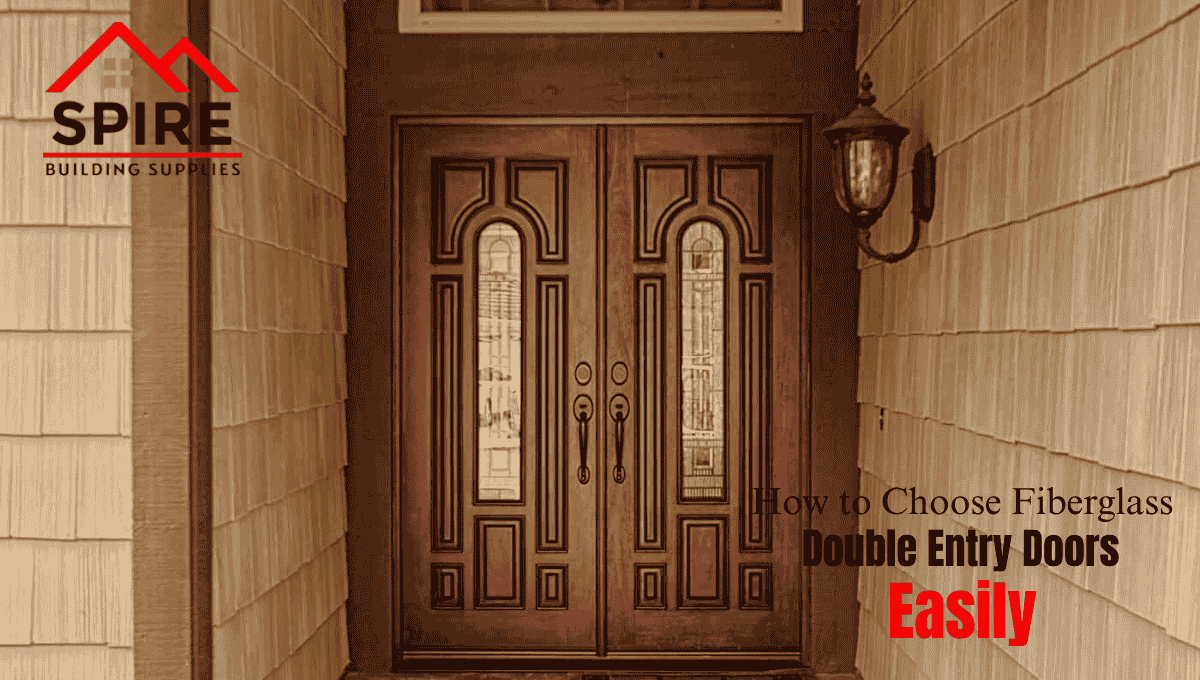
Choosing the right entry door can feel overwhelming, especially when you’re balancing style, durability, and budget. Fiberglass double entry doors are a popular choice for homeowners and builders because they offer a strong mix of performance and design but picking the right one requires more than just selecting a good-looking option.
This guide walks you through exactly how to choose the right doors without second-guessing your decision. You’ll learn what actually matters, what to avoid, and how to make a choice that works long-term not just on day one.
What Are Fiberglass Double Entry Doors?
Fiberglass double entry doors are two-panel front doors made from reinforced fiberglass materials. They’re designed to create a wider, more inviting entrance while offering durability and energy efficiency.
Key Characteristics
- Built with a composite fiberglass exterior
- Typically include insulated cores
- Available with glass inserts or solid panels
- Designed to resist warping, cracking, and moisture
These doors are commonly used in both new builds and renovations where homeowners want a combination of visual impact and low maintenance.
Why Choosing the Right Door Matters
Your entry door is one of the most used and exposed parts of your home. A poor choice can lead to:
- Air leaks and higher energy bills
- Warping or sticking in extreme weather
- Security concerns
- Frequent repairs or replacements
On the other hand, the right fiberglass front entry doors can last decades with minimal upkeep while improving comfort and curb appeal.
Key Factors to Consider Before You Buy
1. Material Quality (Not All Fiberglass Is Equal)
One of the biggest misconceptions is that all fiberglass doors perform the same.
Look for:
- Thick fiberglass skins (more durable)
- High-density foam cores (better insulation)
- Reinforced internal framing
Lower-quality doors often feel lightweight and may not hold up well over time.
2. Door Style and Design
Your door should match both your home’s architecture and your practical needs.
Common styles include:
- Full glass doors – modern look, more natural light
- Partial glass (lite) doors – balance of light and privacy
- Solid panel doors – maximum privacy and security
For example, options like the
3lite flush glazed double door
or
4lite flush glazed double door
offer a clean, contemporary appearance while allowing controlled natural light.
3. Energy Efficiency
Energy performance matters more than most people expect.
Check for:
- Insulated cores (polyurethane is ideal)
- Tight weatherstripping
- Energy ratings if available
Well-insulated double fiberglass entry doors help reduce heat loss and keep indoor temperatures stable.
4. Glass Options
If your door includes glass, pay attention to both function and performance.
Consider:
- Tempered or laminated glass for safety
- Low-E coatings for better insulation
- Frosted or textured glass for privacy
Glass design isn’t just aesthetic it directly affects comfort and energy use.
5. Frame and Hardware Quality
Even the best fiberglass entry doors can fail if paired with weak frames or hardware.
Look for:
- Strong, moisture-resistant frames
- Multi-point locking systems
- Heavy-duty hinges
Double doors require proper alignment and secure locking to function correctly over time.
6. Size and Fit
Fiberglass double front doors require accurate measurements.
Important considerations:
- Rough opening dimensions
- Door swing direction
- Clearance space
Improper sizing leads to installation issues and poor performance.
Benefits and Limitations
Benefits
- Low Maintenance
No need for frequent painting or sealing. - Weather Resistance
Performs well in humidity, heat, and cold. - Long Lifespan
Can last 20–30 years with proper installation. - Design Flexibility
Available in modern and traditional styles.
Limitations
- Higher Initial Cost
More expensive than basic steel doors. - Quality Differences Matter
Cheaper options may not deliver the same durability. - Installation Sensitivity
Performance depends heavily on proper installation.
Fiberglass Front Doors Installation: What You Should Know
Installation plays a bigger role than most people realize.
What Proper Installation Involves
- Preparing and leveling the opening
- Installing a square, secure frame
- Aligning both door panels evenly
- Sealing gaps to prevent air leaks
Why It Matters
Poor installation can lead to:
- Drafts
- Water intrusion
- Doors sticking or misaligning
- Reduced lifespan
If you’re not experienced, hiring a professional is often the safer choice.
Practical Buying Tips That Actually Help
Here’s what tends to make the biggest difference in real-world decisions:
Compare More Than Just Price
A lower upfront cost can mean:
- Thinner materials
- Poor insulation
- Shorter lifespan
Prioritize Long-Term Performance
Focus on:
- Durability
- Energy efficiency
- Maintenance needs
Explore Reliable Options
Browsing a curated selection of
fiberglass doors
can help you understand available styles, finishes, and configurations.
You can also review this guide on
best fiberglass entry doors
for deeper insights into high-performing options.
Common Mistakes to Avoid
- Choosing Based on Looks Alone
A visually appealing door may lack durability or insulation.
- Ignoring Climate Conditions
Doors that work well in mild climates may struggle in extreme heat or humidity.
- Buying Low-Quality Fiberglass
Thin materials and weak cores reduce performance and lifespan.
- Skipping Professional Installation
Improper setup is one of the most common causes of door failure.
- Overlooking Security Features
Double doors need strong locking systems to stay secure.
Expert Tips from Real-World Experience
These are practical insights that consistently make a difference:
- Choose textured finishes if you want a wood-like appearance
- Opt for pre-finished doors to save time and ensure consistency
- Check alignment carefully—double doors require precision
- Invest in quality weatherstripping
- Test door operation before finalizing installation
Real-World Examples
Example 1: Renovation Upgrade
A homeowner replaced aging wooden doors with fiberglass double front doors featuring partial glass panels.
Result:
- Reduced maintenance
- Improved lighting
- Better insulation
Example 2: New Construction Project
A builder installed double fiberglass entry doors across multiple homes.
Outcome:
- Faster installation
- Consistent performance
- Fewer warranty issues
Example 3: High-Exposure Entryway
In a humid environment, fiberglass doors replaced warped wood doors.
Result:
- No swelling or sticking
- Long-term durability
What Homeowners Are Saying
We chose fiberglass for durability, and it’s been completely maintenance-free so far.
The double doors made a huge difference in how our entryway looks and feels.
Installation was key once everything was aligned properly, the doors worked perfectly.
FAQ:
How do I choose the best fiberglass double entry doors?
Focus on material quality, insulation, design, and proper installation rather than just price or appearance.
Are fiberglass double doors better than wood?
They require less maintenance and perform better in harsh weather, though wood offers a more traditional feel.
How long do fiberglass front entry doors last?
With proper installation and care, they can last 20–30 years or longer.
Do fiberglass doors improve energy efficiency?
Yes, especially models with insulated cores and tight seals.
Can I install fiberglass double doors myself?
It’s possible, but professional installation is recommended for proper alignment and sealing.
Final Thoughts
Choosing the right fiberglass double entry doors doesn’t have to be complicated. When you focus on material quality, proper sizing, energy efficiency, and installation, the decision becomes much clearer.
The goal isn’t just to find a door that looks good; it’s to choose one that performs reliably for years, handles your climate, and fits your daily use without problems.
Taking the time to evaluate these factors now can save you from costly mistakes later.
About the Author
Spire Building Supplies Editorial Team
The Spire Building Supplies team brings hands-on experience in residential construction materials, door systems, and real-world installation challenges. Their content is built on practical knowledge, not theory, helping homeowners and builders make informed decisions with confidence and clarity.



Leave a comment