
Introduction: The Window Choice Most Homeowners Get Wrong
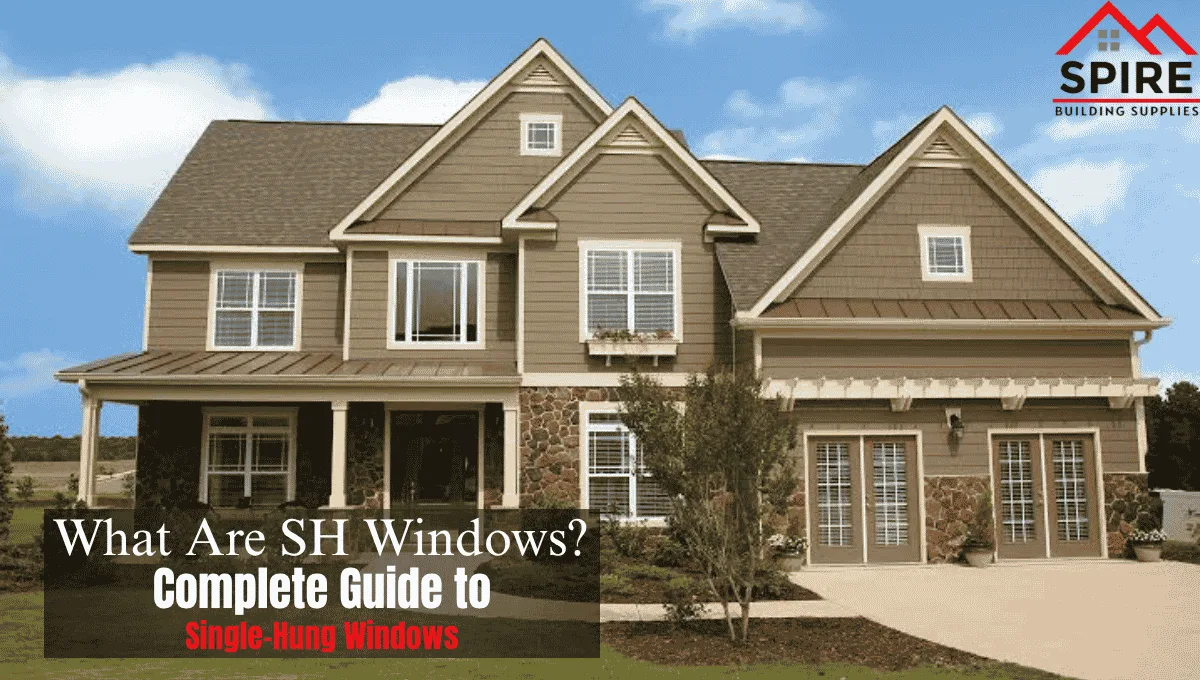
Walk into any home improvement store in the U.S., and you’ll see dozens of window styles competing for attention. Yet one of the most commonly installed—and often misunderstood—is the single hung window.
Many homeowners rush into buying windows based on price alone. That’s where costly mistakes happen. Poor ventilation, cleaning headaches, and even long-term energy loss can follow.
So, what is a single hung window, really—and is it the right choice for your home?
This guide breaks it down with real-world insights, practical pros and cons, and actual cost considerations—so you can make a confident, informed decision.
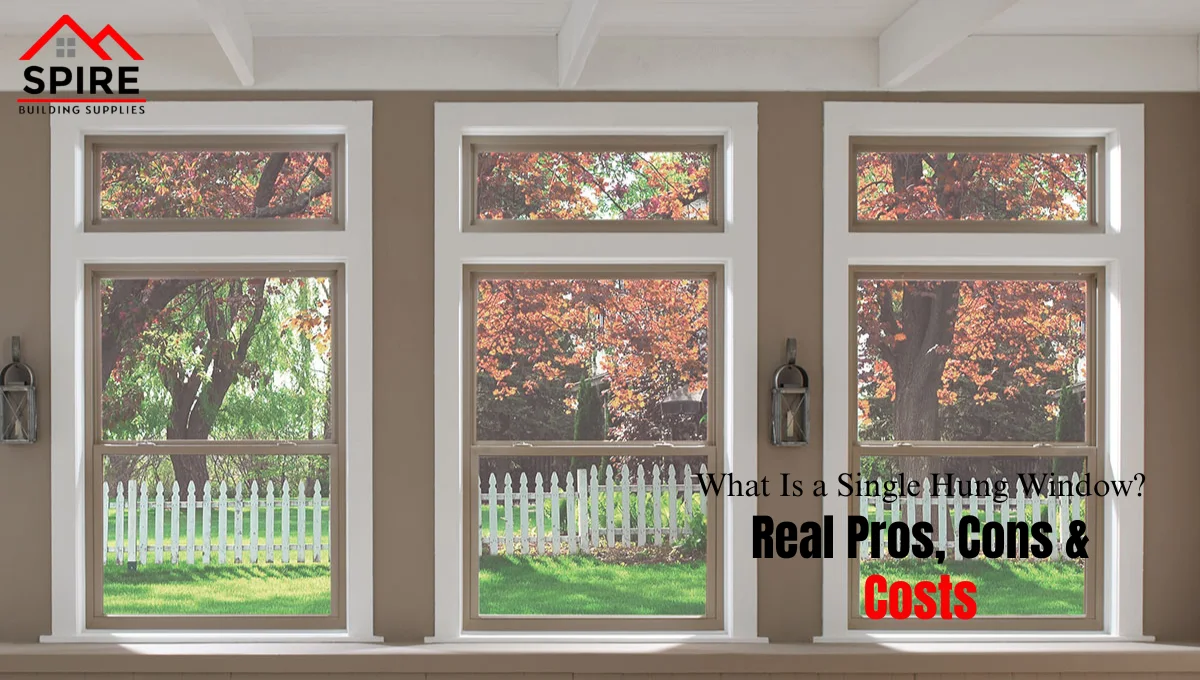
What Is a Single Hung Window?
A single hung window is a classic window style where:
- The bottom sash moves up and down
- The top sash stays fixed in place
That’s the key difference from double hung windows, where both sashes move.
Why This Design Still Dominates
From decades of field experience, builders and contractors still prefer single hung windows because:
- Fewer moving parts = lower failure risk
- Tighter seals = better energy efficiency
- Simpler structure = lower upfront cost
However, simplicity comes with trade-offs—which we’ll cover next.
How Single Hung Windows Work (Real-World Use)
Here’s what actually happens in everyday use:
- You lift the bottom sash to allow airflow
- The top portion remains sealed, preventing air leakage
- Most models include balance systems for smooth operation
Pro Tip (From Installers)
Installers often recommend single hung windows for:
- Ground-level rooms
- Rental properties
- Low-maintenance homeowners
Why? Because fewer moving parts mean fewer service calls over time.
Real Pros of Single Hung Windows
Let’s cut through the marketing and talk about practical benefits:
Lower Cost (Biggest Advantage)
Single hung windows are typically 10–25% cheaper than double hung options.
Better Energy Efficiency
Because the top sash is fixed:
- There’s less air leakage
- Seals stay intact longer
Durability That Lasts
Fewer mechanical components = less wear and tear over years
Clean, Traditional Look
They fit perfectly in:
- Colonial-style homes
- Traditional U.S. architecture
- Rental units
Real Cons You Should Know
No window is perfect. Here’s what many sellers don’t tell you:
Limited Ventilation
Only half the window opens. That can restrict airflow, especially in hot climates.
Harder to Clean (Upper Floors)
You can’t tilt the top sash inward, which makes cleaning tricky in multi-story homes.
Less Flexibility
Compared to double hung or casement windows, airflow control is limited.
Expert Insights: When Single Hung Windows Make Sense
From years of industry observation, here’s when they’re the smartest choice:
- You want maximum value on a tight budget
- You prefer low maintenance over flexibility
- You’re upgrading rental or resale properties
- You need reliable performance with fewer repairs
When to Avoid Them
Skip single hung windows if:
- You need maximum airflow
- You live in a humid climate requiring ventilation
- Cleaning access is a priority
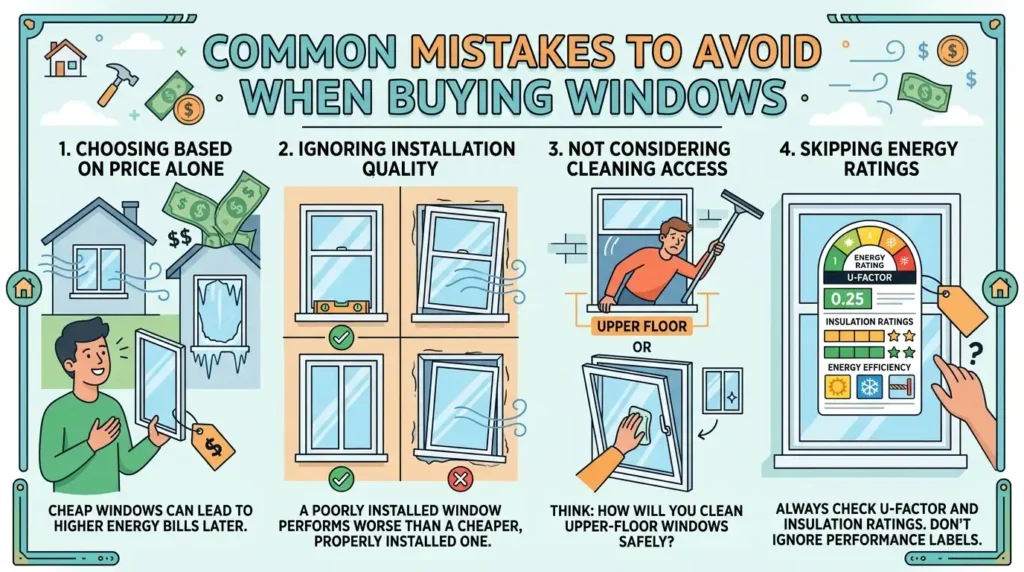
Common Mistakes to Avoid
Even experienced buyers make these errors:
Choosing Based on Price Alone
Cheap windows can lead to higher energy bills later.
Ignoring Installation Quality
A poorly installed window performs worse than a cheaper, properly installed one.
Not Considering Cleaning Access
Upper-floor installations need planning.
Skipping Energy Ratings
Always check U-factor and insulation ratings.
Product Spotlight
INSPIRE VINYL SH 2020 – Single Hung Window
This compact option is ideal for smaller spaces like bathrooms or utility areas.
Key Highlights:
- Space-saving design
- Strong vinyl frame for durability
- Energy-efficient glass options
Best Use Case
Perfect for:
- Tight wall openings
- Secondary rooms
- Budget renovations
INSPIRE VINYL SH 2040 – Single Hung Window
This mid-size configuration offers a balance between airflow and affordability.
Why It Stands Out:
- Better ventilation than smaller models
- Reinforced structure for long-term use
- Works well in bedrooms and kitchens
Expert Insight
Contractors often install this size in standard residential projects because it fits most framing layouts.
INSPIRE VINYL SH 3040 – Single Hung Window
A larger format designed for living areas where natural light matters.
Top Benefits:
- Increased daylight entry
- Enhanced curb appeal
- Strong insulation performance
Where It Works Best
Ideal for:
- Living rooms
- Front-facing walls
- Open-plan homes
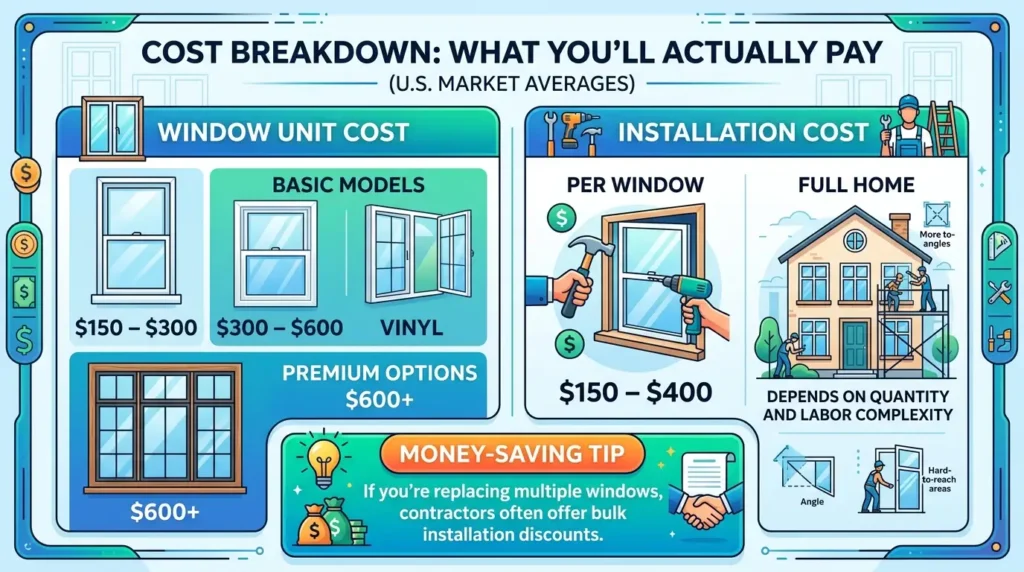
Cost Breakdown: What You’ll Actually Pay
Let’s talk real numbers (U.S. market averages):
Window Unit Cost
- Basic models: $150 – $300
- Mid-range vinyl: $300 – $600
- Premium options: $600+
Installation Cost
- Per window: $150 – $400
- Full home: depends on quantity and labor complexity
Money-Saving Tip
If you’re replacing multiple windows, contractors often offer bulk installation discounts.
Buy Single Hung Windows Online
Buying windows online is now easier—and often cheaper—than visiting multiple stores.
With Spire Building Supplies, you can:
- Compare sizes and specs quickly
- Access detailed product information
- Order directly for delivery across the U.S.
Pro Tip
Before purchasing:
- Measure your window openings accurately
- Confirm installation requirements
- Check return and warranty policies
What Customers Say
James Carter
Solid quality for the price. Installation was smooth, and they perform better than expected.
Emily Rogers
Great value windows. My energy bills dropped slightly after installation.
Daniel Brooks
Simple, durable, and exactly what I needed for my rental property.
People Also Ask
1. What is a single hung window used for?
It’s commonly used in residential homes where cost and energy efficiency matter most.
2. Are single hung windows energy efficient?
Yes, they offer strong insulation due to fewer moving parts and tighter seals.
3. How much do single hung windows cost?
They typically range from $150 to $600 depending on quality and size.
4. What is the difference between single and double hung windows?
Single hung windows have one movable sash, while double hung windows have two.
5. Can you install single hung windows upstairs?
Yes, but cleaning may be more difficult compared to other window types.
Conclusion: Should You Choose a Single Hung Window?
If you want a cost-effective, durable, and energy-efficient window, a single hung window is a strong contender.
However, it’s not for everyone.
The best choice depends on your:
- Budget
- Home layout
- Ventilation needs
For reliable options and expert-backed products, visit Spire Building Supplies
Make a smart investment today—and avoid costly mistakes tomorrow.
Author Bio – Spire Building Supplies Team
The Spire Building Supplies Team brings hands-on experience in residential construction materials, helping homeowners and contractors choose reliable, cost-effective solutions. With a focus on quality and performance, the team shares practical insights based on real-world applications across U.S. housing projects.


Leave a comment