
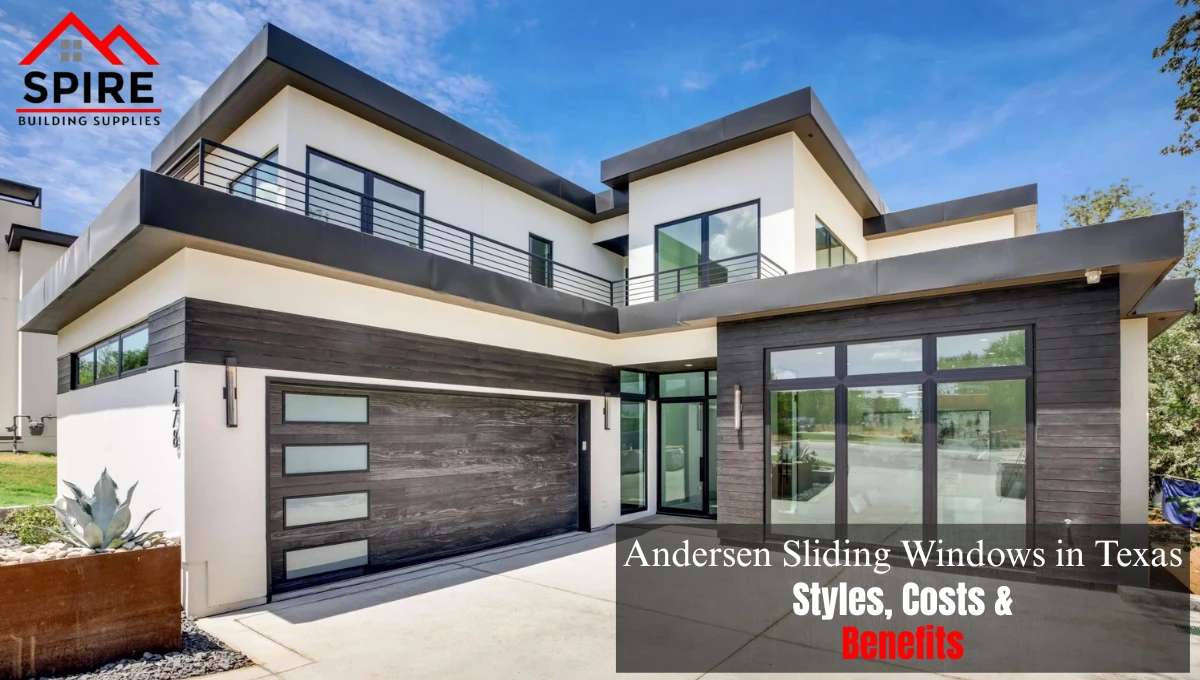
Texas homeowners need windows that complement their home’s design while helping manage intense sunlight, summer heat, ventilation, and maintenance. If your existing windows stick, allow noticeable drafts, or make certain rooms uncomfortable during hot afternoons, replacing them may be worth considering.
Andersen Sliding Windows in Texas is a useful topic for homeowners comparing window styles, costs, and energy-efficiency features before making a purchase. However, choosing the right window involves more than a brand name. Frame materials, glass performance, opening size, installation quality, and local building requirements all influence the final decision.
This guide explains how sliding windows work, what affects their cost, how they compare with other window styles, and what Texas homeowners should consider before starting a replacement or new-construction project.
What Are Andersen Sliding Windows?
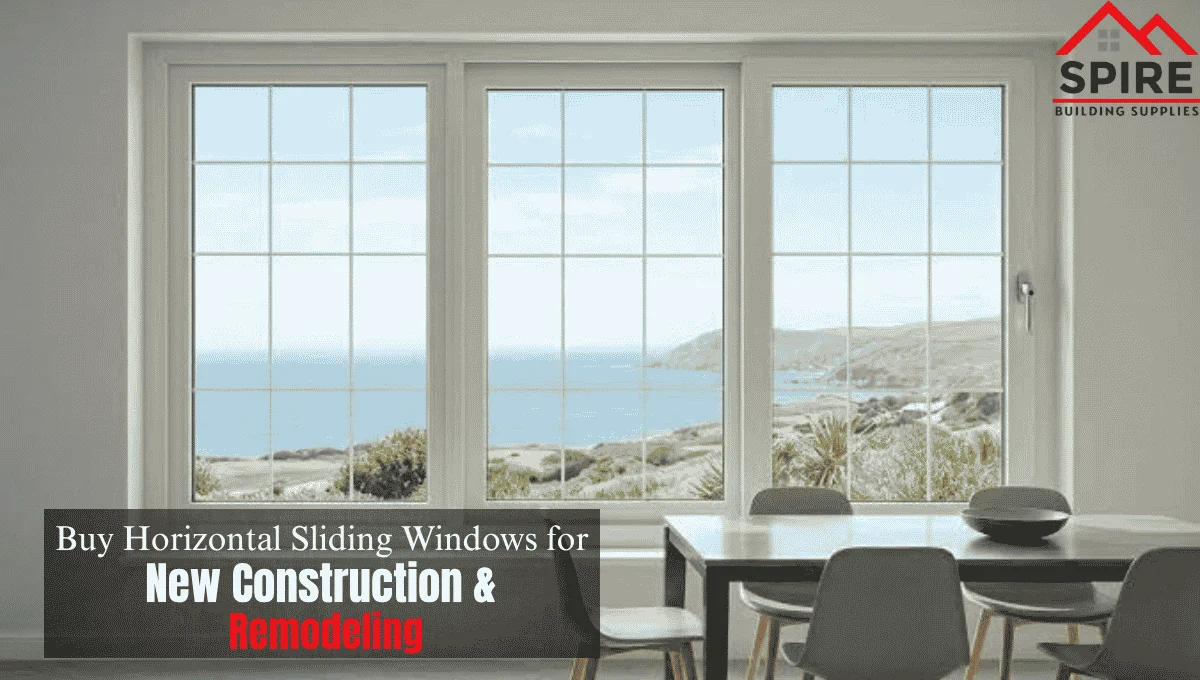
Sliding windows, sometimes called horizontal gliding windows, open by moving one or more sashes sideways along a track. Depending on the design, one sash may remain fixed while another moves, or multiple sections may be designed to slide.
Homeowners often consider this style for natural light, outdoor views, and convenient ventilation without a sash swinging into the room or outside. When comparing options, homeowners researching Andersen 100 Series Windows Cost in Texas should also consider general factors such as window size, frame material, glass options, and installation requirements.
Sliding windows can suit:
- Living rooms overlooking a backyard or garden.
- Kitchens where counter space limits the use of inward-opening windows.
- Bedrooms where horizontal operation is convenient.
- Home renovations where the existing opening suits a sliding design.
- New homes with contemporary or traditional architectural styles.
Before purchasing, confirm the selected window’s specifications, available options, and total project cost with your supplier.
Why Consider Sliding Windows for Texas Homes?
Texas weather can place different demands on residential windows throughout the year. Summer temperatures, direct sunlight, humidity, dust, and heavy rain may affect comfort, maintenance, and the way a window performs.
Sliding windows offer several practical benefits, although their suitability depends on the property and the particular window selected.
Convenient horizontal operation
Sliding windows move along a track instead of swinging on hinges. This can be helpful when a window sits above a kitchen sink, near a patio, or beside furniture.
They may also be convenient for homeowners replacing older windows that have become difficult to operate. However, a new window will only operate properly if it is correctly sized, aligned, and installed.
Natural light and outdoor views
Wide horizontal window openings can create a broad view of the surrounding landscape. They can also brighten living spaces and make a room feel more open.
The amount of visible glass depends on the frame, sash design, and configuration. Homeowners who prioritize unobstructed views should compare the overall frame dimensions and glass area before ordering.
Space-saving design
Unlike casement windows that swing outward, sliding windows generally do not need the same clearance for a moving sash.
This can be useful near:
- Walkways and outdoor seating areas.
- Kitchen counters and sinks.
- Landscaping close to the exterior wall.
- Interior furniture positioned near the window.
Ventilation when outdoor conditions are comfortable
Opening a sliding window allows outdoor air to enter. However, the ventilation area depends on the size of the movable section, and the entire window opening is not usually available for airflow.
During periods of extreme heat or high humidity, outdoor air may make the home less comfortable. Consider your local weather, cooling system, and indoor moisture levels before relying on open windows for ventilation.
Straightforward routine maintenance
Sliding windows need regular care to maintain smooth operation. Dust, dirt, and small pieces of debris can collect in the tracks, while worn weatherstripping can affect the seal.
Basic maintenance includes:
- Removing dust and debris from the tracks.
- Cleaning the glass and frame with suitable products.
- Checking that the sash moves smoothly without force.
- Inspecting weatherstripping for visible wear.
- Keeping drainage openings clear according to the manufacturer’s instructions.
One limitation: sliding windows are not automatically more energy-efficient than every other window style. Glass ratings, frame construction, seals, and installation quality all influence performance.
Andersen Sliding Window Styles and Options
When comparing sliding windows, focus on the features that affect how the window looks, operates, and performs. The right combination depends on the room, the home’s exterior, your budget, and the amount of sunlight the window receives.
Frame materials: vinyl, composite, and wood
Each frame material has different strengths and trade-offs.
Vinyl: Often chosen for its relatively low maintenance and practical cost. Frame construction and thermal performance vary between products, so compare the full specifications.
Composite: Combines materials to achieve particular performance and appearance goals. The exact composition, finish options, and maintenance needs depend on the product.
Wood: Provides a natural interior appearance and can suit traditional home designs. It requires appropriate protection against moisture and regular maintenance according to the finish and construction.
Clad wood: Uses a wood interior with a protective exterior covering. This can reduce exterior upkeep compared with exposed wood, although the specific maintenance requirements still depend on the product.
Do not choose by material name alone. Frame design, glass, weatherstripping, hardware, and installation all contribute to the window’s performance.
Glass options and finishes
Glass selection deserves particular attention in Texas, where direct sunlight can make certain rooms uncomfortable.
Depending on the product, options may include:
Insulated glass: Multiple panes separated by a sealed space to reduce heat transfer.
Low-E glass: A low-emissivity coating designed to control radiant heat transfer.
Tinted glass: Can reduce some sunlight and glare, depending on the tint and glass specification.
Not every option is available with every window. Confirm the actual glass package, finishes, dimensions, and performance ratings before placing an order.
Match the design to your home’s architecture
A black frame may complement a modern home with clean lines, while a white or wood-look finish may suit a more traditional property. Grilles can also change the appearance of the window, particularly when several windows are visible from the street.
For a renovation, compare the proposed windows with the existing trim, exterior materials, and neighboring windows. A consistent design can help the finished project look intentional rather than piecemeal.
Andersen Sliding Windows in Texas: Cost Factors
Window prices vary with size, materials, glass options, customization, and the work needed to install the units. There is no single price that applies to every sliding-window project in Texas.
When comparing quotes, separate the cost of the window itself from the total installed cost.
|
Cost factor |
What to consider |
|
Window dimensions |
Larger or unusual sizes may cost more than standard configurations. |
|
Frame material |
Material, construction, finish, and hardware affect pricing. |
|
Glass package |
Low-E coatings, insulated glass, and other options may change the price. |
|
Custom features |
Special colors, grilles, and configurations can add expense. |
| Removal and disposal |
Existing windows may require additional labor and disposal charges. |
| Installation labor |
Access, opening condition, and installation method influence labor costs. |
| Repairs and finishing |
Damaged framing, water damage, flashing, trim, and paint can increase the total. |
| Delivery and location |
Transportation, local labor rates, and project logistics affect the final quote. |
How much should you budget?
The most reliable way to estimate a project is to request a written quote based on the actual opening dimensions and selected specifications.
For example, replacing a window in a sound opening may involve relatively straightforward work. Replacing one in an older home with damaged framing or signs of water intrusion may require additional repairs before the new unit can be installed.
Ask the supplier or contractor to itemize:
- Window purchase price.
- Delivery charges.
- Removal and disposal of existing windows.
- Installation labor.
- Flashing, insulation, and weather sealing.
- Interior and exterior trim work.
- Any anticipated repairs or permit fees.
This makes it easier to compare quotes fairly and identify missing costs before the project begins.
For related budgeting guidance, see Spire Building Supplies’ home windows for sale in Dallas page. Use the information as general project context rather than as a verified price list for any particular branded window.
Energy Efficiency in the Texas Climate
A window’s energy performance depends on how well its glass, frame, seals, and installation manage heat transfer and air movement. In Texas, solar heat gain can be particularly important because cooling is a major concern during hot weather.
Low-E glass and insulated glass
Low-E coatings help control radiant heat transfer through glass. The results depend on the coating design and the rest of the window assembly.
Insulated glass usually contains two or more panes separated by a sealed space. Compared with basic single-pane glazing, a properly designed insulated unit can reduce heat transfer.
These features can support a more comfortable indoor environment, but they do not guarantee a particular reduction in energy bills.
Understand U-factor and SHGC
Two ratings help homeowners compare window performance.
U-factor: Measures how readily heat passes through a window. A lower U-factor indicates better resistance to heat transfer.
Solar Heat Gain Coefficient (SHGC): Measures how much solar heat enters through a window. A lower SHGC means less solar heat gain.
For a sun-exposed room in Texas, SHGC can be particularly important. U-factor also matters because windows can transfer heat in either direction.
When comparing products, check the ratings for the complete window rather than relying on the glass description alone. Also confirm whether the ratings apply to the exact size and configuration being quoted.
Air leakage, weatherstripping, and installation
Even a window with good published ratings may perform poorly if it is incorrectly installed.
Potential problems include:
- Gaps between the window frame and the rough opening.
- Damaged or poorly fitted weatherstripping.
- Missing or improperly integrated flashing.
- Insufficient insulation around the frame.
- Drainage openings blocked by sealant or debris.
Texas homes may also face heavy rain, humidity, and strong winds, depending on their location. The installation should account for the home’s exterior materials, drainage design, and applicable local requirements.
Ask the contractor how the window will be supported, flashed, sealed, and integrated with the surrounding wall. Good installation helps the window perform as designed, but it cannot compensate for an unsuitable product.
For additional energy-efficiency guidance, homeowners can consult the U.S. Department of Energy’s resources on energy-efficient windows.
Sliding Windows vs. Other Window Styles
Sliding windows are one option among several common residential window designs. The right choice depends on ventilation needs, available space, maintenance preferences, and the appearance you want.
| Feature | Sliding windows | Single-hung windows | Double-hung windows |
Casement windows |
| Operating style | Sash moves horizontally | Lower sash moves vertically | Upper and lower sashes move vertically |
Sash swings outward |
| Ventilation | Through the movable section | Through the lower opening | Through the upper, lower, or both openings |
Through the open sash |
| Space requirements | No swinging clearance | No swinging clearance | No swinging clearance |
Needs exterior clearance |
| Maintenance | Tracks and rollers need cleaning | Sash channels and hardware need care | More moving parts may require attention |
Hinges, crank, and seals need care |
| Common applications | Wide openings and convenient horizontal operation | Traditional residential designs | Flexible ventilation options |
Locations where an outward-opening sash is practical |
Which style should you choose?
- Choose sliding windows when horizontal operation suits the room and you want to avoid a swinging sash.
- Consider single-hung windows when you prefer a traditional appearance with a straightforward operating arrangement.
- Consider double-hung windows when you want the flexibility of opening the upper or lower sash.
- Consider casement windows when the opening and exterior space allow a hinged sash to swing outward.
No style is automatically the most energy-efficient in every situation. Compare the specific units’ air-leakage ratings, U-factor, SHGC, and installation requirements before deciding.
How to Choose the Right Sliding Windows for Your Home
Before buying windows, make sure the style and specifications match your home’s needs. A simple checklist can help homeowners, builders, and contractors avoid common ordering mistakes.
Window-buying checklist
Measure the opening: Follow the manufacturer’s measuring instructions. Do not estimate order dimensions from the visible glass alone.
Choose the opening direction: Confirm which sash moves and whether the configuration works for the room.
Assess sunlight: Note whether the window faces east, west, south, or north, and identify nearby shade.
Compare energy ratings: Review U-factor, SHGC, and air-leakage information for the complete window.
Questions to ask before ordering
Before approving a quote, ask the supplier or contractor:
- What are the exact window dimensions and configuration?
- Which glass package and energy ratings are included?
- Is the product a standard size or a custom order?
- Does the quote include delivery, removal, disposal, and installation?
These questions help you compare quotes on equal terms and reduce the risk of unexpected costs.
Common Mistakes to Avoid
- Choosing by price alone
- Ignoring glass performance
- Forgetting installation expenses
- Measuring the opening incorrectly
- Overlooking maintenance access
- Assuming every window suits every Texas location
- Expecting guaranteed energy savings
Where Spire Building Supplies Fits Into Your Project
Selecting windows is only one part of planning a successful renovation or construction project. Homeowners and contractors also need to compare dimensions, material choices, delivery arrangements, installation requirements, and the overall budget.
Spire Building Supplies is a building-materials supplier based in Grand Prairie, Texas. Its website lists windows, doors, flooring, trims, cabinets, and other materials for residential and construction projects.
For a window project, you can review its sliding window options and contact the team to confirm current availability, dimensions, frame materials, glass specifications, and pricing.
When comparing options, consider these steps:
- Identify the window size and configuration your project requires.
- Compare the available frame materials and glass specifications.
- Request a quote that separates product costs from delivery and installation.
- Confirm whether the selected window meets your property’s requirements.
- Review the maintenance instructions and applicable warranty terms.
If you specifically want Andersen-branded windows, confirm availability directly with the supplier before planning your purchase. Do not assume that every sliding window listed by a supplier belongs to a particular brand.
Planning a window or home improvement project? Visit Spire Building Supplies to review its building-material options and discuss your project requirements.
People Also Asked
Are sliding windows a good choice for Texas homes?
Sliding windows can suit Texas homes when they offer suitable energy ratings, weather seals, and proper installation.
How much do sliding windows cost in Texas?
Costs depend on window size, frame material, glass options, delivery, and installation requirements.
Are sliding windows energy-efficient in hot climates?
Sliding windows can provide good energy performance with suitable glass, insulation, weather seals, and professional installation.
What is the difference between sliding and double-hung windows?
Sliding windows open horizontally, while double-hung windows open vertically using movable upper and lower sashes.
Conclusion
Choosing sliding windows for a Texas home involves balancing appearance, ventilation, energy performance, maintenance, and total project cost. A horizontal design may suit a kitchen, living room, or renovation where a swinging sash would be inconvenient, but the right choice depends on the opening and the home’s needs.
When researching Andersen Sliding Windows in Texas, look beyond the brand name and evaluate the actual product specifications. Compare frame materials, glass performance, U-factor, SHGC, weather seals, installation quality, and applicable local requirements.
Before placing an order, obtain a detailed quote, verify measurements, and confirm the product’s availability and suitability for your property. These steps can help you make a more informed decision and plan a window project with fewer surprises.
Planning a window replacement or home improvement project in Texas? Contact Spire Building Supplies to discuss your project requirements, compare available building materials, and get help with your next steps.
Ready to get started? Contact Us to discuss your building-supply needs.
Author Bio
Spire Building Supplies Team
The Spire Building Supplies Team provides practical information to help homeowners, builders, contractors, and remodelers make informed building-material decisions. Its content focuses on product comparisons, material selection, project planning, and the factors that contribute to functional, well-planned home improvement projects.

Leave a comment