
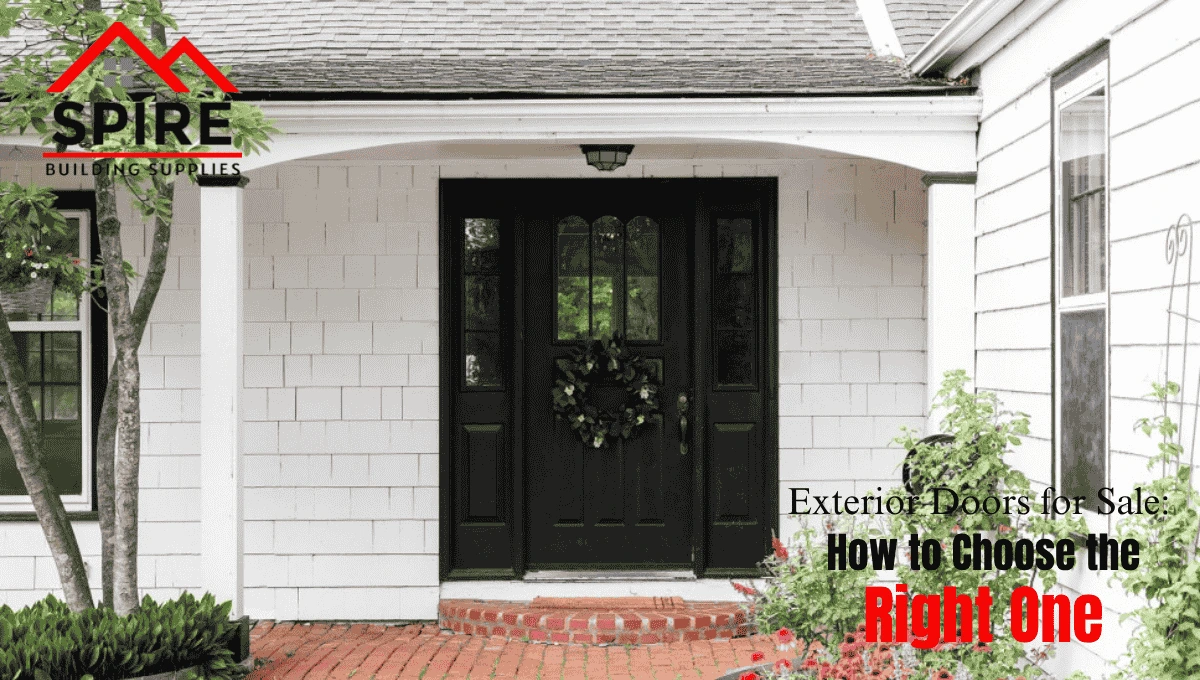
Choosing a new entry door sounds simple until you start comparing materials, sizes, styles, insulation ratings, hardware, and installation requirements. If you’ve been browsing exterior doors for sale, you’ve probably already noticed how quickly the options multiply. The right door affects more than appearance. It influences security, energy efficiency, weather resistance, maintenance, and even how smoothly your home functions every day. A poor choice can lead to drafts, swelling, leaks, difficult operation, or a front entry that looks out of place.
This guide breaks down what actually matters when choosing an exterior door so homeowners and builders can make a smart, long-lasting decision. You’ll learn how to compare materials, what to prioritize for performance, which design details people often overlook, and how to avoid the most common buying mistakes.
Why Your Exterior Door Matters More Than Most People Think
An exterior door is one of the hardest-working parts of a home. It opens and closes constantly, stands up to weather, helps regulate indoor temperature, and serves as a major security barrier.
A well-chosen door should do five things well:
- Seal tightly against air and moisture
- Hold up to daily wear and changing weather
- Support secure locks and hardware
- Match the style of the home
- Fit correctly for reliable long-term performance
That last point matters more than many buyers realize. Even a high-quality door can underperform if it’s the wrong size, poorly installed, or mismatched to the climate and use of the home.
What to Know Before You Start Shopping
Before comparing brands or finishes, it helps to understand the basics. Exterior doors vary widely in material, construction, and performance.
The Main Types of Exterior Doors
Most exterior doors fall into these categories:
- Front entry doors
- Back or side entry doors
- Patio or garden doors
- Double doors
- Doors with glass inserts or sidelites
The best option depends on where the door will be installed and how much traffic, weather exposure, and security it needs to handle.
Slab vs. Prehung Doors
This is one of the first decisions to make.
Slab Door
A slab is just the door panel itself. It can work if:
- Your existing frame is in excellent condition
- The opening is standard and square
- You’re replacing only the door, not the frame
Prehung Door
A prehung unit includes:
- The door
- Frame
- Hinges
- Often weatherstripping and threshold
In real-world remodels, prehung doors are usually the safer choice, especially if the old frame is worn, warped, or out of square.
The Most Important Decision: Choosing the Right Material
Door material affects performance more than most style details. This is where buyers should slow down and compare carefully.
1) Fiberglass Exterior Doors
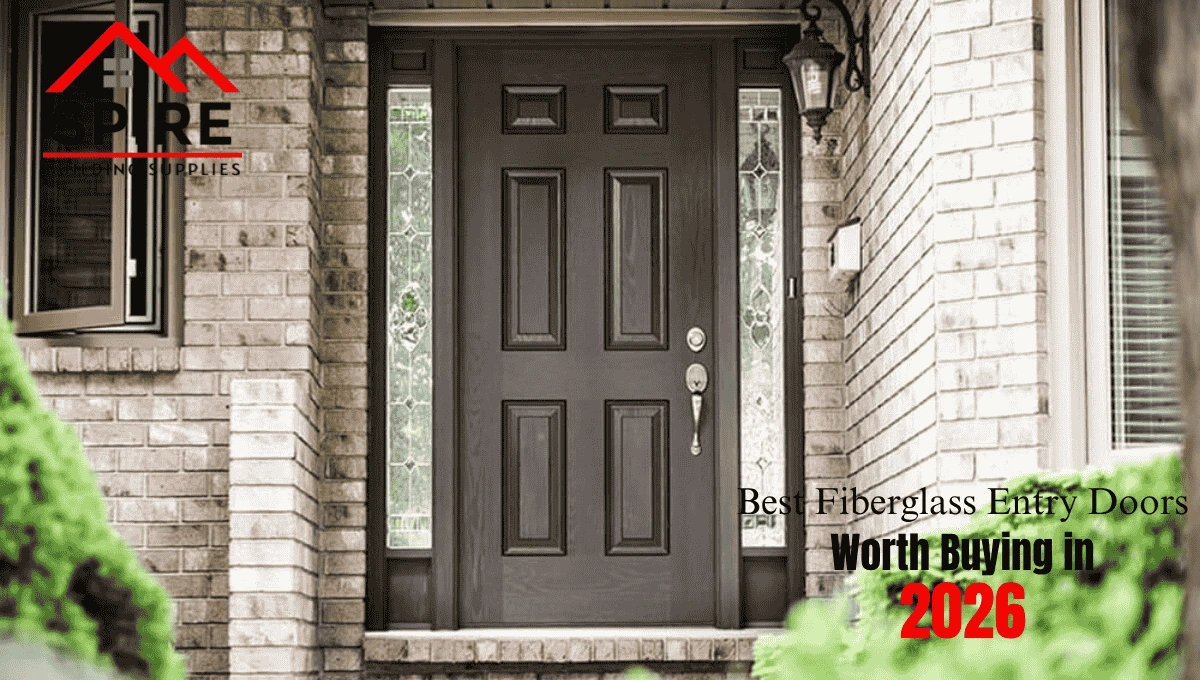
For many homes, exterior fiberglass doors offer the best balance of durability, insulation, appearance, and maintenance.
Why fiberglass works well:
- Resists dents, rust, rot, and warping
- Handles temperature swings better than many wood doors
- Can mimic painted or stained wood looks
- Often provides strong insulation performance
- Lower maintenance over time
Best for:
- Front entries
- Homes exposed to sun, rain, or humidity
- Homeowners who want good looks without constant upkeep
If you’re comparing materials, it’s worth exploring dedicated options like Fiberglass doors to see the range of styles and finishes available.
Limitation:
Not all fiberglass doors are built equally. Budget models can feel lightweight or less refined than premium versions, so construction quality still matters.
2) Steel Exterior Doors
Steel doors are popular for security, value, and strength.
Pros:
- Strong and secure
- Often affordable
- Good energy efficiency when insulated
- Low maintenance overall
Cons:
- Can dent
- Scratches may lead to rust if not repaired
- Style options can feel more limited than fiberglass or wood
Best for:
- Side entries
- Utility entrances
- Budget-conscious builds
- Homes prioritizing durability and security
3) Wood Exterior Doors
Wood doors are often chosen for warmth, character, and traditional curb appeal.
Pros:
- Beautiful, high-end look
- Easy to customize
- Great for historic or upscale homes
Cons:
- Requires more maintenance
- More vulnerable to swelling, cracking, or moisture issues
- Usually more expensive
Best for:
- Covered front entries
- Homes where aesthetics are the top priority
- Buyers willing to maintain the finish
How to Choose the Right Exterior Door for Your Home
Once you understand materials, the next step is narrowing down what works for your specific home not just what looks good in a showroom.
1) Start With Your Climate and Exposure
A door that performs well under a covered porch may struggle on a sun-baked west-facing entry or a rain-exposed side door.
Ask:
- Does this door get direct afternoon sun?
- Is it exposed to wind-driven rain?
- Will it face humidity or seasonal temperature swings?
- Is the entry covered or fully exposed?
Practical rule:
If the door gets a lot of weather exposure, prioritize:
- Fiberglass or steel
- Good weatherstripping
- Insulated core construction
- Durable finish systems
2) Think About Security Beyond the Lock
A secure door is more than a deadbolt.
Look for:
- Solid core or reinforced construction
- Quality lockset compatibility
- Strong strike plate anchoring
- Durable frame material
- Multi-point lock compatibility if desired
A heavy decorative door won’t necessarily be more secure if the frame and hardware support are weak.
3) Match the Door Style to the Architecture
One of the easiest mistakes is choosing a door that looks trendy online but disconnected from the home itself.
Good style matching usually looks like this:
Traditional homes
- Raised panels
- Decorative glass
- Warm painted or stained finishes
Contemporary homes
- Clean lines
- Narrow profiles
- Minimal hardware
- Glass inserts used more intentionally
Farmhouse or transitional homes
- Shaker-inspired panels
- Matte black or bronze hardware
- Mixed glass and solid panel layouts
If you’re browsing modern exterior doors, keep proportion in mind. A sleek, minimalist door can look excellent—but only if it suits the home’s lines, windows, and trim details.
4) Don’t Ignore Glass Placement and Privacy
Glass can completely change the look and feel of an entryway, but it should be chosen with purpose.
Consider:
- Privacy level: Clear, frosted, obscure, or textured glass
- Natural light: Helpful in darker entryways
- Security concerns: Glass near locks should be chosen carefully
- Energy efficiency: Glass type affects thermal performance
A small amount of well-placed glass often performs better than a large decorative insert if insulation and privacy are priorities.
5) Decide Whether You Need a Standard or Custom Size
This is where many projects go off track.
Not every opening is standard. Older homes, remodels, and upgraded entries often need more than an off-the-shelf fit.
You may need custom exterior doors if:
- Your opening is oversized or unusually shaped
- You want sidelites or transoms
- You’re replacing a dated or modified entry
- You need architectural matching
Custom can cost more upfront, but it often saves time, trim work, and performance issues later.
Benefits and Limitations of Buying a New Exterior Door
A realistic decision should include both upsides and tradeoffs.
Benefits
Better energy efficiency
A properly sealed, insulated door can reduce drafts and help stabilize indoor comfort.
Improved curb appeal
An entry door is one of the first things people notice. It has an outsized visual impact compared to many other upgrades.
Better security
Modern construction, upgraded frames, and improved lock compatibility can significantly improve entry security.
Easier operation
A new door that fits and seals properly simply works better day to day.
More design flexibility
You can choose glass, panel layouts, finish, hardware style, and overall look more intentionally.
Limitations
Cost can rise quickly
Glass packages, sidelites, premium finishes, and hardware can increase the final price more than expected.
Installation matters as much as product quality
A great door installed poorly can create problems immediately.
Some styles require more maintenance
Wood, darker finishes, and highly exposed entries often need more attention over time.
What Buyers Often Overlook
This is where experienced selection usually beats impulse buying.
1) Swing direction
People often choose a door without confirming whether it should swing in or out, left or right.
2) Threshold and sill details
These affect weather sealing, accessibility, and long-term performance.
3) Frame condition
Replacing only the slab when the frame is damaged or out of square can cause ongoing issues.
4) Finish durability
That bold dark finish may look great, but it may absorb more heat and show wear faster in certain exposures.
5) Glass efficiency
Not all decorative glass performs equally well.
Common Mistakes to Avoid
This is the section most buyers wish they had read first.
1) Choosing Based on Looks Alone
A door can be beautiful and still be the wrong choice for your climate, traffic level, or security needs.
Better approach:
Choose performance first, then narrow by style.
2) Measuring the Door Instead of the Opening
This causes expensive ordering mistakes.
Always confirm:
- Rough opening dimensions
- Frame condition
- Jamb depth
- Threshold height
- Flooring transitions
Even experienced DIYers sometimes underestimate how much the surrounding structure affects fit.
3) Assuming “Exterior Grade” Means High Performance
Not all exterior doors are equally weather-resistant or insulated.
Compare:
- Core construction
- Weatherstripping quality
- Glass package
- Finish system
- Warranty details
4) Underestimating Exterior Door Installation
Good exterior door installation is not just about setting a door in place. It involves:
- Leveling and shimming
- Squaring the frame
- Flashing and sealing correctly
- Threshold alignment
- Air and moisture management
A door that’s even slightly out of alignment can stick, leak, or fail to latch properly.
5) Buying Too Cheap for a High-Use Entry
For a front door used multiple times every day, ultra-budget options often cost more over time through repairs, poor sealing, or premature replacement.
Expert Tips That Actually Make a Difference
These are the practical details that tend to matter most in real homes.
Tip 1: Prioritize the Frame, Not Just the Door Panel
The frame, hinges, sill, and weather seals all affect long-term performance. A strong door in a weak or poorly installed frame won’t perform as expected.
Tip 2: Use Exposure to Guide Material Choice
If the door faces harsh weather, fiberglass usually offers the most forgiving long-term performance for many homeowners.
Tip 3: Don’t Overspend on Features You Won’t Notice Daily
Some decorative upgrades look impressive in photos but don’t improve real function. Spend first on:
- Better core construction
- Better glass efficiency
- Better sealing
- Better hardware compatibility
Tip 4: Think About the Whole Entryway
A new door often works best when considered with:
- Trim
- Paint color
- Porch lighting
- House numbers
- Nearby windows
If you’re upgrading more than the entry, this is also a good time to think about related projects like best sliding windows for home to keep the overall exterior looking cohesive.
Tip 5: Compare Use Case, Not Just Price
Ask: “Will this door still make sense five years from now?”
That’s usually a better buying filter than “What’s cheapest today?”
Real-World Examples: What the Right Choice Looks Like
Here’s how the decision often plays out in real homes.
Example 1: Busy Family Front Entry
A homeowner with kids and frequent daily traffic wants a low-maintenance front door with strong insulation and good curb appeal.
Best fit:
A fiberglass prehung door with moderate glass, durable finish, and secure hardware prep.
Example 2: Side Garage Entry
A builder needs a practical, durable side entry with good value and solid security.
Best fit:
An insulated steel door with minimal glass and straightforward hardware.
Example 3: High-End Renovation
A homeowner wants a larger statement entry for a remodel with sidelites and a more architectural look.
Best fit:
A custom fiberglass or wood-look door package sized to the opening and matched to the home’s style.
Example 4: Interior and Exterior Door Planning Together
Some renovation projects involve both entry and interior door upgrades. In those cases, it also helps to compare interior categories like Hollow core options separately so the right materials are used in the right places.
For homeowners comparing categories broadly, browsing a curated selection of best doors can help narrow down the right type before getting into specific finishes and specs.
How to Search Smarter If You’re Comparing Local Options
A lot of buyers start with searches like exterior doors near me, which makes sense—but it can lead to rushed decisions if you only compare what’s immediately available.
A better way to evaluate local options:
- Start with your measurements and use case
- Narrow the right material first
- Compare in-stock vs. orderable options
- Ask about lead times and finish availability
- Confirm whether installation support is available if needed
Availability matters, but fit and performance matter more.
Quick Checklist: How to Choose the Right Exterior Door
If you want a simple decision-making framework, use this:
Before you buy, confirm:
- Your opening size and swing direction
- Whether you need slab or prehung
- The right material for your climate
- Your preferred privacy and glass level
- Security and hardware requirements
- Whether the style matches your home
- Whether installation conditions are straightforward or complex
That short checklist prevents most common buying mistakes.
FAQ:
1) What is the best material for an exterior door?
For many homes, fiberglass is one of the best all-around choices because it balances durability, insulation, appearance, and low maintenance.
2) Are fiberglass exterior doors better than steel?
It depends on the use. Fiberglass often performs better for style flexibility and weather resistance, while steel is usually strong, secure, and budget-friendly.
3) Should I buy a slab or prehung exterior door?
If the frame is old, damaged, or out of square, a prehung unit is usually the better option. It often leads to better fit and easier installation.
4) How much does exterior door installation matter?
A lot. Even a high-quality door can leak, stick, or seal poorly if it isn’t installed correctly.
5) Are custom exterior doors worth it?
Yes, if you have a non-standard opening, want a specific architectural style, or need better fit and design flexibility.
What Homeowners Commonly Say After Replacing the Right Door
Matt Best prices and excellent customer service! I’ll come back soon!
Max and hector great service i aparentemente to this guys for great job
Great service hector thanks for your help.
Final Thoughts
The right exterior door should do more than look good in a product photo. It should fit your home, hold up to your climate, operate reliably, and make daily life easier not create new maintenance or performance issues.
If you’re comparing exterior doors for sale, the smartest approach is to start with function, then narrow down style. Focus on material, fit, exposure, insulation, and installation quality before getting distracted by finishes and decorative upgrades. That’s usually what separates a door that still performs well years later from one that becomes a recurring frustration.
A well-chosen door is one of those upgrades you notice every single day. It’s worth choosing carefully.
About the Author
Spire Building Supplies Editorial Team writes practical, homeowner-friendly guidance based on real product knowledge, renovation needs, and common jobsite considerations. Our goal is to make building product decisions clearer, more useful, and easier to navigate without the jargon or guesswork.

Leave a comment