
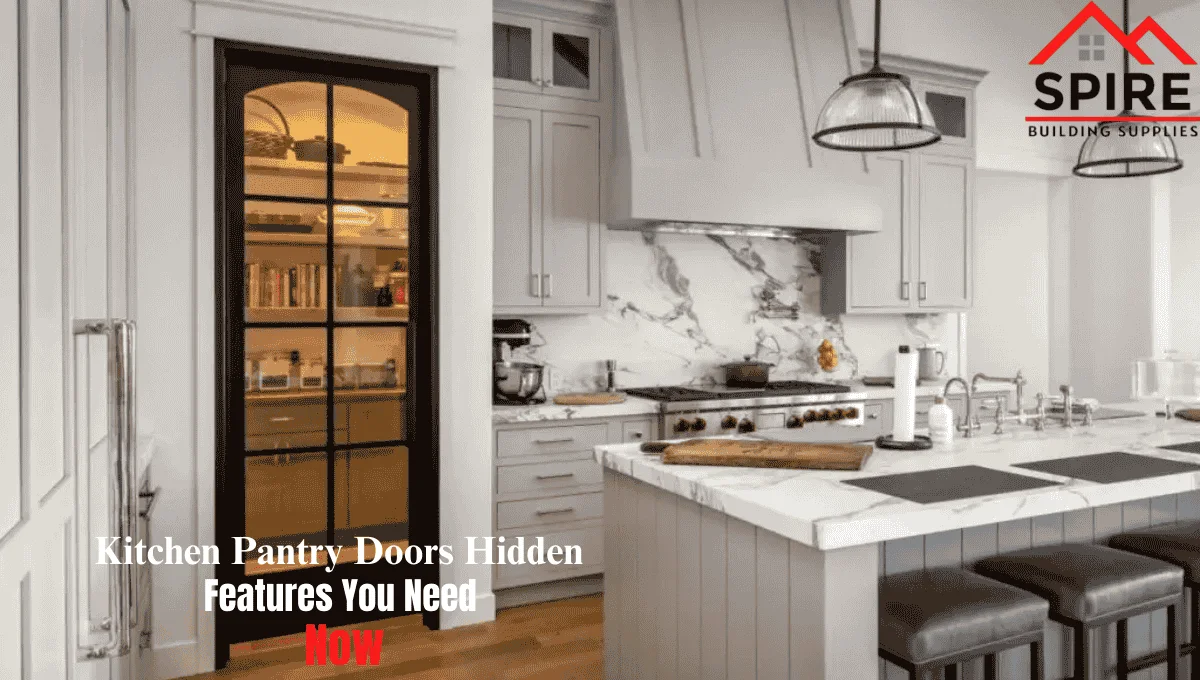
When homeowners plan a kitchen upgrade, they usually focus on cabinets, countertops, and appliances. But kitchen pantry doors are one of the most overlooked elements that directly impact functionality, storage efficiency, and overall design flow. The right pantry door doesn’t just close off shelves; it affects traffic patterns, lighting, accessibility, and even perceived home value.
At Spire Building Supplies, we regularly work with contractors and homeowners who realize too late that pantry door decisions weren’t carefully planned. The result? Clearance problems, mismatched heights, poor ventilation, or doors that simply feel out of scale.
This guide breaks down the hidden features most people miss and what actually works in real kitchens.
Why Pantry Doors Matter More Than You Think
A pantry door may seem like a minor detail, but in practice it plays a structural and visual role in your kitchen.
It influences:
- How easily you access daily-use items
- Whether the refrigerator and drawers open smoothly
- How natural light moves through the space
- The visual height and symmetry of your kitchen
Choosing among the best doors for your pantry isn’t about decoration; it’s about long-term functionality.
Understanding Pantry Door Basics
Before diving into hidden features, let’s clarify what qualifies as pantry doors and how they differ from other door types.
Interior vs. Exterior Doors
Pantry doors are interior doors designed for enclosed storage spaces. They are not engineered like exterior universal iron doors, which are built for weather resistance, insulation, and security. Pantry doors prioritize the following:
- Space efficiency
- Interior design continuity
- Accessibility
- Lightweight or moderate-weight construction
Knowing this distinction helps avoid overbuildin or underbuilding your pantry entry.
Hidden Features You Should Consider
From years of real-world installations and renovations, here are the features that make the biggest difference.
1. Door Height: 6’8″ vs 8’0″
One of the most overlooked decisions is door height.
Most homes use a Pantry door 6’8″ Height (80 inches). It’s standard, widely available, and budget-friendly.
But in homes with 9- or 10-foot ceilings, upgrading to a Pantry door 8’0″ Height can dramatically improve visual proportion.
When 6’8″ Height Works Best:
- 8-foot ceilings
- Traditional layouts
- Budget-sensitive remodels
When 8’0″ Height Makes Sense:
- Taller ceilings
- Open-concept kitchens
- Custom cabinetry that runs full height
- Modern or transitional styles
In real projects, the difference is noticeable. An 8-foot pantry door often makes the entire kitchen feel more custom especially when aligned with tall cabinets.
2. Door Swing Direction (The #1 Installation Mistake)
This is where many homeowners run into trouble.
Common issues:
- Door hits the kitchen island
- Blocks refrigerator access
- Interferes with cabinet drawers
Before finalizing your order:
- Map the swing arc with painter’s tape
- Confirm hinge orientation
- Check appliance clearance
If space is tight, sliding or bi-fold Pantry doors may solve the issue entirely.
3. Solid Core vs Hollow Core
Homeowners rarely ask about door core type — but they should.
Hollow Core:
- Lightweight
- Lower cost
- Minimal sound insulation
- Can feel less substantial
Solid Core:
- Better sound dampening
- More durable
- Higher-end feel
- Better for pantries with secondary appliances
If your pantry contains a wine cooler, freezer, or coffee station, solid core is usually worth the upgrade.
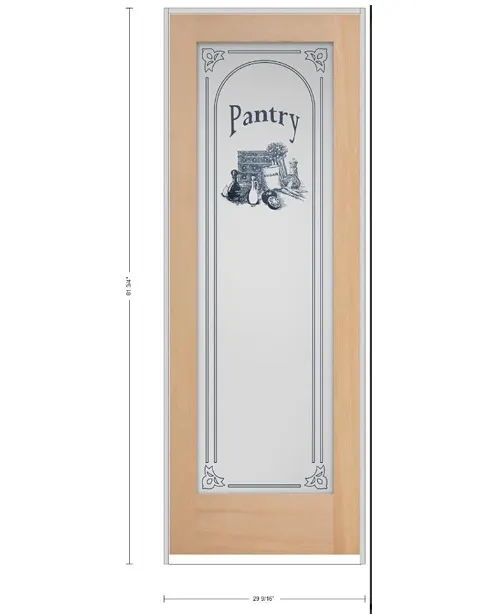
4. Glass Panels: Function Beyond Aesthetics
Glass pantry doors aren’t just decorative.
They can:
- Allow natural light into darker areas
- Reduce daytime lighting needs
- Make small kitchens feel more open
However, clear glass exposes clutter. Frosted or textured glass offers privacy while still letting light pass through — often the most practical solution.
5. Ventilation & Airflow
Pantries can trap heat and moisture, especially if they house small appliances.
Consider:
- Louvered door panels
- Vent cutouts
- Passive airflow gaps
Poor ventilation can lead to stale odors or moisture buildup — something homeowners often discover months after installation.
6. Hardware Compatibility
Handles and hinges aren’t just decorative details.
Common mistakes include:
- Oversized pulls that hit cabinetry
- Inadequate hinges for solid-core weight
- Ignoring soft-close hardware options
Durability matters. Proper hinge strength and alignment prevent long-term sagging.
Choosing the Best Doors for Different Kitchen Layouts
There is no one-size-fits-all solution.
Small Kitchens
- Sliding barn-style doors
- Bi-fold systems
- Frosted glass panels
These maximize clearance and improve flow.
Large Kitchens
- 8’0″ Height doors
- Double pantry doors
- Decorative panels matching cabinetry
Modern Homes
- Flush slab doors
- Minimal hardware
- Full-height designs
Traditional Homes
- Raised panel doors
- 6’8″ Height standard sizing
- Classic hardware finishes
Coordinating Pantry Doors with Whole-Home Design
Your pantry door shouldn’t feel disconnected from the rest of the home.
For example:
- If the home features bold Exterior Universal Iron doors at the entry, interior doors should balance rather than compete.
- Door trim and casing should align proportionally with the ceiling height.
- Finish colors should complement cabinets and flooring.
A cohesive door strategy enhances overall design continuity.
If you’re planning broader upgrades, this guide on Home Building & Renovation Supplies is a helpful resource for understanding how doors fit into a larger renovation plan.
Real-World Mistakes We See Often
From hands-on experience, these are the most common pantry door errors:
1. Measuring the Slab Instead of the Rough Opening
Always measure:
- Rough opening width
- Rough opening height
- Wall thickness
Incorrect measurements lead to expensive reorders.
2. Ignoring Floor Level
Even slight floor unevenness can cause latch issues or improper swing alignment.
3. Choosing Style Before Function
Many homeowners choose based on photos without considering:
- Daily traffic flow
- Appliance placement
- Lighting conditions
Function should always lead design.
4. Overlooking Storage Depth
If your pantry shelves are deep, make sure the door allows full access. Narrow swing angles limit usability.
Practical Buying Checklist
Before placing your order, confirm:
- Ceiling height
- Rough opening dimensions
- Swing direction
- Core type
- Ventilation needs
- Hardware compatibility
- Design coordination with adjacent doors
This prevents 90% of post-installation frustration.
Real-World Use Cases
Case Study: Compact Kitchen Upgrade
A homeowner replaced a standard swinging door with a sliding option. The result:
- Gained nearly a foot of usable space
- Improved appliance access
- Eliminated collision with island seating
Case Study: Full Renovation with Tall Ceilings
Switching from 6’8″ to 8’0″ Height created better alignment with ceiling-height cabinets and trim. The kitchen immediately felt more architecturally balanced.
FAQ
What is the standard pantry door size?
Most homes use an 80-inch (6’8″) tall door. Taller homes may benefit from 96-inch (8’0″) options.
Are glass pantry doors practical?
Yes — especially in darker kitchens. Frosted glass provides light without exposing clutter.
Should pantry doors match other interior doors?
They should coordinate in style and finish, but exact matching isn’t required.
Is solid core worth it?
If noise control and durability matter, solid core is often a smart investment.
Are sliding doors better?
In tight kitchens, sliding doors improve clearance. In larger kitchens, hinged doors allow wider access.
What Homeowners Are Saying
Upgrading to an 8-foot pantry door changed the entire look of our kitchen. – Daniel T.
We didn’t think about swing direction at first. After switching to sliding, everything flows better. – Maria L.
Solid core made a noticeable difference. It feels sturdier and blocks the sound from our freezer. – Kevin R.
Final Thoughts
Kitchen upgrades aren’t only about cabinetry and appliances. The right pantry door improves daily functionality, enhances design flow, and prevents frustrating layout issues.
Well-selected kitchen pantry doors:
- Improve access
- Support airflow
- Enhance lighting
- Elevate visual proportion
- Add perceived value
At Spire Building Supplies, we’ve seen firsthand how thoughtful door selection prevents costly corrections later. The key is planning early, measuring accurately, and prioritizing functionality alongside style.
Treat your pantry door as an architectural element not an afterthought.
for an exclusive collection of small sliding windows, visit this page; Maximize Light and Ventilation with a High-Performance Small Sliding Window for Kitchen
About the Author
Editorial Team – Spire Building Supplies
Our team works closely with builders, remodelers, and homeowners across residential construction and renovation projects. With hands-on experience in door systems, framing requirements, and interior finishing, we focus on practical guidance rooted in job-site reality. Our goal is to help homeowners make informed decisions that perform well long after installation is complete.


Leave a comment