
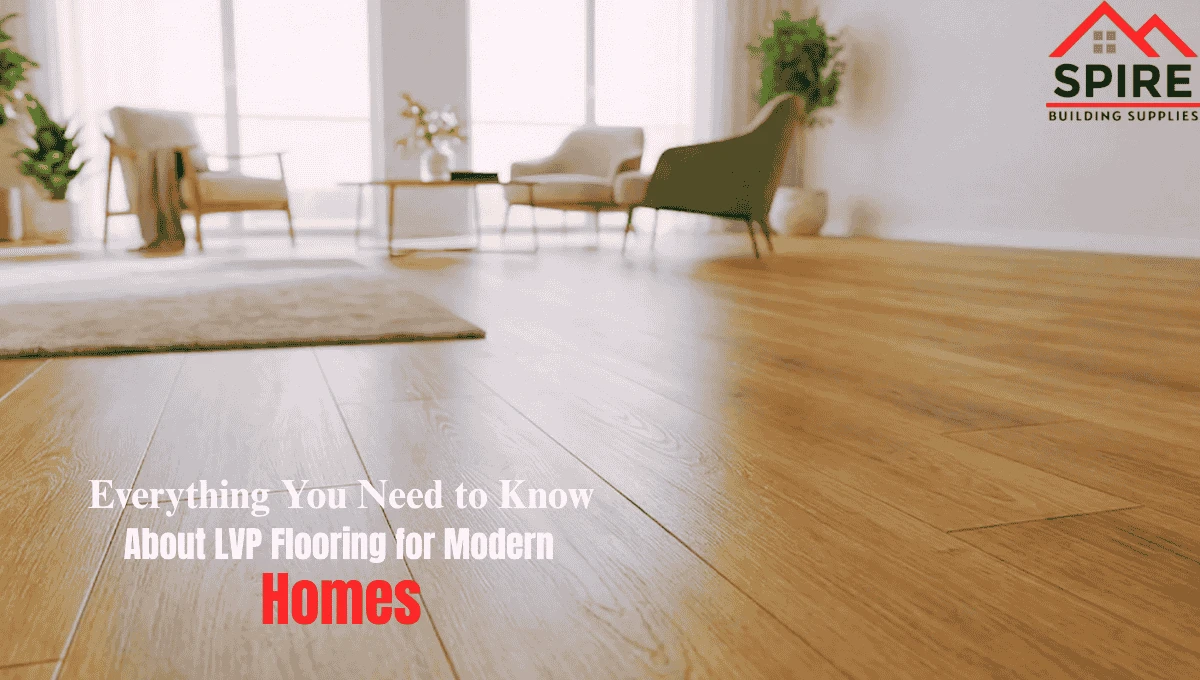
The Flooring Mistake Most Homeowners Realize Too Late
Many homeowners choose flooring based on looks alone—only to regret it months later when scratches, noise, or wear starts showing up. That’s exactly why LVP Flooring for Modern Homes has become such a popular solution. It offers the perfect balance of style, durability, and low maintenance—but only if you choose the right type.
I’ve seen people invest heavily in renovations yet overlook this one decision—and it ends up costing them more in the long run. In this guide, you’ll learn what actually works, what to avoid, and how to choose LVP flooring that truly fits modern living.
What Is LVP Flooring?
Luxury vinyl plank (LVP) flooring is a multi-layer synthetic flooring designed to replicate hardwood while offering water resistance, durability, and easy maintenance—making it ideal for modern living spaces.
Why LVP Flooring for Modern Homes Is Dominating in 2026
Modern homes are built differently today—open layouts, high foot traffic, kids, pets, and multifunctional spaces.
LVP works because it adapts to all of that:
- Realistic wood-look finishes
- Waterproof performance (perfect for kitchens & living areas)
- Scratch resistance for daily wear
- Easy installation (DIY-friendly options available)
But here’s the truth most blogs won’t tell you:
The wrong LVP can fail just as fast as cheap laminate.
What Actually Matters in LVP Flooring (Beyond Marketing Claims)
✔ Wear Layer (Your Floor’s Lifeline)
This is what protects your flooring from scratches and damage.
- 6–12 mil → Light use (bedrooms, low traffic)
- 12–20 mil → Ideal for most homes
- 20+ mil → Heavy-duty / commercial use
Expert Insight:
If you have pets or kids, don’t go below 12 mil—you’ll start seeing wear quickly.
✔ Thickness (Feel + Durability)
- 4–5 mm → Basic, less stable
- 5–6 mm → Sweet spot for modern homes
- 6 mm+ → Premium comfort and durability
Thicker planks don’t just last longer—they also feel quieter and more solid.
✔ Core Type (Hidden but Critical)
- WPC (Wood Plastic Composite): Softer, more comfortable
- SPC (Stone Plastic Composite): Rigid, stronger, better for heat
In warmer climates or high-traffic homes, SPC performs better long-term.
Real Comparison: Which LVP Option Actually Works?
Let’s talk about how these options perform in real homes—not just on paper.
Explorer’s Cove Luxury Vinyl Tile and Plank (5 mm)
This is where most budget renovations start.
It looks good at first and works fine in low-traffic areas like guest rooms or rentals. But over time, especially in busy households, it may start showing wear faster than expected.
- Best for: Light-use spaces or short-term upgrades
- Downside: Not ideal for heavy daily use
This is a solid, dependable option I’ve seen perform well in real family homes.
The click-down system makes installation easier, and the overall structure feels more stable when walking on it. It handles daily wear, furniture, and foot traffic much better.
- Best for: Living rooms, family spaces, busy households
- Strength: Strong balance of durability and comfort
Poppy Reserve Luxury Vinyl Tile and Plank (6 mm)
This is where you start getting that premium feel.
The extra thickness makes a noticeable difference—it feels quieter, more solid, and closer to real hardwood. It also hides minor subfloor flaws better.
- Best for: Modern, high-end interiors
- Strength: Better comfort, aesthetics, and long-term value
Honest Recommendation (From Experience)
- Tight budget? → Explorer’s Cove works, but manage expectations
- Need durability? → Mohawk is the safest choice
- Want premium results? → Poppy Reserve is worth the investment
If you’re planning to stay in your home long-term, don’t go for the cheapest option.
Cost vs Value: What You’re Really Paying For
Average Pricing (2026)
- Material: $2 – $7 per sq. ft
- Installation: $1.50 – $3 per sq. ft
What You Get:
- ✔ Lower cost than hardwood
- ✔ Minimal maintenance expenses
- ✔ Long lifespan (10–20 years)
Reality Check:
Cheap flooring saves money upfront—but replacing it early costs more overall.
Maintenance & Lifespan (What to Expect)
LVP is low-maintenance—but only if you treat it right.
Simple Care Routine:
- Sweep regularly to avoid scratches
- Use a damp mop (not soaking wet)
- Avoid harsh cleaners
Lifespan Depends On:
- Wear layer quality
- Installation
- Daily usage
A good-quality LVP floor can easily last 15+ years.
Common Mistakes to Avoid
Choosing Based on Price Alone
Cheap options wear out faster.
Ignoring Subfloor Preparation
Uneven surfaces = long-term damage.
Wrong Thickness Choice
Thin planks don’t survive high traffic.
Skipping Underlayment
Leads to noise and discomfort.
Expert Tips That Make a Big Difference
- Lighter shades hide dust and scratches better
- Matte finishes look more natural than glossy ones
- Wider planks make rooms feel more spacious
- SPC core is better for hot climates
These small decisions separate an “okay” floor from a high-end modern finish.
Safety Considerations
- Choose low-VOC flooring for better indoor air quality
- Look for slip-resistant finishes
- Check fire ratings if needed
LVP in Home Building & Renovation Supplies
In today’s home building & renovation supplies market, LVP has become a go-to solution because it fits almost every space:
- Living rooms
- Kitchens
- Bedrooms
- Basements
It’s one of the few flooring options that balances design, durability, and practicality.
Real Customer Experiences
James R.:
I chose a cheaper option first and regretted it. Upgrading to thicker LVP made a huge difference.
Sarah M.:
As a designer, I always recommend at least 5–6 mm thickness—it changes everything.
Daniel K.:
I installed it myself using click-lock. Super easy and saved money.
People Also Ask
1. Is LVP flooring good for modern homes?
Yes, it offers durability, water resistance, and modern aesthetics at an affordable cost.
2. How long does LVP flooring last?
Typically 10–20 years depending on quality and usage.
3. What thickness is best for LVP?
5–6 mm is ideal for most homes.
4. Is LVP better than laminate?
Yes, especially in terms of water resistance and durability.
5. Does LVP increase home value?
It improves visual appeal but doesn’t add as much value as hardwood.
Final Thoughts: Should You Choose LVP?
If you want flooring that looks modern, lasts long, and doesn’t demand constant maintenance, LVP Flooring for Modern Homes is one of the smartest choices right now.
The key isn’t just choosing LVP—it’s choosing the right type for your lifestyle.
At Spire Building Supplies, you’ll find flooring options carefully selected for real homes and real durability—so you don’t have to second-guess your decision later.
Author Bio
The Spire Building Supplies Team:
Spire Building Supplies is a trusted name in home building & renovation. Supplies industry, helping homeowners, contractors, and designers choose high-quality materials that deliver both performance and style. With hands-on experience in flooring, doors, and interior solutions, the team focuses on practical guidance, real-world durability, and modern design trends—so every project is built to last.

Leave a comment