
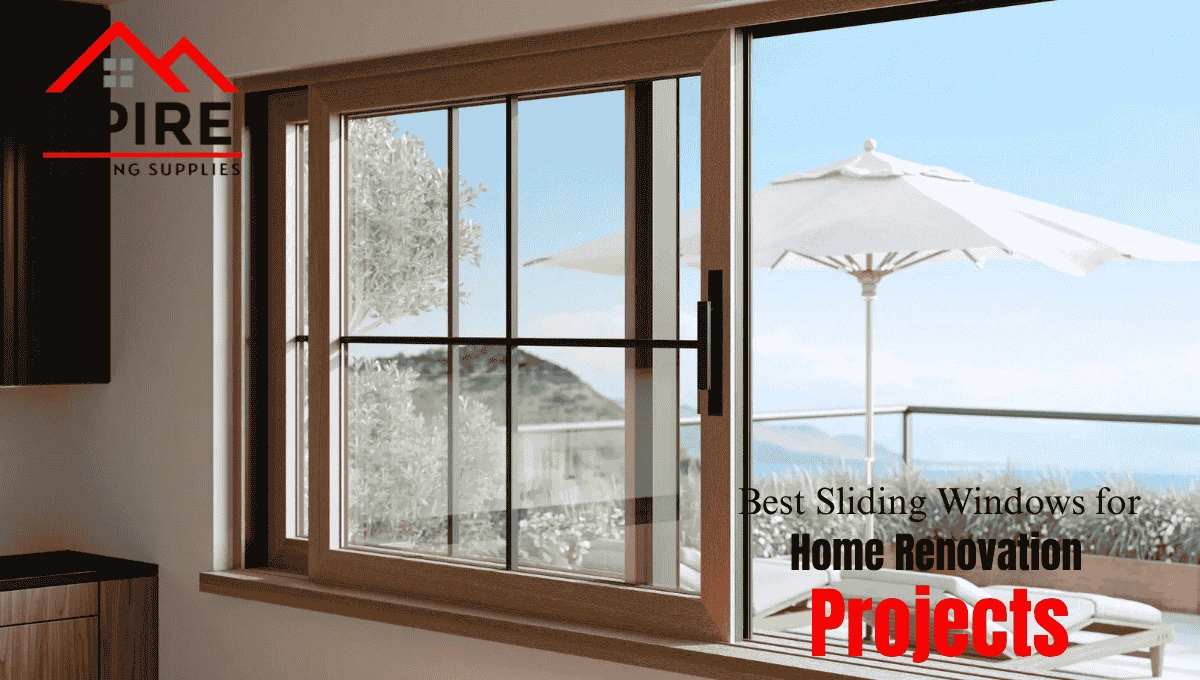
.Choosing the best sliding windows for home renovation projects is less about chasing a trend and more about getting the right mix of ventilation, durability, energy performance, and day-to-day usability. Sliding windows are popular because they’re simple, clean-looking, and practical in rooms where swinging or lifting a sash isn’t ideal. But not every slider is a good fit for every renovation. The wrong size, frame material, glass package, or installation method can lead to problems that are expensive to fix later.
This guide breaks down what homeowners and builders should know before selecting sliding windows for a remodel. You’ll learn how they work, where they perform best, what to compare before buying, common mistakes to avoid, and what tends to hold up well in real homes—not just on a showroom page.
What Are Sliding Windows?
A sliding window opens horizontally along a track instead of moving up and down like a single hung window. One sash usually slides while the other remains fixed, although some models allow both sides to move.
That simple design makes them especially useful in places where:
- You want easy ventilation
- The opening is wider than it is tall
- You need a window that’s easy to use over sinks, counters, or furniture
- You want a clean, modern profile with lots of glass
If you’re still comparing styles, browsing actual Sliding windows can help you see the difference in size, frame style, and layout before you make a renovation decision.
Why Sliding Windows Work Well in Renovation Projects
Renovation projects come with constraints: existing wall openings, trim conditions, sightlines, furniture placement, and budget. Sliding windows tend to fit well into those realities.
Main reasons people choose sliding windows
- Easy operation
They glide side to side and are usually simple to open. - Great for wide openings
They often make more sense than forcing a tall window style into a broad space. - Good natural light
Their design often allows for large glass areas. - Ventilation where you need it
Bedrooms, kitchens, and living areas often benefit most. - No outward swing
Useful near patios, walkways, decks, and landscaping. - Low maintenance in the right material
Especially true with vinyl options.
For many renovation projects, that combination of practicality and visual simplicity is exactly what makes sliders attractive.
What Makes a Sliding Window “Good” for a Renovation?
The best option isn’t always the most expensive one. It’s the one that fits the opening, the room, and the way the space is actually used.
A good renovation window should be:
- Sized correctly for the opening
- Built with durable hardware
- Easy to operate
- Properly weather-sealed
- Efficient enough for the room’s sun exposure and climate
- Compatible with either replacement or new-construction installation needs
That last point matters more than many homeowners realize.
Replacement vs. New Construction: Know Which One You Need
Before you compare brands or sizes, figure out whether your project is a replacement install or a new-construction-style install.
Replacement installation
This is used when:
- You’re swapping out an existing window
- The rough opening stays the same
- Exterior wall materials remain mostly intact
New construction installation
This is used when:
- You’re opening up or reframing the wall
- The siding or exterior cladding is being reworked
- You need a nailing flange or fin system
- The rough opening itself is changing
A lot of renovation issues happen because people order the right window style in the wrong installation format.
Best Sliding Window Frame Materials for Renovation Projects
The frame material affects how the window looks, performs, and holds up over time.
Vinyl: Often the Smartest Practical Choice
A sliding vinyl window is one of the most common and renovation-friendly options because it typically offers:
- Good thermal performance
- Low maintenance
- Resistance to moisture and corrosion
- A more budget-friendly price point than many premium materials
- Consistent performance in everyday residential use
For most homeowners doing a remodel—not a custom architectural showpiece—vinyl is often the most balanced choice.
If you want to compare common residential sizes, models like INSPIRE VINYL SVS 5040 and INSPIRE VINYL SVS 6030 are helpful examples of the kind of dimensions often used in kitchens, bedrooms, and living spaces.
What to Compare Before Buying Sliding Windows
This is the part that saves people from buying the wrong window for the right room.
1) Frame durability
Look for solid frame construction, clean welds (if vinyl), and hardware that doesn’t feel flimsy.
2) Roller and track quality
This matters more than people think. A slider that drags after six months is frustrating every single day.
3) Glass package
Compare:
- Double-pane vs. triple-pane
- Low-E coatings
- Insulating gas fills
- U-factor and SHGC ratings
These affect comfort, efficiency, and how the room feels throughout the year.
4) Venting area
Not all sliding windows open the same amount. Make sure the operable area fits the room’s airflow needs.
5) Locking and security hardware
A good slider should feel secure and close cleanly.
6) Interior and exterior finish compatibility
Think beyond the window itself. How will it look with your trim, siding, drywall returns, or renovation style?
Benefits and Limitations of Sliding Windows
A trustworthy buying guide should cover both sides.
Benefits
- Easy to use
- Good for wide openings
- Great natural light
- Often cost-effective
- Good for modern and transitional homes
- Usually easy to maintain
Limitations
- Tracks need periodic cleaning
- Many models only open halfway
- Some lower-end units don’t seal as tightly as better compression-style windows
- Large sliders can feel heavy if the hardware isn’t strong
- Water management matters a lot during installation
A slider is a great choice in the right location. It’s just not automatically the best choice in every room.
Best Rooms for Sliding Windows in a Remodel
Some window styles work best when matched to room function.
Sliding windows often work especially well in:
- Kitchens – especially over sinks
- Bedrooms – where easy ventilation matters
- Living rooms – for wider wall sections
- Home offices – for light without bulky framing
- Basements – depending on code and egress needs
- Additions – where horizontal proportions fit the design
For taller, narrower openings, another style may make more sense. If you’re comparing options, this guide on single hung windows for sale can help you understand when a vertical-operating window may be the better fit.
Can Sliding Windows Be Installed Vertically?
This is a common question, especially during remodel planning.
Short answer:
Generally, no—not unless the manufacturer specifically allows it.
If you’ve ever wondered, can sliding windows be installed vertically, the important thing to know is that most horizontal sliders are engineered for one orientation only.
They’re designed around:
- Track direction
- Roller placement
- Drainage and weep systems
- Lock alignment
- Structural loading
Turning a horizontal slider vertically can compromise both function and performance. If you need a vertical-opening window, it’s better to choose a style designed for that use.
How to Install a Sliding Window: What Homeowners Should Know
A lot of people search how to install a sliding window, but the real answer depends on the opening, wall condition, and installation type.
You don’t need to be a contractor to understand the basics, though.
Typical sliding window installation steps
- Remove the old unit (if replacing)
- Inspect the rough opening
- Check for rot, damage, or moisture
- Confirm measurements
- Prep the sill and flashing
- Dry-fit the new window
- Level, plumb, and shim properly
- Fasten according to manufacturer instructions
- Insulate perimeter gaps correctly
- Seal and trim the opening
- Test operation, lock function, and drainage
That’s the broad version of sliding window window installation, but here’s the part that matters most:
The install is often more important than the window brand.
A high-quality window can still underperform if:
- it’s installed out of square
- flashing is skipped or done poorly
- foam bows the frame
- the sill isn’t supported correctly
- drainage paths are blocked
That’s why renovation success usually comes down to fit, prep, and installation quality—not just what looked best online.
Common Mistakes to Avoid
This section matters because window regrets are usually expensive.
1) Measuring only once
Even small measurement errors can cause operation or sealing problems.
2) Buying based only on appearance
A clean profile means nothing if the window is hard to use or poorly suited to the room.
3) Ignoring hardware quality
Rollers and locks matter more in sliders than people expect.
4) Choosing the wrong style for the opening
A wide opening may suit a slider. A tall narrow one may not.
5) Overlooking glass performance
Sun exposure, orientation, and room use should affect your glass choice.
6) Assuming any installer can “make it work”
Window installs are detail-sensitive. Experience matters.
7) Forgetting maintenance access
Tracks need occasional cleaning, and some rooms make that easier than others.
Expert Tips That Actually Help
These are the practical details that tend to make the difference in real projects.
- Best practices before ordering
- Measure width and height in multiple places
- Check whether the opening is square
- Look at how the room is actually used
- Think about furniture, cabinets, and reach
- Prioritize hardware quality over small cosmetic upgrades
- Match the glass package to sun exposure and climate
2. Best practices during installation
- Confirm the sill is solid and level
- Use proper flashing, not shortcuts
- Shim carefully to avoid frame distortion
- Test sash movement before finishing trim
- Make sure the lock engages smoothly
3. Best practices after installation
- Clean the track regularly
- Inspect sealant seasonally
- Keep drainage paths clear
- Address sticking or drag early before it worsens
A good sliding window should feel smooth and easy—not something you have to fight every time you want fresh air.
Real-World Renovation Examples
Example 1: Kitchen update
A homeowner replacing an older, hard-to-reach crank window above the sink may find a slider easier to operate and easier to clean.
Example 2: Bedroom remodel
In a guest room or primary bedroom, a horizontal slider can bring in good airflow while maintaining a simple, low-profile look.
Example 3: Living room refresh
For a wide wall opening, a slider often provides better glass area and easier proportions than trying to split the opening into multiple narrower units.
These are the kinds of practical renovation decisions that often matter more than trends.
Quick Checklist: How to Choose the Best Sliding Windows for Home Renovation
Before you buy, ask yourself:
- Is this a replacement or reframing project?
- Does the opening suit a horizontal slider?
- Will the window be opened often?
- Is vinyl the best frame choice here?
- What glass performance does this room need?
- Is the hardware durable?
- Is the installer experienced with water management?
- Will the window be easy to maintain in this location?
If you can answer those confidently, you’re already ahead of most renovation mistakes.
FAQ:
What are the best sliding windows for home renovation?
The best ones are the windows that fit your opening correctly, operate smoothly, match your room needs, and offer the right balance of efficiency, durability, and maintenance.
Are sliding vinyl windows a good choice for remodeling?
Yes, in many cases. They’re popular because they’re low maintenance, energy-efficient, and often more budget-friendly than other materials.
How do I know if a sliding window is right for my room?
Sliding windows usually work best in wider openings and in spaces where easy side-to-side operation is more practical than lifting or cranking.
Can sliding windows be installed vertically?
Usually no. Most are engineered specifically for horizontal use and should not be rotated unless the manufacturer clearly allows it.
Are sliding windows good for ventilation?
Yes, especially in rooms like kitchens, bedrooms, and living spaces where easy airflow is a priority.
What Homeowners Commonly Say After a Good Upgrade
We didn’t realize how much easier the room would feel to ventilate until the old window was gone.
The slider ended up being a better fit for our kitchen layout than the style we originally planned.
Getting the right size and glass package made more difference than we expected.
Final Thoughts
The best sliding windows for a renovation project aren’t just the ones with the nicest frame profile or the lowest price. They’re the ones that suit the room, fit the opening properly, operate well, and hold up over time.
If you’re renovating, focus on performance first: fit, glass, hardware, and installation quality. Those are the details that turn a good-looking window into a smart long-term upgrade.
About the Author
Spire Building Supplies Editorial Team creates practical, reader-first content for homeowners, renovators, and building professionals. Our goal is to make product choices and installation planning easier to understand by focusing on real-world performance, practical comparisons, and the details that matter once a renovation moves from planning to execution.

Leave a comment