
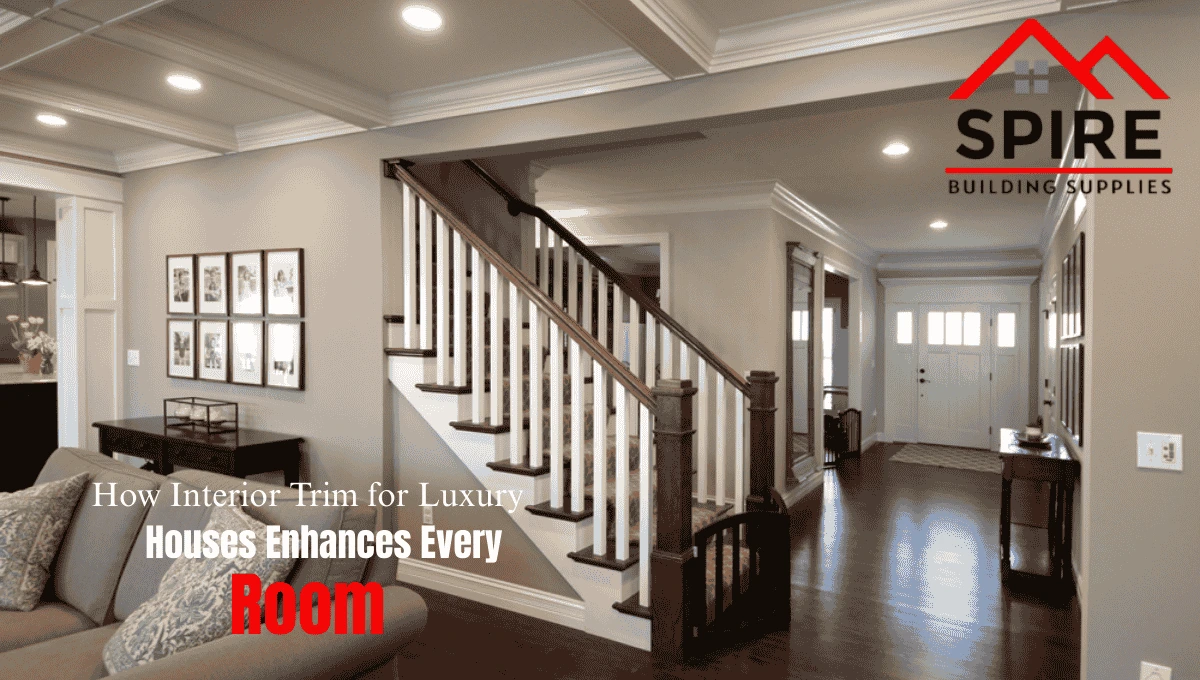
When designing a high-end home, every detail counts. Interior trim for luxury houses is one of those elements that quietly elevates the aesthetic, functionality, and value of every room. From crown moldings to baseboards, the right trim adds depth, frames spaces elegantly, and provides a polished, cohesive look that distinguishes luxury interiors from standard designs.
Beyond aesthetics, interior trim also serves practical purposes protecting walls, concealing seams, and providing smooth transitions between surfaces. Selecting the right trim materials and designs is critical, and understanding options like 1X6x10 STRAIGHT FLEXIBLE TRIM BASEBOARD, CROWN 4-1/4 X 9/16 FJ 16’PRIMED 16′ 8012FJP, and CROWN LA5COVE 17 MM X4-1/4 MDF 16 ensures both beauty and durability.
What Is Interior Trim and Why It Matters
Trim refers to the finishing elements used around windows, doors, floors, and ceilings. Common types include:
- Baseboards: Protect walls and define floor edges.
- Crown Molding: Frames ceilings elegantly and enhances room height perception.
- Door and Window Casings: Highlight architectural openings and create visual interest.
- Panel Moldings and Chair Rails: Add texture and style to walls.
In luxury houses, trim is not just functional it is a design feature. Properly selected and installed trim can transform a simple room into a refined, cohesive space.
Benefits of Interior Trim for Luxury Houses
- Elevates Aesthetic Appeal
- High-quality crown molding or baseboards provide a sense of refinement.
- Consistent trim throughout rooms ties design elements together.
- Protects Walls and Surfaces
- Baseboards prevent scuffs and damage from furniture or cleaning.
- Door casings shield wall edges from everyday wear.
- Defines Spaces
- Trim adds visual boundaries for walls, ceilings, and floors.
- Makes transitions smooth and intentional.
- Increases Home Value
- Homes with thoughtful trim details appear more finished and upscale.
- Architectural details like CROWN LA5COVE 17 MM X4-1/4 MDF 16 reflect attention to quality craftsmanship.
Popular Trim Materials and Their Uses
- MDF (Medium-Density Fiberboard):
- Affordable, smooth, easy to paint
- Perfect for crown molding and decorative trims
- Wood (Oak, Maple, Cherry):
- Traditional choice for baseboards, door casings, and panels
- Durable, high-end appearance
- Flexible Trim (1X6x10 STRAIGHT FLEXIBLE TRIM BASEBOARD):
- Ideal for curved walls or ceilings
- Maintains smooth finish in custom designs
- Primed Trim (CROWN 4-1/4 X 9/16 FJ 16’PRIMED 16′ 8012FJP):
- Ready to paint
- Ensures uniform color and texture throughout
Practical Considerations
When choosing trim for a luxury home:
- Scale and Proportion: Ensure trim size complements ceiling height and room dimensions.
- Style Consistency: Match trim style with interior theme (modern, classic, transitional).
- Durability: Consider moisture-prone areas and high-traffic spaces.
- Installation Quality: Even the best materials look cheap if poorly installed.
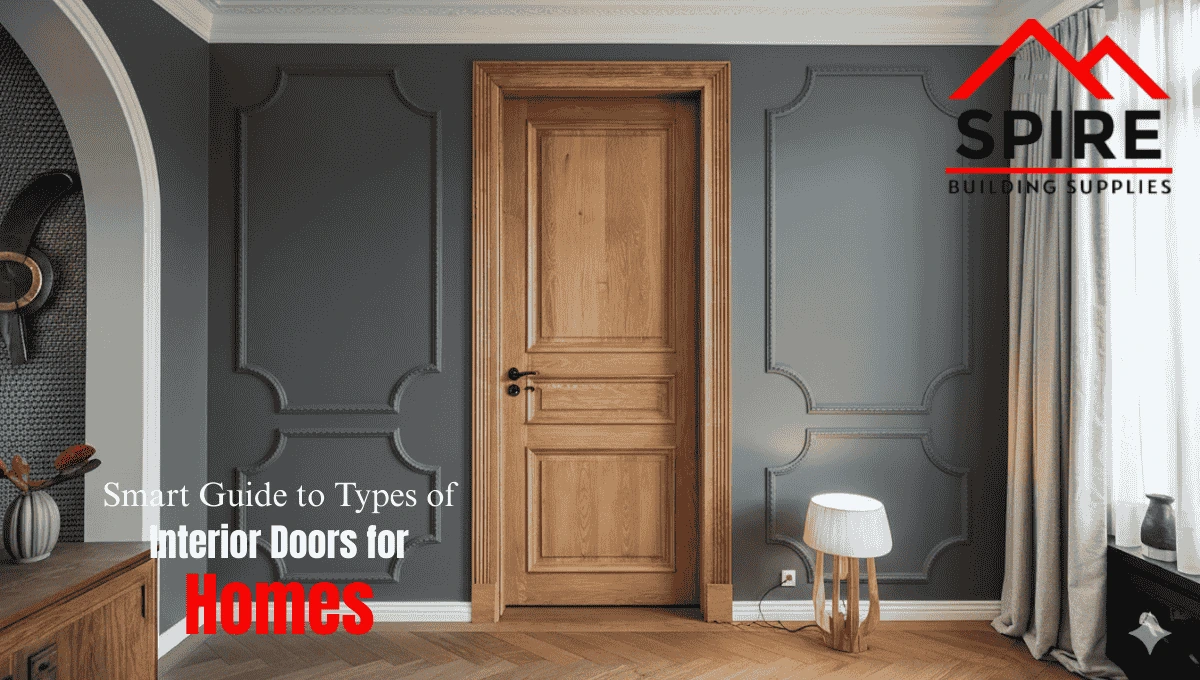
Types of Interior Doors for Homes
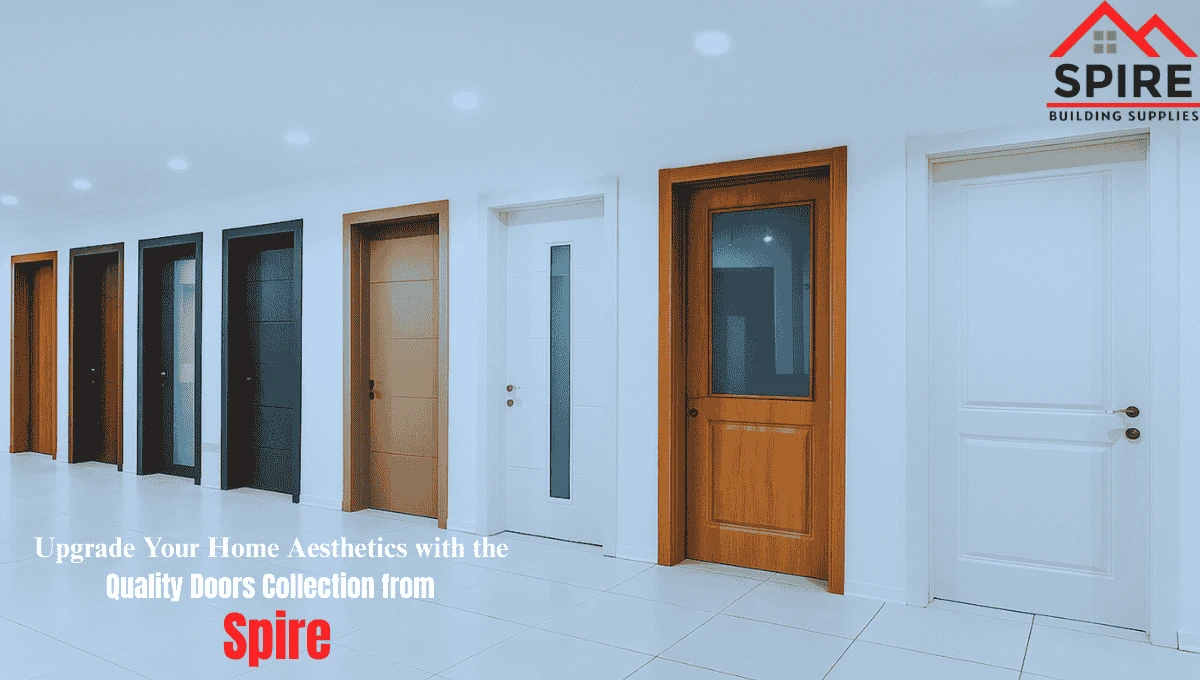
Trim works in harmony with door designs. Common interior doors in luxury houses include:
- Paneled Doors: Traditional, timeless look
- Flush Doors: Sleek, modern aesthetic
- Glass-Panel Doors: Adds light and openness
- French Doors: Elegant, enhances transitions
Selecting trim that complements your door type enhances architectural cohesion.
Common Mistakes to Avoid
- Installing trim too small or disproportionate to the room
- Ignoring the style consistency between trim and doors
- Using low-quality materials in high-traffic areas
- Skipping professional finishing touches like caulking and sanding
Expert Tips and Best Practices
- Use MDF crown moldings in painted rooms for cost-effectiveness
- Combine flexible trim with straight baseboards for curved designs
- Always measure and dry-fit before nailing
- Consider hiring a professional for complex crown molding or large-scale installations
Real-World Use Cases
- Living Rooms: Crown molding paired with coffered ceilings enhances height and elegance.
- Kitchens: Trim around cabinets and windows adds polish and protects edges.
- Bedrooms: Decorative baseboards and panel moldings make rooms feel intentional and luxurious.
- Entryways: High-quality door casings elevate first impressions of the home.
For comprehensive building and renovation supplies, see our guide to Home Building & Renovation Supplies.
Customer Testimonials
Installing premium trim throughout our home made a huge difference—the rooms feel polished and cohesive. — Sarah M.
We chose flexible trim for our curved staircase. It was seamless and elegant. — David L.
The combination of MDF crown moldings and high-quality baseboards gave our living spaces a professional finish. — Priya K.
FAQ
- What is the best trim for luxury homes?
High-quality wood, MDF, or flexible trim options, depending on room style and ceiling height. - How do I choose the right crown molding?
Match the scale to ceiling height and room size; larger rooms can handle wider moldings. - Can trim increase home value?
Yes, well-designed trim adds aesthetic appeal and perceived craftsmanship. - How do I maintain interior trim?
Dust regularly, touch up paint as needed, and avoid excessive moisture. - What’s the difference between baseboards and crown molding?
Baseboards protect and define floors, while crown molding frames ceilings and adds elegance.
Conclusion
Interior trim for luxury houses is more than a decorative element—it’s a practical, aesthetic, and investment-enhancing feature. Choosing the right materials, proportions, and designs ensures that every room feels cohesive, polished, and upscale. Proper installation and thoughtful design choices transform spaces and create a lasting impression of quality craftsmanship.
About the Editorial Team
This guide was written by the Spire Building Supplies editorial team, drawing on years of experience in home improvement, building materials, and interior design. Our insights focus on practical, hands-on advice to help homeowners make informed, high-value decisions for modern luxury homes.


Leave a comment