
Looking for the best-rated windows for homes in Texas? The secret isn’t just the frame—it’s the glass. Many homeowners struggle with rising energy bills, indoor heat, and fading furniture without realizing their windows are part of the problem.
That’s why low-E (low emissivity) glass has become essential for the best-rated windows for homes in Texas. In this guide, you’ll learn how Low-E glass works, why it matters in Texas’s demanding climate, and how to choose the right option for lasting comfort and energy efficiency.
What Is Low-E Glass—and Why It Matters in Texas
Low-E glass has a microscopically thin metallic coating applied to the surface. You can’t see it. But you can feel its impact.
It works by:
- Reflecting infrared heat
- Reducing UV penetration
- Maintaining visible light transmission
- Improving overall energy performance
In Texas—where summer heat and UV exposure are extreme—Low-E coatings significantly reduce solar heat gain while still allowing natural light inside.
But here’s where experience matters:
Not every low-E coating is designed for southern climates.
There are different types—and choosing the wrong one can reduce performance.
Understanding Low-E Coating Types (Hard Coat vs Soft Coat)
When selecting the best-rated windows for homes in Texas, you’ll typically encounter two main Low-E technologies:
1. Hard Coat (Pyrolytic)
- Applied during glass manufacturing
- Durable
- Allows more solar heat gain
- Better suited for colder climates
2. Soft Coat (Sputtered Low-E)
- Applied after glass production
- Superior insulation
- Stronger solar control
- Ideal for hot climates like Texas
Professional insight:
For most Texas homes, soft-coat low-E combined with argon gas between panes provides noticeably better comfort and energy savings.
Solar Heat Gain Coefficient (SHGC): The Metric That Actually Matters
Many homeowners focus on U-Factor alone. That’s incomplete.
In Texas, SHGC is often more important.
- Lower SHGC = Less solar heat entering the home
- Ideal range in Texas: 0.25–0.30 for optimal cooling performance
The best-rated windows for homes in warm climates are engineered with climate-specific SHGC ratings.
Always verify performance labels, not just marketing claims.
How Low-E Performs Across Window Styles
Different window types respond differently to heat exposure. Here’s how Low-E enhances performance:
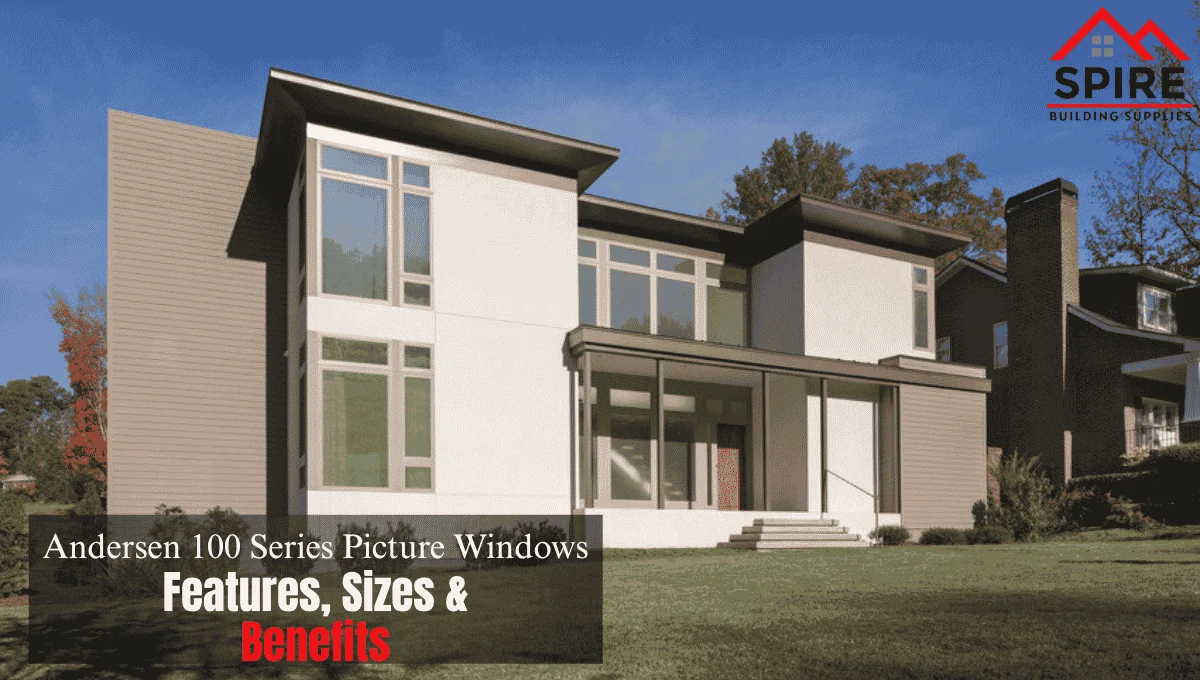
Low-E in Picture Windows
Picture windows are fixed and often large.
They invite maximum sunlight, which can mean maximum heat.
With Low-E:
- Heat gain is controlled
- Glare is reduced
- Interior temperatures remain stable
- UV damage to flooring and furniture decreases
For large south- or west-facing windows in Texas homes, advanced Low-E coatings are critical.
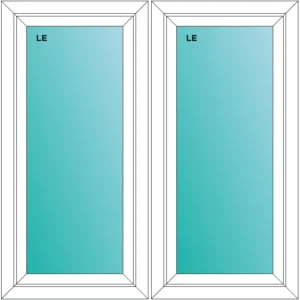
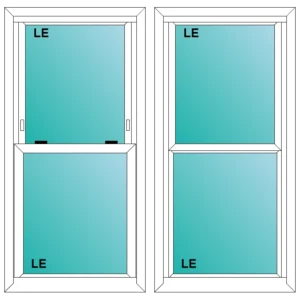
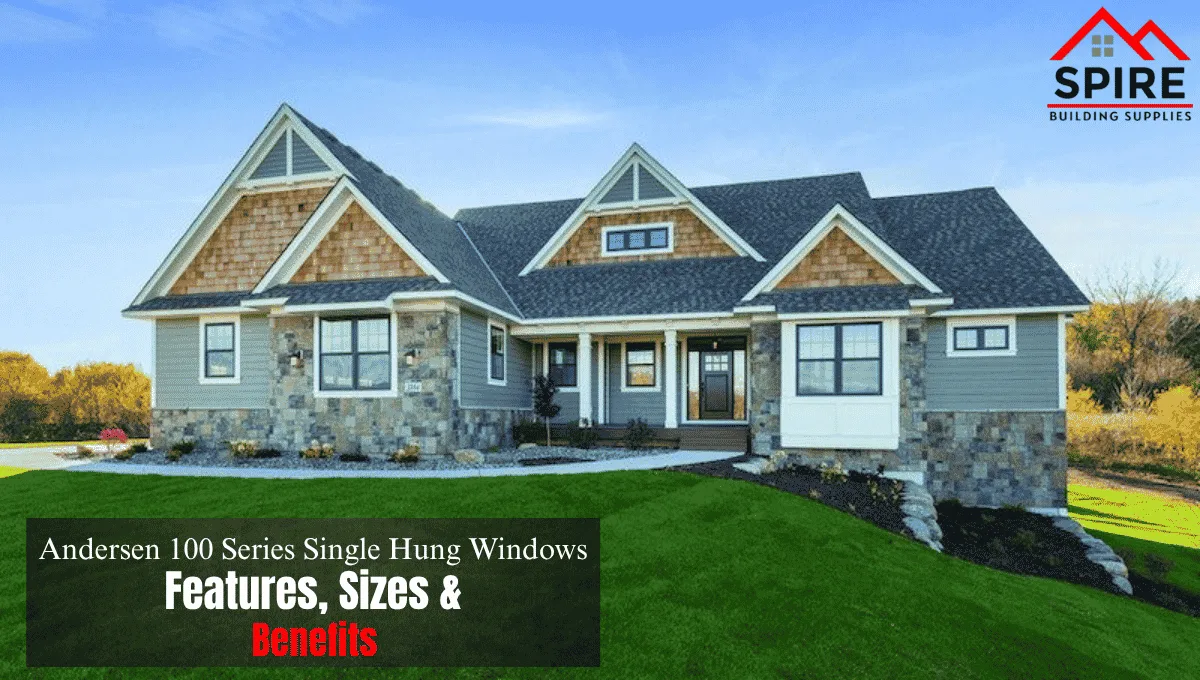
Low-E in Single-Hung Windows
Single-hung windows are common in traditional Texas homes.
Because they have operable sashes, air infiltration is already a factor. Combining proper sealing with Low-E glass dramatically improves:
- Indoor comfort
- Cooling efficiency
- Long-term utility savings
Professional tip: Pair Low-E with double-pane insulated glass for balanced performance.
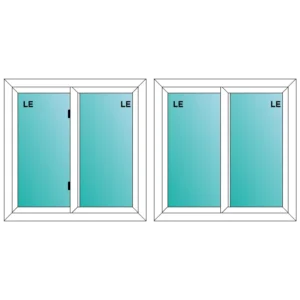
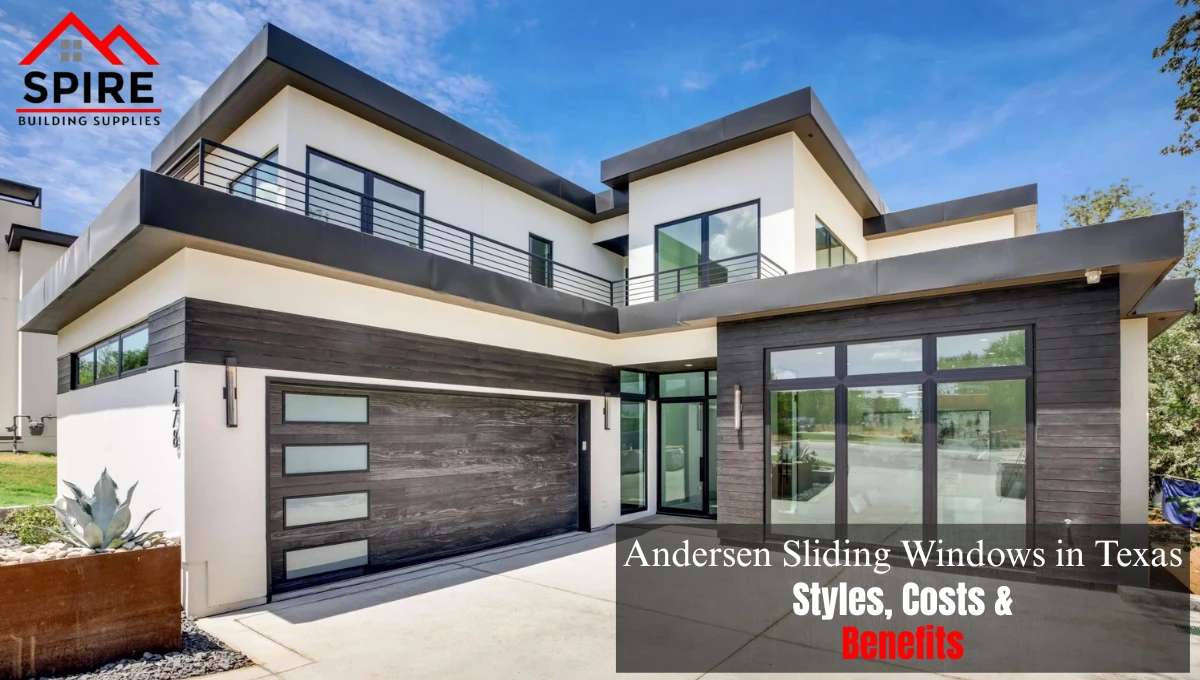
Low-E in Sliding Windows
Sliding windows are popular for patios and contemporary homes.
Their wider glass exposure makes solar control especially important.
Low-E coatings:
- Maintain brightness without overheating
- Reduce radiant heat during peak sun
- Improve overall energy ratings
Energy Savings: What Homeowners Actually Experience
Based on field experience and installation feedback in Texas:
- Cooling costs can drop 10–25% depending on the existing window condition
- Interior temperature swings have noticeably
- AC systems cycle less frequently
- Fewer hot spots near windows
The performance difference is most dramatic when replacing older clear-glass units.
Choosing the Right Configuration in Texas
Here’s what experienced window professionals consider:
1. Orientation Matters
South and west-facing windows need stronger solar control.
2. Double vs Triple Pane
In most Texas regions, double-pane low-E with argon gas offers an optimal cost-to-performance balance. Triple-pane may be excessive unless noise reduction is a major concern.
3. Visible Light Transmission (VLT)
Too dark reduces natural lighting benefits. The best-rated windows for homes balance light and heat control.
4. Frame + Glass Combination
Glass alone isn’t enough. Vinyl or fiberglass frames with thermal breaks enhance total window performance.
Common Mistakes Homeowners Make
Avoid these frequent errors:
- Choosing windows based only on price
- Ignoring SHGC ratings
- Installing Low-E designed for northern climates
- Overlooking warranty coverage
- Focusing only on aesthetics
The best-rated windows for homes combine performance data, proper installation, and long-term durability.
Real Customer Testimonials
Houston Homeowner
After replacing our old clear-glass picture window, the heat near our living room couch disappeared. Our AC doesn’t struggle anymore.
Dallas Remodel Client
We installed sliding windows with advanced low-E. The brightness stayed, but the harsh heat didn’t. Huge difference.
Austin New Construction Owner
Spire helped us select climate-appropriate low-E for every elevation of our home. Our energy bills are lower than expected.
People Also Ask
1. Do the best-rated windows for homes always include Low-E glass?
Most high-performance windows today include Low-E, but the type of coating and SHGC rating vary. Always verify specifications.
2. Is triple-pane Low-E necessary in Texas?
Not usually. Double-pane with soft coat Low-E and argon gas are typically sufficient for energy efficiency in Texas climates.
3. Does Low-E glass make windows darker?
No. Quality Low-E coatings maintain high visible light transmission while reducing infrared heat and UV exposure.
4. How long does Low-E coating last?
When properly manufactured within insulated glass units, Low-E coatings last for decades and are protected between glass panes.
Why Texas Homes Need Climate-Specific Window Solutions
Texas heat is not mild. Prolonged sun exposure stresses both glass and frames.
When evaluating the best-rated windows for homes in Texas, consider the following:
- Regional climate
- Building orientation
- Energy goals
- Long-term ownership plans
Low-E glass technology isn’t a marketing feature. It’s performance engineering.
Final Thoughts: Performance That Pays You Back
Low-E glass is one of the most impactful upgrades in modern window design. For Texas homeowners, it directly influences comfort, efficiency, and long-term value. At Spire Building Supplies, we guide homeowners through selecting climate-optimized window solutions—whether you need picture, single-hung, or sliding styles engineered for real Texas conditions.
Explore high-performance window options. Visit this page. Windows Collection
Make your next window decision based on performance — not just appearance.
Author Bio
Spire Building Supplies Team
With years of experience supplying premium building materials across Texas, the Spire team specializes in energy-efficient window systems engineered for Southern climates. Their expertise helps homeowners make confident, performance-driven upgrades that last.

Leave a comment