durable single-hung windows

Do Durable Single-Hung Windows Increase Home Value?

When homeowners think about increasing property value, they usually focus on kitchens, flooring, or landscaping. But in real estate reality, durable single-hung windows are one of the most underrated upgrades that can significantly improve both home value and buyer perception. These windows don’t just enhance appearance — they improve energy efficiency, comfort, and long-term performance, which modern buyers actively look for.

What Are Single-Hung Windows?

Single-hung windows are vertically sliding windows where the bottom sash moves while the top sash remains fixed, designed for long-term durability, energy efficiency, and low maintenance, commonly used in US residential homes.

They are widely used in US residential construction due to their:

  • Cost efficiency
  • Structural simplicity
  • Long-term durability
  • Energy performance when properly installed

Do Durable Single-Hung Windows Increase Home Value?

Short Answer:
Yes — durable single-hung windows can increase home value when they improve energy efficiency, visual appeal, and long-term maintenance savings.

Real Market Insight:

In US housing markets like Texas, updated windows often

  • Improve listing appeal
  • Increase buyer trust
  • Reduce negotiation pressure
  • Enhance perceived property quality

Buyers don’t just evaluate windows — they evaluate comfort and future cost savings.

Durability & Performance Factors

Not all single-hung windows perform the same. Durability depends on:

1. Frame Material

  • Vinyl: Cost-effective, moisture-resistant
  • Fiberglass: High strength, long lifespan

2. Glass Quality

  • Double-pane glass improves insulation
  • Low-E coating reduces heat transfer
  • Argon gas increases efficiency

3. Structural Design

Fewer moving parts mean fewer failures over time
This is a key reason single-hung windows are considered highly durable.

Field Performance Insights from Texas Installations

In real residential retrofit projects across Texas, durable single-hung windows consistently show strong long-term air sealing performance compared to older double-hung systems. This is mainly because they have fewer mechanical components and tighter frame compression.

This becomes especially important in hot climates like Houston, Dallas, and Austin, where heat infiltration directly increases energy consumption and reduces indoor comfort.

Installation & Contractor Perspective

From a contractor standpoint, single-hung windows are often preferred in residential builds because they:

  • Reduce installation complexity
  • Lower long-term maintenance calls
  • Offer stable performance in standard openings
  • Minimize mechanical failure risks

This makes them a practical choice for mid-range housing developments across Texas suburbs.

Popular Size Options (INSPIRE VINYL Series)

INSPIRE VINYL SH 3040

Best for compact rooms, bathrooms, and small wall openings.

INSPIRE VINYL SH 3050

Balanced option for bedrooms and standard living spaces.

INSPIRE VINYL SH 3070

Ideal for larger spaces, home offices, and modern open layouts where natural light is important.

Larger sizes significantly improve perceived space and are highly effective in modern US home staging.

Single-Hung vs Double-Hung Windows

Feature Single-Hung Windows Double-Hung Windows
Cost Lower Higher
Durability Higher (fewer moving parts) Moderate
Maintenance Easier More complex
Ventilation Limited Better
ROI Strong Average

Expert Insight: Single-hung windows are often chosen for durability and long-term cost efficiency, while double-hung windows are preferred for flexibility and airflow.

Cost vs Value (ROI Analysis)

Window replacement is one of the most reliable home upgrades in the US.

Key Observations:

  • Typically delivers 60%–80% ROI at resale
  • Reduces HVAC strain in extreme climates
  • Improves buyer perception during home tours

Updated windows often make a home feel “newer” without full renovation costs.

Common Mistakes Homeowners Make

  • Choosing low-quality frames for short-term savings
  • Ignoring proper installation quality
  • Using incorrect window sizes for room scale
  • Overlooking energy-efficient glass options
  • Mixing multiple window styles without design consistency

Expert Tips (High-Value Insights)

  • Use larger windows in living areas to enhance space perception
  • Choose neutral frame colors for modern appeal
  • Prioritize installation quality over brand alone
  • Match window size with room lighting needs
  • Always consider climate-specific performance (especially in Texas heat)

Customer Testimonials

Michael R. – Dallas, TX
After replacing older windows with durable single-hung units, I noticed lower cooling costs and a quieter home. Buyers also commented on how bright and modern the space felt.

Jennifer K. – Houston, TX
The INSPIRE VINYL SH 3050 was a perfect fit. My home feels more open, and energy bills have noticeably improved.

David L. – Austin, TX
I installed SH 3070 windows in my living room, and it completely changed the feel of the space. It looks larger and more premium.

Frequently Asked Questions

1. Do durable single-hung windows increase home value?
Yes, they improve energy efficiency, appearance, and buyer appeal, which increases resale value.

2. How long do they last?
Typically 20–40 years depending on material and maintenance.

3. Are they energy efficient?
Yes, especially with double-pane or Low-E glass options.

4. Are they better than double-hung windows?
They are more durable and cost-effective but offer less ventilation.

5. Which size is best for modern homes?
3050 and 3070 are commonly used for better lighting and modern layouts.

Conclusion

Durable single-hung windows are a high-ROI, low-maintenance home upgrade that improves both performance and perceived value.

In real US housing markets, especially across Texas, they are widely preferred for their:

  • Long-term durability
  • Energy efficiency
  • Cost-effectiveness
  • Clean, modern appearance

For homeowners and builders looking for reliable solutions, Spire Building Supplies offers high-quality window systems designed for long-lasting performance and real-world value.

See our exclusive collection of office picture windows; visit this page: Stunning Office Window Pictures for Corporate Interior Design

Author Bio

Spire Building Supplies Team
The Spire Building Supplies team consists of building materials specialists with hands-on experience in window systems used across Texas residential projects. Their insights are based on real installation performance, contractor feedback, and modern construction standards, helping homeowners make informed, value-driven decisions.

Stunning Office Window Pictures

Stunning Office Window Pictures for Corporate Interior Design

If you’re searching for office window pictures and modern workspace inspiration, you’re likely trying to design an office that feels more productive, modern, and visually premium. Today’s corporate interiors are no longer just functional spaces — they are carefully designed environments that influence employee performance, brand image, and client perception.

But here’s the challenge most businesses face:
How do you design office windows that not only look stunning but also improve lighting, comfort, and overall workspace efficiency?

In modern architecture, stunning office window pictures, office window design ideas, and corporate glass window inspiration play a key role in planning high-performance workspaces that feel bright, open, and professional.

What Are Office Window Pictures?

Office window pictures are visual design references that showcase modern office window design ideas, glass layouts, and corporate interior styles. These images help architects and designers visualize how windows affect lighting, space perception, and overall office aesthetics.

Why Office Window Design Matters in Corporate Spaces

Office windows are not just architectural elements — they are strategic design features that directly impact:

  • Natural lighting and workspace brightness
  • Employee productivity and focus
  • Energy efficiency in commercial buildings
  • Corporate branding and first impressions

That’s why modern office glass windows and energy-efficient office window systems are now essential in commercial interior design.

How Office Window Pictures Help in Interior Planning

Designers and architects use office window inspiration images and gallery references to:

  • Plan natural light flow in office spaces
  • Select suitable glass types and framing styles
  • Align interiors with flooring and wall design
  • Improve overall modern office interior design execution

These visuals are especially important in modern office renovation solutions and corporate workspace planning.

What Makes a Modern Office Window Design “Stunning”?

A truly modern office window design usually includes:

  • Floor-to-ceiling glass panels
  • Minimal, slim framing systems
  • High natural light penetration
  • Energy-efficient glass technology
  • Clean, balanced modern workspace design ideas

Expert Insights (Real Industry Experience)

From real-world commercial projects, one thing is consistently clear: office environments with well-designed window systems perform significantly better in terms of productivity and employee satisfaction.

We’ve observed that upgrading to modern office glass windows and corporate workspace window styles improves:

  • Employee focus and mood
  • Visual spaciousness of interiors
  • Client impression and brand value

In premium projects, designers often combine window upgrades with flooring solutions to maintain visual harmony and interior balance, such as:

  1. INSPIRE VINYL PW 3040
  2. INSPIRE VINYL PW 3050
  3. INSPIRE VINYL PW 3060

Comparison: Traditional vs Modern Office Windows

Feature Traditional Windows Modern Office Window Systems
Lighting Limited natural light Maximum daylight flow
Design Basic & outdated Minimal & premium
Efficiency Low insulation Energy-efficient office windows
Aesthetics Simple look High-end corporate design

Clearly, modern systems outperform traditional setups in both function and aesthetics.

Practical Tips for Better Office Window Design

  • Use office window design ideas that maximize natural light
  • Prefer energy-efficient or double-glazed glass
  • Match window style with modern office interior design
  • Keep interiors minimal for better light reflection
  • Combine windows with clean flooring and neutral color tones

Expert-Level Insights

Most people focus only on window size and placement, but professionals understand that the real impact of office window design comes from how well it integrates with the overall interior environment.

For example:

  • Glass type and coating directly affect natural light quality and heat control
  • Window framing style influences the overall modern office interior design
  • Wall colors and surface finishes determine how bright and open the space feels
  • Poor coordination between windows and interior elements can reduce the visual impact of even the best office window pictures

This is why successful office design is always a combination of architecture + interior materials.

Common Mistakes in Office Window Design

  • Ignoring natural light direction
  • Using low-quality glass materials
  • Poor alignment with interior design elements
  • Overlooking maintenance and cleaning needs
  • Focusing only on aesthetics instead of function

Customer Testimonials

John Miller – Office Manager, New York
Our workspace completely transformed after upgrading to modern office glass windows. The environment feels more open and professional.

Sarah Williams – Interior Consultant
Using office window inspiration ideas helped us design a brighter and more productive workspace.

David Brown – Business Owner
The combination of better windows and interior design significantly improved employee productivity.

Frequently Asked Questions

1. What are stunning office window pictures used for?
They are used for office window inspiration and modern office interior design planning.

2. Why are office windows important in modern offices?
They improve natural lighting, productivity, and workspace aesthetics.

3. What are modern office window design ideas?
They include floor-to-ceiling glass, minimal framing, and energy-efficient office window systems.

4. Do office windows affect productivity?
Yes, natural light improves focus, mood, and employee performance.

5. Are modern office windows expensive?
They are higher in initial cost but offer long-term energy savings and value.

Conclusion

Modern corporate design is no longer just about furniture or layout — stunning office window pictures and modern office glass windows define the entire workspace experience.

If you want a premium, productive, and visually balanced office environment, investing in modern office interior design, energy-efficient office windows, and quality materials like INSPIRE VINYL PW 3040, PW 3050, and PW 3060 is essential.

At Spire Building Supplies, we provide high-quality building materials that help you create modern, durable, and visually stunning commercial spaces.

Author Bio

Written by the Spire Building Supplies Content Team — specialists in modern building materials and commercial interior design.

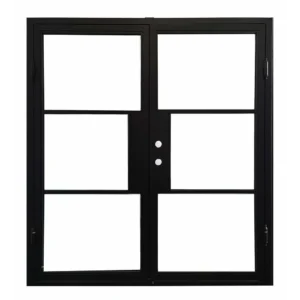
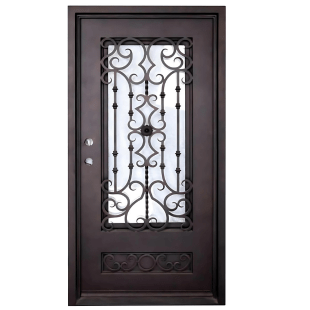
wrought iron single entry doors

Wrought Iron Single Entry Doors: Complete Buyer’s Guide

Choosing the right wrought iron single entry doors is one of those decisions that seems straightforward until you realize how many variables affect performance, appearance, and long-term value. From material quality to installation details, the wrong choice can lead to drafts, rust issues, or a door that simply doesn’t fit your home’s style.

This guide breaks down what actually matters. Whether you’re a homeowner upgrading your entrance or a builder specifying doors for a project, you’ll learn how to compare options, avoid common mistakes, and choose a door that performs as well as it looks.

What Are Wrought Iron Single Entry Doors?

A wrought iron single entry door is a single-panel exterior door made primarily from steel or iron, often combined with decorative glass and metalwork. Unlike double doors, it fits standard entryways while still offering a premium, architectural look.

Key Characteristics

  • Heavy-duty metal construction
  • Decorative or minimalist iron designs
  • Glass panels (clear, frosted, or insulated)
  • Weather-sealed frames for exterior use

If you’ve searched for iron entry doors near me or wrought iron entry doors near me, you’ve likely seen both ornate and modern variations. The key is understanding which features actually impact performance—not just appearance.

Why Homeowners and Builders Choose Iron Entry Doors

  1. Strong First Impression

A well-designed front entry wrought iron door adds immediate visual weight to a home. Even a single door can create a focal point when paired with the right design and finish.

  1. Security and Strength

Compared to wood or fiberglass, iron doors provide:

  • Higher resistance to forced entry
  • Reinforced frames and locking systems
  • Long-term structural stability
  1. Longevity

With proper coating and care, these doors can last decades without warping, cracking, or rotting.

  1. Design Flexibility

From simple geometric frames to intricate scrollwork, iron doors adapt to:

  • Modern homes
  • Mediterranean styles
  • Traditional architecture

Benefits vs Limitations: What to Expect

Benefits

  • Exceptional durability in harsh weather
  • Low risk of warping or pest damage
  • Customizable appearance
  • Strong resale value

Limitations

  • Higher upfront cost than standard wood doors
  • Heavy weight requires proper installation
  • Potential heat transfer if not insulated properly
  • Finish maintenance in humid or coastal climates

If budget or insulation is a concern, some homeowners compare alternatives like Fiberglass double entry doors, which offer different trade-offs in cost and durability.

Key Buying Considerations (What Actually Matters)

1. Material and Build Quality

Not all iron doors are built the same.

Look for:

  • 12–14 gauge steel thickness
  • Fully welded frames (not spot-welded)
  • Powder-coated or baked-on finishes

Lower-quality doors often cut corners here, which leads to early wear.

2. Glass Options

Glass impacts both privacy and energy efficiency.

Common choices:

  • Clear glass – maximum visibility and light
  • Frosted glass – privacy without losing brightness
  • Double-pane insulated glass – better thermal performance

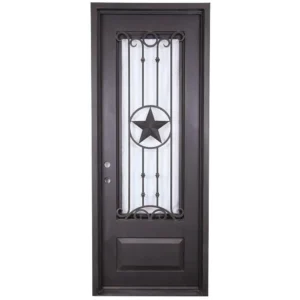
A practical example is the Single Exterior Wrought Iron Door, which balances design and functionality.

3. Style and Design Fit

Your door should match your home’s architecture—not fight it.

  • Modern → clean lines, minimal ornamentation
  • Traditional → curved ironwork, decorative elements
  • Transitional → subtle patterns with neutral finishes

For a more decorative option, the Langston Wrought Iron Exterior Prehung Single Door shows how design can become a statement feature.

4. Size and Fit

Even standard doors require precise measurements.

  • Measure rough opening, not just door slab
  • Account for frame thickness
  • Check swing direction and clearance

Improper sizing is one of the most common (and expensive) mistakes.

5. Insulation and Energy Efficiency

Iron naturally conducts heat, so insulation matters.

Look for:

  • Foam-insulated cores
  • Thermal breaks
  • Quality weatherstripping

Without these, you may notice drafts or temperature fluctuations.

6. Hardware and Security Features

The door is only as strong as its hardware.

  • Multi-point locking systems
  • Heavy-duty hinges
  • Corrosion-resistant handles

Avoid pairing a premium door with low-grade hardware.

7. Installation Quality

Even the best door won’t perform well if installed poorly.

Professional installation ensures:

  • Proper sealing
  • Smooth operation
  • Structural alignment

This is especially important for heavier iron doors.

Common Mistakes to Avoid

Choosing Based Only on Appearance

A visually appealing door may lack insulation or durability.

Ignoring Climate Conditions

Coastal and humid environments require stronger finishes and rust protection.

Skipping Professional Installation

DIY installs often result in misalignment and air leaks.

Overlooking Glass Quality

Single-pane glass reduces both insulation and security.

Not Considering Long-Term Maintenance

Even durable materials need occasional upkeep.

Expert Tips from Real-World Experience

  • Inspect welds closely – clean welds indicate better craftsmanship
  • Ask about finish warranties – especially in humid climates
  • Choose timeless designs if resale value matters
  • Test door weight and swing before installation
  • Plan for proper framing support due to door weight

Many buyers searching for a front-entry wrought iron door for sale focus on price first—but long-term performance depends on build quality and installation.

Real-World Use Cases

  1. Entry Upgrade in a Suburban Home

A homeowner replaces a basic wood door with a wrought iron model. Result: improved security and a noticeable boost in curb appeal.

  1. Builder Spec for New Construction

A builder selects iron doors for a mid-range home to increase perceived value without major structural changes.

  1. Privacy-Focused Entryway

Using frosted glass allows natural light while maintaining privacy—ideal for homes near sidewalks or streets.

Comparing Wrought Iron to Other Door Materials

Feature Wrought Iron Wood Fiberglass
Durability Very High Medium High
Maintenance Low–Medium High Low
Security Excellent Moderate Good
Cost Higher Medium–High Medium
Style Options High High Moderate

For broader options, you can explore Iron Doors to see different styles and configurations.

Maintenance: What You Should Expect

Wrought iron doors are relatively low maintenance, but not maintenance-free.

Basic upkeep includes:

  • Cleaning with mild soap and water
  • Checking seals annually
  • Touching up scratches to prevent rust
  • Lubricating hinges and locks

In humid or coastal areas, you may need to inspect finishes more frequently.

FAQs:

  1. Are wrought iron single entry doors energy efficient?

Yes, if they include insulated cores and double-pane glass. Without these, they can transfer heat.

  1. How long do wrought iron doors last?

With proper care, they can last 30 years or more.

  1. Do wrought iron doors require a lot of maintenance?

Not much. Occasional cleaning and minor touch-ups are usually enough.

  1. Are iron entry doors secure?

Yes, they are among the most secure residential door options available.

  1. Can I customize a wrought iron door?

Yes. Most doors can be customized in size, design, finish, and glass type.

What Customers Are Saying

We wanted something durable but stylish—our iron door completely changed the look of our entryway.

The frosted glass option gave us privacy without sacrificing natural light.

Installation made a huge difference. Once properly fitted, the door feels solid and secure.

Final Thoughts

A wrought iron single entry door is more than a design upgrade—it’s a structural and functional investment. When chosen carefully, it offers long-term durability, strong security, and a noticeable improvement in curb appeal.

Focus on what truly matters: build quality, insulation, proper fit, and installation. Avoid shortcuts, and you’ll end up with a door that performs reliably for years—not just something that looks good on day one.

About the Author

Spire Building Supplies Editorial Team
The team at Spire Building Supplies works closely with contractors, builders, and homeowners to understand how materials perform beyond the showroom. With hands-on experience in door selection, installation challenges, and long-term durability, the team focuses on practical advice that helps customers make confident, informed decisions.

Fiberglass double entry doors

How to Choose Fiberglass Double Entry Doors Easily

Choosing the right entry door can feel overwhelming, especially when you’re balancing style, durability, and budget. Fiberglass double entry doors are a popular choice for homeowners and builders because they offer a strong mix of performance and design but picking the right one requires more than just selecting a good-looking option.

This guide walks you through exactly how to choose the right doors without second-guessing your decision. You’ll learn what actually matters, what to avoid, and how to make a choice that works long-term not just on day one.

What Are Fiberglass Double Entry Doors?

Fiberglass double entry doors are two-panel front doors made from reinforced fiberglass materials. They’re designed to create a wider, more inviting entrance while offering durability and energy efficiency.

Key Characteristics

  • Built with a composite fiberglass exterior
  • Typically include insulated cores
  • Available with glass inserts or solid panels
  • Designed to resist warping, cracking, and moisture

These doors are commonly used in both new builds and renovations where homeowners want a combination of visual impact and low maintenance.

Why Choosing the Right Door Matters

Your entry door is one of the most used and exposed parts of your home. A poor choice can lead to:

  • Air leaks and higher energy bills
  • Warping or sticking in extreme weather
  • Security concerns
  • Frequent repairs or replacements

On the other hand, the right fiberglass front entry doors can last decades with minimal upkeep while improving comfort and curb appeal.

Key Factors to Consider Before You Buy

1. Material Quality (Not All Fiberglass Is Equal)

One of the biggest misconceptions is that all fiberglass doors perform the same.

Look for:

  • Thick fiberglass skins (more durable)
  • High-density foam cores (better insulation)
  • Reinforced internal framing

Lower-quality doors often feel lightweight and may not hold up well over time.

2. Door Style and Design

Your door should match both your home’s architecture and your practical needs.

Common styles include:

  • Full glass doors – modern look, more natural light
  • Partial glass (lite) doors – balance of light and privacy
  • Solid panel doors – maximum privacy and security

For example, options like the
3lite flush glazed double door
or
4lite flush glazed double door
offer a clean, contemporary appearance while allowing controlled natural light.

3. Energy Efficiency

Energy performance matters more than most people expect.

Check for:

  • Insulated cores (polyurethane is ideal)
  • Tight weatherstripping
  • Energy ratings if available

Well-insulated double fiberglass entry doors help reduce heat loss and keep indoor temperatures stable.

4. Glass Options

If your door includes glass, pay attention to both function and performance.

Consider:

  • Tempered or laminated glass for safety
  • Low-E coatings for better insulation
  • Frosted or textured glass for privacy

Glass design isn’t just aesthetic it directly affects comfort and energy use.

5. Frame and Hardware Quality

Even the best fiberglass entry doors can fail if paired with weak frames or hardware.

Look for:

  • Strong, moisture-resistant frames
  • Multi-point locking systems
  • Heavy-duty hinges

Double doors require proper alignment and secure locking to function correctly over time.

6. Size and Fit

Fiberglass double front doors require accurate measurements.

Important considerations:

  • Rough opening dimensions
  • Door swing direction
  • Clearance space

Improper sizing leads to installation issues and poor performance.

Benefits and Limitations

Benefits

  1. Low Maintenance
    No need for frequent painting or sealing.
  2. Weather Resistance
    Performs well in humidity, heat, and cold.
  3. Long Lifespan
    Can last 20–30 years with proper installation.
  4. Design Flexibility
    Available in modern and traditional styles.

Limitations

  1. Higher Initial Cost
    More expensive than basic steel doors.
  2. Quality Differences Matter
    Cheaper options may not deliver the same durability.
  3. Installation Sensitivity
    Performance depends heavily on proper installation.

Fiberglass Front Doors Installation: What You Should Know

Installation plays a bigger role than most people realize.

What Proper Installation Involves

  • Preparing and leveling the opening
  • Installing a square, secure frame
  • Aligning both door panels evenly
  • Sealing gaps to prevent air leaks

Why It Matters

Poor installation can lead to:

  • Drafts
  • Water intrusion
  • Doors sticking or misaligning
  • Reduced lifespan

If you’re not experienced, hiring a professional is often the safer choice.

Practical Buying Tips That Actually Help

Here’s what tends to make the biggest difference in real-world decisions:

Compare More Than Just Price

A lower upfront cost can mean:

  • Thinner materials
  • Poor insulation
  • Shorter lifespan

Prioritize Long-Term Performance

Focus on:

  • Durability
  • Energy efficiency
  • Maintenance needs

Explore Reliable Options

Browsing a curated selection of
fiberglass doors
can help you understand available styles, finishes, and configurations.

You can also review this guide on
best fiberglass entry doors
for deeper insights into high-performing options.

Common Mistakes to Avoid

  1. Choosing Based on Looks Alone

A visually appealing door may lack durability or insulation.

  1. Ignoring Climate Conditions

Doors that work well in mild climates may struggle in extreme heat or humidity.

  1. Buying Low-Quality Fiberglass

Thin materials and weak cores reduce performance and lifespan.

  1. Skipping Professional Installation

Improper setup is one of the most common causes of door failure.

  1. Overlooking Security Features

Double doors need strong locking systems to stay secure.

Expert Tips from Real-World Experience

These are practical insights that consistently make a difference:

  • Choose textured finishes if you want a wood-like appearance
  • Opt for pre-finished doors to save time and ensure consistency
  • Check alignment carefully—double doors require precision
  • Invest in quality weatherstripping
  • Test door operation before finalizing installation

Real-World Examples

Example 1: Renovation Upgrade

A homeowner replaced aging wooden doors with fiberglass double front doors featuring partial glass panels.

Result:

  • Reduced maintenance
  • Improved lighting
  • Better insulation

Example 2: New Construction Project

A builder installed double fiberglass entry doors across multiple homes.

Outcome:

  • Faster installation
  • Consistent performance
  • Fewer warranty issues

Example 3: High-Exposure Entryway

In a humid environment, fiberglass doors replaced warped wood doors.

Result:

  • No swelling or sticking
  • Long-term durability

What Homeowners Are Saying

We chose fiberglass for durability, and it’s been completely maintenance-free so far.

The double doors made a huge difference in how our entryway looks and feels.

Installation was key once everything was aligned properly, the doors worked perfectly.

FAQ:

How do I choose the best fiberglass double entry doors?

Focus on material quality, insulation, design, and proper installation rather than just price or appearance.

Are fiberglass double doors better than wood?

They require less maintenance and perform better in harsh weather, though wood offers a more traditional feel.

How long do fiberglass front entry doors last?

With proper installation and care, they can last 20–30 years or longer.

Do fiberglass doors improve energy efficiency?

Yes, especially models with insulated cores and tight seals.

Can I install fiberglass double doors myself?

It’s possible, but professional installation is recommended for proper alignment and sealing.

Final Thoughts

Choosing the right fiberglass double entry doors doesn’t have to be complicated. When you focus on material quality, proper sizing, energy efficiency, and installation, the decision becomes much clearer.

The goal isn’t just to find a door that looks good; it’s to choose one that performs reliably for years, handles your climate, and fits your daily use without problems.

Taking the time to evaluate these factors now can save you from costly mistakes later.

About the Author

Spire Building Supplies Editorial Team
The Spire Building Supplies team brings hands-on experience in residential construction materials, door systems, and real-world installation challenges. Their content is built on practical knowledge, not theory, helping homeowners and builders make informed decisions with confidence and clarity.

LVP flooring for modern homes

Everything You Need to Know About LVP Flooring for Modern Homes

The Flooring Mistake Most Homeowners Realize Too Late

Many homeowners choose flooring based on looks alone—only to regret it months later when scratches, noise, or wear starts showing up. That’s exactly why LVP Flooring for Modern Homes has become such a popular solution. It offers the perfect balance of style, durability, and low maintenance—but only if you choose the right type.

I’ve seen people invest heavily in renovations yet overlook this one decision—and it ends up costing them more in the long run. In this guide, you’ll learn what actually works, what to avoid, and how to choose LVP flooring that truly fits modern living.

What Is LVP Flooring?

Luxury vinyl plank (LVP) flooring is a multi-layer synthetic flooring designed to replicate hardwood while offering water resistance, durability, and easy maintenance—making it ideal for modern living spaces.

Why LVP Flooring for Modern Homes Is Dominating in 2026

Modern homes are built differently today—open layouts, high foot traffic, kids, pets, and multifunctional spaces.

LVP works because it adapts to all of that:

  • Realistic wood-look finishes
  • Waterproof performance (perfect for kitchens & living areas)
  • Scratch resistance for daily wear
  • Easy installation (DIY-friendly options available)

But here’s the truth most blogs won’t tell you:
The wrong LVP can fail just as fast as cheap laminate.

What Actually Matters in LVP Flooring (Beyond Marketing Claims)

✔ Wear Layer (Your Floor’s Lifeline)

This is what protects your flooring from scratches and damage.

  • 6–12 mil → Light use (bedrooms, low traffic)
  • 12–20 mil → Ideal for most homes
  • 20+ mil → Heavy-duty / commercial use

Expert Insight:
If you have pets or kids, don’t go below 12 mil—you’ll start seeing wear quickly.

✔ Thickness (Feel + Durability)

  • 4–5 mm → Basic, less stable
  • 5–6 mm → Sweet spot for modern homes
  • 6 mm+ → Premium comfort and durability

Thicker planks don’t just last longer—they also feel quieter and more solid.

✔ Core Type (Hidden but Critical)

  • WPC (Wood Plastic Composite): Softer, more comfortable
  • SPC (Stone Plastic Composite): Rigid, stronger, better for heat

In warmer climates or high-traffic homes, SPC performs better long-term.

Real Comparison: Which LVP Option Actually Works?

Let’s talk about how these options perform in real homes—not just on paper.

Explorer’s Cove Luxury Vinyl Tile and Plank (5 mm)

This is where most budget renovations start.

It looks good at first and works fine in low-traffic areas like guest rooms or rentals. But over time, especially in busy households, it may start showing wear faster than expected.

  • Best for: Light-use spaces or short-term upgrades
  • Downside: Not ideal for heavy daily use

Mohawk Brand Vinyl Click-Down

This is a solid, dependable option I’ve seen perform well in real family homes.

The click-down system makes installation easier, and the overall structure feels more stable when walking on it. It handles daily wear, furniture, and foot traffic much better.

  • Best for: Living rooms, family spaces, busy households
  • Strength: Strong balance of durability and comfort

Poppy Reserve Luxury Vinyl Tile and Plank (6 mm)

This is where you start getting that premium feel.

The extra thickness makes a noticeable difference—it feels quieter, more solid, and closer to real hardwood. It also hides minor subfloor flaws better.

  • Best for: Modern, high-end interiors
  • Strength: Better comfort, aesthetics, and long-term value

Honest Recommendation (From Experience)

  • Tight budget? → Explorer’s Cove works, but manage expectations
  • Need durability? → Mohawk is the safest choice
  • Want premium results? → Poppy Reserve is worth the investment

If you’re planning to stay in your home long-term, don’t go for the cheapest option.

Cost vs Value: What You’re Really Paying For

Average Pricing (2026)

  • Material: $2 – $7 per sq. ft
  • Installation: $1.50 – $3 per sq. ft

What You Get:

  • ✔ Lower cost than hardwood
  • ✔ Minimal maintenance expenses
  • ✔ Long lifespan (10–20 years)

Reality Check:
Cheap flooring saves money upfront—but replacing it early costs more overall.

Maintenance & Lifespan (What to Expect)

LVP is low-maintenance—but only if you treat it right.

Simple Care Routine:

  • Sweep regularly to avoid scratches
  • Use a damp mop (not soaking wet)
  • Avoid harsh cleaners

Lifespan Depends On:

  • Wear layer quality
  • Installation
  • Daily usage

A good-quality LVP floor can easily last 15+ years.

Common Mistakes to Avoid

Choosing Based on Price Alone
Cheap options wear out faster.

Ignoring Subfloor Preparation
Uneven surfaces = long-term damage.

Wrong Thickness Choice
Thin planks don’t survive high traffic.

Skipping Underlayment
Leads to noise and discomfort.

Expert Tips That Make a Big Difference

  • Lighter shades hide dust and scratches better
  • Matte finishes look more natural than glossy ones
  • Wider planks make rooms feel more spacious
  • SPC core is better for hot climates

These small decisions separate an “okay” floor from a high-end modern finish.

Safety Considerations

  • Choose low-VOC flooring for better indoor air quality
  • Look for slip-resistant finishes
  • Check fire ratings if needed

LVP in Home Building & Renovation Supplies

In today’s home building & renovation supplies market, LVP has become a go-to solution because it fits almost every space:

  • Living rooms
  • Kitchens
  • Bedrooms
  • Basements

It’s one of the few flooring options that balances design, durability, and practicality.

Real Customer Experiences

James R.:
I chose a cheaper option first and regretted it. Upgrading to thicker LVP made a huge difference.

Sarah M.:
As a designer, I always recommend at least 5–6 mm thickness—it changes everything.

Daniel K.:
I installed it myself using click-lock. Super easy and saved money.

People Also Ask

1. Is LVP flooring good for modern homes?
Yes, it offers durability, water resistance, and modern aesthetics at an affordable cost.

2. How long does LVP flooring last?
Typically 10–20 years depending on quality and usage.

3. What thickness is best for LVP?
5–6 mm is ideal for most homes.

4. Is LVP better than laminate?
Yes, especially in terms of water resistance and durability.

5. Does LVP increase home value?
It improves visual appeal but doesn’t add as much value as hardwood.

Final Thoughts: Should You Choose LVP?

If you want flooring that looks modern, lasts long, and doesn’t demand constant maintenance, LVP Flooring for Modern Homes is one of the smartest choices right now.

The key isn’t just choosing LVP—it’s choosing the right type for your lifestyle.

At Spire Building Supplies, you’ll find flooring options carefully selected for real homes and real durability—so you don’t have to second-guess your decision later.

Author Bio

The Spire Building Supplies Team:

Spire Building Supplies is a trusted name in home building & renovation. Supplies industry, helping homeowners, contractors, and designers choose high-quality materials that deliver both performance and style. With hands-on experience in flooring, doors, and interior solutions, the team focuses on practical guidance, real-world durability, and modern design trends—so every project is built to last.

Interior Door Trim Ideas in texas

Budget-Friendly Interior Door Trim Ideas That Look High-End

Most homeowners start searching for interior door trim ideas when their space feels incomplete—like something is missing even after painting and decorating. The truth is, doors without the right trim can make an entire room look cheap or unfinished.

The good news? You don’t need a luxury budget to create a high-end look—just the right trim strategy.

In this guide, I’ll walk you through real-world, budget-friendly interior door trim ideas that I’ve personally seen transform homes—from basic builder-grade spaces to magazine-worthy interiors—without overspending.

What Are Interior Door Trim Ideas?

Interior door trim ideas refer to the design, material, and styling choices used to frame a door, enhancing both aesthetics and structure. This includes casing styles, thickness, profiles, and finishes that can elevate a simple door into a focal design feature.

Why Door Trim Is a High-Impact, Low-Cost Upgrade

In home building & renovation supplies, trim is often overlooked because it seems “minor”. But in reality:

  • It creates visual depth and contrast
  • It hides installation gaps and protects edges
  • It ties together baseboards, crown molding, and doors
  • It significantly increases perceived home value

Expert insight: Buyers often associate thick, clean trims with “custom work”—even if the materials cost under $100 per door.

1. Flat Stock Trim (Modern & Minimal on a Budget)

If you want clean lines without breaking the bank, flat stock trim is your best friend.

Why it works:

  • Uses simple boards (like 1×4 or 1×6)
  • No fancy cuts or profiles required
  • Perfect for modern and Scandinavian interiors

Best material choice:

  • MDF (budget-friendly, smooth finish)
  • Primed pine (more durable, slightly higher cost)

Pro Tip:

Use a 1x6x10 straight flexible trim baseboard for slightly uneven walls—it bends subtly and prevents visible gaps.

2. Craftsman-Style Trim (High-End Look, Low Complexity)

This is one of the most popular interior door trim ideas for a reason—it looks custom-built.

Key features:

  • Thick vertical side casings
  • A wider, layered top header
  • Strong, geometric lines

Cost vs Value:

Factor Craftsman Trim
Cost Moderate
Installation Easy–Medium
Visual Impact High
ROI Excellent

Real-world insight: I’ve seen homes gain a “custom home” feel just by upgrading to this style—especially when paired with 5–6 inch baseboards.

3. Layered Trim (The Secret to Luxury on a Budget)

Want that designer look? Layer your trim.

How it works:

  • Combine multiple inexpensive pieces
  • Example: flat board + thin decorative strip + top cap

Pros:

  • Looks expensive
  • Fully customizable
  • Works with cheap materials

Cons:

  • Slightly more labor
  • Requires precise alignment

Expert tip: Paint everything the same color (usually white or off-white). It hides seams and makes the trim look like a single premium piece.

4. Thin vs Thick Trim (What Actually Looks Better?)

This is where most people go wrong.

Comparison: Thin vs Thick Trim

Feature Thin Trim (2–2.5 ”) Thick Trim (3.5–6 ”)
Cost Lower Slightly higher
Appearance Basic / builder-grade Premium / custom
Durability Less impact-resistant More durable
Best for Rentals, tight budgets Long-term homes

Verdict: If you can stretch your budget slightly, go thicker. It dramatically improves perceived quality.

5. Painted vs Stained Trim (Which Should You Choose?)

Painted Trim

Pros:

  • Clean, modern look
  • Hides imperfections
  • Works with MDF

Cons:

  • Can chip over time

Stained Wood Trim

Pros:

  • Rich, natural texture
  • More resistant to visible wear

Cons:

  • Requires higher-quality wood
  • More expensive

Expert opinion: For budget projects, painted trim gives you the best cost-to-luxury ratio.

Durability & Material Breakdown (What Actually Lasts)

When choosing interior door trim ideas, material matters more than style long-term.

MDF (Medium-Density Fiberboard)

  • Smooth finish, perfect for paint
  • Affordable
  • Not moisture-resistant

Solid Wood (Pine, Oak)

  • Strong and durable
  • Can be stained
  • Higher cost

PVC / Flexible Trim

  • Water-resistant
  • Ideal for bathrooms or uneven walls
  • Slightly more expensive

Performance tip: For high-traffic areas (hallways, kids’ rooms), go with thicker trim (at least ¾ inch) to resist dents.

Maintenance & Lifespan

  • Painted MDF: 7–10 years with touch-ups
  • Solid wood: 15–25+ years
  • PVC trim: 20+ years (low maintenance)

Easy maintenance tips:

  • Use semi-gloss paint (easier to clean)
  • Wipe regularly to prevent dust buildup
  • Touch up chips annually

Safety Considerations Most People Ignore

  • Avoid sharp trim edges in homes with kids
  • Ensure trim is securely nailed (loose trim = hazard)
  • Use low-VOC paints for indoor air quality

Common Mistakes to Avoid

  • Choosing trim that’s too thin
  • Mixing too many styles in one home
  • Ignoring wall unevenness
  • Using cheap paint (peels quickly)
  • Not matching trim with baseboards

Biggest mistake: Treating trim as an afterthought—it should be planned with your overall design.

Expert Insights You Won’t Hear Everywhere

  • Slightly oversized trim makes ceilings feel taller
  • Consistency across rooms matters more than style
  • Flat trim + sharp paint lines often beats expensive ornate trim
  • Flexible trim solves more problems than people realize

Real Customer Experiences

James R. (Texas):
I switched to thicker flat trim and painted it white—my house instantly looked newer. Cost me under $300 total.

Emily S. (California):
Layered trim made my hallway doors look custom-built. Guests think I hired a designer.

Daniel K. (Florida):
I used flexible trim for uneven walls—no gaps, no stress. Worth every penny.

People Also Ask (PAA)

1. What is the best budget interior door trim?
Flat stock MDF trim offers the best balance of cost, ease, and appearance.

2. How thick should door trim be?
At least ¾ inch thick for durability and a high-end look.

3. Can I install door trim myself?
Yes, most styles like flat or Craftsman trim are DIY-friendly.

4. Does door trim increase home value?
Yes, it improves perceived quality and buyer appeal.

5. What color trim looks most expensive?
Crisp white or soft off-white with a semi-gloss finish.

Final Thoughts

Upgrading your door trim is one of the highest ROI improvements you can make without a full renovation. The right interior door trim ideas can completely transform your space—without draining your budget.

If you’re sourcing reliable, durable materials, Spire Building Supplies offers options that balance cost, performance, and finish quality—especially for homeowners who want that premium look without overspending.

See our best collections of building accessories; visit this page: How to Avoid Common Mistakes When Choosing the Best Building Material Supplier

Author Bio

The Spire Building Supplies Team is a group of industry professionals with hands-on experience in home construction, renovation, and material sourcing. With years of practical knowledge in Home Building & Renovation Supplies, the team shares expert insights, real-world tips, and product guidance to help homeowners and builders make smarter, cost-effective decisions. Their goal is to simplify complex choices and deliver reliable advice you can trust for every stage of your project.

best fiberglass entry doors

Best Fiberglass Entry Doors Worth Buying in 2026

Your front door has a bigger job than most homeowners realize. It needs to look good, seal tightly, hold up to weather, support security, and still feel like it belongs with the rest of the house. That’s exactly why so many homeowners and builders are narrowing their search to the best fiberglass entry doors in 2026. A poor choice can lead to drafts, fading, swelling, alignment issues, or a door that simply looks dated faster than expected.

This guide is built to help you avoid that. You’ll learn what makes a fiberglass entry door worth buying, how to compare styles and performance, where buyers often make expensive mistakes, and which features matter most in real homes not just in a showroom or product listing.

If you’re replacing an old front door, planning a remodel, or specifying doors for a new build, this article will help you make a smarter decision with fewer regrets.

Why Fiberglass Entry Doors Are So Popular in 2026

Fiberglass has become a go-to material for front entries because it solves a lot of the issues homeowners run into with older wood or low-end steel doors.

A good fiberglass door can offer:

  • Better resistance to warping and moisture
  • Lower maintenance than solid wood
  • Improved insulation and comfort
  • More design flexibility than many buyers expect
  • Strong curb appeal with long-term practicality

That combination matters because your front entry isn’t just decorative. It affects daily use, energy performance, first impressions, and even how “finished” your home feels from the street.

For builders, it also reduces one major headache: callbacks caused by movement, sticking, or finish breakdown after installation.

What Makes a Fiberglass Entry Door Worth Buying?

Not every fiberglass door deserves to be called one of the best.

Two doors can look similar online and perform very differently in real life. The difference usually comes down to how the full system is built not just how the slab looks in a photo.

The best fiberglass entry doors usually get these things right:

  • A stable, weather-resistant shell
  • A quality insulated core
  • Reliable weatherstripping
  • A properly designed threshold
  • Strong frame compatibility
  • Well-integrated glass, if included
  • A finish and style that hold up over time

That’s what separates a “good-looking door” from a good long-term purchase.

Key Concepts Homeowners Should Understand Before Buying

If you only compare by style and price, you’ll miss some of the details that matter most after installation.

Door slab vs. complete entry system

A front door is not just a panel.

A full entry system includes:

  • Door slab
  • Frame
  • Threshold
  • Sill
  • Weatherstripping
  • Hinges
  • Bore prep
  • Glass package (if applicable)

A lot of performance issues people blame on the “door” are actually frame, threshold, or install problems.

Prehung vs. slab doors

For most exterior replacements, a prehung unit is the safer choice.

Why?

Because a prehung system is usually easier to install correctly and more likely to provide:

  • Better alignment
  • Cleaner reveal margins
  • Smoother operation
  • More consistent weather sealing

That’s especially relevant if you’re researching fiberglass front doors installation and trying to avoid fit problems later.

Smooth vs. textured fiberglass finishes

Fiberglass can be made to suit different home styles.

Generally:

  • Smooth fiberglass works well in modern and contemporary homes
  • Textured or woodgrain fiberglass works better for traditional or transitional exteriors

The best option isn’t universal. It depends on the architecture of the house and how exposed the entry is to weather and sunlight.

Benefits of Fiberglass Entry Doors

If you’re weighing your options, these are the advantages that tend to matter most in real homes.

1) Lower maintenance than wood

This is one of the biggest reasons buyers upgrade.

Wood can be beautiful, but it often demands more upkeep than homeowners expect—especially at exposed front entries.

Fiberglass typically resists:

  • Swelling
  • Rot
  • Splitting
  • Surface movement
  • Finish-related frustration

That doesn’t mean no maintenance. It means less frequent upkeep and fewer surprises.

2) Better long-term stability

One of the most practical reasons to choose fiberglass is that it usually stays more consistent through seasonal changes.

That matters because front doors are constantly exposed to:

  • Heat
  • Cold
  • Humidity
  • Rain
  • UV exposure
  • Daily opening and closing

A quality exterior fiberglass door tends to handle those demands better than many alternatives when installed correctly.

3) Strong curb appeal without high upkeep

A front door upgrade can dramatically change the look of a home without requiring a full exterior remodel.

The best fiberglass exterior entry doors often offer:

  • Clean modern lines
  • Glass-lite design options
  • Wood-look or painted finishes
  • Better architectural presence
  • A more current appearance from the street

This is one reason so many remodelers use the front door as a “high-impact, moderate-cost” exterior improvement.

4) Good energy performance potential

While no door alone will transform a home’s utility bills, a well-built fiberglass entry system can help reduce:

  • Air leakage
  • Drafts
  • Heat gain near the entry
  • Cold spots in winter
  • Outdoor noise

That matters more than people think especially in homes where the front entry opens directly into the living area.

The Realistic Limitations of Fiberglass Doors

A useful buying guide should cover the tradeoffs too.

1) Upfront cost can be higher than basic alternatives

Compared with low-end steel or builder-grade doors, fiberglass often costs more upfront.

But buyers should compare more than the sticker price. The real cost includes:

  • Maintenance
  • Refinishing
  • Replacement frequency
  • Comfort issues
  • Installation quality
  • Long-term durability

Often, the better value shows up over time.

2) Product quality varies a lot

This is where many homeowners get caught off guard.

Not all fiberglass doors exterior buyers see online are built to the same standard. Performance can vary based on:

  • Core construction
  • Door thickness
  • Frame quality
  • Glass package
  • Finish quality
  • Weather sealing details

That’s why it’s worth buying from a source that actually specializes in door systems rather than treating them like a generic commodity.

3) Installation still matters—a lot

A good product can still perform badly if it’s installed into:

  • An out-of-square opening
  • A poorly flashed wall
  • A weak sill transition
  • A compromised old frame
  • Inadequate sealing conditions

That’s why installation should never be an afterthought.

What to Look for in the Best Fiberglass Entry Doors

This is where a smart buying decision really happens.

1) Match the door to your home’s exposure

Start with real-world conditions, not just style.

Ask:

  • Is the entry covered or fully exposed?
  • Does the door get harsh afternoon sun?
  • Is there regular rain or wind exposure?
  • Is the home in a humid or high-heat region?
  • Will the entry see heavy daily use?

A door under a deep porch has different demands than one fully exposed to weather.

2) Choose a style that fits the architecture

The best front door is one that feels like it belongs on the house.

For modern homes:

Look for:

  • Smooth slab-like faces
  • Minimal paneling
  • Vertical or geometric glass layouts
  • Dark or neutral finishes
For transitional homes:

Look for:

  • Clean panel symmetry
  • Balanced glass proportions
  • Mid-tone or architectural neutrals
For traditional homes:

Look for:

  • More defined panel detail
  • Classic-lite arrangements
  • Warmer finishes or painted tones

If you’re comparing available fiberglass doors, it helps to browse actual category collections instead of shopping by material alone. Spire Building Supplies’ fiberglass door category includes a range of exterior entry styles and configurations designed for both homeowners and builders comparing aesthetics and function.

3) Don’t underestimate glass configuration

Glass can completely change the feel of a door—but it also affects:

  • Privacy
  • Light flow
  • Security feel
  • Heat gain
  • Cleaning and maintenance

This is especially important when evaluating fiberglass french doors or larger double-door layouts.

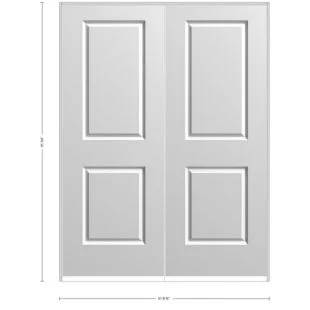
For example, if you want a cleaner, more minimal front entry, a style like 2 Square panel can make sense for homes that need a simpler profile without too much visual complexity. Spire’s site lists this as part of its fiberglass door offerings.

If you want a wider, more open-looking entry with glass presence, a layout like 3lite flush glazed double door may be worth considering for larger openings or more architectural facades. Spire’s product listings show this as one of its double-door style options.

4) Think beyond the slab

A lot of homeowners spend too much time comparing decorative details and not enough time asking practical questions like:

  • What’s included with the unit?
  • Is it prehung?
  • What type of threshold is used?
  • What kind of weatherstripping comes with it?
  • What glass specification is included?
  • Is the frame appropriate for the application?

These are the details that affect how the door performs after the installer leaves.

Common Mistakes to Avoid

This is where a lot of money gets wasted.

1) Choosing only based on appearance

A door can look beautiful online and still be the wrong fit for your home.

A better buying process is:

Performance first → fit second → style third → final decision as a balance of all three.

2) Reusing an old frame when you shouldn’t

This is one of the most common mistakes in door replacement projects.

If the existing frame has:

  • Rot
  • Water damage
  • Air leakage
  • Misalignment
  • Threshold wear

…then replacing only the slab may create more problems than it solves.

3) Ignoring the bottom of the opening

The threshold and sill area is one of the biggest weak points in any entry system.

That’s where a lot of:

  • Air leakage
  • Water intrusion
  • Draft complaints
  • Operational issues

…actually begin.

4) Ordering without confirming swing and clearance

This sounds basic, but it still causes expensive mistakes.

Before ordering, confirm:

  • Left-hand or right-hand swing
  • Inswing or outswing
  • Hardware placement
  • Interior clearance
  • Exterior landing space
5) Buying too cautiously for the facade

Some homes can visually support a stronger front entry than the owner initially chooses.

If the opening and architecture allow it, a more substantial entry can dramatically improve curb appeal.

That’s one reason it can help to compare door styles alongside broader homeowner advice like this guide to exterior doors for sale, especially if you’re deciding between styles, sizes, and configurations rather than material alone.

Expert Tips for Choosing Better in 2026

These are the details experienced installers, builders, and practical homeowners tend to pay attention to.

Tip 1: If you’re replacing a wood door, prioritize weather performance first

A lot of buyers replacing old wood doors are doing it because of:

  • Swelling
  • Binding
  • Drafts
  • Finish wear
  • Repeated maintenance

If that’s your situation, make sure the new door system is solving the actual performance problem not just improving the look.

Tip 2: For resale, choose broad-appeal design

If you’re upgrading before listing or planning to sell within a few years, stick with designs that feel current but not overly trendy.

Usually the safest choices are:

  • Clean panel layouts
  • Moderate glass use
  • Neutral exterior finishes
  • Hardware-friendly styling

Tip 3: Covered entries allow more design flexibility

If your entry is protected by a porch or overhang, you have more freedom with:

  • Darker finishes
  • Decorative glass
  • Larger lite openings
  • More design-forward door styles

Fully exposed entries need more caution.

Tip 4: Think about the interior view too

People often shop only from the curb.

But you’ll also see that door from inside every day.

Think about:

  • Natural light into the foyer
  • Sightlines into living areas
  • Interior color coordination
  • Privacy from the street

That’s especially useful when comparing fiberglass exterior entry doors with more or less glass.

Real-World Buying Scenarios

Sometimes the best way to understand what works is to look at real use cases.

Scenario 1: A family replacing an older wood front door

The existing door looks nice but sticks in summer and leaks air in winter.

Best fiberglass advantage:
More stability, less maintenance, and better comfort.

Scenario 2: A builder outfitting several homes in one neighborhood

The goal is to balance visual appeal, durability, and fewer post-installation issues.

Best fiberglass advantage:
Consistent performance, style flexibility, and fewer callbacks.

Scenario 3: A homeowner updating curb appeal before resale

The house needs a front entry that feels clean, current, and move-in ready.

Best fiberglass advantage:
High visual impact without creating a future maintenance burden.

Scenario 4: A modern remodel with a wider entry opening

The project needs a front door that feels architectural rather than builder-basic.

Best fiberglass advantage:
Smooth profiles, glass options, and compatibility with larger statement entries.

Short Homeowner Perspectives

These are the kinds of comments people often make after choosing the right fiberglass door:

We replaced a wood door that swelled every summer. The fiberglass one has been much easier to live with.

It changed the entire look of the front of the house more than we expected.

The biggest difference was comfort. The old door always felt drafty, and the new one sealed much better.

FAQ:

What are the best fiberglass entry doors for most homes?

The best ones are usually prehung systems with strong weather sealing, a durable finish, and a style that matches the home’s architecture.

Are fiberglass doors better than wood front doors?

For many homeowners, yes. Fiberglass typically needs less maintenance and handles moisture and temperature changes better than wood.

How long do fiberglass entry doors last?

A quality fiberglass door can last for many years when properly installed and maintained. Lifespan depends on climate, exposure, and installation quality.

Are fiberglass french doors a good idea for exterior use?

Yes, as long as they’re well-built and properly installed. They work especially well where natural light and wider openings matter.

Does fiberglass front doors installation need a professional?

In many cases, yes. A proper install affects sealing, alignment, operation, and long-term performance more than many buyers expect.

Final Thoughts: Which Fiberglass Entry Doors Are Actually Worth Buying in 2026?

The best fiberglass entry doors in 2026 aren’t just the ones with the nicest finish or trendiest glass pattern.

They’re the ones that do the full job well:

  • Look appropriate for the house
  • Hold up to the local climate
  • Seal properly
  • Require less maintenance
  • Fit the opening correctly
  • Deliver value over time

That’s what makes fiberglass such a smart category to shop in.

If you’re choosing between styles, configurations, or entry system types, the best decision usually comes from balancing durability, design, exposure, and installation quality not from chasing the cheapest or flashiest option.

Done right, a front door upgrade is one of the few home improvements that can improve curb appeal, comfort, usability, and long-term satisfaction all at once.

Author Bio

Spire Building Supplies Editorial Team
The Spire Building Supplies editorial team creates practical, homeowner-friendly content focused on doors, building materials, and smart renovation decisions. Our articles are built around real-world product knowledge, installation considerations, and the details that affect long-term performance not just what looks good in a product photo.

exterior doors for sale

Exterior Doors for Sale: How to Choose the Right One

Choosing a new entry door sounds simple until you start comparing materials, sizes, styles, insulation ratings, hardware, and installation requirements. If you’ve been browsing exterior doors for sale, you’ve probably already noticed how quickly the options multiply. The right door affects more than appearance. It influences security, energy efficiency, weather resistance, maintenance, and even how smoothly your home functions every day. A poor choice can lead to drafts, swelling, leaks, difficult operation, or a front entry that looks out of place.

This guide breaks down what actually matters when choosing an exterior door so homeowners and builders can make a smart, long-lasting decision. You’ll learn how to compare materials, what to prioritize for performance, which design details people often overlook, and how to avoid the most common buying mistakes.

Why Your Exterior Door Matters More Than Most People Think

An exterior door is one of the hardest-working parts of a home. It opens and closes constantly, stands up to weather, helps regulate indoor temperature, and serves as a major security barrier.

A well-chosen door should do five things well:

  • Seal tightly against air and moisture
  • Hold up to daily wear and changing weather
  • Support secure locks and hardware
  • Match the style of the home
  • Fit correctly for reliable long-term performance

That last point matters more than many buyers realize. Even a high-quality door can underperform if it’s the wrong size, poorly installed, or mismatched to the climate and use of the home.

What to Know Before You Start Shopping

Before comparing brands or finishes, it helps to understand the basics. Exterior doors vary widely in material, construction, and performance.

The Main Types of Exterior Doors

Most exterior doors fall into these categories:

  • Front entry doors
  • Back or side entry doors
  • Patio or garden doors
  • Double doors
  • Doors with glass inserts or sidelites

The best option depends on where the door will be installed and how much traffic, weather exposure, and security it needs to handle.

Slab vs. Prehung Doors

This is one of the first decisions to make.

Slab Door

A slab is just the door panel itself. It can work if:

  • Your existing frame is in excellent condition
  • The opening is standard and square
  • You’re replacing only the door, not the frame
Prehung Door

A prehung unit includes:

  • The door
  • Frame
  • Hinges
  • Often weatherstripping and threshold

In real-world remodels, prehung doors are usually the safer choice, especially if the old frame is worn, warped, or out of square.

The Most Important Decision: Choosing the Right Material

Door material affects performance more than most style details. This is where buyers should slow down and compare carefully.

1) Fiberglass Exterior Doors

For many homes, exterior fiberglass doors offer the best balance of durability, insulation, appearance, and maintenance.

Why fiberglass works well:
  • Resists dents, rust, rot, and warping
  • Handles temperature swings better than many wood doors
  • Can mimic painted or stained wood looks
  • Often provides strong insulation performance
  • Lower maintenance over time
Best for:
  • Front entries
  • Homes exposed to sun, rain, or humidity
  • Homeowners who want good looks without constant upkeep

If you’re comparing materials, it’s worth exploring dedicated options like Fiberglass doors to see the range of styles and finishes available.

Limitation:

Not all fiberglass doors are built equally. Budget models can feel lightweight or less refined than premium versions, so construction quality still matters.

2) Steel Exterior Doors

Steel doors are popular for security, value, and strength.

Pros:

  • Strong and secure
  • Often affordable
  • Good energy efficiency when insulated
  • Low maintenance overall

Cons:

  • Can dent
  • Scratches may lead to rust if not repaired
  • Style options can feel more limited than fiberglass or wood

Best for:

  • Side entries
  • Utility entrances
  • Budget-conscious builds
  • Homes prioritizing durability and security

3) Wood Exterior Doors

Wood doors are often chosen for warmth, character, and traditional curb appeal.

Pros:

  • Beautiful, high-end look
  • Easy to customize
  • Great for historic or upscale homes

Cons:

  • Requires more maintenance
  • More vulnerable to swelling, cracking, or moisture issues
  • Usually more expensive

Best for:

  • Covered front entries
  • Homes where aesthetics are the top priority
  • Buyers willing to maintain the finish

How to Choose the Right Exterior Door for Your Home

Once you understand materials, the next step is narrowing down what works for your specific home not just what looks good in a showroom.

1) Start With Your Climate and Exposure

A door that performs well under a covered porch may struggle on a sun-baked west-facing entry or a rain-exposed side door.

Ask:

  • Does this door get direct afternoon sun?
  • Is it exposed to wind-driven rain?
  • Will it face humidity or seasonal temperature swings?
  • Is the entry covered or fully exposed?

Practical rule:

If the door gets a lot of weather exposure, prioritize:

  • Fiberglass or steel
  • Good weatherstripping
  • Insulated core construction
  • Durable finish systems

2) Think About Security Beyond the Lock

A secure door is more than a deadbolt.

Look for:

  • Solid core or reinforced construction
  • Quality lockset compatibility
  • Strong strike plate anchoring
  • Durable frame material
  • Multi-point lock compatibility if desired

A heavy decorative door won’t necessarily be more secure if the frame and hardware support are weak.

3) Match the Door Style to the Architecture

One of the easiest mistakes is choosing a door that looks trendy online but disconnected from the home itself.

Good style matching usually looks like this:

Traditional homes

  • Raised panels
  • Decorative glass
  • Warm painted or stained finishes

Contemporary homes

  • Clean lines
  • Narrow profiles
  • Minimal hardware
  • Glass inserts used more intentionally

Farmhouse or transitional homes

  • Shaker-inspired panels
  • Matte black or bronze hardware
  • Mixed glass and solid panel layouts

If you’re browsing modern exterior doors, keep proportion in mind. A sleek, minimalist door can look excellent—but only if it suits the home’s lines, windows, and trim details.

4) Don’t Ignore Glass Placement and Privacy

Glass can completely change the look and feel of an entryway, but it should be chosen with purpose.

Consider:

  • Privacy level: Clear, frosted, obscure, or textured glass
  • Natural light: Helpful in darker entryways
  • Security concerns: Glass near locks should be chosen carefully
  • Energy efficiency: Glass type affects thermal performance

A small amount of well-placed glass often performs better than a large decorative insert if insulation and privacy are priorities.

5) Decide Whether You Need a Standard or Custom Size

This is where many projects go off track.

Not every opening is standard. Older homes, remodels, and upgraded entries often need more than an off-the-shelf fit.

You may need custom exterior doors if:

  • Your opening is oversized or unusually shaped
  • You want sidelites or transoms
  • You’re replacing a dated or modified entry
  • You need architectural matching

Custom can cost more upfront, but it often saves time, trim work, and performance issues later.

Benefits and Limitations of Buying a New Exterior Door

A realistic decision should include both upsides and tradeoffs.

Benefits

Better energy efficiency

A properly sealed, insulated door can reduce drafts and help stabilize indoor comfort.

Improved curb appeal

An entry door is one of the first things people notice. It has an outsized visual impact compared to many other upgrades.

Better security

Modern construction, upgraded frames, and improved lock compatibility can significantly improve entry security.

Easier operation

A new door that fits and seals properly simply works better day to day.

More design flexibility

You can choose glass, panel layouts, finish, hardware style, and overall look more intentionally.

Limitations

Cost can rise quickly

Glass packages, sidelites, premium finishes, and hardware can increase the final price more than expected.

Installation matters as much as product quality

A great door installed poorly can create problems immediately.

Some styles require more maintenance

Wood, darker finishes, and highly exposed entries often need more attention over time.

What Buyers Often Overlook

This is where experienced selection usually beats impulse buying.

1) Swing direction

People often choose a door without confirming whether it should swing in or out, left or right.

2) Threshold and sill details

These affect weather sealing, accessibility, and long-term performance.

3) Frame condition

Replacing only the slab when the frame is damaged or out of square can cause ongoing issues.

4) Finish durability

That bold dark finish may look great, but it may absorb more heat and show wear faster in certain exposures.

5) Glass efficiency

Not all decorative glass performs equally well.

Common Mistakes to Avoid

This is the section most buyers wish they had read first.

1) Choosing Based on Looks Alone

A door can be beautiful and still be the wrong choice for your climate, traffic level, or security needs.

Better approach:

Choose performance first, then narrow by style.

2) Measuring the Door Instead of the Opening

This causes expensive ordering mistakes.

Always confirm:

  • Rough opening dimensions
  • Frame condition
  • Jamb depth
  • Threshold height
  • Flooring transitions

Even experienced DIYers sometimes underestimate how much the surrounding structure affects fit.

3) Assuming “Exterior Grade” Means High Performance

Not all exterior doors are equally weather-resistant or insulated.

Compare:

  • Core construction
  • Weatherstripping quality
  • Glass package
  • Finish system
  • Warranty details

4) Underestimating Exterior Door Installation

Good exterior door installation is not just about setting a door in place. It involves:

  • Leveling and shimming
  • Squaring the frame
  • Flashing and sealing correctly
  • Threshold alignment
  • Air and moisture management

A door that’s even slightly out of alignment can stick, leak, or fail to latch properly.

5) Buying Too Cheap for a High-Use Entry

For a front door used multiple times every day, ultra-budget options often cost more over time through repairs, poor sealing, or premature replacement.

Expert Tips That Actually Make a Difference

These are the practical details that tend to matter most in real homes.

Tip 1: Prioritize the Frame, Not Just the Door Panel

The frame, hinges, sill, and weather seals all affect long-term performance. A strong door in a weak or poorly installed frame won’t perform as expected.

Tip 2: Use Exposure to Guide Material Choice

If the door faces harsh weather, fiberglass usually offers the most forgiving long-term performance for many homeowners.

Tip 3: Don’t Overspend on Features You Won’t Notice Daily

Some decorative upgrades look impressive in photos but don’t improve real function. Spend first on:

  • Better core construction
  • Better glass efficiency
  • Better sealing
  • Better hardware compatibility

Tip 4: Think About the Whole Entryway

A new door often works best when considered with:

  • Trim
  • Paint color
  • Porch lighting
  • House numbers
  • Nearby windows

If you’re upgrading more than the entry, this is also a good time to think about related projects like best sliding windows for home to keep the overall exterior looking cohesive.

Tip 5: Compare Use Case, Not Just Price

Ask: “Will this door still make sense five years from now?”

That’s usually a better buying filter than “What’s cheapest today?”

Real-World Examples: What the Right Choice Looks Like

Here’s how the decision often plays out in real homes.

Example 1: Busy Family Front Entry

A homeowner with kids and frequent daily traffic wants a low-maintenance front door with strong insulation and good curb appeal.

Best fit:
A fiberglass prehung door with moderate glass, durable finish, and secure hardware prep.

Example 2: Side Garage Entry

A builder needs a practical, durable side entry with good value and solid security.

Best fit:
An insulated steel door with minimal glass and straightforward hardware.

Example 3: High-End Renovation

A homeowner wants a larger statement entry for a remodel with sidelites and a more architectural look.

Best fit:
A custom fiberglass or wood-look door package sized to the opening and matched to the home’s style.

Example 4: Interior and Exterior Door Planning Together

Some renovation projects involve both entry and interior door upgrades. In those cases, it also helps to compare interior categories like Hollow core options separately so the right materials are used in the right places.

For homeowners comparing categories broadly, browsing a curated selection of best doors can help narrow down the right type before getting into specific finishes and specs.

How to Search Smarter If You’re Comparing Local Options

A lot of buyers start with searches like exterior doors near me, which makes sense—but it can lead to rushed decisions if you only compare what’s immediately available.

A better way to evaluate local options:

  • Start with your measurements and use case
  • Narrow the right material first
  • Compare in-stock vs. orderable options
  • Ask about lead times and finish availability
  • Confirm whether installation support is available if needed

Availability matters, but fit and performance matter more.

Quick Checklist: How to Choose the Right Exterior Door

If you want a simple decision-making framework, use this:

Before you buy, confirm:

  • Your opening size and swing direction
  • Whether you need slab or prehung
  • The right material for your climate
  • Your preferred privacy and glass level
  • Security and hardware requirements
  • Whether the style matches your home
  • Whether installation conditions are straightforward or complex

That short checklist prevents most common buying mistakes.

FAQ:

1) What is the best material for an exterior door?

For many homes, fiberglass is one of the best all-around choices because it balances durability, insulation, appearance, and low maintenance.

2) Are fiberglass exterior doors better than steel?

It depends on the use. Fiberglass often performs better for style flexibility and weather resistance, while steel is usually strong, secure, and budget-friendly.

3) Should I buy a slab or prehung exterior door?

If the frame is old, damaged, or out of square, a prehung unit is usually the better option. It often leads to better fit and easier installation.

4) How much does exterior door installation matter?

A lot. Even a high-quality door can leak, stick, or seal poorly if it isn’t installed correctly.

5) Are custom exterior doors worth it?

Yes, if you have a non-standard opening, want a specific architectural style, or need better fit and design flexibility.

What Homeowners Commonly Say After Replacing the Right Door

Matt Best prices and excellent customer service! I’ll come back soon!

Max and hector great service i aparentemente to this guys for great job

Great service hector thanks for your help.

Final Thoughts

The right exterior door should do more than look good in a product photo. It should fit your home, hold up to your climate, operate reliably, and make daily life easier not create new maintenance or performance issues.

If you’re comparing exterior doors for sale, the smartest approach is to start with function, then narrow down style. Focus on material, fit, exposure, insulation, and installation quality before getting distracted by finishes and decorative upgrades. That’s usually what separates a door that still performs well years later from one that becomes a recurring frustration.

A well-chosen door is one of those upgrades you notice every single day. It’s worth choosing carefully.

About the Author

Spire Building Supplies Editorial Team writes practical, homeowner-friendly guidance based on real product knowledge, renovation needs, and common jobsite considerations. Our goal is to make building product decisions clearer, more useful, and easier to navigate without the jargon or guesswork.

Best Building Material Supplier in Texas

How to Avoid Common Mistakes When Choosing the Best Building Material Supplier

Introduction: The Costly Mistake Most Homeowners Realize Too Late

Choosing the best building material supplier can make or break your entire project — yet most homeowners don’t realize this until problems start showing. One homeowner shared, “Everything looked perfect at first… but within months, the flooring peeled, the doors warped, and the windows started leaking.”

The issue wasn’t design or installation — it was the wrong supplier.

This is exactly why experienced builders and homeowners prefer working with trusted suppliers like Spire Building Supplies, where quality, consistency, and expert guidance come first. In this guide, you’ll learn how to avoid costly mistakes and choose materials that actually last.

What Is the Best Building Material Supplier? (Quick Definition)

A best building material supplier is a reliable provider of home building & renovation supplies that offers high-quality materials like windows, doors, floorings, trims, cabinets, and quality accessories — backed by verified specifications, warranties, and expert guidance for long-term performance.

Why Your Supplier Matters More Than the Material

Here’s a reality most people ignore:

The same flooring or door can perform completely differently depending on the supplier.

A trusted supplier ensures:

  • Accurate material thickness & composition
  • Proper storage and handling
  • Consistent quality standards
  • Reliable after-sales support

Suppliers like Spire Building Supplies focus on consistency across all categories — which is why professionals avoid switching vendors mid-project.

Common Mistakes (And How to Avoid Them)

1. Choosing Based Only on Price

Cheap materials often mean:

  • Thinner floorings
  • Weak door cores
  • Poor window insulation

✔ Expert Tip: Always compare cost vs lifespan, not just upfront price.

2. Ignoring Technical Specifications

Most buyers focus on looks — not performance.

Key specs to check:

  • Flooring wear layer (12–20 mil recommended)
  • Thickness (laminate: 8–12 mm, vinyl: 4–6 mm)
  • Door core (solid vs hollow)
  • Window glazing (double-glazed preferred)

3. Buying from Multiple Suppliers

This leads to:

  • Color mismatches
  • Size inconsistencies
  • Uneven quality

✔ Real Insight: Contractors prefer one trusted supplier for full-home consistency.

4. Ignoring Durability & Environment

Not all materials suit every condition.

Examples:

  • MDF cabinets fail in moisture-prone kitchens
  • Low-grade vinyl scratches easily
  • Cheap trims crack over time

5. Skipping Warranty & Support

If something fails, you’re stuck.

Always ask:

  • Warranty coverage
  • Replacement policy
  • Installation guidance

Supplier Comparison: Local Dealer vs Professional Supplier

Feature Local Dealer Best Building Material Supplier
Product Range Limited Complete (Windows, Doors, Floorings, etc.)
Quality Inconsistent Standardized
Warranty Rare Available
Guidance Minimal Expert-level
Long-Term Value Low High

This is why many homeowners shift to trusted providers like Spire Building Supplies after bad experiences.

Material Deep Dive (What Experts Actually Check)

Flooring

  • Thickness: 8–12mm (laminate), 4–6mm (vinyl)
  • Wear Layer: 12–20 mil
  • Lifespan: 10–20 years

✔ Higher wear layer = better scratch resistance

Doors

  • Solid core: Durable + soundproof
  • Engineered wood: Balanced cost & performance
  • Iron doors: Maximum security + premium look

Windows

  • Double-glazed: Energy efficient
  • uPVC vs Aluminum:
    • uPVC = better insulation
    • Aluminum = stronger, modern design

Cabinets

  • Plywood: Best for durability & moisture resistance
  • MDF: Budget-friendly but less durable

Trims & Quality Accessories

  • High-density trims last longer
  • Stainless steel accessories resist rust and wear

Cost vs Value: What Smart Buyers Understand

Factor Cheap Materials Quality Supplier Materials
Upfront Cost Low Moderate
Maintenance High Low
Lifespan Short Long
ROI Poor Strong

Spending 15–20% more upfront can save double the cost in repairs later.

What Sets a Trusted Supplier Apart

From real project experience:

  • The biggest failures come from inconsistent quality, not installation
  • Cheap accessories (hinges, handles) fail faster than major components
  • A reliable supplier recommends based on:
    • Climate
    • Usage
    • Budget

Suppliers like Spire Building Supplies stand out because they don’t just sell — they guide customers toward long-term solutions.

Practical Checklist Before You Buy

Before choosing a supplier, ask:

  • Do they offer full-category materials (windows, doors, floorings, etc.)?
  • Are specifications clearly defined (thickness, wear layer)?
  • Do they provide warranties?
  • Can they guide based on your project needs?
  • Do they have real customer feedback?

Customer Testimonials

Daniel Harris (Contractor)
I’ve worked with multiple suppliers, but Spire Building Supplies stands out for consistency. I know exactly what quality I’m getting every time.

Rebecca Moore (Homeowner)
Spire helped me choose the right flooring and cabinets. It saved me from making a costly mistake.

People Also Ask (PAA)

1. How do I choose the best building material supplier?
Check quality, specifications, warranty, and expert guidance.

2. Why is a good supplier important?
It ensures durability, safety, and long-term cost savings.

3. What materials should a supplier offer?
Windows, doors, floorings, trims, cabinets, and quality accessories.

4. Are premium materials worth it?
Yes, they last longer and reduce maintenance costs.

5. What should I check before buying?
Thickness, wear layer, durability, and supplier reputation.

Conclusion: Build Once, Build Right

Choosing the best building material supplier isn’t just about buying materials — it’s about making a smart, long-term investment.

The right supplier ensures:
✔ Better durability
✔ Consistent quality
✔ Lower maintenance
✔ Higher home value

For homeowners and professionals looking for reliability and expert guidance, Spire Building Supplies offers trusted home building & renovation supplies designed to deliver lasting performance.

Author Bio

Spire Building Supplies Team
With years of experience in home building & renovation supplies, Spire Building Supplies provides high-quality windows, doors, floorings, trims, cabinets, and accessories. Their focus is on helping customers make informed decisions that ensure durability, style, and long-term value.

best sliding windows for home

Best Sliding Windows for Home Renovation Projects

.Choosing the best sliding windows for home renovation projects is less about chasing a trend and more about getting the right mix of ventilation, durability, energy performance, and day-to-day usability. Sliding windows are popular because they’re simple, clean-looking, and practical in rooms where swinging or lifting a sash isn’t ideal. But not every slider is a good fit for every renovation. The wrong size, frame material, glass package, or installation method can lead to problems that are expensive to fix later.

This guide breaks down what homeowners and builders should know before selecting sliding windows for a remodel. You’ll learn how they work, where they perform best, what to compare before buying, common mistakes to avoid, and what tends to hold up well in real homes—not just on a showroom page.

What Are Sliding Windows?

A sliding window opens horizontally along a track instead of moving up and down like a single hung window. One sash usually slides while the other remains fixed, although some models allow both sides to move.

That simple design makes them especially useful in places where:

  • You want easy ventilation
  • The opening is wider than it is tall
  • You need a window that’s easy to use over sinks, counters, or furniture
  • You want a clean, modern profile with lots of glass

If you’re still comparing styles, browsing actual Sliding windows can help you see the difference in size, frame style, and layout before you make a renovation decision.

Why Sliding Windows Work Well in Renovation Projects

Renovation projects come with constraints: existing wall openings, trim conditions, sightlines, furniture placement, and budget. Sliding windows tend to fit well into those realities.

Main reasons people choose sliding windows

  • Easy operation
    They glide side to side and are usually simple to open.
  • Great for wide openings
    They often make more sense than forcing a tall window style into a broad space.
  • Good natural light
    Their design often allows for large glass areas.
  • Ventilation where you need it
    Bedrooms, kitchens, and living areas often benefit most.
  • No outward swing
    Useful near patios, walkways, decks, and landscaping.
  • Low maintenance in the right material
    Especially true with vinyl options.

For many renovation projects, that combination of practicality and visual simplicity is exactly what makes sliders attractive.

What Makes a Sliding Window “Good” for a Renovation?

The best option isn’t always the most expensive one. It’s the one that fits the opening, the room, and the way the space is actually used.

A good renovation window should be:

  • Sized correctly for the opening
  • Built with durable hardware
  • Easy to operate
  • Properly weather-sealed
  • Efficient enough for the room’s sun exposure and climate
  • Compatible with either replacement or new-construction installation needs

That last point matters more than many homeowners realize.

Replacement vs. New Construction: Know Which One You Need

Before you compare brands or sizes, figure out whether your project is a replacement install or a new-construction-style install.

Replacement installation

This is used when:

  • You’re swapping out an existing window
  • The rough opening stays the same
  • Exterior wall materials remain mostly intact

New construction installation

This is used when:

  • You’re opening up or reframing the wall
  • The siding or exterior cladding is being reworked
  • You need a nailing flange or fin system
  • The rough opening itself is changing

A lot of renovation issues happen because people order the right window style in the wrong installation format.

Best Sliding Window Frame Materials for Renovation Projects

The frame material affects how the window looks, performs, and holds up over time.

Vinyl: Often the Smartest Practical Choice

A sliding vinyl window is one of the most common and renovation-friendly options because it typically offers:

  • Good thermal performance
  • Low maintenance
  • Resistance to moisture and corrosion
  • A more budget-friendly price point than many premium materials
  • Consistent performance in everyday residential use

For most homeowners doing a remodel—not a custom architectural showpiece—vinyl is often the most balanced choice.

If you want to compare common residential sizes, models like INSPIRE VINYL SVS 5040 and INSPIRE VINYL SVS 6030 are helpful examples of the kind of dimensions often used in kitchens, bedrooms, and living spaces.

What to Compare Before Buying Sliding Windows

This is the part that saves people from buying the wrong window for the right room.

1) Frame durability

Look for solid frame construction, clean welds (if vinyl), and hardware that doesn’t feel flimsy.

2) Roller and track quality

This matters more than people think. A slider that drags after six months is frustrating every single day.

3) Glass package

Compare:

  • Double-pane vs. triple-pane
  • Low-E coatings
  • Insulating gas fills
  • U-factor and SHGC ratings

These affect comfort, efficiency, and how the room feels throughout the year.

4) Venting area

Not all sliding windows open the same amount. Make sure the operable area fits the room’s airflow needs.

5) Locking and security hardware

A good slider should feel secure and close cleanly.

6) Interior and exterior finish compatibility

Think beyond the window itself. How will it look with your trim, siding, drywall returns, or renovation style?

Benefits and Limitations of Sliding Windows

A trustworthy buying guide should cover both sides.

Benefits

  • Easy to use
  • Good for wide openings
  • Great natural light
  • Often cost-effective
  • Good for modern and transitional homes
  • Usually easy to maintain

Limitations

  • Tracks need periodic cleaning
  • Many models only open halfway
  • Some lower-end units don’t seal as tightly as better compression-style windows
  • Large sliders can feel heavy if the hardware isn’t strong
  • Water management matters a lot during installation

A slider is a great choice in the right location. It’s just not automatically the best choice in every room.

Best Rooms for Sliding Windows in a Remodel

Some window styles work best when matched to room function.

Sliding windows often work especially well in:

  • Kitchens – especially over sinks
  • Bedrooms – where easy ventilation matters
  • Living rooms – for wider wall sections
  • Home offices – for light without bulky framing
  • Basements – depending on code and egress needs
  • Additions – where horizontal proportions fit the design

For taller, narrower openings, another style may make more sense. If you’re comparing options, this guide on single hung windows for sale can help you understand when a vertical-operating window may be the better fit.

Can Sliding Windows Be Installed Vertically?

This is a common question, especially during remodel planning.

Short answer:

Generally, no—not unless the manufacturer specifically allows it.

If you’ve ever wondered, can sliding windows be installed vertically, the important thing to know is that most horizontal sliders are engineered for one orientation only.

They’re designed around:

  • Track direction
  • Roller placement
  • Drainage and weep systems
  • Lock alignment
  • Structural loading

Turning a horizontal slider vertically can compromise both function and performance. If you need a vertical-opening window, it’s better to choose a style designed for that use.

How to Install a Sliding Window: What Homeowners Should Know

A lot of people search how to install a sliding window, but the real answer depends on the opening, wall condition, and installation type.

You don’t need to be a contractor to understand the basics, though.

Typical sliding window installation steps

  1. Remove the old unit (if replacing)
  2. Inspect the rough opening
  3. Check for rot, damage, or moisture
  4. Confirm measurements
  5. Prep the sill and flashing
  6. Dry-fit the new window
  7. Level, plumb, and shim properly
  8. Fasten according to manufacturer instructions
  9. Insulate perimeter gaps correctly
  10. Seal and trim the opening
  11. Test operation, lock function, and drainage

That’s the broad version of sliding window window installation, but here’s the part that matters most:

The install is often more important than the window brand.

A high-quality window can still underperform if:

  • it’s installed out of square
  • flashing is skipped or done poorly
  • foam bows the frame
  • the sill isn’t supported correctly
  • drainage paths are blocked

That’s why renovation success usually comes down to fit, prep, and installation quality—not just what looked best online.

Common Mistakes to Avoid

This section matters because window regrets are usually expensive.

1) Measuring only once

Even small measurement errors can cause operation or sealing problems.

2) Buying based only on appearance

A clean profile means nothing if the window is hard to use or poorly suited to the room.

3) Ignoring hardware quality

Rollers and locks matter more in sliders than people expect.

4) Choosing the wrong style for the opening

A wide opening may suit a slider. A tall narrow one may not.

5) Overlooking glass performance

Sun exposure, orientation, and room use should affect your glass choice.

6) Assuming any installer can “make it work”

Window installs are detail-sensitive. Experience matters.

7) Forgetting maintenance access

Tracks need occasional cleaning, and some rooms make that easier than others.

Expert Tips That Actually Help

These are the practical details that tend to make the difference in real projects.

  1. Best practices before ordering
  • Measure width and height in multiple places
  • Check whether the opening is square
  • Look at how the room is actually used
  • Think about furniture, cabinets, and reach
  • Prioritize hardware quality over small cosmetic upgrades
  • Match the glass package to sun exposure and climate

2. Best practices during installation

  • Confirm the sill is solid and level
  • Use proper flashing, not shortcuts
  • Shim carefully to avoid frame distortion
  • Test sash movement before finishing trim
  • Make sure the lock engages smoothly

3. Best practices after installation

  • Clean the track regularly
  • Inspect sealant seasonally
  • Keep drainage paths clear
  • Address sticking or drag early before it worsens

A good sliding window should feel smooth and easy—not something you have to fight every time you want fresh air.

Real-World Renovation Examples

Example 1: Kitchen update

A homeowner replacing an older, hard-to-reach crank window above the sink may find a slider easier to operate and easier to clean.

Example 2: Bedroom remodel

In a guest room or primary bedroom, a horizontal slider can bring in good airflow while maintaining a simple, low-profile look.

Example 3: Living room refresh

For a wide wall opening, a slider often provides better glass area and easier proportions than trying to split the opening into multiple narrower units.

These are the kinds of practical renovation decisions that often matter more than trends.

Quick Checklist: How to Choose the Best Sliding Windows for Home Renovation

Before you buy, ask yourself:

  • Is this a replacement or reframing project?
  • Does the opening suit a horizontal slider?
  • Will the window be opened often?
  • Is vinyl the best frame choice here?
  • What glass performance does this room need?
  • Is the hardware durable?
  • Is the installer experienced with water management?
  • Will the window be easy to maintain in this location?

If you can answer those confidently, you’re already ahead of most renovation mistakes.

FAQ:

What are the best sliding windows for home renovation?

The best ones are the windows that fit your opening correctly, operate smoothly, match your room needs, and offer the right balance of efficiency, durability, and maintenance.

Are sliding vinyl windows a good choice for remodeling?

Yes, in many cases. They’re popular because they’re low maintenance, energy-efficient, and often more budget-friendly than other materials.

How do I know if a sliding window is right for my room?

Sliding windows usually work best in wider openings and in spaces where easy side-to-side operation is more practical than lifting or cranking.

Can sliding windows be installed vertically?

Usually no. Most are engineered specifically for horizontal use and should not be rotated unless the manufacturer clearly allows it.

Are sliding windows good for ventilation?

Yes, especially in rooms like kitchens, bedrooms, and living spaces where easy airflow is a priority.

What Homeowners Commonly Say After a Good Upgrade

We didn’t realize how much easier the room would feel to ventilate until the old window was gone.

The slider ended up being a better fit for our kitchen layout than the style we originally planned.

Getting the right size and glass package made more difference than we expected.

Final Thoughts

The best sliding windows for a renovation project aren’t just the ones with the nicest frame profile or the lowest price. They’re the ones that suit the room, fit the opening properly, operate well, and hold up over time.

If you’re renovating, focus on performance first: fit, glass, hardware, and installation quality. Those are the details that turn a good-looking window into a smart long-term upgrade.

About the Author

Spire Building Supplies Editorial Team creates practical, reader-first content for homeowners, renovators, and building professionals. Our goal is to make product choices and installation planning easier to understand by focusing on real-world performance, practical comparisons, and the details that matter once a renovation moves from planning to execution.

Back to Top

Search For Products

Product has been added to your cart