Interior Double Doors for dining room

Interior Double Doors for Dining Rooms: Elegant Space Planning

What if one simple design choice could completely change how your dining room feels the moment someone walks in? Not the table. Not the lighting. But the doors. Interior double doors have quietly become one of the most impactful upgrades in modern homes across Texas. They don’t just separate spaces—they create flow, frame your dining area like a centerpiece, and instantly add a sense of openness or privacy when you need it. Whether you’re hosting a lively dinner or enjoying a quiet family meal, the right double doors can transform the entire experience.

At Spire Building Supplies, we’ve seen firsthand how homeowners shift from basic layouts to more intentional, elegant spaces—simply by choosing the right interior double doors. And the difference isn’t subtle—it’s immediate.

Why Interior Double Doors Are Ideal for Dining Rooms

Dining rooms are unique spaces. They need openness for gatherings but also separation for privacy and noise control. An interior door solves this challenge effortlessly.

✔ Balanced Open & Closed Living

Double doors allow you to:

  • Open up your dining room for entertaining guests
  • Close it off for formal dinners or quiet family meals

This flexibility is especially valuable in modern open-concept homes across Texas.

✔ Enhanced Natural Light

If you choose glass or semi-glass options, double doors

  • Allow natural light to flow between rooms
  • Make smaller dining areas feel more spacious

✔ Elevated Visual Appeal

Compared to single doors, double doors:

  • Create symmetry
  • Add architectural depth
  • Improve perceived home value

Real Experience: What Homeowners in Texas Prefer

From real projects handled by Spire Building Supplies, homeowners in cities like Dallas, Austin, and Houston consistently choose:

  • Shaker-style interior double doors for modern homes
  • Glass panel double doors for transitional spaces
  • Solid panel doors for formal dining rooms

One clear trend: clean lines + neutral finishes dominate current preferences.

Best Styles of Interior Double Doors for Dining Rooms

Choosing the right style isn’t just about looks—it’s about how the space is used daily.

1. Shaker Style Double Doors (Most Popular)

Shaker doors remain the top choice because of their simplicity and versatility.

Common options include:

Why homeowners love them:

  • Clean, modern lines
  • Works with both contemporary and traditional interiors
  • Easy to pair with different finishes

2. Glass Interior Double Doors

Perfect for semi-formal dining areas.

Best for:

  • Open-concept homes
  • Homes needing more light flow

Pros:

  • Brightens space
  • Makes rooms feel larger

Cons:

  • Less privacy

3. Solid Panel Double Doors

If privacy and sound control matter most:

Best for:

  • Formal dining rooms
  • Homes with frequent gatherings

Benefits:

  • Better noise reduction
  • Strong visual presence

4. French Style Interior Double Doors

A timeless option that blends elegance with openness.

Key features:

  • Multiple glass panes
  • Classic appeal

Space Planning Tips for Dining Rooms

Installing interior double doors is not just about the product—it’s about how it fits into your space.

1. Measure Door Clearance Properly

Double doors need enough swing space. Always:

  • Measure wall-to-wall clearance
  • Consider furniture placement

2. Align with Dining Table Layout

Your doors should:

  • Open without blocking chairs
  • Complement table positioning

3. Think About Lighting

Doors with glass panels:

  • Enhance natural lighting during daytime
  • Reduce need for artificial light

4. Match Interior Theme

For example:

  • Farmhouse → White shaker double doors
  • Modern → Black framed glass doors
  • Traditional → Wood grain panel doors

Material Guide: What Works Best

Choosing the right material impacts durability, maintenance, and long-term value.

Solid Wood

  • Premium look
  • Long-lasting
  • Higher cost

MDF (Medium Density Fiberboard)

  • Budget-friendly
  • Smooth finish
  • Ideal for painted doors

Glass + Wood Combination

  • Stylish
  • Functional
  • Balanced light + privacy

Installation Insights (From Real Projects)

At Spire Building Supplies, one recurring issue we see is improper installation.

Common Mistakes to Avoid:

  • Incorrect frame alignment
  • Ignoring door swing direction
  • Using low-quality hardware

Pro Tip:

Always choose prehung interior double doors if you want:

  • Faster installation
  • Better alignment
  • Reduced labor costs

Cost of Interior Double Doors in Texas (2026)

Prices vary depending on style, material, and customization.

Average Cost Range:

  • Basic MDF Double Doors: $250 – $600
  • Shaker-Style Double Doors: $400 – $900
  • Solid Wood Double Doors: $800 – $2,000+
  • Glass Panel Double Doors: $700 – $1,500

Installation Cost:

  • $150 – $500 depending on complexity

Why Choose Spire Building Supplies

Choosing the right supplier matters just as much as choosing the right door.

Proven Industry Experience
Spire has worked with homeowners, contractors, and builders across Texas and the USA.

Quality You Can Trust
Each product is selected based on durability, performance, and design standards.

Customer-Focused Approach
From selection to installation guidance, Spire ensures:

  • Clear communication
  • Reliable product quality
  • Ongoing support

Testimonials from Real Customers

James R., Dallas, TX
I installed shaker interior double doors from Spire Building Supplies, and it completely changed how my dining room feels. It looks more open and high-end now.

Melissa T., Austin, TX
The 5-panel shaker doors were exactly what we needed. Great quality, easy installation, and perfect fit for our home.

Carlos M., Houston, TX
We chose glass interior double doors for our dining space, and the natural light difference is amazing. Highly recommend Spire.

People Also Ask (PAA)

Are interior double doors worth it?
Yes, they improve functionality, enhance visual appeal, and can increase perceived home value, especially in dining areas.

What size are standard interior double doors?
The most common size is:

  • Height: 80 inches (6’8)
  • Width: 60 to 72 inches total

Do interior double doors add value to a home?
Yes. Buyers often view double doors as a premium feature, particularly in dining rooms and living areas.

Which style is best for dining rooms?
Shaker-style and glass panel double doors are the most popular due to their balance of style and practicality.

Can I install interior double doors in a small space?
Yes, but consider:

  • Sliding double doors
  • Narrow-width configurations

Final Thoughts

Interior double doors are more than just an upgrade—they are a strategic design decision that impacts how your dining room looks, feels, and functions every day. Whether you choose a 2-panel shaker 8’0″ height, a 5-panel shaker 6’8″ height, or a 5-panel shaker 6’8″ 80 inch, the key is aligning your choice with your space, lifestyle, and long-term goals.

If you’re planning a dining room upgrade in Texas or anywhere in the USA, investing in the right interior double doors can deliver both immediate visual impact and lasting value.

See our exclusive collection of fiber classic doors; visit this page: Best Budget-Friendly Fiber Classic Doors Without Compromising Quality

Author Bio

Spire Building Supplies:
Spire Building Supplies is a trusted USA-based supplier known for quality interior doors and practical expertise, helping homeowners and builders choose the right solutions with confidence.

Exterior iron doors

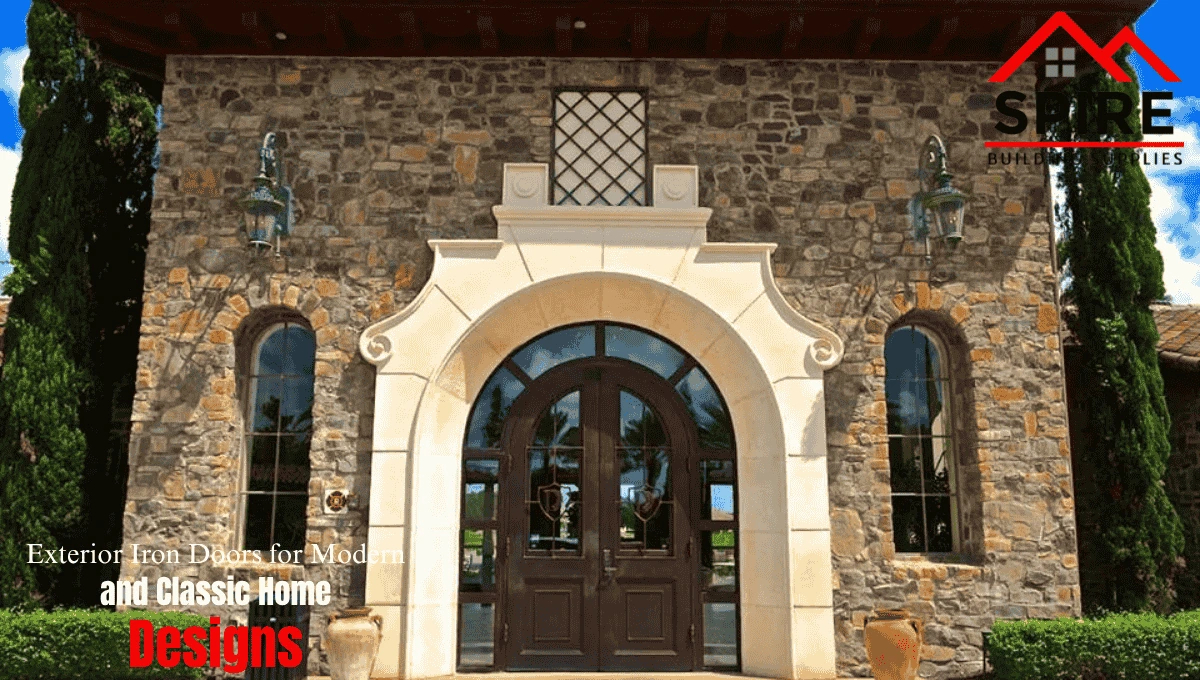
Exterior Iron Doors for Modern and Classic Home Designs

There’s something about a well-chosen front door that changes everything. It’s the first thing guests notice, the last thing you see when you leave for work, and one of the most lasting impressions your home makes on the street. Exterior iron doors have held a prominent place in residential design for centuries and if you’re considering one, you’re in good company. But choosing the right iron door requires more than picking a style you like. The material, construction, finish, glass configuration, and how well it’s matched to your home’s architecture all matter. This guide covers what you actually need to know before making that decision.

What Makes Iron Doors Different From Other Entry Doors

Iron doors particularly wrought iron front doors are in a category of their own. They’re heavier, more durable, and visually more commanding than wood, fiberglass, or steel doors. But that weight and presence come with trade-offs that buyers often don’t fully consider until after installation.

Here’s what sets them apart:

Material strength: Wrought iron is exceptionally resistant to warping, shrinking, and cracking problems that plague wood doors in climates with humidity swings or temperature extremes.

Design versatility: Iron can be forged, bent, and welded into elaborate scroll patterns, geometric grids, or clean minimalist frames. Few materials offer the same range of detail.

Longevity: A properly maintained iron entry door can outlast the house itself. That’s not a figure of speech some historic iron doors are hundreds of years old and still functional.

Glass integration: Most modern iron doors incorporate decorative or clear tempered glass panels, which allow light into the entryway without sacrificing security.

Weight: Iron doors are heavy often 200 to 400+ pounds depending on size and glass content. This means the frame, hinges, and substructure all need to be appropriately reinforced.

Styles That Work: Modern, Classic, and Everything In Between

One of the most common misconceptions is that iron doors are exclusively traditional or Mediterranean in style. That was true for a long time, but contemporary manufacturing has changed the picture significantly.

Classic and Mediterranean Designs

The original aesthetic for wrought iron front doors features ornate scrollwork, arch tops, and decorative glass — often with a warm bronze, oil-rubbed, or black patina finish. These pair beautifully with stucco exteriors, Spanish tile roofs, Tuscan-inspired masonry, and traditional Colonial or craftsman architecture.

Modern and Minimalist Designs

Clean-line iron doors have become increasingly popular in modern and transitional homes. Think flat bar grids, simple frame profiles, large glass panels, and matte black or satin finishes. These work especially well with contemporary homes featuring flat rooflines, large windows, and neutral palettes.

Transitional Designs

Transitional iron doors blend elements of both — perhaps a clean frame with subtle scrollwork accents, or a geometric pattern with a warmer finish. These tend to be the most flexible in terms of pairing with different home styles.

If you’re browsing options, take a look at the iron doors collection at Spire Building Supplies — it includes styles that span the design spectrum from traditional to contemporary.

Single vs. Double Iron Entry Doors: What to Choose

The size and configuration of your iron front door matters more than most buyers realize — both aesthetically and practically.

Single iron doors are the standard for most residential entrances. They’re more affordable, easier to install, and appropriate for standard-width doorways (typically 36 inches). A well-designed single iron door can still make a dramatic statement without overwhelming a modestly-sized facade. The Single Exterior Wrought Iron Door is a good example of how much presence a single door can carry.

Double iron doors are suited for grander entrances — wider openings, larger homes, or architectural situations where a pair of doors is proportionally appropriate. They create an undeniably dramatic effect but require more structural support and a wider rough opening.

A useful rule of thumb: if your entryway feels proportionally balanced with a single door, use a single door. Double doors on a narrow or small-scale facade can look overscaled and out of place.

Prehung vs. Slab: Understanding the Difference

If you’re shopping for exterior iron doors, you’ll quickly encounter these two terms.

Slab door: Just the door itself no frame, no hinges, no threshold. A slab iron door is installed into an existing frame. This is rarely the right choice for exterior applications unless you have a very specific reason and a very solid existing frame.

Prehung door: The door comes already mounted in a new frame, with hinges attached and the frame prepped for installation. This is the standard and recommended approach for exterior iron door replacement or new installation. The Winslow Wrought Iron Prehung Front Door is a good example of a prehung unit that’s built for clean, complete installation.

For almost all homeowners replacing an existing door, prehung is the right choice. The old frame comes out, the new prehung unit goes in, and you don’t have to worry about alignment issues that come from fitting a slab into an aged or imperfect existing frame.

Benefits of Exterior Iron Doors

Let’s look at why so many homeowners choose iron, and what the experience actually tends to look like in practice.

  • Curb appeal and resale value: Iron doors consistently rank among the highest-impact exterior upgrades for visual impression and perceived home value.
  • Security: The weight and construction of iron entry doors make forced entry significantly more difficult compared to hollow-core or standard wood doors.
  • Low warping and weather resistance: Unlike wood, iron doesn’t absorb moisture and warp. In humid climates or climates with wide temperature swings, this is a real practical advantage.
  • Customization: Many manufacturers offer custom sizing, finish options, glass configurations, and hardware — giving homeowners precise control over the final look.
  • Timelessness: Iron doesn’t follow trends the way other materials do. A well-chosen iron door looks appropriate across decades.

Realistic Limitations to Know Before You Buy

Honest buying decisions require knowing the limitations, not just the highlights.

Cost: Quality iron doors are not inexpensive. Expect to pay significantly more than you would for a fiberglass or steel door — and then add installation, which is more labor-intensive due to weight.

Energy efficiency: Iron is a conductor, which means thermal efficiency can be lower than composite or fiberglass alternatives unless the door is designed with thermal breaks or well-insulated glass panels. Look for iron doors specifically engineered for energy performance if this is a priority.

Maintenance: Iron will rust if the finish is compromised and moisture gets in. This requires periodic inspection and touch-up of the finish — especially in coastal or high-humidity environments. Some doors use weatherproof powder coatings that significantly reduce this concern, but they’re not maintenance-free.

Weight and installation complexity: Iron doors require professional installation in most cases. The weight stresses hinges, frames, and thresholds differently than a standard door — and getting the alignment right matters for long-term performance.

Condensation: In cold climates, iron doors can experience condensation on the interior surface during cold snaps if not properly sealed. This is manageable with proper weatherstripping and threshold seals.

Common Mistakes People Make When Choosing Iron Doors

These are the mistakes that tend to show up most often — worth reading carefully before you commit.

Choosing style without measuring the opening: Iron doors are heavy and often custom-sized. Measuring your rough opening accurately before shopping saves significant time and money. Measure width and height at multiple points, since older doorways are rarely perfectly square.

Ignoring the glass-to-iron ratio: More glass means more light but less privacy and potentially lower security and energy efficiency. Think about what your entryway actually needs — not just what looks best in a photo.

Underestimating installation complexity: Some homeowners assume installing an iron door is similar to installing a standard interior door. It isn’t. Hire experienced installers who have worked with iron specifically.

Forgetting about hardware compatibility: Wrought iron doors need hardware (locks, handles, hinges) that’s rated for the weight and finish. Mismatched hardware is both a functional and aesthetic problem.

Skipping weatherstripping: Iron doors without proper weatherstripping will have air leaks regardless of how well the door itself is made. Make sure the unit you buy includes quality weatherstripping, or plan to add it separately.

Not thinking about the entryway interior: The interior side of an iron door — especially one with large glass panels — becomes a significant visual element of your entryway. Consider how it coordinates with your flooring, baseboard trim styles, and wall finishes so the overall entry space feels cohesive.

Expert Tips for Getting This Right

Test the finish in your climate: If you live in a coastal or humid region, ask specifically about the corrosion resistance of the finish. Powder-coated finishes generally outperform painted iron in these conditions.

Think about your sidelights: Many iron front door installations look significantly better with matching sidelights (narrow glass panels on either side of the door). This adds light, symmetry, and visual weight appropriate for larger facades.

Consider a storm door only if necessary: In extremely harsh climates, a storm door adds protection — but visually, it can hide the iron door’s design. If you live in a mild climate, skip the storm door and let the iron speak for itself.

Plan your exterior lighting early: Iron doors, especially dark-finished ones, can disappear at night without proper lighting. Wall sconces, overhead lanterns, or recessed path lighting make a significant difference in how the door reads after dark.

Match the finish to your exterior hardware: Door handles, house numbers, light fixtures, and mail slots should all coordinate with the finish of the iron door. Mixing warm bronze with cool matte black, for example, creates a disjointed look that’s easy to avoid with a little planning.

Real-World Use Cases

Classic Colonial home in the Southeast: The homeowner replaced a painted wood door that was warping due to humidity. A single wrought iron front door with decorative scrollwork and dual glass panels solved the warping problem while significantly elevating curb appeal. The oil-rubbed bronze finish coordinated with the existing brick and brass exterior hardware.

Modern stucco home in the Southwest: A contemporary iron door with a flat grid pattern and large clear glass panels replaced a generic steel door. The matte black finish tied together the dark trim and metal roof accents. The owner noted that neighbors regularly comment on the entryway upgrade.

Mediterranean revival renovation: Double iron entry doors with an arched top and mosaic glass panels anchored a complete exterior renovation. The iron doors were the design decision that unified the roofline, stonework, and landscaping into a coherent aesthetic.

People Also Ask:

How long do exterior iron doors last?

With proper maintenance, iron doors can last 30 to 50 years or more. Wrought iron doors in well-protected historic buildings have lasted centuries. The key factors are finish quality, weatherstripping condition, and periodic touch-ups to prevent rust.

Are iron doors energy efficient?

Standard iron doors conduct heat and cold more than fiberglass or insulated steel doors. However, many modern iron doors are designed with thermal breaks and insulated glass that substantially improve energy performance. Look for this feature specifically if energy efficiency is a priority.

Do iron doors rust?

Yes, if the protective finish is compromised and bare metal is exposed to moisture. Quality iron doors come with protective coatings (often powder coat) that resist rust for years. Inspect the finish periodically and touch up any chips or scratches to prevent rust from developing.

Can I install an iron door myself?

Technically possible, but not recommended. Iron doors are very heavy and require precise alignment to function correctly and seal properly. Most homeowners benefit from hiring experienced installers — ideally ones with specific experience in iron door installation.

What finish is best for an iron door?

Powder coating is generally the most durable and low-maintenance option, providing strong protection against rust and UV fading. Oil-rubbed and hand-forged finishes offer more traditional aesthetics but may require more maintenance over time. Your choice should factor in climate, maintenance preferences, and the look you want to achieve.

What Customers Say

We replaced a wood door that had been warping for years. The iron door has been in place for three seasons now with no issues at all and the house looks completely different from the street. Worth every penny. — Homeowner, Texas

I was nervous about the weight and installation, but our contractor had done iron doors before and it went smoothly. The door operates smoothly and the quality is immediately obvious when you touch it. — Homeowner, Arizona

We went with a single iron door with sidelights instead of a double door, and it was the right call for our home’s scale. It looks proportional and elegant not overdone. — Homeowner, Florida

Final Thoughts

Exterior iron doors are one of the few home upgrades that deliver on both aesthetics and function if you choose and install them correctly. The mistakes are easy to avoid with a bit of upfront research, and the payoff in curb appeal, security, and longevity is real. Take the time to measure accurately, understand the climate-specific considerations for your region, and work with installers who know the material.

If you’re exploring options, browsing a well-curated selection of iron doors is a good place to start getting a feel for what styles, sizes, and configurations are available.

About the Editorial Team

This article was written by the content team at Spire Building Supplies a group of building products specialists and home design researchers with hands-on experience across exterior doors, millwork, and architectural hardware. Our goal is to give homeowners and contractors the kind of practical, honest guidance that helps them make better decisions not just sell products. We test what we talk about, consult with installers and contractors in the field, and update our content when specifications or industry practices change.

pantry doors ideas

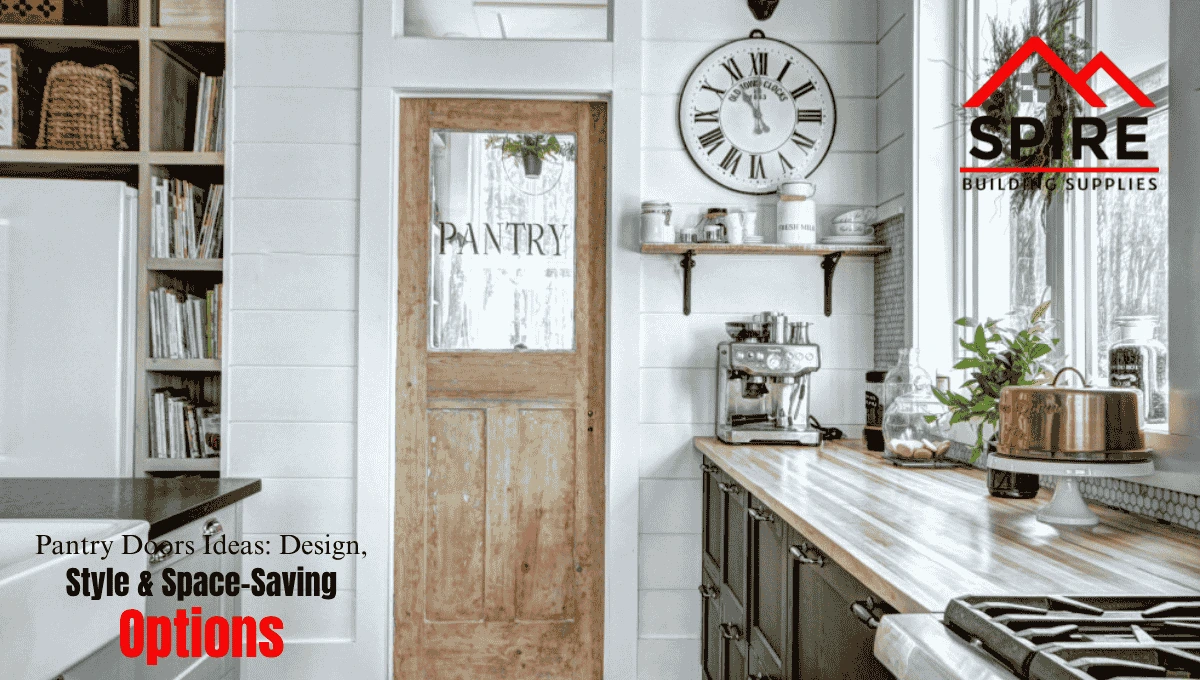
Pantry Doors Ideas: Design, Style & Space-Saving Options

Choosing the right pantry door often gets overlooked during kitchen planning but it can make a surprising difference in both function and style. The best pantry doors ideas don’t just look good; they improve access, save space, and complement your kitchen layout. A poorly chosen door, on the other hand, can block movement, clash with your design, or simply feel inconvenient over time.

This guide breaks down practical, real-world pantry door options, helping homeowners and builders understand what works, what doesn’t, and how to choose the right solution for different kitchen setups.

What You Need to Know About Pantry Doors

A pantry door is more than just an entry point—it affects:

  • Kitchen flow (how easily you move around)
  • Storage accessibility
  • Visual appeal of the space
  • Light and openness

Key Factors That Matter

Before exploring styles, it’s important to understand:

  • Available space (tight kitchens vs open layouts)
  • Pantry size (walk-in vs cabinet-style)
  • Usage frequency (daily vs occasional)
  • Design consistency (matching cabinets, flooring, and overall theme)

Explore options here:
Pantry doors

Popular Pantry Door Designs

Let’s look at pantry door designs that actually work in real homes—not just in catalogs.

1. Sliding Pantry Door (Space-Saving Favorite)

A sliding pantry door is one of the most practical solutions for smaller kitchens.

Why it works:

  • No swing clearance needed
  • Ideal for tight layouts
  • Easy to operate

Where it fits best:

  • Apartments
  • Compact kitchens
  • Modern minimalist homes

Real insight: Sliding doors reduce obstruction but require wall space for the track.

2. Hinged Swing Doors (Traditional Choice)

These are standard kitchen pantry doors with inward or outward opening.

Pros:

  • Simple installation
  • Works with most layouts
  • Cost-effective

Cons:

  • Requires clearance space
  • Can block movement in tight areas

3. Glass Pantry Doors

Glass panels add a decorative element while keeping the space visually open.

Benefits:

  • Makes the kitchen feel larger
  • Adds natural light
  • Stylish for modern interiors

Consideration:

  • Requires organized pantry (everything is visible)

4. Frosted Glass Doors

A practical compromise between style and privacy.

  • Light passes through
  • Hides clutter
  • Works well in contemporary kitchens

5. Barn-Style Pantry Doors

A trending option, especially in farmhouse or rustic kitchens.

  • Mounted on a sliding track
  • Adds character
  • Space-saving like sliding doors

6. Pocket Doors

These doors slide into the wall, completely disappearing when open.

Advantages:

  • Maximum space efficiency
  • Clean, seamless look

Limitation:

  • Requires wall cavity installation (best during construction)

7. Double Pantry Doors

Perfect for larger pantry openings.

  • Easier access
  • Balanced appearance
  • Ideal for walk-in pantries

Benefits of Choosing the Right Pantry Door

  1. Better Space Utilization

The right door can free up valuable kitchen space.

  1. Improved Workflow

Easy access to pantry items saves time during cooking and organizing.

  1. Enhanced Aesthetics

A well-chosen door ties the entire kitchen design together.

  1. Increased Property Appeal

Thoughtful design choices can improve resale value.

Limitations to Consider

No option is perfect. Each pantry door design comes with trade-offs:

  • Sliding doors need wall space
  • Hinged doors need clearance
  • Glass doors require maintenance
  • Pocket doors require structural planning

Understanding these limitations helps avoid costly mistakes.

How to Choose the Right Pantry Door

When comparing different kitchen pantry doors, focus on what actually matters in daily use.

  1. Measure Your Space Carefully
  • Check door swing clearance
  • Consider nearby cabinets and appliances
  1. Match Your Kitchen Style
  • Modern → glass or sliding doors
  • Traditional → paneled hinged doors
  • Rustic → barn-style doors
  1. Consider Door Height Options

Standard heights matter for both function and aesthetics:

Taller doors create a more open, premium look.

  1. Think About Daily Usage
  • Frequent access → easy-open designs
  • Less frequent use → style-focused options
  1. Installation Complexity

Some doors (like pocket or barn doors) require more planning compared to standard hinged doors.

Common Mistakes to Avoid

  1. Ignoring Space Constraints

Choosing a swinging door in a tight kitchen can disrupt movement.

  1. Prioritizing Style Over Function

A stylish door that’s hard to use becomes frustrating quickly.

  1. Overlooking Storage Visibility

Glass doors look great—but only if your pantry stays organized.

  1. Not Planning Installation Early

Some door types need structural preparation.

  1. Choosing the Wrong Size

Incorrect height or width can affect both usability and appearance.

Expert Tips That Make a Difference

Based on real-world projects:

  • Choose sliding or pocket doors for small kitchens
  • Use frosted glass if you want light without clutter visibility
  • Match door finish with cabinets for a cohesive look
  • Test door movement before finalizing (especially in tight spaces)
  • Consider long-term use, not just initial appearance

Real-World Examples

  1. Small Kitchen Upgrade

A homeowner replaced a swinging door with a sliding pantry door—freeing up space and improving movement around the kitchen island.

  1. New Construction Project

A builder installed 8-foot pantry doors in an open kitchen, creating a more spacious and premium feel.

  1. Modern Renovation

Frosted glass doors were used to add light while hiding pantry clutter—balancing function and aesthetics.

  1. Full Kitchen Remodel

A barn-style door added character to a farmhouse kitchen while saving space.

Pantry Doors vs Other Door Installations

If you’re planning multiple door upgrades, it’s helpful to understand installation basics.

Learn more here:
patio door installation

While pantry doors are simpler, proper alignment and fitting still matter for long-term performance.

What Homeowners Say

Switching to a sliding pantry door made our small kitchen feel much bigger.

We chose frosted glass, and it’s the perfect balance between style and practicality.

Upgrading to taller pantry doors changed the whole look of our kitchen.

FAQs

  1. What is the best type of pantry door for small kitchens?

Sliding or pocket doors work best because they don’t require swing space.

  1. Are glass pantry doors practical?

Yes, but they require a well-organized pantry since contents are visible.

  1. What size pantry door should I choose?

Standard sizes are 6’8″ and 8’0″, depending on ceiling height and design preference.

  1. Do pantry doors affect kitchen design?

Absolutely. They play a big role in both aesthetics and functionality.

  1. Can I install a pantry door myself?

Basic hinged doors are DIY-friendly, but sliding or pocket doors may require professional installation.

Final Thoughts

The best pantry doors ideas come down to balancing space, style, and everyday usability. A good choice improves how your kitchen looks and works, while a poor one can create daily inconvenience.

Instead of focusing only on design trends, think about how you actually use your kitchen. The right pantry door should feel natural, easy to use, and visually consistent with your space.

About the Author

Editorial Team – Spire Building Supplies
The team at Spire Building Supplies brings practical, hands-on experience in residential construction and home improvement. Their insights are based on real-world applications, helping homeowners and builders make smart, functional design decisions that stand the test of time.

Fiber Classic Doors

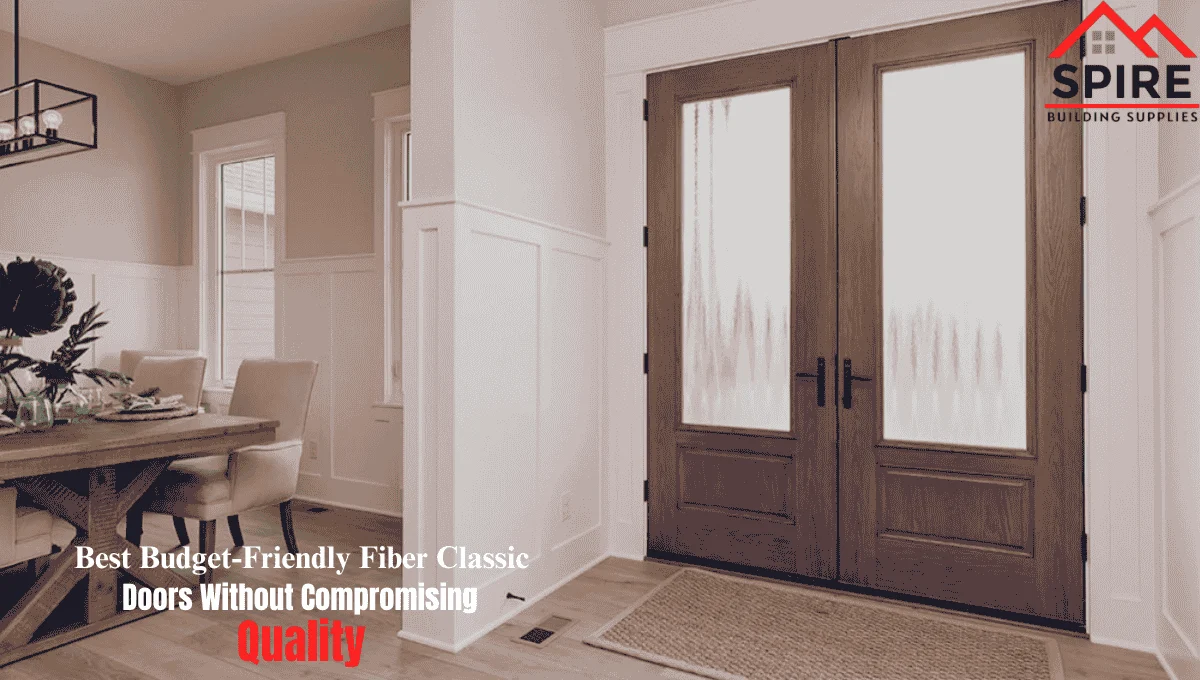
Best Budget-Friendly Fiber Classic Doors Without Compromising Quality

When homeowners start searching for Fiber Classic Doors, one concern shows up almost every time: “Can I get durability, style, and performance without overspending?” The short answer is yes—but only if you know what to look for.

At Spire Building Supplies, we’ve worked with contractors, builders, and homeowners across the USA—especially in Texas—who want long-lasting entry doors that don’t inflate their renovation budget. This guide is built from real-world experience, not just theory, so you can confidently choose a door that balances price and performance.

Why Fiber Classic Doors Are a Smart Budget Choice

Fiber Classic (fiberglass) doors have quietly become one of the most practical investments in home building & renovation supplies. Unlike traditional wood, they don’t warp in heat, crack in cold weather, or demand constant maintenance.

Key Advantages You Actually Notice:

  • Durability in Texas weather (heat, humidity, storms)
  • Low maintenance compared to wood doors
  • Energy efficiency that helps reduce utility bills
  • Real wood-like texture without the cost
  • Long lifespan (15–25+ years with proper care)

For homeowners working within a budget, this combination is hard to beat.

What Makes a Fiber Classic Door “Budget-Friendly” (Without Being Cheap)

Not all affordable doors are equal. A low price can sometimes mean compromised quality—but not always.

Here’s how to tell the difference:

1. Material Core Quality

A good Fiber Classic door uses a high-density polyurethane foam core, which improves insulation and structural strength.

2. Fiberglass Skin Thickness

Thicker fiberglass panels resist dents and scratches better—especially important for busy households.

3. Frame Construction

Look for composite or reinforced frames instead of basic wood frames that may warp over time.

4. Finish & Texture

Premium budget doors still offer realistic wood grain textures—something you’ll notice every day.

Popular Budget-Friendly Fiber Classic Door Styles

Choosing the right style is just as important as choosing the right material. Let’s break down some of the most in-demand options.

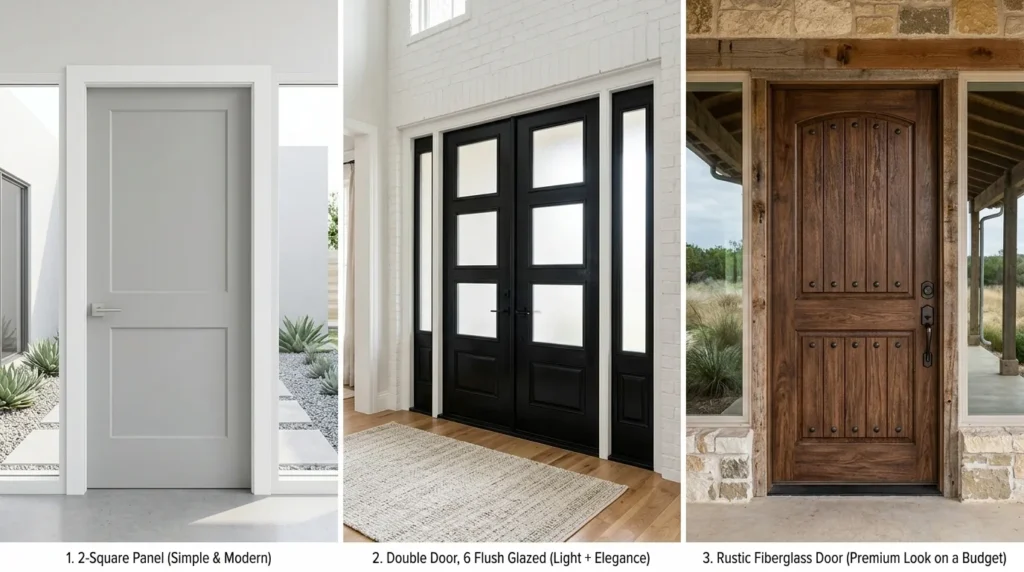
1. 2-Square Panel Fiber Door (Simple & Modern)

A 2-square-panel Fiber door is ideal if you want a clean, minimal look without extra cost.

Best for:

  • Contemporary homes
  • Rental properties
  • Interior-to-exterior transitions

Why it works:

  • Fewer design elements = lower cost
  • Easy to paint or customize
  • Timeless appearance

2. Double Door with 6 Flush Glazed (Light + Elegance)

A double door With 6 flush-glazed panels, it brings in natural light while maintaining privacy.

Best for:

  • Main entrances
  • Larger homes in Texas suburbs
  • Homes needing brighter entryways

Benefits:

  • Enhances curb appeal
  • Makes spaces feel larger
  • Adds resale value

3. Rustic Fiberglass Door (Premium Look on a Budget)

A rustic fiberglass door gives you that high-end wooden look without the maintenance headaches.

Best for:

  • Farmhouse-style homes
  • Ranch-style properties in Texas
  • Homes with earthy or natural aesthetics

Why homeowners love it:

  • Authentic wood-grain finish
  • Weather resistance
  • No termite issues

Popular Budget-Friendly Fiber Classic Door Styles

How to Choose the Right Budget Fiber Classic Door

Choosing the right door isn’t just about price—it’s about value over time.

Step-by-Step Decision Guide:

✔ Step 1: Define Your Entry Needs

  • Main entry or secondary door?
  • High traffic or occasional use?

✔ Step 2: Consider Climate (Important for Texas)

Texas weather can be extreme. Choose doors with:

  • UV-resistant finishes
  • Insulated cores
  • Weather-sealed edges

✔ Step 3: Focus on Energy Efficiency

Look for:

  • ENERGY STAR-rated doors
  • Tight sealing systems
  • Insulated glass (if applicable)

✔ Step 4: Pick the Right Style

Match your home’s architecture:

  • Modern → 2 panel styles
  • Traditional → panel + glass
  • Rustic → wood-grain fiberglass

What Homeowners Often Get Wrong

From years of industry experience, here are common mistakes:

Choosing the cheapest option blindly
Leads to early replacement costs

Ignoring insulation quality
Results in higher energy bills

Overlooking installation
Even the best door fails if poorly installed

Not considering sunlight exposure
Can cause fading or expansion issues

Fiber Classic Doors vs Other Materials (Quick Comparison)

Feature Fiber Classic Doors Wood Doors Steel Doors
Price Affordable Expensive Moderate
Maintenance Low High Low
Durability High Medium High
Energy Efficiency Excellent Moderate Good
Weather Resistance Excellent Poor Good

For budget-conscious homeowners in Texas, fiberglass consistently offers the best balance.

Energy Efficiency: Save More Than Just Upfront Cost

One overlooked benefit of Fiber Classic Doors is long-term savings.

How They Help:

  • Reduce heat transfer in summer
  • Keep interiors warm in winter
  • Lower HVAC usage

Over time, this can offset your initial purchase cost.

Why Homeowners Trust Spire Building Supplies

When choosing doors, trust matters just as much as price.

What Sets Spire Apart:

You’re not just buying a door—you’re investing in long-term performance.

Installation Tips to Maximize Value

Even the best Fiber Classic Doors won’t perform well if installed incorrectly.

Pro Tips:

  • Always ensure proper sealing
  • Use professional installers for exterior doors
  • Check frame alignment
  • Install weather stripping properly

Maintenance Guide (Keep It Looking New)

Good news: maintenance is minimal.

Simple Routine:

  • Clean with mild soap every few months
  • Inspect seals annually
  • Repaint or refinish every few years (if needed)

Customer Testimonials

Real Feedback from Spire Building Supplies Customers

James R. (Houston, TX)
I wanted something affordable but strong for my front entry. The Fiber Classic door I got has held up perfectly through heat and storms.

Maria L. (Dallas, TX)
The double door with glass panels completely changed how my entry looks. It feels brighter and more premium.

Daniel K. (Austin, TX)
I was considering wood, but the maintenance scared me. Fiberglass gave me the same look without the stress.

People Also Ask (PAA)

Are Fiber Classic Doors better than wood doors?
Yes. Fiber Classic doors resist warping, require less maintenance, and last longer—especially in extreme climates like Texas.

How long do Fiberglass Classic Doors last?
With proper installation and care, they can last 20–25 years or more.

Are budget fiberglass doors durable?
Yes, if they use high-quality cores and fiberglass skins. Budget doesn’t mean low quality—it depends on construction.

Can Fiber Classic Doors be painted or stained?
Absolutely. Many models are designed to mimic wood and can be stained or painted easily.

Do Fiber Classic Doors increase home value?
Yes. They improve curb appeal, energy efficiency, and buyer perception.

Final Thoughts: Affordable Without Compromise

Choosing Fiber Classic Doors doesn’t mean sacrificing quality. In fact, for many homeowners in Texas, it’s the smartest way to balance cost, durability, and style.

Whether you go with a 2-square-panel Fiber door, a double door With 6 flush glazed or rustic fiberglass door, the key is focusing on construction quality and long-term value—not just the price tag.

If you make the right choice now, you won’t have to think about replacing your door for decades.

Author Bio

Written By Building Materials Expert
With hands-on experience in the USA construction market, especially Texas, the author specializes in creating practical, experience-driven content for homeowners and contractors. Their work focuses on real-world performance, material durability, and helping readers make confident buying decisions in the home building & renovation supplies industry.

shaker style interior doors

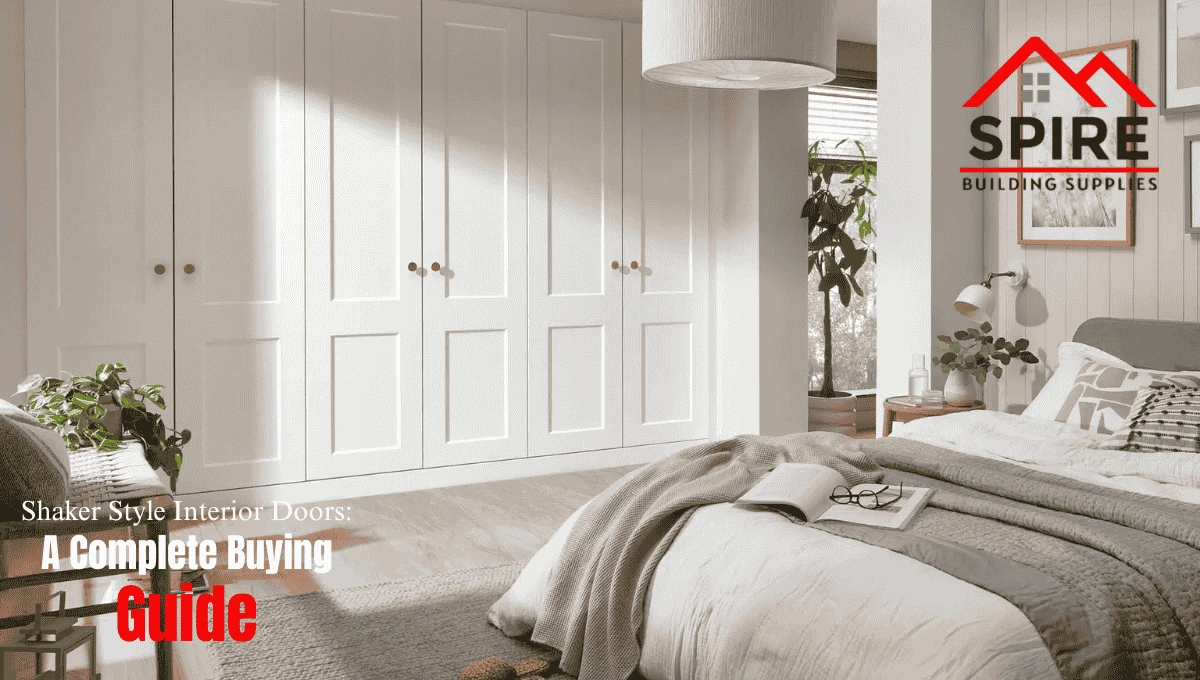
Shaker Style Interior Doors: A Complete Buying Guide

Few interior design choices hold up across as many home styles as shaker style interior doors. Whether you’re finishing a craftsman bungalow, a modern farmhouse, or a clean contemporary build, shaker doors fit without forcing the aesthetic. But that versatility also means they’re easy to get wrong the wrong profile, the wrong material, or the wrong finish can make a thoughtfully designed space feel disconnected. This guide will help you understand exactly what makes a shaker door work, where the real differences between options lie, and how to make a decision you won’t second-guess six months after installation.

What Makes a Door “Shaker Style”?

The shaker style comes from 18th-century Shaker furniture-making a tradition built on functional simplicity, clean lines, and quality craftsmanship. Applied to doors, the defining feature is a flat recessed center panel framed by clean, square-edged rails and stiles. No decorative carving.

What you get is a door with visual structure the frame-and-panel look without the fussiness of traditional raised panel designs. That restraint is exactly why shaker doors interior have remained popular across so many decades and so many design movements.

The number of panels matters too. A single large recessed panel reads more modern and open. Two stacked panels introduce a bit more visual rhythm and suit transitional or traditional spaces better. Understanding this difference before you shop saves a lot of time.

Shaker Doors vs. Other Interior Door Styles

Before committing, it’s worth knowing how shaker doors compare to what else is available.

Flat panel (slab) doors — Completely flush with no panel detail. More minimalist than shaker. Work well in ultra-modern or Scandinavian-influenced interiors but can feel stark in warmer, more layered spaces.

Raised panel doors — Traditional carved profiles with decorative detailing. The opposite of shaker’s restraint. Common in colonial and Victorian-era homes, less suited to contemporary builds.

French doors — Glass-paned doors. Different functional category, though shaker-style frames around glass inserts are available.

Shaker doors sit in the middle — they have enough detail to feel intentional without the formality of traditional raised panel designs. That’s the reason they’ve become the dominant interior door style in new construction and renovation alike.

Panel Count: One Panel vs. Two Panel

This is one of the most important and most overlooked decisions in the buying process.

Single Panel Shaker Doors

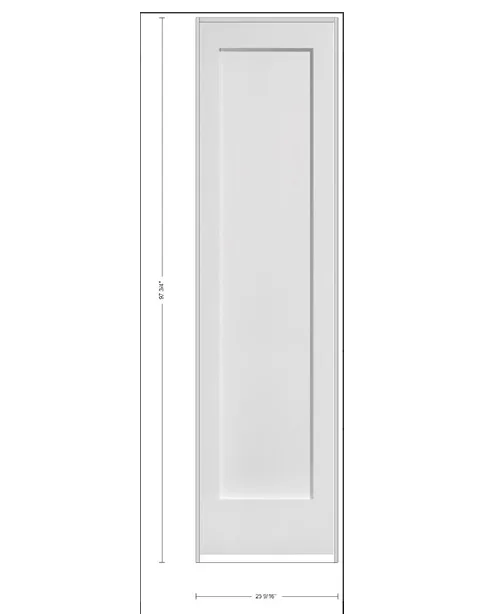
A 1 Panel Shaker 6’8″ Height Interior Door features one large recessed panel that spans most of the door face. The result is clean, open, and slightly more contemporary in feel. It works well in:

  • Modern and transitional homes
  • Spaces where you want a lighter, more open visual
  • Rooms with minimal trim profiles

1 Panel Shaker 8'0" Height

Two Panel Shaker Doors

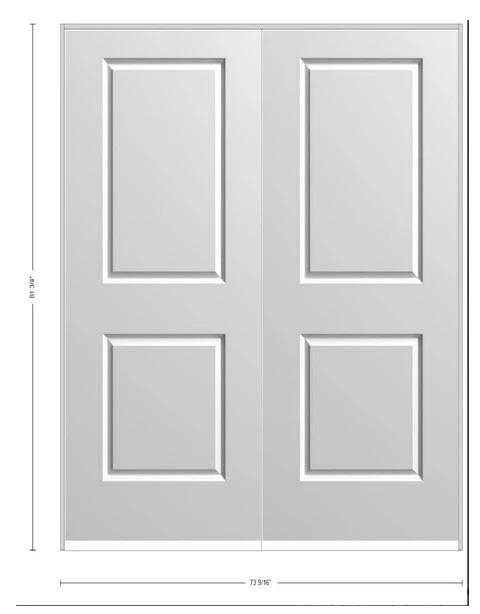
A two panel shaker door divides the face into two stacked panels, creating slightly more visual weight and structure. This suits:

  • Craftsman and farmhouse interiors
  • Spaces with more detailed trim and molding
  • Transitional homes where some traditional influence is present

The difference seems subtle in photos, but in person across a hallway of six or eight doors — the panel count shapes the entire rhythm of the space.

Two Panel Shaker Doors

Material Options and What They Mean in Practice

Hollow Core vs. Solid Core

Most shaker interior doors are available in both configurations. Hollow core doors are lighter and more affordable — the right choice for closets, laundry rooms, and secondary bedrooms where acoustic performance isn’t a priority. Solid core doors are heavier, dampen sound more effectively, and feel more substantial. They’re worth the cost in primary bedrooms, home offices, and bathrooms.

MDF vs. Wood Veneer Facing

MDF-faced shaker doors are dimensionally stable — they resist warping and paint exceptionally well. For painted finishes, MDF is often the better choice. Wood veneer doors suit stained or natural finishes and bring genuine warmth to the grain.

Primed vs. Unfinished

Many shaker doors come factory-primed and ready for paint. This saves prep time and gives you a consistent base. Unfinished doors offer more flexibility for stains and custom finishes but require more on-site work.

Shaker Doors and Cabinets: Keeping the Interior Cohesive

One of the most effective design moves in modern interiors is carrying the shaker profile from doors through to shaker cabinet doors creating visual continuity between the cabinetry and the door frames throughout a space.

In a kitchen, for example, if your cabinet doors use a flat-recessed panel shaker profile, matching that same profile on the adjacent pantry door or utility door reads as intentional design rather than coincidence. It’s a detail that interior designers use consistently and one that’s easy to apply yourself if you know what to look for.

The key is matching the rail and stile width. Standard shaker cabinet doors often use slightly narrower frames than full interior doors, but the proportions should be in harmony. When in doubt, bring a sample door panel to the cabinet showroom or bring a cabinet door sample when you’re selecting your interior shaker door.

Pre-hung vs. Slab: Which Do You Need?

This is a basic but important distinction that catches buyers off guard.

Slab doors are just the door panel — no frame, no hinges, no hardware prepped. You need an existing door frame to hang them into. If you’re replacing existing doors that already have frames in good condition, slab is fine.

Pre-hung doors come as a complete unit: door, frame, hinges, and sometimes the door stop. If you’re framing a new opening, finishing a room addition, or the existing frame is damaged, pre-hung is the right choice.

Ordering the wrong type means extra labor cost or a trip back to the supplier. Measure your existing frame (or new rough opening) carefully before deciding.

For standard 6’8″ height openings, the 1 Panel Shaker 6’8″ Height 80 Inch Interior Door is a well-suited option that fits the most common residential rough openings without custom sizing.

What to Think About Before You Buy

Door Swing Direction

Every interior door is either left-hand or right-hand swing, depending on which side the hinges are on and the direction the door opens. Stand in the doorway facing the room — if the hinges are on your left, it’s a left-hand door. Get this wrong on a pre-hung unit and you’ve got a return on your hands.

Width and Height

Standard interior doors are 80″ tall and range from 24″ to 36″ wide. Bathrooms typically use 24″–28″. Bedrooms use 28″–32″. Main passage doors and primary bedrooms benefit from 32″–36″. If you’re building to code with accessibility in mind, 32″ clear opening is the minimum for wheelchair access.

Thickness

Most residential interior doors are 1-3/8″ thick. Some solid core and exterior-grade doors run 1-3/4″. Make sure your hardware (locksets, hinges, door stops) is sized to match.

Finish Coordination

Shaker doors take paint beautifully. The most popular choices are crisp white, warm off-white, and charcoal/black for an accent door. If you’re staining, test on a sample piece first — MDF doesn’t take stain the way wood veneer does.

Coordinating your floor and door finish is a good habit. If you’re working on flooring at the same time, the best vinyl plank flooring guide covers how to think about undertones and finish coordination between floors and interior elements.

Common Mistakes to Avoid

  1. Mixing Panel Styles Across a Floor

Using a single-panel shaker in the hallway, a two-panel in the bedroom, and a flat slab on the bathroom creates visual noise. Pick one profile and use it consistently throughout a level. Small variations in profile are much more noticeable in person than in product photos.

  1. Ordering Before Measuring the Rough Opening

Don’t trust your memory or the previous door’s dimensions — especially in older homes where openings were sometimes built out of square. Measure the rough opening height and width, not the old door itself.

  1. Skipping the Primer on MDF Doors

MDF absorbs paint differently than wood. If you apply a finish coat directly to bare or lightly sanded MDF, you’ll get blotchy, uneven results. Two coats of quality primer before any finish paint is not optional — it’s the only way to get a clean, professional result.

  1. Ignoring the Frame and Casing

The door is only part of what you see. Thin, poorly installed casing makes even a great door look cheap. Make sure your casing profile complements the shaker detail — a simple flat or slightly stepped profile works best. Avoid overly ornate casing around a shaker door.

  1. Choosing Hardware That Conflicts With the Style

Ornate Victorian lever sets on a shaker door look out of place. Shaker-style doors pair best with clean, simple hardware — square or rounded lever sets, minimalist backplates, and matte finishes (black, satin nickel, or brushed brass). The hardware is the last thing a person touches on their way in and out of a room. Don’t let it undercut the door selection.

  1. Buying Pre-Hung When You Only Needed a Slab

Pre-hung units are more expensive and harder to transport. If your existing frame is square and in good shape, a slab door is the smarter buy. Check the frame with a level before you order.

Expert Tips From the Field

Paint the door before hanging it. Laying the door flat and painting it before installation gives you access to all edges and eliminates the masking and cleanup required when painting in place. It also lets you get the edges — which are often missed — properly coated.

Use three hinges on any door taller than 80″. Standard 6’8″ doors work on two hinges. Anything taller benefits from a third hinge in the middle to prevent racking and long-term sagging.

Don’t skip the undercut. Interior doors should be undercut 3/4″ to 1″ from the finished floor to allow air return through the HVAC system. This is code in many jurisdictions and practically important in any conditioned space. Ask your supplier or carpenter to confirm the right clearance for your floor type.

Order 10% extra if you’re cutting to size. Slab doors can typically be trimmed up to 3/4″ per side. If you’re fitting a non-standard opening, having a spare door gives you margin for error.

Sample the finish first. Order a primed door sample and paint or stain it exactly as you plan to finish the full set. Live with it in the space for 48 hours under different lighting conditions before committing.

Real-World Use Cases

Full Home Renovation, Transitional Style: A homeowner replacing 1990s raised panel doors throughout a two-storey home chose a two panel shaker profile in primed MDF, painted Sherwin-Williams Alabaster. The updated doors immediately modernized the interior without requiring any trim replacement. Total cost was significantly less than a custom millwork solution, and the result was cohesive across all 11 doors.

New Build, Modern Farmhouse: A builder specifying doors for a custom home used single-panel shaker doors throughout the main floor and secondary bedrooms, with the same profile in a taller format for the primary suite. The consistent profile across 14 openings gave the interior a deliberate, designed feeling that clients frequently comment on.

Rental Property Upgrade: An investor refreshing a duplex replaced original hollow-core flat slabs with primed single-panel shaker doors in standard sizing. The change required no framing work, cost less than expected, and noticeably elevated the perceived quality of the units during showings.

People Also Ask

What makes a door “shaker style”? A shaker door has a flat recessed center panel surrounded by clean, square-edged rails and stiles. No ornate molding or curves — just structured simplicity. That’s what defines the style.

Are shaker interior doors more expensive than flat slab doors? Generally, yes — slightly. The panel construction adds manufacturing complexity. But the price gap between a basic shaker door and a flat slab is modest, and the visual return is significant in most interior contexts.

Can shaker doors be used in a modern home? Yes. Single-panel shaker doors work very well in modern and minimalist interiors. The key is choosing the right panel count (one panel reads cleaner and more contemporary) and keeping hardware minimal.

What’s the best finish for shaker interior doors? Paint is the most popular choice, and MDF-faced shaker doors take paint exceptionally well with proper priming. Crisp white and warm off-white tones are the most versatile. For stained finishes, choose a wood veneer door instead of MDF.

Should interior doors match throughout a home? Generally, yes — especially on the same floor. Consistent door style, finish, and hardware throughout a level creates a cohesive interior. It’s fine to vary between floors if the design intent changes, but mixing profiles within the same visual field creates noise.

What Customers Have Said

We replaced every door in our main floor with single-panel shakers — primed, painted white. The transformation was bigger than I expected for what felt like a simple change. Everything just looks more intentional now. — M. Lindqvist, Homeowner, BC

As a contractor, I’ve been spec’ing shaker doors on most of my builds for the past four years. Clients love them, they install cleanly, and the style doesn’t date quickly. That’s what matters to me. — T. Okonkwo, Residential Contractor, Alberta

I was worried about matching my kitchen cabinets with the door profile — but once I found a shaker door with the same rail width as my uppers, it looked like it was always meant to be that way. — R. Sato, Homeowner, Ontario

Final Thoughts

Shaker style interior doors earn their popularity honestly — they’re versatile, timeless, and easy to integrate into almost any interior. But getting them right means thinking through panel count, material, swing direction, and finish before you order. The decisions aren’t complicated, but skipping them is where most buyers run into problems.

Take the time to measure carefully, sample your finish, and pick a profile you’ll use consistently. Done right, shaker doors are one of the simplest ways to give an interior a cohesive, considered look — and one of the most cost-effective upgrades available in a renovation or new build.

About The Author

Written by the Spire Building Supplies Editorial Team — building materials specialists and residential design advisors with hands-on experience across residential construction, renovation, and interior finishing. Our content is written to help you make better decisions, not to steer you toward a particular product.

wrought iron single entry doors

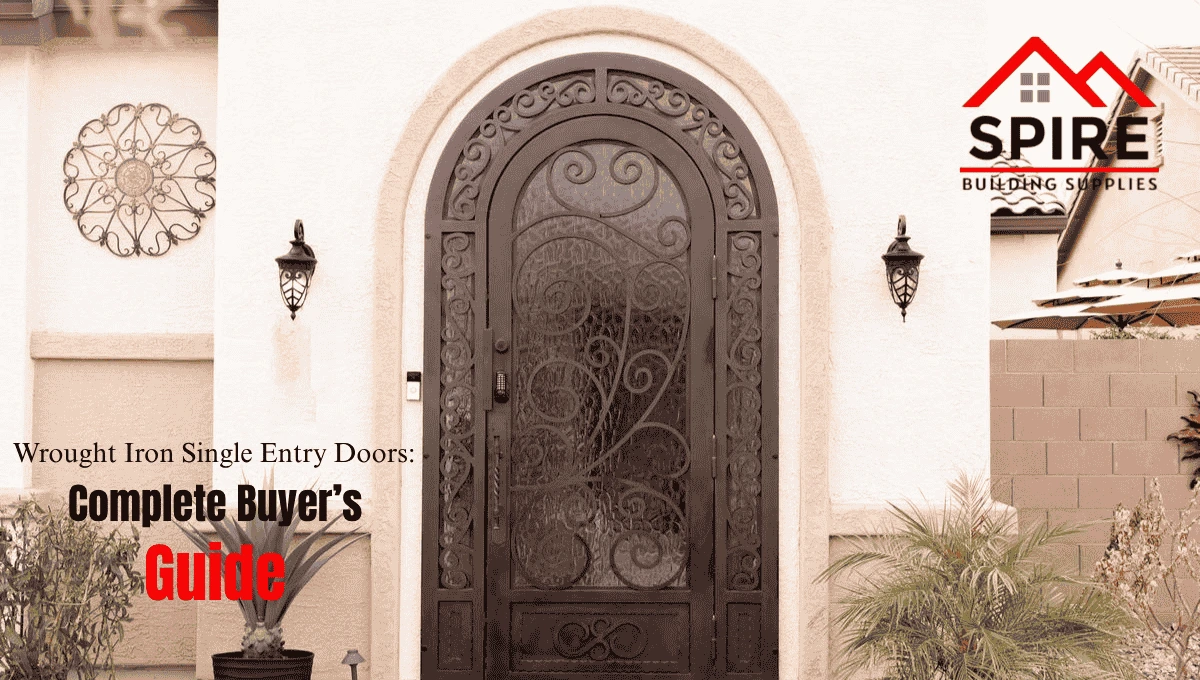
Wrought Iron Single Entry Doors: Complete Buyer’s Guide

Choosing the right wrought iron single entry doors is one of those decisions that seems straightforward until you realize how many variables affect performance, appearance, and long-term value. From material quality to installation details, the wrong choice can lead to drafts, rust issues, or a door that simply doesn’t fit your home’s style.

This guide breaks down what actually matters. Whether you’re a homeowner upgrading your entrance or a builder specifying doors for a project, you’ll learn how to compare options, avoid common mistakes, and choose a door that performs as well as it looks.

What Are Wrought Iron Single Entry Doors?

A wrought iron single entry door is a single-panel exterior door made primarily from steel or iron, often combined with decorative glass and metalwork. Unlike double doors, it fits standard entryways while still offering a premium, architectural look.

Key Characteristics

  • Heavy-duty metal construction
  • Decorative or minimalist iron designs
  • Glass panels (clear, frosted, or insulated)
  • Weather-sealed frames for exterior use

If you’ve searched for iron entry doors near me or wrought iron entry doors near me, you’ve likely seen both ornate and modern variations. The key is understanding which features actually impact performance—not just appearance.

Why Homeowners and Builders Choose Iron Entry Doors

  1. Strong First Impression

A well-designed front entry wrought iron door adds immediate visual weight to a home. Even a single door can create a focal point when paired with the right design and finish.

  1. Security and Strength

Compared to wood or fiberglass, iron doors provide:

  • Higher resistance to forced entry
  • Reinforced frames and locking systems
  • Long-term structural stability
  1. Longevity

With proper coating and care, these doors can last decades without warping, cracking, or rotting.

  1. Design Flexibility

From simple geometric frames to intricate scrollwork, iron doors adapt to:

  • Modern homes
  • Mediterranean styles
  • Traditional architecture

Benefits vs Limitations: What to Expect

Benefits

  • Exceptional durability in harsh weather
  • Low risk of warping or pest damage
  • Customizable appearance
  • Strong resale value

Limitations

  • Higher upfront cost than standard wood doors
  • Heavy weight requires proper installation
  • Potential heat transfer if not insulated properly
  • Finish maintenance in humid or coastal climates

If budget or insulation is a concern, some homeowners compare alternatives like Fiberglass double entry doors, which offer different trade-offs in cost and durability.

Key Buying Considerations (What Actually Matters)

1. Material and Build Quality

Not all iron doors are built the same.

Look for:

  • 12–14 gauge steel thickness
  • Fully welded frames (not spot-welded)
  • Powder-coated or baked-on finishes

Lower-quality doors often cut corners here, which leads to early wear.

2. Glass Options

Glass impacts both privacy and energy efficiency.

Common choices:

  • Clear glass – maximum visibility and light
  • Frosted glass – privacy without losing brightness
  • Double-pane insulated glass – better thermal performance

A practical example is the Single Exterior Wrought Iron Door, which balances design and functionality.

3. Style and Design Fit

Your door should match your home’s architecture—not fight it.

  • Modern → clean lines, minimal ornamentation
  • Traditional → curved ironwork, decorative elements
  • Transitional → subtle patterns with neutral finishes

For a more decorative option, the Langston Wrought Iron Exterior Prehung Single Door shows how design can become a statement feature.

4. Size and Fit

Even standard doors require precise measurements.

  • Measure rough opening, not just door slab
  • Account for frame thickness
  • Check swing direction and clearance

Improper sizing is one of the most common (and expensive) mistakes.

5. Insulation and Energy Efficiency

Iron naturally conducts heat, so insulation matters.

Look for:

  • Foam-insulated cores
  • Thermal breaks
  • Quality weatherstripping

Without these, you may notice drafts or temperature fluctuations.

6. Hardware and Security Features

The door is only as strong as its hardware.

  • Multi-point locking systems
  • Heavy-duty hinges
  • Corrosion-resistant handles

Avoid pairing a premium door with low-grade hardware.

7. Installation Quality

Even the best door won’t perform well if installed poorly.

Professional installation ensures:

  • Proper sealing
  • Smooth operation
  • Structural alignment

This is especially important for heavier iron doors.

Common Mistakes to Avoid

Choosing Based Only on Appearance

A visually appealing door may lack insulation or durability.

Ignoring Climate Conditions

Coastal and humid environments require stronger finishes and rust protection.

Skipping Professional Installation

DIY installs often result in misalignment and air leaks.

Overlooking Glass Quality

Single-pane glass reduces both insulation and security.

Not Considering Long-Term Maintenance

Even durable materials need occasional upkeep.

Expert Tips from Real-World Experience

  • Inspect welds closely – clean welds indicate better craftsmanship
  • Ask about finish warranties – especially in humid climates
  • Choose timeless designs if resale value matters
  • Test door weight and swing before installation
  • Plan for proper framing support due to door weight

Many buyers searching for a front-entry wrought iron door for sale focus on price first—but long-term performance depends on build quality and installation.

Real-World Use Cases

  1. Entry Upgrade in a Suburban Home

A homeowner replaces a basic wood door with a wrought iron model. Result: improved security and a noticeable boost in curb appeal.

  1. Builder Spec for New Construction

A builder selects iron doors for a mid-range home to increase perceived value without major structural changes.

  1. Privacy-Focused Entryway

Using frosted glass allows natural light while maintaining privacy—ideal for homes near sidewalks or streets.

Comparing Wrought Iron to Other Door Materials

Feature Wrought Iron Wood Fiberglass
Durability Very High Medium High
Maintenance Low–Medium High Low
Security Excellent Moderate Good
Cost Higher Medium–High Medium
Style Options High High Moderate

For broader options, you can explore Iron Doors to see different styles and configurations.

Maintenance: What You Should Expect

Wrought iron doors are relatively low maintenance, but not maintenance-free.

Basic upkeep includes:

  • Cleaning with mild soap and water
  • Checking seals annually
  • Touching up scratches to prevent rust
  • Lubricating hinges and locks

In humid or coastal areas, you may need to inspect finishes more frequently.

FAQs:

  1. Are wrought iron single entry doors energy efficient?

Yes, if they include insulated cores and double-pane glass. Without these, they can transfer heat.

  1. How long do wrought iron doors last?

With proper care, they can last 30 years or more.

  1. Do wrought iron doors require a lot of maintenance?

Not much. Occasional cleaning and minor touch-ups are usually enough.

  1. Are iron entry doors secure?

Yes, they are among the most secure residential door options available.

  1. Can I customize a wrought iron door?

Yes. Most doors can be customized in size, design, finish, and glass type.

What Customers Are Saying

We wanted something durable but stylish—our iron door completely changed the look of our entryway.

The frosted glass option gave us privacy without sacrificing natural light.

Installation made a huge difference. Once properly fitted, the door feels solid and secure.

Final Thoughts

A wrought iron single entry door is more than a design upgrade—it’s a structural and functional investment. When chosen carefully, it offers long-term durability, strong security, and a noticeable improvement in curb appeal.

Focus on what truly matters: build quality, insulation, proper fit, and installation. Avoid shortcuts, and you’ll end up with a door that performs reliably for years—not just something that looks good on day one.

About the Author

Spire Building Supplies Editorial Team
The team at Spire Building Supplies works closely with contractors, builders, and homeowners to understand how materials perform beyond the showroom. With hands-on experience in door selection, installation challenges, and long-term durability, the team focuses on practical advice that helps customers make confident, informed decisions.

Fiberglass double entry doors

How to Choose Fiberglass Double Entry Doors Easily

Choosing the right entry door can feel overwhelming, especially when you’re balancing style, durability, and budget. Fiberglass double entry doors are a popular choice for homeowners and builders because they offer a strong mix of performance and design but picking the right one requires more than just selecting a good-looking option.

This guide walks you through exactly how to choose the right doors without second-guessing your decision. You’ll learn what actually matters, what to avoid, and how to make a choice that works long-term not just on day one.

What Are Fiberglass Double Entry Doors?

Fiberglass double entry doors are two-panel front doors made from reinforced fiberglass materials. They’re designed to create a wider, more inviting entrance while offering durability and energy efficiency.

Key Characteristics

  • Built with a composite fiberglass exterior
  • Typically include insulated cores
  • Available with glass inserts or solid panels
  • Designed to resist warping, cracking, and moisture

These doors are commonly used in both new builds and renovations where homeowners want a combination of visual impact and low maintenance.

Why Choosing the Right Door Matters

Your entry door is one of the most used and exposed parts of your home. A poor choice can lead to:

  • Air leaks and higher energy bills
  • Warping or sticking in extreme weather
  • Security concerns
  • Frequent repairs or replacements

On the other hand, the right fiberglass front entry doors can last decades with minimal upkeep while improving comfort and curb appeal.

Key Factors to Consider Before You Buy

1. Material Quality (Not All Fiberglass Is Equal)

One of the biggest misconceptions is that all fiberglass doors perform the same.

Look for:

  • Thick fiberglass skins (more durable)
  • High-density foam cores (better insulation)
  • Reinforced internal framing

Lower-quality doors often feel lightweight and may not hold up well over time.

2. Door Style and Design

Your door should match both your home’s architecture and your practical needs.

Common styles include:

  • Full glass doors – modern look, more natural light
  • Partial glass (lite) doors – balance of light and privacy
  • Solid panel doors – maximum privacy and security

For example, options like the
3lite flush glazed double door
or
4lite flush glazed double door
offer a clean, contemporary appearance while allowing controlled natural light.

3. Energy Efficiency

Energy performance matters more than most people expect.

Check for:

  • Insulated cores (polyurethane is ideal)
  • Tight weatherstripping
  • Energy ratings if available

Well-insulated double fiberglass entry doors help reduce heat loss and keep indoor temperatures stable.

4. Glass Options

If your door includes glass, pay attention to both function and performance.

Consider:

  • Tempered or laminated glass for safety
  • Low-E coatings for better insulation
  • Frosted or textured glass for privacy

Glass design isn’t just aesthetic it directly affects comfort and energy use.

5. Frame and Hardware Quality

Even the best fiberglass entry doors can fail if paired with weak frames or hardware.

Look for:

  • Strong, moisture-resistant frames
  • Multi-point locking systems
  • Heavy-duty hinges

Double doors require proper alignment and secure locking to function correctly over time.

6. Size and Fit

Fiberglass double front doors require accurate measurements.

Important considerations:

  • Rough opening dimensions
  • Door swing direction
  • Clearance space

Improper sizing leads to installation issues and poor performance.

Benefits and Limitations

Benefits

  1. Low Maintenance
    No need for frequent painting or sealing.
  2. Weather Resistance
    Performs well in humidity, heat, and cold.
  3. Long Lifespan
    Can last 20–30 years with proper installation.
  4. Design Flexibility
    Available in modern and traditional styles.

Limitations

  1. Higher Initial Cost
    More expensive than basic steel doors.
  2. Quality Differences Matter
    Cheaper options may not deliver the same durability.
  3. Installation Sensitivity
    Performance depends heavily on proper installation.

Fiberglass Front Doors Installation: What You Should Know

Installation plays a bigger role than most people realize.

What Proper Installation Involves

  • Preparing and leveling the opening
  • Installing a square, secure frame
  • Aligning both door panels evenly
  • Sealing gaps to prevent air leaks

Why It Matters

Poor installation can lead to:

  • Drafts
  • Water intrusion
  • Doors sticking or misaligning
  • Reduced lifespan

If you’re not experienced, hiring a professional is often the safer choice.

Practical Buying Tips That Actually Help

Here’s what tends to make the biggest difference in real-world decisions:

Compare More Than Just Price

A lower upfront cost can mean:

  • Thinner materials
  • Poor insulation
  • Shorter lifespan

Prioritize Long-Term Performance

Focus on:

  • Durability
  • Energy efficiency
  • Maintenance needs

Explore Reliable Options

Browsing a curated selection of
fiberglass doors
can help you understand available styles, finishes, and configurations.

You can also review this guide on
best fiberglass entry doors
for deeper insights into high-performing options.

Common Mistakes to Avoid

  1. Choosing Based on Looks Alone

A visually appealing door may lack durability or insulation.

  1. Ignoring Climate Conditions

Doors that work well in mild climates may struggle in extreme heat or humidity.

  1. Buying Low-Quality Fiberglass

Thin materials and weak cores reduce performance and lifespan.

  1. Skipping Professional Installation

Improper setup is one of the most common causes of door failure.

  1. Overlooking Security Features

Double doors need strong locking systems to stay secure.

Expert Tips from Real-World Experience

These are practical insights that consistently make a difference:

  • Choose textured finishes if you want a wood-like appearance
  • Opt for pre-finished doors to save time and ensure consistency
  • Check alignment carefully—double doors require precision
  • Invest in quality weatherstripping
  • Test door operation before finalizing installation

Real-World Examples

Example 1: Renovation Upgrade

A homeowner replaced aging wooden doors with fiberglass double front doors featuring partial glass panels.

Result:

  • Reduced maintenance
  • Improved lighting
  • Better insulation

Example 2: New Construction Project

A builder installed double fiberglass entry doors across multiple homes.

Outcome:

  • Faster installation
  • Consistent performance
  • Fewer warranty issues

Example 3: High-Exposure Entryway

In a humid environment, fiberglass doors replaced warped wood doors.

Result:

  • No swelling or sticking
  • Long-term durability

What Homeowners Are Saying

We chose fiberglass for durability, and it’s been completely maintenance-free so far.

The double doors made a huge difference in how our entryway looks and feels.

Installation was key once everything was aligned properly, the doors worked perfectly.

FAQ:

How do I choose the best fiberglass double entry doors?

Focus on material quality, insulation, design, and proper installation rather than just price or appearance.

Are fiberglass double doors better than wood?

They require less maintenance and perform better in harsh weather, though wood offers a more traditional feel.

How long do fiberglass front entry doors last?

With proper installation and care, they can last 20–30 years or longer.

Do fiberglass doors improve energy efficiency?

Yes, especially models with insulated cores and tight seals.

Can I install fiberglass double doors myself?

It’s possible, but professional installation is recommended for proper alignment and sealing.

Final Thoughts

Choosing the right fiberglass double entry doors doesn’t have to be complicated. When you focus on material quality, proper sizing, energy efficiency, and installation, the decision becomes much clearer.

The goal isn’t just to find a door that looks good; it’s to choose one that performs reliably for years, handles your climate, and fits your daily use without problems.

Taking the time to evaluate these factors now can save you from costly mistakes later.

About the Author

Spire Building Supplies Editorial Team
The Spire Building Supplies team brings hands-on experience in residential construction materials, door systems, and real-world installation challenges. Their content is built on practical knowledge, not theory, helping homeowners and builders make informed decisions with confidence and clarity.

best fiberglass entry doors

Best Fiberglass Entry Doors Worth Buying in 2026

Your front door has a bigger job than most homeowners realize. It needs to look good, seal tightly, hold up to weather, support security, and still feel like it belongs with the rest of the house. That’s exactly why so many homeowners and builders are narrowing their search to the best fiberglass entry doors in 2026. A poor choice can lead to drafts, fading, swelling, alignment issues, or a door that simply looks dated faster than expected.

This guide is built to help you avoid that. You’ll learn what makes a fiberglass entry door worth buying, how to compare styles and performance, where buyers often make expensive mistakes, and which features matter most in real homes not just in a showroom or product listing.

If you’re replacing an old front door, planning a remodel, or specifying doors for a new build, this article will help you make a smarter decision with fewer regrets.

Why Fiberglass Entry Doors Are So Popular in 2026

Fiberglass has become a go-to material for front entries because it solves a lot of the issues homeowners run into with older wood or low-end steel doors.

A good fiberglass door can offer:

  • Better resistance to warping and moisture
  • Lower maintenance than solid wood
  • Improved insulation and comfort
  • More design flexibility than many buyers expect
  • Strong curb appeal with long-term practicality

That combination matters because your front entry isn’t just decorative. It affects daily use, energy performance, first impressions, and even how “finished” your home feels from the street.

For builders, it also reduces one major headache: callbacks caused by movement, sticking, or finish breakdown after installation.

What Makes a Fiberglass Entry Door Worth Buying?

Not every fiberglass door deserves to be called one of the best.

Two doors can look similar online and perform very differently in real life. The difference usually comes down to how the full system is built not just how the slab looks in a photo.

The best fiberglass entry doors usually get these things right:

  • A stable, weather-resistant shell
  • A quality insulated core
  • Reliable weatherstripping
  • A properly designed threshold
  • Strong frame compatibility
  • Well-integrated glass, if included
  • A finish and style that hold up over time

That’s what separates a “good-looking door” from a good long-term purchase.

Key Concepts Homeowners Should Understand Before Buying

If you only compare by style and price, you’ll miss some of the details that matter most after installation.

Door slab vs. complete entry system

A front door is not just a panel.

A full entry system includes:

  • Door slab
  • Frame
  • Threshold
  • Sill
  • Weatherstripping
  • Hinges
  • Bore prep
  • Glass package (if applicable)

A lot of performance issues people blame on the “door” are actually frame, threshold, or install problems.

Prehung vs. slab doors

For most exterior replacements, a prehung unit is the safer choice.

Why?

Because a prehung system is usually easier to install correctly and more likely to provide:

  • Better alignment
  • Cleaner reveal margins
  • Smoother operation
  • More consistent weather sealing

That’s especially relevant if you’re researching fiberglass front doors installation and trying to avoid fit problems later.

Smooth vs. textured fiberglass finishes

Fiberglass can be made to suit different home styles.

Generally:

  • Smooth fiberglass works well in modern and contemporary homes
  • Textured or woodgrain fiberglass works better for traditional or transitional exteriors

The best option isn’t universal. It depends on the architecture of the house and how exposed the entry is to weather and sunlight.

Benefits of Fiberglass Entry Doors

If you’re weighing your options, these are the advantages that tend to matter most in real homes.

1) Lower maintenance than wood

This is one of the biggest reasons buyers upgrade.

Wood can be beautiful, but it often demands more upkeep than homeowners expect—especially at exposed front entries.

Fiberglass typically resists:

  • Swelling
  • Rot
  • Splitting
  • Surface movement
  • Finish-related frustration

That doesn’t mean no maintenance. It means less frequent upkeep and fewer surprises.

2) Better long-term stability

One of the most practical reasons to choose fiberglass is that it usually stays more consistent through seasonal changes.

That matters because front doors are constantly exposed to:

  • Heat
  • Cold
  • Humidity
  • Rain
  • UV exposure
  • Daily opening and closing

A quality exterior fiberglass door tends to handle those demands better than many alternatives when installed correctly.

3) Strong curb appeal without high upkeep

A front door upgrade can dramatically change the look of a home without requiring a full exterior remodel.

The best fiberglass exterior entry doors often offer:

  • Clean modern lines
  • Glass-lite design options
  • Wood-look or painted finishes
  • Better architectural presence
  • A more current appearance from the street

This is one reason so many remodelers use the front door as a “high-impact, moderate-cost” exterior improvement.

4) Good energy performance potential

While no door alone will transform a home’s utility bills, a well-built fiberglass entry system can help reduce:

  • Air leakage
  • Drafts
  • Heat gain near the entry
  • Cold spots in winter
  • Outdoor noise

That matters more than people think especially in homes where the front entry opens directly into the living area.

The Realistic Limitations of Fiberglass Doors

A useful buying guide should cover the tradeoffs too.

1) Upfront cost can be higher than basic alternatives

Compared with low-end steel or builder-grade doors, fiberglass often costs more upfront.

But buyers should compare more than the sticker price. The real cost includes:

  • Maintenance
  • Refinishing
  • Replacement frequency
  • Comfort issues
  • Installation quality
  • Long-term durability

Often, the better value shows up over time.

2) Product quality varies a lot

This is where many homeowners get caught off guard.

Not all fiberglass doors exterior buyers see online are built to the same standard. Performance can vary based on:

  • Core construction
  • Door thickness
  • Frame quality
  • Glass package
  • Finish quality
  • Weather sealing details

That’s why it’s worth buying from a source that actually specializes in door systems rather than treating them like a generic commodity.

3) Installation still matters—a lot

A good product can still perform badly if it’s installed into:

  • An out-of-square opening
  • A poorly flashed wall
  • A weak sill transition
  • A compromised old frame
  • Inadequate sealing conditions

That’s why installation should never be an afterthought.

What to Look for in the Best Fiberglass Entry Doors

This is where a smart buying decision really happens.

1) Match the door to your home’s exposure

Start with real-world conditions, not just style.

Ask:

  • Is the entry covered or fully exposed?
  • Does the door get harsh afternoon sun?
  • Is there regular rain or wind exposure?
  • Is the home in a humid or high-heat region?
  • Will the entry see heavy daily use?

A door under a deep porch has different demands than one fully exposed to weather.

2) Choose a style that fits the architecture

The best front door is one that feels like it belongs on the house.

For modern homes:

Look for:

  • Smooth slab-like faces
  • Minimal paneling
  • Vertical or geometric glass layouts
  • Dark or neutral finishes
For transitional homes:

Look for:

  • Clean panel symmetry
  • Balanced glass proportions
  • Mid-tone or architectural neutrals
For traditional homes:

Look for:

  • More defined panel detail
  • Classic-lite arrangements
  • Warmer finishes or painted tones

If you’re comparing available fiberglass doors, it helps to browse actual category collections instead of shopping by material alone. Spire Building Supplies’ fiberglass door category includes a range of exterior entry styles and configurations designed for both homeowners and builders comparing aesthetics and function.

3) Don’t underestimate glass configuration

Glass can completely change the feel of a door—but it also affects:

  • Privacy
  • Light flow
  • Security feel
  • Heat gain
  • Cleaning and maintenance

This is especially important when evaluating fiberglass french doors or larger double-door layouts.

For example, if you want a cleaner, more minimal front entry, a style like 2 Square panel can make sense for homes that need a simpler profile without too much visual complexity. Spire’s site lists this as part of its fiberglass door offerings.

If you want a wider, more open-looking entry with glass presence, a layout like 3lite flush glazed double door may be worth considering for larger openings or more architectural facades. Spire’s product listings show this as one of its double-door style options.

4) Think beyond the slab

A lot of homeowners spend too much time comparing decorative details and not enough time asking practical questions like:

  • What’s included with the unit?
  • Is it prehung?
  • What type of threshold is used?
  • What kind of weatherstripping comes with it?
  • What glass specification is included?
  • Is the frame appropriate for the application?

These are the details that affect how the door performs after the installer leaves.

Common Mistakes to Avoid

This is where a lot of money gets wasted.

1) Choosing only based on appearance

A door can look beautiful online and still be the wrong fit for your home.

A better buying process is:

Performance first → fit second → style third → final decision as a balance of all three.

2) Reusing an old frame when you shouldn’t

This is one of the most common mistakes in door replacement projects.

If the existing frame has:

  • Rot
  • Water damage
  • Air leakage
  • Misalignment
  • Threshold wear

…then replacing only the slab may create more problems than it solves.

3) Ignoring the bottom of the opening

The threshold and sill area is one of the biggest weak points in any entry system.

That’s where a lot of:

  • Air leakage
  • Water intrusion
  • Draft complaints
  • Operational issues

…actually begin.

4) Ordering without confirming swing and clearance

This sounds basic, but it still causes expensive mistakes.

Before ordering, confirm:

  • Left-hand or right-hand swing
  • Inswing or outswing
  • Hardware placement
  • Interior clearance
  • Exterior landing space
5) Buying too cautiously for the facade

Some homes can visually support a stronger front entry than the owner initially chooses.

If the opening and architecture allow it, a more substantial entry can dramatically improve curb appeal.

That’s one reason it can help to compare door styles alongside broader homeowner advice like this guide to exterior doors for sale, especially if you’re deciding between styles, sizes, and configurations rather than material alone.

Expert Tips for Choosing Better in 2026

These are the details experienced installers, builders, and practical homeowners tend to pay attention to.

Tip 1: If you’re replacing a wood door, prioritize weather performance first

A lot of buyers replacing old wood doors are doing it because of:

  • Swelling
  • Binding
  • Drafts
  • Finish wear
  • Repeated maintenance

If that’s your situation, make sure the new door system is solving the actual performance problem not just improving the look.

Tip 2: For resale, choose broad-appeal design

If you’re upgrading before listing or planning to sell within a few years, stick with designs that feel current but not overly trendy.

Usually the safest choices are:

  • Clean panel layouts
  • Moderate glass use
  • Neutral exterior finishes
  • Hardware-friendly styling

Tip 3: Covered entries allow more design flexibility

If your entry is protected by a porch or overhang, you have more freedom with:

  • Darker finishes
  • Decorative glass
  • Larger lite openings
  • More design-forward door styles

Fully exposed entries need more caution.

Tip 4: Think about the interior view too

People often shop only from the curb.

But you’ll also see that door from inside every day.

Think about:

  • Natural light into the foyer
  • Sightlines into living areas
  • Interior color coordination
  • Privacy from the street

That’s especially useful when comparing fiberglass exterior entry doors with more or less glass.

Real-World Buying Scenarios

Sometimes the best way to understand what works is to look at real use cases.

Scenario 1: A family replacing an older wood front door

The existing door looks nice but sticks in summer and leaks air in winter.

Best fiberglass advantage:
More stability, less maintenance, and better comfort.

Scenario 2: A builder outfitting several homes in one neighborhood

The goal is to balance visual appeal, durability, and fewer post-installation issues.

Best fiberglass advantage:
Consistent performance, style flexibility, and fewer callbacks.

Scenario 3: A homeowner updating curb appeal before resale

The house needs a front entry that feels clean, current, and move-in ready.

Best fiberglass advantage:
High visual impact without creating a future maintenance burden.

Scenario 4: A modern remodel with a wider entry opening

The project needs a front door that feels architectural rather than builder-basic.

Best fiberglass advantage:
Smooth profiles, glass options, and compatibility with larger statement entries.

Short Homeowner Perspectives

These are the kinds of comments people often make after choosing the right fiberglass door:

We replaced a wood door that swelled every summer. The fiberglass one has been much easier to live with.

It changed the entire look of the front of the house more than we expected.

The biggest difference was comfort. The old door always felt drafty, and the new one sealed much better.

FAQ:

What are the best fiberglass entry doors for most homes?

The best ones are usually prehung systems with strong weather sealing, a durable finish, and a style that matches the home’s architecture.

Are fiberglass doors better than wood front doors?

For many homeowners, yes. Fiberglass typically needs less maintenance and handles moisture and temperature changes better than wood.

How long do fiberglass entry doors last?

A quality fiberglass door can last for many years when properly installed and maintained. Lifespan depends on climate, exposure, and installation quality.

Are fiberglass french doors a good idea for exterior use?

Yes, as long as they’re well-built and properly installed. They work especially well where natural light and wider openings matter.

Does fiberglass front doors installation need a professional?

In many cases, yes. A proper install affects sealing, alignment, operation, and long-term performance more than many buyers expect.

Final Thoughts: Which Fiberglass Entry Doors Are Actually Worth Buying in 2026?

The best fiberglass entry doors in 2026 aren’t just the ones with the nicest finish or trendiest glass pattern.

They’re the ones that do the full job well:

  • Look appropriate for the house
  • Hold up to the local climate
  • Seal properly
  • Require less maintenance
  • Fit the opening correctly
  • Deliver value over time

That’s what makes fiberglass such a smart category to shop in.

If you’re choosing between styles, configurations, or entry system types, the best decision usually comes from balancing durability, design, exposure, and installation quality not from chasing the cheapest or flashiest option.

Done right, a front door upgrade is one of the few home improvements that can improve curb appeal, comfort, usability, and long-term satisfaction all at once.

Author Bio

Spire Building Supplies Editorial Team
The Spire Building Supplies editorial team creates practical, homeowner-friendly content focused on doors, building materials, and smart renovation decisions. Our articles are built around real-world product knowledge, installation considerations, and the details that affect long-term performance not just what looks good in a product photo.

exterior doors for sale

Exterior Doors for Sale: How to Choose the Right One

Choosing a new entry door sounds simple until you start comparing materials, sizes, styles, insulation ratings, hardware, and installation requirements. If you’ve been browsing exterior doors for sale, you’ve probably already noticed how quickly the options multiply. The right door affects more than appearance. It influences security, energy efficiency, weather resistance, maintenance, and even how smoothly your home functions every day. A poor choice can lead to drafts, swelling, leaks, difficult operation, or a front entry that looks out of place.

This guide breaks down what actually matters when choosing an exterior door so homeowners and builders can make a smart, long-lasting decision. You’ll learn how to compare materials, what to prioritize for performance, which design details people often overlook, and how to avoid the most common buying mistakes.

Why Your Exterior Door Matters More Than Most People Think

An exterior door is one of the hardest-working parts of a home. It opens and closes constantly, stands up to weather, helps regulate indoor temperature, and serves as a major security barrier.

A well-chosen door should do five things well:

  • Seal tightly against air and moisture
  • Hold up to daily wear and changing weather
  • Support secure locks and hardware
  • Match the style of the home
  • Fit correctly for reliable long-term performance

That last point matters more than many buyers realize. Even a high-quality door can underperform if it’s the wrong size, poorly installed, or mismatched to the climate and use of the home.

What to Know Before You Start Shopping

Before comparing brands or finishes, it helps to understand the basics. Exterior doors vary widely in material, construction, and performance.

The Main Types of Exterior Doors

Most exterior doors fall into these categories:

  • Front entry doors
  • Back or side entry doors
  • Patio or garden doors
  • Double doors
  • Doors with glass inserts or sidelites

The best option depends on where the door will be installed and how much traffic, weather exposure, and security it needs to handle.

Slab vs. Prehung Doors

This is one of the first decisions to make.

Slab Door

A slab is just the door panel itself. It can work if:

  • Your existing frame is in excellent condition
  • The opening is standard and square
  • You’re replacing only the door, not the frame
Prehung Door

A prehung unit includes:

  • The door
  • Frame
  • Hinges
  • Often weatherstripping and threshold

In real-world remodels, prehung doors are usually the safer choice, especially if the old frame is worn, warped, or out of square.

The Most Important Decision: Choosing the Right Material

Door material affects performance more than most style details. This is where buyers should slow down and compare carefully.

1) Fiberglass Exterior Doors

For many homes, exterior fiberglass doors offer the best balance of durability, insulation, appearance, and maintenance.

Why fiberglass works well:
  • Resists dents, rust, rot, and warping
  • Handles temperature swings better than many wood doors
  • Can mimic painted or stained wood looks
  • Often provides strong insulation performance
  • Lower maintenance over time
Best for:
  • Front entries
  • Homes exposed to sun, rain, or humidity
  • Homeowners who want good looks without constant upkeep

If you’re comparing materials, it’s worth exploring dedicated options like Fiberglass doors to see the range of styles and finishes available.

Limitation:

Not all fiberglass doors are built equally. Budget models can feel lightweight or less refined than premium versions, so construction quality still matters.

2) Steel Exterior Doors

Steel doors are popular for security, value, and strength.

Pros:

  • Strong and secure
  • Often affordable
  • Good energy efficiency when insulated
  • Low maintenance overall

Cons:

  • Can dent
  • Scratches may lead to rust if not repaired
  • Style options can feel more limited than fiberglass or wood

Best for:

  • Side entries
  • Utility entrances
  • Budget-conscious builds
  • Homes prioritizing durability and security

3) Wood Exterior Doors

Wood doors are often chosen for warmth, character, and traditional curb appeal.

Pros:

  • Beautiful, high-end look
  • Easy to customize
  • Great for historic or upscale homes

Cons:

  • Requires more maintenance
  • More vulnerable to swelling, cracking, or moisture issues
  • Usually more expensive

Best for:

  • Covered front entries
  • Homes where aesthetics are the top priority
  • Buyers willing to maintain the finish

How to Choose the Right Exterior Door for Your Home

Once you understand materials, the next step is narrowing down what works for your specific home not just what looks good in a showroom.

1) Start With Your Climate and Exposure

A door that performs well under a covered porch may struggle on a sun-baked west-facing entry or a rain-exposed side door.

Ask:

  • Does this door get direct afternoon sun?
  • Is it exposed to wind-driven rain?
  • Will it face humidity or seasonal temperature swings?
  • Is the entry covered or fully exposed?

Practical rule:

If the door gets a lot of weather exposure, prioritize:

  • Fiberglass or steel
  • Good weatherstripping
  • Insulated core construction
  • Durable finish systems

2) Think About Security Beyond the Lock

A secure door is more than a deadbolt.

Look for:

  • Solid core or reinforced construction
  • Quality lockset compatibility
  • Strong strike plate anchoring
  • Durable frame material
  • Multi-point lock compatibility if desired

A heavy decorative door won’t necessarily be more secure if the frame and hardware support are weak.

3) Match the Door Style to the Architecture

One of the easiest mistakes is choosing a door that looks trendy online but disconnected from the home itself.

Good style matching usually looks like this:

Traditional homes

  • Raised panels
  • Decorative glass
  • Warm painted or stained finishes

Contemporary homes

  • Clean lines
  • Narrow profiles
  • Minimal hardware
  • Glass inserts used more intentionally

Farmhouse or transitional homes

  • Shaker-inspired panels
  • Matte black or bronze hardware
  • Mixed glass and solid panel layouts

If you’re browsing modern exterior doors, keep proportion in mind. A sleek, minimalist door can look excellent—but only if it suits the home’s lines, windows, and trim details.

4) Don’t Ignore Glass Placement and Privacy

Glass can completely change the look and feel of an entryway, but it should be chosen with purpose.

Consider:

  • Privacy level: Clear, frosted, obscure, or textured glass
  • Natural light: Helpful in darker entryways
  • Security concerns: Glass near locks should be chosen carefully
  • Energy efficiency: Glass type affects thermal performance

A small amount of well-placed glass often performs better than a large decorative insert if insulation and privacy are priorities.

5) Decide Whether You Need a Standard or Custom Size

This is where many projects go off track.

Not every opening is standard. Older homes, remodels, and upgraded entries often need more than an off-the-shelf fit.

You may need custom exterior doors if:

  • Your opening is oversized or unusually shaped
  • You want sidelites or transoms
  • You’re replacing a dated or modified entry
  • You need architectural matching

Custom can cost more upfront, but it often saves time, trim work, and performance issues later.

Benefits and Limitations of Buying a New Exterior Door

A realistic decision should include both upsides and tradeoffs.

Benefits

Better energy efficiency

A properly sealed, insulated door can reduce drafts and help stabilize indoor comfort.

Improved curb appeal

An entry door is one of the first things people notice. It has an outsized visual impact compared to many other upgrades.

Better security

Modern construction, upgraded frames, and improved lock compatibility can significantly improve entry security.

Easier operation

A new door that fits and seals properly simply works better day to day.

More design flexibility

You can choose glass, panel layouts, finish, hardware style, and overall look more intentionally.

Limitations

Cost can rise quickly

Glass packages, sidelites, premium finishes, and hardware can increase the final price more than expected.

Installation matters as much as product quality

A great door installed poorly can create problems immediately.

Some styles require more maintenance

Wood, darker finishes, and highly exposed entries often need more attention over time.

What Buyers Often Overlook

This is where experienced selection usually beats impulse buying.

1) Swing direction

People often choose a door without confirming whether it should swing in or out, left or right.

2) Threshold and sill details

These affect weather sealing, accessibility, and long-term performance.

3) Frame condition

Replacing only the slab when the frame is damaged or out of square can cause ongoing issues.

4) Finish durability

That bold dark finish may look great, but it may absorb more heat and show wear faster in certain exposures.

5) Glass efficiency

Not all decorative glass performs equally well.

Common Mistakes to Avoid

This is the section most buyers wish they had read first.

1) Choosing Based on Looks Alone

A door can be beautiful and still be the wrong choice for your climate, traffic level, or security needs.

Better approach:

Choose performance first, then narrow by style.

2) Measuring the Door Instead of the Opening

This causes expensive ordering mistakes.

Always confirm:

  • Rough opening dimensions
  • Frame condition
  • Jamb depth
  • Threshold height
  • Flooring transitions

Even experienced DIYers sometimes underestimate how much the surrounding structure affects fit.

3) Assuming “Exterior Grade” Means High Performance

Not all exterior doors are equally weather-resistant or insulated.

Compare:

  • Core construction
  • Weatherstripping quality
  • Glass package
  • Finish system
  • Warranty details

4) Underestimating Exterior Door Installation

Good exterior door installation is not just about setting a door in place. It involves:

  • Leveling and shimming
  • Squaring the frame
  • Flashing and sealing correctly
  • Threshold alignment
  • Air and moisture management

A door that’s even slightly out of alignment can stick, leak, or fail to latch properly.

5) Buying Too Cheap for a High-Use Entry

For a front door used multiple times every day, ultra-budget options often cost more over time through repairs, poor sealing, or premature replacement.

Expert Tips That Actually Make a Difference

These are the practical details that tend to matter most in real homes.

Tip 1: Prioritize the Frame, Not Just the Door Panel

The frame, hinges, sill, and weather seals all affect long-term performance. A strong door in a weak or poorly installed frame won’t perform as expected.

Tip 2: Use Exposure to Guide Material Choice

If the door faces harsh weather, fiberglass usually offers the most forgiving long-term performance for many homeowners.

Tip 3: Don’t Overspend on Features You Won’t Notice Daily

Some decorative upgrades look impressive in photos but don’t improve real function. Spend first on:

  • Better core construction
  • Better glass efficiency
  • Better sealing
  • Better hardware compatibility

Tip 4: Think About the Whole Entryway

A new door often works best when considered with:

  • Trim
  • Paint color
  • Porch lighting
  • House numbers
  • Nearby windows

If you’re upgrading more than the entry, this is also a good time to think about related projects like best sliding windows for home to keep the overall exterior looking cohesive.

Tip 5: Compare Use Case, Not Just Price

Ask: “Will this door still make sense five years from now?”

That’s usually a better buying filter than “What’s cheapest today?”

Real-World Examples: What the Right Choice Looks Like

Here’s how the decision often plays out in real homes.

Example 1: Busy Family Front Entry

A homeowner with kids and frequent daily traffic wants a low-maintenance front door with strong insulation and good curb appeal.

Best fit:
A fiberglass prehung door with moderate glass, durable finish, and secure hardware prep.

Example 2: Side Garage Entry

A builder needs a practical, durable side entry with good value and solid security.

Best fit:
An insulated steel door with minimal glass and straightforward hardware.

Example 3: High-End Renovation

A homeowner wants a larger statement entry for a remodel with sidelites and a more architectural look.

Best fit:
A custom fiberglass or wood-look door package sized to the opening and matched to the home’s style.

Example 4: Interior and Exterior Door Planning Together

Some renovation projects involve both entry and interior door upgrades. In those cases, it also helps to compare interior categories like Hollow core options separately so the right materials are used in the right places.

For homeowners comparing categories broadly, browsing a curated selection of best doors can help narrow down the right type before getting into specific finishes and specs.

How to Search Smarter If You’re Comparing Local Options

A lot of buyers start with searches like exterior doors near me, which makes sense—but it can lead to rushed decisions if you only compare what’s immediately available.

A better way to evaluate local options:

  • Start with your measurements and use case
  • Narrow the right material first
  • Compare in-stock vs. orderable options
  • Ask about lead times and finish availability
  • Confirm whether installation support is available if needed

Availability matters, but fit and performance matter more.

Quick Checklist: How to Choose the Right Exterior Door

If you want a simple decision-making framework, use this:

Before you buy, confirm:

  • Your opening size and swing direction
  • Whether you need slab or prehung
  • The right material for your climate
  • Your preferred privacy and glass level
  • Security and hardware requirements
  • Whether the style matches your home
  • Whether installation conditions are straightforward or complex

That short checklist prevents most common buying mistakes.

FAQ:

1) What is the best material for an exterior door?

For many homes, fiberglass is one of the best all-around choices because it balances durability, insulation, appearance, and low maintenance.

2) Are fiberglass exterior doors better than steel?

It depends on the use. Fiberglass often performs better for style flexibility and weather resistance, while steel is usually strong, secure, and budget-friendly.

3) Should I buy a slab or prehung exterior door?

If the frame is old, damaged, or out of square, a prehung unit is usually the better option. It often leads to better fit and easier installation.

4) How much does exterior door installation matter?

A lot. Even a high-quality door can leak, stick, or seal poorly if it isn’t installed correctly.

5) Are custom exterior doors worth it?

Yes, if you have a non-standard opening, want a specific architectural style, or need better fit and design flexibility.

What Homeowners Commonly Say After Replacing the Right Door

Matt Best prices and excellent customer service! I’ll come back soon!

Max and hector great service i aparentemente to this guys for great job

Great service hector thanks for your help.

Final Thoughts

The right exterior door should do more than look good in a product photo. It should fit your home, hold up to your climate, operate reliably, and make daily life easier not create new maintenance or performance issues.

If you’re comparing exterior doors for sale, the smartest approach is to start with function, then narrow down style. Focus on material, fit, exposure, insulation, and installation quality before getting distracted by finishes and decorative upgrades. That’s usually what separates a door that still performs well years later from one that becomes a recurring frustration.

A well-chosen door is one of those upgrades you notice every single day. It’s worth choosing carefully.

About the Author

Spire Building Supplies Editorial Team writes practical, homeowner-friendly guidance based on real product knowledge, renovation needs, and common jobsite considerations. Our goal is to make building product decisions clearer, more useful, and easier to navigate without the jargon or guesswork.

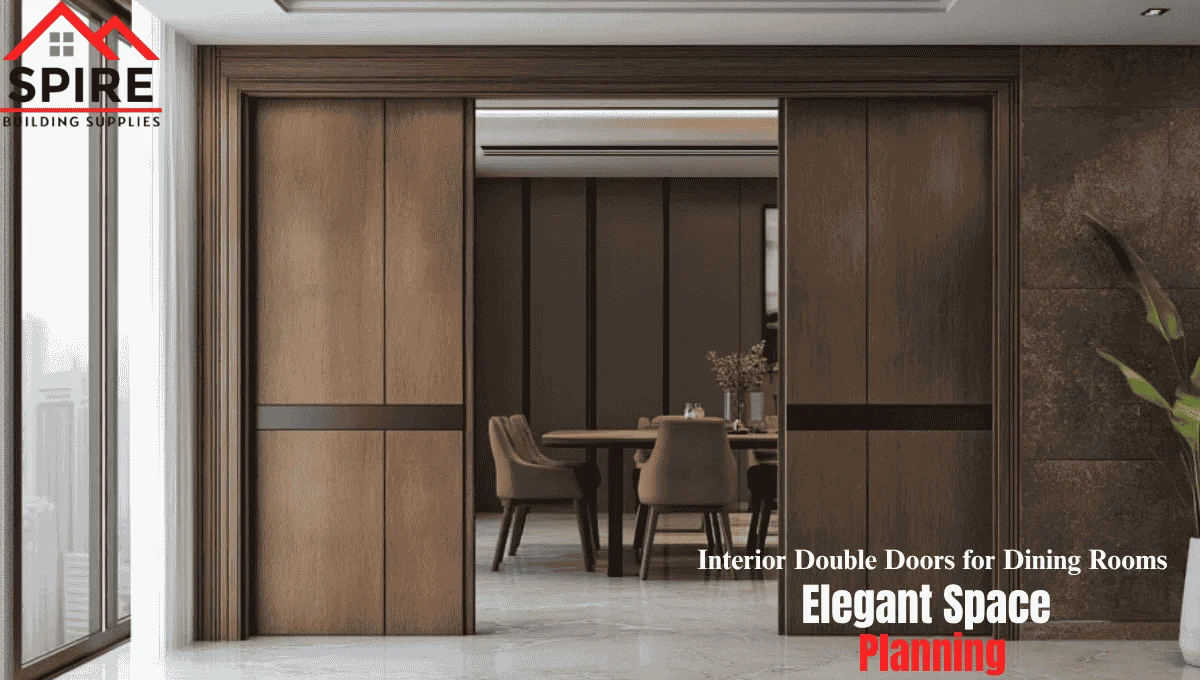
Double Patio Doors

Top Double Patio Doors Styles That Boost Curb Appeal and Home Value

Is Your Back Door Quietly Killing Your Home’s Value?

You’ve upgraded your kitchen, refreshed the paint, and improved your landscaping—but then someone steps into your backyard and sees a worn-out, outdated patio door. Double patio doors are one of the most overlooked features in a home, yet they play a huge role in how your space looks and feels. That single detail can quietly drag down your home’s perceived value—and even cost you thousands when selling.

This guide fixes that. Whether you’re renovating, upgrading, or building new, you’ll learn exactly which double patio door fits your home, your climate, and your budget—and why the right choice delivers real ROI.

What Are Double Patio Doors?

Double patio doors consist of two full-height panels—usually glass-heavy—that create a wide opening between indoor and outdoor spaces. They’re commonly available in:

  • French (hinged)
  • Sliding
  • Bifold (folding)

Standard widths range from 5 to 8+ feet, depending on layout and design goals.

Why Double Patio Doors Matter More Than You Think

1. They Directly Impact Home Value

Exterior upgrades—especially doors and windows—offer some of the highest ROI in home improvement. A well-chosen patio door can return 60–80% of its cost.

More importantly, it influences buyer perception. A modern patio door can:

  • Brighten interior spaces
  • Improve flow to outdoor areas
  • Make your home feel intentionally designed

2. Climate Performance Is Critical

In hot, humid, and storm-prone environments, your patio door isn’t just aesthetic—it’s functional.

You’re dealing with:

  • Intense heat and UV exposure
  • Humidity that can warp materials
  • Sudden temperature shifts
  • Storms and heavy rain

This is why vinyl patio doors have become a go-to option—they handle these conditions with minimal maintenance.

Top Double Patio Door Styles

1. French (Hinged) Doors

Classic and elegant, French doors open from the center, creating a wide, dramatic entry.

  • Best for: Traditional or transitional homes
  • Pros: High design flexibility
  • Watch out: Requires swing space

2. Sliding Patio Doors

One panel stays fixed while the other slides along a track.

  • Best for: Modern layouts or tight spaces
  • Pros: Space-efficient, strong sealing
  • Watch out: Tracks need regular cleaning

3. Bifold (Folding) Doors

Panels fold open like an accordion, opening nearly the entire wall.

  • Best for: Luxury builds and entertainment spaces
  • Pros: Maximum indoor-outdoor connection
  • Watch out: Higher cost and maintenance

Inspire Series Vinyl Double Patio Doors (Quick Breakdown)

These three configurations cover most residential needs:

Model Width Best Use
5068 5 ft Small patios, limited space
6068 6 ft Standard homes (most popular)
8068 8 ft Large, open layouts
  1. Inspire Series Vinyl 5068 — Compact & Efficient
    Ideal for smaller homes or existing openings. Delivers strong performance without requiring structural changes.
  2. Inspire Series Vinyl 6068 — The Sweet Spot
    Balanced, versatile, and widely compatible with most layouts. The safest choice if you’re unsure.
  3. Inspire Series Vinyl 8068 — Maximum Impact
    Creates a dramatic, light-filled space. Best for open-plan homes or entertainment areas.

Vinyl Patio Doors: Pros & Cons

Pros

  • Handles heat, humidity, and UV extremely well
  • Low maintenance (no painting or sealing)
  • Strong insulation performance
  • Cost-effective vs. wood or fiberglass
  • Long lifespan (20–30+ years)

Cons

  • Less premium feel than wood
  • Limited color options
  • Cannot be repainted
  • Cheap vinyl can look low-quality

Expert Insights Most Homeowners Miss

1. Glass Matters More Than the Frame

Focus on performance features like:

  • Low-E coating (reduces heat gain)
  • Gas-filled panes (better insulation)
  • Triple-pane glass (ideal for strong sun exposure)

A high-quality glass unit will outperform a stylish frame with poor insulation.

2. Installation Is Half the Product

Even the best door fails if installed poorly. Common mistakes include:

  • Improper flashing (leaks)
  • No expansion gap (warping)
  • Weak sealing (air and pest entry)

A well-installed mid-range door often performs better than a poorly installed premium one.

3. Match Hardware to Your Interior

Most people focus on the exterior—but you’ll see the interior hardware daily. Choose finishes that match your indoor design.

5 Common Buying Mistakes

  1. Wrong measurements – Always use rough opening dimensions
  2. Ignoring swing direction – Impacts layout and usability
  3. Prioritizing style over performance
  4. Skipping screens – Especially important for warm evenings
  5. Not checking lead times – Custom sizes can take weeks

Bottom Line

Your patio door isn’t just a functional feature—it’s a value driver.

The right choice improves:

  • Energy efficiency
  • Daily comfort
  • Visual appeal
  • Resale potential

Ignore it, and it quietly drags your home down. Upgrade it wisely, and it becomes one of the smartest investments you can make.

Customer Testimonials

We upgraded to double patio doors last year, and the difference is incredible. Our living room feels brighter, bigger, and way more connected to the backyard. We actually got multiple compliments from buyers when we listed our home.
— Sarah M., Houston, TX

I was hesitant about switching to vinyl double patio doors, but it turned out to be the best decision. Even in extreme summer heat, they’ve held up perfectly and helped lower our cooling bills.”
— David R., Dallas, TX

We chose the wider 8-foot double patio doors for our new build, and honestly, it completely transformed the space. It feels like a luxury upgrade without the insane price tag.
— Michael & Lisa T., Austin, TX

FAQs

What’s the best material?
Vinyl is the most practical choice due to durability, energy efficiency, and low maintenance. Fiberglass is a premium alternative.

Do they increase home value?
Yes—typically delivering 60–80% ROI and improving buyer appeal.

What size should I choose?

  • 5 ft → smaller spaces
  • 6 ft → standard homes
  • 8 ft → open layouts

Sliding or French?
Sliding = space-saving and efficient
French = more traditional and design-focused

How long do they last?
High-quality vinyl doors last 20–30 years with minimal upkeep.

Final Verdict

For small spaces or a tighter budget, the Spire Building Supplies 5068 is ideal. Most homes do best with the versatile 6068, while the 8068 delivers maximum visual impact for open layouts and luxury spaces.

About the Author

Spire Building Supplies Team
The Spire Building Supplies team has over a decade of experience helping Texas homeowners and contractors choose the right doors, windows, and building materials. Drawing from hundreds of real installations across the state, the team shares practical, experience-driven advice to guide your home improvement projects with confidence.

Back to Top

Search For Products

Product has been added to your cart