
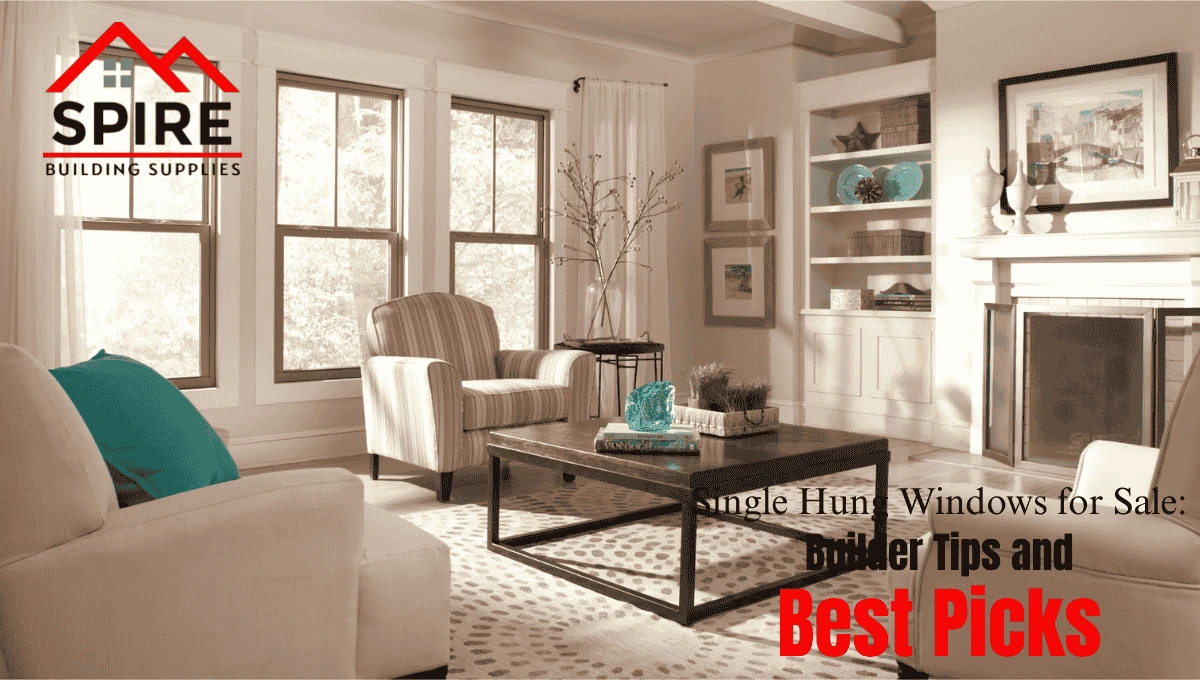
Sourcing the right windows for a build or renovation project sounds straightforward until you’re knee-deep in frame options, glass packages, and size charts and suddenly a simple purchase becomes an afternoon of second-guessing. If you’re searching for single hung windows for sale and want to cut through the noise, this guide is written for exactly that: contractors and homeowners who need practical answers, not a generic product overview.
You’ll find a clear breakdown of what sets good single hung windows apart, how to evaluate options before committing, where builders tend to go wrong, and which specific product configurations are worth considering for standard and taller rough openings.
Single Hung Windows: The Basics Worth Knowing
A single hung window has two sashes upper and lower but only the lower one moves. You slide it up to ventilate, pull it down to close. The upper sash is fixed. That’s the entire mechanism, and its simplicity is exactly why these windows have remained a go-to choice across residential construction for decades.
Understanding that distinction matters when you’re comparing window types. Double hung windows where both sashes operate cost more, have more parts, and require more maintenance. For most bedrooms, living rooms, and ground-floor applications, the added complexity of a double hung buys you very little practical benefit.
Single-hung windows come in a range of frame materials: aluminum, wood, fiberglass, and vinyl. Single hung vinyl windows dominate the replacement and new construction market for good reason they’re thermally efficient, virtually maintenance-free, and available in standardized sizes that make sourcing and installation predictable.
Single Hung vs Double Hung: The Short Version
- Single hung: only the lower sash moves simpler, less expensive, fewer points of failure
- Double hung: both sashes move better for high-moisture rooms, easier interior cleaning, higher cost
- For bedrooms, offices, and standard living spaces: single hung is the practical choice in most cases
- For bathrooms, kitchens, or upper-floor windows you clean from inside: double hung earns its extra cost
What Actually Matters When You’re Evaluating Single Hung Windows for Sale
Not all single hung windows perform the same way, and the price difference between a decent window and a poor one often comes down to details buyers don’t check until it’s too late. Here’s what to look at seriously before ordering:
Frame Material and Construction
Vinyl is the default choice for most projects, and for good reason. It doesn’t rot, doesn’t require painting, holds its shape in humidity, and insulates well. The key quality differentiator in vinyl frames isn’t the material itself it’s the wall thickness of the frame profiles and the quality of the corner welds. Thin-walled frames and poorly fused corners are where budget vinyl windows fail after a few years.
Fusion-welded corners (where the frame pieces are heat-bonded rather than mechanically fastened) create a stronger, more airtight joint. Look for this detail specifically on lower-cost options.
Glass Package: Where the Real Performance Lives
The frame holds the window; the glass determines how it performs. For any climate where heating or cooling costs matter, the glass package should include:
- Double-pane insulated glass unit (IGU) as a minimum single-pane is only appropriate for unheated outbuildings
- Argon gas fill between panes improves thermal insulation over air-filled units at minimal cost
- Low-E coating reduces solar heat gain in warm climates, limits heat loss in cold climates
- Triple-pane worth considering in climates with extreme winters, but adds cost and weight
ENERGY STAR certification is a reliable shortcut if you don’t want to evaluate glass specs directly. Certified products have been independently tested to performance standards appropriate for different climate zones.
Sizing and Rough Opening Accuracy
Single hung windows are highly standardized, which is part of their appeal for single hung windows replacement projects. Standard widths run from 24 to 36 inches; heights from 36 to 72 inches, with taller options available for newer construction profiles.
The critical measurement is always the rough opening the framed hole in the wall not the old window unit. These often differ, especially in older homes where frames may have settled or been shimmed. Measure width at three heights and height at three widths; use the smallest reading to determine what size window will fit without forcing.
For standard openings, the INSPIRE VINYL SH 3050 (30″ x 50″) covers a very common residential size used across bedroom and living area applications. If your opening runs taller — common in newer construction and some renovation projects the INSPIRE VINYL SH 3060 (30″ x 60″) accommodates that extra height without moving to a custom order.
Hardware Quality
The locking mechanism on a single hung window has one job: hold the lower sash firmly closed and sealed. Cam locks and tilt latches should engage cleanly with no play. If a window’s hardware feels loose or misaligned in the box, it will only get worse after installation when thermal expansion and contraction do their work over seasons.
Check that the lock engages flush with the sash rail. A gap means the sash isn’t fully compressing the weatherstripping and that gap is where conditioned air escapes.
Warranty Terms
Read the warranty, not just the headline number. A “lifetime warranty” that excludes seal failure, only covers the original purchaser, or limits coverage to parts only is substantially weaker than it sounds. Look specifically for coverage on the insulated glass unit seal (fog between panes is the most common failure mode) and the balance mechanism on the lower sash.
Honest Pros and Cons of Single Hung Windows
Where They Perform Well
- Cost-effective consistently less expensive than double hung, with savings that compound across a full-house project
- Low maintenance vinyl frames need nothing beyond periodic cleaning; no painting, sealing, or refinishing
- Durable fewer moving parts means fewer things to wear out or fail over a 20–40 year lifespan
- Energy efficient fixed upper sash reduces potential air infiltration points; quality glass packages perform very well thermally
- Widely available standardized sizing makes sourcing fast; lead times are shorter than custom or less common window types
Where They Fall Short
- Limited ventilation only the lower half opens; no top-and-bottom airflow like double hung allows
- Harder to clean from inside the upper sash doesn’t tilt in, so exterior cleaning on upper floors requires outside access or a long-handled tool
- Not ideal for high-moisture rooms bathrooms and kitchens benefit from the upper-sash ventilation option that single hung can’t provide
- Upper sash damage typically means full replacement if the fixed pane breaks, you’re usually replacing the entire window unit
Common Mistakes Builders and Homeowners Make When Buying Single Hung Windows
Ordering to the Wrong Measurement
Ordering to the size of the existing window rather than the rough opening is the most common and most avoidable mistake. Old windows are often slightly smaller than the nominal rough opening they were installed into and replacement window inserts are sized to fit into that existing frame, not the rough opening directly. Know which scenario you’re ordering for before you place the order.
Underestimating the Glass Package
Two vinyl windows can look nearly identical on a spec sheet and perform dramatically differently in thermal efficiency. Frame quality is table stakes at any reputable supplier; glass package is where the performance gap opens up. A budget window with single-pane glass or no Low-E coating will cost more in energy bills within a few years than the premium spent on a better unit.
Skipping Air Sealing During Installation
A well-made window installed without proper air sealing performs like a poor window. The perimeter between the window frame and the rough opening needs to be sealed — typically with low-expansion foam, backer rod, and exterior caulk — to prevent air infiltration and moisture intrusion. This step is frequently skipped on DIY installs and rushed on production builds. It matters more than most people realize.
Ignoring Egress Requirements for Bedrooms
Any operable window in a sleeping room must meet minimum egress dimensions: the clear opening needs to be at least 5.7 square feet, with a minimum height of 24 inches and minimum width of 20 inches. Single hung windows can meet these requirements — but only if sized correctly for the application. Verify before ordering for any bedroom window.
Placing Single Hung Windows in the Wrong Rooms
Installing single hung in a bathroom or above a kitchen range isn’t a structural mistake, but it’s a daily functional frustration. Those spaces generate moisture and need top ventilation. It’s the kind of decision that feels fine at the time and becomes a complaint from every homeowner six months later.
Buying Without Checking Local Stock
Searching for single hung windows near me isn’t just about convenience — it’s about lead time and return logistics. A window that ships from across the country with a two-week lead time creates problems on a build schedule if sizing or damage issues arise. Local suppliers with stocked inventory give you the ability to inspect, exchange, and move faster when needed.
Builder Tips for Getting Single Hung Windows Right
- Order 5–10% extra on large projects — damaged units, mis-measurements, and change orders happen; having a spare on-site beats a two-week wait
- Inspect every unit before installation — check for shipping damage, glass clarity, and hardware function before the window goes in the wall
- Prime and seal the rough opening sill before setting the window — the sill is the most vulnerable point for moisture intrusion, especially in wood-framed construction
- Use low-expansion foam at the perimeter — high-expansion foam can bow vinyl frames during cure; low-expansion is the correct product for window rough openings
- Level the sill plate, not just the window — a window that’s level but sitting on an unlevel sill will rack over time, causing the lower sash to bind
- Document serial numbers and installation dates — warranty claims require purchase proof and installation timing; keep a project record from day one
Where Single Hung Windows Make the Most Sense in Real Projects
Production Residential Builds
Builders working on production residential projects tract homes, townhomes, entry-level construction use single hung windows consistently for a simple economic reason: the per-unit savings over double hung, multiplied across 20 or 30 windows per home, is a meaningful line item. Performance doesn’t suffer in the locations where these windows are used (bedrooms, living areas, garages), and the standardized sizing keeps installation moving.
Browse Spire Building Supplies’ full range of single hung windows to compare in-stock options suitable for production builds and one-off replacement projects alike.
Single Window Replacements in Existing Homes
When one window fails seal failure, broken glass, hardware that won’t latch — homeowners need a replacement unit that fits the existing opening without a full frame-out. Single hung vinyl windows in standard sizes handle this well. The insert replacement approach (dropping a new window into the existing frame) is faster and less disruptive than a full-frame replacement, and single hung units in standard sizes are almost always in stock at building supply suppliers.
Accessory Dwelling Units (ADUs) and Garage Conversions
ADU projects and garage conversions often run on tight budgets with straightforward ventilation needs. Single hung windows check both boxes they’re cost-effective and they work perfectly well in the bedroom and living applications these spaces typically include. The predictable sizing also helps when working with non-standard wall framing that’s common in garage conversion projects.
Full-House Replacement Projects
Replacing all the windows in an older home is one of the higher-impact home improvement investments for energy performance. Single-hung windows with modern glass packages — double-pane, argon-filled, Low-E coated dramatically outperform the single-pane aluminum or wood windows common in homes built before the 1990s. The payback in reduced heating and cooling costs is real, and the installation process is relatively fast with standardized sizing.
If you’re also replacing exterior doors as part of the same project, Spire’s guide on installing a pre-hung exterior door covers what to expect for that work useful context if you’re weighing DIY versus contractor installation across the full project scope.
FAQ
What sizes do single hung windows come in?
Standard single hung windows range from about 24 to 48 inches wide and 36 to 72 inches tall. Common residential sizes cluster between 24 and 36 inches wide. Some manufacturers offer taller units up to 84 inches for newer construction profiles. Always measure your rough opening before ordering not the existing window unit.
How much do single hung windows cost?
Single hung vinyl windows typically range from $80 to $300 per unit for standard residential sizes, depending on the glass package, frame quality, and supplier. Installation adds cost if you’re hiring out. Full-frame replacement (tearing out the existing frame) costs more than an insert replacement. Budget projects and production builders often see lower per-unit costs when ordering in volume.
Can I install a single hung window myself?
Yes, for experienced DIYers especially insert replacements where the existing frame stays. The process involves removing the old window, preparing the opening, setting and leveling the new unit, fastening, and air sealing. The most common DIY errors are inadequate air sealing and improper shimming. Full-frame replacements are more involved and usually warrant a professional if you haven’t done them before.
How long do single hung vinyl windows last?
Quality single hung vinyl windows typically last 20 to 40 years. The frame itself rarely fails first — the insulated glass seal (which causes fogging between panes) and the balance mechanism on the lower sash are the most common service items. Good warranties cover glass seal failure for 10 to 20 years. Annual cleaning and lubricating the sash channel extend the operating hardware’s life.
What’s the difference between single hung windows and single pane windows?
These are different things. Single hung refers to the operating style — one sash moves, one is fixed. Single pane refers to the glass construction — one layer of glass with no insulating air or gas space. Most modern single hung windows use double-pane insulated glass. Single-pane glass is only appropriate for unheated or unconditioned spaces and isn’t code-compliant for habitable rooms in most jurisdictions.
What Builders and Homeowners Say
We spec Spire’s single hung vinyl windows on all our entry-level builds. The sizing is consistent, the lead times are reliable, and we’ve had zero callbacks related to window performance across 60-plus units. That kind of track record matters when you’re running a production schedule.
— Residential Builder, Pacific Northwest
I replaced 11 windows in my 1978 ranch myself over a long weekend. The insert sizing matched perfectly on 10 of the 11 openings — the one that was slightly off I caught before ordering because I’d measured carefully. The energy difference that first winter was immediate and obvious. I wish I’d done it sooner.
— Homeowner, Colorado
I was going back and forth between single and double hung for our ADU project. The price difference per unit wasn’t huge, but across 8 windows it added up. Single hung made sense for the bedrooms and living area, and we put a double hung in the bathroom. That split decision was the right call.
— ADU Project Owner, California
Final Thoughts
Single hung windows for sale are plentiful the challenge isn’t finding them, it’s knowing what actually separates a window worth buying from one that’s going to cause problems. Frame construction, glass package, accurate sizing, and air sealing during installation determine real-world performance far more than the brand name or the price point.
Use this guide to evaluate options with clarity rather than going on marketing language or the cheapest available price. The right window for your project is the one that fits the opening correctly, performs thermally for your climate, and is backed by warranty terms you’ve actually read.
For in-stock single hung vinyl windows in the most common residential sizes and knowledgeable staff who understand production build requirements and replacement project specifics explore Spire Building Supplies’ single hung window catalog.
About the Author
This article was written by the editorial team at Spire Building Supplies a building materials supplier with hands-on experience helping contractors and homeowners source windows, doors, and exterior materials for residential construction and renovation projects. Our content is grounded in real product knowledge and the practical questions builders and homeowners ask when they’re actually planning a project not in keyword strategy or generic overviews.

Leave a comment