
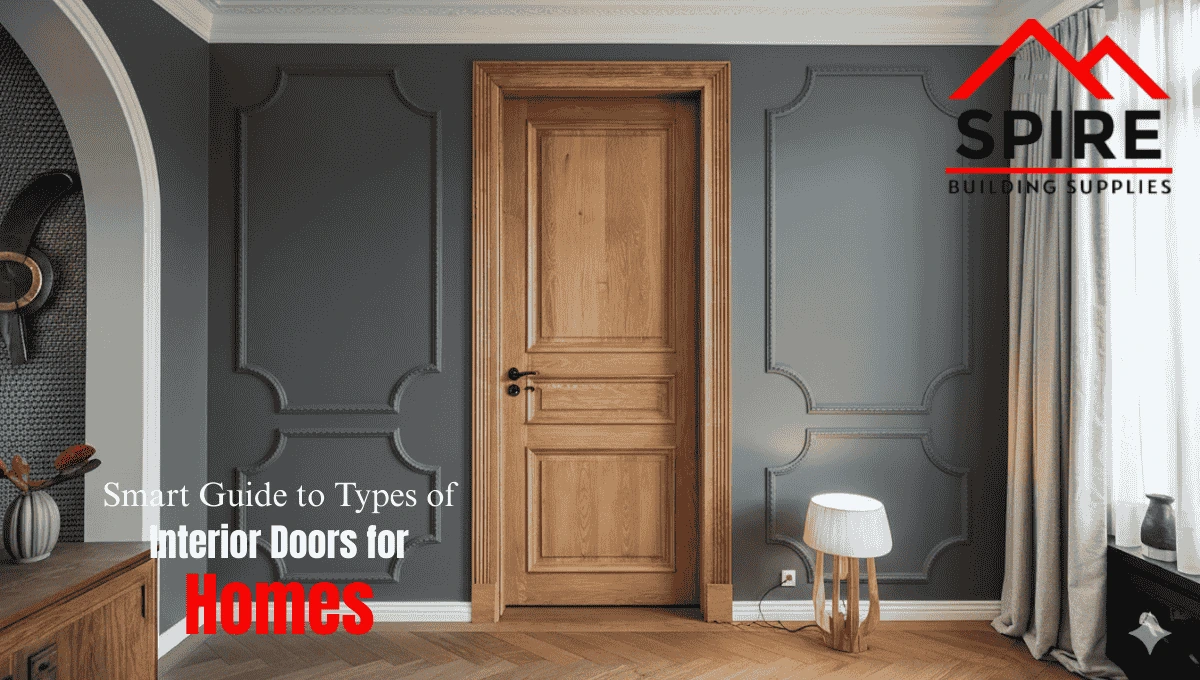
Choosing the right doors can transform the look, feel, and functionality of your home. Understanding the types of interior doors for homes is crucial whether you’re building, renovating, or replacing old doors. From enhancing privacy and improving acoustics to creating visual appeal, the right interior door can elevate any space. In this guide, we’ll break down the most common types, their benefits, limitations, and practical considerations to help homeowners make informed decisions.
Why Understanding Interior Doors Matters
Interior doors do more than separate rooms. They influence:
- Aesthetic cohesion: Matching doors with your design theme improves overall appeal.
- Space management: Sliding or pocket doors save space in tight areas.
- Privacy & noise control: Solid doors reduce sound transfer between rooms.
- Durability & maintenance: Choosing the right material ensures long-lasting performance.
Many homeowners overlook the small but critical details, such as correct sizing or material choice, which can lead to installation challenges and costly replacements later.
Key Types of Interior Doors for Homes
1. Panel Doors
One of the most classic and versatile options. Panel doors feature raised or recessed panels that add depth and style.
- 1 Panel Shaker 6’8″ Height – Interior Door: A minimalist style that complements modern and traditional interiors.
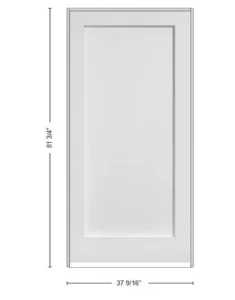
- 1 Panel Shaker 6’8″ Height 80 Inch – Interior Door: Ideal for standard-height rooms, offering clean lines and understated elegance.

- 1 Panel Shaker 8’0″ Height – Interior Door: Taller doors create a sense of grandeur and work well in high-ceiling spaces.
Pros: Durable, visually appealing, fits most interiors.
Cons: Heavier than hollow-core doors, may require precise installation.
2. Flush Doors
Smooth, flat doors that are simple and affordable. Common in modern or minimalist homes.
- Lightweight and easy to install
- Can be painted or veneered
- Cost-effective
Limitations: Less acoustic insulation compared to solid-core doors; less visually detailed.
3. Sliding and Pocket Doors
Perfect for rooms where space is limited. Sliding doors move along a track and can hide inside walls (pocket doors).
- Maximize usable floor space
- Adds a modern touch
- Works well for closets, bathrooms, or open-plan living areas
Considerations: Track systems need precise installation; may require wall reinforcement.
4. French Doors
Double doors with glass panels, often used for connecting living spaces to patios or offices.
- Bring natural light indoors
- Adds elegance and visual depth
- Can be paired with blinds or curtains for privacy
Limitations: Require more space to swing open; glass requires maintenance.
5. Barn Doors
Sliding doors with exposed hardware, popular in rustic or industrial interiors.
- Adds character and style
- Saves space
- Can be used as statement pieces
Practical Tips: Ensure wall strength supports the door; soft-close mechanisms improve longevity.
6. Bi-Fold Doors
Doors that fold in sections, ideal for closets or laundry rooms.
- Compact and space-saving
- Easy to operate
- Cost-effective for storage areas
Drawbacks: Hinges may wear out over time; less secure than traditional doors.
7. Glass and Frosted Doors
Doors with full or partial glass panels, providing light flow and visual openness.
- Great for home offices or rooms needing light
- Can be frosted for privacy
- Modern aesthetic
Limitations: Less privacy and insulation; requires careful cleaning.
Practical Considerations for Choosing Interior Doors
- Room Functionality: Bedrooms and bathrooms need solid or soundproof doors, while living areas can benefit from glass or French doors.
- Door Size: Standard doors are typically 80 inches; taller doors (8’0″) add luxury. Ensure measurements align with your ceiling height.
- Material: Solid wood is durable but heavier. MDF or engineered wood is lighter and budget-friendly.
- Style & Theme: Match door style with cabinetry, trim, and flooring. Panel and shaker doors are versatile for almost any theme.
- Hardware & Accessories: Handles, hinges, and locks can affect durability and aesthetics.
Pro Tip: Always check alignment, swing direction, and clearance before ordering doors to avoid costly mistakes.

Common Mistakes Homeowners Make
- Choosing doors without considering ceiling height or room size
- Ignoring maintenance needs of glass or wooden doors
- Installing sliding or pocket doors without proper structural support
- Overlooking acoustic insulation for bedrooms and home offices
By planning ahead and understanding each door type, you can avoid these pitfalls.
Real-World Use Cases & Examples
- Open-concept living areas: French or glass doors maintain light flow while creating separation.
- Small apartments: Sliding or bi-fold doors save space without sacrificing style.
- Luxury renovations: 1-panel Shaker 8’0″ height doors create dramatic entrances in high-ceiling rooms.
- Closets and pantries: 1 Panel Shaker 6’8″ Height 80 Inch doors provide a clean, uniform look.
For additional tips on materials and home-building essentials, check out Home Building & Renovation Supplies.
People Also Ask
- What is the most popular type of interior door for homes?
Panel doors, especially shaker styles, are widely chosen for their versatility and timeless look. - How do I choose the right interior door size?
Measure your ceiling height and room layout. Standard doors are 80 inches; taller doors (8’0″) can add elegance. - Can sliding doors replace traditional doors?
Yes, sliding or pocket doors save space and provide modern aesthetics, but proper installation is critical. - Are glass interior doors practical?
They work well in areas needing light, like home offices, but may compromise privacy. - How do I maintain wooden interior doors?
Regular cleaning, occasional polishing, and checking hinges ensure longevity.
Customer Testimonials
Jane L., Homeowner:
We replaced all our old doors with 1-panel Shaker 6’8″ height doors. The upgrade instantly modernized our living space.
Michael R., Renovation Contractor:
Sliding barn doors are perfect for small apartments. They save space and look incredible when installed correctly.
Samantha T., Interior Designer:
Frosted glass doors for our client’s home office balanced light and privacy beautifully. Easy to maintain and stylish.
Conclusion
Selecting the right types of interior doors for homes impacts both style and functionality. From classic 1 Panel Shaker doors to modern sliding or glass options, each choice serves a purpose. By planning carefully around room needs, size, and material, you can create a home that’s practical, stylish, and built to last.
Author Bio
Written by the Spire Building Supplies Editorial Team
With over 15 years of experience in home improvement and building materials, our team provides practical, hands-on guidance for homeowners, contractors, and designers. We specialize in helping readers make informed decisions about doors, windows, and renovation essentials, ensuring every project is functional, stylish, and cost-effective.

Leave a comment