
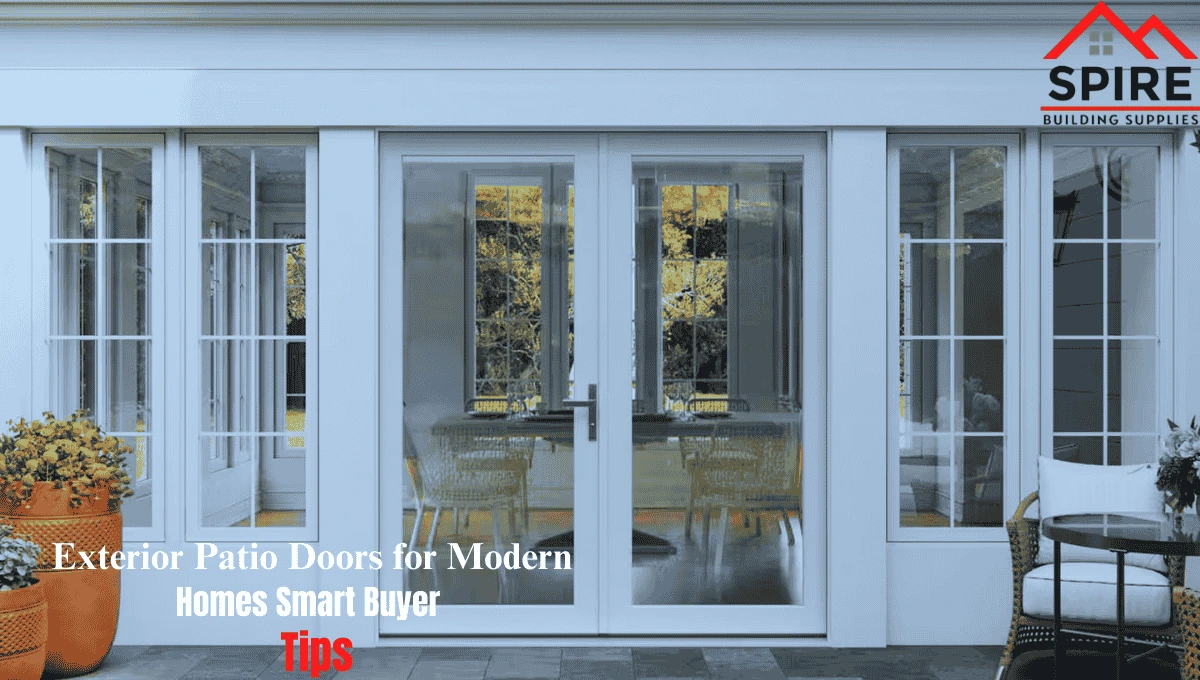
Exterior Patio Doors for Modern Homes: Smart Buyer Tips
Choosing the right exterior patio doors for modern homes is about more than looks. The right door affects natural light, energy efficiency, daily functionality, security, and even how your indoor and outdoor spaces connect.
As someone who has worked with homeowners, contractors, and renovation teams for years, I’ve seen how a well-chosen patio door can transform a space—and how the wrong choice can create ongoing frustration. From drafts and sticking rollers to poor drainage and warped frames, the small details matter more than most buyers realize.
In this guide, we’ll break down what actually matters when choosing patio doors for a modern home, common mistakes to avoid, and practical insights that help you make a confident decision.
Why Patio Doors Matter in Modern Homes
Modern home design prioritizes:
- Clean lines
- Open-concept living
- Indoor-outdoor flow
- Natural light
- Energy efficiency
Your Patio doors are often the largest glass opening in the home. They visually anchor living rooms, kitchens, and family spaces. They also take heavy daily use—especially in homes with decks, backyards, or entertaining areas.
A poorly selected door can result in:
- Heat loss or gain
- Water intrusion
- Difficult operation
- Premature hardware failure
- Reduced curb appeal
A smart selection, on the other hand, enhances both comfort and property value.
Understanding Your Options: Types of Patio Doors
Before diving into specific models, it’s important to understand the basic configurations.
1. Sliding (Gliding) Patio Doors
These operate horizontally along a track. One panel remains fixed while the other slides.
Best for:
- Tight spaces
- Modern aesthetics
- Frequent use
One popular modern configuration is a Full Lite Gliding Patio Door, which features large, uninterrupted glass panels for maximum light and minimal visual obstruction.
Why homeowners love them:
- Clean, contemporary look
- Space-saving operation
- Wide outdoor views
What to watch for:
- Track quality
- Roller durability
- Drainage design
Cheap rollers wear out fast. In coastal or snowy climates, poor track drainage causes serious issues.
2. French Patio Doors
These swing open from the center or one side.
Best for:
- Traditional or transitional homes
- Wider openings
- Statement entry to patios
They provide a dramatic look but require clearance space for door swing.
3. Multi-Panel or Stacking Doors
Often seen in luxury builds, these create expansive openings by stacking panels.
Best for:
- Large modern homes
- High-end renovations
- Indoor-outdoor entertainment spaces
They are stunning—but typically higher in cost and installation complexity.
Key Materials: What Actually Performs Well?
Material choice affects longevity, insulation, and maintenance.
Vinyl Patio Doors
Vinyl is one of the most practical materials for modern builds.
Advantages:
- Energy-efficient
- Low maintenance
- Resistant to moisture
- Affordable compared to aluminum or wood
For example, the INSPIRE SERIES VINYL 8068-PATIO DOOR offers a strong vinyl frame system designed for thermal performance and durability, which is critical in climates with temperature swings.
In real-world projects, vinyl consistently outperforms wood in moisture-prone environments.
Aluminum Doors
- Slim profiles
- Strong frames
- Modern industrial aesthetic
However, aluminum can conduct heat unless thermally broken.
Wood Doors
- Classic beauty
- Warm appearance
But they require regular sealing and maintenance. Many homeowners underestimate this commitment.
Energy Efficiency: What Buyers Often Overlook
Energy efficiency isn’t just about the glass.
Here’s what truly matters:
1. Glass Type
Look for:
- Double or triple-pane glass
- Low-E coatings
- Argon gas fill
2. Frame Insulation
A high-performance frame matters as much as glazing.
3. Proper Installation
Even the best doors will fail if:
- Flashing is incorrect
- The sill pan isn’t installed
- Gaps aren’t sealed properly
At Spire Building Supplies, we often emphasize that product quality and installation quality must go together. It’s a system—not just a door.
Waterproofing and Drainage: The Silent Dealbreaker
One of the most common patio door failures comes from improper water management.
Modern homes often have:
- Large roof overhangs
- Flat patio slabs
- Minimal thresholds
If water sits against the sill, problems begin quickly.
Look for:
- Sloped sills
- Integrated drainage channels
- Proper weep holes
And remember—your patio door system should work in harmony with your exterior finishes and flooring transitions.
If you’re upgrading flooring near the patio entry, especially in moisture-prone areas, choosing the Best waterproof luxury vinyl flooring can help protect against water tracking inside during rain or snow.
Sizing & Configuration: Think Beyond Standard
Many homeowners assume they must stick to standard sizes.
In reality, modern builds often feature:
- 6-foot openings
- 8-foot heights
- Custom-width configurations
The wrong proportion can throw off an entire room’s aesthetic balance.
Pro Tip:
Always evaluate ceiling height and sightlines before selecting panel height. An 8-foot ceiling pairs beautifully with a taller sliding door for a more expansive feel.
Hardware & Security: Practical Considerations
Modern doesn’t mean compromising on security.
Look for:
- Multi-point locking systems
- Tempered or laminated glass
- Reinforced frames
Upgraded locking systems make a significant difference in long-term safety.
Common Mistakes Buyers Make
After years in home improvement and renovation supply, these are the most common issues I see:
1. Choosing Based on Price Alone
Cheaper rollers, weak frames, and poor seals cost more in the long run.
2. Ignoring Climate
What works in a dry climate may fail in heavy snow or coastal humidity.
3. Overlooking Threshold Height
Modern low-profile thresholds look sleek—but if poorly designed, they increase water intrusion risk.
4. Forgetting Flooring Transition
If you’re installing new interior flooring, plan for:
- Expansion gaps
- Proper height alignment
- Moisture protection
This is where coordinated planning between your door supplier and flooring provider matters.
Real-World Use Cases
Case 1: Suburban Renovation
A homeowner replacing outdated French doors switched to a Full Lite Gliding Patio Door. The improvement in natural light completely changed the feel of the living space.
They also upgraded to waterproof vinyl flooring near the entry, preventing seasonal water damage.
Case 2: Modern New Build
A builder selected vinyl sliding doors similar to the INSPIRE SERIES VINYL 8068-PATIO DOOR for energy efficiency and durability. After two winters, the homeowners reported:
- No drafts
- Smooth operation
- Easy maintenance
The key? Proper flashing and professional installation.
How Patio Doors Fit Into Whole-Home Renovation Planning
Exterior patio doors shouldn’t be selected in isolation.
They impact:
- Exterior cladding choices
- Insulation performance
- Flooring transitions
- Deck elevation
- Structural opening sizes
If you’re planning a broader renovation, it helps to review comprehensive resources on sourcing coordinated materials. This guide on
👉 Home Building & Renovation Supplies
provides helpful context for aligning doors, flooring, and structural components.
A cohesive approach saves time and prevents costly mismatches.
Expert Tips for Choosing the Best Doors
Here are practical insights from hands-on experience:
Prioritize Smooth Operation
Test the glide. It should move effortlessly with one hand.
Inspect Corners & Welds
Poorly manufactured vinyl doors show weak corner welds.
Check Glass Spacers
Warm-edge spacers improve condensation resistance.
Ask About Warranty Coverage
Not all warranties cover:
- Hardware
- Glass seal failure
- Installation-related issues
Understand the details.
FAQ
What is the most energy-efficient type of patio door?
Sliding vinyl doors with double or triple-pane Low-E glass are typically the most efficient for modern homes.
Are sliding doors better than French doors?
It depends on space. Sliding doors are better for tight areas, while French doors provide a more classic look.
How long do vinyl patio doors last?
High-quality vinyl doors can last 20–30 years with proper installation and maintenance.
Do patio doors increase home value?
Yes. Updated, energy-efficient doors improve curb appeal and buyer perception.
What size patio door is standard?
Common widths include 5 ft, 6 ft, and 8 ft. Heights are usually 80 inches but 96-inch options are increasingly popular in modern builds.
What Homeowners Say
We replaced our old wood patio doors with vinyl sliders and immediately noticed better insulation. No more cold drafts in winter. – Daniel R.
The natural light from our new gliding door completely changed our living room. It feels twice as big. – Monica L.
What I appreciated most was learning about drainage and flashing. We avoided the water damage our neighbor experienced. – Kevin S.
Final Thoughts: Make a Smart, Informed Choice
Choosing exterior patio doors isn’t just about picking something that looks good in a showroom.
It’s about:
- Climate performance
- Daily functionality
- Long-term durability
- Water management
- Integration with your renovation plan
Modern homes demand clean lines, efficient materials, and thoughtful detailing. The right patio door supports all of that.
If you approach the decision with clarity—and work with experienced suppliers like Spire Building Supplies who understand how doors fit into the broader building system—you’ll avoid costly mistakes and enjoy a door that performs beautifully for years.
About the Author
This article was prepared by the editorial team at Spire Building Supplies, professionals with hands-on experience in home renovation materials, door systems, flooring solutions, and modern building products. Our team works closely with contractors, builders, and homeowners to ensure that every material selected performs well in real-world conditions, not just on paper.

