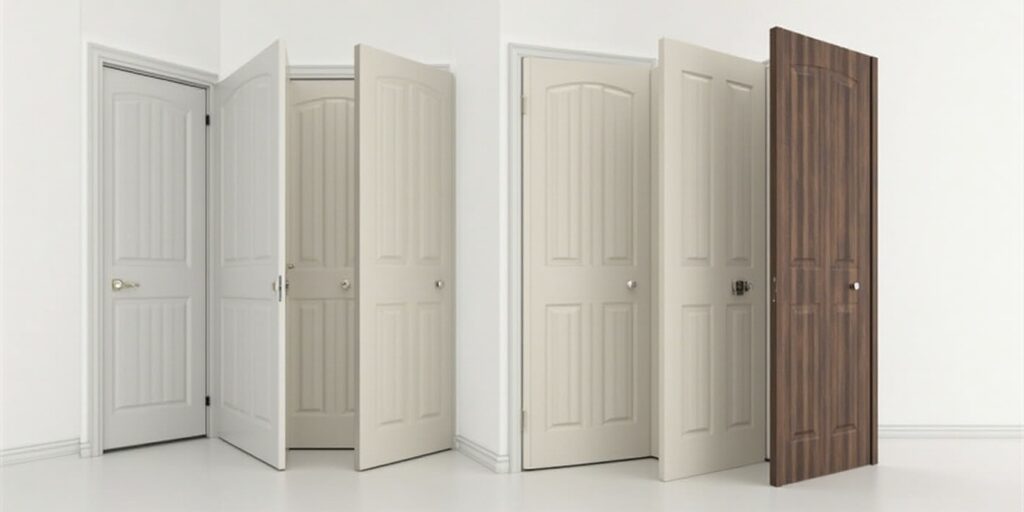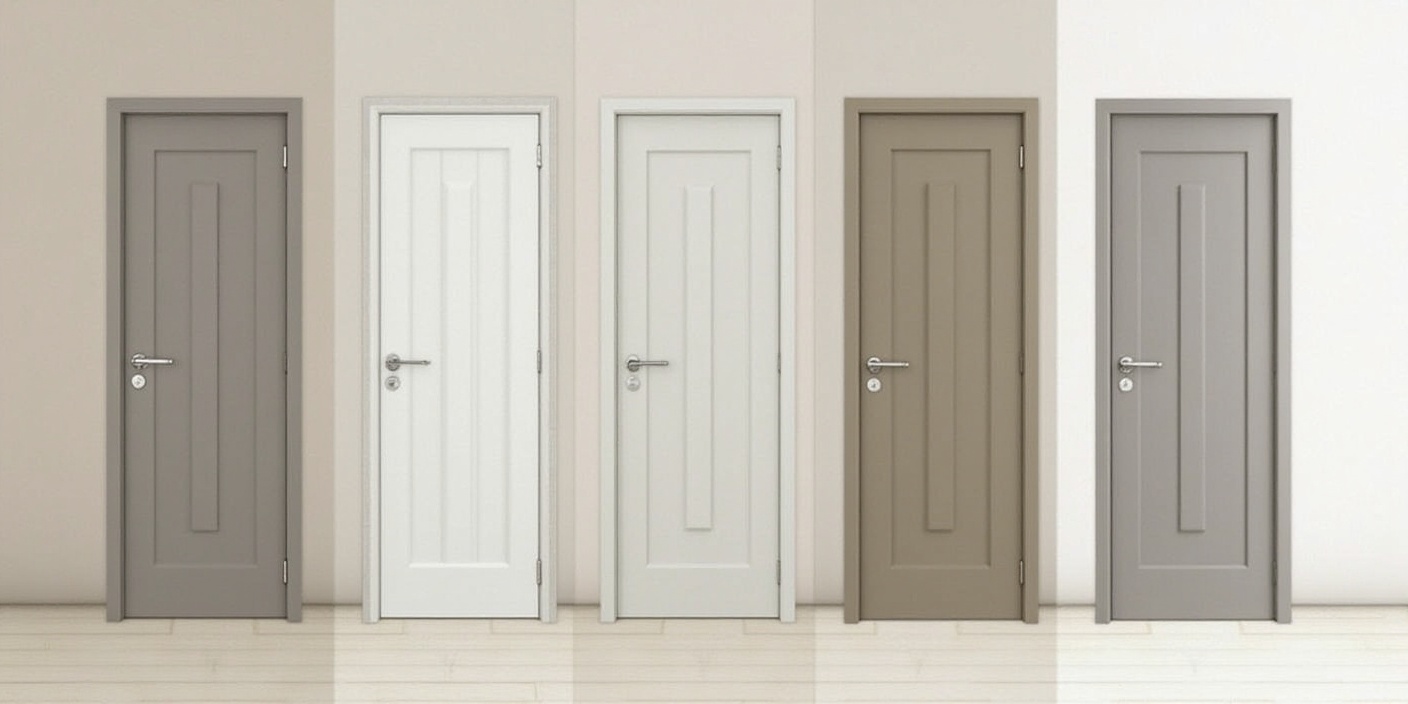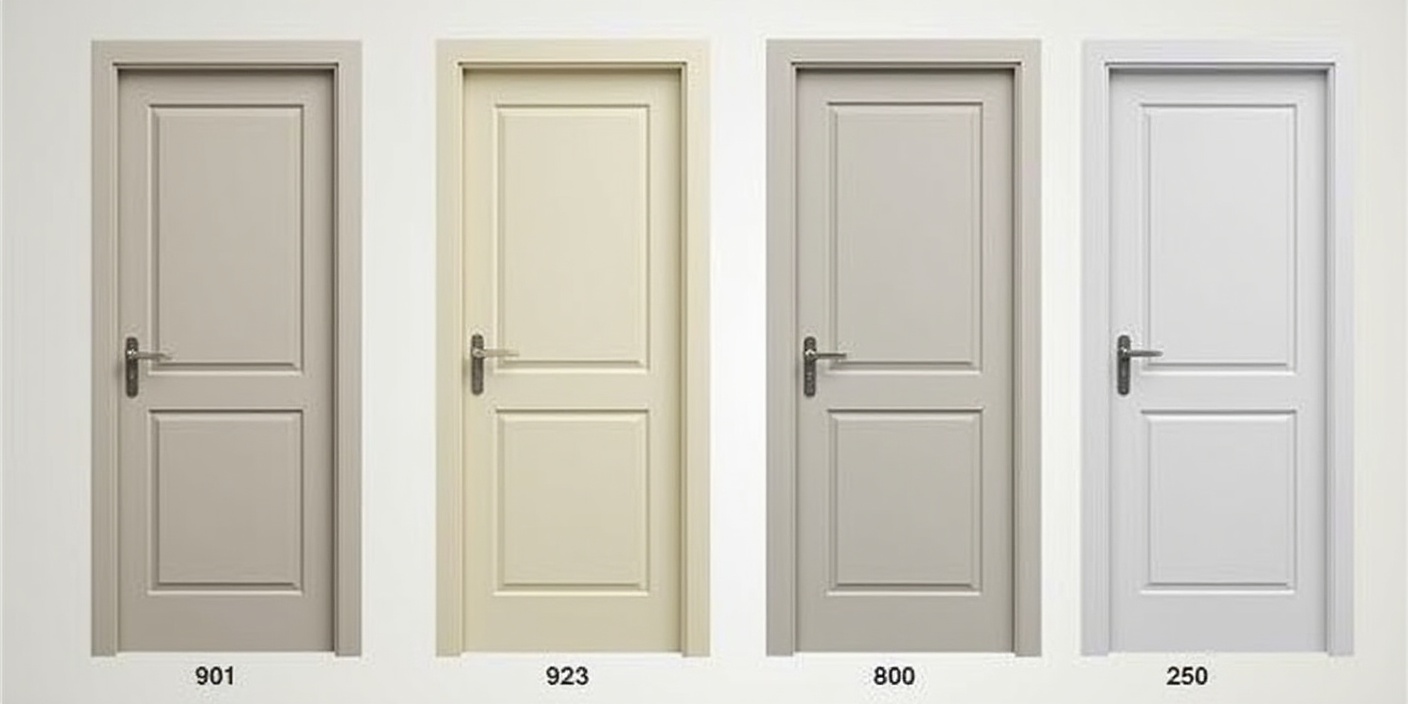
Cheap Building Materials - spirebuildingsupplies.com/

The Hidden Costs of Cheap Building Materials

At first glance, cutting corners on building costs seems like a smart move. Why spend more when there are lower-priced options that promise similar results? 

But beneath the surface, the price of interior doors, iron doors, windows, and steel doors tells only part of the story. 

The real cost—hidden in long-term performance, energy efficiency, and durability—often reveals itself far too late. And by then, the damage is done. 

Cheap materials don’t just age poorly—they actively erode the value, integrity, and aesthetic of any space they’re a part of.
Cheap Building Materials - spirebuildingsupplies.com/

The Allure of Low-Cost Materials

There’s no denying the appeal of saving money upfront. Developers, builders, and even homeowners often find themselves staring at estimates and wondering where they can trim the fat. 

The temptation to opt for inexpensive alternatives is strong, especially with persuasive marketing and polished finishes that mask the inferior quality beneath. But Materials are the backbone of any build. 

And cheap ones often lack the resilience, structural stability, and performance needed for longevity. That glossy veneer or polished finish? It won’t hide warping, fading, or misalignment a few seasons down the line. 

That’s the seduction of low-cost materials—they look just good enough to pass… until they don’t. 

Short-Term Savings, Long-Term Headaches

What’s saved in the short term is often paid back with interest. Cheap building materials tend to be poorly engineered, less weather-resistant, and far more vulnerable to wear.

Within a few years—or even months in some cases—repairs begin to surface. Hinges creak, insulation fails, seals break, and frames begin to warp. 

Take poorly manufactured windows, for example. They may initially function like their premium counterparts but will soon develop issues like air leaks, condensation, and even difficulty in operation. 

The cost of constant maintenance or premature replacement can quickly overshadow any original savings. And because these issues tend to occur gradually, the cumulative cost often goes unnoticed until it becomes urgent and expensive.

Structural Integrity and Safety Compromises 

There’s more at stake than convenience or appearance. When inferior materials are used in key structural elements like iron doors or steel doors, safety becomes a concern. 

Doors made from thin, low-grade metal offer little resistance to force, posing a risk not just to property, but to lives. Flimsy interior framing, hollow-core interior doors, or untempered glass Windows are all more susceptible to damage. 

In extreme climates or during high winds and storms, weak materials are the first to fail. Builders who use low-grade supplies may unknowingly compromise the entire structure’s resilience against the elements. 

It’s not just about what looks good—it’s about what holds up when conditions get tough. 

Energy Efficiency and the Role of Quality Doors and Windows

Energy performance is another domain where low-cost materials silently drain resources. Substandard windows and doors are notorious for poor insulation. 

Drafts creep in, indoor temperatures fluctuate, and HVAC systems are forced to work harder, driving up energy bills month after month. 

High-quality steel doors, when manufactured properly, are filled with insulating cores and sealed to perfection. Premium interior doors contribute to room-by-room climate control, especially in larger homes or commercial spaces. 

The long-term benefit of energy efficiency is not just environmental—it’s financial. Every kilowatt saved adds up over the years, transforming quality materials from a cost to an investment.

Case in Point: Why Interior Doors, Iron Doors, and Steel Doors Matter

It’s easy to think of interior doors as cosmetic features. After all, they’re not exposed to the elements or bearing structural loads. But their quality affects soundproofing, comfort, and even indoor air quality. 

Cheap interior doors often emit volatile organic compounds (VOCs) due to the adhesives and finishes used—something quality materials avoid through responsible manufacturing. 

Iron doors and steel doors, typically used for entrances or commercial buildings, are even more critical. Inferior versions might rust easily, dent with minor impact, or come with unreliable locking mechanisms. 

That’s not just an inconvenience; it’s a security liability. On the other hand, well-crafted iron and steel doors offer both aesthetic grandeur and dependable safety—a combination that defines high-end construction.

Aesthetic Degradation and Its Impact on Property Value

Aesthetic longevity is another hidden cost worth mentioning. Cheap materials decompose visually much faster than quality alternatives. Paint peels, colors fade, and finishes chip. 

The building begins to look older than it is, eroding its perceived value. Whether it’s a personal residence or a commercial investment, curb appeal matters.

Quality windows, solid interior doors, and durable steel doors maintain their appearance over time, often requiring minimal upkeep. This not only keeps the property looking new but also plays a crucial role when it’s time to sell or rent. 

First impressions can be lasting, and visible degradation caused by poor materials is a red flag for any prospective buyer or tenant. 
Cheap Building Materials - spirebuildingsupplies.com/

Maintenance, Repairs, and Replacement Cycles

The frequency of maintenance is a real and recurring cost. Cheap building materials break down more often and require frequent intervention—whether it’s repainting, re-sealing, or replacing components altogether. 

It’s not just a financial burden but also a logistical one. The downtime during repairs, the search for compatible replacements, and the labor involved all add up. 

High-quality materials are built to last. They’re engineered with durability in mind and often backed by warranties that cheap alternatives simply can’t match. 

Over a decade, the difference in repair and replacement costs can easily tilt the balance in favor of premium materials. For builders managing multiple properties or developers juggling large portfolios, this reliability isn’t optional—it’s essential. 

Choose Wisely: How to Invest in Value, Not Just Price

Smart decisions in construction are never made on price alone. The true value of a material lies in its performance, durability, and long-term cost efficiency. While initial budgets might sway decisions, understanding the hidden costs of cheap materials helps put those decisions into perspective. 

Whether it’s selecting iron doors for a secure entrance, steel doors for industrial use, or windows that deliver energy efficiency and clarity year after year, the wise choice is one that considers the entire lifecycle. 

Building isn’t just about what goes up today—it’s about what stands tomorrow, five years from now, and beyond. By looking past the sticker price and evaluating quality on a deeper level, builders and homeowners alike can avoid the costly consequences of cutting corners. 

In the end, real savings are found not in what’s cheapest, but in what lasts.

Modern Doors for Builders: A Practical Guide to Designs, Materials and Functional Features
builders - spirebuildingsupplies.com

Why Wise Builders Always Choose Superior Materials

Discover why expert builders invest in superior materials. Boost durability, cut long-term costs, and build a reputation that stands the test of time. The quality of Building Materials is a crucial factor that distinguishes successful construction projects from problematic ones.

Builders are aware that selecting the right materials not only ensures structural integrity but also enhances the construction’s durability and safety, whether they are creating a home or commercial structure.

Among the many components that make up a structure, interior doors are an important example of how superior materials may make a significant difference. 

Let’s look at the reasons behind smart builders’ constant use of high-quality materials and how this choice affects their productivity, standing, and financial success.

The Cost vs. Quality Dilemma: Why Investing Is Beneficial

One of the most common issues builders face is deciding between money and quality. It’s easy to get seduced by less costly solutions when finances are tight. 

However, selecting low-cost materials usually leads to higher costs later on due to frequent repairs, replacements, and inefficiencies. 

Although high-quality building materials may initially appear more costly, they will ultimately save money because they typically last longer and require less maintenance. 

Builders who choose to employ High-Quality materials experience happier clients, reduced waste, and fewer callbacks.

The Impact of Superior Materials on the Sturdiness of Construction

Durability is among the most crucial elements of construction. A structure built with inferior materials is more likely to experience wear and tear, fading, cracking, and weakening over time. 

On the other hand, superior materials are made to withstand environmental and temporal stresses. 

Interior Doors made of solid, high-quality wood or sturdy composite materials, for instance, will last longer and provide better insulation, noise reduction, and aesthetic appeal. 

Durability has an impact on both the client’s and the builder’s reputation. Building professionals can establish a reputation as reliable professionals by finishing projects that last.

Interior Doors: An Illustration of the Value of Excellence

When we consider Interior Doors as an example of superior materials, the effect becomes much more apparent. 

The right interior doors can save energy, provide isolation, and enhance the overall look of a room. 

Builders that understand this are more likely to use doors made of solid oak, engineered wood, or premium composites that offer remarkable strength and aesthetic appeal. 

Because they perform better, endure longer, and require less maintenance than less costly alternatives, these doors are ultimately a wise investment.

Additionally, using High-Quality Building Materials like these doors can have a significant impact on the project’s final value. 

Homeowners and purchasers are often willing to pay more for a property with high-quality materials because it demonstrates durability and attention to detail. In this case, the builder’s decision to utilize high-quality materials can immediately increase their company’s chances because satisfied consumers are more likely to recommend them to others.

Superior building supplies and project completion time

Although they may be more expensive, high-quality materials aid in accelerating the building process. Builders usually encounter delays when utilizing subpar materials because of issues including warped materials, uneven sizes, and installation troubles.

However, using high-quality building materials ensures that parts fit together more easily, reducing errors and the need for work to be redone.

For example, a well-built Internal Door will fit exactly into its frame without requiring any adjustments, which will save time during installation. 

This increased efficiency leads to quicker project completion, which improves the builder’s reputation and allows them to take on further jobs. 

Therefore, the investment in high-quality materials often pays for itself by reducing the overall amount of time spent on site.


builders - spirebuildingsupplies.com

The Long-Term Benefits of High-Quality Materials for Builders

Long-term benefits of using high-quality building materials are numerous. Initially, they contribute to a project’s overall sustainability. 

Longer-lasting and low-maintenance materials reduce the impact of construction on the environment. Furthermore, builders may be sure that their work will endure years of scrutiny because to these materials’ much lengthier certifications and guarantees.

For builders looking to grow their business, establishing a foundation of trust with clients is essential. 

Word-of-mouth referrals and repeat business are very valuable in the construction industry, and consistently using high-quality items improves a builder’s reputation. 

In the competitive world of construction, having a reputation for using high-quality materials helps attract more high-profile assignments.

builders - spirebuildingsupplies.com

How to Spot High-Quality Building Materials

While the need for high-quality building materials is clear, it can be challenging to identify them. 

Ratings or certificates attesting to the efficacy of high-quality materials are common. For example, inside doors must have strong seals, smooth finishes, and sturdy construction. 

Builders should also look for trustworthy suppliers and manufacturers who have a history of producing high-quality goods.

One strategy for locating high-quality building materials is to look at the source. Reputable Manufacturers usually provide comprehensive product specifications, performance test data, and quality control procedures. 

Additionally, seeking reviews from other professionals or past clients can provide invaluable insights about the quality and longevity of specific materials. 

Keeping up with the latest products and industry trends helps builders make more informed material choices.

Conclusion:

Experienced builders know that choosing quality over cost is more than a smart spend—it’s a long-term investment. The right materials enhance performance, durability, and client satisfaction. Prioritizing quality not only strengthens project outcomes but also builds a strong reputation and paves the way for future growth.

Building Materials - spirebuildingsupplies.com

Building Supply Trends You Can’t Afford to Miss

Building materials utilised in the construction industry are evolving beyond brick, mortar, and wood. 

Astute architects and builders are keeping a tight eye on the future in this changing landscape since lagging behind on material trends can lead to higher costs, outdated designs, and shortened project timelines. 

Despite their apparent simplicity, Interior Doors are at the forefront of innovation today, combining design and functionality in a way that has never been seen before. 

Staying abreast of these trends is essential; it is not an option.

Sustainability Takes the Lead in Material Selection

Sustainability is no longer merely a catchphrase; it is becoming the norm. Authorities are upping the bar in response to consumer requests for eco-friendly solutions.

Materials of today, such as recycled composites and low-emission adhesives, must meet environmental regulations without compromising quality.

In the industry, bamboo, repurposed wood, and low-VOC treatments that adhere to both code and conscience are growing in popularity. 

Builders are increasingly taking the carbon footprint of their decisions into account, whereas before they prioritized speed and cost. 

The change is economical as well as morally correct. Sustainable building materials are not only more resilient, but they can also assist projects in obtaining green certifications, which increases a project’s marketability and property value.

Building Materials - spirebuildingsupplies.com

The Creation of Flexible and Intelligent Building Materials

Technology has affected every aspect of modern life, and the construction sector is no exception. 

Smart building supplies, or materials with sensors or connecting features built into them, are revolutionising how structures work after construction. 

These advancements enable real-time monitoring of structural integrity, occupancy patterns, and energy use.

For Example, Intelligent Insulating Materials can regulate thermal performance based on ambient conditions. Meanwhile, advanced glazing systems for interior windows and doors can adapt to light levels, improving energy efficiency and comfort. 

Both sophistication and utility are provided by these versatile materials, which enhance user experience while reducing long-term operating costs.

An Interior Door Makeover Driven by Design and High Technology

Interior doors were formerly merely functional elements, but that is long gone. These days, they are frequently design statements and technology wonders. 

Minimalist aesthetics are frequently combined with clever features like magnetic closures, sliding systems with soft-closing mechanisms, or integrated soundproofing.

Additionally, materials have evolved. High-pressure laminated engineered wood, recycled metal cores, and frameless glass are all becoming more and more common. 

What sets them apart from the competitors is their performance, which includes resistance to impact, humidity, and typical wear. 

As open-concept living gains traction, the ability to quickly reinvent spaces with innovative Internal Doors is emerging as a crucial selling point in both residential and commercial architecture.

Building Materials - spirebuildingsupplies.com

Modular and Prefabricated Components Redefine Efficiency

Time is money in the construction sector, and modularity is the newest buzzword. Prefabricated Building materials are growing in popularity due to their homogeneity, simplicity of installation, and reduced labor costs.

These components are produced off-site in controlled environments, which minimises waste and speeds up project completion.

The modular trend has extended beyond steel frames and wall panels to include stairways, flooring systems, and even completely constructed inside doors with hardware already installed. 

In addition to cutting down on building time, this industrialised approach enhances quality control. Builders can fulfill deadlines with greater assurance and fewer surprises because of the stability it offers.

Supply Chain Innovations and Local Sourcing

Global disruptions have made one thing very clear: supply chains are crucial. Builders are reevaluating the sources of their building materials and prioritising local and regional sourcing to avoid shipping delays and fluctuating prices. 

In addition to strengthening local economies, the move to locally produced materials has logistical and environmental benefits.

As a sign of their increasing transparency, suppliers are disclosing detailed sourcing data and production methods. 

Particularly in high-end or commercial projects where precise standards are necessary, this transparency promotes trust. 

Furthermore, in a dynamic market, local sourcing allows for quicker material swaps and substitutions as needed, preserving the flexibility and adaptability of projects.

Building Materials - spirebuildingsupplies.com

The Role of Beauty in Practical Building Materials

The visual senses of modern consumers are highly developed. These days, rather than being a secondary concern, aesthetics play a significant role in decision-making. 

As a result of this shift, building materials need to balance practicality and beauty. Organic hues, matte finishes, and textured surfaces are popular right now because they convey a desire for understated elegance.

Interior door finishes, for instance, can now mimic leather, metal, or genuine stone while maintaining the durability of synthetic substrates. 

When builders prioritise them, these modest design details give structures immediate visual appeal. More important than functioning these days is producing a visually striking impression that lasts.
Future-Proofing with Sturdy and Resilient Materials

The final and perhaps most important tendency is resilience. As climates shift and people’s demands for durability rise, Building Materials must be resilient. It is very desirable to have materials that are resistant to mold, corrosion, UV damage, and thermal expansion.

Whether it’s fire-rated inside doors or hurricane-resistant composite cladding, builders are utilising materials that have been proven to last by science. 

These are not just preventative measures; they are long-term value propositions. Future-proof materials perform better and require less maintenance, protecting both the client’s investment and the builder’s reputation.

Conclusion

The building supply market is changing quickly. Innovation has become the new standard as sustainability, technology, and design intelligence redefine excellence. The materials chosen today, such as clever internal doors and eco-friendly composites, have an impact on the structures—and legacies—of the future. You get more than just a competitive advantage by adhering to these trends. It is necessary.

Door Frame - Spirebuildingsupplies.com

Door Frame Selection

Choosing the right Door Frame is as important as picking the door itself. Suppliers like Spire Building Supplies in Texas offer an extensive door collection (fiberglass entries, mahogany interior doors, patio doors, etc.), so understanding frame options helps you match frames to your chosen doors. The door is supported and anchored by a substantial structural framework known as a door frame. It establishes the foundation for secure, efficient operation and a seamless aesthetic that complements the design of your residence. An educated decision depends on an awareness of several materials, styles, and applications. For example, a hollow metal door frame is the steel casing or framework that wraps around the door, forming the head, strike jamb, and hinge jamb.. Door Frame Selection is about matching the frame to your door type and project needs.

Door Frame - Spirebuildingsupplies.com

Types of Door Frames

Door frames come in various materials and styles. Homeowners and builders can choose from:

  •  Wooden Door and Frame: A classic choice, wood frames (often called door frame wood) bring warmth and traditional appeal. They pair well with wooden doors and can be painted or stained to match any decor. Builders often stock custom wood door and frame sets, including fire-rated versions, for higher safety.
  •  Hollow Metal (Steel) Frames: These heavy-duty frames form a robust steel casing around the door.

    Manufacturers state hollow metal frames suit any wall condition or entryway. These frames remain common in commercial and industrial settings. Steel frames provide strength and durability, making them ideal where security or fire rating is needed.

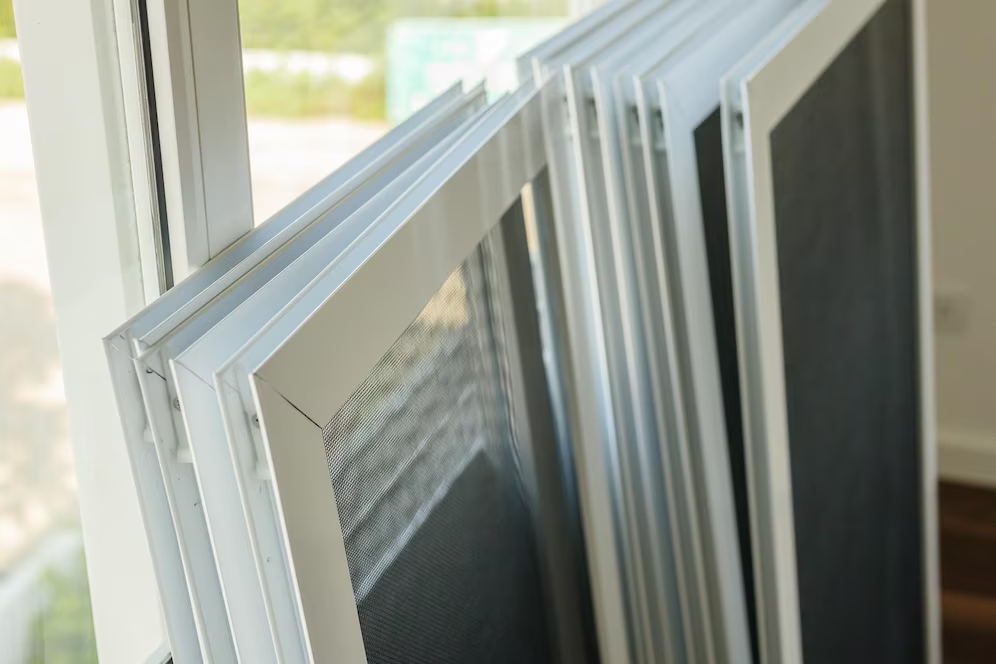
  •  Aluminum Frames: Lightweight and corrosion-resistant, aluminum door frames are ideal for certain residential applications like storm doors, screen doors, and modern patio doors. Aluminum resists rust and adds a sleek look; many suppliers offer aluminum storm door frames and entry system frames.
  •  Fiberglass Frames: Some entry doors are fiberglass and come with matching frames made of composite materials. Fiberglass frames resist rot and moisture, require little maintenance, and provide good insulation. They often mimic wood grain for an attractive look.
  •  Composite and Specialty Frames: These include frames built for specific designs, like Eclisse pocket door frames for sliding pocket doors. They use composite or mixed materials to meet unique space needs. Pocket door frames (such as the Eclisse brand) hide the door inside the wall when open, saving space.
  •  Other Frames: Some doors require special frames.

    Cabinet door frames are small frames for cupboard doors. Six panel interior doors with frames are classic interior doors in homes. Builders use PVC or vinyl frames for applications like shower enclosures. Choose each frame style based on the specific door and location.

Door Frame - Spirebuildingsupplies.com

Choosing the Right Door Frame

Factors like the door type, wall material, climate, and design all influence frame choice. Before selecting a door and frame, consider:

  • Wall Construction: Metal frames come in drywall or masonry types.Drywall frames fit standard sheetrock walls. Masonry frames, often made of steel, suit concrete or brick walls. Ensure the jamb depth matches your wall thickness.
  • Door Function:Interior doors need lighter frames than exterior or security doors. A security Door Frame uses heavier gauge steel and reinforced hinges to resist forced entry. A six panel interior door with a frame uses a simpler wood frame.
  • Environmental Factors: Texas climates can be hot, humid, and stormy. Wood exterior door frames should be well-sealed or painted for weather, or you could choose aluminum or fiberglass for better moisture resistance. Extreme heat and humidity can cause unprotected wood to warp.
  • Style and Finish: Match the frame material to the door style. An entry door with glass inserts and frames may use decorative wood or metal to highlight the glass. Black frame patio doors have become popular in modern homes. Remember that “door frames are an integral part of the interior design” and should complement the overall look.
  • Special Uses: Certain frames serve specific needs. For a shower enclosure, use a properly rated framed shower sliding door and add a seal strip to prevent leaks. For screen doors, a door screen frame kit or replacement screen frame makes installing or replacing the screen easier.
  • Codes and Ratings: Some projects require frames with specific certifications. Many frames meet fire or storm code requirements. For example, Premier highlights that its frames include fire and windstorm-rated assemblies. Always check building codes for fire, hurricane, or sound control requirements.
  • Accessories: Protect high-traffic frames with Door Frame protectors or kick plates to avoid damage. Metal door frame trim or weatherstripping can improve durability and finish. Even gate-style entries use sturdy door frames for stability.

Conclusion

Working with trusted suppliers ensures you get the right frame for your door. Industry leaders stress expertise and variety. Tell Manufacturing highlights decades of experience and offers a range of commercial doors and frames designed to endure across many building types. USA Wood Door offers wood and metal frame solutions to meet the requirements of virtually every opening. Spire Building Supplies provides a wide range of door frames in wood, metal, and composite materials—designed for residential and commercial needs across Texas. Their experienced staff ensures that every frame satisfies the precise needs in design, durability, and code compliance of the client. These reliable Texas and beyond providers can help you choose the frame best for your design, price, and building regulations.

Door Frame - Spirebuildingsupplies.com

Frequently Asked Questions(FAQ)

Q1: What is vintage trim and why use it?

  • A.Vintage trim includes traditional moldings like crowns, baseboards, and casings found in older homes. It enhances the design and functionality of a room, conceals spaces, and adds architectural detail.

Q2: How do I restore vintage baseboards?

  • A. Remove old baseboards carefully, strip loose paint, and sand smooth. Repair cracks using wood filler. Replace damaged sections. Prime and repaint or stain. Reinstall after finishing.

Q3: What are some vintage crown molding ideas?

  • A. Try multi-step profiles, painted accents, or ceiling medallions. A bold paint color or decorative medallion around a light fixture adds elegance and vintage charm.

Q4: What materials are best for vintage-style trim?

  • A. Real wood (pine, oak, maple) offers authentic texture and can be painted or stained. MDF is budget-friendly for painted trim, while PVC or composite trim resists moisture and rot for exteriors.

Q5: What is coast armor trim used for?

  • A. Coast armor trim, made of metal or reinforced PVC, protects building edges from harsh weather. It’s ideal for coastal homes, adding durability and a traditional look to exterior casings.
5 Panel Door - Spirebuildingsupplies.com

5 Panel Door Benefits

5 Panel Doors are becoming increasingly popular among Garland, Texas homeowners, builders, and designers for their timeless style, versatility, and durability. In this guide, we’ll explore the key benefits of 5 panel doors and why choosing quality options from Spire Building Supplies is a smart decision for any project.

What Is a 5-Panel Door

A 5 panel door features five rectangular panels set within stiles (vertical frames) and rails (horizontal frames). Unlike flat doors, these Doors offer depth and architectural interest, complementing both traditional and modern styles. Available as interior or exterior options, you can find them in wood, MDF, fiberglass, or steel.

5 Panel Door - Spirebuildingsupplies.com

Versatile Styles: Traditional Meets Modern

5 panel doors used to be all the rage in craftsman and colonial homes. Nowadays, their simple design fits right in with modern styles, too. Shaker 5-panel doors, with their flat, recessed panels, show off a minimalist vibe. They work well with any decor, whether you’re into historic looks or more contemporary feels.

Customizable with Glass and Unique Designs

5 panel door can be customized pretty easily. You can add glass panels—clear or frosted—to let light through while keeping privacy. Choose a classic wood door or a modern glass option; Spire Building Supplies has styles to match.

Timeless Style and Adaptability

Classic Elegance

  • The structured layout of 5 Panel Doors has a clean layout that brings a nice touch to your space without being too much. They add some depth and make a great focal point, perfect for homes that love classic touches.

Modern Simplicity

  • Modern interior trends favour clean, simple lines. 5 panel shaker doors painted in neutral colours or deep shades blend seamlessly with minimalist or contemporary designs. These doors perfectly balance modern aesthetics and classic appeal.

Multiple Aesthetic Choices

  • There are 5 panel doors in a whole range of styles. 5 panel doors offer horizontal or vertical orientation with raised or flat panels. Available in natural wood or smooth MDF, these options help match your home’s specific style.

5 Panel Door - Spirebuildingsupplies.com

Long-Lasting and Durable Construction

5 panel doors are renowned for their  solid construction. The frame-and-panel construction method uses solid rails and stiles to keep each panel strongly in place. Such construction doesn’t provide openings for door issues such as cracking and warping to occur.

  • Solid and Robust

5-panel doors, especially solid wood or solid-core versions, withstand daily use. Their sturdy build ensures durability in high-traffic areas. These doors handle impact better than flat doors, resist damage from daily use.

  • Weather and Insulation Benefits

Spire Building Supplies offers 5 panel exterior doors that come with insulation choices and weather-resistant materials, perfect for the climate in Garland. The sturdy fiberglass or insulated wood cores help save energy, which can lower your utility bills by cutting down on drafts and heat loss.

  • Sound Reduction

Solid-core 5 panel door reduce noise between rooms. They work well for home offices, bedrooms, and media rooms.
Switching to a five-panel door can help keep your space quieter and more comfortable.

Customization and Design Variety

  • Material Choices

5-Panel Door are available in various materials like solid wood, MDF, fiberglass, and steel. Wood looks great, while fiberglass and steel are tough and easy to take care of. You can choose the material that fits your budget and style.

  • Finishes and Colors

These doors accept finishes and paints wonderfully, allowing endless customization. Choose from classic stains or modern paint colours to match or contrast your interior trim. Spire Building Supplies provides pre-primed or custom-painted options to simplify your project.

  • Sizes and Configurations

5 panel doors are available in standard and custom sizes. Need narrow closet doors, tall interior doors, or double-door sets? Spire offers solutions for every opening. Prehung units simplify installation and ensure a perfect fit.

Glass and Decorative Details

You can make your 5-panel doors even better by adding some glass panels. Clear, frosted, or textured glass options provide light or privacy. Adding cool features like mirrored or bevelled glass can really make the door stand out.

Installation and Easy Maintenance

Simple Installation

  • 5-panel prehung doors make installation easy. The hinges come pre-attached to the frame. You simply fit them into door openings. This saves time and reduces labor costs, benefiting builders and homeowners.

Low Maintenance

  • Maintaining 5 panel door involves simple, routine cleaning and occasional finish updates. Regular dusting of panels and minimal hardware upkeep, such as lubricating hinges, ensures doors remain functional and attractive for years.


5 Panel Door - Spirebuildingsupplies.com

Why Choose Spire Building Supplies?

Quality and Expertise

  • Spire provides affordable doors that don’t compromise on quality. We have plenty in stock and get your orders out fast. You won’t face the delays seen with big-box stores in the Garland area.

Competitive Pricing and Availability

  • Spire has great prices on doors and doesn’t skimp on quality. We keep plenty of stock and can get your orders out fast, making sure you get what you need on time for your projects around Garland. No more waiting like you do with big stores.

Exceptional Service

  • We’re here for you even after you buy from us. Spire provides advice, installation help, and ongoing support. We’re all about making sure you’re happy every step of the way.

Conclusion

5 panel doors deliver unmatched versatility, timeless elegance, robust durability, and energy efficiency. Garland homeowners, builders, and designers choose these doors for their beautiful designs, practical benefits, and customizability. Spire Building Supplies proudly offers premium five-panel door solutions tailored to your project’s needs, providing you with lasting style, comfort, and value.

FAQs about Five-Panel Doors

Q1: Do they require special maintenance?

  • A. Not particularly. Regular cleaning and occasional polishing keep them looking new.

Q2: How do they impact home value?

  • A. Upgrading to five-panel doors can enhance your home’s aesthetic and potentially boost its resale value.

Q3: What customization options are available for five-panel doors?

  • A. You can choose different materials, finishes, sizes, and how the panels are laid out, and even add glass inserts to make sure the door fits your style and needs perfectly.
Pros of Engineered Wood - Highlinesupplies.com

Pros of Engineered Wood

Introduction

Engineered wood has become a favored choice among designers, contractors, and householders. Designed wood surpasses simple substitutes for hardwood in terms of optimal mix of natural beauty and durability. It gives the beauty of actual wood along with exceptional functionality that meets the needs of modern life. In this blog, we’ll dive deep into the Pros of Engineered Wood and why it should be your next flooring choice.

What is Engineered Wood?

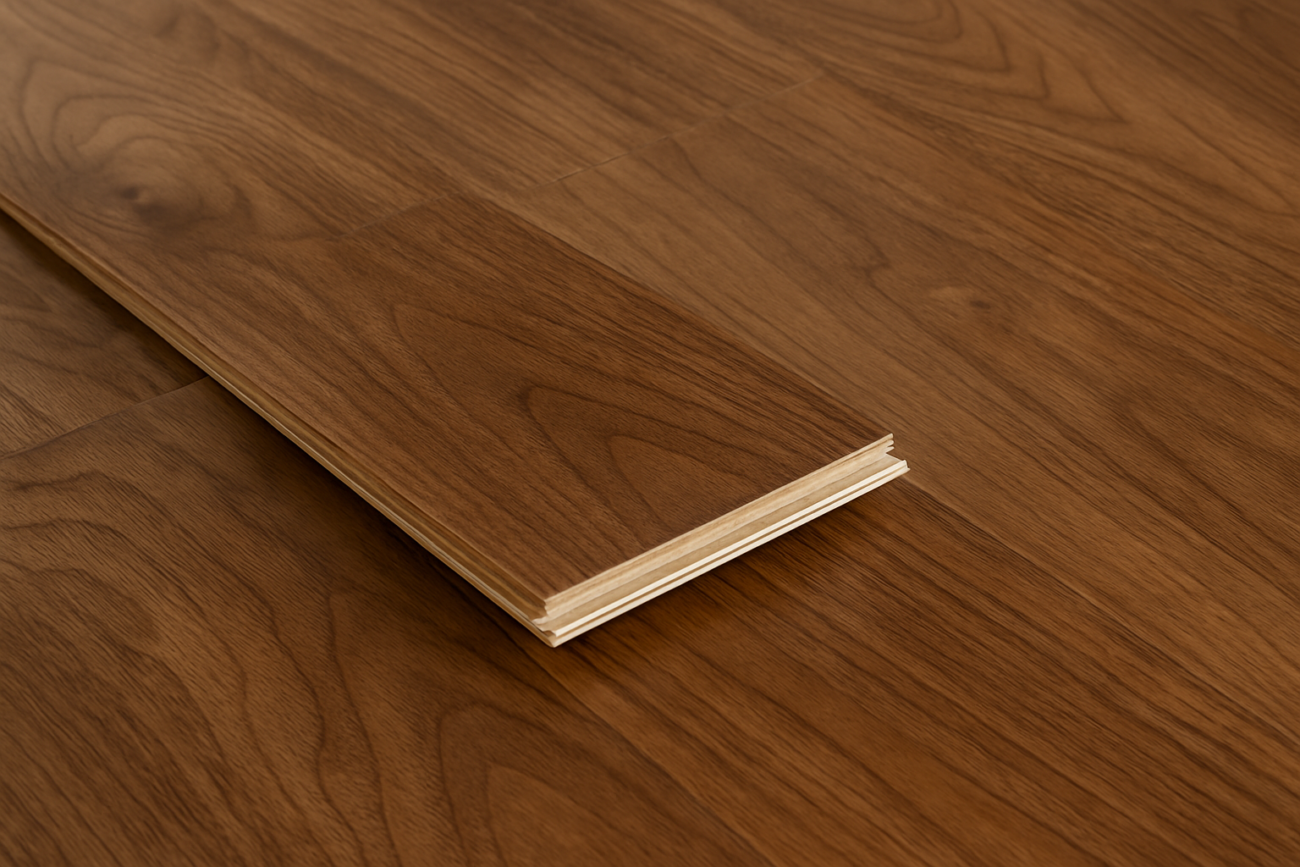
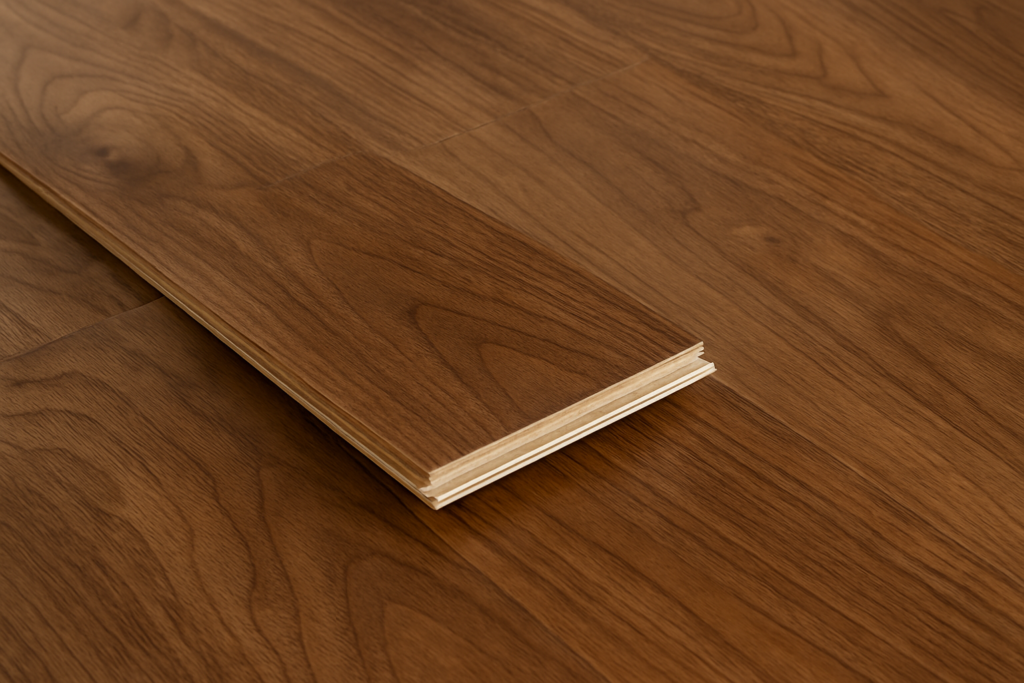
Engineered wood is a type of composite wood flooring. Unlike traditional hardwood, which is made of solid wood, engineered wood consists of several layers of wood veneers. The surface layer uses real wood, while the layers below use plywood or dense fiberboard. This design enhances stability and enables it to withstand fluctuations in humidity or temperature.

Pros of Engineered Wood - Highlinesupplies.com

Pros of Engineered Wood

1. Durability and Stability

  • There are numerous advantages to engineered wood, including its exceptional durability. Because engineered wood is more resistant to expansion and contraction brought on by moisture and temperature fluctuations than pure hardwood is, For places like kitchens, baths, or basements with changing humidity levels, this makes it perfect. A long-lasting flooring choice, engineered wood guarantees stability so that it won’t warp, shrink, or swell with time.

2. Cost-Effective

  • When compared to solid hardwood, engineered wood is generally more affordable. The production process, which uses thinner layers of wood, reduces costs while still providing the same aesthetic appeal. If you’re looking for the luxurious look of hardwood at a fraction of the cost, engineered wood is the way to go.

3. Variety of Styles and Finishes

  • There are many different kinds, colors, and wood species of engineered wood. There is something for every taste, whether your desired walnut is darker and more traditional or white oak engineered wood for a light and airy feel. Natural wood grains made possible by the veneer layer guarantee that the flooring appears just like hardwood but with further advantages.

4. Easy Installation

  • Another big plus of Engineered Wood is how easy it is to put in. A lot of engineered wood flooring options come with click-lock or floating floor systems that make setting it up quick and easy. You don’t need glue, nails, or staples, which cuts down on the time and money it takes to install. Whether you’re into DIY or hiring a pro, you can get engineered wood in place fast and well.

5. Eco-Friendly Option

  • Unlike solid hardwood, engineered wood has less natural wood, which makes it a more sustainable choice. The top veneer layer needs fewer resources, while the core layers can include wood fibers and other eco-friendly materials. Picking engineered wood helps to cut down the need for solid hardwood and protects forests.

6. Resistance to Moisture

  • Regular hardwood floors often warp or buckle when exposed to high humidity. However, engineered wood waterproof options provide an answer to this problem. Some engineered wood products include extra layers that resist moisture, which means you can install them in bathrooms, kitchens, or basements. Engineered wood stays stable and dependable even in places with lots of moisture.

7. Ideal for Floating Floors

  • A standout feature of engineered wood is its ability to create a floating engineered wood floor. This setup lets the floor “float” above the subfloor making it perfect for do-it-yourself projects. You don’t need nails or glue for this method, which makes the setup easier and cuts down on mess.

Pros of Engineered Wood - Highlinesupplies.com

8. Suitable for Underfloor Heating

  • Engineered wood stands out as a top pick if you’re thinking about putting in underfloor heating. Because it’s so stable, engineered wood can handle the ups and downs in temperature that come with radiant heating. This means it’s a cozy and effective choice for houses with underfloor heating setups.

9. Better for Humid Environments

  • For those living in areas with changing weather, engineered wood stands out as a better pick than solid hardwood. The layered structure of engineered wood stops it from warping, shrinking, or growing when moisture levels are high. This makes it the top choice for coastal regions or places that deal with lots of humidity.

Conclusion

The Pros of Engineered Wood give it a leg up for lots of uses, from homes to businesses. It lasts long, costs less, looks good, and goes in easy making it a top pick for your next floor job. Whether you go for white oak engineered wood or a floating engineered wood floor, you’ll get a steady, trusty, and cool fix that works for your wallet and your way of life.

Spire Building Supplies offers a variety of high-quality engineered wood options for those who are prepared to investigate the world of engineered wood. Having a large range of goods and professional guidance, we will assist you in choosing the ideal flooring for your house.

Call to Action

Check out our big range of engineered wood flooring at Spire Building Supplies now. If you want to spruce up your house or kick off a new job, we’ve got the right stuff for you!

Barn Doors vs Pocket Doors
Window Glass Types - Spirebuildingsupplies.com

Window Glass Types: A Comprehensive Guide to Enhance Your Home’s Aesthetic and Functionality

The kind of glass used in the windows you choose for your house will significantly affect both the appearance and utilisation of your space. Whether you are replacing old windows or building new construction, knowledge of the several kinds of Window Glass is crucial. This article will explore the most often used varieties of window glass, their advantages, and how they could increase the comfort, privacy, and energy efficiency of your house. We will also look at framed stained glass windows, stained glass vinyl windows, vintage stained glass windows, kinds of privacy glass for bathroom windows and kinds of tinted window glass.

Window Glass Types - Spirebuildingsupplies.com

1. Classic Choice: Clear Glass

The most often used and classic window choice is clear glass. It’s open, enabling an unhindered view and maximum natural light. Usually utilised in living rooms, bedrooms, and dining rooms, clear glass is ideal for producing brilliant, open spaces.

Clear glass gives little privacy or insulation, even if it offers an excellent view. Here is where alternative kinds of glass can help to fulfil your particular requirements.

Benefits of Clear Glass:

  • Shows great natural light and clarity.
  • Perfect for settings like living areas or conservatories where views are crucial.
  • Simple and easy to clean

2. Low-E Glass: Best Energy Efficiency Available

Special coating on low-E (low emissivity) glass helps to minimise UV and infrared radiation coming through the window without sacrificing visible light level. This method keeps heat inside your house during winter and blocks extra heat in the summer, therefore increasing its energy efficiency.

Key Features of Low-E Glass:

  • Lowers energy consumption by bettering insulating quality.
  • Helps preserve year-round a suitable indoor temperature.
  • Shields floors, furniture, and artwork against UV harm.
  • In single and double-pane models.

3. Tinted Glass to Add Style and Privacy

Tinted Window Glass is a great option if you want windows that provide both privacy and low glare. Depending on your aesthetic tastes and privacy requirements, tinted windows come in a range of tones, including bronze, grey, or reflecting.

Types of Tinted Glass:

  • Ideal for regions with lots of sunlight, grey-tinted glass lowers glare without changing colour.
  • Modern and classic dwellings would find a warm tone from bronze-tinted glass.
  • Perfect for offices or bedrooms, reflective tincted glass prevents solar heat and provides great degrees of privacy.

Benefits of Tinted Glass:

  • Improves privacy, especially in cities.
  • Lowers direct sunlight’s glare, therefore improving the comfort of the rooms.
  • Helps keep your house cooler during summer.
  • Gives your windows a clean, contemporary look.

Window Glass Types - Spirebuildingsupplies.com

4. Frosted Glass: Privacy Without Giving Up Light

Bathroom windows often include frosted glass, where natural light is still required, but seclusion is absolutely vital. Treatment of this glass type produces a matte coating that diffuses light and keeps people from seeing through the window.

Ideal Uses for Frosted Glass:

  • Windows in bathrooms and shower doors
  • Front doors for increased seclusion
  • Windows in offices or meeting rooms

Benefits of Frosted Glass:

  • Gives anonymity while letting light get through.
  • Lessens the need for blinds or drapes as window coverings.
  • Gives bathrooms and bedrooms a modern touch.

5. Framed Stained Glass Windows: A Timeless Classic

Framed stained glass windows are a great way to provide your house with some artistic flair and craftsmanship. Little bits of coloured glass are used to make complex patterns or decorations in these windows. Although stained glass is primarily connected with churches and historical buildings, it can also give modern houses charm and colour.

Benefits of Framed Stained Glass:

  • Gives your room original, artistic accents.
  • presents a classic look fit for both traditional and modern homes.
  • Customisable designs let you make your house seem unique.

Considerations:

  • Given their typically delicate nature, stained glass windows could demand more maintenance than clear or frosted glass.
  • Stained glass can be costly based on the intricacy of the design.

6. Stained Glass Vinyl Windows: Modern Elegance with Durability

Modern elegance with durability comes from stained glass vinyl windows.

Stained glass vinyl windows are the ideal answer if you want the beauty of stained glass without the fragility and great upkeep. These windows give the classic appearance of stained glass combined with the contemporary longevity of vinyl by using vinyl framing with stained glass inserts.

Benefits of Stained Glass Vinyl Windows:

  • Combines vinyl’s low-maintenance advantages with the elegance of stained glass.
  • Cheaper than conventional stained glass windows
  • Resistant to the elements, it guarantees continuous performance.

7. Window Glass with Bubbles: Adding Texture and Character

Perfect for homeowners wishing to give their windows texture, bubble glass has a distinctive and vintage appeal. The glass gains a handmade, vintage appearance via the deliberate addition of bubbles during manufacture. Any part of your house where you wish to accentuate rustic appeal or old-world elegance might have this kind of glass.

Benefits of Window Glass with Bubbles:

  • Gives your windows a unique and textured look.
  • Gives some privacy since the bubbles skew the perspective from the outside.
  • Fits perfectly with rustic and retro home décor ideas.

8. Privacy Glass for Bathroom Windows: Practical and Elegant

Bathrooms give privacy first importance. Hence, privacy glass for bathroom Windows is the best answer. To cover the outside view, this kind of glass might be frosted, patterned, or tinted.

Types of Privacy Glass for Bathroom Windows:

  • Perfect for allowing natural light to flood the area while yet offering privacy is frosted glass.
  • Features ornamental patterns in patterned glass that hide vision without blocking light.
  • Perfect for your bathroom to create a spa-like environment, textured glass adds both texture and seclusion.

Benefits of Privacy Glass for Bathroom Windows:

  • It stops outsiders from viewing inside while preserving light flow.
  • Creates in the bathroom a spa-like tranquillity.
  • Available in many textures and styles to complement the look of your house.

Window Glass Types - Spirebuildingsupplies.com

9. Energy-efficient glass keeps your house comfortable all year long.

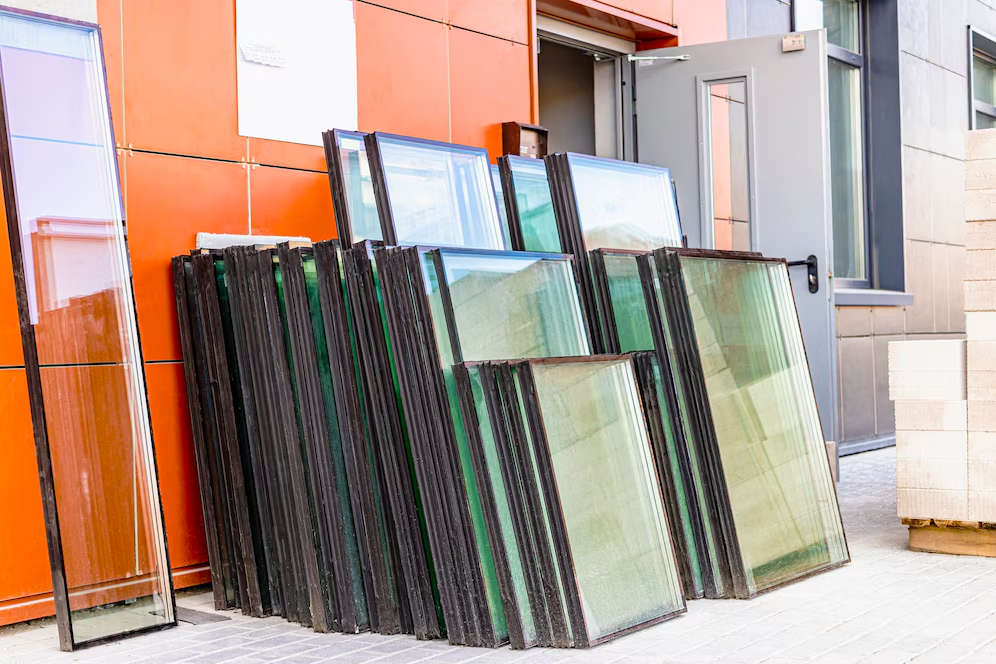
Double-glazed or triple-glazed Window Glass, among other energy-efficient varieties, features many layers of glass with a gas-filled space between to provide exceptional insulating value. By keeping warm air inside your house during the winter and blocking heat during the summer, this kind of glass lowers heat transmission, therefore increasing the energy-efficient nature of your house.

Key Features of Energy-Efficient Glass:

  • Lessens heat loss, therefore lowering the demand for heating and cooling.
  • Helps, over time, reduce your energy costs.
  • Available in several finishes, with choices for low-e and tinted glass.

Conclusion

Your particular needs—privacy, aesthetics, energy efficiency, and budget—will determine which Window Glass Type is best for your house. There is a solution for any house design, whether your taste is for elegant framed stained glass windows, utilitarian privacy glass for bathroom windows or the contemporary attractiveness of several types of tinted window glass. When selecting your windows, be sure to take into account the elements most important to you and see a professional to be sure you are receiving the most value for your money and performance.

FAQs

1. What are the 4 main types of glass?
There are four main types or strengths of glass:
  • 1) Annealed Glass. Annealed glass is a basic product formed from the annealing stage of the float process. …
  • 2) Heat Strengthened Glass. Heat Strengthened Glass is semi tempered or semi toughened glass. …
  • 3) Tempered or Toughened Glass. …
  • 4) Laminated Glass.
2. What type of glass is best for windows?

The “best” type of glass for windows depends on factors like energy efficiency, safety, and aesthetics. Double-pane windows, especially with low-E coatings and gas fills, offer excellent insulation, while tempered glass and laminated glass enhance safety. For energy efficiency, triple-pane windows are even better, while tinted or reflective glass can improve aesthetics and reduce glare.

3. Which quality of glass is best?

Toughened and laminated glass are the way to go. Toughened glass is around five times stronger than standard float glass – and it’s all thanks to the manufacturing process. Glass is toughened in a furnace at an extremely high temperature and then cooled rapidly.

4. Is smart sun glass worth it?

You may find smart glass to be a bit expensive, but considering the technology incorporated in them, the price range is understandable. However, if you add up the costs of cleaning and energy costs across its lifetime along with its other benefits it is actually a very cost-effective product.

5. What is the best glass for exterior windows?

Which glass should be used for windows? For most residential applications, double-pane glass with Low-E coating is recommended. This provides good energy efficiency and comfort. However, specific needs might call for tempered glass in safety areas or laminated glass for sound reduction

Hardwood Flooring Basics - Spirebuildingsupplies.com

Hardwood Flooring Basics

 Welcome to the Hardwood Flooring Basics page. You have arrived at the correct site if you are thinking about hardwood flooring for a home renovation! Because of its classic beauty, durability, and adaptability, hardwood flooring is still a favourite choice for homeowners. Hardwood flooring may greatly improve the appearance of your house and provide long-lasting value whether you are installing new or replacement flooring.

Hardwood Flooring Basics - Spirebuildingsupplies.com

However, with so many options out there, finding the perfect hardwood flooring for your needs can be a bit overwhelming. Companies like Mansfield Flooring and Hardwood Flooring Pros Dallas in Grand Prairie, TX, provide a variety of options. Still, it’s important to understand what’s available and how to make the best decision for your space. The goal of this guide is to help you navigate the world of hardwood flooring, from types and materials to installation and pricing, and ultimately help you make an informed decision. Let’s dive in.

What Is Hardwood Flooring?

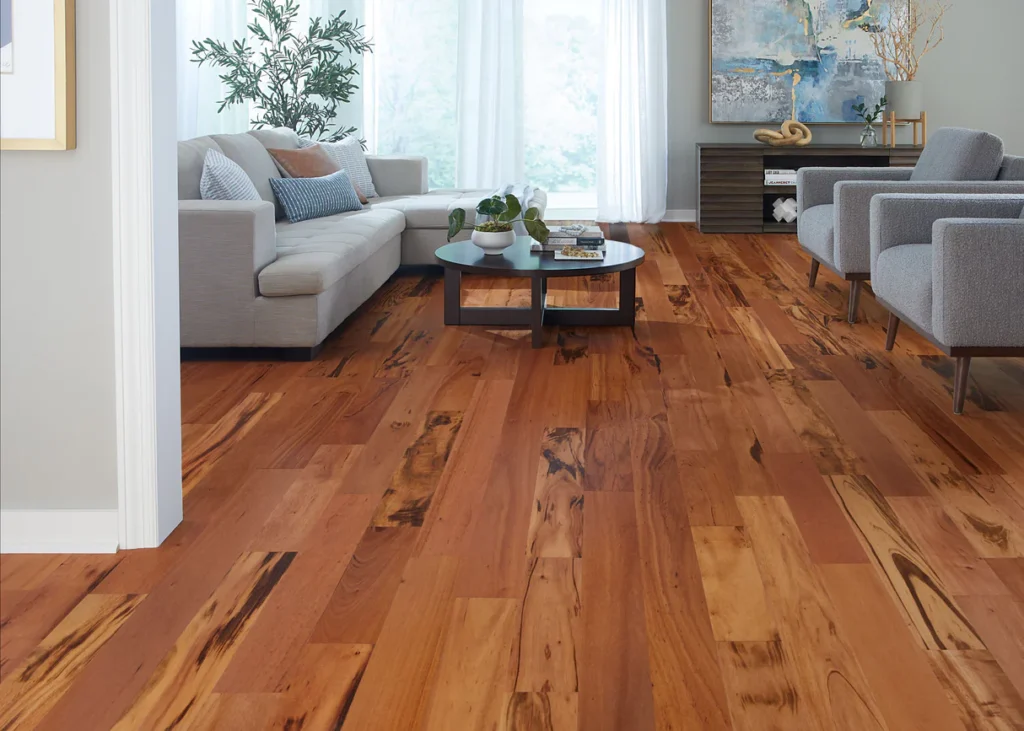
At its core, hardwood flooring is made from solid wood, which is sourced from trees like oak, maple, cherry, or walnut. These natural materials provide a timeless, rich look that enhances any space, from living rooms to bedrooms and even kitchens. Hardwood floors come in various finishes, styles, and colours to complement any home décor, whether you’re going for rustic charm or sleek modern appeal.

There are twomain types of hardwood flooring:

  1. Solid Hardwood Flooring: Solid Hardwood Flooring Basics is composed of one piece of wood, as the name would imply. Often raising the value of your house, it is very robust and may endure decades. For places where foot activity and wear over time can be tolerated, solid hardwood is fantastic. It’s a popular choice for homeowners looking for traditional, long-lasting options.
  2. Engineered Hardwood Flooring: Engineered hardwood flooring is a more versatile option that consists of a layer of hardwood on top of a plywood or high-density fiberboard (HDF) core. This construction makes engineered hardwood more resistant to humidity and temperature changes compared to solid wood. For kitchens, basements, and other places where moisture levels could change, it’s a great option. Though with more solidity, engineered hardwood still offers the appearance and feel of real wood.

Benefits of Hardwood Flooring

Hardwood floors offer numerous benefits, including:

  • Aesthetic Appeal: Any space would look better and more warm with Flooring. Hardwood has a natural beauty that is impossible to reproduce with other materials, whether your preference is light oak or rich walnut.
  • Durability: The strength and lifetime of hardwood are well-known. Solid hardwood flooring, especially, may survive for centuries when kept correctly. Particularly in high-moisture environments, engineered hardwood also boasts amazing longevity.
  • Increased Home Value: Many homebuyers prefer hardwood floors due to their timeless appeal and longevity. Installing hardwood floors can significantly increase the value of your property, making it a smart investment.
  • Easy to Clean: Hardwood flooring is really simple to keep. They will remain clean with regular sweeping or vacuuming; occasional mopping will help them to seem brand new. Hardwood is perfect for those with allergies as, unlike carpet, it does not collect dust or allergens.
  • Versatility: Hardwood Flooring can accentuate any kind of design in your house, whether conventional or contemporary. Customizing the flooring to fit your house’s décor is made possible by the many wood varieties, treatments, and hues.

Hardwood Flooring Basics - Spirebuildingsupplies.com

Types of Hardwood Flooring

Here are the most popular types of hardwood flooring:

  1. Oak Hardwood Flooring: Available in red or white oak, oak is noted for its adaptability and robust grain. Whitewood looks neutral light; red oak has a reddish tone.
  2. Maple Hardwood Flooring: A sleek and modern option with a fine, consistent grain, maple is durable and brightens spaces.
  3. Cherry Hardwood Flooring: Cherry flooring gives a rich, warm appeal that is ideal for sophisticated areas. Its reddish-brown hue increases with time.
  4. Walnut Hardwood Flooring: Known for its luxurious, dark tone and bold grain, walnut creates a dramatic, sophisticated effect in formal spaces.
  5. Hickory Hardwood Flooring: Offering a rustic feel, hickory is durable and ideal for high-traffic areas, with natural colour variations that add character.

Hardwood Flooring Installation

Key steps to ensure a smooth installation

  1. Preparation: Empty the area, and then examine the floor’s level.
  2. Acclimation: Allow the wood to acclimate to the temperature and humidity of the room for a minimum of 48 hours.
  3. Installation: If you have the right kind of wood, you can nail, glue, or lay the boards.
  4. Finishing: Sand and finish the wood with your choice of oil-based, water-based, or polyurethane finishes for added protection and shine.

Hardwood Flooring Maintenance

Once your hardwood floor is installed, maintaining its beauty requires only a little effort:

  • Regular Cleaning: Sweep or vacuum regularly to remove dirt and dust. Avoid using wet mops, which can damage wood over time.
  • Prevent Scratches: Use area rugs in high-traffic areas and place felt pads under furniture legs to prevent scratches and dents.
  • Refinishing: Over time, you may need to refinish your solid hardwood flooring to restore its original lustre. With engineered wood, the top layer may be thinner, so refinishing is not always an option.

Hardwood Flooring Basics - Spirebuildingsupplies.com

Conclusion

Hardwood flooring remains one of the best choices for homeowners looking for a durable, stylish, and timeless flooring solution. Whether you choose solid hardwood flooring or engineered hardwood, the key is to understand your options and choose the right type of wood, finish, and installation method for your home. Spire Building Supplies has a comprehensive choice of high-quality Hardwood Flooring Basics alternatives, including conventional oak and elegant walnut. We have the products you need to make your home flourish, whether you are searching for engineered hardwood flooring or luxury vinyl flooring. Visit our website now to see our selection.

Frequently Asked Questions

Q: What is the best type of hardwood for a family home?

  • A: Oak is a great choice for families due to its durability and versatility. Maple and hickory are also excellent options for busy households.

Q: Can I install hardwood flooring in my kitchen?

  • A: Yes, but choose engineered hardwood for areas with fluctuating moisture levels, like the kitchen. It’s more stable than solid wood and can withstand spills better.

Q: How often should I refinish my hardwood floors?

  • A: Solid hardwood floors may need refinishing every 7-10 years, depending on the level of wear. Engineered hardwood floors, however, may not be refinishable as often.

Hollow Core vs Solid Core Doors: Which Door is Right for You?

1 Panel Shaker 6'8" Height - Interior Door - spirebuildingsupplies.com

1 Panel Shaker 6’8″ Height – Interior Door

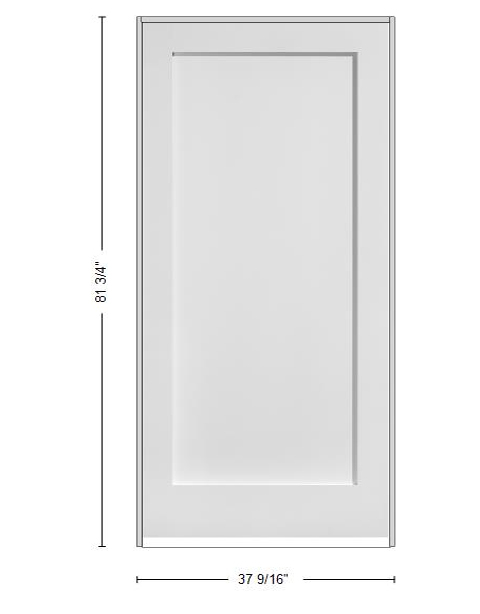
1 Panel Shaker 6’8″ Interior Door – A Stylish Update for Your Home
Modernize your space with the 1 Panel Shaker Interior Door, designed for functionality and style. Exclusively available at Spire Building Supplies, this door offers a sleek, square-top design to elevate your home’s interiors.


Key Features of the 1 Panel Shaker Door

  • Durable MDF Construction:
    Made from primed MDF, this door ensures a sturdy build with a smooth finish that’s easy to paint and customize.
  • Simple Square-Top Design:
    The 1 Panel square-top style provides a minimalist yet refined look, ideal for contemporary and transitional interior designs.
  • Standard Height:
    At 6’8″, this door fits seamlessly into standard residential spaces, from bedrooms to closets and more.
  • Black Hardware for a Bold Touch:
    Featuring black hardware (US1D), this door adds a modern contrast that enhances its aesthetic appeal.
  • Left-Handed Configuration:
    Specifically designed for left-handed use, ensuring the perfect fit for your layout.
  • Compact yet Versatile Width:
    With a unit width of 25 9/16″, this door is perfect for smaller spaces without compromising on design.

Specifications

  • Model: 1 Panel Shaker 6’8″ Height Interior Door.
  • Core Type: Single bore for easy installation of door hardware.
  • Frame Width: 4 5/8″, suitable for standard frames.
  • Finish: Primed MDF for a customizable look.
  • Additional Info: Sticking features a square flat profile for a clean finish.

Why Choose the 1 Panel Shaker Door?

This door offers more than just practicality—it’s a design element that transforms interiors. The sleek square-top design pairs beautifully with modern and minimalist aesthetics, while its durable MDF build ensures longevity. Black hardware provides a stylish contrast, making it a versatile choice for any room.

Whether you’re updating a bedroom, closet, or hallway, the 1 Panel Shaker Door brings a blend of simplicity and elegance. Its compact dimensions and lightweight design make it easy to install and maintain, while the primed finish allows for effortless customization.


Order Now and Upgrade Your Space!
Spire Building Supplies is your trusted source for high-quality interior doors. Choose the 1 Panel Shaker 6’8″ Interior Door today and redefine your home’s style.


Door: MDF Panel 2’0″ x 6’8″ 1 Panel Square Top | Primed MDF | 1 3/8″ | Single Bore | Black – US1D | Standard | Sticking: Square Flat
Additional Info: | 25 9/16″ Unit Width x 81 3/4″ Unit Height | Left Handed | 4 5/8″ | Primed FJ Flat | 1 1/8″ L8540 R2E | No Trim
1 Panel Shaker 8'0" Height - Interior Door - spirebuildingsupplies.com

1 Panel Shaker 8’0″ Height – Interior Door

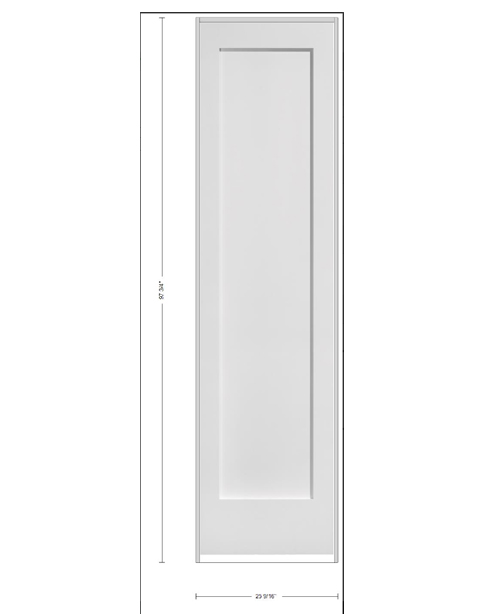
1 Panel Shaker 8’0″ Interior Door – Sophistication Meets Functionality
Upgrade your home interiors with the timeless elegance of the 1 Panel Shaker Interior Door. Designed for both style and durability, this door is the perfect choice for modern and transitional homes. Available exclusively at Spire Building Supplies, this door combines high-quality materials with a sleek aesthetic.


Key Features of the 1 Panel Shaker Door

  • Durable MDF Construction:
    Crafted from primed MDF, this door offers a smooth surface for painting and a sturdy structure for long-lasting use.
  • Elegant Square-Top Design:
    The minimalist square-top panel is a hallmark of modern interior design, making this door a perfect fit for contemporary spaces.
  • Impressive 8’0″ Height:
    Ideal for homes with higher ceilings, this door creates a grand and seamless look, adding visual height to any room.
  • Satin Nickel Hardware for a Polished Finish:
    Featuring Satin Nickel (US15) hardware, the door exudes sophistication and complements various decor styles.
  • Left-Handed Configuration:
    Specifically designed for left-handed use, ensuring optimal functionality for your layout.
  • Compact and Versatile Width:
    With a unit width of 19 9/16″, this door is a space-saving solution without compromising design appeal.

Specifications

  • Model: 1 Panel Shaker 8’0″ Height Interior Door.
  • Core Type: Single core for reliable performance.
  • Frame Width: 4 5/8″, suitable for standard frames.
  • Finish: Primed MDF for easy customization.
  • Additional Info: Engineered flat overlay for enhanced durability.

Why Choose the 1 Panel Shaker Door?

This door isn’t just a functional element—it’s a design statement. Its clean lines and premium Satin Nickel hardware make it an excellent choice for any room in your home. Whether used in living areas, bedrooms, or hallways, this door blends seamlessly with modern and transitional aesthetics.

The 8’0″ height enhances spaces with higher ceilings, offering a seamless look that exudes luxury. The primed MDF construction ensures you can easily paint or stain the door to match your home decor, while the robust design guarantees durability for years to come.


Order Your 1 Panel Shaker Door Today!
Spire Building Supplies offers premium interior doors designed to meet your needs. Transform your space with the sleek and modern 1 Panel Shaker 8’0″ Interior Door.


Door: MDF PANEL 1’6″ x 8’0″ 1 Panel square top | Primed MDF | 1 3/8″ | Single Core | Satin Nickel – US15 | Standard
Additional Info: | 19 9/16″ Unit Width x 97 3/4″ Unit Height | Left Handed | 4 5/8″ | Hardwood/Primed MDF overlay Engineered Flat | 1 3/8″ Hardwood/Primed R2E | No Trim
Back to Top

Search For Products

Product has been added to your cart