Fiberglass Doors in Fort Worth & Arlington

A Complete Guide to Buying Fiberglass Doors in Fort Worth & Arlington

When upgrading your home’s entryway, fiberglass doors in Fort Worth & Arlington have become one of the most popular choices among homeowners. These doors combine modern design, strong security, and energy efficiency—three features that are especially important for Texas homes facing intense heat and changing weather conditions. Whether you are renovating your entryway or building a new home, choosing the right fiberglass door can improve your property’s appearance, comfort, and long-term value.

In this guide, the experts at Spire Building Supplies explain how fiberglass doors work, why they’re ideal for Texas homes, and how to choose the right design for your property.

Why Fiberglass Doors Are Ideal for Texas Homes

Homeowners in Fort Worth and Arlington often deal with strong sunlight, humidity changes, and occasional storms. Fiberglass doors are built to handle these conditions while maintaining their appearance and performance.

Weather Resistance

Unlike traditional wood doors, fiberglass does not warp, crack, or swell when exposed to heat and humidity. This makes it a dependable option for Texas climates where temperature changes are common.

Energy Efficiency

Modern fiberglass doors are designed with insulated cores that help prevent heat transfer. This keeps indoor temperatures stable and can reduce cooling costs during hot Texas summers.

Enhanced Security

High-quality fiberglass doors typically include reinforced internal frames or steel cores, along with multi-point locking systems. These features provide strong protection without compromising design.

Low Maintenance

Fiberglass doors require minimal upkeep. A simple cleaning routine keeps them looking new, eliminating the need for regular painting, staining, or sealing.

Expert Tip: When shopping for fiberglass doors, look for models with insulated foam cores and durable weather stripping designed for extreme temperatures.

Popular Fiberglass Door Styles for Fort Worth & Arlington Homes

The right door style can dramatically improve your home’s curb appeal while also increasing natural light and functionality.

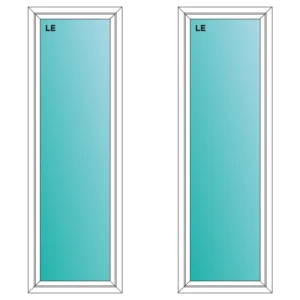
Double Door With 6 Flush Glazed Panels

This traditional design features six sleek glass panels embedded evenly within the door structure. It allows natural light into the entryway while maintaining a balanced, elegant appearance that suits both classic and transitional homes.
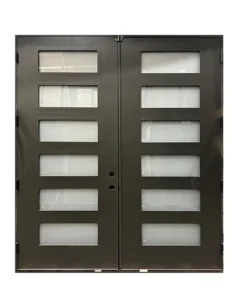
Double Door With 6 Flush Glazed Panels

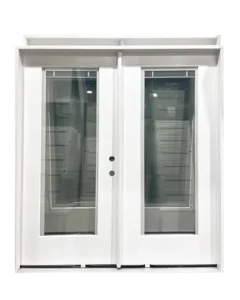
Double Door With Blinds, Flush Glazed

These doors include built-in blinds sealed between glass panels. The design allows homeowners to adjust light levels and privacy without needing external window coverings.
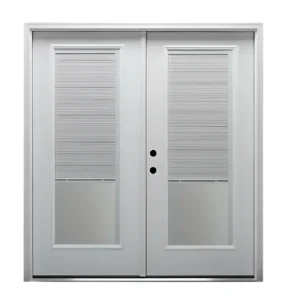
Double Door With Blinds, Flush-Glazed

Double Door With Blinds Glass

A modern alternative that also includes adjustable internal blinds. This option is popular in contemporary homes where homeowners want both convenience and visual appeal.

Pro Insight: Always check the alignment and locking mechanism of double doors to ensure stability and security, especially in areas that experience strong winds.
Double Door With Blinds Glass

How to Choose the Right Fiberglass Door

Selecting the perfect door requires more than just picking a design. Consider these important factors before making a decision.

Measure the Door Opening

Accurate measurements are essential to ensure the door fits correctly within the frame. Incorrect sizing can lead to installation issues and energy loss.

Look for energy certifications.

ENERGY STAR-rated doors provide better insulation and can significantly reduce heating and cooling costs.

Check Build Quality

High-quality fiberglass doors typically include reinforced frames, steel cores, and UV-resistant finishes that protect the door from sun damage.

Focus on Security Features

Multi-point locking systems and durable hardware improve safety and long-term reliability.

Match Your Home’s Exterior

Choose a door style and finish that complements your home’s architecture and color scheme.

Tip: Many homeowners in Texas prefer double fiberglass doors with flush-glazed blinds because they balance modern design with practical functionality.

Common Mistakes Homeowners Should Avoid

Even a high-quality door can underperform if important factors are overlooked.

Prioritizing Style Over Performance
A door that looks good but lacks insulation or durability may lead to higher energy costs over time.

Skipping Professional Installation
Improper installation can cause air leaks, misalignment, and security issues.

Ignoring Local Climate Needs
Doors that are not designed for extreme weather may fade, expand, or lose efficiency.

Choosing Low-Quality Hardware
Locks, handles, and hinges should be durable enough to withstand daily use and exposure to weather.

Expert Insights From Texas Door Installations

Professionals who regularly install entry doors in Fort Worth and Arlington often observe several key benefits of fiberglass doors.

  • Well-insulated doors help reduce electricity bills.
  • Built-in blinds provide convenient privacy without extra cleaning.
  • Professional installation ensures the door performs as designed for years.

Customer Experiences

Maria T., Arlington, TX
We replaced our old wooden entry door with a fiberglass double door with built-in blinds. It looks beautiful and keeps the house cooler during summer.

James L., Fort Worth, TX
The fiberglass doors we installed are strong, stylish, and require almost no maintenance—definitely a great investment.

Frequently Asked Questions

Are fiberglass doors better than wood doors for Texas homes?
Yes. Fiberglass doors resist warping, cracking, and fading, making them more durable in extreme weather conditions.

Can double doors with built-in blinds be installed without professional help?
DIY installation is possible, but professional installation ensures proper sealing, alignment, and security.

How long do fiberglass doors last?
High-quality fiberglass doors typically last 25 to 30 years or longer with minimal maintenance.

Do fiberglass doors require painting?
Most fiberglass doors come pre-finished and do not require regular painting or sealing.

Are fiberglass doors energy efficient?
Yes. Many models include insulated cores that reduce heat transfer and improve indoor comfort.

Conclusion

Installing fiberglass doors in Fort Worth & Arlington is a smart investment for homeowners who want durability, energy efficiency, and modern design in a single solution. From elegant double doors with flush-glazed panels to practical models with built-in blinds, fiberglass entry doors can enhance both the appearance and functionality of your home.

For expert guidance, quality materials, and professional installation, Spire Building Supplies offers a wide selection of fiberglass doors designed specifically for Texas homes.

See our exclusive collection of horizontal sliding windows. Visit this page: Space-Saving Advantages of the Best Horizontal Sliding Windows for Small Rooms

About the Author

At Spire Building Supplies, we bring over 15 years of expertise in helping Texas homeowners choose and install the perfect entry doors. Our team specializes in fiberglass doors, double doors with flush-glazed panels, and energy-efficient solutions that combine style, durability, and security. We’re committed to providing trusted advice, high-quality products, and professional installation to transform every home’s entryway.
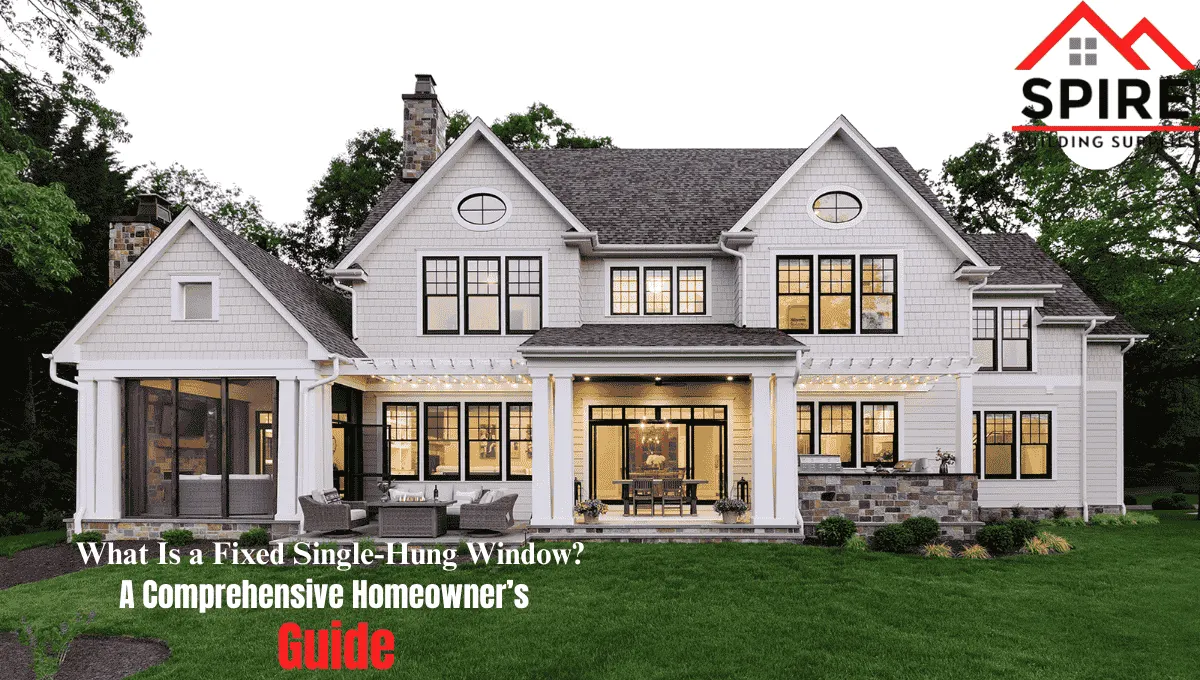
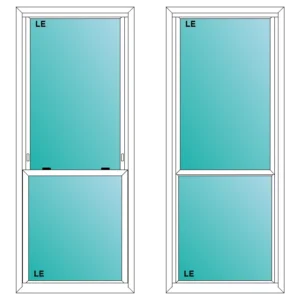
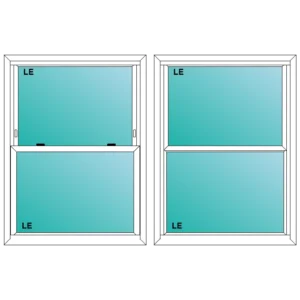
What Is a Fixed Single-Hung Window?

What Is a Fixed Single Hung Window? A Comprehensive Homeowner’s Guide

Windows do much more than bring natural light into your home—they influence energy efficiency, ventilation, comfort, and even property value. Many homeowners researching window upgrades often ask a common question: What is a fixed single-hung window, and how does it differ from other window styles? With terms like ‘fixed windows’, ‘single-hung windows’, and ‘hybrid window designs’ appearing in product catalogs, choosing the right option can quickly become confusing.

In this guide, we’ll explain what a fixed single hung window is, how it works, and where it’s best used in modern homes. We’ll also cover key benefits, installation considerations, and how window options like INSPIRE VINYL SH 2060, INSPIRE VINYL SH 2660, and INSPIRE VINYL SH 3040 are used in today’s residential construction.

Understanding the Basics: What Is a Fixed Single-Hung Window?

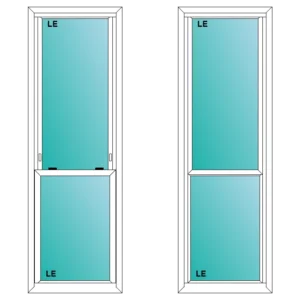
A fixed single hung window refers to a window configuration where part of the unit is fixed (non-operable) while the other sash operates like a traditional single-hung window.

In a standard single-hung window:

  • The bottom sash slides vertically
  • The top sash remains fixed

In a fixed single hung configuration, the design emphasizes a larger fixed glass area, often paired with a single operable sash for limited ventilation.

Why This Design Exists

From an architectural perspective, the goal is to maximize natural light while maintaining simple ventilation. Fixed glass panels allow larger, uninterrupted views and better energy performance, while the single hung mechanism provides airflow when needed.

This combination is especially common in:

  • Living rooms
  • Stairwells
  • Dining rooms
  • Modern home elevations

Key Features of Fixed Single-Hung Windows

1. Simple Vertical Operation

Only one sash moves—usually the bottom. This makes the window easy to use and mechanically reliable.

Fewer moving parts generally mean less long-term maintenance.

2. Larger Glass Area

Because one section is fixed, the design allows bigger glass panels, which means:

  • More daylight
  • Clearer outdoor views
  • A more modern appearance

3. Strong Energy Efficiency

Fixed glass areas tend to seal better than operable frames. This reduces air leakage and improves insulation performance.

Many homeowners notice lower heating and cooling costs, especially in climates with seasonal temperature swings.

4. Cost-Effective Window Style

Compared with fully operable windows, fixed single-hung designs are often more affordable while still offering ventilation.

Where Fixed Single Hung Windows Work Best

Choosing the right location is key. As someone who has worked with homeowners during window upgrades, I’ve noticed that these windows perform best in spaces where light matters more than airflow.

Living Rooms

Large fixed glass sections bring in daylight and create a bright, open feeling.

Staircases

Stairwells often need light but not ventilation. A fixed design keeps things simple and efficient.

Dining Areas

These spaces benefit from clear outdoor views without complicated window mechanisms.

Second-Story Installations

Since the top section is fixed, the window can provide structural stability and safety in elevated installations.

Popular Window Options Homeowners Choose

Modern vinyl window systems offer several variations that combine durability with energy performance. Three popular models include:

INSPIRE VINYL SH 2060

This option balances durability and simplicity. It’s often used in residential renovations where homeowners want reliable vertical operation with a clean vinyl frame design.

INSPIRE VINYL SH 2060

INSPIRE Vinyl SH 2660

A slightly upgraded system, this model typically offers enhanced insulation features and stronger frame construction. It’s a popular choice for homeowners looking for better thermal performance.

INSPIRE Vinyl SH 2660

INSPIRE VINYL SH 3040

Designed for larger window openings, this configuration supports bigger glass panels, which means more natural light and a stronger visual impact.

Many homeowners prefer these systems because vinyl frames provide:

  • Low maintenance
  • Moisture resistance
  • Long-term durability

INSPIRE VINYL SH 3040

What Contractors Recommend

After years of observing window installations across different home styles, one pattern becomes clear:

Homeowners often overestimate how much ventilation they actually use.

In practice, many windows remain closed most of the year—especially in homes with modern HVAC systems.

That’s why contractors often recommend fixed glass combinations. They provide:

  • Better insulation
  • Lower costs
  • Cleaner exterior aesthetics

A smart design strategy is to mix window types throughout the house—using operable windows in bedrooms and kitchens while installing fixed single hung units in spaces that mainly need daylight.

Installation Considerations

Before installing a fixed single-hung window, homeowners should think about a few practical factors.

Frame Material

Vinyl remains one of the most popular materials because it:

  • Doesn’t rot
  • Requires minimal maintenance
  • Resists weather damage

Window Orientation

South- and west-facing windows receive the most sunlight. Fixed panels in these areas can significantly improve indoor brightness.

Insulation Performance

Look for windows with:

  • Double- or triple-pane glass
  • Low-E coatings
  • Proper weather sealing

These features help maintain consistent indoor temperatures year-round.

Common Mistakes Homeowners Make

Even though fixed single-hung windows are straightforward, a few common mistakes can affect performance.

Choosing the Wrong Size
Oversized windows without proper framing support can lead to structural issues or air leaks.

Ignoring Ventilation Needs
Some rooms—especially kitchens and bathrooms—require active airflow. Fixed designs should not replace ventilation in those areas.

Focusing Only on Price
Lower-cost windows sometimes sacrifice glass quality or frame durability, which can affect energy efficiency over time.

Investing in reliable products usually pays off through lower maintenance and better insulation.

Real Customer Testimonials

Homeowners who switch to fixed single hung windows often mention similar benefits.

Jessica M., Texas
We replaced our old living room windows with larger fixed panels and a single-hung bottom sash. The amount of natural light we get now is incredible.

David R., Illinois
The vinyl frames are basically maintenance-free. No repainting, no warping—just clean glass and smooth operation.

Mark T., Colorado
Our energy bills dropped after upgrading the windows. The sealed glass panels definitely make a difference during winter.

Frequently Asked Questions

What is a fixed single-hung window?
It features one fixed glass panel and one movable sash, typically the bottom, for vertical ventilation.

Are fixed single-hung windows energy-efficient?
Yes, their sealed design reduces air leakage and improves insulation for better energy performance.

Where are fixed single-hung windows best used?
They’re ideal for living rooms, staircases, and dining areas where light is prioritized over airflow.

Are vinyl fixed single-hung windows durable?
Yes, vinyl frames are strong, moisture-resistant, and require very low maintenance over time.

Can fixed single-hung windows be customized?
Yes, they can be customized in size, frame color, and glass options to match any home style.

Final Thoughts

Choosing the right window style can dramatically improve comfort, natural lighting, and energy performance in your home. A fixed single-hung window offers a practical balance between ventilation, insulation, and modern design.

For homeowners planning renovations or new construction, exploring high-quality vinyl window systems—like those available through Spire Building Supplies—can make a noticeable difference in both performance and aesthetics.

If you’re looking to upgrade your windows with durable, energy-efficient designs, the experts at Spire Building Supplies can help you find the right solution for your home.

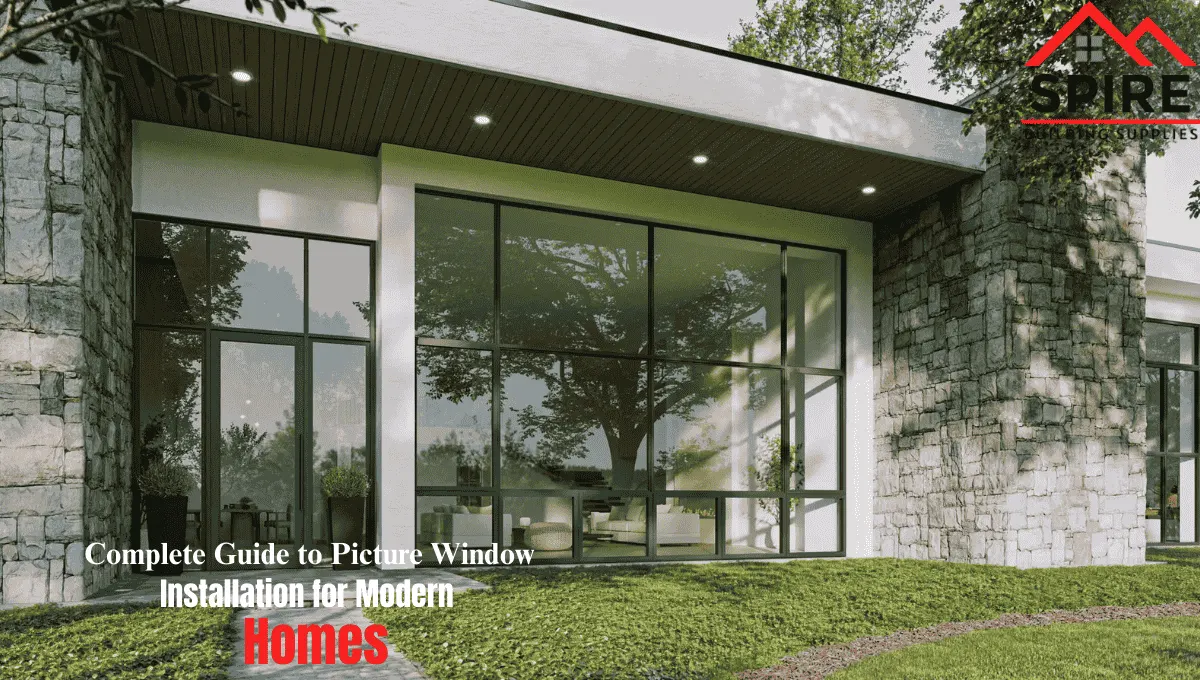
See our best collection of picture windows. Visit this page: Complete Guide to Picture Window Installation for Modern Homes.

Author Bio

Spire Building Supplies Team
Window & Home Improvement Specialists

The Spire Building Supplies team consists of experienced professionals specializing in window systems, exterior building materials, and home improvement solutions. With industry expertise supporting builders and homeowners across the United States, the team shares practical insights to help readers choose durable, energy-efficient products for modern homes.

Picture Window Installation

Complete Guide to Picture Window Installation for Modern Homes

Natural light changes everything. I’ve seen dark living rooms feel twice as large after one well-placed window upgrade. And in today’s modern homes, nothing frames outdoor views better than a properly executed picture window installation.

But here’s what most homeowners don’t realize:

A picture window isn’t just about glass. It’s about structural support, energy efficiency, proper flashing, sizing, and long-term durability. One small mistake during installation can lead to air leaks, water intrusion, or expensive repairs down the line.

This guide walks you through everything — from planning to product selection — based on real-world installation experience and practical insight. If you’re considering upgrading your home, this will help you make the right decisions with confidence.

What Is a Picture Window (And Why Modern Homes Love It)?

A picture window is a large, fixed window that does not open. It’s designed to “frame” outdoor views like artwork.

Modern homes prefer picture windows because they:

  • Maximize natural light
  • Improve energy efficiency (fewer moving parts = tighter seal)
  • Create clean architectural lines
  • Enhance curb appeal
  • Increase perceived room size

In open-concept homes especially, a strategically placed picture window becomes a focal point.

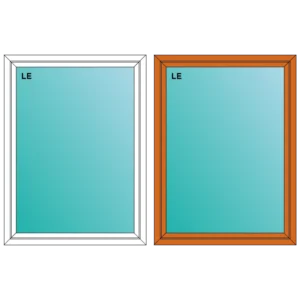
Picture Window

Is Picture Window Installation Right for Your Home?

Before installation, ask yourself:

  • Do you want more natural light?
  • Is ventilation already handled by other windows?
  • Do you have a scenic backyard or front elevation?
  • Are you renovating or building new?

Picture windows work exceptionally well in:

  • Living rooms
  • Staircases
  • Dining areas
  • Home offices
  • Front elevations

In hot U.S. climates like Texas or Arizona, proper low-E glass and insulated frames are critical to prevent heat gain.

Step-by-Step Overview of Professional Picture Window Installation

Here’s how experienced installers approach it:

1. Structural Assessment

This is where many DIY attempts fail.

Installers check:

  • Load-bearing walls
  • Header requirements
  • Stud spacing
  • Existing framing condition

If the opening is being expanded, a new header may be required to maintain structural integrity.

2. Accurate Measurement (Critical Stage)

Measurements must account for:

  • Rough opening dimensions
  • Level and plumb alignment
  • Expansion gaps

Even a ¼-inch error can compromise insulation performance.

3. Flashing & Weatherproofing

Professional installers use:

  • Sill-pan flashing
  • Self-adhesive flashing tape
  • Proper drainage slope

Water intrusion is the #1 failure point in poorly executed window installs. Done correctly, flashing prevents leaks for decades.

4. Setting the Window

The window is

  • Dry-fitted first
  • Leveled and shimmed
  • Secured without frame distortion

Over-tightening screws can warp vinyl frames and ruin the seal.

5. Insulation & Sealing

High-quality expanding foam is applied around the perimeter. Then interior and exterior trim are installed. This stage determines long-term energy efficiency.

Choosing the Right Window Model

At Spire Building Supplies, three popular models often selected for modern homes include:

INSPIRE VINYL PW 2828

Ideal for:

  • Smaller rooms
  • Symmetrical designs
  • Accent placements

This size works beautifully in kitchens or hallways where you want added light without overwhelming the wall.

INSPIRE VINYL PW 2060

Best for:

  • Tall vertical installations
  • Staircase features
  • Contemporary facades

The height creates dramatic light flow and architectural emphasis.

INSPIRE VINYL PW 2060

INSPIRE VINYL PW 3040

Perfect for:

  • Living rooms
  • Large open walls
  • Backyard-facing views

This size balances proportion and visibility, making it one of the most requested configurations.

Each vinyl option offers:

  • Energy-efficient insulated glass
  • Durable, low-maintenance frame
  • Clean modern profile

INSPIRE VINYL PW 3040

Energy Efficiency: What Most Homeowners Overlook

A fixed picture window is inherently more energy-efficient than operable windows. But performance depends on:

  • Double- or triple-pane glass
  • Argon gas fill
  • Low-E coatings
  • Proper installation seal

In colder states, triple-pane upgrades significantly reduce heat loss.
In hotter climates, solar control glass minimizes cooling costs.

Professional insight:
Spending slightly more upfront on higher-performance glass almost always pays back in energy savings within a few years.

Expert Insights from Real Installations

After years of observing installation projects, here’s what consistently matters most:

  • Bigger isn’t always better — proportion to wall size is key.
  • North-facing installations deliver soft, even lighting.
  • South-facing windows need stronger UV protection.
  • Proper trim work makes the installation look high-end.

Modern minimalism works best when window lines align with architectural elements like beams or cabinetry.

Common Picture Window Installation Mistakes

Avoid these costly errors:

  • Skipping structural reinforcement
  • Poor flashing technique
  • Using low-quality foam insulation
  • Incorrect sizing measurements
  • Ignoring local building codes

The most expensive repairs usually come from water intrusion caused by improper sealing.

Cost Expectations in the United States

While prices vary by region, professional picture window installation typically ranges between:

  • $800 – $2,500 per window (standard sizes)
  • Higher for structural modifications or custom openings

Factors influencing cost:

  • Window size
  • Glass type
  • Framing adjustments
  • Labor rates
  • Permits (if required)

Always request a detailed quote, including an installation warranty.

Real Customer Testimonials

James R., Texas
After installing a large picture window in our living room, the space feels completely transformed. The team ensured perfect sealing, and our energy bills haven’t increased at all.

Melissa T., Arizona
We chose the INSPIRE VINYL PW 3040 for our remodel. The light it brings in is incredible. Installation was precise and clean.

David L., Florida
Our contractor recommended proper flashing techniques, and I’m glad we didn’t cut corners. No leaks even after heavy rainstorms.

Frequently Asked Questions

1. How long does picture window installation take?
Most standard installations take 3–6 hours. Structural modifications may require a full day.

2. Do picture windows open?
No. They are fixed windows designed for views and light, not ventilation.

3. Are picture windows energy efficient?
Yes — especially when installed correctly with insulated glass and proper sealing.

4. Can I install a picture window myself?
It’s possible for experienced DIYers, but structural and flashing errors can become costly. Professional installation is recommended.

5. Do picture windows increase home value?
Absolutely. They enhance curb appeal, improve interior brightness, and appeal strongly to modern buyers.

Final Thoughts: Is Picture Window Installation Worth It?

If done correctly, picture window installation is one of the most impactful upgrades you can make to a modern home.

  • It increases natural light.
  • Enhances architectural appeal.
  • Improves energy performance.
  • Boosts resale value.

But success depends entirely on precision, proper materials, and expert installation.

At Spire Building Supplies, we help homeowners choose the right size, model, and configuration—whether it’s INSPIRE VINYL PW 2828, INSPIRE VINYL PW 2060, or INSPIRE VINYL PW 3040—and ensure the installation is built to last.

If you’re ready to transform your space with more light and modern elegance, our team is here to guide you every step of the way.

See our exclusive collection of iron doors; visit this page: Home Value Impact of Installing Contemporary Iron Front Doors

Author Bio

Spire Building Supplies Team
Spire Building Supplies is a trusted provider of premium windows, doors, and building materials across the United States. Our team combines hands-on industry experience with deep product knowledge to help homeowners and contractors make informed, confident decisions. We believe quality installation is just as important as quality materials — and we stand behind both.

Contemporary Iron Front Doors

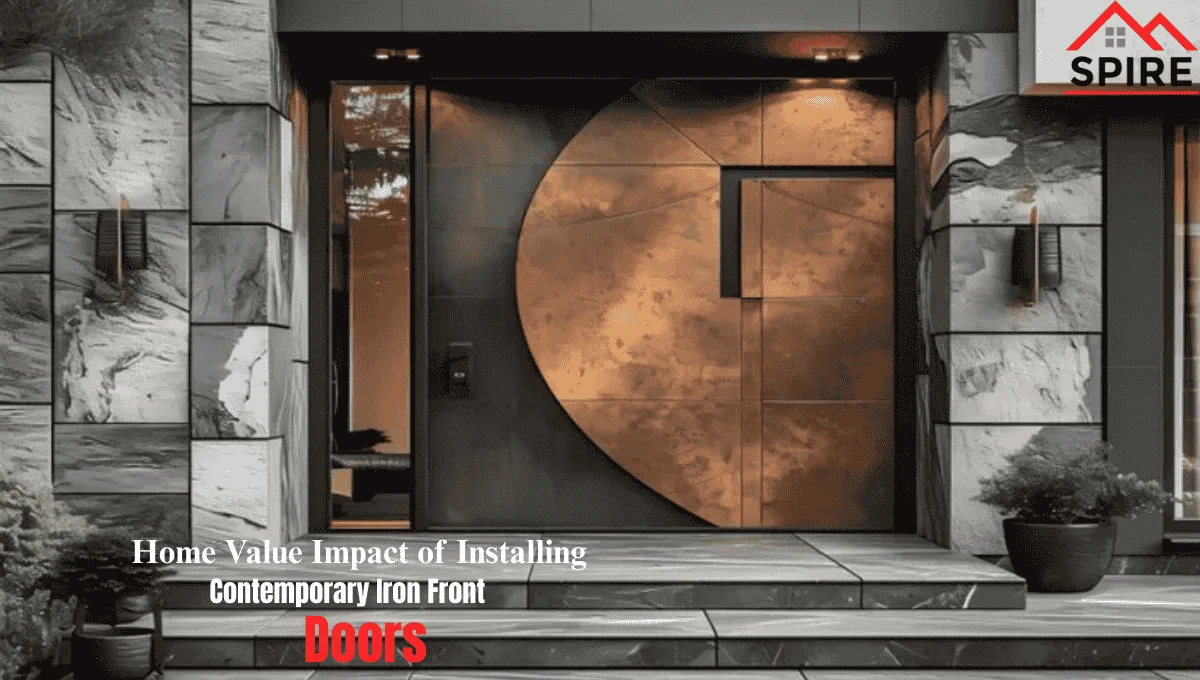
Home Value Impact of Installing Contemporary Iron Front Doors

Upgrading your home isn’t just about paint colors or trendy furniture—it’s about making choices that increase value, security, and curb appeal. One often overlooked investment with significant impact is installing contemporary iron front doors. These doors do more than protect your home—they define it. But how much value can they really add, and what should homeowners in the U.S. know before choosing one? In this guide, we’ll explore firsthand insights, practical recommendations, and design tips to help you make the most informed decision.

Why Contemporary Iron Front Doors Are a Smart Home Investment

When homeowners consider remodelling or upgrading, entryways are often underestimated. A contemporary iron front door does three critical things:

  1. Boosts curb appeal: first impressions matter. A sleek, modern iron door immediately elevates the look of your home, signalling quality and style.
  2. Enhances security: Wrought iron doors are inherently strong and resistant to forced entry. Choosing options like the Stonebridge Square Exterior Wrought Iron Prehung Double Door adds peace of mind.
  3. Increases resale value: Real estate studies show that high-quality entry doors can return up to 75–100% of the investment when selling a home.

Pro Tip: When selecting a door, consider both design and functionality. A door that fits your home’s aesthetic while offering durability and weather resistance is the ideal combination.

Top Contemporary Iron Front Door Options

To maximize both style and investment, it helps to know the top choices available today:

These options not only enhance aesthetics but are also engineered for energy efficiency, durability, and long-term value retention.

Top Contemporary Iron Front Door Options

Practical Tips for Choosing the Right Contemporary Iron Front Door

Selecting the perfect door involves more than style. Consider these practical tips:

  1. Match your home’s architecture: Contemporary iron doors work well with modern, minimalist, and transitional homes. Avoid styles that clash with colonial or ultra-traditional exteriors.
  2. Prioritise security features: look for reinforced frames, multipoint locking systems, and tempered glass inserts.
  3. Check energy efficiency: doors with insulated cores and low-E glass panels help maintain indoor temperatures and reduce utility bills.
  4. Professional installation matters: Prehung doors like the Stonebridge Square Exterior Wrought Iron Prehung Double Door require precise alignment. Improper installation can affect both security and performance.

Expert Insight: Homeowners often underestimate how much proper installation affects longevity. Even the best door loses effectiveness if installed incorrectly.

Common Mistakes to Avoid

Even a premium door can underperform if you make these mistakes:

  • Ignoring door sizing: A misfit door compromises insulation and security. Always measure twice.
  • Neglecting maintenance: Iron doors need periodic cleaning and protective coatings to prevent rust and maintain appearance.
  • Overlooking lighting: Complement your door with exterior lighting to enhance its visual impact and curb appeal.
  • Choosing style over function: A door may look amazing but fail in security or durability if it’s purely decorative.

Common Mistakes to Avoid

The Long-Term Value

Investing in contemporary iron front doors isn’t just about looks—it’s about smart, long-term planning:

  • ROI potential: According to remodelling industry studies, entry door upgrades can recoup 75–100% of costs at resale.
  • Energy savings: Insulated iron doors with glass inserts can reduce heat loss and gain, improving efficiency in colder and hotter climates alike.
  • Enhanced market perception: A modern iron entry signals quality, care, and design sophistication to potential buyers.

Tip from Spire Building Supplies: Pair your door with matching hardware and minimalistic trim for maximum visual impact and resale appeal.

Real Customer Testimonials

Jennifer R., Dallas, TX:
We installed the Water Cubic Glass Prehung Front Door last year. It transformed our entryway, and our neighbours keep asking where we got it. It truly added value and charm to our home.

Michael S., Austin, TX:
The Stonebridge Square Exterior Wrought Iron Prehung Double Door was an investment, but it was worth every penny. Our home feels more secure, and buyers have commented on how impressive the entry looks.

FAQs

1. Are contemporary iron front doors secure?
Yes. These doors use wrought iron construction and advanced locking mechanisms, making them highly resistant to forced entry.

2. How much do contemporary iron front doors cost?
Prices vary based on size, glass inserts, and customization. Options like the water glass finish and wrought iron prehung double door typically range from $2,000 to $5,000.

3. Can I install a contemporary iron front door myself?
Professional installation is recommended, especially for prehung double doors, to ensure proper alignment, insulation, and security.

4. Do these doors require maintenance?
Yes. Regular cleaning and protective coatings prevent rust and preserve the finish. Wipe down glass panels to maintain clarity.

5. Will installing a contemporary iron front door increase my home’s value?
Absolutely. Entryway upgrades are among the most impactful home improvements, offering both aesthetic appeal and a high return on investment.

Conclusion: Upgrade Your Home with Spire Building Supplies

A well-chosen contemporary iron front door does more than enhance curb appeal—it increases security, energy efficiency, and long-term home value. Whether you choose the Stonebridge Square Exterior Wrought Iron Prehung Double Door, the Water Cubic Glass Prehung Front Door, or the Water Glass Finish Wrought Iron Prehung Double Door, these doors are investments in both style and practicality.

See our flooring collection; visit this page: Living Room Flooring Ideas Inspired by Interior Design Trends 2026

Author Bio

Spire Building Supplies is your trusted source for high-quality home improvement solutions. With years of expertise in contemporary doors, windows, and flooring, we help homeowners in the U.S. make smart, value-boosting upgrades. Our team combines design insight, practical advice, and premium products to ensure every project enhances both style and home value.

Interior trim for luxury houses

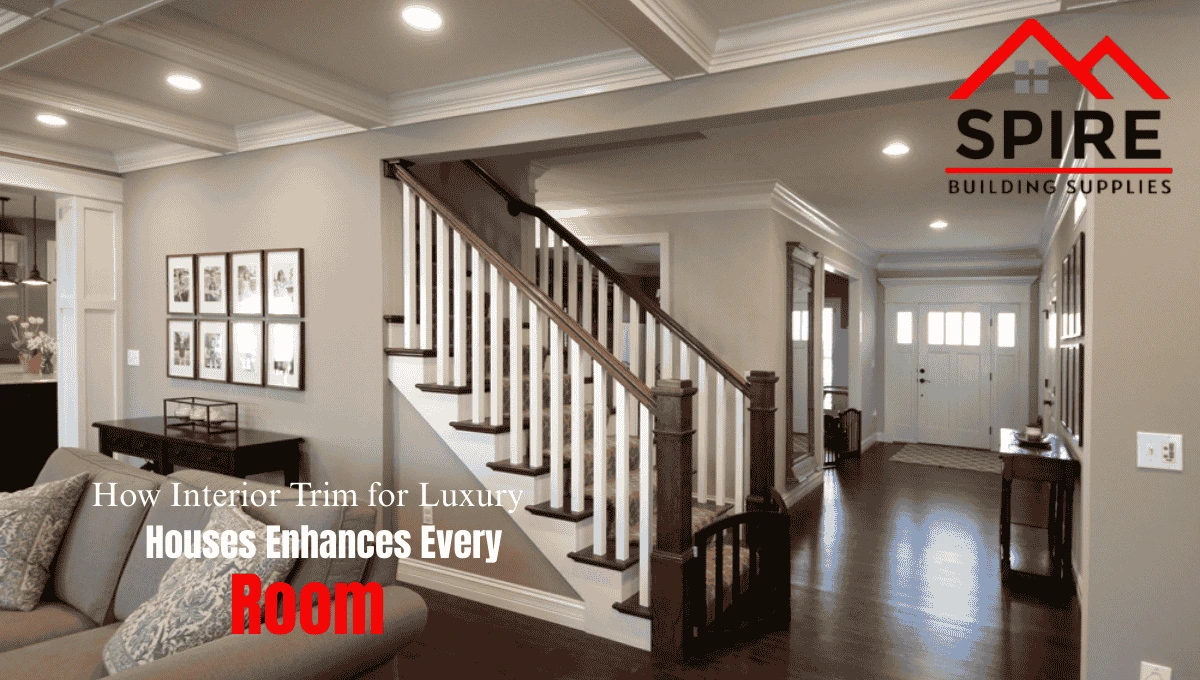
How Interior Trim for Luxury Houses Enhances Every Room

When designing a high-end home, every detail counts. Interior trim for luxury houses is one of those elements that quietly elevates the aesthetic, functionality, and value of every room. From crown moldings to baseboards, the right trim adds depth, frames spaces elegantly, and provides a polished, cohesive look that distinguishes luxury interiors from standard designs.

Beyond aesthetics, interior trim also serves practical purposes: protecting walls, concealing seams, and providing smooth transitions between surfaces. Selecting the right trim materials and designs is critical, and understanding options like 1X6X10 STRAIGHT FLEXIBLE TRIM BASEBOARD, CROWN 4-1/4 X 9/16 FJ 16’PRIMED 16′ 8012FJP, and CROWN LA5COVE 17 MM X4-1/4 MDF 16 ensures both beauty and durability.

What Is Interior Trim and Why It Matters

‘Trim’ refers to the finishing elements used around windows, doors, floors, and ceilings. Common types include:

  • Baseboards: Protect walls and define floor edges.
  • Crown Molding: Frames ceilings elegantly and enhances room height perception.
  • Door and Window Casings: Highlight architectural openings and create visual interest.
  • Panel Moldings and chair rails: Add texture and style to walls.

In luxury houses, trim is not just functional; it is a design feature. Properly selected and installed trim can transform a simple room into a refined, cohesive space.

Benefits of Interior Trim for Luxury Houses

  1. Elevates Aesthetic Appeal
    • High-quality crown molding or baseboards provide a sense of refinement.
    • Consistent trim throughout rooms ties design elements together.
  2. Protects Walls and Surfaces
    • Baseboards prevent scuffs and damage from furniture or cleaning.
    • Door casings shield wall edges from everyday wear.
  3. Defines Spaces
    • Trim adds visual boundaries for walls, ceilings, and floors.
    • Makes transitions smooth and intentional.
  4. Increases Home Value
    • Homes with thoughtful trim details appear more finished and upscale.
    • Architectural details like CROWN LA5COVE 17 MM X 4-1/4 MDF 16 reflect attention to quality craftsmanship.

CROWN LA5COVE 17 MM X 4-1/4 MDF 16

Popular Trim Materials and Their Uses

  • MDF (Medium-Density Fiberboard):
    • Affordable, smooth, easy to paint
    • Perfect for crown molding and decorative trims
  • Wood (Oak, Maple, Cherry):
    • Traditional choice for baseboards, door casings, and panels
    • Durable, high-end appearance
  • Flexible Trim (1X6X10 STRAIGHT FLEXIBLE TRIM BASEBOARD):
    • Ideal for curved walls or ceilings
    • Maintains smooth finish in custom designs

1X6X10 STRAIGHT FLEXIBLE TRIM BASEBOARD

CROWN 4-1/4 X 9/16 FJ 16' PRIMED 16' 8012FJP

Practical Considerations

When choosing trim for a luxury home:

  • Scale and Proportion: Ensure trim size complements ceiling height and room dimensions.
  • Style Consistency: Match trim style with interior theme (modern, classic, transitional).
  • Durability: Consider moisture-prone areas and high-traffic spaces.
  • Installation Quality: Even the best materials look cheap if poorly installed.

Types of Interior Doors for Homes

Trim works in harmony with door designs. Common interior doors in luxury houses include:

  • Paneled Doors: Traditional, timeless look
  • Flush Doors: Sleek, modern aesthetic
  • Glass-Panel Doors: Adds light and openness
  • French Doors: Elegant, enhances transitions

Selecting trim that complements your door type enhances architectural cohesion.

Common Mistakes to Avoid

  • Installing trim too small or disproportionate to the room
  • Ignoring the style consistency between trim and doors
  • Using low-quality materials in high-traffic areas
  • Skipping professional finishing touches like caulking and sanding

Expert Tips and Best Practices

  • Use MDF crown moldings in painted rooms for cost-effectiveness
  • Combine flexible trim with straight baseboards for curved designs
  • Always measure and dry-fit before nailing
  • Consider hiring a professional for complex crown molding or large-scale installations

Real-World Use Cases

  • Living Rooms: Crown molding paired with coffered ceilings enhances height and elegance.
  • Kitchens: Trim around cabinets and windows adds polish and protects edges.
  • Bedrooms: Decorative baseboards and panel moldings make rooms feel intentional and luxurious.
  • Entryways: High-quality door casings elevate first impressions of the home.

For comprehensive building and renovation supplies, see our guide to Home Building & Renovation Supplies.

Customer Testimonials

Installing premium trim throughout our home made a huge difference—the rooms feel polished and cohesive.
— Sarah M.

We chose flexible trim for our curved staircase. It was seamless and elegant.
— David L.

The combination of MDF crown moldings and high-quality baseboards gave our living spaces a professional finish.
— Priya K.

FAQ

What is the best trim for luxury homes?
High-end luxury homes often use solid wood, MDF, or flexible trim, chosen based on interior style, ceiling height, and design detail level.

How do I choose the right crown molding?
Select crown molding based on ceiling height and room size. Larger rooms and higher ceilings suit wider, more detailed moldings for balanced proportions.

Can interior trim increase home value?
Yes, quality interior trim enhances visual appeal and craftsmanship, which can improve perceived home value and buyer interest.

How do I maintain interior trim?
Maintain trim by regular dusting, occasional repainting or touch-ups, and avoiding moisture exposure to prevent damage and wear.

What is the difference between baseboards and crown molding?
Baseboards protect and finish the lower wall at floor level, while crown molding decorates the ceiling line and adds a refined architectural finish.

Conclusion

Interior trim for luxury houses is more than a decorative element—it’s a practical, aesthetic, and investment-enhancing feature. Choosing the right materials, proportions, and designs ensures that every room feels cohesive, polished, and upscale. Proper installation and thoughtful design choices transform spaces and create a lasting impression of quality craftsmanship.

About the Editorial Team

This guide was written by the Spire Building Supplies editorial team, drawing on years of experience in home improvement, building materials, and interior design. Our insights focus on practical, hands-on advice to help homeowners make informed, high-value decisions for modern luxury homes.

Quality Doors Collection from Spire

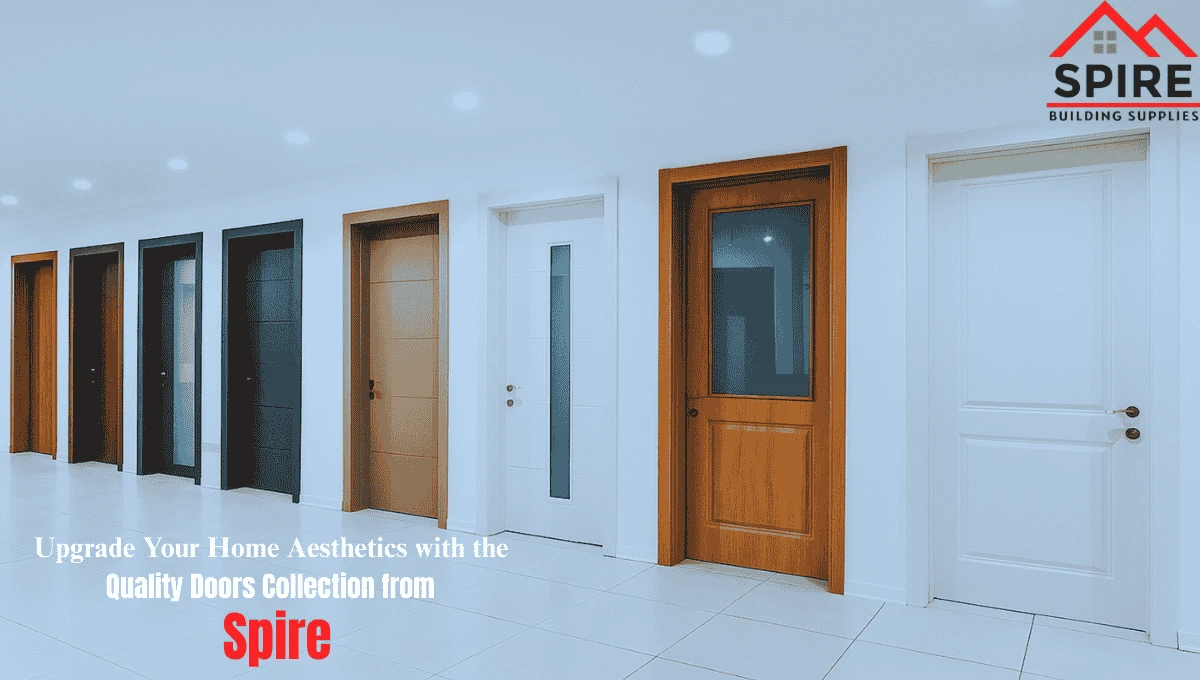
Upgrade Your Home Aesthetics with the Quality Doors Collection from Spire

Imagine walking into your home and being greeted by doors that instantly elevate the space—doors that are more than functional; they’re a statement. Yet, many homeowners settle for generic, low-quality doors that fail to impress or perform. This is where the Quality Doors collection from Spire changes everything. Whether you’re upgrading your entryway with fiberglass doors, refreshing interiors with hollow-core options, or creating seamless transitions with patio doors, this collection combines style, durability, and Texas-ready performance. In this guide, we’ll explore how choosing the right doors can transform your home, backed by practical insights and real customer experiences.

Why Door Quality Matters More Than You Think

Doors aren’t just about appearance—they influence energy efficiency, security, noise control, and overall home aesthetics. Texas homeowners face unique challenges: extreme heat, humidity, and occasional storms. A quality door can:

  • Reduce energy bills by preventing heat loss or gain
  • Improve home security with sturdy construction
  • Enhance interior design with cohesive style
  • Increase home resale value

The Quality Doors collection from Spire is designed with these factors in mind, offering solutions for both form and function.

Exploring the Quality Doors Collection from Spire

Fiberglass Doors: Durability Meets Elegance

Fiberglass doors have evolved far beyond imitation wood. They are:

  • Resistant to warping, cracking, and dents
  • Energy-efficient, helping maintain indoor temperatures
  • Available in customizable finishes that mimic real wood or modern designs

Expert Tip: Choose a fiberglass door with an insulated core for front entryways. It balances aesthetics and energy performance, ideal for Texas homes where temperatures fluctuate.

Fiberglass doors

Hollow Core Doors: Affordable Interior Solutions

Hollow-core doors are lightweight, budget-friendly, and versatile:

  • Ideal for bedrooms, bathrooms, and closets
  • Can be painted to match any décor
  • Easy to install, making DIY upgrades feasible

Professional Insight: Pair hollow core doors with soft-close hinges to enhance comfort and longevity. This small upgrade elevates the perceived quality significantly.

Hollow-core door

Patio Doors: Seamless Indoor-Outdoor Flow

Patio doors connect your interior to the outdoors without compromising style:

  • Sliding or French options with large glass panels
  • Low-E glass for energy efficiency and UV protection
  • Space-saving designs for smaller patios or balconies

Tip: Opt for multi-point locking systems in patio doors to boost security while maintaining a sleek look.

Patio doors

Pantry Doors: Functional Meets Stylish

Pantry doors are often overlooked, but the right choice can elevate your kitchen:

  • Barn-style or sliding doors save space
  • Solid or semi-glass options allow light while keeping storage hidden
  • Matches seamlessly with your home’s interior theme

Customer Insight: Many homeowners in Texas report that updating pantry doors with the Quality Doors collection from Spire makes kitchens feel larger and more cohesive.

Pantry doors

Choosing the Right Door for Every Room

  1. Entry Doors: Go for insulated fiberglass or steel for durability and curb appeal.
  2. Bedrooms & Bathrooms: Hollow core works well for cost-effectiveness and being lightweight.
  3. Outdoor Access: Patio doors should prioritize glass quality, frame durability, and energy efficiency.
  4. Kitchens & Storage: Sliding or barn-style doors can add charm and save space.

Professional Tip: Always consider door hardware as part of your upgrade. Quality hinges, handles, and locks complement the door and prolong its lifespan.

Common Mistakes Homeowners Make

  • Choosing doors solely for appearance, ignoring durability
  • Skipping proper installation, which leads to drafts or misalignment
  • Underestimating energy efficiency and insulation benefits
  • Neglecting door maintenance, leading to warping or faded finishes

Avoiding these mistakes ensures your Quality Doors collection from Spire Investments lasts for decades.

Real Customer Testimonials

Sarah M., Dallas, TX:
I replaced all my interior doors with the hollow core options from Spire. The difference in look and feel is incredible, and installation was straightforward.

David R., Austin, TX:
Our fiberglass entry door is stunning and keeps our home cooler in the summer. Neighbors constantly ask where we got it!

Emily T., Houston, TX:
The patio doors are a game-changer. The view is unobstructed, and the insulation really helps with energy bills.

People Also Ask (PAA)

Q1: What makes the Quality Doors collection from Spire different?
A: It combines style, durability, energy efficiency, and expert craftsmanship tailored for Texas homes.

Q2: Are fiberglass doors worth the investment?
A: Yes, they offer long-lasting performance, low maintenance, and superior insulation compared to wood.

Q3: Can hollow-core doors be painted?
A: Absolutely. Hollow core doors are versatile and can be customized to match your décor.

Q4: Do patio doors improve energy efficiency?
A: Yes, especially when equipped with Low-E glass and insulated frames, they help regulate indoor temperatures.

Conclusion: Upgrade Your Home with Confidence

Investing in the Quality Doors collection from Spire is more than just replacing doors—it’s transforming your home into a space that blends style, performance, and long-term value. From fiberglass doors to hollow core, patio, and pantry doors, every option is crafted with Texas homeowners in mind.

Elevate your home aesthetics and experience the difference today. Visit Spire Building Supplies to explore the full collection and start your upgrade journey.

We have the best collection of windows; visit this page: Low-E Glass Technology in the Best-Rated Windows for Homes in Texas

Author Bio

Spire Building Supplies Team – With decades of experience in providing premium home building solutions across Texas, the Spire team specializes in high-quality doors, windows, and interior upgrades that combine style, performance, and lasting value.

types of interior doors for homes

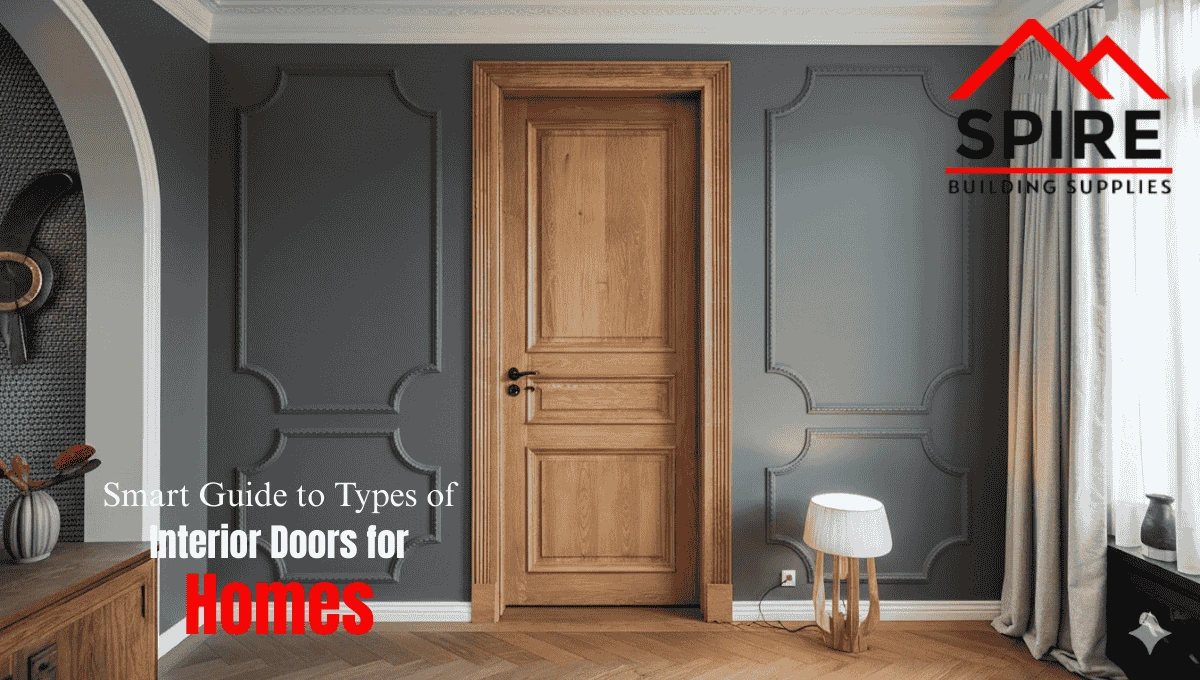
Smart Guide to Types of Interior Doors for Homes

Choosing the right doors can transform the look, feel, and functionality of your home. Understanding the types of interior doors for homes is crucial whether you’re building, renovating, or replacing old doors. From enhancing privacy and improving acoustics to creating visual appeal, the right interior door can elevate any space. In this guide, we’ll break down the most common types, their benefits, limitations, and practical considerations to help homeowners make informed decisions.

Why Understanding Interior Doors Matters

Interior doors do more than separate rooms. They influence:

  • Aesthetic cohesion: Matching doors with your design theme improves overall appeal.
  • Space management: Sliding or pocket doors save space in tight areas.
  • Privacy & noise control: Solid doors reduce sound transfer between rooms.
  • Durability & maintenance: Choosing the right material ensures long-lasting performance.

Many homeowners overlook the small but critical details, such as correct sizing or material choice, which can lead to installation challenges and costly replacements later.

Key Types of Interior Doors for Homes

1. Panel Doors

One of the most classic and versatile options. Panel doors feature raised or recessed panels that add depth and style.

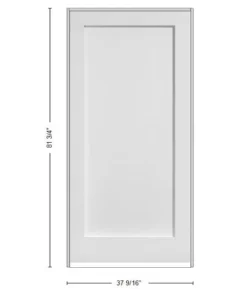
1 Panel Shaker 6'8" Height

1 Panel Shaker 6'8" Height 80 inches

Pros: Durable, visually appealing, fits most interiors.
Cons: Heavier than hollow-core doors, may require precise installation.

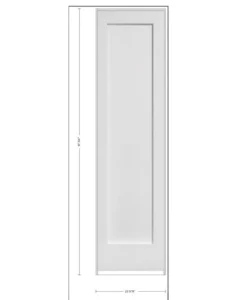
1 Panel Shaker 8'0" Height

2. Flush Doors

Smooth, flat doors that are simple and affordable. Common in modern or minimalist homes.

  • Lightweight and easy to install
  • Can be painted or veneered
  • Cost-effective

Limitations: Less acoustic insulation compared to solid-core doors; less visually detailed.

3. Sliding and Pocket Doors

Perfect for rooms where space is limited. Sliding doors move along a track and can hide inside walls (pocket doors).

  • Maximize usable floor space
  • Adds a modern touch
  • Works well for closets, bathrooms, or open-plan living areas

Considerations: Track systems need precise installation; may require wall reinforcement.

4. French Doors

Double doors with glass panels, often used for connecting living spaces to patios or offices.

  • Bring natural light indoors
  • Adds elegance and visual depth
  • Can be paired with blinds or curtains for privacy

Limitations: Require more space to swing open; glass requires maintenance.

5. Barn Doors

Sliding doors with exposed hardware, popular in rustic or industrial interiors.

  • Adds character and style
  • Saves space
  • Can be used as statement pieces

Practical Tips: Ensure wall strength supports the door; soft-close mechanisms improve longevity.

6. Bi-Fold Doors

Doors that fold in sections, ideal for closets or laundry rooms.

  • Compact and space-saving
  • Easy to operate
  • Cost-effective for storage areas

Drawbacks: Hinges may wear out over time; less secure than traditional doors.

7. Glass and Frosted Doors

Doors with full or partial glass panels, providing light flow and visual openness.

  • Great for home offices or rooms needing light
  • Can be frosted for privacy
  • Modern aesthetic

Limitations: Less privacy and insulation; requires careful cleaning.

Practical Considerations for Choosing Interior Doors

  1. Room Functionality: Bedrooms and bathrooms need solid or soundproof doors, while living areas can benefit from glass or French doors.
  2. Door Size: Standard doors are typically 80 inches; taller doors (8’0″) add luxury. Ensure measurements align with your ceiling height.
  3. Material: Solid wood is durable but heavier. MDF or engineered wood is lighter and budget-friendly.
  4. Style & Theme: Match door style with cabinetry, trim, and flooring. Panel and shaker doors are versatile for almost any theme.
  5. Hardware & Accessories: Handles, hinges, and locks can affect durability and aesthetics.

Pro Tip: Always check alignment, swing direction, and clearance before ordering doors to avoid costly mistakes.

Practical Considerations for Choosing Interior Doors

Common Mistakes Homeowners Make

  • Choosing doors without considering ceiling height or room size
  • Ignoring maintenance needs of glass or wooden doors
  • Installing sliding or pocket doors without proper structural support
  • Overlooking acoustic insulation for bedrooms and home offices

By planning ahead and understanding each door type, you can avoid these pitfalls.

Real-World Use Cases & Examples

  • Open-concept living areas: French or glass doors maintain light flow while creating separation.
  • Small apartments: Sliding or bi-fold doors save space without sacrificing style.
  • Luxury renovations: 1-panel Shaker 8’0″ height doors create dramatic entrances in high-ceiling rooms.
  • Closets and pantries: 1 Panel Shaker 6’8″ Height 80 Inch doors provide a clean, uniform look.

For additional tips on materials and home-building essentials, check out Home Building & Renovation Supplies.

People Also Ask

  1. What is the most popular type of interior door for homes?
    Panel doors, especially shaker styles, are widely chosen for their versatility and timeless look.
  2. How do I choose the right interior door size?
    Measure your ceiling height and room layout. Standard doors are 80 inches; taller doors (8’0″) can add elegance.
  3. Can sliding doors replace traditional doors?
    Yes, sliding or pocket doors save space and provide modern aesthetics, but proper installation is critical.
  4. Are glass interior doors practical?
    They work well in areas needing light, like home offices, but may compromise privacy.
  5. How do I maintain wooden interior doors?
    Regular cleaning, occasional polishing, and checking hinges ensure longevity.

Customer Testimonials

Jane L., Homeowner:
We replaced all our old doors with 1-panel Shaker 6’8″ height doors. The upgrade instantly modernized our living space.

Michael R., Renovation Contractor:
Sliding barn doors are perfect for small apartments. They save space and look incredible when installed correctly.

Samantha T., Interior Designer:
Frosted glass doors for our client’s home office balanced light and privacy beautifully. Easy to maintain and stylish.

Conclusion

Selecting the right types of interior doors for homes impacts both style and functionality. From classic 1 Panel Shaker doors to modern sliding or glass options, each choice serves a purpose. By planning carefully around room needs, size, and material, you can create a home that’s practical, stylish, and built to last.

Author Bio

Written by the Spire Building Supplies Editorial Team
With over 15 years of experience in home improvement and building materials, our team provides practical, hands-on guidance for homeowners, contractors, and designers. We specialize in helping readers make informed decisions about doors, windows, and renovation essentials, ensuring every project is functional, stylish, and cost-effective.

Fiberglass Front Door with Glass

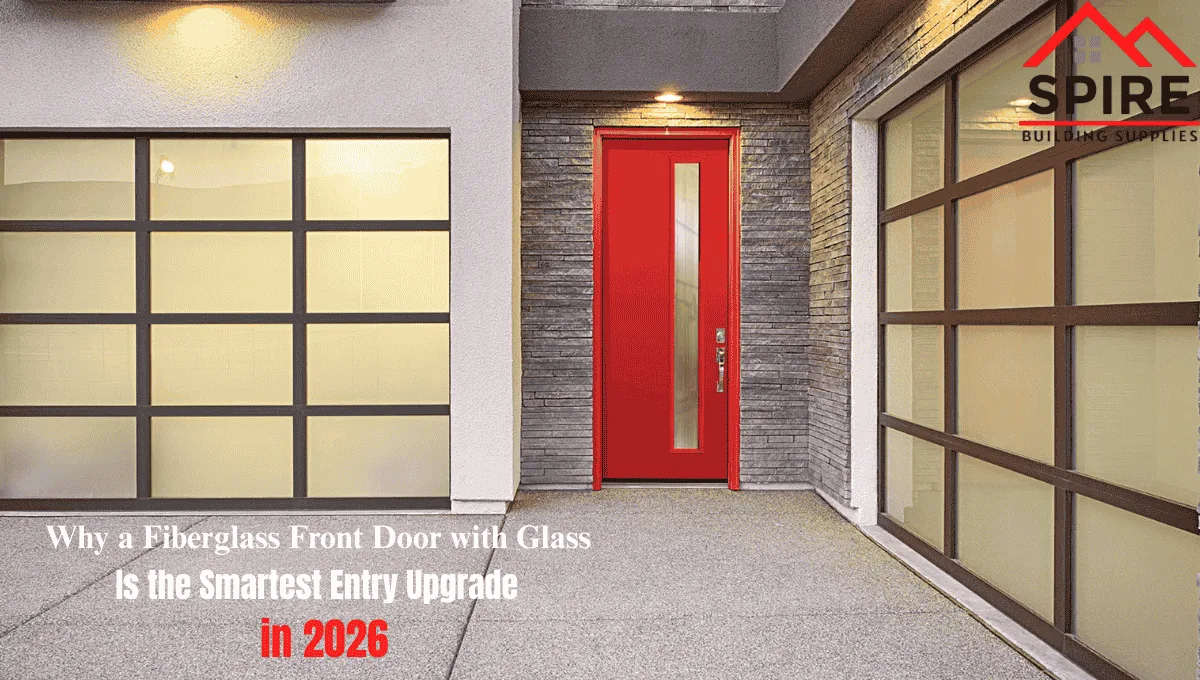
Why a Fiberglass Front Door with Glass Is the Smartest Entry Upgrade in 2026

Your front door does more than open and close. In Texas, it battles heat, humidity, storms, dust, and intense UV exposure almost year-round. And in 2026, homeowners aren’t just choosing doors for looks — they’re choosing performance. If you’re considering a fiberglass front door with glass, you’re already thinking smarter than most. This upgrade isn’t just aesthetic. It’s about durability, energy efficiency, resale value, and long-term peace of mind.

After years of working with Texas homeowners through Spire Building Supplies, we’ve seen which entry doors truly hold up — and which ones fail within a few summers. Here’s what you need to know before you invest.

Why Fiberglass Is Dominating Entry Doors in 2026

Wood doors look beautiful. Steel doors feel secure. But fiberglass has quietly become the performance leader—especially in southern states.

Here’s why:

  • Resists warping in high humidity
  • Handles extreme Texas heat without cracking
  • Won’t rust like steel
  • Requires minimal maintenance
  • Offers superior insulation when properly installed

And when paired with decorative or insulated glass panels, it transforms curb appeal instantly.

In our experience, most homeowners who switch from wood to fiberglass never go back.

The Real Advantage of a Fiberglass Front Door with Glass

Some homeowners hesitate about glass inserts because of security or energy loss concerns. That made sense 15 years ago. Not today.

Modern fiberglass doors with glass feature the following:

  • Tempered or impact-resistant glass
  • Double or triple-pane insulated glass
  • Low-E coatings for UV protection
  • Reinforced frames for security

What That Means for Texas Homes

In places like Dallas, Houston, Austin, and San Antonio, summer temperatures regularly cross 100°F. Poor-quality doors transfer heat directly into your entryway.
A high-quality fiberglass door with insulated glass:

  • Reduces heat gain
  • Protects interior flooring from UV damage
  • Improves HVAC efficiency
  • Brightens your foyer naturally

Natural light at your entrance changes the feel of your home instantly. It creates warmth without sacrificing performance.

Design Trends Texas Homeowners Are Choosing in 2026

Performance matters. But design still drives decisions.

Here are the styles gaining popularity this year:

Rustic Fiberglass Door

A rustic fiberglass door mimics real wood grain with deep texture and rich staining. It’s perfect for:

  • Farmhouse homes
  • Hill Country architecture
  • Ranch-style properties
  • Transitional homes

The best part? You get the warmth of wood without the maintenance headaches.

Rustic fiberglass door

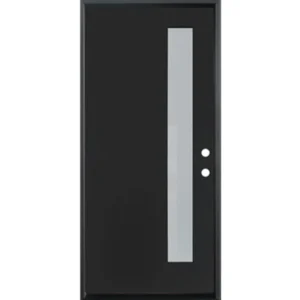
Single prehung fiberglass door in Black with 1 Lite

The single prehung fiberglass door in black with 1 lite is trending heavily in modern builds. The bold black exterior paired with a vertical glass panel creates:

  • Strong architectural contrast
  • Clean, contemporary curb appeal
  • Maximum natural light with minimal exposure

Prehung options also simplify installation, ensuring better sealing and alignment.

Single prehung fiberglass door in Black with 1 Lite

Single Prehung Fiberglass Door in Dark Brown

For homeowners wanting timeless appeal, the single prehung fiberglass door in dark brown delivers elegance without going overly traditional.

Dark brown complements:

  • Brick exteriors
  • Stone facades
  • Beige or cream siding
  • Southwestern color palettes

It’s a safe but sophisticated upgrade.

Single Prehung Fiberglass Door in Dark Brown

What Most Homeowners Overlook

After consulting with hundreds of entry door buyers in Texas, here’s the biggest mistake we see:

People focus only on the slab—not the full system.

A fiberglass front door with glass performs best when:

  • It’s properly pre-hung
  • The frame is insulated
  • Weatherstripping is high-quality
  • The threshold is correctly sealed
  • Installation is precise

Even the best door can underperform if installed poorly.

Pro Tip From Our Experience

Always ask:

  • What’s the door’s R-value?
  • Is the glass Low-E coated?
  • Is the core polyurethane foam-filled?
  • Is it hurricane-rated if you’re in coastal Texas?

These details matter more than color.

Energy Efficiency: Does It Really Save Money?

Yes — but gradually.

A properly insulated fiberglass door can reduce energy leakage significantly compared to older wood doors.

In hot Texas climates:

  • Less air infiltration
  • Reduced cooling strain
  • Better indoor temperature stability

While it won’t cut your energy bill in half overnight, over several years the savings are real — especially when combined with efficient windows.

Security: Is Glass a Risk?

This is one of the most common concerns.

Modern fiberglass doors with glass inserts use:

  • Tempered safety glass
  • Reinforced locking points
  • Multi-point locking systems

If security is a top priority, choose smaller glass panels or frosted options positioned higher on the door.

In 2026, security technology has advanced enough that glass is no longer the weak point it once was.

Common Mistakes to Avoid

Before upgrading, avoid these costly errors:

1. Choosing Based on Price Alone
Cheaper fiberglass doors often have thinner skins and poor insulation.

2. Ignoring Texas Climate
Not all fiberglass doors are rated for extreme UV exposure.

3. Skipping Professional Installation
Misalignment leads to drafts and premature wear.

4. Overdoing Decorative Glass
Too much glass can reduce privacy if placed incorrectly.

Why 2026 Is the Right Time to Upgrade

Homebuyers are paying closer attention to energy efficiency and exterior aesthetics than ever before. A high-performance entry door:

  • Boosts resale value
  • Enhances curb appeal instantly
  • Improves comfort
  • Requires less maintenance

In competitive Texas markets, small upgrades make a major impression.

Real Customer Testimonials

James R., Houston, TX
We replaced our old wooden door with a fiberglass front door with glass from Spire. The difference in temperature near our entryway is noticeable. Plus, it looks incredible.

Maria L., San Antonio, TX
I chose the black pre-hung option with 1 lite. It completely modernized our home. Installation was smooth, and the insulation is impressive.

Daniel K., Dallas, TX
After two warped wood doors in five years, I switched to fiberglass. I wish I had done it sooner.

People Also Ask (PAA)

1. Is a fiberglass front door with glass energy efficient?
Yes. When properly insulated and installed, it reduces heat transfer and improves overall energy performance.

2. Are fiberglass doors better than wood in Texas?
In most cases, yes. Fiberglass handles humidity and extreme heat far better than traditional wood doors.

3. How long does a fiberglass front door last?
High-quality fiberglass doors can last 20–30 years with minimal maintenance.

4. Does adding glass reduce security?
Not when using tempered, reinforced glass with modern locking systems.

Final Thoughts: A Smart Investment That Pays Back

A fiberglass front door with glass isn’t just an upgrade — it’s a long-term improvement in how your home performs and feels.

It delivers:

  • Strength
  • Style
  • Energy efficiency
  • Modern curb appeal

If you’re ready to upgrade your entryway, explore premium fiberglass door options at Spire Building Supplies. Invest once. Enjoy for decades.

For an exclusive collection of MDF baseboard trims, visit this page: Buy MDF Baseboard Trim: Transform Every Room with Elegant Finishes

Author Bio

Spire Building Supplies Team
The Spire Building Supplies team specializes in high-performance doors, windows, and building materials designed for Texas homes. With hands-on industry experience and a commitment to quality, we help homeowners and contractors choose products that combine durability, energy efficiency, and design excellence.

kitchen pantry doors

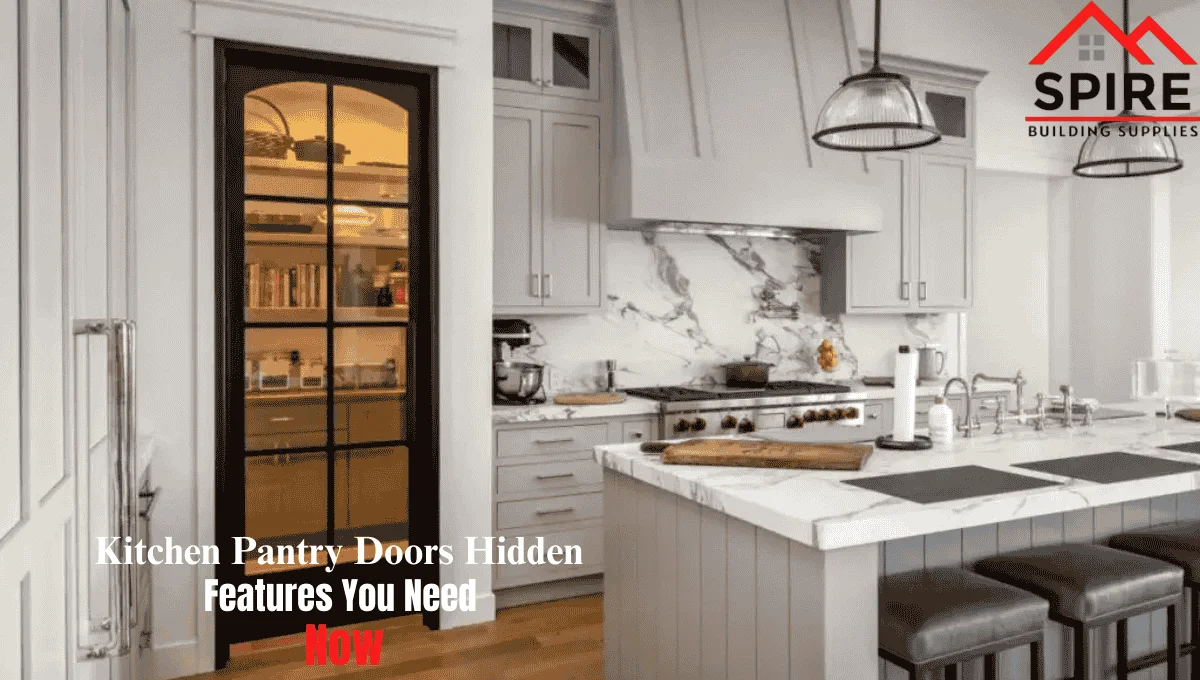
Kitchen Pantry Doors: Hidden Features You Need Now

When homeowners plan a kitchen upgrade, they usually focus on cabinets, countertops, and appliances. But kitchen pantry doors are one of the most overlooked elements that directly impact functionality, storage efficiency, and overall design flow. The right pantry door doesn’t just close off shelves; it affects traffic patterns, lighting, accessibility, and even perceived home value.

At Spire Building Supplies, we regularly work with contractors and homeowners who realize too late that pantry door decisions weren’t carefully planned. The result? Clearance problems, mismatched heights, poor ventilation, or doors that simply feel out of scale.

This guide breaks down the hidden features most people miss and what actually works in real kitchens.

Why Pantry Doors Matter More Than You Think

A pantry door may seem like a minor detail, but in practice it plays a structural and visual role in your kitchen.

It influences:

  • How easily you access daily-use items
  • Whether the refrigerator and drawers open smoothly
  • How natural light moves through the space
  • The visual height and symmetry of your kitchen

Choosing among the best doors for your pantry isn’t about decoration; it’s about long-term functionality.

Understanding Pantry Door Basics

Before diving into hidden features, let’s clarify what qualifies as pantry doors and how they differ from other door types.

Interior vs. Exterior Doors

Pantry doors are interior doors designed for enclosed storage spaces. They are not engineered like exterior universal iron doors, which are built for weather resistance, insulation, and security. Pantry doors prioritize the following:

  • Space efficiency
  • Interior design continuity
  • Accessibility
  • Lightweight or moderate-weight construction

Knowing this distinction helps avoid overbuildin or underbuilding your pantry entry.

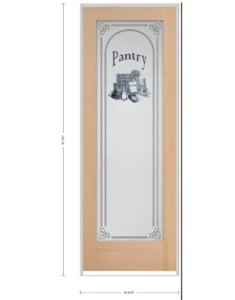
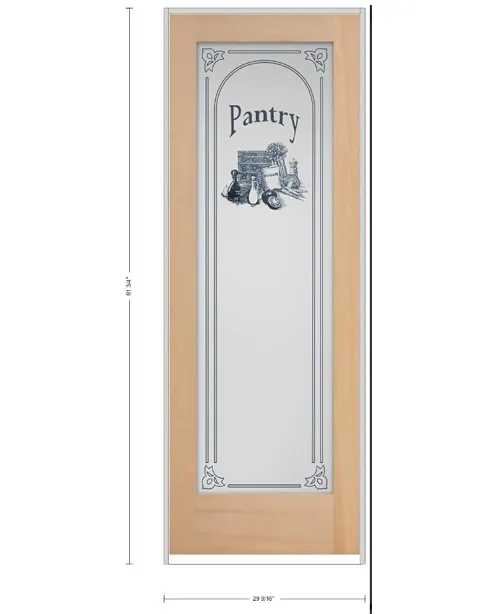
Pantry door

Hidden Features You Should Consider

From years of real-world installations and renovations, here are the features that make the biggest difference.

1. Door Height: 6’8″ vs 8’0″

One of the most overlooked decisions is door height.

Most homes use a Pantry door 6’8″ Height (80 inches). It’s standard, widely available, and budget-friendly.

But in homes with 9- or 10-foot ceilings, upgrading to a Pantry door 8’0″ Height can dramatically improve visual proportion.

When 6’8″ Height Works Best:

  • 8-foot ceilings
  • Traditional layouts
  • Budget-sensitive remodels

When 8’0″ Height Makes Sense:

  • Taller ceilings
  • Open-concept kitchens
  • Custom cabinetry that runs full height
  • Modern or transitional styles

In real projects, the difference is noticeable. An 8-foot pantry door often makes the entire kitchen feel more custom especially when aligned with tall cabinets.

2. Door Swing Direction (The #1 Installation Mistake)

This is where many homeowners run into trouble.

Common issues:

  • Door hits the kitchen island
  • Blocks refrigerator access
  • Interferes with cabinet drawers

Before finalizing your order:

  • Map the swing arc with painter’s tape
  • Confirm hinge orientation
  • Check appliance clearance

If space is tight, sliding or bi-fold Pantry doors may solve the issue entirely.

3. Solid Core vs Hollow Core

Homeowners rarely ask about door core type — but they should.

Hollow Core:

  • Lightweight
  • Lower cost
  • Minimal sound insulation
  • Can feel less substantial

Solid Core:

  • Better sound dampening
  • More durable
  • Higher-end feel
  • Better for pantries with secondary appliances

If your pantry contains a wine cooler, freezer, or coffee station, solid core is usually worth the upgrade.

4. Glass Panels: Function Beyond Aesthetics

Glass pantry doors aren’t just decorative.

They can:

  • Allow natural light into darker areas
  • Reduce daytime lighting needs
  • Make small kitchens feel more open

However, clear glass exposes clutter. Frosted or textured glass offers privacy while still letting light pass through — often the most practical solution.

5. Ventilation & Airflow

Pantries can trap heat and moisture, especially if they house small appliances.

Consider:

  • Louvered door panels
  • Vent cutouts
  • Passive airflow gaps

Poor ventilation can lead to stale odors or moisture buildup — something homeowners often discover months after installation.

6. Hardware Compatibility

Handles and hinges aren’t just decorative details.

Common mistakes include:

  • Oversized pulls that hit cabinetry
  • Inadequate hinges for solid-core weight
  • Ignoring soft-close hardware options

Durability matters. Proper hinge strength and alignment prevent long-term sagging.

Choosing the Best Doors for Different Kitchen Layouts

There is no one-size-fits-all solution.

Small Kitchens

  • Sliding barn-style doors
  • Bi-fold systems
  • Frosted glass panels

These maximize clearance and improve flow.

Large Kitchens

  • 8’0″ Height doors
  • Double pantry doors
  • Decorative panels matching cabinetry

Modern Homes

  • Flush slab doors
  • Minimal hardware
  • Full-height designs

Traditional Homes

  • Raised panel doors
  • 6’8″ Height standard sizing
  • Classic hardware finishes

Coordinating Pantry Doors with Whole-Home Design

Your pantry door shouldn’t feel disconnected from the rest of the home.

For example:

  • If the home features bold Exterior Universal Iron doors at the entry, interior doors should balance rather than compete.
  • Door trim and casing should align proportionally with the ceiling height.
  • Finish colors should complement cabinets and flooring.

A cohesive door strategy enhances overall design continuity.

If you’re planning broader upgrades, this guide on Home Building & Renovation Supplies is a helpful resource for understanding how doors fit into a larger renovation plan.

Real-World Mistakes We See Often

From hands-on experience, these are the most common pantry door errors:

1. Measuring the Slab Instead of the Rough Opening

Always measure:

  • Rough opening width
  • Rough opening height
  • Wall thickness

Incorrect measurements lead to expensive reorders.

2. Ignoring Floor Level

Even slight floor unevenness can cause latch issues or improper swing alignment.

3. Choosing Style Before Function

Many homeowners choose based on photos without considering:

  • Daily traffic flow
  • Appliance placement
  • Lighting conditions

Function should always lead design.

4. Overlooking Storage Depth

If your pantry shelves are deep, make sure the door allows full access. Narrow swing angles limit usability.

Practical Buying Checklist

Before placing your order, confirm:

  • Ceiling height
  • Rough opening dimensions
  • Swing direction
  • Core type
  • Ventilation needs
  • Hardware compatibility
  • Design coordination with adjacent doors

This prevents 90% of post-installation frustration.

Real-World Use Cases

Case Study: Compact Kitchen Upgrade

A homeowner replaced a standard swinging door with a sliding option. The result:

  • Gained nearly a foot of usable space
  • Improved appliance access
  • Eliminated collision with island seating

Case Study: Full Renovation with Tall Ceilings

Switching from 6’8″ to 8’0″ Height created better alignment with ceiling-height cabinets and trim. The kitchen immediately felt more architecturally balanced.

FAQ

What is the standard pantry door size?

Most homes use an 80-inch (6’8″) tall door. Taller homes may benefit from 96-inch (8’0″) options.

Are glass pantry doors practical?

Yes — especially in darker kitchens. Frosted glass provides light without exposing clutter.

Should pantry doors match other interior doors?

They should coordinate in style and finish, but exact matching isn’t required.

Is solid core worth it?

If noise control and durability matter, solid core is often a smart investment.

Are sliding doors better?

In tight kitchens, sliding doors improve clearance. In larger kitchens, hinged doors allow wider access.

What Homeowners Are Saying

Upgrading to an 8-foot pantry door changed the entire look of our kitchen. – Daniel T.

We didn’t think about swing direction at first. After switching to sliding, everything flows better. – Maria L.

Solid core made a noticeable difference. It feels sturdier and blocks the sound from our freezer. – Kevin R.

Final Thoughts

Kitchen upgrades aren’t only about cabinetry and appliances. The right pantry door improves daily functionality, enhances design flow, and prevents frustrating layout issues.

Well-selected kitchen pantry doors:

  • Improve access
  • Support airflow
  • Enhance lighting
  • Elevate visual proportion
  • Add perceived value

At Spire Building Supplies, we’ve seen firsthand how thoughtful door selection prevents costly corrections later. The key is planning early, measuring accurately, and prioritizing functionality alongside style.

Treat your pantry door as an architectural element not an afterthought.

for an exclusive collection of small sliding windows, visit this page; Maximize Light and Ventilation with a High-Performance Small Sliding Window for Kitchen

About the Author

Editorial Team – Spire Building Supplies

Our team works closely with builders, remodelers, and homeowners across residential construction and renovation projects. With hands-on experience in door systems, framing requirements, and interior finishing, we focus on practical guidance rooted in job-site reality. Our goal is to help homeowners make informed decisions that perform well long after installation is complete.

Small Sliding Window for Kitchen

Maximize Light and Ventilation with a High-Performance Small Sliding Window for Kitchen

In Texas homes, the kitchen isn’t just where meals happen. It’s where family gathers, guests linger, and conversations stretch late into the evening. But there’s one issue I see again and again in remodels across the state: dark corners and poor ventilation. Homeowners upgrade cabinets. They invest in quartz counters. They install high-end appliances.
Yet they overlook one small architectural element that changes everything—the small sliding window for kitchen.

When chosen correctly, it does more than bring in light. It improves airflow, lowers indoor humidity, enhances energy efficiency, and even increases resale appeal. Let’s break down what truly makes a high-performance kitchen sliding window worth the investment—especially for Texas climates.

Why a Small Sliding Window Makes a Big Difference in Texas Kitchens

Texas weather is intense. Heat, humidity, sudden storms, and high UV exposure demand building materials that perform—not just look good.

  • A strategically placed small sliding window:
  • Brings in controlled natural light
  • Improves cross-ventilation
  • Reduces cooking odors faster
  • Lowers reliance on artificial lighting
  • Helps regulate indoor moisture

In compact kitchens or over-the-sink layouts, sliding windows outperform crank-style units because they:

  • Don’t interfere with faucets
  • Operate smoothly in tight spaces
  • Require less clearance
  • Offer simple maintenance

In my experience working with kitchen remodels, homeowners often underestimate airflow. A properly sized slider dramatically reduces condensation buildup—especially during long cooking sessions.

What Makes a High-Performance Small Sliding Window?

Not all sliding windows are built the same.

For Texas homes, performance matters more than aesthetics alone.

1. Energy Efficiency Ratings

Look for:

  • Low U-factor
  • Strong air infiltration ratings
  • Insulated vinyl frames
  • Multi-chamber construction

High-performance vinyl windows maintain interior comfort even when outdoor temperatures exceed 100°F.

2. Durable Frame Construction

Vinyl is ideal for kitchen environments because:

  • It resists moisture
  • It doesn’t warp in heat
  • It requires minimal maintenance
  • It won’t corrode like aluminum in humid zones

3. Smooth Glide Hardware

A kitchen window should operate effortlessly. If it sticks, homeowners stop using it, defeating the purpose of ventilation.

Recommended Sizes for Kitchen Applications

Choosing the right size is critical. Too small, and the airflow suffers. Too large, and structural framing becomes complicated.

At Spire Building Supplies, we often recommend:

INSPIRE VINYL SVS 5040

Best for compact kitchens or above-sink installations.
Balanced proportions with efficient airflow.

INSPIRE VINYL SVS 6030

Ideal for medium-sized kitchens needing more horizontal light distribution.

INSPIRE VINYL SVS 6038

Excellent for larger walls where maximizing ventilation is the priority.

Each of these sizes provides a practical solution without overwhelming wall space.

When homeowners visit Spire Building Supplies, they’re often surprised by how much proper sizing affects both aesthetics and functionality.

Placement Strategy: Where It Works Best

From hands-on project experience, placement makes or breaks performance.

Over the Sink

The most common location — and for good reason.

Benefits:

  • Direct ventilation during cooking
  • Natural light in prep areas
  • No obstruction from cabinets

Side Wall Cross-Ventilation

Pairing a small sliding window with another opening (like a patio door) creates a powerful airflow channel.

Above a Breakfast Nook

This placement brightens the dining space without sacrificing privacy.

Expert Insight: What Most Homeowners Overlook

Here’s something rarely discussed:

Ventilation is not just about comfort — it protects cabinetry.

Steam and grease accumulation shorten cabinet lifespan. Over time, this causes:

  • Finish deterioration
  • Warping
  • Odor retention

A small sliding window for kitchen applications significantly reduces this long-term damage.

Another overlooked factor? Glass coatings.

Low-E coatings help:

  • Block UV rays
  • Protect interior finishes
  • Maintain cooler interiors

In Texas, skipping Low-E is a mistake.

Common Mistakes to Avoid

1. Choosing Style Over Performance
A beautiful window that leaks air or struggles in heat won’t hold up long-term.

2. Ignoring Proper Installation
Even the best window fails if improperly sealed. Flashing and insulation matter.

3. Oversizing for Visual Impact
Bigger isn’t always better. Structural integrity and balance are key.

4. Skipping Local Climate Considerations
Texas heat demands energy-rated products. Always check specifications.

Practical Installation Tips from Experience

  • Always measure the rough opening twice
  • Account for backsplash height before selecting size
  • Use proper waterproof sealing
  • Check local building codes
  • Confirm slope for exterior drainage

For DIY homeowners, sliding windows are among the most manageable installs, but precision matters.

Why Texas Homeowners Trust Spire Building Supplies

Spire Building Supplies focuses on products that perform — not just products that sell.

Homeowners appreciate:

  • Expert product guidance
  • Climate-appropriate recommendations
  • Durable vinyl solutions
  • Transparent service

Choosing the right small sliding window for kitchen spaces is a design decision—but it’s also a performance decision.

When you select the right size, the right materials, and the right supplier, the impact goes beyond aesthetics.

  1. It affects comfort.
  2. Energy bills.
  3. Longevity.
  4. Resale value.

Real Customer Testimonials

Maria R., Dallas, TX
We installed the SVS 6030 during our remodel, and it changed everything. The kitchen feels brighter and fresher, even in summer.

James T., Houston, TX
Humidity was a problem before. After adding the 5040 model above the sink, airflow improved immediately.

Lena P., Austin, TX
Spire helped us choose the right size rather than upsell. That honesty made the difference.

People Also Ask

1. What is the best size small sliding window for kitchen use?
The best size depends on wall space and ventilation goals. For compact kitchens, a 5040 size works well. Larger kitchens may benefit from 6030 or 6038 models to improve airflow.

2. Are vinyl sliding windows good for Texas heat?
Yes. High-quality vinyl windows resist warping, handle temperature swings, and maintain insulation performance in extreme heat.

3. Can a small sliding window improve kitchen ventilation?
Absolutely. When positioned correctly, it creates cross-breeze airflow that removes steam, smoke, and odors faster than relying solely on exhaust fans.

4. Is professional installation necessary?
While DIY is possible, professional installation ensures proper sealing, structural stability, and long-term performance.

Final Thoughts

If your kitchen feels dim, humid, or closed off, the solution might be simpler than you think.

A high-performance small sliding window for kitchen applications offers:

  • Brighter interiors
  • Better airflow
  • Energy savings
  • Long-term durability

For Texas homeowners ready to upgrade intelligently, explore the available options at Spire Building Supplies and choose a solution built for real-world performance. Because sometimes, the smallest architectural upgrade creates the biggest transformation.

Exclusive collection of exterior patio doors, visit this page: Exterior Patio Doors for Modern Homes: Smart Buyer Tips

About the Author

Spire Building Supplies Team
The Spire Building Supplies Team consists of experienced building material specialists serving homeowners and contractors across Texas. With hands-on expertise in windows, doors, and home improvement products, the team provides practical, performance-focused guidance tailored to Texas climates.

Back to Top

Search For Products

Product has been added to your cart