
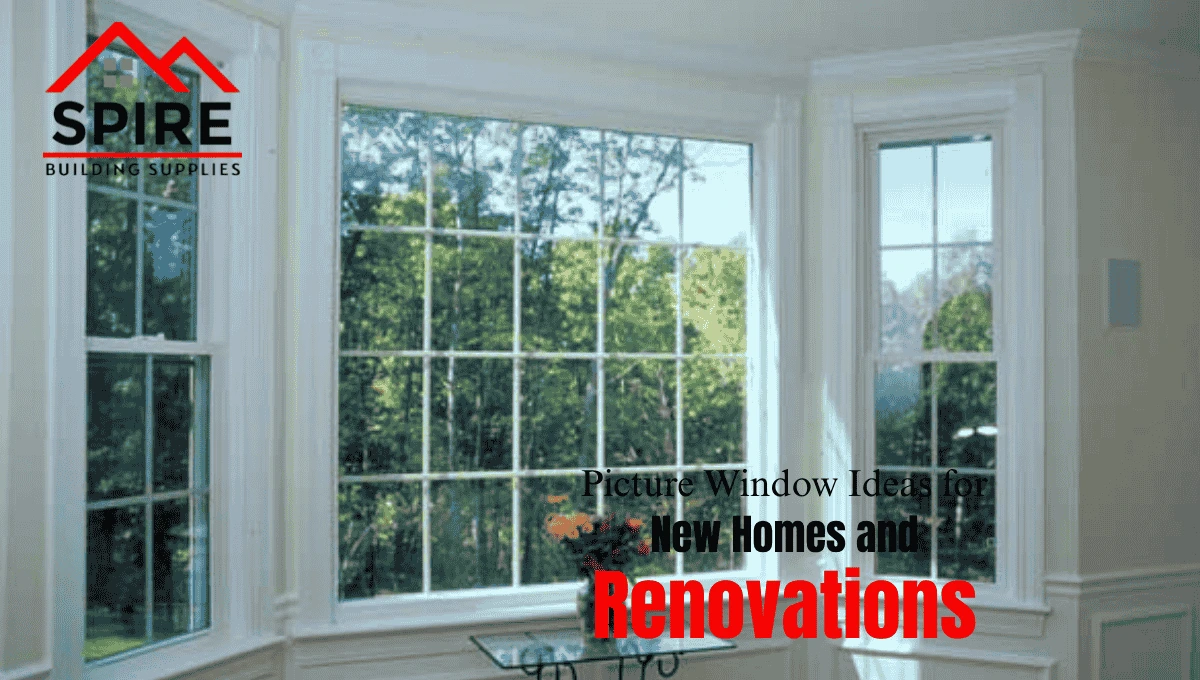
Choosing the right picture window ideas can completely change how a home looks and feels, but it is also one of those decisions that is easy to get wrong if you focus only on style. A picture window can brighten a dark room, frame a backyard view, and make a new build feel more custom. It can also create glare, privacy problems, awkward furniture layouts, or expensive framing changes if it is not planned carefully.
This guide is built for homeowners, renovators, and builders who want practical direction—not just inspiration photos. You’ll learn how picture windows work, where they make the most sense, what design choices matter most, and how to avoid common mistakes during planning, selection, and installation.
What Is a Picture Window?
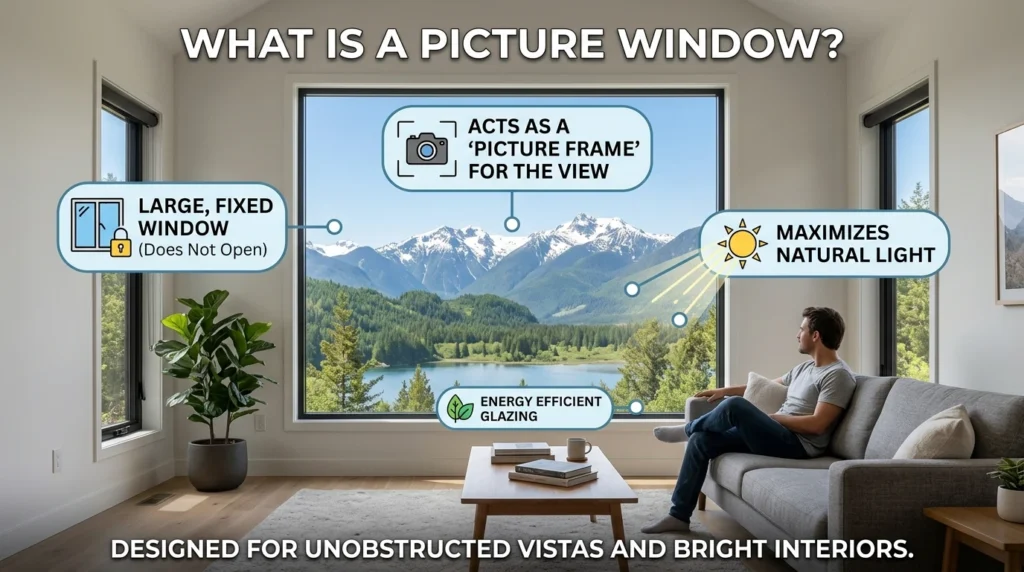
A picture window is a large fixed window designed to bring in daylight and showcase a view. Unlike operable windows, picture windows do not open. Their value comes from visibility, natural light, and clean visual impact.
In simple terms:
A picture window is meant to “frame” the outdoors the way artwork frames a scene.
That makes it a strong choice for:
- Living rooms
- Dining rooms
- Front elevations
- Great rooms
- Stair landings
- Home offices
- Rear-facing gathering spaces
Because picture windows are fixed, they often offer:
- Wider uninterrupted glass areas
- Clean modern or traditional lines
- Fewer moving parts
- Strong energy performance when specified well
That said, they are not automatically the right answer for every wall or every room.
Why Picture Windows Matter in New Builds and Renovations
The same window can have very different results depending on whether you’re designing a new home or updating an existing one.
In new homes
You usually have more flexibility to decide:
- Wall placement
- Room orientation
- Window proportions
- Exterior symmetry
- Interior sightlines
In renovations
You often have to work around:
- Existing framing
- Rooflines
- furniture layout
- privacy challenges
- structural limitations
That difference matters. In new construction, you can build around the window. In remodeling, you usually need the window to work within what already exists.
Either way, a picture window influences more than just appearance. It affects:
- Room brightness
- Energy performance
- Daily comfort
- Exterior design
- Interior layout
- Resale appeal
That’s why the best ideas are the ones that balance beauty, comfort, and practicality.
Key Concepts: What You Need to Know Before Choosing
Before comparing styles and layouts, it helps to understand a few fundamentals.
1) Picture windows are fixed, not venting
This is the first thing people often forget.
A picture window gives you:
- Light
- Views
- Design impact
But it does not give you:
- Fresh air
- Ventilation
- Emergency egress
If airflow matters in that room, you may want to pair the window with side units that open.
2) The “best” window depends on the room
A front-facing picture window may need:
- More privacy
- Better street-facing proportions
- Balanced curb appeal
A backyard-facing picture window may be more about:
- View quality
- Natural light
- Connection to outdoor living
The right idea always depends on where the window is going and how the room is used.
3) Bigger glass is not always better
A large picture window can be beautiful, but oversizing it without thinking about sunlight, wall space, and room function often creates more problems than benefits.
The goal is not to install the biggest unit possible.
The goal is to choose a window that makes the room work better.
Best Picture Window Ideas by Room
One of the easiest ways to narrow down your options is to think by room rather than by product size first.
Living Room Picture Window Ideas
A living room is one of the best places for a picture window because it benefits from:
- Natural light
- Better seated views
- Strong visual impact
What works well:
- Wide centered windows
- Balanced trim around the opening
- Moderate sill heights for seated comfort
- Rear-facing views or controlled front-facing light
Best for:
- New family rooms
- Front formal spaces
- Renovated older homes needing more daylight
Dining Room Picture Window Ideas
A dining room picture window can make the space feel more open and less boxed in.
Good design choices:
- Mid-height to large fixed windows
- Backyard or side-yard views
- Soft morning or north-facing light
Practical note:
This is one of the easiest rooms to improve with a picture window because you usually need less wall storage than in kitchens or media rooms.
Kitchen Picture Window Ideas
A kitchen picture window can work extremely well, especially over a sink or breakfast nook, but placement matters.
What to consider:
- Glare during prep hours
- Nearby cabinetry
- Counter and backsplash layout
- Ventilation elsewhere
Best use:
- Over sink areas
- Breakfast corners
- Rear walls overlooking the yard
A moderate-size window often performs better here than an oversized one.
Stairwell and Landing Picture Window Ideas
This is one of the most underused opportunities in both new homes and renovations.
Why it works:
- Brightens dark vertical spaces
- Adds architectural character
- Improves visual flow between levels
What usually works best:
- Tall rectangular forms
- Clean vertical placement
- Minimal trim for a modern look
This is a particularly effective strategy in new construction where the opening can be planned early.
Home Office Picture Window Ideas
A picture window in a home office can improve focus and comfort if it is placed carefully.
Best practices:
- Avoid direct west-facing glare
- Keep the monitor wall in mind
- Use the window to bring in daylight without constant distraction
A moderate-size fixed window is often more useful here than a dramatic oversized one.
How to Choose the Right Picture Window Style
Once you know where the window is going, the next step is choosing a style that fits the architecture and daily use of the room.
-
Match the window to the home’s design language
A picture window should feel intentional—not like an afterthought.
Modern and contemporary homes often suit:
- Slim frame profiles
- Large clean glass spans
- Minimal trim
- Geometric proportions
Traditional homes often suit:
- More balanced divided layouts nearby
- Heavier trim details
- More symmetrical placement
Transitional homes usually work well with:
- Clean rectangular windows
- Moderate trim depth
- Flexible frame color choices
A good window idea should support the house, not compete with it.
-
Think carefully about orientation and sunlight
This is one of the most important practical decisions.
How direction affects performance
South-facing windows
Usually bring:
- Strong daylight
- Winter warmth
- Potential summer heat gain
West-facing windows
Usually bring:
- Warm afternoon light
- Higher glare risk
- More overheating potential
East-facing windows
Usually bring:
- Pleasant morning light
- Softer heat load
North-facing windows
Usually bring:
- Even daylight
- Less direct solar intensity
Practical insight:
A beautiful inspiration photo does not show what a room feels like at 4:30 p.m. in July. That is why orientation matters just as much as aesthetics.
-
Compare frame materials realistically
Frame material affects more than looks. It changes maintenance, durability, energy efficiency, and budget.
Common frame options
Vinyl
A vinyl picture window is one of the most practical choices for many homes because it tends to be:
- Low maintenance
- Energy efficient
- Cost-conscious
- Easy to integrate into many home styles
This is often a strong option for both new homes and picture window replacements.
Wood
Wood can add warmth and character, but it usually requires more upkeep.
Composite or aluminum
These may appeal to homeowners or builders pursuing slimmer, more contemporary profiles.
Real-world advice:
If you want a window that is easy to live with over time, vinyl often gives the best balance of maintenance, value, and performance.
If you’re exploring options more closely, browsing picture windows for sale can help you compare practical styles and common dimensions.
- Decide Between Standard and Custom Sizing
This is where budget and design goals often meet.
Standard-size windows
Usually make sense when:
- You’re replacing an existing unit
- You want easier product sourcing
- You’re trying to simplify installation
Custom picture windows
Can be worthwhile when:
- You’re framing a very specific view
- The wall proportions are unusual
- You want a feature window in a new build
- You’re trying to align with custom elevations
Practical tip:
Custom picture windows are worth considering when they solve a real design challenge. But if a standard size works visually, it can often save time and cost without sacrificing appearance.
For example, products like:
…can help you visualize how standard-size fixed windows might fit common wall conditions.
Benefits of Picture Windows
When chosen thoughtfully, picture windows can improve both function and aesthetics.
Main benefits
More natural light
This is often the biggest reason people choose them. Rooms feel brighter, larger, and more open.
Better views
A picture window can turn a backyard, tree line, patio, or landscape into part of the room itself.
Cleaner visual design
Because there are no moving sashes, the glass area feels more uninterrupted and intentional.
Strong energy performance
Fixed windows often perform well because they have fewer potential air-leak points than operable units.
Better design value
A well-placed picture window can improve both curb appeal and the quality of interior spaces.
Limitations and Trade-Offs
A realistic decision means understanding where picture windows are less ideal.
Common limitations
No ventilation
This is the biggest one. If the room needs fresh air, you will need another venting strategy.
Glare and solar heat gain
This can become a real issue with west- or south-facing glass if not planned correctly.
Privacy concerns
A front-facing picture window can make a room feel exposed if sightlines are not considered.
Less usable wall space
Larger windows reduce room for:
- Built-ins
- Artwork
- Cabinets
- TVs
- Shelving
The right answer is often not “more glass,” but the right glass in the right location.
Practical Planning and Buying Considerations
If you’re moving beyond inspiration and into decision-making, these are the details that matter most.
What to compare before choosing
1) Glass package and energy performance
Ask about:
- Low-E coatings
- Double or triple glazing
- U-factor
- Solar heat gain performance
2) Frame profile
The frame shape and thickness can make a huge visual difference, especially in modern or minimalist homes.
3) Installation complexity
A simple picture window installation can become more involved if the project requires:
- Structural framing changes
- Header adjustments
- Exterior finish modifications
- Interior drywall or trim rework
4) Interior and exterior trim
The trim surrounding the window often determines whether it looks “builder-basic” or thoughtfully finished.
If your project includes wider finish upgrades, working with the right supplier matters. This is where resources like a Building accessories supplier in Texas can support a more coordinated outcome.
5) Replacement vs. new opening
Picture window replacements are usually simpler when you’re keeping the existing rough opening.
A new opening gives you more flexibility but usually involves more planning and cost.
Common Mistakes to Avoid
This is where many homeowners and even capable builders lose time, money, or design quality.
1) Choosing only from inspiration images
Online photos are useful, but they rarely show:
- Afternoon glare
- Privacy issues
- Furniture conflicts
- exterior proportion problems
2) Oversizing the window without a plan
A bigger window is not always better if it causes:
- Heat gain
- Layout problems
- Reduced wall function
3) Ignoring what the room actually needs
A family room, office, and stairwell do not need the same window strategy.
4) Forgetting ventilation
A fixed window can be perfect in the wrong place—and frustrating in the wrong room.
5) Overlooking trim and finish details
Even a quality window can feel unfinished if the casing, drywall returns, or exterior detailing are poorly handled.
6) Searching by product before defining the goal
People often start with terms like picture windows near me or compare only by dimensions. That can be useful later, but it is not the best starting point.
Start with:
- What room is this for?
- What do I want this window to improve?
- What tradeoffs am I willing to accept?
That usually leads to better choices.
Expert Tips and Best Practices
These are the details that consistently lead to better outcomes in real homes.
Frame the best view, not just the biggest opening
If only one side of the yard or lot is worth looking at, design around that.
Think from both inside and outside
A good picture window should improve the room and look proportionate on the elevation.
Keep furniture in mind early
This avoids common problems like placing a beautiful window where the sofa, TV, or built-ins need to go.
Use standard sizes where practical
If a standard-size unit works visually, it often simplifies procurement and installation.
Pair fixed glass with airflow elsewhere
This is especially important in kitchens, living rooms, and bedrooms.
Prioritize glazing in sunny exposures
Good glass specifications can matter more than just increasing or reducing size.
Real-World Use Cases
Use Case 1: New build family room
Goal:
- Create a bright rear-facing gathering space
What worked:
A centered picture window overlooking the backyard added daylight and made the room feel larger without needing oversized glass walls.
Use Case 2: Older home renovation
Goal:
- Replace a dated front window and improve curb appeal
What worked:
A clean vinyl picture window update modernized the room while preserving wall function and improving efficiency.
Use Case 3: Stair landing in a two-story home
Goal:
- Brighten a dark transitional zone
What worked:
A taller fixed window added natural light and visual height without compromising privacy.
Use Case 4: Home office remodel
Goal:
- Add daylight without screen glare
What worked:
A moderate-size side-facing picture window improved comfort and brightness without overexposing the workspace.
Quick Checklist Before You Decide
Use this before finalizing your design.
Choose a picture window idea that answers these questions:
- What is the main purpose of the window?
- Which room is it for?
- What direction does the wall face?
- Do I need ventilation nearby?
- Is standard sizing enough?
- Will it affect furniture or cabinetry?
- Does it look balanced from the exterior?
- Have I considered trim and finish details?
If you can answer those clearly, you are much more likely to end up with a window you still like years from now.
Customer Testimonials
We originally planned for a much bigger window, but scaling it back actually made the room work better. We kept the light and view without losing the whole wall.
— Andrea M., Homeowner
The biggest help was thinking about sun direction before choosing the wall. That saved us from a lot of afternoon glare.
— Tyler G., Renovation Client
Our stair landing was always dark. Adding a fixed picture window there made the entire upper hallway feel brighter and more finished.
— Luis P., Builder
FAQ:
Are picture windows a good idea for new homes?
Yes, especially when they are planned early around room layout, natural light, and exterior design.
Can picture windows open for ventilation?
No. Picture windows are fixed, so if airflow matters, you’ll want another window nearby that opens.
Are vinyl picture windows worth it?
For many homeowners, yes. They are low maintenance, practical, and often a strong value.
Should I choose custom picture windows?
Only if the wall, view, or design really calls for it. Standard sizes often work well and keep the project simpler.
Are picture window replacements difficult?
Not always. Replacements are often more straightforward if you are keeping the same opening size and shape.
Final Thoughts
The best picture window ideas are not always the most dramatic ones. They are the ideas that improve the room in a meaningful, lasting way—bringing in light, framing a useful view, and fitting naturally with how the home is actually lived in.
Whether you’re planning a new home or updating an older one, the smartest window decisions usually come from balancing design with comfort, proportion, and practical everyday use.
If you get those pieces right, a picture window can become one of the most valuable and visually rewarding upgrades in the entire home.
Author / Editorial Team Bio
Spire Building Supplies Editorial Team creates practical, experience-informed content for homeowners, remodelers, and builders looking to make better material and design decisions. The team focuses on useful product knowledge, realistic project planning, and straightforward guidance that helps readers choose with more clarity and confidence.

Leave a comment