What are pantry doors

What Are Pantry Doors? Types, Styles & Buying Guide (2026)

When planning a functional kitchen, one question homeowners often ask is, ‘What are pantry doors, and why do they matter so much?The answer goes beyond simple storage. Pantry doors define accessibility, improve space efficiency, and enhance your kitchen’s overall look—especially in modern homes across Texas, where layout and design both matter.

At Spire Building Supplies, we’ve worked with homeowners, contractors, and designers across Texas who want pantry solutions that balance durability, style, and long-term value. From standard sizes like pantry door 6’8″ height to taller pantry door 8’0″ height options, choosing the right door can transform both function and aesthetics.

This guide breaks down everything you need to know—from types and styles to materials, costs, and expert buying tips—so you can make a confident decision.

Why Pantry Doors Matter in Modern Homes

A pantry is more than storage—it’s an extension of your kitchen workflow. Without the right door, even a well-designed pantry can feel cluttered or inefficient.

Key benefits:

  • Improves kitchen organization
  • Enhances visual appeal
  • Maximizes space efficiency
  • Controls visibility and accessibility
  • Adds home value in competitive Texas markets

In real projects across Texas homes, we’ve seen that a well-chosen pantry door can reduce kitchen clutter instantly and create a cleaner, more structured layout.

Types of Pantry Doors

Choosing the right type depends on your kitchen size, layout, and daily usage.

1. Hinged Pantry Doors (Traditional Choice)

These are the most common doors, opening inward or outward.

Best for:

  • Larger kitchens
  • Standard layouts

Pros:

  • Easy installation
  • Affordable
  • Wide design variety

Cons:

  • Requires clearance space

2. Sliding Pantry Doors

Mounted on a track, these doors slide horizontally.

Best for:

  • Small kitchens
  • Space-saving layouts

Pros:

  • Saves floor space
  • Modern look

Cons:

  • Limited opening width

3. Pocket Pantry Doors

These doors slide into the wall cavity.

Best for:

  • Minimalist homes
  • High-end kitchen designs

Pros:

  • Fully hidden when open
  • Clean appearance

Cons:

  • Higher installation cost

4. Bi-Fold Pantry Doors

Folds in sections when opened.

Best for:

  • Compact pantry spaces

Pros:

  • Easy access
  • Space-efficient

Cons:

  • Less durable over time

5. Barn-Style Pantry Doors

A popular trend in Texas homes, especially farmhouse-style interiors.

Pros:

  • Strong visual statement
  • Works as a design feature

Cons:

  • Requires wall space for sliding

Pantry Door Sizes: What You Need to Know

Choosing the right size ensures functionality and compliance with your layout.

Standard Sizes:

Width Options:

  • 24 inches
  • 28 inches
  • 30 inches
  • 36 inches

In Texas homes with open-concept kitchens, we often recommend 8’0″ height pantry doors to create a seamless, upscale look.

Popular Pantry Door Styles (2026 Trends)

Design trends continue to evolve, but some styles remain consistently in demand.

1. Shaker-style pantry doors

  • Clean lines
  • Works with modern and traditional kitchens

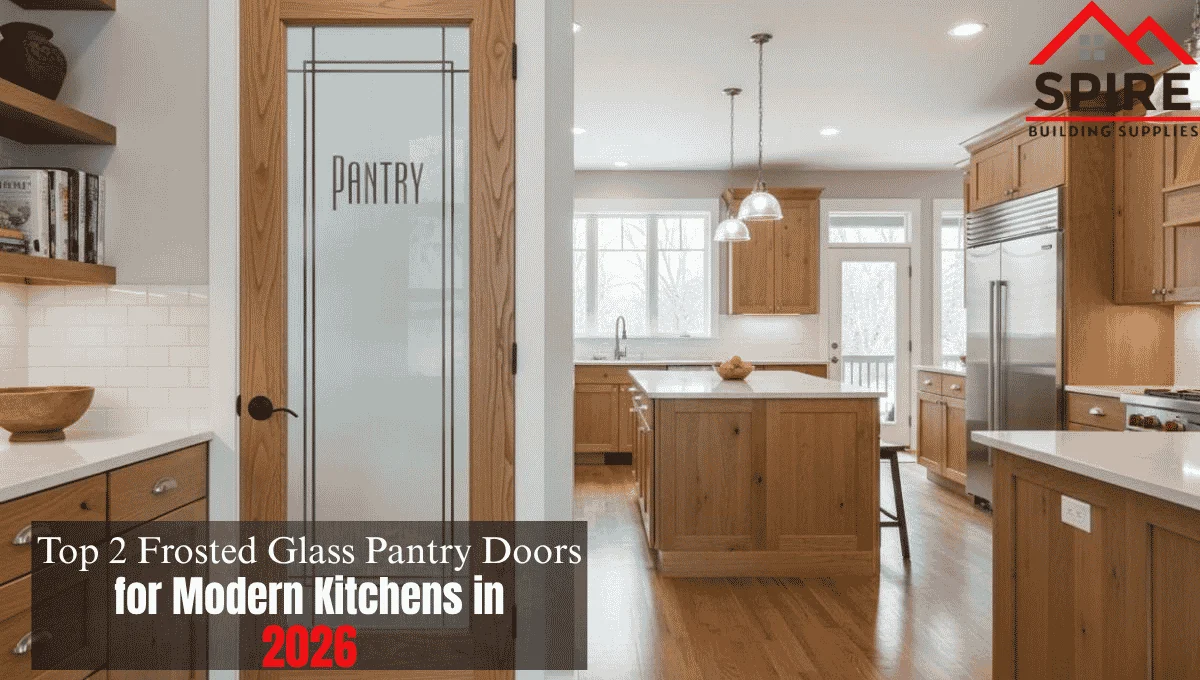
2. Glass Pantry Doors

  • Frosted or clear glass panels
  • Adds brightness

3. Louvered Pantry Doors

  • Allows ventilation
  • Ideal for food storage

4. Rustic Wood Doors

  • Popular in Texas farmhouse homes
  • Warm and natural appeal

5. Minimalist Flush Doors

  • Smooth surface
  • Modern aesthetic

Best Materials for Pantry Doors

Material selection affects durability, maintenance, and price.

Solid Wood

  • Strong and long-lasting
  • Higher cost

MDF (Medium Density Fiberboard)

  • Smooth finish
  • Budget-friendly

Glass Inserts

  • Stylish and functional
  • Requires cleaning

Composite Materials

  • Moisture-resistant
  • Ideal for humid kitchens

From experience, many Texas homeowners prefer MDF with a painted finish for affordability and consistency, while premium projects opt for solid wood.

How Pantry Doors Improve Space Efficiency

Pantry doors directly impact how efficiently your kitchen functions.

Smart benefits:

  • Sliding and pocket doors save floor space
  • Glass doors improve visibility
  • Bi-fold doors provide full access in tight areas

In smaller kitchens, switching from a hinged door to a sliding pantry door can significantly improve movement flow.

Cost of Pantry Doors in Texas (2026)

Prices vary based on type, material, and installation.

Average Cost Breakdown:

  • Basic pantry doors: $150 – $400
  • Mid-range options: $400 – $900
  • Premium/custom doors: $900 – $2,000+

Installation:

  • Standard install: $150 – $500
  • Custom/pocket doors: $500 – $1,500

At Spire Building Supplies, we help customers balance cost with durability to ensure long-term value.

How to Choose the Right Pantry Door

Here’s a practical checklist based on real-world projects:

Consider your space:

  • Small kitchen → sliding or bi-fold
  • Large kitchen → hinged or double doors

Think about style:

  • Modern → flush or glass
  • Rustic → barn-style

Focus on usability:

  • Frequent access → wider doors
  • Storage-heavy → louvered or ventilated

Match your interior:

  • Keep consistency with cabinetry and finishes

Common Mistakes to Avoid

Many homeowners make avoidable mistakes when selecting pantry doors.

Avoid these:

  • Choosing the wrong size
  • Ignoring clearance space
  • Overlooking ventilation
  • Picking style over functionality

A poorly chosen pantry door can disrupt kitchen flow, even if it looks good.

Why Choose Spire Building Supplies?

At Spire Building Supplies, we combine product knowledge with real-world experience across Texas residential projects.

What sets us apart:

  • Wide selection of pantry door styles
  • Reliable quality and consistency
  • Support from experienced professionals
  • Trusted by homeowners and contractors

We focus on providing solutions that work in real homes—not just in catalogs.

Real Customer Testimonials

James R., Dallas, TX
Spire Building Supplies helped me choose a sliding pantry door for my small kitchen. It completely improved the layout.

Maria L., Houston, TX
I went with an 8-foot shaker pantry door. The quality and finish are excellent, and it fits perfectly with my cabinets.

Daniel K., Austin, TX
Great experience from selection to delivery. The pantry door added both style and function to our kitchen.

People Also Ask (PAA)

What are pantry doors used for?
Pantry doors are used to cover and protect food storage areas while improving kitchen organization and appearance.

What is the best type of pantry door?
Sliding or pocket doors work best for small kitchens, while hinged doors are ideal for larger spaces.

Are glass pantry doors a good idea?
Yes, they improve visibility and add a modern touch, especially with frosted glass for privacy.

What size pantry door should I choose?
Most homes use 6’8″ height, but an 8’0″ height is better for modern kitchens with higher ceilings.

Do pantry doors add value to a home?
Yes, well-designed pantry doors enhance both functionality and visual appeal, which can increase home value.

Final Thoughts

Understanding what pantry doors are helps you make smarter decisions for your kitchen. The right door improves storage, enhances design, and increases daily convenience.

Whether you choose a standard 6’8″ pantry door or upgrade to an 8’0″ modern option, the key is balancing style, function, and space efficiency.

If you’re planning a kitchen upgrade in Texas, investing in the right pantry door is a small decision that delivers long-term impact.

Author Bio

Spire Building Supplies
Spire Building Supplies is a trusted name in high-quality doors and interior solutions across Texas. With hands-on experience in residential and commercial projects, the team provides reliable products that combine performance, durability, and modern design standards.

large windows for homes

Why Choose Large Windows for Homes in Modern Design?

Large Windows for Homes are no longer just a style trend—they’ve become a defining element of modern architecture in the USA. Homeowners today want brighter spaces, better airflow, and a stronger connection between indoor comfort and outdoor views. That shift has pushed designers and builders to rethink how windows shape a home’s personality, energy performance, and long-term value.

At Spire Building Supplies, we’ve worked closely with contractors, builders, and homeowners who consistently ask one thing: how do we make homes feel more open without compromising efficiency or durability? The answer often starts with the right window design.

Let’s break down why Large Windows for Homes are becoming essential in modern living—and how to choose the right options with real-world insight.

The Modern Shift: Why Homeowners Prefer Large Windows for Homes

Over the last decade, residential design in the USA has moved toward openness and natural integration. People are spending more time at home, which means comfort and environment matter more than ever.

Large Windows for Homes support this shift in three powerful ways:

  • They increase natural daylight, reducing reliance on artificial lighting
  • They visually expand interior spaces, making rooms feel larger
  • They enhance property aesthetics and resale value

From our field experience, homeowners often report that after installing larger window systems, their homes feel “completely different”—not because the structure changed, but because the experience of space changed.

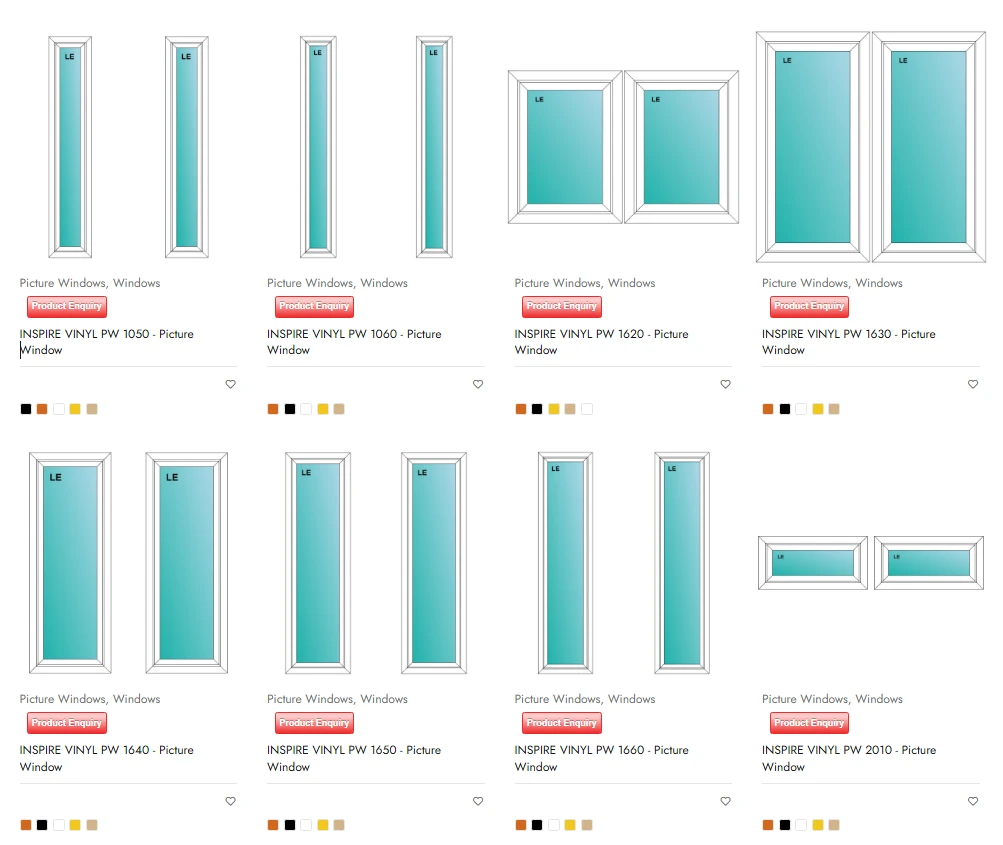
Picture Windows

Picture windows are one of the most effective solutions when designing Large Windows for Homes.

Unlike operable windows, picture windows are fixed units designed to maximize visibility and light intake. They are especially popular in living rooms, staircases, and open-plan areas.

At Spire Building Supplies, picture windows are engineered to balance clarity, insulation, and structural strength.

Key benefits include:

  • Wide, uninterrupted outdoor views
  • Higher energy efficiency due to sealed construction
  • Reduced air leakage compared to operable windows

Professionally, we often recommend picture windows for homeowners who prioritize aesthetics and performance over ventilation in specific areas.

Featured Product’s

INSPIRE VINYL PW 1630 – Picture Window

The INSPIRE VINYL PW 1630 – Picture Window is designed for homeowners who want a clean, minimal frame with strong thermal performance.

In real installation scenarios, this model performs well in:

  • Living rooms facing gardens or patios
  • Modern-style homes with open layouts
  • Coastal or sunny regions where heat control matters

What makes it practical is its vinyl frame construction, which resists warping and reduces long-term maintenance costs. Contractors also appreciate its easy fit system, which helps reduce installation time on site.

From a design perspective, this window works best when paired with neutral interiors and large open wall spaces.

INSPIRE VINYL PW 2040 – Picture Window

The INSPIRE VINYL PW 2040 – Picture Window is a mid-to-large format option that brings balance between scale and structural efficiency.

This model is frequently used in:

  • Family rooms needing controlled natural lighting
  • Contemporary homes with symmetrical facade design
  • Renovation projects replacing older, smaller windows

One thing we’ve observed in real installations is how effectively this size improves daylight distribution without creating excessive heat gain when properly glazed.

It’s a strong choice for homeowners who want impact without going oversized.

INSPIRE VINYL PW 2830 – Picture Window

When the goal is maximum visual openness, the INSPIRE VINYL PW 2830 – Picture Window delivers a bold architectural statement.

This is typically selected for:

  • Luxury residential builds
  • Homes with scenic outdoor views
  • Great rooms or double-height spaces

In practical terms, this window transforms walls into visual experiences. However, professional installation is critical due to its size and load requirements.

We often advise pairing this unit with energy-efficient glass coatings to maintain comfort in both summer and winter conditions.

What is a single hung window?

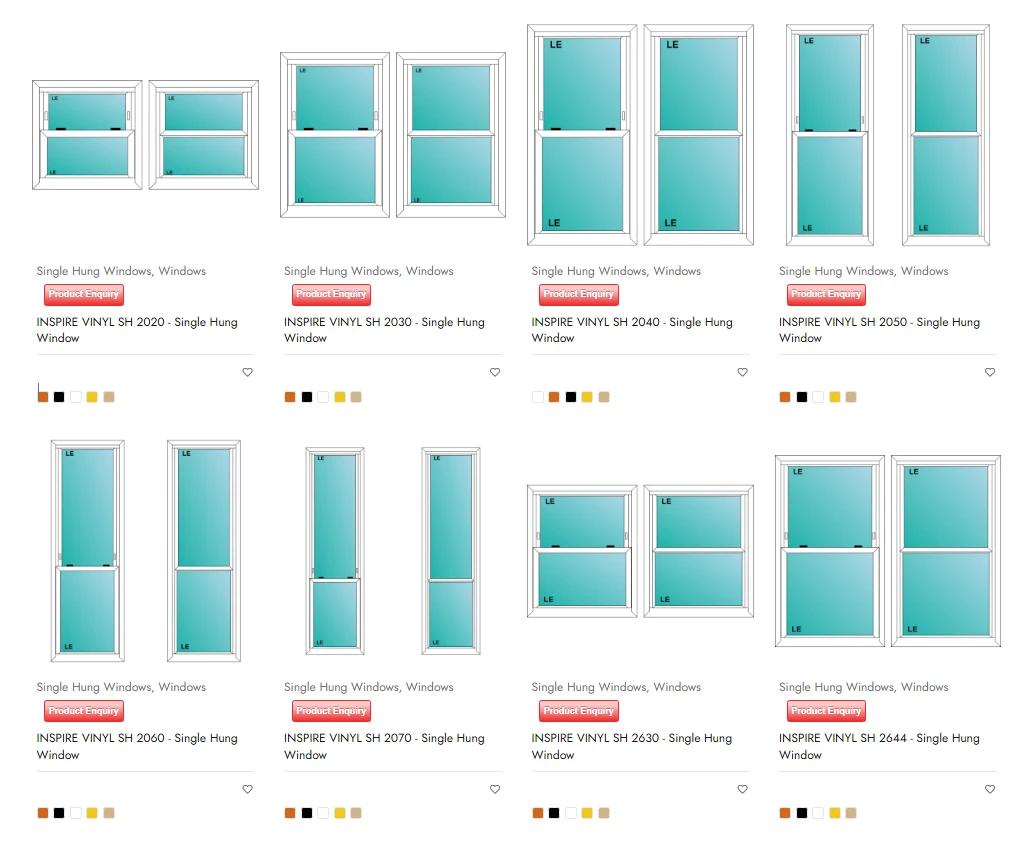
A single hung window is a traditional window type where the bottom sash moves vertically while the top sash remains fixed.

It is commonly used in:

  • Budget-conscious home projects
  • Rental properties
  • Classic-style residential builds

Compared to Large Windows for Homes, single hung windows offer more controlled ventilation but less natural light exposure and smaller viewing areas.

From an installer’s perspective, single hung windows are easier to maintain, but they don’t deliver the same modern openness that today’s homeowners expect.

Expert Insights: What Most Homeowners Overlook

Based on field experience across multiple residential projects, here are a few insights often missed during planning:

  • Window orientation matters more than size alone
  • Glass type directly impacts energy bills, not just comfort
  • Frame material affects long-term maintenance more than aesthetics

One common mistake is choosing oversized windows without considering heat gain in warmer U.S. regions. Proper glazing selection solves this problem effectively.

Common Mistakes When Choosing Large Windows for Homes

Many homeowners rush into design decisions without technical planning. The most common errors include:

  • Ignoring insulation ratings (U-factor and SHGC values)
  • Choosing style over performance
  • Overlooking installation quality
  • Not matching window scale with room proportions

Correcting these early saves significant long-term cost and discomfort.

Why Spire Building Supplies is Trusted in the USA

At Spire Building Supplies, we focus on delivering window solutions that balance design, durability, and performance.

Our experience with contractors and homeowners shows that successful window selection is not just about looks—it’s about long-term livability.

We prioritize:

  • Reliable material sourcing
  • Energy-efficient design standards
  • Real-world installation support

Customer Testimonials

James R., Texas
Spire Building Supplies helped us choose the right large windows for our living room. The difference in natural light is unbelievable.

Emily S., California
Our renovation project became easier because the window options were clearly explained. The quality is excellent.

Michael T., Florida
We installed picture windows and noticed immediate energy efficiency improvements. Highly recommended.

People Also Ask

1. Why are large windows for homes popular in modern design?
They improve natural light, space perception, and overall home value.

2. Are large windows energy efficient?
Yes, when paired with modern insulated glass and proper framing systems.

3. What is the best room for large windows for homes?
Living rooms and open spaces benefit the most from large window installations.

4. Do large windows increase home value?
Yes, they improve aesthetics and buyer appeal in the real estate market.

5. What maintenance do large windows require?
Regular cleaning and occasional seal checks ensure long-term performance.

Conclusion

Large Windows for Homes are more than a design choice—they are a lifestyle upgrade rooted in comfort, light, and modern efficiency. When selected thoughtfully, they transform not just how a home looks, but how it feels every day.

If you’re planning a renovation or new build, Spire Building Supplies is ready to guide you with practical, performance-driven solutions that fit real American homes.

Author Bio

Written by the Spire Building Supplies Editorial Team, a group of building material specialists and design consultants with real-world experience in residential window systems across the USA. The team focuses on practical, performance-based construction insights for homeowners and professionals.

White Single Hung Window

What Is a Single Hung Window? Real Pros, Cons & Costs

Introduction: The Window Choice Most Homeowners Get Wrong

Walk into any home improvement store in the U.S., and you’ll see dozens of window styles competing for attention. Yet one of the most commonly installed—and often misunderstood—is the single hung window.

Many homeowners rush into buying windows based on price alone. That’s where costly mistakes happen. Poor ventilation, cleaning headaches, and even long-term energy loss can follow.

So, what is a single hung window, really—and is it the right choice for your home?

This guide breaks it down with real-world insights, practical pros and cons, and actual cost considerations—so you can make a confident, informed decision.

What Is a Single Hung Window?

A single hung window is a classic window style where:

  • The bottom sash moves up and down
  • The top sash stays fixed in place

That’s the key difference from double hung windows, where both sashes move.

Why This Design Still Dominates

From decades of field experience, builders and contractors still prefer single hung windows because:

  • Fewer moving parts = lower failure risk
  • Tighter seals = better energy efficiency
  • Simpler structure = lower upfront cost

However, simplicity comes with trade-offs—which we’ll cover next.

How Single Hung Windows Work (Real-World Use)

Here’s what actually happens in everyday use:

  • You lift the bottom sash to allow airflow
  • The top portion remains sealed, preventing air leakage
  • Most models include balance systems for smooth operation

Pro Tip (From Installers)

Installers often recommend single hung windows for:

  • Ground-level rooms
  • Rental properties
  • Low-maintenance homeowners

Why? Because fewer moving parts mean fewer service calls over time.

Real Pros of Single Hung Windows

Let’s cut through the marketing and talk about practical benefits:

Lower Cost (Biggest Advantage)

Single hung windows are typically 10–25% cheaper than double hung options.

Better Energy Efficiency

Because the top sash is fixed:

  • There’s less air leakage
  • Seals stay intact longer

Durability That Lasts

Fewer mechanical components = less wear and tear over years

Clean, Traditional Look

They fit perfectly in:

  • Colonial-style homes
  • Traditional U.S. architecture
  • Rental units

Real Cons You Should Know

No window is perfect. Here’s what many sellers don’t tell you:

Limited Ventilation

Only half the window opens. That can restrict airflow, especially in hot climates.

Harder to Clean (Upper Floors)

You can’t tilt the top sash inward, which makes cleaning tricky in multi-story homes.

Less Flexibility

Compared to double hung or casement windows, airflow control is limited.

Expert Insights: When Single Hung Windows Make Sense

From years of industry observation, here’s when they’re the smartest choice:

  • You want maximum value on a tight budget
  • You prefer low maintenance over flexibility
  • You’re upgrading rental or resale properties
  • You need reliable performance with fewer repairs

When to Avoid Them

Skip single hung windows if:

  • You need maximum airflow
  • You live in a humid climate requiring ventilation
  • Cleaning access is a priority

Common Mistakes to Avoid

Even experienced buyers make these errors:

Choosing Based on Price Alone

Cheap windows can lead to higher energy bills later.

Ignoring Installation Quality

A poorly installed window performs worse than a cheaper, properly installed one.

Not Considering Cleaning Access

Upper-floor installations need planning.

Skipping Energy Ratings

Always check U-factor and insulation ratings.

Product Spotlight

INSPIRE VINYL SH 2020 – Single Hung Window

This compact option is ideal for smaller spaces like bathrooms or utility areas.

Key Highlights:

  • Space-saving design
  • Strong vinyl frame for durability
  • Energy-efficient glass options

Best Use Case

Perfect for:

  • Tight wall openings
  • Secondary rooms
  • Budget renovations

INSPIRE VINYL SH 2040 – Single Hung Window

This mid-size configuration offers a balance between airflow and affordability.

Why It Stands Out:

  • Better ventilation than smaller models
  • Reinforced structure for long-term use
  • Works well in bedrooms and kitchens

Expert Insight

Contractors often install this size in standard residential projects because it fits most framing layouts.

INSPIRE VINYL SH 3040 – Single Hung Window

A larger format designed for living areas where natural light matters.

Top Benefits:

  • Increased daylight entry
  • Enhanced curb appeal
  • Strong insulation performance

Where It Works Best

Ideal for:

  • Living rooms
  • Front-facing walls
  • Open-plan homes

Cost Breakdown: What You’ll Actually Pay

Let’s talk real numbers (U.S. market averages):

Window Unit Cost

  • Basic models: $150 – $300
  • Mid-range vinyl: $300 – $600
  • Premium options: $600+

Installation Cost

  • Per window: $150 – $400
  • Full home: depends on quantity and labor complexity

Money-Saving Tip

If you’re replacing multiple windows, contractors often offer bulk installation discounts.

Buy Single Hung Windows Online

Buying windows online is now easier—and often cheaper—than visiting multiple stores.

With Spire Building Supplies, you can:

  • Compare sizes and specs quickly
  • Access detailed product information
  • Order directly for delivery across the U.S.

Pro Tip

Before purchasing:

  • Measure your window openings accurately
  • Confirm installation requirements
  • Check return and warranty policies

What Customers Say

James Carter
Solid quality for the price. Installation was smooth, and they perform better than expected.

Emily Rogers
Great value windows. My energy bills dropped slightly after installation.

Daniel Brooks
Simple, durable, and exactly what I needed for my rental property.

People Also Ask 

1. What is a single hung window used for?
It’s commonly used in residential homes where cost and energy efficiency matter most.

2. Are single hung windows energy efficient?
Yes, they offer strong insulation due to fewer moving parts and tighter seals.

3. How much do single hung windows cost?
They typically range from $150 to $600 depending on quality and size.

4. What is the difference between single and double hung windows?
Single hung windows have one movable sash, while double hung windows have two.

5. Can you install single hung windows upstairs?
Yes, but cleaning may be more difficult compared to other window types.

Conclusion: Should You Choose a Single Hung Window?

If you want a cost-effective, durable, and energy-efficient window, a single hung window is a strong contender.

However, it’s not for everyone.

The best choice depends on your:

  • Budget
  • Home layout
  • Ventilation needs

For reliable options and expert-backed products, visit Spire Building Supplies

Make a smart investment today—and avoid costly mistakes tomorrow.

Author Bio – Spire Building Supplies Team

The Spire Building Supplies Team brings hands-on experience in residential construction materials, helping homeowners and contractors choose reliable, cost-effective solutions. With a focus on quality and performance, the team shares practical insights based on real-world applications across U.S. housing projects.

mahogany hardwood doors

Best Finishes for Mahogany Hardwood Doors in Modern Homes 2026

Why Finishing Matters for Mahogany Hardwood Doors

When homeowners in Texas start investing in mahogany hardwood doors, one detail often gets underestimated—the finish. Yet, the finish is what determines how the door performs under heat, humidity, and daily use while also defining its visual character inside modern and traditional homes.

At Spire Building Supplies, we’ve worked closely with builders, contractors, and homeowners across Texas who want doors that don’t just look premium but also stand the test of time. From luxury villas in Dallas to modern remodels in Austin, mahogany doors remain a top choice because of their natural strength, deep grain pattern, and long-term durability.

But here’s what most experts agree on:
The right finish can increase the lifespan of mahogany hardwood doors by years, sometimes even decades.

In this guide, we break down the best finishes for mahogany hardwood doors in 2026, including real product-style examples, design trends, maintenance insights, and expert recommendations based on real installation experience in Texas homes.

Why Finishing Is Critical for Mahogany Hardwood Doors

Mahogany is naturally rich in oils and dense in structure. This makes it one of the most reliable hardwoods for doors—but it still needs proper sealing and finishing.

A good finish helps with:

  • Protection against Texas humidity and heat expansion
  • UV resistance from strong sunlight exposure
  • Enhanced grain visibility and color depth
  • Scratch and stain resistance
  • Long-term structural stability

Without proper finishing, even high-quality mahogany can lose its rich tone and develop surface damage over time.

Top Finishes for Mahogany Hardwood Doors in 2026

1. Clear Satin Polyurethane Finish (Most Popular in Texas Homes)

Satin polyurethane remains one of the most requested finishes by builders working with mahogany hardwood doors.

Why it works:

  • Provides a natural look without excessive shine
  • Protects against moisture and UV rays
  • Easy maintenance for homeowners
  • Ideal for both modern and traditional interiors

This finish is commonly used in suburban Texas homes where durability is just as important as design appeal.

2. Matte Oil Finish (Modern Luxury Trend)

Matte oil finishes are gaining popularity in 2026, especially in high-end residential projects.

Benefits include:

  • Soft natural appearance
  • Deep grain enhancement
  • Minimal glare under lighting
  • Eco-friendly formulation

This finish is often selected for interior doors in luxury homes where subtle elegance is preferred over glossy surfaces.

3. High-Gloss Finish (Classic Premium Look)

A high-gloss finish creates a dramatic, reflective surface that highlights the richness of mahogany.

Ideal for:

  • Main entry doors
  • Luxury estates
  • Traditional-style homes

However, it requires more maintenance and is more sensitive to scratches compared to satin finishes.

4. UV-Protected Exterior Finish (Texas Climate Essential)

In Texas, sunlight exposure is a major factor. UV-protected finishes are designed to prevent fading and discoloration.

Key advantages:

  • Prevents wood darkening or fading
  • Reduces heat damage
  • Extends door lifespan significantly

This is highly recommended for exterior mahogany hardwood doors in cities like Houston, Dallas, and San Antonio.

5. Natural Oil Finish (Eco-Friendly Choice)

Natural oil finishes are becoming a preferred option for environmentally conscious homeowners.

Features:

  • Penetrates deep into wood fibers
  • Enhances natural grain texture
  • Easy to repair and reapply

It is commonly used in modern minimalist homes where natural aesthetics are important.

Mahogany Hardwood Doors in Texas Climate

Texas presents a unique challenge for wooden doors due to:

  • High humidity in coastal areas
  • Intense summer heat
  • Seasonal expansion and contraction

That’s why choosing the right finish is not optional—it’s essential.

At Spire Building Supplies, we often recommend UV-protected or satin polyurethane finishes for exterior doors because they offer the best balance of protection and design flexibility.

Featured Mahogany Door Options from Spire Building Supplies

Here are some popular models frequently chosen by builders and homeowners:

Mahogany 36X80 LH 3 Lite Equal Frosted

A modern design with frosted glass panels, perfect for privacy and natural light balance.

Mahogany 36X80 LH 4-Lite Over 1 Panel Rain Glass

A stylish option combining textured glass with solid wood structure for contemporary homes.

Mahogany 36X80 LH 5 Lite Equal Frosted

A bold architectural design that enhances entryways with symmetry and light diffusion.

Each of these mahogany hardwood doors performs differently depending on the finish applied, making selection even more important.

How to Choose the Right Finish for Your Home

Choosing the right finish depends on your home’s style and function:

Modern Homes:

  • Matte oil finish
  • Satin polyurethane
  • Minimal gloss for clean design

Traditional Homes:

  • High-gloss finish
  • Rich stain finishes
  • Deep walnut-toned coatings

Exterior Doors:

  • UV-protected polyurethane
  • Weather-sealed coatings

Interior Doors:

  • Satin or matte finishes
  • Natural oil for soft aesthetics

Maintenance Tips for Long-Lasting Mahogany Hardwood Doors

To keep your doors in top condition:

  • Clean with a soft microfiber cloth regularly
  • Avoid harsh chemical cleaners
  • Reapply protective coatings every 2–3 years
  • Check for moisture exposure near entry points
  • Use door seals in high-humidity areas

Proper maintenance ensures your mahogany hardwood doors maintain their original elegance for years.

Common Mistakes Homeowners Should Avoid

Even premium doors fail when finishing is done incorrectly. Avoid these mistakes:

  • Using indoor finishes on exterior doors
  • Ignoring UV protection in sunny regions
  • Over-polishing high-traffic doors
  • Skipping sealant layers before installation
  • Choosing aesthetics over durability

Why Builders Trust Spire Building Supplies

Across Texas, contractors and designers prefer Spire Building Supplies because of:

  • Consistent material quality
  • Wide selection of mahogany door designs
  • Expert support for finish selection
  • Reliable supply chain for large projects
  • Proven performance in real residential builds

This trust comes from years of delivering doors that balance design, durability, and long-term value.

Customer Testimonials (Texas USA)

James R. – Dallas, TX
We installed mahogany entry doors from Spire Building Supplies, and the satin finish completely changed the look of our home. It still looks brand new after two summers.

Laura M. – Austin, TX
The frosted glass mahogany door we chose fits perfectly with our modern design. The finish quality exceeded our expectations.

Michael T. – Houston, TX
Spire Building Supplies helped us pick the right UV finish for our exterior door. No fading even in harsh sunlight.

People Also Ask (PAA)

What is the best finish for mahogany hardwood doors?
Satin polyurethane and UV-protected finishes are considered the best for durability and weather resistance, especially in Texas climates.

Do mahogany doors need sealing?
Yes, sealing is essential to protect against moisture, UV exposure, and surface damage over time.

Which finish lasts longest on wood doors?
Polyurethane-based finishes generally last the longest, especially in exterior applications.

Can mahogany doors be left unfinished?
It is not recommended because unfinished wood absorbs moisture and can warp or fade quickly.

Conclusion

Selecting the right finish for mahogany hardwood doors is not just a design decision—it directly impacts durability, maintenance, and long-term home value. In Texas homes, where climate conditions can be harsh, the right finish becomes even more important.

Whether you prefer a modern matte look or a classic glossy surface, the key is choosing a finish that matches both your home style and environmental conditions.

At Spire Building Supplies, we help homeowners and builders choose doors that don’t just look premium on day one—but continue performing for years.

See our full range of iron doors. visit this page. Wrought Iron Doors for Sale in Texas with Glass & Modern Designs

Author Bio

Written by Spire Building Supplies Team
The Spire Building Supplies content team consists of home improvement specialists and industry writers with hands-on experience in architectural doors, interior design materials, and residential construction trends across Texas, USA. Our goal is to provide practical, experience-driven insights that help homeowners and builders make informed decisions backed by real-world applications.

Iron Doors for Sale in Texas

Wrought Iron Doors for Sale in Texas with Glass & Modern Designs

When homeowners start searching for iron doors for sale in Texas, they’re usually looking for more than just a door—they want security, durability, and a bold first impression. In Texas, where extreme weather, architectural diversity, and home value all matter, wrought iron doors with glass have quickly become a preferred choice. At Spire Building Supplies, we’ve worked closely with builders, contractors, and homeowners across Texas, and one thing is clear: iron doors are no longer just luxury—they’re becoming a smart, long-term investment.

This guide is built on real-world insights, product expertise, and customer experiences to help you choose the right wrought iron door with modern glass designs—without confusion or costly mistakes.

Why Wrought Iron Doors Are in High Demand Across Texas

Texas homes face unique challenges—intense heat, occasional storms, and a strong emphasis on curb appeal. That’s where wrought iron doors stand out.

Built for Texas Weather

Unlike traditional wood doors that warp or fiberglass doors that may fade over time, wrought iron doors are engineered for durability. Powder-coated finishes resist rust, while insulated glass panels help regulate indoor temperature.

Security Without Compromise

Security is a top concern for homeowners. Iron doors provide a solid barrier without sacrificing aesthetics. Reinforced frames and tempered glass options make them both strong and stylish.

Boost in Property Value

From modern homes in Austin to traditional estates in Dallas, iron entry doors instantly elevate the look and perceived value of a property.

Modern Glass Designs: Where Style Meets Function

The biggest shift in 2026 design trends is the integration of decorative and functional glass within iron doors.

Popular Glass Options

1. Water Glass Finish
Softly textured and semi-private, this glass type diffuses light beautifully. It’s perfect for homeowners who want brightness without full visibility.

2. Frosted & Obscure Glass
Ideal for privacy-focused entryways while still maintaining a sleek, modern look.

3. Clear Tempered Glass with Grilles
A great choice for contemporary homes that want maximum light with subtle design elements.

Featured Iron Door Styles Homeowners Love

At Spire Building Supplies, some models consistently stand out due to performance and design appeal:

Winslow Wrought Iron Prehung Front Door

A perfect blend of traditional ironwork and modern glass detailing. This style suits both suburban homes and upscale properties, offering durability with elegant scrollwork.

Water Glass Finish Wrought Iron Double Door

This design is ideal for grand entrances. The water glass texture adds privacy while allowing natural light to flow into the home, creating a warm and inviting entry.

Water Cubic Glass Prehung Front Door

For homeowners leaning toward modern architecture, this door delivers clean lines and geometric glass patterns that align with minimalist design trends.

Single vs Double Iron Doors: What Works Best?

Choosing between single and double doors depends on both space and design goals.

Single Iron Doors

  • Best for compact entryways
  • Cost-effective
  • Easier installation

Double Iron Doors

  • Ideal for luxury homes
  • Create a dramatic entrance
  • Increase natural light and accessibility

In Texas, double doors are especially popular in larger homes where curb appeal plays a major role.

Real Buyer Insight: What Texas Homeowners Actually Care About

From working with hundreds of customers, here’s what matters most:

  • Heat resistance and insulation
  • Low maintenance requirements
  • Custom sizing options
  • Quick availability for new builds or renovations

Many buyers initially consider wood or fiberglass but switch to iron after realizing the long-term benefits.

Cost of Iron Doors in Texas (2026 Guide)

Pricing varies depending on size, glass type, and customization.

Average Price Range

  • Single Iron Doors: $1,500 – $3,500
  • Double Iron Doors: $3,000 – $7,000+
  • Custom Designs: $5,000 and above

What Affects Cost?

  • Glass type (water glass, frosted, clear)
  • Frame thickness and steel quality
  • Custom finishes and hardware
  • Installation complexity

While the upfront cost is higher than standard doors, iron doors offer better ROI due to durability and resale value.

Installation: What to Expect

Professional installation is recommended to ensure performance and longevity.

Key Steps

  1. Measurement and fitting
  2. Frame reinforcement
  3. Door alignment and sealing
  4. Glass inspection and finishing

Improper installation can lead to air leaks or alignment issues, so working with experienced suppliers like Spire Building Supplies makes a difference.

Maintenance: Easier Than You Think

One common misconception is that iron doors require heavy maintenance.

In reality:

  • Wipe down with a damp cloth occasionally
  • Inspect hinges and locks annually
  • Reapply protective coating if needed after several years

Compared to wood doors that require frequent refinishing, iron doors are relatively low-maintenance.

Iron Doors vs Other Materials

Wood vs Iron

  • Wood: Classic look but prone to warping and termites
  • Iron: Durable, secure, weather-resistant

Iron vs Fiberglass

  • Iron: Stronger and more premium appearance
  • Fiberglass: Lightweight but less impact-resistant

For Texas conditions, iron doors consistently outperform alternatives.

Why Choose Spire Building Supplies

Choosing the right supplier matters as much as choosing the right door.

Proven Industry Expertise

Spire Building Supplies has built a reputation for delivering high-quality building materials across the U.S., including premium iron doors tailored for Texas homes.

Wide Product Range

From traditional scroll designs to sleek modern glass doors, the catalog offers options for every architectural style.

Customer-First Approach

Support doesn’t stop at purchase. From product selection to installation guidance, the team ensures a smooth experience.

Design Trends for 2026

Iron doors are evolving with modern architecture.

Minimalist Frames

Clean lines with less ornamentation are trending in urban Texas homes.

Matte Black Finishes

A popular choice for contemporary aesthetics.

Mixed Materials

Combining iron with large glass panels creates a balanced, modern look.

Smart Lock Integration

Technology is becoming part of entry door design, improving both convenience and security.

Customer Testimonials

James R., Dallas, TX
I was initially hesitant about the cost, but after installing a double iron door, the difference in appearance and security is unbelievable. Totally worth it.

Maria G., Houston, TX
We chose a water glass iron door that lets in natural light while still giving us privacy. It changed our entryway completely.

Daniel S., Austin, TX
Spire Building Supplies made the process easy. The quality of the iron door exceeded expectations, and installation was straightforward.

People Also Ask (PAA)

Are iron doors energy efficient in Texas heat?
Yes. Modern iron doors with insulated glass and thermal breaks help maintain indoor temperatures, reducing energy costs.

Do wrought iron doors rust over time?
Not if properly finished. Powder coating and weather-resistant treatments protect against rust, even in humid conditions.

Are iron doors safe for homes?
Absolutely. They provide enhanced security due to their strength and reinforced locking systems.

How long do iron doors last?
With proper care, wrought iron doors can last 20–30 years or more, making them a long-term investment.

Can I customize my iron door design?
Yes. Many homeowners choose custom sizes, glass styles, and finishes to match their home’s architecture.

Final Thoughts

If you’re searching for iron doors for sale in Texas, wrought iron doors with modern glass designs offer a powerful combination of strength, style, and long-term value. Whether you’re building a new home or upgrading your entryway, the right iron door can transform both appearance and functionality.

Spire Building Supplies stands out by offering reliable products, expert guidance, and a wide selection tailored to Texas homeowners. Instead of settling for standard options, investing in a well-designed iron door ensures your home makes a lasting impression while staying secure for years to come.

See our full range of hollow-core bedroom doors; visit this page: How Hollow Core Bedroom Doors Improve Interior Space Efficiency

Author Bio

Spire Building Supplies

Spire Building Supplies provides high-quality building materials, specializing in durable iron doors for modern homes. Trusted by homeowners and builders, the brand focuses on reliable products, practical solutions, and long-term value.

Interior shaker style doors

Why Interior Shaker Style Doors Are a Timeless Choice for Any Home

Interior shaker style doors have quietly remained one of the most reliable design choices in both modern and traditional homes. Whether you’re renovating a single room or building from scratch, these doors strike a balance between simplicity, durability, and visual appeal. Choosing the wrong door style can make a space feel dated or inconsistent so understanding why shaker designs continue to work across decades can save you time, money, and design frustration.

In this guide, you’ll learn what makes shaker doors unique, where they work best, what to look for before buying, and how to avoid common mistakes homeowners and builders often make.

What Are Shaker Style Doors?

A shaker interior door is defined by its clean, minimalist design typically a flat center panel framed by square edges. This style originates from the Shaker movement, which emphasized simplicity, craftsmanship, and functionality.

Key Characteristics:

  • Flat center panels (usually 1, 2, 3, or 5 panels)
  • Straight, square edges (no ornate detailing)
  • Symmetrical design
  • Versatile finish options (painted or stained)

You’ll also find the same design principle used in shaker style cabinet door designs, which is why shaker aesthetics feel cohesive throughout kitchens, closets, and interior spaces.

Why Shaker Style Doors Never Go Out of Style

  1. Simple Design That Works Everywhere

Shaker doors are neutral by design. They don’t compete with your flooring, wall color, or furniture. This makes them a safe long-term choice, especially if you plan to update your interiors over time.

  1. Fit Both Modern and Traditional Homes

From contemporary builds to classic homes, shaker style doors adapt easily. The same door can work in:

  • Minimalist interiors
  • Farmhouse designs
  • Transitional homes
  • Urban apartments
  1. Easy to Customize

You can paint shaker doors in bold colors, keep them crisp white, or use wood finishes for warmth. The clean lines act like a blank canvas.

  1. Consistency Across the Home

Using shaker doors alongside shaker cabinets creates a unified look. This consistency is something designers prioritize because it makes spaces feel intentional.

Types of Interior Shaker Style Doors

Not all shaker doors are identical. The number of panels and proportions can change the look significantly.

Common Options:

  • 2-Panel Doors
    Clean and modern. Ideal for contemporary homes.
    Example: 2 Panel Shaker 8’0″ Height -Interior Door
  • 5-Panel Doors
    More traditional and detailed. Great for classic interiors.
    Example: [5 Panel Shaker 6’8″ Height – Interior Door](5 Panel Shaker 6’8″ Height – Interior Door)
  • Full Collection
    Explore different variations here: Shaker door

Each option changes how formal or casual a space feels.

Benefits of Interior Shaker Style Doors

Timeless Appeal

You won’t feel the need to replace them in a few years due to changing trends.

Low Maintenance

Flat panels are easier to clean compared to decorative or carved doors.

Strong Resale Value

Buyers tend to prefer neutral, classic design elements—shaker doors check that box.

Budget Flexibility

Available in a wide range of materials and price points.

Limitations to Consider

No design is perfect for every situation. Here are a few things to keep in mind:

Can Feel Too Plain for Some Styles

If your home leans toward highly ornate or luxury classical design, shaker may feel too simple.

Quality Varies by Material

Lower-quality versions may use thin veneers or weak cores, which can impact durability.

Requires Good Finishing

Because the design is simple, poor paint or uneven installation becomes more noticeable.

What to Consider Before Choosing Shaker Doors

  1. Material Matters

Common options include:

  • Solid wood (premium, durable)
  • MDF (cost-effective, smooth finish)
  • Engineered wood (balanced option)

Your choice affects durability, weight, and cost.

  1. Panel Configuration
  • 2-panel = modern, clean
  • 5-panel = traditional, structured

Match the door style with your home’s architecture.

  1. Height and Proportion

Taller doors (like 8 ft) make ceilings feel higher and rooms more spacious.

  1. Finish and Color
  • White = classic and bright
  • Black = bold and modern
  • Wood stain = warm and natural
  1. Interior vs Entry Coordination

While focusing on interiors, consider how your doors align with exterior elements like fiberglass front entry doors. A cohesive transition between inside and outside improves overall design flow.

Common Mistakes to Avoid

Choosing Based Only on Price

Cheap doors may warp, chip, or feel hollow over time.

Ignoring Door Hardware

Handles, hinges, and finishes should match the door style. Modern shaker doors with outdated hardware can look mismatched.

Mixing Too Many Styles

Combining shaker doors with overly decorative trims or panels can create visual conflict.

Wrong Paint Finish

High-gloss paint highlights imperfections. Satin or semi-gloss is usually safer.

Poor Installation

Even the best door looks bad if it’s misaligned or poorly fitted.

Expert Tips for Best Results

  • Stick to one panel style throughout the home for consistency
  • Use taller doors where ceiling height allows
  • Pair with simple trim for a clean look
  • Invest in solid core doors for better sound insulation
  • Test paint samples before committing

Real-World Use Cases

  1. New Construction Homes

Builders often choose shaker doors because they appeal to a wide range of buyers and reduce design risk.

  1. Home Renovations

Homeowners replacing outdated doors (like raised panel styles) often switch to shaker for a cleaner, updated look.

  1. Rental Properties

Durable shaker doors hold up well over time and are easy to repaint between tenants.

What Homeowners Are Saying

We replaced all our old doors with shaker style ones, and the house instantly felt more modern without doing a full renovation.

The 5-panel shaker doors gave our home a classic feel without looking outdated. It was a simple upgrade with a big impact.

As a builder, shaker doors are my go-to. Clients rarely second-guess the choice.

FAQ

What is a shaker interior door?

A shaker interior door features a simple design with flat panels and clean, square edges, making it versatile for many home styles.

Are shaker doors modern or traditional?

They work for both. The design is neutral enough to fit modern, transitional, and traditional homes.

Are shaker doors expensive?

They range from budget-friendly MDF options to premium solid wood versions, depending on material and construction.

How many panels should I choose?

2-panel doors look more modern, while 5-panel doors feel more traditional.

Do shaker doors increase home value?

They can improve visual appeal and buyer interest because of their timeless and widely accepted design.

Final Thoughts

Interior shaker style doors are one of those rare design choices that combine practicality with long-term appeal. They don’t rely on trends, which is exactly why they continue to work across different types of homes and projects.

If you’re planning a renovation or building a new home, focusing on simple, well-built elements like shaker doors can make a bigger difference than overcomplicated design features. Done right, they create a clean foundation that lets everything else in your home stand out.

About the Author

Spire Building Supplies Editorial Team
The team at Spire Building Supplies brings hands-on experience from working closely with homeowners, contractors, and builders across a wide range of residential projects. Their approach focuses on practical solutions, durable materials, and design choices that hold up in real-world conditions not just in showrooms.

Hollow Core Bedroom Doors

How Hollow Core Bedroom Doors Improve Interior Space Efficiency

When homeowners in Texas look for smarter ways to maximize space without stretching their budget, hollow core bedroom doors often come up as a practical solution. Unlike heavy solid wood doors, these lightweight interior doors are designed to optimize functionality while maintaining a clean, modern look. At Spire Building Supplies, we’ve seen firsthand how the right door choice can transform not just a room—but the way a home feels and functions.

Whether you’re renovating a compact bedroom in Houston, building a new home in Dallas, or upgrading interiors in Austin, hollow core doors offer a balance of efficiency, affordability, and style that aligns with modern living needs.

Why Interior Space Efficiency Matters in Modern Homes

Space is no longer just about square footage—it’s about how effectively you use it. In many Texas homes, especially urban and suburban builds, optimizing every inch is key.

A bulky, heavy door can:

  • Limit furniture placement
  • Reduce usable wall space
  • Create awkward movement flow

In contrast, hollow-core interior door are designed to:

  • Open and close with minimal effort
  • Fit seamlessly into tight layouts
  • Reduce strain on hinges and frames

As a result, they support smoother movement and a more functional living environment.

What Are Hollow Core Bedroom Doors?

Hollow core bedroom doors feature a lightweight inner structure—typically a honeycomb cardboard core—encased in a durable outer shell like MDF or plywood. This design reduces weight without sacrificing structural integrity for everyday use.

At Spire Building Supplies, popular options include:

  • Molded panel designs for a classic aesthetic
  • Smooth-finish doors for modern interiors
  • Prehung configurations for easy installation

These doors are especially suitable for bedrooms, closets, and interior partitions where heavy-duty insulation isn’t required.

How Hollow Core Bedroom Doors Improve Space Efficiency

1. Lightweight Design Enhances Usability

Because hollow core doors are significantly lighter than solid wood alternatives, they:

  • Open and close effortlessly
  • Put less stress on door frames
  • Require less clearance space

This makes them ideal for smaller bedrooms or tighter hallways commonly found in Texas homes.

2. Better Layout Flexibility

Heavy doors often dictate furniture placement. However, hollow-core doors allow:

  • Beds, dressers, and desks to be positioned closer to doorways
  • More freedom in interior design layouts
  • Improved room flow

For example, using a Molded Panel 1’6″ x 6’8″ door can make a noticeable difference in compact bedrooms where every inch matters.

3. Space-Saving Installation Options

Many homeowners choose prehung hollow core doors because they:

  • Come ready to install
  • Reduce installation errors
  • Save time and labor costs

Models like Molded Panel 1’8″ x 6’8″ Riverside are especially popular for standard bedroom openings in Texas homes.

4. Reduced Structural Load

In multi-room homes, especially two-story builds, lighter materials reduce overall structural stress. This contributes to:

  • Longer-lasting hinges
  • Fewer maintenance issues
  • Better long-term performance

Builders often recommend options such as Molded Panel 2’0″ x 6’8″ for consistent sizing and performance across multiple rooms.

5. Ideal for Multi-Room Homes

Texas homes often feature multiple bedrooms, closets, and utility spaces. Using hollow core doors throughout helps:

  • Maintain consistency in design
  • Lower overall material costs
  • Simplify installation

This approach is especially beneficial for large-scale residential projects.

Design Versatility Without Taking Extra Space

A major advantage of hollow core bedroom doors is their ability to blend into various interior styles without overwhelming the space.

Popular Design Options

  • Traditional molded panels for classic homes
  • Flush doors for minimalist interiors
  • Textured finishes for added depth

Because they are lighter and slimmer, these doors visually open up a room rather than making it feel enclosed.

Cost Efficiency Meets Space Efficiency

Budget and space often go hand in hand. Hollow core doors are one of the most cost-effective interior door options available.

Why Texas Homeowners Prefer Them

  • Lower upfront cost
  • Reduced shipping and handling expenses
  • Faster installation

At Spire Building Supplies, customers consistently choose hollow core doors when they need to balance affordability with performance.

Why Trust Spire Building Supplies

Choosing the right supplier matters as much as choosing the right door. Spire Building Supplies stands out because of:

Proven Industry Experience
Years of supplying high-quality building materials across Texas.

Product Consistency
Each door meets strict quality standards for durability and finish.

Customer Trust
Hundreds of satisfied homeowners, builders, and contractors rely on their products.

Expert Support
From selection to installation, their team provides guidance tailored to your project.

Expert Tips for Maximizing Space Efficiency

To get the most out of hollow core bedroom doors:

  • Choose standard sizes for easier replacement
  • Use light-colored finishes to enhance openness
  • Pair with modern hardware for a sleek look
  • Consider sliding or bi-fold variations where applicable

These small decisions can significantly impact how spacious a room feels.

Common Mistakes to Avoid

Even though hollow core doors are simple, mistakes can reduce their benefits:

  • Choosing the wrong size
  • Poor installation alignment
  • Ignoring door swing direction
  • Using them in high-moisture areas without proper sealing

Working with experienced suppliers like Spire Building Supplies helps avoid these issues.

Real Experience: What Homeowners and Builders Say

Testimonials

We replaced all bedroom doors in our Austin home with hollow core options from Spire Building Supplies. The rooms instantly felt more open, and installation was quick.
Mark T., Austin, TX

As a contractor in Dallas, I recommend hollow core bedroom doors for most residential projects. They’re reliable, cost-effective, and easy to work with.
James R., Home Builder

The Molded Panel doors we ordered fit perfectly and made a big difference in our smaller bedrooms.
Linda S., Houston, TX

People Also Ask (PAA)

Are hollow core bedroom doors good for small spaces?
Yes, they are ideal for small spaces because they are lightweight, require less clearance, and allow better furniture placement.

Do hollow core doors save space compared to solid doors?
While both take similar physical space, hollow core doors improve usable space by being easier to handle and less restrictive in layout planning.

Can hollow core doors be used in all bedrooms?
They work well for most bedrooms, especially where sound insulation is not a top priority.

How long do hollow core bedroom doors last?
With proper installation and care, they can last many years, making them a reliable option for interior use.

Are hollow core doors easy to install?
Yes, especially prehung versions. They are lightweight, which makes handling and alignment easier during installation.

Final Thoughts

Hollow core bedroom doors are more than just a budget-friendly option—they are a smart solution for improving how space is used inside your home. From easier movement to flexible layouts and faster installation, they deliver real value where it matters most.

For homeowners and builders across Texas, choosing the right interior door can make everyday living more comfortable and efficient. With trusted products and expert support, Spire Building Supplies continues to be a go-to source for high-quality hollow core door solutions.

See our full range of exterior window trims; visit this page: Best Exterior Window Trim Styles for Modern and Traditional Homes

Author Bio

Spire Building Supplies is a trusted provider of interior doors and construction materials across Texas, USA. Known for consistent quality and reliable service, the brand supports homeowners, contractors, and builders with practical solutions designed for modern living.

Fiberglass front entry doors

Fiberglass Front Entry Doors: Browse Our Full Collection

Choosing the right entry door is one of those decisions that seems simple until you realize how much it affects your home’s security, energy efficiency, and overall curb appeal. Fiberglass front entry doors have become a popular choice for homeowners who want durability without sacrificing style. But not all fiberglass doors are the same, and picking the wrong one can lead to long-term frustration, from poor insulation to premature wear.

This guide walks you through what actually matters when selecting a fiberglass entry door based on real-world experience, not just product specs so you can make a confident, informed decision.

What Are Fiberglass Front Entry Doors?

A fiberglass front entry door is constructed with a reinforced fiberglass skin over a solid core, often made of polyurethane foam. This combination creates a door that’s:

  • Strong and impact-resistant
  • Insulated for energy efficiency
  • Resistant to moisture, warping, and rot

Unlike wood, fiberglass won’t swell or crack in humid conditions. Compared to steel, it doesn’t dent easily or conduct heat as quickly.

If you’re browsing modern  , you’ll notice they often mimic the look of real wood grain while offering much lower maintenance.

Why Homeowners Choose Fiberglass Over Other Materials

1. Durability That Holds Up Over Time

Fiberglass doors are built to handle harsh weather heat, humidity, rain, and even coastal conditions. In regions where wooden doors struggle with expansion and contraction, fiberglass stays stable.

2. Energy Efficiency

Most exterior fiberglass door options come with insulated cores that help maintain indoor temperatures. This reduces energy loss and can lower utility bills over time.

3. Low Maintenance

You don’t need to sand, stain, or repaint frequently. Occasional cleaning and minimal upkeep keep the door looking new for years.

4. Design Flexibility

From modern minimal styles to textured woodgrain finishes like a rustic fiberglass door, there’s a wide variety of designs available.

5. Security Performance

Fiberglass doors are tough. When paired with quality hardware and proper installation, they provide solid resistance against forced entry.

Limitations You Should Know Before Buying

No material is perfect, and fiberglass doors are no exception.

Higher Upfront Cost

Compared to basic steel doors, fiberglass tends to cost more initially. However, the long-term savings in maintenance and energy efficiency often offset this.

Limited Customization Compared to Wood

While designs are improving, custom carving or intricate detailing is still easier with solid wood doors.

Installation Matters a Lot

Even the best fiberglass entry doors can underperform if installed poorly. Air leaks, misalignment, and hardware issues usually come down to installation—not the door itself.

Key Things to Consider Before You Choose

1. Door Configuration

Think about how the door fits your entryway:

  • Single vs. double doors
  • Prehung vs. slab doors
  • Glass inserts or solid panels

For example, a Single Prehung Fiberglass Door in Black with 1 Lite can offer a clean, modern look while allowing natural light into the entry.

2. Insulation Rating

Look for doors with:

  • Polyurethane cores
  • Good energy ratings
  • Tight weatherstripping

This is especially important if your front door faces direct sun or strong winds.

3. Finish and Style

Fiberglass doors can replicate:

  • Oak, mahogany, or walnut textures
  • Smooth painted finishes
  • Rustic or contemporary designs

Choose a style that complements your home’s architecture—not just current trends.

4. Glass Options

If your door includes glass:

  • Look for double or triple-pane glass
  • Consider low-E coatings for energy efficiency
  • Evaluate privacy levels (clear vs. frosted vs. decorative)

5. Hardware Compatibility

Make sure the door supports:

  • Secure lock systems
  • Smart locks (if needed)
  • Durable hinges and handles

A strong door is only as secure as its hardware.

Common Mistakes to Avoid

Choosing Based on Looks Alone

A door might look great in photos but perform poorly in real conditions. Always consider durability and insulation alongside aesthetics.

Ignoring Climate Conditions

What works in a dry climate might not work in a humid or coastal area. Fiberglass performs well overall, but finishes and seals still matter.

Skipping Professional Installation

Improper installation leads to:

  • Air leaks
  • Misaligned locks
  • Reduced lifespan

This is one area where cutting corners often backfires.

Overlooking Maintenance Needs

While low-maintenance, fiberglass doors still benefit from:

  • Occasional cleaning
  • Checking seals and weatherstripping

Neglect can reduce performance over time.

Not Considering Entryway Design

Your front door should align with the rest of your home entry flooring, lighting, and exterior finishes. If you’re upgrading multiple areas, coordinating with choices like the best flooring for basements can help maintain design consistency throughout the home.

Expert Tips for Choosing the Best Fiberglass Entry Doors

Focus on Core Construction

Not all fiberglass doors are equal. Pay attention to:

  • Core density
  • Frame quality
  • Reinforcement around lock areas

These details affect both durability and security.

Test the Finish Quality

Run your hand over the surface. A good front door fiberglass finish should feel:

  • Smooth or realistically textured
  • Evenly coated
  • Free from bubbles or inconsistencies

Consider Long-Term Value

Instead of asking, “What’s the cheapest option?” ask:

  • How long will this door last?
  • What maintenance will it need?
  • Will it improve energy efficiency?

Often, spending a bit more upfront saves money later.

Don’t Ignore Weather Sealing

Look for:

  • Tight-fitting frames
  • High-quality weatherstripping
  • Threshold durability

These details make a noticeable difference in comfort.

Real-World Use Cases

  1. Busy Family Homes

Fiberglass doors handle daily wear kids, pets, constant use without dents or scratches showing easily.

  1. Coastal or Humid Areas

Unlike wood, fiberglass won’t warp or rot, making it ideal for high-moisture environments.

  1. Rental or Investment Properties

Low maintenance and durability reduce long-term repair costs, making fiberglass a practical choice.

  1. Modern Renovations

Clean-lined designs with glass inserts work well in contemporary homes, especially when paired with neutral exterior finishes.

What Homeowners Are Saying

We switched from a wooden door to fiberglass, and the difference in insulation was immediate. The house feels more comfortable year-round.

After two years, it still looks brand new. No warping, no repainting—just basic cleaning.

Installation made all the difference. Once it was properly fitted, we noticed zero drafts.

Frequently Asked Questions

Are fiberglass front entry doors better than wood?

They’re more durable and require less maintenance than wood, especially in humid or extreme weather conditions.

How long do fiberglass entry doors last?

With proper installation and minimal maintenance, they can last 20–30 years or more.

Do fiberglass doors look like real wood?

Yes. Many modern designs replicate wood grain very realistically, especially higher-end models.

Are fiberglass doors energy efficient?

Yes. Their insulated cores help reduce heat transfer and improve indoor comfort.

Can fiberglass doors crack or dent?

They’re resistant to dents and cracks, but extreme impact can still cause damage—though it’s less common than with steel or wood.

Final Thoughts

Fiberglass front entry doors strike a strong balance between durability, energy efficiency, and design flexibility. They’re not the cheapest option upfront, but in real-world use, they often prove to be one of the most practical choices for homeowners.

The key is to focus on construction quality, proper installation, and choosing a design that fits your home not just what looks good in a catalog.

If you take the time to evaluate these factors carefully, you’ll end up with a door that performs well for years without constant maintenance or costly repairs.

About the Author

Spire Building Supplies Editorial Team

The Spire Building Supplies team works closely with builders, contractors, and homeowners to understand what actually performs well in real construction environments. With hands-on experience in materials, installation challenges, and long-term durability, the team focuses on practical guidance not just product descriptions so readers can make informed, confident decisions for their homes.

Exterior Window Trim

Best Exterior Window Trim Styles for Modern and Traditional Homes

When homeowners in Texas think about improving curb appeal, exterior window trim is often overlooked—but it’s one of the most impactful design elements you can add. The right trim doesn’t just frame your windows; it defines your home’s architectural style, protects against harsh weather, and adds long-term value. At Spire Building Supplies, we’ve worked closely with builders and homeowners across Texas who want trim solutions that balance durability, design, and cost efficiency.

Whether you’re renovating a classic ranch-style home in Dallas or building a sleek modern property in Austin, choosing the right exterior window trim style can completely change how your home looks and performs.

Why Exterior Window Trim Matters More Than You Think

Exterior window trim is not just decorative—it plays a structural and protective role. In regions like Texas, where heat, humidity, and sudden storms are common, trims act as a barrier against moisture and air leaks.

Here’s what high-quality exterior trim does:

  • Prevents water infiltration and reduces rot risks
  • Improves insulation and energy efficiency
  • Enhances curb appeal instantly
  • Adds a polished, finished look to windows

From our experience at Spire Building Supplies, homes with properly installed trim require fewer repairs over time and maintain higher resale value.

Modern Exterior Window Trim Styles (Clean & Minimal)

Modern homes focus on simplicity, sharp lines, and minimal detailing. If you’re aiming for a contemporary look, these styles work best:

1. Flat Trim Profiles

Flat exterior trim is one of the most popular choices for modern homes. It features:

  • Straight edges
  • Smooth surfaces
  • Minimal detailing

This style pairs well with materials like fiber cement siding or stucco, commonly seen in Texas urban homes.

2. Picture Frame Trim

Picture frame trim surrounds the window evenly on all sides, creating a bold outline. It works particularly well with:

  • Large windows
  • Black or dark-colored frames
  • Neutral exterior walls

This style adds contrast without overwhelming the design.

3. Recessed Trim

Recessed trim sits slightly inside the wall rather than protruding outward. This creates a subtle shadow effect that enhances depth—ideal for modern architecture.

Traditional Exterior Window Trim Styles (Timeless & Elegant)

Traditional homes rely on detail, symmetry, and decorative elements. If your home leans toward colonial, farmhouse, or craftsman style, consider these:

4. Colonial Trim

Colonial trim includes:

  • Decorative headers
  • Crown molding details
  • Wider side casings

It creates a formal, balanced look that’s still very popular across Texas suburbs.

5. Farmhouse Style Trim

Farmhouse trim has gained huge popularity in recent years. It features:

  • Thick, simple boards
  • Slightly rustic finishes
  • Neutral or white colors

It works perfectly with siding and brick homes.

6. Craftsman Trim

Craftsman trim focuses on:

  • Strong horizontal lines
  • Layered detailing
  • Natural materials

This style adds character without being overly ornate.

Best Materials for Exterior Window Trim in Texas

Choosing the right material is just as important as choosing the style. Texas weather demands durability.

Wood Trim

  • Classic appearance
  • Easy to customize
  • Requires regular maintenance

PVC Trim

  • Moisture-resistant
  • Low maintenance
  • Ideal for humid climates

MDF (Primed Trim Boards)

Products like:

are commonly used for consistent finishes and easy painting. These are especially popular for projects requiring uniformity and cost control.

Flexible Trim Solutions

For curved or unique window designs, flexible trim options like:

allow precise installation without compromising aesthetics.

How to Choose the Right Exterior Window Trim

Making the right choice depends on several factors:

1. Match Your Home’s Architecture

Modern homes need clean lines, while traditional homes benefit from detailed trim.

2. Consider Climate

In Texas, materials must handle:

  • High heat
  • Humidity
  • Occasional storms

PVC and primed MDF options often perform well when properly sealed.

3. Think About Maintenance

If you prefer low maintenance, avoid untreated wood and opt for engineered materials.

4. Budget Wisely

High-end trim looks great, but cost-effective options from Spire Building Supplies can deliver similar results without overspending.

Installation Tips from Industry Experts

Based on real-world projects across Texas, here are key installation insights:

  • Always seal joints to prevent water damage
  • Use weather-resistant fasteners
  • Ensure proper alignment for a clean finish
  • Prime and paint trim for longer durability

Even the best trim can fail if installed incorrectly.

Common Mistakes to Avoid

Avoid these frequent issues:

  • Choosing style over durability
  • Ignoring local weather conditions
  • Poor sealing and finishing
  • Mixing incompatible materials

At Spire Building Supplies, we guide customers to avoid these costly mistakes.

Why Homeowners in Texas Trust Spire Building Supplies

  • Consistent product quality
  • Wide range of trim options
  • Support from experienced professionals
  • Trusted by builders and contractors

Our experience working with Texas homes allows us to recommend trim solutions that last.

Real Customer Experiences

Here’s what customers say about working with Spire Building Supplies:

We replaced all our exterior window trim using their MDF boards, and the finish turned out perfect. It gave our home a completely new look.
– Homeowner, Houston

The team helped us choose the right trim style for our modern home. Installation was smooth, and the quality is excellent.
– Builder, Austin

Great pricing and consistent quality. We’ve used their trim products on multiple projects across Texas.
– Contractor, Dallas

People Also Ask (PAA)

What is the best material for exterior window trim?
PVC and primed MDF are widely used due to their durability and low maintenance, especially in climates like Texas.

How often should exterior window trim be replaced?
High-quality trim can last 10–20 years, depending on material and maintenance.

Can I install exterior window trim myself?
Yes, but proper tools and sealing techniques are essential for long-term performance.

Does exterior window trim improve energy efficiency?
Yes, properly installed trim helps seal gaps and reduce air leaks, improving insulation.

Final Thoughts

Choosing the right exterior window trim is more than a design decision—it’s an investment in your home’s durability and appearance. Whether you prefer modern minimalism or traditional elegance, the right trim can transform your property while protecting it from the elements.

If you’re planning your next project, working with a trusted supplier like Spire Building Supplies ensures you get materials that meet both aesthetic and functional needs.

See our full range of large sliding windows; visit this page: Floor-to-Ceiling Large Sliding Windows: Design Trends 2026

Author Bio

Spire Building Supplies provides reliable building materials across Texas, offering quality exterior trim solutions trusted by homeowners and contractors alike.

best flooring for basements

Best Flooring for Basements: Chosen by Builders & Homeowners

Basements are one of the trickiest spaces to floor. The conditions underground are nothing like the rest of your home moisture migrates up through concrete, temperatures fluctuate, and if water ever gets in, the wrong floor becomes an expensive mistake fast. Choosing the best flooring for basements isn’t just about looks. It’s about picking materials built to handle what a basement actually throws at them.

This guide breaks down the most reliable options, explains what matters most when comparing them, and helps you avoid the common errors that lead to warped floors, mold problems, and wasted money.

Why basements need different flooring rules

Most homes are built on a concrete slab or have a poured concrete basement floor. Concrete is porous. Even when it looks and feels dry, moisture vapor moves through it constantly — especially in humid climates or during rainy seasons. That moisture is the main reason hardwood and standard laminate fail in basements so often.

Beyond moisture, basements also deal with:

  • Temperature swings between seasons
  • Reduced airflow and ventilation
  • Potential for flooding or minor water intrusion
  • Heavier foot traffic if used as a rec room or home gym

Any flooring you choose should be able to handle all of the above — not just look good on install day.

The best flooring options for basements

Top Pick

Waterproof

Luxury Vinyl Plank (LVP)

Waterproof core, realistic wood look, warm underfoot, easy to install. Best overall for most basements.

Budget-Friendly

Vinyl Sheet Flooring

Seamless, fully waterproof, and the most affordable option. Great for utility or laundry areas.

Durable

Ceramic or Porcelain Tile

Completely waterproof and extremely durable. Cold underfoot — pair with radiant heat if comfort matters.

Comfort

Engineered Hardwood

More stable than solid wood in humidity. Use only above-grade or at-grade — not in wet basements.

Luxury Vinyl Plank the clear frontrunner

If there’s one flooring type that consistently performs well in basements, it’s luxury vinyl plank. The best LVP flooring features a 100% waterproof core, which means standing water and moisture vapor don’t damage the planks themselves. It installs as a floating floor — no glue, no nails — which allows it to move slightly as temperatures change without buckling or gapping.

Modern LVP also looks genuinely good. The embossed texture and realistic wood grain have improved dramatically in recent years, and options like the Amber Escape Luxury Vinyl Tile and Plank (6mm) and the Explorer’s Cove Luxury Vinyl Tile and Plank (5mm) deliver that warm, finished look without any of the moisture risk that real wood carries.

For most homeowners and builders finishing a basement to livable standard, best rated vinyl plank flooring is the practical, reliable choice and it’s what most professionals reach for first.

Pros

  • 100% waterproof core
  • Comfortable and warm
  • Easy floating install
  • Looks like real wood
  • Durable with heavy use

Cons

  • Can’t be refinished
  • May feel hollow on uneven slabs
  • Quality varies significantly by brand

Tile flooring best for wet basements

Ceramic and porcelain tile are the most waterproof options available, full stop. If your basement has a history of water intrusion or sits in a flood-prone area, tile is your safest bet. It won’t absorb moisture, it won’t harbor mold underneath, and it’s extremely hard-wearing.

The downside is comfort. Tile is hard and cold fine for a utility room or workshop, less ideal for a finished family space. If you go with tile in a living area, consider a radiant heating system underneath, which transforms the feel of the space entirely.

Engineered hardwood sometimes appropriate

Engineered hardwood has a plywood core that handles humidity better than solid wood, but it’s still not fully waterproof. Use it in basements only when moisture levels are consistently low and the space is climate-controlled year-round. Even then, a thorough moisture test before installation is non-negotiable.

What to avoid

Solid hardwood and standard laminate are both genuinely bad choices for basements. Solid wood swells, warps, and cups when exposed to even moderate humidity. Traditional laminate has a fiberboard core that swells irreversibly when wet. Neither belongs underground no matter how well the rest of the room is finished.

What actually matters when choosing basement flooring

Before picking a product, answer these questions honestly:

  • Has water ever gotten in? Even once is enough to shift you toward waterproof-only options.
  • What’s the moisture level of the slab? Do a calcium chloride test or use a moisture meter before you buy anything.
  • How will the space be used? A rec room, gym, office, and utility space each have different demands.
  • What’s your subfloor condition? LVP can handle minor imperfections; tile and engineered wood need a flatter, more level surface.
  • How much thickness can you afford? Thicker flooring raises floor height and can affect door clearance and stair transitions.

You can explore a wide range of flooring options at Spire Building Supplies to compare specs side by side once you’ve answered those questions.

Common mistakes to avoid

  • Skipping the moisture test. The most common and costly mistake. You cannot tell by looking whether a concrete slab has a moisture problem. Test first, always.
  • Choosing laminate to save money. Standard laminate is one of the worst choices for basements. The savings evaporate when you’re replacing it after the first damp season.
  • Installing over an uneven slab. Floating floors need a level surface within manufacturer specs. Bumps and dips cause clicking sounds, movement, and premature joint wear.
  • Forgetting expansion gaps. Vinyl and engineered floors expand and contract with temperature. Leave the gap the manufacturer specifies around every wall skipping this causes buckling.
  • Not using underlayment designed for concrete. Standard underlayment can trap moisture against your floor. Use a product specifically rated for below-grade concrete installation.
  • Overlooking light and ventilation. Basements are often low on natural light and airflow. If you’re also replacing windows in the renovation, single hung vinyl replacement windows can help bring in more light and improve ventilation alongside your new floor.

Expert tips for a lasting result

Run the moisture test before anything else A calcium chloride test or relative humidity probe gives you an accurate reading. Most LVP manufacturers specify a maximum moisture emission rate if your slab exceeds it, you need to address it before laying any floor.

  • Let your flooring acclimate in the basement for 48 hours before installation temperature equalization prevents post-install gaps and buckling.
  • Opt for thicker LVP (8mm and above) if your slab has minor dips or imperfections the extra rigidity masks small irregularities better.
  • Choose a wear layer of at least 12 mil if the space sees heavy foot traffic, pets, or furniture movement.
  • Consider warm-toned planks in below-grade spaces they counteract the naturally cool, dim feel of most basements and make the room feel more inviting.
  • Don’t install in the middle of summer or winter without the HVAC running extreme temperature conditions at install can affect how the floor settles.

What homeowners and builders say

We finished our basement last spring and went with LVP throughout. It’s been through one humid summer and one cold winter not a single plank has moved or buckled. Wish we’d done it years ago.

— David K., homeowner, Ohio

As a contractor, I’ve tried just about everything in basements. LVP is what I spec now for every finished basement job. The quality product options have gotten so good — clients always love the result.

— Mike R., residential builder

We had water come in once before we sealed the foundation properly. After that, we tiled the mechanical room and used LVP for the rec area. Perfect combination for our situation.

— Sandra L., homeowner, Pennsylvania

People also ask

What is the best flooring for a basement with moisture issues?

Luxury vinyl plank or ceramic tile. Both are 100% waterproof and won’t be damaged by moisture vapor coming through concrete. LVP is the more comfortable option for living spaces; tile is the better call if you’ve had actual water intrusion.

Can you put hardwood floors in a basement?

Solid hardwood, no — it will warp. Engineered hardwood may work in a climate-controlled, dry basement if moisture levels are consistently low, but it still carries more risk than LVP. Most professionals don’t recommend it below grade.

How thick should LVP flooring be for a basement?

At minimum 5–6mm, but 8mm or thicker is better if your slab has any unevenness. Thicker planks hide minor imperfections and feel more solid underfoot. The wear layer should be at least 12 mil for high-traffic areas.

Do I need underlayment for basement flooring?

Yes, and it needs to be the right kind. Use underlayment rated for below-grade concrete installation. It acts as a moisture barrier and adds a small amount of cushion. Some LVP products come with it pre-attached check before buying.

How do I test for moisture in a basement before installing flooring?

Tape a piece of plastic sheeting to the concrete and seal the edges. Leave it for 24–48 hours. If moisture appears on the underside, you have a problem to address. For precise measurements, use a calcium chloride test kit or relative humidity probe both are inexpensive and give reliable readings.

Spire Building Supplies Editorial Team

This guide was put together by the team at Spire Building Supplies a supplier of quality building materials serving homeowners, contractors, and builders. Our content draws on real-world installation experience and hands-on product knowledge to give you advice that’s practical, accurate, and honest. We don’t write to rank we write to help you get the project right the first time.

Back to Top

Search For Products

Product has been added to your cart