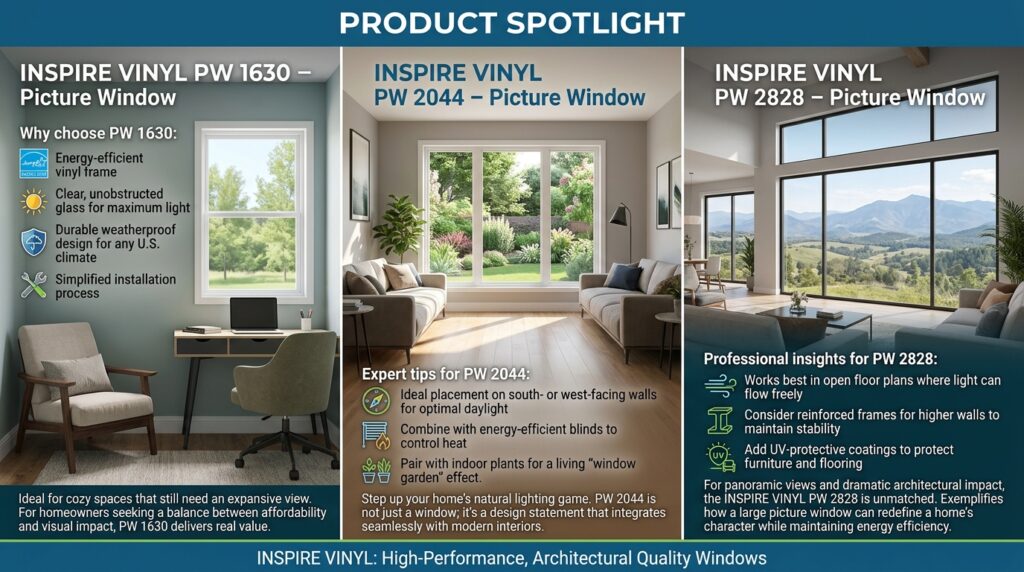
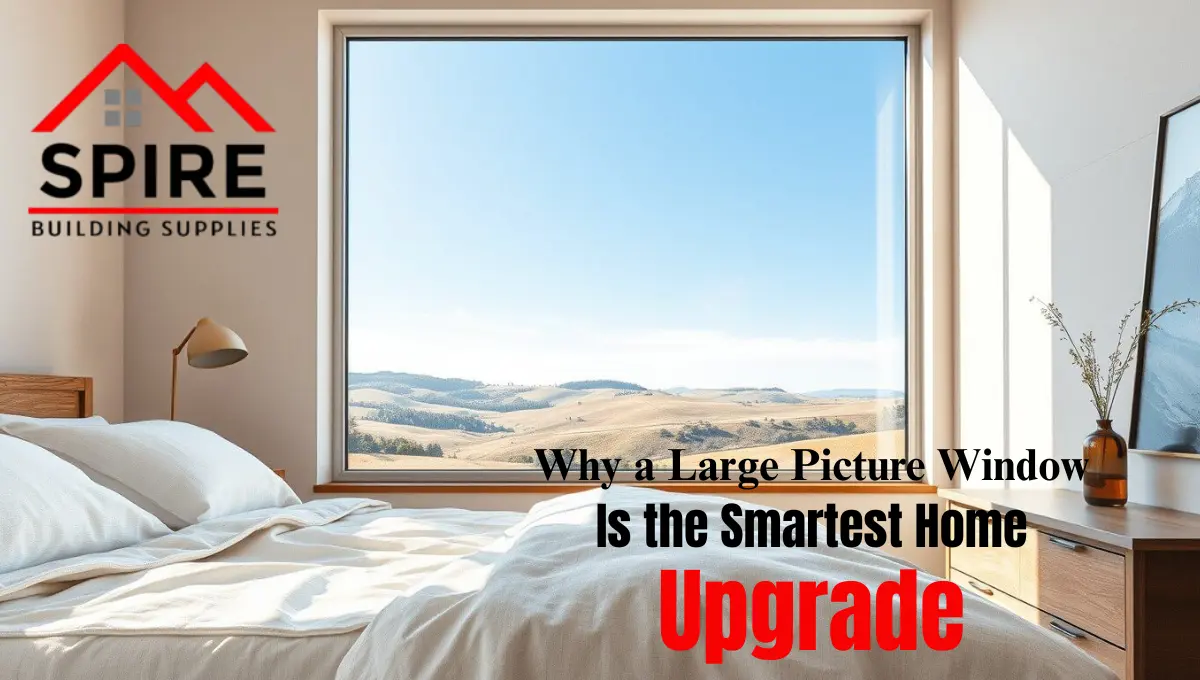
best-rated windows for homes in Texas

Low-E Glass Technology in the Best Rated Windows for Homes In Texas

Texas homeowners know this feeling. You walk past your window in August and feel heat radiating through the glass. Your AC runs constantly. Energy bills climb. Furniture fades. And yet, the windows “look fine.” Here’s the truth: glass technology — not just the frame — determines how your home performs. When evaluating the best-rated windows for homes in Texas, low-E (low emissivity) glass is no longer optional. In Texas, it’s essential. And not all Low-E glass is created equal.

In this guide, we’ll break down what actually matters, how it performs in Texas climates, and how to choose the right configuration for your home—whether you’re installing picture windows, single-hung windows, or sliding windows.

What Is Low-E Glass—and Why It Matters in Texas

Low-E glass has a microscopically thin metallic coating applied to the surface. You can’t see it. But you can feel its impact.

It works by:

  • Reflecting infrared heat
  • Reducing UV penetration
  • Maintaining visible light transmission
  • Improving overall energy performance

In Texas—where summer heat and UV exposure are extreme—Low-E coatings significantly reduce solar heat gain while still allowing natural light inside.

But here’s where experience matters:

Not every Low-E coating is designed for Southern climates.

There are different types—and choosing the wrong one can reduce performance.

Understanding Low-E Coating Types (Hard Coat vs Soft Coat)

When selecting the best-rated windows for homes in Texas, you’ll typically encounter two main Low-E technologies:

1. Hard Coat (Pyrolytic)

  • Applied during glass manufacturing
  • Durable
  • Allows more solar heat gain
  • Better suited for colder climates

2. Soft Coat (Sputtered Low-E)

  • Applied after glass production
  • Superior insulation
  • Stronger solar control
  • Ideal for hot climates like Texas

Professional insight:
For most Texas homes, soft coat Low-E combined with argon gas between panes provides noticeably better comfort and energy savings.

Solar Heat Gain Coefficient (SHGC): The Metric That Actually Matters

Many homeowners focus on U-Factor alone. That’s incomplete.

In Texas, SHGC is often more important.

  • Lower SHGC = Less solar heat entering the home
  • Ideal range in Texas: 0.25–0.30 for optimal cooling performance

The best-rated windows for homes in warm climates are engineered with climate-specific SHGC ratings.

Always verify performance labels, not just marketing claims.

How Low-E Performs Across Window Styles

Different window types respond differently to heat exposure. Here’s how Low-E enhances performance:

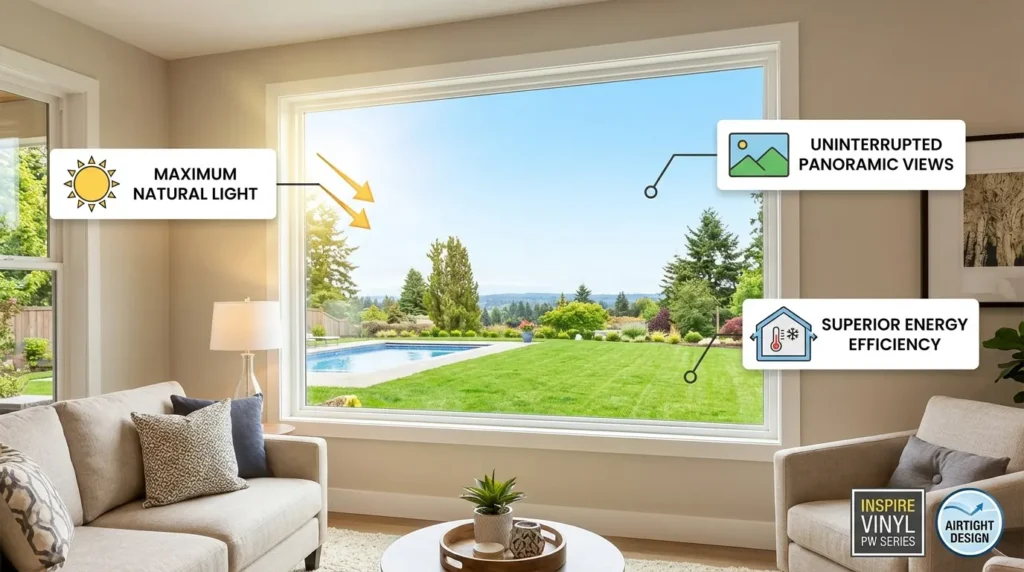
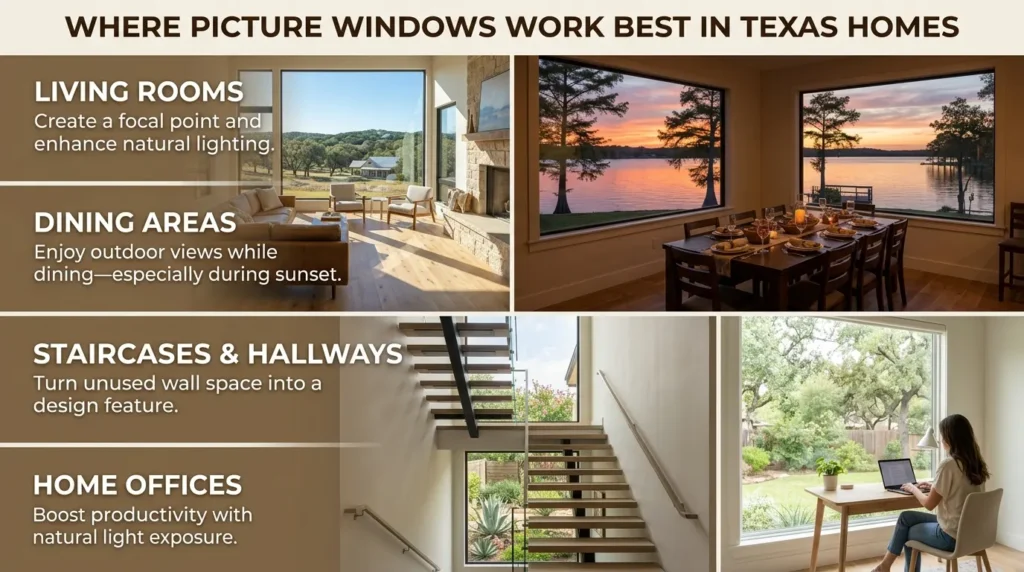
Low-E in Picture Windows

Picture windows are fixed and often large.

They invite maximum sunlight, which can mean maximum heat.

With Low-E:

  • Heat gain is controlled
  • Glare is reduced
  • Interior temperatures remain stable
  • UV damage to flooring and furniture decreases

For large south- or west-facing windows in Texas homes, advanced Low-E coatings are critical.

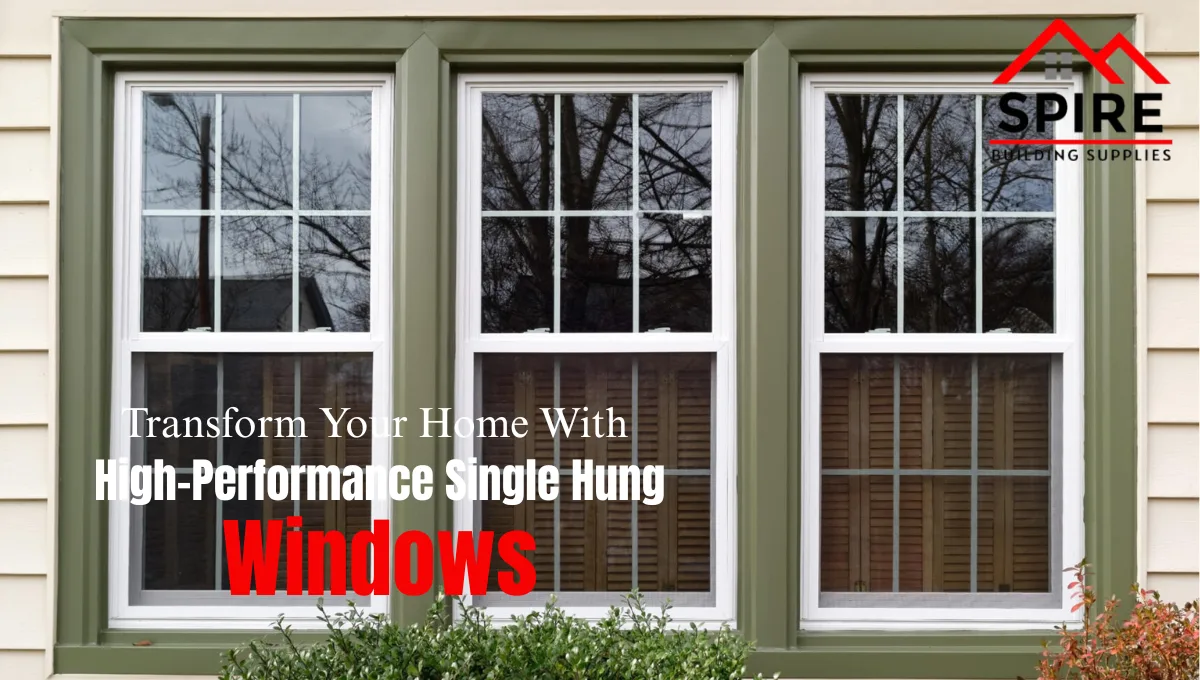
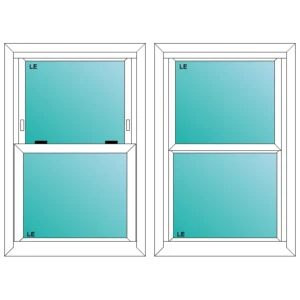
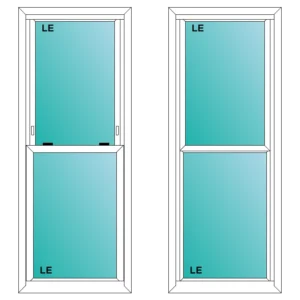
Low-E in Single-Hung Windows

Single-hung windows are common in traditional Texas homes.

Because they have operable sashes, air infiltration is already a factor. Combining proper sealing with Low-E glass dramatically improves:

  • Indoor comfort
  • Cooling efficiency
  • Long-term utility savings

Professional tip: Pair Low-E with double-pane insulated glass for balanced performance.

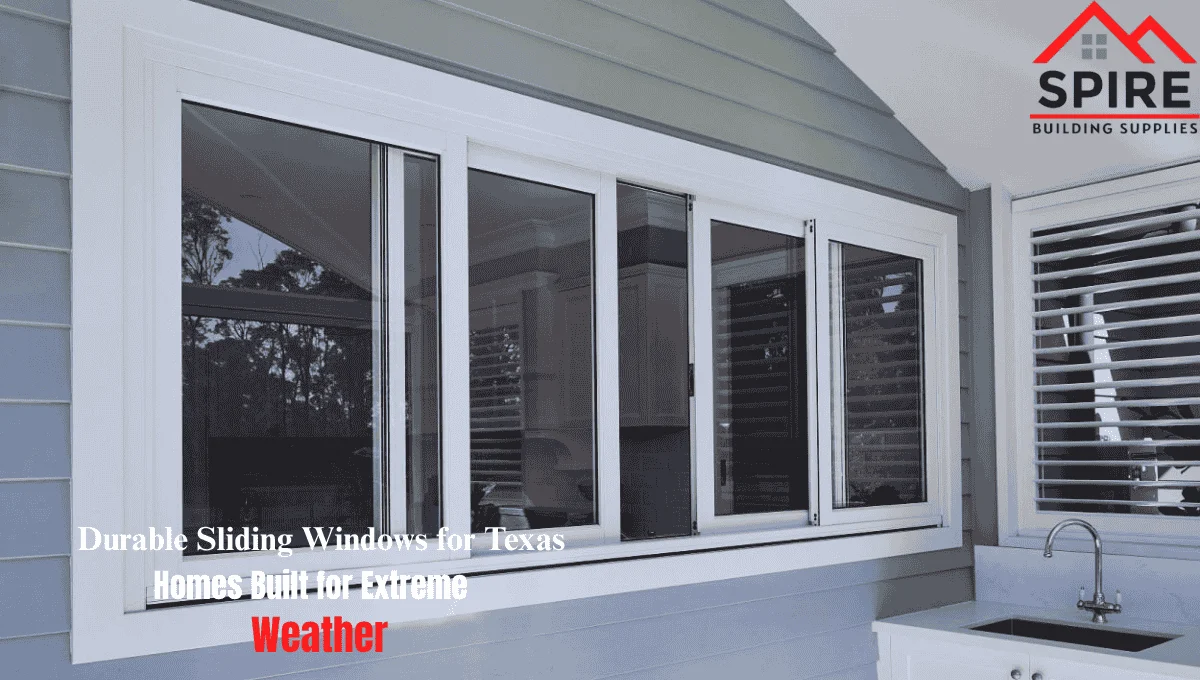
Low-E in Sliding Windows

Sliding windows are popular for patios and contemporary homes.

Their wider glass exposure makes solar control especially important.

Low-E coatings:

  • Maintain brightness without overheating
  • Reduce radiant heat during peak sun
  • Improve overall energy ratings

Energy Savings: What Homeowners Actually Experience

Based on field experience and installation feedback in Texas:

  • Cooling costs can drop 10–25% depending on the existing window condition
  • Interior temperature swings have noticeably
  • AC systems cycle less frequently
  • Fewer hot spots near windows

The performance difference is most dramatic when replacing older clear-glass units.

Choosing the Right Configuration in Texas

Here’s what experienced window professionals consider:

1. Orientation Matters
South and west-facing windows need stronger solar control.

2. Double vs Triple Pane
In most Texas regions, double-pane Low-E with argon gas offers an optimal cost-to-performance balance. Triple-pane may be excessive unless noise reduction is a major concern.

3. Visible Light Transmission (VLT)
Too dark reduces natural lighting benefits. The best-rated windows for homes balance light and heat control.

4. Frame + Glass Combination
Glass alone isn’t enough. Vinyl or fiberglass frames with thermal breaks enhance total window performance.

Common Mistakes Homeowners Make

Avoid these frequent errors:

  • Choosing windows based only on price
  • Ignoring SHGC ratings
  • Installing Low-E designed for northern climates
  • Overlooking warranty coverage
  • Focusing only on aesthetics

The best-rated windows for homes combine performance data, proper installation, and long-term durability.

Real Customer Testimonials

Houston Homeowner
After replacing our old clear-glass picture window, the heat near our living room couch disappeared. Our AC doesn’t struggle anymore.

Dallas Remodel Client
We installed sliding windows with advanced low-E. The brightness stayed, but the harsh heat didn’t. Huge difference.

Austin New Construction Owner
Spire helped us select climate-appropriate low-E for every elevation of our home. Our energy bills are lower than expected.

People Also Ask

1. Do the best-rated windows for homes always include Low-E glass?
Most high-performance windows today include Low-E, but the type of coating and SHGC rating vary. Always verify specifications.

2. Is triple-pane Low-E necessary in Texas?
Not usually. Double-pane with soft coat Low-E and argon gas are typically sufficient for energy efficiency in Texas climates.

3. Does Low-E glass make windows darker?
No. Quality Low-E coatings maintain high visible light transmission while reducing infrared heat and UV exposure.

4. How long does Low-E coating last?
When properly manufactured within insulated glass units, Low-E coatings last for decades and are protected between glass panes.

Why Texas Homes Need Climate-Specific Window Solutions

Texas heat is not mild. Prolonged sun exposure stresses both glass and frames.

When evaluating the best-rated windows for homes in Texas, consider the following:

  • Regional climate
  • Building orientation
  • Energy goals
  • Long-term ownership plans

Low-E glass technology isn’t a marketing feature. It’s performance engineering.

Final Thoughts: Performance That Pays You Back

Low-E glass is one of the most impactful upgrades in modern window design. For Texas homeowners, it directly influences comfort, efficiency, and long-term value. At Spire Building Supplies, we guide homeowners through selecting climate-optimized window solutions—whether you need picture, single-hung, or sliding styles engineered for real Texas conditions.

Explore high-performance window options. Visit this page. Windows Collection
Make your next window decision based on performance — not just appearance.

Author Bio

Spire Building Supplies Team
With years of experience supplying premium building materials across Texas, the Spire team specializes in energy-efficient window systems engineered for Southern climates. Their expertise helps homeowners make confident, performance-driven upgrades that last.

types of interior doors for homes

Smart Guide to Types of Interior Doors for Homes

Choosing the right doors can transform the look, feel, and functionality of your home. Understanding the types of interior doors for homes is crucial whether you’re building, renovating, or replacing old doors. From enhancing privacy and improving acoustics to creating visual appeal, the right interior door can elevate any space. In this guide, we’ll break down the most common types, their benefits, limitations, and practical considerations to help homeowners make informed decisions.

Why Understanding Interior Doors Matters

Interior doors do more than separate rooms. They influence:

  • Aesthetic cohesion: Matching doors with your design theme improves overall appeal.
  • Space management: Sliding or pocket doors save space in tight areas.
  • Privacy & noise control: Solid doors reduce sound transfer between rooms.
  • Durability & maintenance: Choosing the right material ensures long-lasting performance.

Many homeowners overlook the small but critical details, such as correct sizing or material choice, which can lead to installation challenges and costly replacements later.

Key Types of Interior Doors for Homes

1. Panel Doors

One of the most classic and versatile options. Panel doors feature raised or recessed panels that add depth and style.

Pros: Durable, visually appealing, fits most interiors.
Cons: Heavier than hollow-core doors, may require precise installation.

2. Flush Doors

Smooth, flat doors that are simple and affordable. Common in modern or minimalist homes.

  • Lightweight and easy to install
  • Can be painted or veneered
  • Cost-effective

Limitations: Less acoustic insulation compared to solid-core doors; less visually detailed.

3. Sliding and Pocket Doors

Perfect for rooms where space is limited. Sliding doors move along a track and can hide inside walls (pocket doors).

  • Maximize usable floor space
  • Adds a modern touch
  • Works well for closets, bathrooms, or open-plan living areas

Considerations: Track systems need precise installation; may require wall reinforcement.

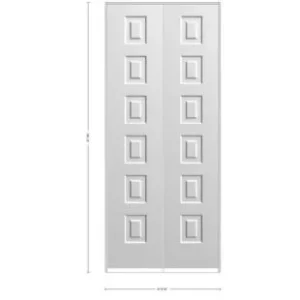
4. French Doors

Double doors with glass panels, often used for connecting living spaces to patios or offices.
  • Bring natural light indoors
  • Adds elegance and visual depth
  • Can be paired with blinds or curtains for privacy

Limitations: Require more space to swing open; glass requires maintenance.

5. Barn Doors

Sliding doors with exposed hardware, popular in rustic or industrial interiors.

  • Adds character and style
  • Saves space
  • Can be used as statement pieces

Practical Tips: Ensure wall strength supports the door; soft-close mechanisms improve longevity.

6. Bi-Fold Doors

Doors that fold in sections, ideal for closets or laundry rooms.

  • Compact and space-saving
  • Easy to operate
  • Cost-effective for storage areas

Drawbacks: Hinges may wear out over time; less secure than traditional doors.

7. Glass and Frosted Doors

Doors with full or partial glass panels, providing light flow and visual openness.

  • Great for home offices or rooms needing light
  • Can be frosted for privacy
  • Modern aesthetic

Limitations: Less privacy and insulation; requires careful cleaning.

Practical Considerations for Choosing Interior Doors

  1. Room Functionality: Bedrooms and bathrooms need solid or soundproof doors, while living areas can benefit from glass or French doors.
  2. Door Size: Standard doors are typically 80 inches; taller doors (8’0″) add luxury. Ensure measurements align with your ceiling height.
  3. Material: Solid wood is durable but heavier. MDF or engineered wood is lighter and budget-friendly.
  4. Style & Theme: Match door style with cabinetry, trim, and flooring. Panel and shaker doors are versatile for almost any theme.
  5. Hardware & Accessories: Handles, hinges, and locks can affect durability and aesthetics.

Pro Tip: Always check alignment, swing direction, and clearance before ordering doors to avoid costly mistakes.

Common Mistakes Homeowners Make

  • Choosing doors without considering ceiling height or room size
  • Ignoring maintenance needs of glass or wooden doors
  • Installing sliding or pocket doors without proper structural support
  • Overlooking acoustic insulation for bedrooms and home offices

By planning ahead and understanding each door type, you can avoid these pitfalls.

Real-World Use Cases & Examples

  • Open-concept living areas: French or glass doors maintain light flow while creating separation.
  • Small apartments: Sliding or bi-fold doors save space without sacrificing style.
  • Luxury renovations: 1 Panel Shaker 8’0″ Height doors create dramatic entrances in high-ceiling rooms.
  • Closets and pantries: 1 Panel Shaker 6’8″ Height 80 Inch doors provide a clean, uniform look.

For additional tips on materials and home-building essentials, check out Home Building & Renovation Supplies.

People Also Ask

  1. What is the most popular type of interior door for homes?
    Panel doors, especially shaker styles, are widely chosen for their versatility and timeless look.
  2. How do I choose the right interior door size?
    Measure your ceiling height and room layout. Standard doors are 80 inches; taller doors (8’0″) can add elegance.
  3. Can sliding doors replace traditional doors?
    Yes, sliding or pocket doors save space and provide modern aesthetics, but proper installation is critical.
  4. Are glass interior doors practical?
    They work well in areas needing light, like home offices, but may compromise privacy.
  5. How do I maintain wooden interior doors?
    Regular cleaning, occasional polishing, and checking hinges ensures longevity.

Customer Testimonials

Jane L., Homeowner:
We replaced all our old doors with 1 Panel Shaker 6’8″ Height doors. The upgrade instantly modernized our living space.

Michael R., Renovation Contractor:
Sliding barn doors are perfect for small apartments. They save space and look incredible when installed correctly.

Samantha T., Interior Designer:
Frosted glass doors for our client’s home office balanced light and privacy beautifully. Easy to maintain and stylish.

Conclusion

Selecting the right types of interior doors for homes impacts both style and functionality. From classic 1 Panel Shaker doors to modern sliding or glass options, each choice serves a purpose. By planning carefully around room needs, size, and material, you can create a home that’s practical, stylish, and built to last.

Author / Team Bio

Written by the Spire Building Supplies Editorial Team
With over 15 years of experience in home improvement and building materials, our team provides practical, hands-on guidance for homeowners, contractors, and designers. We specialize in helping readers make informed decisions about doors, windows, and renovation essentials, ensuring every project is functional, stylish, and cost-effective.

What Are Shaker Cabinets

What Are Shaker Cabinets Soft-Close Upgrade Options?

If you’re planning a kitchen remodel in Texas, one of the first questions you’ll likely ask is, “What are shaker cabinets, and are they worth upgrading with soft-close features?” You’ve probably seen them everywhere — clean lines, timeless design, and versatile finishes — but what most homeowners don’t realize is that hardware plays just as important a role as style.

That loud bang when a cabinet door slams shut? It may seem minor. Over time, though, it weakens joints, chips paint, and shortens cabinet lifespan—especially in high-traffic Texas homes.

At Spire Building Supplies, we regularly guide homeowners through shaker cabinet upgrades, and one thing is clear: soft-close isn’t just a luxury. It’s protection for your investment.

What Are Shaker Cabinets?

Before we talk upgrades, let’s clarify the foundation.

What are shaker cabinets?
Shaker cabinets are defined by their simple, five-piece door design—a flat recessed center panel with clean, square edges.

They originated from the Shaker religious community in the 18th century, which believed in simplicity, craftsmanship, and function over decoration. That philosophy is why shaker cabinets remain one of the most timeless kitchen styles in Texas homes today.

Why Texas Homeowners Love Them

  • Clean lines fit modern and farmhouse designs
  • Easy to repaint or refinish
  • Durable construction
  • Versatile with different hardware styles

At Spire Building Supplies, our most requested shaker styles include:

But no matter the finish, functionality matters just as much as looks.

Why Soft-Close Is More Than a Luxury

Soft-close isn’t just about quiet kitchens. It protects your investment.

Here’s what we see in Texas remodel projects:

  • High humidity can stress wood joints
  • Kids slam drawers without realizing it
  • Heavy cookware adds weight strain
  • Contractors sometimes install standard hinges to cut costs

Over time, this leads to:

  • Door misalignment
  • Cracked paint on shaker frames
  • Loose hinge screws
  • Drawer rail damage

Soft-close systems prevent that impact damage.

And in our professional opinion?
If you’re investing in shaker cabinets, skipping soft-close is a mistake.

Soft-Close Upgrade Options for Shaker Cabinets

Now let’s talk practical solutions.

1. Soft-Close Hinges (Built-In System)

This is the cleanest and most modern upgrade.

These hinges contain an internal hydraulic damper that slows the door before it closes.

Why We Recommend This Option

  • Hidden hardware
  • Smooth, consistent close
  • Long lifespan
  • Minimal maintenance

Most shaker cabinet doors can be retrofitted with soft-close hinges if they use standard concealed cup hinges.

Pro Tip:
Always check door overlay style (full, partial, or inset) before ordering replacement hinges.

2. Soft-Close Hinge Adapters

If you don’t want to replace hinges completely, small clip-on dampers can be added.

When This Makes Sense

  • Budget renovations
  • Rental properties
  • Quick kitchen refresh projects

They’re affordable but not as durable as full hinge replacements.

We usually suggest this only as a temporary solution.

3. Soft-Close Drawer Slides

Drawer slamming is even more destructive than doors.

Upgrading to soft-close drawer slides makes a massive difference in daily use.

Full Extension Soft-Close Slides

  • Allow full drawer access
  • Support heavy pots and appliances
  • Improve usability

This is especially important for Texas kitchens, where homeowners often store cast iron, blenders, and bulk pantry items.

If you’re choosing premium finishes like Alton Grey—Cabinet or Alton White—Cabinet, pairing them with upgraded drawer slides maintains long-term value.

4. Undermount Soft-Close Systems (Premium Option)

For high-end kitchen remodels, undermount slides are the gold standard.

They:

  • Stay hidden beneath the drawer
  • Provide a smoother glide
  • Support a higher weight capacity
  • Look cleaner aesthetically

We often recommend this option in open-concept Texas homes where kitchen design is a focal point.

Expert Insight: What Most Homeowners Overlook

  • After years of helping Texas homeowners upgrade kitchens, here’s what we’ve learned:
  • Soft-close isn’t about noise reduction — it’s about structural longevity.
  • Shaker cabinet doors have square frames. That frame joint is strong, but repeated impact weakens it over time.
  • In humid areas of Texas, expansion and contraction already put pressure on joints.
  • Slamming multiplies that stress.

Soft-close protects:

  • Frame corners
  • Paint finish
  • Screw anchoring
  • Drawer box alignment

It’s preventative maintenance disguised as convenience.

Common Mistakes to Avoid

1. Mixing Cheap Hinges with Premium Cabinets
Don’t pair high-quality shaker cabinets with low-grade hardware.

2. Ignoring Weight Capacity
Heavy drawers need rated slides. Standard slides can sag over time.

3. DIY Installation Without Alignment Tools
Misaligned hinges reduce soft-close performance.

4. Not Checking Compatibility
Inset shaker doors require specific hinge types.

How to Choose the Right Soft-Close Option for Your Kitchen

Ask yourself:

  • Is this a long-term home or short-term upgrade?
  • Do you have children?
  • Are your cabinets already premium grade?
  • Do you cook heavily and store weighty items?

If you’re investing in finishes like Alton Grey-Cabinet or Alton Iced Mocha—Cabinet, upgrading hardware is a logical next step.

We often tell homeowners:

  1. Cabinets are the body.
  2. Hardware is the backbone.

Upgrade with Confidence

At Spire Building Supplies, we specialize in high-quality shaker cabinets and expert-backed hardware solutions tailored for Texas homes.

Explore premium styles like Alton White, Alton Grey, and Alton Iced Mocha—and pair them with soft-close systems designed to protect your investment.

Visit: Spire Building Supplies
Or speak with our team for personalized upgrade advice.

Real Customer Testimonials

James R., Houston, TX
We upgraded our Alton White shaker cabinets with soft-close hinges from Spire. The difference is night and day — especially with three kids in the house.

Maria L., Dallas, TX
I didn’t think soft-close mattered until we replaced the drawer slides. Now everything feels high-end and solid.

Anthony T., Austin, TX
Spire recommended undermount soft-close slides for our Alton Iced Mocha kitchen. Best decision we made during the remodel.

People Also Ask

1. What are shaker cabinets best known for?
Shaker cabinets are best known for their simple five-piece door design, durability, and timeless versatility in modern and farmhouse kitchens.

2. Can you add soft-close to existing shaker cabinets?
Yes. Most shaker cabinets can be retrofitted with soft-close hinges or upgraded drawer slides, depending on hinge type and construction.

3. Are soft-close hinges worth it?

Absolutely. They extend cabinet life, reduce wear and tear, and improve daily usability — especially in high-traffic Texas homes.

4. Do soft-close drawers increase home value?
While not a direct appraisal boost, soft-close features increase perceived quality and buyer appeal in competitive Texas markets.

Final Thoughts: Function Meets Longevity

So, what are shaker cabinets? They’re timeless, durable, and one of the smartest design choices for Texas homes. But pairing them with soft-close upgrades transforms them from good to exceptional.

If you want cabinets that:

  • Last longer
  • Feel premium
  • Stay aligned
  • Withstand family life

Soft-close isn’t optional — it’s essential.

Author Bio

Spire Building Supplies Team
The Spire Building Supplies team brings hands-on experience in kitchen cabinetry, interior doors, and home renovation materials across Texas. Our experts work directly with homeowners, builders, and contractors to deliver durable, design-forward solutions that stand the test of time.

Fiberglass Front Door with Glass

Why a Fiberglass Front Door with Glass Is the Smartest Entry Upgrade in 2026

Your front door does more than open and close. In Texas, it battles heat, humidity, storms, dust, and intense UV exposure almost year-round. And in 2026, homeowners aren’t just choosing doors for looks — they’re choosing performance. If you’re considering a fiberglass front door with glass, you’re already thinking smarter than most. This upgrade isn’t just aesthetic. It’s about durability, energy efficiency, resale value, and long-term peace of mind.

After years of working with Texas homeowners through Spire Building Supplies, we’ve seen which entry doors truly hold up — and which ones fail within a few summers. Here’s what you need to know before you invest.

Why Fiberglass Is Dominating Entry Doors in 2026

Wood doors look beautiful. Steel doors feel secure. But fiberglass has quietly become the performance leader—especially in southern states.

Here’s why:

  • Resists warping in high humidity
  • Handles extreme Texas heat without cracking
  • Won’t rust like steel
  • Requires minimal maintenance
  • Offers superior insulation when properly installed

And when paired with decorative or insulated glass panels, it transforms curb appeal instantly.

In our experience, most homeowners who switch from wood to fiberglass never go back.

The Real Advantage of a Fiberglass Front Door with Glass

Some homeowners hesitate about glass inserts because of security or energy loss concerns. That made sense 15 years ago. Not today.

Modern fiberglass doors with glass feature the following:

  • Tempered or impact-resistant glass
  • Double or triple-pane insulated glass
  • Low-E coatings for UV protection
  • Reinforced frames for security

What That Means for Texas Homes

In places like Dallas, Houston, Austin, and San Antonio, summer temperatures regularly cross 100°F. Poor-quality doors transfer heat directly into your entryway.

A high-quality fiberglass door with insulated glass:

  • Reduces heat gain
  • Protects interior flooring from UV damage
  • Improves HVAC efficiency
  • Brightens your foyer naturally

Natural light at your entrance changes the feel of your home instantly. It creates warmth without sacrificing performance.

Design Trends Texas Homeowners Are Choosing in 2026

Performance matters. But design still drives decisions.

Here are the styles gaining popularity this year:

Rustic Fiberglass Door

A rustic fiberglass door mimics real wood grain with deep texture and rich staining. It’s perfect for:

  • Farmhouse homes
  • Hill Country architecture
  • Ranch-style properties
  • Transitional homes

The best part? You get the warmth of wood without the maintenance headaches.

Single Prehung Fiberglass Door in Black with 1 Lite

The single prehung fiberglass door in black with 1 lite is trending heavily in modern builds. The bold black exterior paired with a vertical glass panel creates:

  • Strong architectural contrast
  • Clean, contemporary curb appeal
  • Maximum natural light with minimal exposure

Prehung options also simplify installation, ensuring better sealing and alignment.

Single Prehung Fiberglass Door in Dark Brown

For homeowners wanting timeless appeal, the Single Prehung Fiberglass Door in Dark Brown delivers elegance without going overly traditional.

Dark brown complements:

  • Brick exteriors
  • Stone facades
  • Beige or cream siding
  • Southwestern color palettes

It’s a safe but sophisticated upgrade.

What Most Homeowners Overlook

After consulting with hundreds of entry door buyers in Texas, here’s the biggest mistake we see:

People focus only on the slab—not the full system.

A fiberglass front door with glass performs best when:

  • It’s properly prehung
  • The frame is insulated
  • Weatherstripping is high-quality
  • The threshold is correctly sealed
  • Installation is precise

Even the best door can underperform if installed poorly.

Pro Tip From Our Experience

Always ask:

  • What’s the door’s R-value?
  • Is the glass Low-E coated?
  • Is the core polyurethane foam-filled?
  • Is it hurricane-rated if you’re in coastal Texas?

These details matter more than color.

Energy Efficiency: Does It Really Save Money?

Yes — but gradually.

A properly insulated fiberglass door can reduce energy leakage significantly compared to older wood doors.

In hot Texas climates:

  • Less air infiltration
  • Reduced cooling strain
  • Better indoor temperature stability

While it won’t cut your energy bill in half overnight, over several years the savings are real — especially when combined with efficient windows.

Security: Is Glass a Risk?

This is one of the most common concerns.

Modern fiberglass doors with glass inserts use:

  • Tempered safety glass
  • Reinforced locking points
  • Multi-point locking systems

If security is a top priority, choose smaller glass panels or frosted options positioned higher on the door.

In 2026, security technology has advanced enough that glass is no longer the weak point it once was.

Common Mistakes to Avoid

Before upgrading, avoid these costly errors:

1. Choosing Based on Price Alone
Cheaper fiberglass doors often have thinner skins and poor insulation.

2. Ignoring Texas Climate
Not all fiberglass doors are rated for extreme UV exposure.

3. Skipping Professional Installation
Misalignment leads to drafts and premature wear.

4. Overdoing Decorative Glass
Too much glass can reduce privacy if placed incorrectly.

Why 2026 Is the Right Time to Upgrade

Homebuyers are paying closer attention to energy efficiency and exterior aesthetics than ever before. A high-performance entry door:

  • Boosts resale value
  • Enhances curb appeal instantly
  • Improves comfort
  • Requires less maintenance

In competitive Texas markets, small upgrades make a major impression.

Real Customer Testimonials

James R., Houston, TX
We replaced our old wooden door with a fiberglass front door with glass from Spire. The difference in temperature near our entryway is noticeable. Plus, it looks incredible.

Maria L., San Antonio, TX
I chose the black pre-hung option with 1 lite. It completely modernized our home. Installation was smooth, and the insulation is impressive.

Daniel K., Dallas, TX
After two warped wood doors in five years, I switched to fiberglass. I wish I had done it sooner.

People Also Ask (PAA)

1. Is a fiberglass front door with glass energy efficient?
Yes. When properly insulated and installed, it reduces heat transfer and improves overall energy performance.

2. Are fiberglass doors better than wood in Texas?
In most cases, yes. Fiberglass handles humidity and extreme heat far better than traditional wood doors.

3. How long does a fiberglass front door last?
High-quality fiberglass doors can last 20–30 years with minimal maintenance.

4. Does adding glass reduce security?
Not when using tempered, reinforced glass with modern locking systems.

Final Thoughts: A Smart Investment That Pays Back

A fiberglass front door with glass isn’t just an upgrade — it’s a long-term improvement in how your home performs and feels.

It delivers:

  • Strength
  • Style
  • Energy efficiency
  • Modern curb appeal

If you’re ready to upgrade your entryway, explore premium fiberglass door options at Spire Building Supplies. Invest once. Enjoy for decades.

For an exclusive collection of MDF baseboard trims, visit this page: Buy MDF Baseboard Trim: Transform Every Room with Elegant Finishes

Author Bio

Spire Building Supplies Team
The Spire Building Supplies team specializes in high-performance doors, windows, and building materials designed for Texas homes. With hands-on industry experience and a commitment to quality, we help homeowners and contractors choose products that combine durability, energy efficiency, and design excellence.

picture windows replacement

picture windows replacement Timeline: What to Expect

If you’re planning a picture windows replacement, one of the first questions you’ll likely ask is: How long is this going to take? That’s a smart place to start. Replacing a large fixed window isn’t just about glass it involves measurements, materials, scheduling, structural checks, finishing work, and sometimes even trim upgrades.

As someone who has worked closely with homeowners, contractors, and suppliers on real renovation projects, I can tell you this: most delays happen not during installation but before it ever begins.

In this guide, we’ll walk through the full timeline of a picture window replacement from planning to final trim touch-ups so you know exactly what to expect, how to prepare, and how to avoid common setbacks.

What Is a Picture Window?

Picture windows are large, fixed-pane windows designed to frame outdoor views like artwork. Unlike casement or sliding windows, they do not open. Their main purpose is:

  • Maximizing natural light
  • Creating uninterrupted views
  • Improving energy efficiency (when properly installed)
  • Enhancing curb appeal

Because they are fixed and often larger than standard windows, replacement requires precision and planning.

Why Timeline Matters More Than You Think

Homeowners often underestimate how many moving parts are involved. Replacing a small bathroom window might take a few hours—but replacing a large living room picture window is different.

Factors that affect timing include:

  • Custom sizing requirements
  • Product availability
  • Structural modifications
  • Weather conditions
  • Interior and exterior finishing

When you work with a reliable supplier like the team at Spire Building Supplies, early planning and product clarity significantly reduce delays. If you’re still in the broader planning phase, reviewing comprehensive resources like Home Building & Renovation Supplies can help you coordinate materials in advance.

Now let’s break down the timeline.

Phase 1: Planning & Evaluation (1–2 Weeks)

Step 1: Assessing the Existing Window

Before ordering anything, inspect:

  • Frame condition (rot, warping, moisture damage)
  • Surrounding wall structure
  • Exterior siding or brick condition
  • Interior trim and drywall integrity

Real-world insight:
In many homes over 15 years old, we frequently find hidden water damage under the sill. This can add unexpected repair time. Always budget a few extra days for potential structural fixes.

Step 2: Measurements

Accurate measurement is critical. A picture window cannot be adjusted easily on-site.

Professionals measure:

  • Width (top, middle, bottom)
  • Height (left, center, right)
  • Diagonal square check
  • Rough opening vs. finished opening

Even a ¼-inch error can delay installation if a custom window doesn’t fit.

Phase 2: Product Selection & Ordering (2–6 Weeks)

This is often the longest part of the timeline.

Choosing the Right Window

High-quality vinyl picture windows, such as:

offer different performance characteristics, frame thicknesses, and energy ratings. Your climate, home orientation, and insulation levels matter here.

What Impacts Order Time?

  • Custom sizing
  • Glass upgrades (Low-E coatings, triple-pane)
  • Grid patterns
  • Special colors or finishes

Standard sizes may arrive in 2–3 weeks. Custom builds can take 4–6 weeks or longer during peak season.

Pro Tip:
Order windows before scheduling your installer. Many homeowners do this backward and end up paying cancellation fees.

Phase 3: Pre-Installation Preparation (3–7 Days Before Install)

Once your window arrives:

Confirm the Following:

  • Window matches order specs
  • No shipping damage
  • Correct glass type
  • Correct frame finish

Prepare the Home

  • Remove window coverings
  • Move furniture at least 3–5 feet away
  • Protect flooring
  • Arrange pet safety

Installation is usually noisy and dusty.

Phase 4: Installation Day (4–8 Hours)

For most standard-size picture windows, installation takes:

  • 4–6 hours for straightforward replacements
  • 6–8 hours if structural repair is required

What Happens During Installation?

  1. Old window removal
  2. Frame inspection
  3. Flashing and waterproofing
  4. New window placement and leveling
  5. Insulation (spray foam or backer rod)
  6. Exterior sealing
  7. Interior trim installation

Hands-on insight:
Proper flashing is more important than speed. I’ve seen rushed installations lead to water intrusion within a year. Waterproofing layers must be done carefully, especially in climates with freeze-thaw cycles.

Phase 5: Interior & Exterior Finishing (1–3 Days)

Sometimes finishing is done the same day. Other times it’s scheduled separately.

Interior Trim & Baseboards

If trim is damaged or outdated, this is a great time to upgrade. Many homeowners also decide to Buy MDF baseboard trim to match updated window casing for a cohesive look.

Why MDF?

  • Smooth finish
  • Affordable
  • Easy to paint
  • Clean modern appearance

However, MDF should not be used in high-moisture areas unless sealed properly.

Exterior finishing may involve:

  • Siding patching
  • Caulking
  • Painting
  • Brick molding adjustments

Total Timeline Summary

Here’s a realistic overall estimate:

Phase Estimated Time
Planning & Measuring 1–2 weeks
Ordering Window 2–6 weeks
Installation 1 day
Finishing Work 1–3 days

Total Timeline: 3–8 weeks from start to finish

Benefits of Properly Timed Picture Window Replacement

When done correctly and without rushing:

  • Improved insulation performance
  • Lower energy bills
  • Increased property value
  • Better natural lighting
  • Reduced drafts and condensation

High-performance models like the INSPIRE VINYL series are designed for energy efficiency, but installation quality determines whether you actually see those benefits.

Common Mistakes That Delay the Process

  1. Not Accounting for Structural Repairs

Older homes may require framing reinforcement.

  1. Choosing Windows Without Considering Climate

Glass packages matter. South-facing windows in hot climates need different coatings than north-facing windows in cold zones.

  1. Ignoring Permits

Some municipalities require permits for structural window changes.

  1. Scheduling Install Before Product Arrival

This is the #1 scheduling mistake.

Practical Considerations Before You Begin

Budget Realistically

Include:

  • Window cost
  • Labor
  • Trim upgrades
  • Paint
  • Contingency (10–15%)

Weather Timing

Avoid heavy rain or extreme cold when possible.

Match Existing Architecture

Large picture windows dramatically impact curb appeal. Frame thickness and color should align with your home’s style.

Real-World Example

A recent homeowner replaced a 20-year-old living room window with a modern vinyl picture window. The ordering process took 5 weeks due to custom sizing. Installation took 6 hours.

However, hidden sill rot required an extra day for framing repair. Because they planned a flexible schedule, the project stayed on track.

Lesson: Build in buffer time.

Frequently Asked Questions

How long does it take to replace one large window?

Usually 4–8 hours for installation. The longer timeline comes from ordering and preparation.

Do picture windows require structural changes?

Sometimes. If the opening size changes or framing is damaged, structural reinforcement may be needed.

Can I stay home during installation?

Yes. Just expect noise and temporary disruption.

Is winter a bad time to replace windows?

Not necessarily. Installers can work year-round, but scheduling flexibility is important.

Do picture windows improve energy efficiency?

Yes—when properly sealed and insulated. High-quality vinyl frames and Low-E glass significantly reduce heat transfer.

What Homeowners Say

We didn’t realize ordering would take a month. Thankfully, we planned, and the installation was smooth. — Mark T.

Our installer found hidden water damage, but because we budgeted extra time, it didn’t derail the project. — Alicia R.

Upgrading the trim after the window replacement made a bigger difference than we expected. — Daniel P.

Expert Tips for a Smooth Replacement

  • Confirm measurements twice
  • Order early in peak season
  • Inspect the window upon delivery
  • Budget for unexpected framing repairs
  • Coordinate trim upgrades at the same time

From years of observing renovation timelines, the smoothest projects are always the ones that prioritize preparation over speed.

Final Thoughts

A picture windows replacement isn’t a weekend impulse project; it’s a coordinated upgrade that can transform your home’s light, efficiency, and overall aesthetic.

While installation itself may only take a day, the full process typically spans several weeks. Understanding each phase helps you avoid stress, control costs, and achieve better long-term results.

When you approach it methodically, measuring accurately, selecting the right product, and planning for finishing details, you’ll not only meet your timeline but also protect your investment for years to come.

About the Author

This article was prepared by the editorial team at Spire Building Supplies, professionals with hands-on experience supporting contractors, remodelers, and homeowners across residential renovation projects. With practical knowledge of window systems, trim materials, and structural considerations, the team focuses on providing clear, experience-based guidance, not sales pitches, so readers can make informed building decisions with confidence.

Buy MDF Baseboard Trim

Buy MDF Baseboard Trim: Transform Every Room with Elegant Finishes

When it comes to giving your home that polished, professional look, one detail often overlooked is the baseboard trim. Many homeowners in Texas focus on flooring, paint, or furniture—but the right baseboard trim can pull a room together, elevate its style, and even increase perceived property value. If you’re looking to buy MDF baseboard trim that balances durability, elegance, and affordability, you’ve come to the right place.

In this guide, we’ll walk you through expert recommendations, practical tips, and insider insights from our experience at Spire Building Supplies to help you select, install, and maintain the perfect MDF baseboard trim for your home.

Why MDF Baseboard Trim Is a Game-Changer

MDF (Medium-Density Fiberboard) has become the go-to choice for modern homeowners and professional contractors alike. Here’s why:

  • Smooth Finish: Unlike natural wood, MDF offers a perfectly smooth surface that paints beautifully.
  • Cost-Effective: MDF provides the look of wood at a fraction of the cost.
  • Stable and Durable: Less prone to warping or cracking than traditional wood trims in Texas’s variable climate.
  • Customizable: Easily cut, shaped, or profiled to fit any design style—from modern minimalist to traditional elegance.

For Texas homes, where humidity and seasonal temperature swings can affect wood, MDF baseboards are a low-maintenance, high-impact solution.

Key Products to Consider When You Buy MDF Baseboard Trim

Selecting the right product is essential for longevity and style. Here are our top recommendations from Spire Building Supplies:

  1. TRIM 1X2X16 MDF PRIMED MDF1216P
    Ideal for subtle, clean trims in small rooms or hallways. Its compact size makes it perfect for minimalist design.
  2. TRIM 1X4X17 MDF PRIMED MDF1417P
    A versatile mid-size option for living rooms and kitchens. Its slightly larger profile adds elegance without overwhelming the space.
  3. TRIM 1X6X16 FJPRIMED S4S512FJP
    Our premium choice for grand spaces or master bedrooms. Its wide profile makes a bold statement and pairs beautifully with high ceilings.

Pro Tip: Always choose pre-primed MDF trims. It saves time on preparation and ensures a consistent paint finish.

How to Match Your MDF Baseboard Trim to Your Home Style

Modern Minimalist

  • Opt for TRIM 1X2X16 PRIMED MDF MDF1216P.
  • Keep edges straight and clean.
  • Paint in a soft matte white to complement neutral walls.

Classic & Traditional

  • TRIM 1X4X17 MDF PRIMED MDF1417P works perfectly.
  • Add crown molding or chair rails for layered sophistication.
  • Use semi-gloss paint to highlight architectural details.

Luxury & Statement Rooms

  • Go bold with TRIM 1X6X16 FJPRIMED S4S512FJP.
  • Pair with dark hardwood floors or high-contrast wall colors.
  • Consider adding accent lighting to highlight the trim.

Expert Installation Insights

Installing MDF baseboard trim is simple, but these expert tips ensure a flawless finish:

  1. Measure Twice, Cut Once: MDF is unforgiving—accurate measurement prevents wasted materials.
  2. Use a Fine-Tooth Blade: Cuts cleanly without chipping edges.
  3. Pre-Drill Holes: Prevents splitting when nailing into studs.
  4. Caulk Gaps: MDF can swell slightly; caulking ensures a seamless appearance.
  5. Prime & Paint: Even pre-primed MDF benefits from a second coat of high-quality paint.

Pro Tip: For rooms with high humidity, such as kitchens or bathrooms, use a moisture-resistant primer before painting.

Common Mistakes to Avoid

Even experienced DIYers can fall into these traps:

  • Ignoring Wall Prep: Dust and uneven walls can ruin a clean installation.
  • Over-Nailing: Too many nails can crack the MDF.
  • Skipping caulking: Gaps between trim and wall look unprofessional.
  • Choosing the Wrong Profile: Too large or too small can disrupt room proportions.

Real Customer Experiences

Jessica L., Austin, TX:
I bought TRIM 1X4X17 MDF PRIMED MDF1417P for my kitchen renovation. Installation was easy, and it completely transformed the space. Friends can’t stop commenting on how polished it looks!

David R., Houston, TX:
The TRIM 1X6X16 FJPRIMED S4S512FJP in my living room added a luxurious feel. Spire Building Supplies guided me through picking the right size—it feels custom.

(People Also Ask)

Q1: Why should I buy MDF baseboard trim instead of wood?
A1: MDF is cost-effective, smooth, and less prone to warping—ideal for Texas homes with seasonal temperature fluctuations.

Q2: How do I paint MDF baseboard trim for a professional finish?
A2: Use pre-primed MDF, sand lightly, apply caulk to gaps, and finish with a high-quality semi-gloss paint.

Q3: What size MDF baseboard trim is best for living rooms?
A3: Typically, TRIM 1X4X17 MDF PRIMED MDF1417P balances style and proportion for most living spaces.
Q4: Can I install MDF baseboards myself?
A4: Yes, with proper measurements, cutting tools, and caulking, DIY installation is feasible even for beginners.

Conclusion: Transform Your Home Today

Choosing to buy MDF baseboard trim is more than a cosmetic upgrade—it’s an investment in your home’s overall aesthetic and durability. From hallways to grand living rooms, the right trim elevates every space. At Spire Building Supplies, we provide high-quality MDF trims like TRIM 1X2X16 MDF PRIMED MDF1216P, TRIM 1X4X17 MDF PRIMED MDF1417P, and TRIM 1X6X16 FJPRIMED S4S512FJP with expert guidance to ensure your home shines.

Explore our full selection and buy MDF baseboard trim today: Trims collection 

About the Author

The Spire Building Supplies team is a group of home improvement and building materials experts with decades of combined experience in interior finishes, trim installation, and home renovation solutions. Based in Texas, our team is passionate about helping homeowners select high-quality products, like MDF baseboard trim, and providing practical guidance to transform every room into an elegant, functional space.

kitchen pantry doors

Kitchen Pantry Doors: Hidden Features You Need Now

When homeowners plan a kitchen upgrade, they usually focus on cabinets, countertops, and appliances. But kitchen pantry doors are one of the most overlooked elements that directly impact functionality, storage efficiency, and overall design flow. The right pantry door doesn’t just close off shelves it affects traffic patterns, lighting, accessibility, and even perceived home value.

At Spire Building Supplies, we regularly work with contractors and homeowners who realize too late that pantry door decisions weren’t carefully planned. The result? Clearance problems, mismatched heights, poor ventilation, or doors that simply feel out of scale.

This guide breaks down the hidden features most people miss and what actually works in real kitchens.

Why Pantry Doors Matter More Than You Think

A pantry door may seem like a minor detail, but in practice it plays a structural and visual role in your kitchen.

It influences:

  • How easily you access daily-use items
  • Whether the refrigerator and drawers open smoothly
  • How natural light moves through the space
  • The visual height and symmetry of your kitchen

Choosing among the best doors for your pantry isn’t about decoration; it’s about long-term functionality.

Understanding Pantry Door Basics

Before diving into hidden features, let’s clarify what qualifies as pantry doors and how they differ from other door types.

Interior vs. Exterior Doors

Pantry doors are interior doors designed for enclosed storage spaces. They are not engineered like exterior universal iron doors, which are built for weather resistance, insulation, and security. Pantry doors prioritize the following:

  • Space efficiency
  • Interior design continuity
  • Accessibility
  • Lightweight or moderate-weight construction

Knowing this distinction helps avoid overbuildin or underbuilding your pantry entry.

Hidden Features You Should Consider

From years of real-world installations and renovations, here are the features that make the biggest difference.

1. Door Height: 6’8″ vs 8’0″

One of the most overlooked decisions is door height.

Most homes use a Pantry door 6’8″ Height (80 inches). It’s standard, widely available, and budget-friendly.

But in homes with 9- or 10-foot ceilings, upgrading to a Pantry door 8’0″ Height can dramatically improve visual proportion.

When 6’8″ Height Works Best:

  • 8-foot ceilings
  • Traditional layouts
  • Budget-sensitive remodels

When 8’0″ Height Makes Sense:

  • Taller ceilings
  • Open-concept kitchens
  • Custom cabinetry that runs full height
  • Modern or transitional styles

In real projects, the difference is noticeable. An 8-foot pantry door often makes the entire kitchen feel more custom especially when aligned with tall cabinets.

2. Door Swing Direction (The #1 Installation Mistake)

This is where many homeowners run into trouble.

Common issues:

  • Door hits the kitchen island
  • Blocks refrigerator access
  • Interferes with cabinet drawers

Before finalizing your order:

  • Map the swing arc with painter’s tape
  • Confirm hinge orientation
  • Check appliance clearance

If space is tight, sliding or bi-fold Pantry doors may solve the issue entirely.

3. Solid Core vs Hollow Core

Homeowners rarely ask about door core type — but they should.

Hollow Core:

  • Lightweight
  • Lower cost
  • Minimal sound insulation
  • Can feel less substantial

Solid Core:

  • Better sound dampening
  • More durable
  • Higher-end feel
  • Better for pantries with secondary appliances

If your pantry contains a wine cooler, freezer, or coffee station, solid core is usually worth the upgrade.

4. Glass Panels: Function Beyond Aesthetics

Glass pantry doors aren’t just decorative.

They can:

  • Allow natural light into darker areas
  • Reduce daytime lighting needs
  • Make small kitchens feel more open

However, clear glass exposes clutter. Frosted or textured glass offers privacy while still letting light pass through — often the most practical solution.

5. Ventilation & Airflow

Pantries can trap heat and moisture, especially if they house small appliances.

Consider:

  • Louvered door panels
  • Vent cutouts
  • Passive airflow gaps

Poor ventilation can lead to stale odors or moisture buildup — something homeowners often discover months after installation.

6. Hardware Compatibility

Handles and hinges aren’t just decorative details.

Common mistakes include:

  • Oversized pulls that hit cabinetry
  • Inadequate hinges for solid-core weight
  • Ignoring soft-close hardware options

Durability matters. Proper hinge strength and alignment prevent long-term sagging.

Choosing the Best Doors for Different Kitchen Layouts

There is no one-size-fits-all solution.

Small Kitchens

  • Sliding barn-style doors
  • Bi-fold systems
  • Frosted glass panels

These maximize clearance and improve flow.

Large Kitchens

  • 8’0″ Height doors
  • Double pantry doors
  • Decorative panels matching cabinetry

Modern Homes

  • Flush slab doors
  • Minimal hardware
  • Full-height designs

Traditional Homes

  • Raised panel doors
  • 6’8″ Height standard sizing
  • Classic hardware finishes

Coordinating Pantry Doors with Whole-Home Design

Your pantry door shouldn’t feel disconnected from the rest of the home.

For example:

  • If the home features bold Exterior Universal Iron doors at the entry, interior doors should balance rather than compete.
  • Door trim and casing should align proportionally with the ceiling height.
  • Finish colors should complement cabinets and flooring.

A cohesive door strategy enhances overall design continuity.

If you’re planning broader upgrades, this guide on Home Building & Renovation Supplies is a helpful resource for understanding how doors fit into a larger renovation plan.

Real-World Mistakes We See Often

From hands-on experience, these are the most common pantry door errors:

1. Measuring the Slab Instead of the Rough Opening

Always measure:

  • Rough opening width
  • Rough opening height
  • Wall thickness

Incorrect measurements lead to expensive reorders.

2. Ignoring Floor Level

Even slight floor unevenness can cause latch issues or improper swing alignment.

3. Choosing Style Before Function

Many homeowners choose based on photos without considering:

  • Daily traffic flow
  • Appliance placement
  • Lighting conditions

Function should always lead design.

4. Overlooking Storage Depth

If your pantry shelves are deep, make sure the door allows full access. Narrow swing angles limit usability.

Practical Buying Checklist

Before placing your order, confirm:

  • Ceiling height
  • Rough opening dimensions
  • Swing direction
  • Core type
  • Ventilation needs
  • Hardware compatibility
  • Design coordination with adjacent doors

This prevents 90% of post-installation frustration.

Real-World Use Cases

Case Study: Compact Kitchen Upgrade

A homeowner replaced a standard swinging door with a sliding option. The result:

  • Gained nearly a foot of usable space
  • Improved appliance access
  • Eliminated collision with island seating

Case Study: Full Renovation with Tall Ceilings

Switching from 6’8″ to 8’0″ Height created better alignment with ceiling-height cabinets and trim. The kitchen immediately felt more architecturally balanced.

FAQ

What is the standard pantry door size?

Most homes use an 80-inch (6’8″) tall door. Taller homes may benefit from 96-inch (8’0″) options.

Are glass pantry doors practical?

Yes — especially in darker kitchens. Frosted glass provides light without exposing clutter.

Should pantry doors match other interior doors?

They should coordinate in style and finish, but exact matching isn’t required.

Is solid core worth it?

If noise control and durability matter, solid core is often a smart investment.

Are sliding doors better?

In tight kitchens, sliding doors improve clearance. In larger kitchens, hinged doors allow wider access.

What Homeowners Are Saying

Upgrading to an 8-foot pantry door changed the entire look of our kitchen. – Daniel T.

We didn’t think about swing direction at first. After switching to sliding, everything flows better. – Maria L.

Solid core made a noticeable difference. It feels sturdier and blocks the sound from our freezer. – Kevin R.

Final Thoughts

Kitchen upgrades aren’t only about cabinetry and appliances. The right pantry door improves daily functionality, enhances design flow, and prevents frustrating layout issues.

Well-selected kitchen pantry doors:

  • Improve access
  • Support airflow
  • Enhance lighting
  • Elevate visual proportion
  • Add perceived value

At Spire Building Supplies, we’ve seen firsthand how thoughtful door selection prevents costly corrections later. The key is planning early, measuring accurately, and prioritizing functionality alongside style.

Treat your pantry door as an architectural element not an afterthought.

About the Author

Editorial Team – Spire Building Supplies

Our team works closely with builders, remodelers, and homeowners across residential construction and renovation projects. With hands-on experience in door systems, framing requirements, and interior finishing, we focus on practical guidance rooted in job-site reality. Our goal is to help homeowners make informed decisions that perform well long after installation is complete.

Small Sliding Window for Kitchen

Maximize Light and Ventilation with a High-Performance Small Sliding Window for Kitchen

In Texas homes, the kitchen isn’t just where meals happen. It’s where family gathers, guests linger, and conversations stretch late into the evening. But there’s one issue I see again and again in remodels across the state: dark corners and poor ventilation. Homeowners upgrade cabinets. They invest in quartz counters. They install high-end appliances.
Yet they overlook one small architectural element that changes everything—the small sliding window for kitchen.

When chosen correctly, it does more than bring in light. It improves airflow, lowers indoor humidity, enhances energy efficiency, and even increases resale appeal. Let’s break down what truly makes a high-performance kitchen sliding window worth the investment—especially for Texas climates.

Why a Small Sliding Window Makes a Big Difference in Texas Kitchens

Texas weather is intense. Heat, humidity, sudden storms, and high UV exposure demand building materials that perform—not just look good.

  • A strategically placed small sliding window:
  • Brings in controlled natural light
  • Improves cross-ventilation
  • Reduces cooking odors faster
  • Lowers reliance on artificial lighting
  • Helps regulate indoor moisture

In compact kitchens or over-the-sink layouts, sliding windows outperform crank-style units because they:

  • Don’t interfere with faucets
  • Operate smoothly in tight spaces
  • Require less clearance
  • Offer simple maintenance

In my experience working with kitchen remodels, homeowners often underestimate airflow. A properly sized slider dramatically reduces condensation buildup—especially during long cooking sessions.

What Makes a High-Performance Small Sliding Window?

Not all sliding windows are built the same.

For Texas homes, performance matters more than aesthetics alone.

1. Energy Efficiency Ratings

Look for:

  • Low U-factor
  • Strong air infiltration ratings
  • Insulated vinyl frames
  • Multi-chamber construction

High-performance vinyl windows maintain interior comfort even when outdoor temperatures exceed 100°F.

2. Durable Frame Construction

Vinyl is ideal for kitchen environments because:

  • It resists moisture
  • It doesn’t warp in heat
  • It requires minimal maintenance
  • It won’t corrode like aluminum in humid zones

3. Smooth Glide Hardware

A kitchen window should operate effortlessly. If it sticks, homeowners stop using it, defeating the purpose of ventilation.

Recommended Sizes for Kitchen Applications

Choosing the right size is critical. Too small, and the airflow suffers. Too large, and structural framing becomes complicated.

At Spire Building Supplies, we often recommend:

INSPIRE VINYL SVS 5040

Best for compact kitchens or above-sink installations.
Balanced proportions with efficient airflow.

INSPIRE VINYL SVS 6030

Ideal for medium-sized kitchens needing more horizontal light distribution.

INSPIRE VINYL SVS 6038

Excellent for larger walls where maximizing ventilation is the priority.

Each of these sizes provides a practical solution without overwhelming wall space.

When homeowners visit Spire Building Supplies, they’re often surprised by how much proper sizing affects both aesthetics and functionality.

Placement Strategy: Where It Works Best

From hands-on project experience, placement makes or breaks performance.

Over the Sink

The most common location — and for good reason.

Benefits:

  • Direct ventilation during cooking
  • Natural light in prep areas
  • No obstruction from cabinets

Side Wall Cross-Ventilation

Pairing a small sliding window with another opening (like a patio door) creates a powerful airflow channel.

Above a Breakfast Nook

This placement brightens the dining space without sacrificing privacy.

Expert Insight: What Most Homeowners Overlook

Here’s something rarely discussed:

Ventilation is not just about comfort — it protects cabinetry.

Steam and grease accumulation shorten cabinet lifespan. Over time, this causes:

  • Finish deterioration
  • Warping
  • Odor retention

A small sliding window for kitchen applications significantly reduces this long-term damage.

Another overlooked factor? Glass coatings.

Low-E coatings help:

  • Block UV rays
  • Protect interior finishes
  • Maintain cooler interiors

In Texas, skipping Low-E is a mistake.

Common Mistakes to Avoid

1. Choosing Style Over Performance
A beautiful window that leaks air or struggles in heat won’t hold up long-term.

2. Ignoring Proper Installation
Even the best window fails if improperly sealed. Flashing and insulation matter.

3. Oversizing for Visual Impact
Bigger isn’t always better. Structural integrity and balance are key.

4. Skipping Local Climate Considerations
Texas heat demands energy-rated products. Always check specifications.

Practical Installation Tips from Experience

  • Always measure the rough opening twice
  • Account for backsplash height before selecting size
  • Use proper waterproof sealing
  • Check local building codes
  • Confirm slope for exterior drainage

For DIY homeowners, sliding windows are among the most manageable installs, but precision matters.

Why Texas Homeowners Trust Spire Building Supplies

Spire Building Supplies focuses on products that perform — not just products that sell.

Homeowners appreciate:

  • Expert product guidance
  • Climate-appropriate recommendations
  • Durable vinyl solutions
  • Transparent service

Choosing the right small sliding window for kitchen spaces is a design decision—but it’s also a performance decision.

When you select the right size, the right materials, and the right supplier, the impact goes beyond aesthetics.

  1. It affects comfort.
  2. Energy bills.
  3. Longevity.
  4. Resale value.

Real Customer Testimonials

Maria R., Dallas, TX
We installed the SVS 6030 during our remodel, and it changed everything. The kitchen feels brighter and fresher, even in summer.

James T., Houston, TX
Humidity was a problem before. After adding the 5040 model above the sink, airflow improved immediately.

Lena P., Austin, TX
Spire helped us choose the right size rather than upsell. That honesty made the difference.

People Also Ask

1. What is the best size small sliding window for kitchen use?
The best size depends on wall space and ventilation goals. For compact kitchens, a 5040 size works well. Larger kitchens may benefit from 6030 or 6038 models to improve airflow.

2. Are vinyl sliding windows good for Texas heat?
Yes. High-quality vinyl windows resist warping, handle temperature swings, and maintain insulation performance in extreme heat.

3. Can a small sliding window improve kitchen ventilation?
Absolutely. When positioned correctly, it creates cross-breeze airflow that removes steam, smoke, and odors faster than relying solely on exhaust fans.

4. Is professional installation necessary?
While DIY is possible, professional installation ensures proper sealing, structural stability, and long-term performance.

Final Thoughts

If your kitchen feels dim, humid, or closed off, the solution might be simpler than you think.

A high-performance small sliding window for kitchen applications offers:

  • Brighter interiors
  • Better airflow
  • Energy savings
  • Long-term durability

For Texas homeowners ready to upgrade intelligently, explore the available options at Spire Building Supplies and choose a solution built for real-world performance. Because sometimes, the smallest architectural upgrade creates the biggest transformation.

Exclusive collection of exterior patio doors, visit this page: Exterior Patio Doors for Modern Homes: Smart Buyer Tips

About the Author

Spire Building Supplies Team
The Spire Building Supplies Team consists of experienced building material specialists serving homeowners and contractors across Texas. With hands-on expertise in windows, doors, and home improvement products, the team provides practical, performance-focused guidance tailored to Texas climates.

Exterior Universal Iron Doors

Choosing the Right Exterior Universal Iron Doors for Your Home: Expert Tips

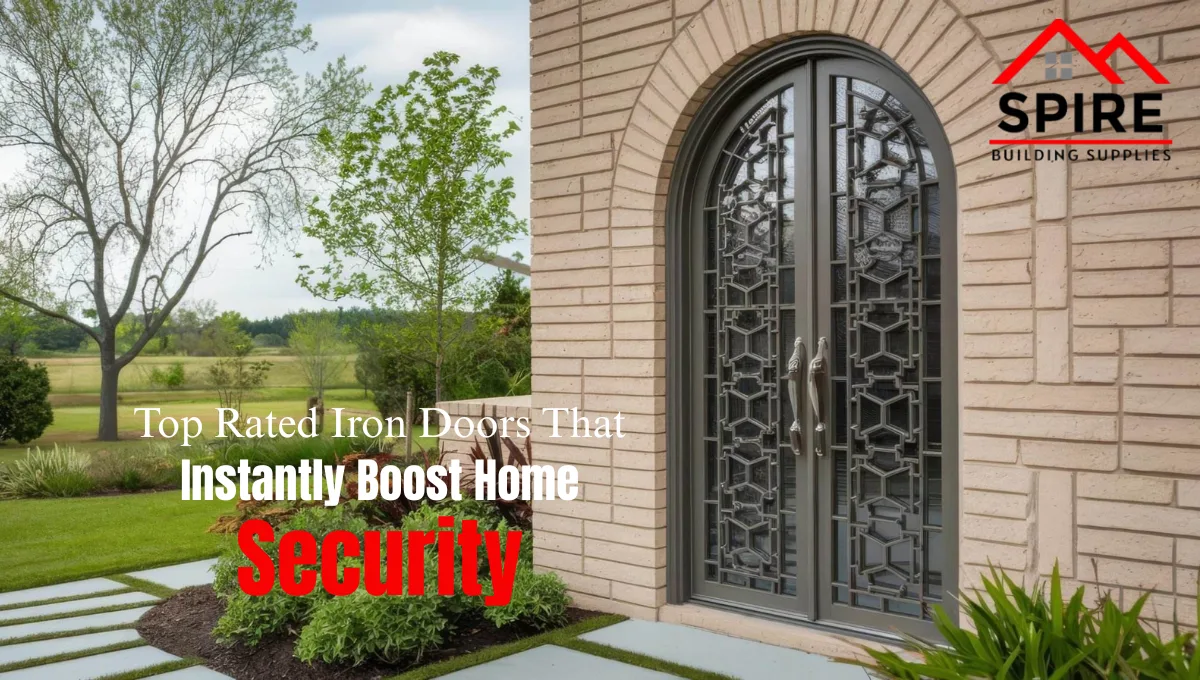
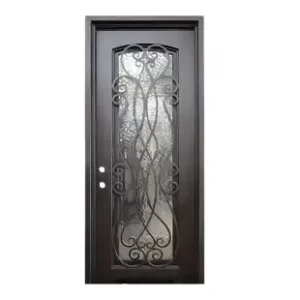
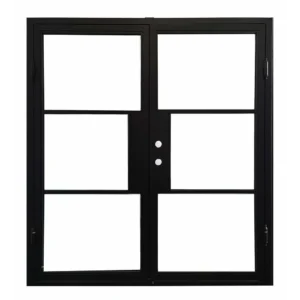
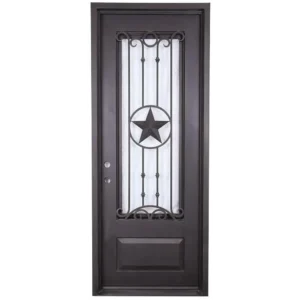
When it comes to upgrading your home’s entrance, few choices make as strong a statement as exterior universal iron doors. They combine elegance, durability, and security—yet choosing the right door can feel overwhelming. With options like Lite Double Wrought Iron Prehung Front Door, Lite French Exterior Wrought Iron Prehung Door, or Sandblast Glass Single Exterior Wrought Iron Door, how do you know which suits your style, climate, and security needs?

In this guide, I’ll walk you through expert insights from years of experience in Texas home renovations, helping you make a confident, informed decision that blends aesthetics, longevity, and functionality.

Why Exterior Universal Iron Doors Are a Smart Investment

Many homeowners underestimate the impact a well-chosen door can have on a property. Beyond curb appeal, an exterior iron door:

  • Enhances Security: Heavy-duty wrought iron and reinforced frames resist forced entry.
  • Improves Energy Efficiency: Properly installed doors reduce drafts and help maintain indoor temperatures.
  • Adds Value: A high-quality iron door signals craftsmanship and style, boosting resale potential.
  • Requires Minimal Maintenance: Unlike wood doors, iron resists warping, cracking, and pest damage.

For Texas homeowners, where extreme heat, humidity, and occasional storms are common, these features aren’t just nice-to-have—they’re essential.

Key Considerations Before Choosing Your Iron Door

1. Door Style and Design

Your door sets the tone for your home. Consider:

2. Material and Finish

  • Wrought Iron Quality: Look for doors with reinforced steel cores and corrosion-resistant coatings. Powder-coated finishes withstand rain, humidity, and UV rays better than standard paint.
  • Rust Protection: Check for doors designed specifically for hot and humid climates like Texas to avoid rust streaks over time.
  • Customizable Finishes: Matte black, bronze, and satin finishes are popular for balancing durability and style.

3. Security Features

Security is a top priority:

  • Multi-point locking systems prevent forced entry.
  • Heavy-duty hinges with non-removable pins add extra protection.
  • Decorative iron designs don’t compromise strength—look for patterns tested for impact resistance.

Pro Tip: Ask your supplier about reinforced frames or optional side panels for added security without sacrificing aesthetics.

4. Size and Fit

Accurate measurements are critical:

  1. Measure the width, height, and depth of your current frame.
  2. Consider door swing—outward vs. inward—and clearance space.
  3. Prehung doors like the Lite Double Wrought Iron Prehung Front Door simplify installation, but double-check dimensions before ordering.

Expert Tips for Installation and Longevity

Installing an iron door is more than just lifting it into place:

  • Professional Installation: Even for prehung doors, expert installers ensure proper sealing, alignment, and hardware setup.
  • Seal Gaps: Use high-quality weatherstripping to prevent drafts.
  • Regular Maintenance: Inspect hinges, locks, and coatings annually. A light application of anti-rust spray keeps your door looking new.
  • Avoid Harsh Chemicals: Stick to mild soaps and water for cleaning; abrasive cleaners can damage finishes.

Common Mistakes Homeowners Make

  1. Choosing Style Over Function: A gorgeous door that doesn’t seal properly or match your frame leads to drafts and energy loss.
  2. Neglecting Climate Considerations: Texas heat can warp poorly coated doors or fade finishes.
  3. Ignoring Glass Safety: Non-tempered glass in an iron door compromises both safety and insurance requirements.
  4. DIY Overconfidence: Iron doors are heavy and require precise alignment—mistakes can damage the frame and warranty.

Real-World Testimonials

Maria H., Austin, TX:
We installed the Lite French Exterior Wrought Iron Prehung Door last year. The craftsmanship is amazing, and our energy bills are noticeably lower. Plus, neighbors keep asking where we got it!

James P., Dallas, TX:
The sandblasted single-pane exterior wrought iron door gave our entryway a modern upgrade. Installation was smooth thanks to the prehung frame, and it feels incredibly secure.

(People Also Ask)

1. What makes an exterior universal iron door different from other doors?
Exterior universal iron doors combine wrought iron strength with customizable styles suitable for any home. They offer unmatched durability, security, and aesthetic appeal.

2. Can I install a double wrought iron door myself?
While prehung doors simplify installation, professional installation is recommended for double doors to ensure alignment, sealing, and proper hardware setup.

3. How do I maintain my iron door in Texas weather?
Clean with mild soap and water, inspect hinges annually, and apply anti-rust spray on exposed areas. Avoid abrasive cleaners or harsh chemicals.

4. Are iron doors energy-efficient?
Yes, especially when paired with insulated glass and proper sealing. They help regulate indoor temperature while adding style.

Conclusion: Make the Right Choice with Spire Building Supplies

Choosing the right exterior universal iron doors is more than a design decision—it’s an investment in security, energy efficiency, and lasting curb appeal. From a Lite Double Wrought Iron Prehung Front Door to a Sandblast Glass Single Exterior Wrought Iron Door, the right selection elevates both style and function.

At Spire Building Supplies, we specialize in helping Texas homeowners find doors that combine elegance with durability. Explore our collection and consult with our experts to ensure your next exterior door is a perfect fit.

Visit our doors collection to browse our premium iron doors today.

About the Author

Spire Building Supplies is a Texas-based expert in premium doors and home improvement products. We provide trusted advice and quality solutions to help homeowners enhance style, security, and durability.

Best Waterproof Luxury Vinyl Flooring

Transform Your Home with the Best Waterproof Luxury Vinyl Flooring: An Inspirational Guide

Humidity swings. Sudden storms. Mud tracked in from the ranch land. The pool water is dripping across the kitchen. And let’s not forget pets, kids, and heavy foot traffic. If you’ve ever watched hardwood warp after a plumbing leak or seen laminate bubble from humidity, you already know the truth: not all flooring is built for Texas living. That’s why more homeowners are switching to the best waterproof luxury vinyl flooring—not just for durability, but for design freedom, comfort, and peace of mind.

As a building materials specialist working with homeowners and contractors across Texas, I’ve seen firsthand which products perform—and which fail after one summer. This guide will help you choose flooring that looks high-end and survives real life.

Why Waterproof Luxury Vinyl Flooring Makes Sense in Texas

Texas homes face unique environmental challenges:

  • High humidity along the Gulf Coast
  • Expansive clay soils that shift foundations
  • Sudden temperature changes
  • Frequent storm exposure

Traditional hardwood expands—laminate swells. Tile can crack when foundations move.

High-quality waterproof luxury vinyl flooring (LVP/LVT) handles these issues better because:

  • It resists moisture from above and below
  • It tolerates minor subfloor movement
  • It doesn’t warp or cup in humid conditions
  • It’s softer and quieter than tile

In remodeling projects across Houston and Dallas suburbs, I’ve seen homeowners replace water-damaged wood floors with LVP and immediately reduce maintenance stress.

The key is choosing the right product—not just any vinyl.

What Defines the Best Waterproof Luxury Vinyl Flooring?

Not all LVP is equal. The difference is in the construction.

1. Rigid Core Stability

Look for SPC (Stone Plastic Composite) or high-density rigid core construction. These cores resist expansion and dents better than older flexible vinyl.

In Texas, this matters. Foundation shifts can cause minor floor movement. A rigid core handles that stress better.

2. Wear Layer Thickness

For residential durability, aim for:

  • 12–20 mil wear layer for active homes
  • 20+ mil for heavy traffic or large families

Thin wear layers scratch faster—especially with pets.

3. Attached Underlayment

An attached acoustic pad improves:

  • Sound absorption
  • Comfort underfoot
  • Minor subfloor imperfections

Many homeowners don’t realize how much comfort improves with quality backing.

4. Waterproof Locking System

Click-lock systems should feel tight and secure. Loose locking mechanisms allow moisture infiltration over time.

Standout Options Worth Considering

At Spire Building Supplies, we often recommend products that balance performance, design, and long-term value.

Here are three collections that consistently perform well in Texas homes:

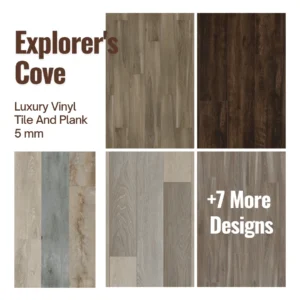
Explorer’s Cove Luxury Vinyl Tile and Plank 5 mm

The Explorer’s Cove Luxury Vinyl Tile and Plank 5 mm line offers excellent rigidity due to its thicker core profile.

Why it works well in Texas:

  • Strong dent resistance
  • Realistic wood visuals
  • Reliable locking system
  • Ideal for open-concept homes

It’s a favorite for families upgrading from builder-grade laminate.

Discovery Ridge Luxury Vinyl Tile and Plank 4.5 mm

The Discovery Ridge Luxury Vinyl Tile and Plank 4.5 mm collection is slightly thinner but still durable when installed properly over level subfloors.

Best for:

  • Budget-conscious remodels
  • Rental properties
  • Secondary living spaces

Professional installation is especially important with 4.5 mm profiles to prevent flexing.

Arbor Terrace Luxury Vinyl Tile and Plank 4.5 mm

The Arbor Terrace Luxury Vinyl Tile and Plank 4.5 mm series stands out for its refined color selection and contemporary tones.

Great for:

  • Modern interiors
  • Light, airy Texas farmhouse designs
  • Seamless flow between rooms

Design matters just as much as durability when increasing resale appeal.

Design Freedom: Why Homeowners Love It

Waterproof luxury vinyl flooring has evolved dramatically in the past five years.

Today’s options offer the following:

  • Wide plank formats (7”–9 ”)
  • Embossed-in-register textures
  • Matte finishes that mimic real hardwood
  • Neutral, Texas-friendly color palettes

Pro tip: In Texas homes with abundant natural light, overly glossy floors highlight scratches. A low-sheen finish hides wear better.

Another tip: Warmer greige and natural oak tones tend to age better than trendy gray-heavy shades.

Expert Installation Advice (From the Field)

I’ve seen great products fail due to poor installation. Here’s what truly matters:

Acclimation Still Matters

Even waterproof LVP should acclimate for 24–48 hours before installation. Texas temperature swings can affect materials during transport.

Subfloor Prep Is Critical

Uneven slabs cause:

  • Locking joint stress
  • Premature separation
  • Hollow sounds

Spend the time leveling concrete properly.

Leave Proper Expansion Gaps

Rigid core still expands slightly. Skipping expansion gaps near walls leads to buckling.

Avoid Mixing Batches Without Blending

Always open multiple boxes and blend planks during installation. This prevents color patching.

Common Mistakes Homeowners Make

  1. Choosing based only on price
  2. Ignoring wear layer thickness
  3. Installing over damp concrete without moisture testing
  4. Skipping professional guidance
  5. Using harsh cleaners that degrade finishes

One frequent mistake in Texas: installing LVP over untested slabs after foundation repairs. Moisture testing is non-negotiable.

Is It Good for Pets and Kids?

Yes—if you choose wisely.

Look for:

  • 20 mil wear layer
  • Scratch-resistant coating
  • Textured surface for slip resistance

Luxury vinyl is softer than tile, which reduces fatigue for both kids and pets. It’s also quieter.

And unlike hardwood, it won’t show claw scratches as quickly.

Does It Increase Home Value?

While flooring alone doesn’t guarantee higher appraisal numbers, updated waterproof LVP:

  • Improves buyer perception
  • Reduces maintenance concerns
  • Creates visual continuity
  • Competes well against engineered hardwood

In Texas suburban markets, buyers increasingly expect durable, waterproof surfaces—especially in kitchens and living areas.

Professional Insight: Where It Works Best

Based on remodeling patterns across Texas:

Best Areas:

  • Kitchens
  • Living rooms
  • Basements
  • Entryways
  • Bathrooms (when installed properly)

Avoid:

  • Areas with prolonged standing water exposure without proper sealing

Luxury vinyl is water-resistant and waterproof—but proper installation remains essential.

Why Homeowners Choose Spire Building Supplies

Choosing the best waterproof luxury vinyl flooring isn’t just about picking a color.

It’s about:

  • Understanding Texas climate demands
  • Selecting the right core thickness
  • Matching wear layers to lifestyle
  • Ensuring correct installation practices

At Spire Building Supplies, we work directly with Texas homeowners and contractors to match the right product to the right project.

You can explore options and speak with flooring specialists at Spire Building Supplies

The right floor doesn’t just change a room. It changes how confidently you live in your home.

Customer Testimonials

We upgraded to waterproof luxury vinyl flooring from Spire Building Supplies after our old floors couldn’t handle the humidity. The new floors look amazing and have held up perfectly with kids and pets.
— James L., Houston, TX

The team helped us choose the right wear layer and style for our home. Our new floors feel durable, modern, and easy to maintain. Great experience from start to finish.
— Rebecca S., Dallas, TX

After a plumbing leak damaged our previous flooring, we switched to waterproof luxury vinyl. It’s been stress-free ever since. I’m glad we made the change.
— Carlos M., Katy, TX

People Also Ask

1. What thickness is best for waterproof luxury vinyl flooring?
For active Texas households, 5 mm or thicker with at least a 12–20 mil wear layer offers strong durability and stability.

2. Can waterproof luxury vinyl flooring handle Texas humidity?
Yes. High-quality rigid core LVP resists expansion and moisture damage better than hardwood or laminate.

3. Is waterproof luxury vinyl better than tile?
It depends on preference. LVP is warmer, quieter, and more forgiving underfoot, while tile offers extreme durability but can crack with foundation movement.

4. How long does waterproof luxury vinyl flooring last?
With proper installation and care, high-quality products can last 15–25 years in residential settings.

Final Thoughts

Choosing the best waterproof luxury vinyl flooring isn’t just about style — it’s about investing in durability, comfort, and long-term peace of mind for your Texas home. With the right product and expert guidance, you can enjoy beautiful floors that stand up to humidity, storms, pets, and everyday life.

If you’re ready to upgrade with confidence, the team at Spire Building Supplies is here to help you select flooring that truly fits your space and lifestyle.

Back to Top

Search For Products

Product has been added to your cart