Single hung vinyl replacement windows

Single Hung Vinyl Replacement Windows: Quality You Can Count On

If your windows are letting in drafts, fogging between panes, or just plain hard to open, you already know it’s time for a change. Single hung vinyl replacement windows are one of the most popular solutions homeowners and builders turn to and for good reason. They’re practical, affordable, low-maintenance, and built to handle the everyday demands of real homes. But choosing the right window isn’t as simple as picking a size and calling it done. This guide breaks down everything you need to know before you buy, install, or specify them for a project.

What Is a Single Hung Window?

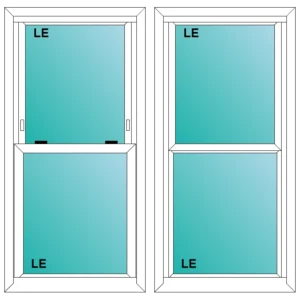
A single hung window has two sashes — upper and lower — but only the bottom sash moves. The top sash stays fixed in place. That’s the defining feature that separates it from a double hung window, where both sashes slide up and down.

Because of their simpler mechanism, single hung windows are typically more affordable than double hung models. There are fewer moving parts, which also means fewer components that can wear out over time.

They’re a common choice for:

  • Bedrooms and living rooms where full ventilation control isn’t critical
  • Replacement projects where the opening size is already fixed
  • Budget-conscious builds that still need durable, energy-efficient windows
  • Contractor and builder projects requiring consistent, reliable performance across multiple units

Why Vinyl? Understanding the Material Advantage

Vinyl frames have become the dominant material in replacement windows — and not just because they’re cheap. When made well, vinyl performs exceptionally well across a range of conditions.

Key benefits of vinyl window frames:

  • No painting required: Vinyl doesn’t peel, chip, or rot. The color is baked in.
  • Moisture resistance: Unlike wood, vinyl won’t warp or swell from humidity or rain.
  • Thermal performance: Vinyl is a poor conductor of heat, which means less energy transfer through the frame itself.
  • Low lifetime cost: The upfront price is competitive, and maintenance costs over 10–20 years are minimal.
  • Noise dampening: A well-constructed vinyl window with quality glazing significantly reduces outside noise.

That said, not all vinyl is the same. Thickness, multi-chamber construction, and the quality of the weatherstripping all affect how well a vinyl window performs over time. Cheaper vinyl can become brittle in very cold climates. It’s worth reading specs carefully, not just checking the price tag.

Replacing Single Hung Windows: What the Process Actually Looks Like

Whether you’re a homeowner doing one window or a builder replacing 30, the replacement process follows a similar pattern — though the details vary depending on whether you’re doing a full-frame replacement or an insert replacement.

Full-Frame vs. Insert Replacement

Full-frame replacement removes everything — the sashes, the frame, the trim, and sometimes the exterior casing. This is the right call when the existing frame is damaged, rotted, or structurally compromised.

Insert replacement (also called a pocket replacement) drops a new window unit into the existing frame. It’s faster, less disruptive, and less expensive — but it only works when the existing frame is still solid and square.

For most residential replacement projects, insert windows are the practical choice. For new construction or major renovations, full-frame installation gives you a clean slate.

What to Measure Before You Order

Measuring wrong is the most expensive mistake in window replacement. Here’s what to get right:

  • Measure the rough opening width at the top, middle, and bottom — use the smallest measurement
  • Measure the height on the left, center, and right — again, use the smallest
  • Account for the frame depth if you’re doing an insert — the new window needs to fit within the existing frame
  • Double-check that the opening is square by measuring diagonally in both directions

If the diagonals don’t match, the opening isn’t square — and that will affect how well your new window seals and operates.

Spire Building Supplies carries a range of single hung windows sized to fit standard rough openings, including popular options like the INSPIRE VINYL SH 3050 and the INSPIRE VINYL SH 3060 — both of which are well-suited for standard residential replacement projects.

Energy Efficiency: What Actually Matters

Single hung vinyl windows can be highly energy-efficient — or mediocre — depending on the glazing and construction. Here’s what to look at when evaluating performance:

Glazing

  • Double-pane (insulated glass unit or IGU): The baseline standard for any quality replacement window
  • Low-E coating: A thin metallic coating that reflects infrared heat. Reduces heat gain in summer and heat loss in winter
  • Argon or krypton gas fill: Denser than air, these gases slow heat transfer between panes

Ratings to check:

  • U-factor: Measures how much heat passes through the window. Lower is better. Look for 0.30 or below for good performance
  • Solar Heat Gain Coefficient (SHGC): Measures how much solar heat enters through the glass. Lower values keep interiors cooler in warm climates
  • Air leakage rating: How much air passes through the window assembly. Lower is better

In most North American climates, a double-pane, Low-E window with argon fill is the sweet spot between cost and performance.

Common Mistakes to Avoid When Replacing Single Hung Windows

These are the errors that cost people time, money, or both:

1. Ordering the wrong size

Windows are manufactured to specific dimensions. If you order wrong, you’re paying for shipping both ways and waiting on a new order. Measure twice — or three times — before submitting.

2. Ignoring the existing frame condition

Dropping a new window into a rotted or out-of-square frame creates problems from day one: drafts, difficult operation, and poor sealing. Inspect the frame thoroughly before deciding on insert vs. full-frame replacement.

3. Choosing price over specs

The cheapest window isn’t always the worst, but buying solely on price without checking U-factor, glazing type, and frame construction can mean replacing the window again in 7–10 years instead of 20+.

4. Skipping proper weatherstripping and caulking

Even a quality window performs poorly if the installation isn’t sealed properly. Air and moisture infiltration at the edges defeats the purpose of upgrading.

5. Not checking local code requirements

Some municipalities have requirements around window egress dimensions, especially for bedrooms. Single hung windows have a fixed upper sash, which limits maximum opening — verify this meets code for the specific room before ordering.

Expert Tips for Getting the Best Results

  • Buy from a supplier who stocks the size you need — custom orders take longer and cost more
  • If replacing multiple windows, order all at once; batch orders often reduce per-unit cost
  • Consider the orientation of the window — south-facing windows benefit from lower SHGC to reduce heat gain; north-facing windows prioritize U-factor
  • For rental properties or high-traffic homes, prioritize frame durability and ease of cleaning over aesthetics
  • If you’re a builder sourcing multiple units, verify lead times before scheduling your install crew

If your project also includes larger fixed glass areas, you may want to read about picture window replacement options — they pair well with single hung windows in open living spaces.

Real-World Scenarios: Where Single Hung Vinyl Windows Make the Most Sense

Scenario 1: Whole-house window replacement on a budget

A homeowner replacing 12 windows across a 1,960 sq ft home chose single hung vinyl windows for all bedroom and secondary rooms, reserving double hung units for the kitchen and main living areas where full ventilation was more important. The result was a significant cost saving without sacrificing comfort in the most-used spaces.

Scenario 2: Builder spec homes

A regional home builder standardized on a single hung vinyl window line for all spec homes below a certain price point. Consistent sizing, predictable lead times, and low warranty call-backs made the decision straightforward. Buyers appreciated the clean look and the energy performance ratings included in the listing materials.

Scenario 3: Older home renovation

An older home with original wood windows — single hung in design — required full-frame replacement due to frame rot. Vinyl single hung windows matched the original profile while eliminating the ongoing maintenance burden the homeowner had dealt with for years.

Frequently Asked Questions

What is the difference between a single hung and double hung window?

In a single hung window, only the bottom sash opens. In a double hung window, both the top and bottom sashes move. Double hung windows offer more ventilation options but typically cost more.

Are single hung vinyl windows energy efficient?

Yes — when they include double-pane glass, Low-E coating, and gas fill between panes. Look for a low U-factor (0.30 or below) and an appropriate SHGC for your climate.

How long do single hung vinyl replacement windows last?

Quality vinyl windows typically last 20–40 years with minimal maintenance. Frame life depends on UV resistance and wall thickness. Cheaper vinyl can degrade faster in extreme climates.

Can I replace a single hung window myself?

Insert replacements are manageable for experienced DIYers. Full-frame replacements typically require professional installation to ensure proper sealing, squareness, and waterproofing. Incorrect installation voids most warranties.

What sizes do single hung vinyl replacement windows come in?

Standard widths range from 24″ to 48″ and heights from 36″ to 72″, though this varies by manufacturer. Common nominal sizes like 3050 (30″ wide x 50″ tall) and 3060 (30″ wide x 60″ tall) fit many standard rough openings.

What Customers Are Saying

We replaced eight windows in our home and the difference in drafts and our heating bill was immediate. The vinyl frames look clean and we haven’t touched them since installation. — David R., homeowner

As a contractor, I need windows that show up on time, fit right, and don’t come back as warranty calls. The single hung vinyl units from Spire have been consistent across three projects now. — Marcus T., residential builder

I was nervous about getting the measurements right, but the team helped me confirm sizing before I ordered. The install went smoothly and the windows look great. — Linda K., homeowner

Making the Right Call on Single Hung Vinyl Replacement Windows

Replacing your windows is one of those home improvements that pays you back every single day in comfort, energy savings, and peace of mind. Single hung vinyl windows hit a practical sweet spot: they’re built to last, easy to maintain, and available at price points that make sense whether you’re replacing one window or outfitting an entire build.

The key is going in informed. Know your measurements. Understand the glazing specs. Check the frame condition before you decide between insert and full-frame. And buy from a supplier who can actually answer your questions not just process your order.

If you’re ready to move forward, explore Spire Building Supplies‘ full range of single hung windows to find the right fit for your project or reach out directly if you need sizing guidance before you order.

About the Author

This article was written by the editorial team at Spire Building Supplies — a supplier with hands-on experience across residential and commercial window projects. The team draws on direct product knowledge, builder feedback, and real installation experience to provide practical, accurate guidance for homeowners and contractors making window decisions.

picture window replacement

Picture Window Replacement Professional Installation for Every Home

If you’re noticing condensation between the glass, feeling cold drafts on otherwise warm days, or simply staring at a view through a scratched, faded, or yellowing frame your picture window is probably overdue for a replacement. A proper picture window replacement isn’t just a cosmetic upgrade. Done right, it can meaningfully improve your home’s energy efficiency, indoor comfort, and resale value.

This guide walks you through everything you need to know before you replace a picture window: what affects the outcome, what to watch out for, and how to make a decision you won’t regret in two years.

What Is a Picture Window, and Why Does It Matter?

A picture window is a fixed, non-operable window — it doesn’t open or close. It’s designed entirely to frame a view and let natural light into a space, which is why it’s typically large and installed in living rooms, dining areas, or anywhere a panoramic view makes sense.

Because they don’t have moving parts like casements or double-hungs, picture windows tend to have a simpler structure but that doesn’t mean they’re maintenance-free. Over time, seals fail, frames warp, and glazing technology becomes outdated. When that happens, replacing the window (rather than patching it) is almost always the right call.

Signs It’s Time to Replace Your Picture Window

You don’t always need a professional inspection to know something’s wrong. Here are the most reliable indicators:

  • Fogging or condensation between panes — This means the insulating seal has failed. The argon or krypton gas that improves thermal performance has escaped, and the unit is no longer doing its job.
  • Noticeable drafts near the frame — Even with a fixed window, a failing frame or poor installation can allow air infiltration.
  • Visible frame damage — Warping, rot (on wood frames), cracking, or discoloration that doesn’t clean off.
  • Higher energy bills without explanation — A degraded large picture window can be a significant source of heat loss in winter and heat gain in summer.
  • Difficulty maintaining comfortable indoor temperatures — If one room always feels colder or hotter than the rest of the house, the window is often the culprit.

If you’re seeing two or more of these signs, replacement is likely more cost-effective than repair.

Choosing the Right Replacement Window: What Actually Matters

This is where a lot of homeowners make costly mistakes buying on price alone, or choosing based on appearance without understanding performance specs. Here’s what to actually evaluate.

Frame Material

Vinyl is the most common choice for replacement picture windows, and for good reason. It’s durable, low-maintenance, thermally efficient, and holds up well in most climates. Quality vinyl frames won’t rot, peel, or require painting. Products like the INSPIRE VINYL PW 2850 and INSPIRE VINYL PW 2860 are purpose-built for residential replacement projects and offer a strong combination of structural performance and energy efficiency.

Wood frames offer excellent insulation and a classic look, but they require ongoing maintenance and are vulnerable to moisture damage in humid climates.

Aluminum is strong and slim-profiled, but conducts heat and cold readily — making it less energy-efficient unless thermally broken.

Fiberglass performs well in extreme climates and is dimensionally stable, but comes at a higher price point.

Glass Package

For most climates, double-pane Low-E glass with argon gas fill is the standard recommendation. It blocks UV rays, reduces heat transfer, and handles most seasonal temperature swings effectively. In colder regions or for large picture windows replacement projects, triple-pane glass may be worth the additional investment.

U-factor measures how well a window resists heat loss (lower is better). Solar Heat Gain Coefficient (SHGC) measures how much solar heat the window lets in — you want lower SHGC in hot climates and higher in colder ones.

Don’t just look at the center-of-glass rating. Ask for the whole-window U-factor, which accounts for the frame and is a more accurate real-world measure.

Size and Structural Considerations

Large picture windows require proper structural support. Before ordering a replacement, confirm that the rough opening and surrounding framing can accommodate the new unit — especially if you’re upsizing. This is a step where professional measurement matters, not just eyeballing.

The Replacement Process: What to Expect

Understanding how installation works helps you ask the right questions and catch problems early.

  1. Accurate Measurement

The replacement window must fit precisely within the existing rough opening, or adjustments to the framing are needed. A good installer measures in multiple places because older frames are rarely perfectly square.

  1. Removal of the Existing Window

The old unit is carefully removed — ideally without damaging the surrounding wall finish, trim, or interior finishes. If the existing installation used expanding foam or caulk that has hardened significantly, this step takes more care.

  1. Preparing the Opening

The installer checks the rough opening for rot, moisture damage, or structural issues. This is a critical checkpoint. Any water-damaged framing must be repaired before the new window goes in, or you’re sealing problems inside the wall.

  1. Installing the New Unit

The replacement window is set, leveled, shimmed, and secured. Proper shimming ensures the window operates correctly (even though picture windows don’t open, proper shimming prevents frame distortion that could compromise the seal).

  1. Flashing, Sealing, and Insulation

This is where many DIY installations — and some rushed professional ones — go wrong. Proper flashing around the window directs water away from the frame. The gap between the window and rough opening is filled with low-expansion foam or fiberglass insulation. Exterior caulk seals the perimeter.

  1. Interior Finishing

Trim is replaced or reinstalled, any patched drywall is finished, and the interior reveal is caulked and painted if needed.

Common Mistakes to Avoid

Measuring Wrong

Even being off by ¼ inch can cause fitment problems. Always measure the rough opening — height and width — at multiple points. Width at the top, middle, and bottom. Height on both sides. Use the smallest measurement.

Skipping the Flashing

Improper flashing is one of the leading causes of window-related water intrusion. It doesn’t show up immediately, but within a few years you’ll see rot, mold, or failed drywall. Don’t skip it, and don’t let an installer skip it either.

Choosing a Window Sized for Appearance Only

A large picture window with a poor U-factor or wrong SHGC for your climate will look great and perform poorly. Get the specs in writing before you buy.

Using High-Expansion Foam

Around windows, high-expansion spray foam can bow frames inward. Always use minimal-expanding or window and door rated foam.

Ignoring the Warranty Terms

Some window warranties are voided by improper installation. Read the terms before choosing your installer, and keep documentation of the installation.

Going the Full DIY Route on Large Windows

Replacing a small bathroom window is a manageable DIY project. Replacing a large picture window — especially on an upper floor or in a load-bearing wall area — involves real risk if you don’t know what you’re doing. Mishandled large glazing units can break, and improperly supported openings can cause structural issues.

How Long Should a Replacement Picture Window Last?

A quality vinyl picture window, professionally installed, should last 20 to 30 years — and often longer. The seal on an insulated glass unit (IGU) typically carries a warranty of 10 to 20 years depending on the manufacturer. Frame warranties vary, with many quality manufacturers offering lifetime warranties on the frame and hardware.

What shortens window lifespan most often: poor installation, water intrusion that wasn’t addressed, and glass units exposed to excessive thermal stress (like being directly shaded by an overhang on one side and fully exposed on the other).

Energy Efficiency and Cost Considerations

Replacing aging picture windows can reduce heating and cooling costs noticeably, especially if the existing windows are single-pane or have failed seals. According to the U.S. Department of Energy, heat gain and heat loss through windows accounts for 25–30% of residential heating and cooling energy use.

Factors that affect project cost:

  • Window size (larger = higher cost)
  • Frame material selected
  • Glass package (double vs. triple pane, specialty coatings)
  • Number of windows being replaced at once
  • Access difficulty (ground floor vs. upper story)
  • Whether existing framing needs repair
  • Regional labor rates

Replacing multiple windows at once often reduces the per-unit cost and minimizes the number of times installers need to mobilize.

Expert Tips From the Field

  • Order windows from a supplier who stocks or can quickly source the size you need. Custom large picture windows can have lead times of 3–6 weeks. Plan accordingly, especially before winter.
  • Photograph the rough opening before the new window goes in. If a problem emerges later, you’ll have documentation of what the framing looked like.
  • Don’t paint or caulk over weep holes. Weep holes in the frame allow any water that gets past the exterior caulk to drain out. Blocking them traps moisture.
  • Check the Low-E coating orientation. It matters which surface the coating is on. For most climates, it’s applied to the interior surface of the outer pane. A reputable supplier will confirm this.
  • Time your replacement for mild weather when possible. Open wall cavities in extreme cold or heat create discomfort and can affect the caulk and foam’s cure.

Real-World Use Cases

New Construction: A builder working on a custom home uses large picture windows in the main living area to frame a wooded backyard. Vinyl frames are chosen for their thermal performance and low long-term maintenance requirements. The window placement is coordinated with the HVAC design to account for solar gain.

Whole-Home Renovation: A homeowner replacing windows throughout an older bungalow prioritizes the large picture window in the living room first — it was original to the 1970s build and single-pane. After replacement with a double-pane Low-E unit, the room is noticeably warmer in winter and the condensation issue on the adjacent hardwood flooring (caused by the cold glass surface) disappears.

Energy Retrofit: A homeowner with rising utility bills identifies the large picture window on the south-facing wall as a major contributor to summer cooling load. A replacement window with a lower SHGC rating reduces the solar heat gain, and combined with other improvements, lowers the annual cooling bill meaningfully.

People Also Ask

How much does it cost to replace a picture window?

Costs vary considerably by size, frame material, and glass type. A standard residential picture window replacement including professional installation typically ranges from $400 to $1,200 or more for larger units. Custom sizes, premium glass packages, or difficult access can push costs higher.

Can a picture window be replaced without replacing the frame? Yes this is called an insert replacement. The new glazing unit fits inside the existing frame, which saves time and cost if the frame is still structurally sound. However, if the frame is damaged, rotted, or out of square, a full-frame replacement is the better choice.

How long does picture window replacement take?

Most single picture window replacements take 2–4 hours for a professional crew. Larger units, upper-floor installations, or situations requiring framing repair will take longer.

What is the most energy-efficient option for a large picture window?

Triple-pane glass with Low-E coating and argon or krypton gas fill, installed in a thermally broken or vinyl frame, offers the best thermal performance. For most climates, double-pane Low-E with argon is the practical standard that balances cost and performance well.

Do I need a permit to replace a picture window?

Requirements vary by municipality. Like-for-like replacements (same size, same location) often don’t require a permit in many jurisdictions. Structural changes like enlarging the opening typically do. Check with your local building department before work begins.

What Our Customers Say

We had a large picture window in the family room that had been fogging up for years. After replacing it with a vinyl unit from Spire, the difference in how warm the room feels in winter is remarkable. The installation team was thorough they repaired some minor framing rot before putting the new window in, which I really appreciated. — D. Kowalski, homeowner

As a builder, I need suppliers who can deliver quality product consistently and get me spec sheets quickly. Spire has been reliable on both fronts. The vinyl picture windows they carry perform well and our clients are happy with the long-term results. — R. Tran, residential builder

I was skeptical that swapping out one window would make a real difference. It did. The room that used to feel cold by the patio no longer has that chill near the glass. Straightforward process, no surprises. — M. Osei, homeowner

A Note on Related Home Improvement Projects

If you’re already planning a renovation that involves window replacement, it’s worth coordinating with other interior upgrades happening at the same time. Projects like luxury vinyl plank flooring installation often happen in the same renovation window and sequencing them correctly (windows before flooring, in most cases) saves time and protects your new materials from installation traffic.

About the Author

This article was developed by the editorial team at Spire Building Supplies, drawing on hands-on experience with residential window products, installation standards, and the practical questions homeowners and builders ask most often. Our goal is straightforward: give you accurate, useful information so you can make confident decisions — whether you’re replacing one window or outfitting an entire project.

For questions about specific product specifications or availability, visit spirebuildingsupplies.com or contact the Spire team directly.

readymade kitchen cabinets in Texas

Kitchen Storage Solutions with Readymade Cabinets in Texas

When it comes to optimizing kitchen space without overspending, readymade kitchen cabinets in Texas have become the go-to solution for homeowners who want efficiency, style, and reliability. Whether you’re remodeling a compact apartment kitchen in Austin or designing a spacious family kitchen in Houston, ready-to-install cabinetry offers a practical way to maximize storage while maintaining a clean, modern aesthetic.

At Spire Building Supplies, years of hands-on industry experience have shown that homeowners don’t just need cabinets—they need smart storage systems that simplify daily life. From better organization to faster installation timelines, readymade cabinets provide solutions that align with real-world needs in Texas homes.

Why Kitchen Storage Matters More Than Ever

A kitchen is no longer just a cooking space. It’s where families gather, meals are prepped, and daily routines unfold. However, poor storage design leads to clutter, inefficiency, and frustration.

That’s where well-planned cabinet systems make a measurable difference:

  • Reduce countertop clutter
  • Improve workflow between cooking zones
  • Maximize vertical and corner spaces
  • Keep essentials easily accessible

In Texas homes—where kitchens often serve as central living areas—efficient storage isn’t optional. It’s essential.

What Are Readymade Kitchen Cabinets?

Readymade kitchen cabinets, also known as stock or ready-to-install (RTI) cabinets, are pre-manufactured units available in standard sizes, finishes, and designs. Unlike custom cabinetry, they don’t require long production timelines.

Key Advantages:

  • Faster availability
  • Lower cost compared to custom cabinets
  • Consistent quality
  • Easier installation

For homeowners in Texas, where renovation timelines often need to stay tight, this is a major benefit.

Smart Storage Solutions Using Readymade Cabinets

Let’s move beyond basic storage and look at real, functional kitchen solutions that work in everyday life.

1. Vertical Storage Optimization

Most kitchens waste vertical space. Readymade cabinets allow you to extend storage upward with:

  • Tall pantry cabinets
  • Stacked wall cabinets
  • Overhead storage units

This is especially useful in urban Texas homes where square footage is limited.

2. Corner Cabinet Solutions

Corner spaces often become dead zones. However, modern cabinet designs solve this with:

  • Lazy Susan systems
  • Pull-out corner shelves
  • Diagonal cabinets

These solutions ensure no space goes unused.

3. Deep Drawer Systems

Instead of traditional shelves, deep drawers provide better accessibility.

Perfect for:

  • Pots and pans
  • Small appliances
  • Bulk groceries

Homeowners consistently report improved convenience after switching to drawer-based storage.

4. Pantry Cabinets for Bulk Storage

Texas households often buy in bulk. Pantry cabinets solve this challenge by offering:

  • Floor-to-ceiling storage
  • Adjustable shelving
  • Organized food zones

This creates a cleaner, more structured kitchen environment.

5. Integrated Organizational Features

Modern readymade cabinets come with built-in solutions such as:

  • Soft-close hinges
  • Pull-out spice racks
  • Trash and recycling compartments
  • Cutlery organizers

These features reduce daily friction and improve usability.

Popular Cabinet Styles in Texas Homes

Choosing the right style is just as important as functionality. Based on current trends and customer preferences, here are some popular options:

Jade Green Shaker – Cabinet
A bold yet elegant choice, this style works well in contemporary kitchens. It adds personality without overwhelming the space.

Milton Black Shaker – Cabinet
Ideal for modern and industrial designs, this cabinet creates a sleek, high-contrast look when paired with lighter countertops.

Milton Oak Shaker – Cabinet
A timeless option that brings warmth and natural texture. Perfect for traditional and transitional kitchen designs.

These styles are widely selected by Texas homeowners who want a balance between aesthetics and practicality.

How to Choose the Right Readymade Cabinets in Texas

Not all cabinets are equal. To make the right decision, consider these factors:

1. Kitchen Size and Layout

Measure your space accurately. Poor measurements lead to wasted space or installation issues.

2. Storage Needs

Think about your daily habits:

  • Do you cook often?
  • Do you store bulk items?
  • Do you need more drawer space?

3. Material Quality

Look for:

  • Solid wood frames
  • Durable MDF panels
  • High-quality finishes

Texas weather can be humid in some regions, so durability matters.

4. Finish and Color

Choose finishes that:

  • Complement your flooring and walls
  • Reflect natural light
  • Match your overall home style

Cost of Readymade Kitchen Cabinets in Texas

Pricing varies based on size, material, and finish. However, here’s a general breakdown:

  • Basic cabinets: $2,500 – $5,000
  • Mid-range options: $5,000 – $10,000
  • Premium finishes: $10,000+

Compared to custom cabinets, readymade options can save up to 40–50%, making them a cost-effective solution for most homeowners.

Installation: DIY vs Professional

DIY Installation

Suitable if:

  • You have basic tools and experience
  • Your kitchen layout is simple

Professional Installation

Recommended for:

  • Complex layouts
  • Large kitchens
  • Precision alignment

At Spire Building Supplies, many customers prefer professional installation to ensure long-term durability and proper fitting.

Common Mistakes to Avoid

Even the best cabinets won’t perform well if mistakes are made during planning.

Avoid these:

  • Ignoring vertical space
  • Choosing style over functionality
  • Poor measurements
  • Overlooking storage needs

A balanced approach ensures both aesthetics and usability.

Why Homeowners Trust Spire Building Supplies

Choosing the right supplier matters just as much as choosing the cabinets.

Spire Building Supplies stands out because of:

  • Industry expertise backed by real project experience
  • Consistent product quality
  • Customer-focused solutions
  • Reliable inventory availability

Their approach isn’t just about selling cabinets—it’s about helping homeowners create kitchens that actually work.

Real Customer Testimonials

We needed a fast kitchen upgrade, and the readymade cabinets from Spire Building Supplies exceeded expectations. The storage space is amazing.
— Daniel R., Houston, TX

The Milton Oak Shaker cabinets gave our kitchen a warm, premium feel without breaking the budget.
— Sarah M., Dallas, TX

Installation was quick, and everything fit perfectly. The storage solutions made a huge difference in our daily routine.
— James T., Austin, TX

People Also Ask (PAA)

What are the benefits of readymade kitchen cabinets in Texas?
They offer affordability, faster installation, and reliable quality. They’re ideal for homeowners who want efficient solutions without long wait times.

Are readymade cabinets durable?
Yes, when made from quality materials like solid wood or high-grade MDF, they can last for many years with proper care.

How long does installation take?
Typically, 1–3 days depending on kitchen size and complexity.

Can I customize readymade cabinets?
While they come in standard sizes, you can mix and match styles, finishes, and configurations to suit your space.

Which cabinet style is best for modern kitchens in Texas?
Shaker-style cabinets, especially in black, oak, or bold colors like green, are highly popular due to their clean and versatile design.

Final Thoughts

Kitchen storage is one of the most overlooked aspects of home design, yet it has the biggest impact on daily life. With readymade kitchen cabinets in Texas, homeowners can achieve a perfect balance of affordability, efficiency, and style.

From maximizing vertical space to integrating smart storage features, the right cabinets can completely transform how your kitchen functions. And when sourced from a trusted provider like Spire Building Supplies, you’re not just improving your kitchen—you’re investing in long-term convenience and value.

See our full range of kitchen pantry doors; visit this page: Modern Kitchen Pantry Door Ideas That Blend Functionality & Style

Author Bio

Spire Building Supplies
Spire Building Supplies is a trusted name in kitchen and home improvement solutions across Texas. With hands-on industry experience and a focus on quality materials, the team helps homeowners achieve practical, long-lasting results tailored to real living spaces.

Modern Kitchen Pantry Door Ideas

Modern Kitchen Pantry Door Ideas That Blend Functionality & Style

In modern Texas homes, kitchen design is no longer just about layout—it’s about how smoothly every element works together in daily life. That is exactly where kitchen pantry door ideas become important, especially when homeowners want a balance between storage efficiency, durability, and visual appeal.

At Spire Building Supplies, we have seen a consistent demand from Texas homeowners who want pantry doors that don’t just close a space but improve how the kitchen functions. With strong expertise in interior door systems and real installation experience across residential projects, the brand has built trust by focusing on long-term usability, precise sizing, and dependable material selection.

Whether it’s a new build in Austin, a renovation in Dallas, or a compact kitchen upgrade in Houston, the right pantry door can completely change how your space feels and works.

Why Kitchen Pantry Door Design Matters in Texas Homes

Texas homes often feature open-plan kitchens, larger layouts, and strong natural lighting. However, even with more space, organization and flow still matter.

Homeowners in the USA typically look for:

  • Heat-resistant and durable materials
  • Clean, modern interior aesthetics
  • Easy access to pantry storage
  • Space-efficient door movement
  • Long-term structural stability

This is where well-planned kitchen pantry door ideas play a direct role in improving daily kitchen performance.

Expert-Recommended Kitchen Pantry Door Ideas

1. Shaker-Style Pantry Doors (Most Popular Choice)

Shaker doors are one of the most requested designs at Spire Building Supplies for Texas homes.

Their simple recessed panel structure makes them:

  • Visually clean
  • Easy to maintain
  • Compatible with modern and traditional kitchens

They work especially well in white, grey, and natural wood finishes, making them a flexible design option for homeowners who want long-term style consistency.

2. Sliding Pantry Doors for Open Layout Homes

Sliding doors are highly practical in Texas homes with open kitchen layouts. Instead of swinging outward, they move along a track, saving space and improving movement flow.

This design works well in:

  • Open-concept kitchens
  • Narrow pantry corridors
  • Modern minimalist interiors

Additionally, sliding systems reduce door collision issues in high-traffic kitchens.

3. Hidden Pantry Doors for Seamless Interiors

Hidden pantry doors are becoming a strong design trend in premium Texas homes. These doors are built to blend into cabinetry or wall panels, making the pantry visually disappear.

This approach creates:

  • A cleaner kitchen appearance
  • Better visual continuity
  • A clutter-free environment

It is especially effective in luxury kitchen renovations.

4. Glass Insert Pantry Doors for Light & Visibility

Glass panel pantry doors bring brightness into kitchen spaces. In Texas homes, where natural light is already strong, this design helps distribute light evenly.

Common variations include:

  • Frosted glass for privacy
  • Clear glass for display storage
  • Tinted glass for modern contrast

5. Barn-Style Pantry Doors for Character

Barn-style doors add a strong design statement while maintaining functionality. They are often used in farmhouse-inspired homes across Texas.

They offer:

  • Strong visual impact
  • Smooth sliding operation
  • Durable wood-and-metal construction

Choosing the Right Material for Texas Conditions

Material selection is critical due to temperature variations and daily usage patterns in Texas kitchens.

Common options include:

  • Moisture-resistant MDF: Budget-friendly and stable
  • Solid wood: Premium appearance with natural texture
  • Laminate finishes: Scratch-resistant and easy to clean
  • Wood + glass combinations: Modern and decorative

At Spire Building Supplies, product recommendations are based on real-world installation feedback, not just design trends.

Standard Pantry Door Sizes in United States Homes

Correct sizing ensures proper installation and long-term usability.

Most commonly used sizes include:

Choosing the right height ensures proper alignment with cabinetry and improves visual balance in the kitchen.

Functional Kitchen Pantry Door Ideas for Better Storage Access

Beyond appearance, functionality is the key factor in modern kitchen planning.

Effective design choices include:

  • Soft-close hinges for silent operation
  • Double-door pantry systems for wider access
  • Internal shelving integration behind doors
  • Magnetic closure systems for hidden designs
  • Ventilation panels for dry goods storage

These improvements directly enhance daily kitchen usability.

Kitchen Pantry Door Ideas for Small and Large Texas Kitchens

For small kitchens:

  • Sliding or pocket doors
  • Light-colored finishes
  • Minimal hardware designs

For large kitchens:

  • Double swing doors
  • Full-height pantry doors (Pantry door 8’0″ Height)
  • Glass panel feature doors

These variations ensure the design fits both space and lifestyle needs.

Style Matching Guide for Texas Interiors

Different kitchen styles require different pantry door approaches:

Modern kitchens:

  • Flat-panel or shaker doors
  • Matte finishes
  • Neutral tones

Farmhouse kitchens:

  • Barn-style doors
  • Wood grain textures
  • Warm color palettes

Luxury kitchens:

  • Full-height doors
  • Hidden pantry systems
  • Custom veneer finishes

Expert Insight: Why Function Should Lead Design

Many homeowners initially focus only on appearance, but long-term satisfaction depends on usability. A well-planned pantry door should:

  • Support daily kitchen movement
  • Match storage behavior
  • Withstand humidity and frequent use
  • Maintain alignment with kitchen design

At Spire Building Supplies, recommendations are based on real installation experience across multiple USA residential projects, ensuring practical performance—not just visual appeal.

Customer Testimonials

David M., Houston, Texas:
Spire helped me choose a shaker pantry door for my kitchen remodel. The fit, finish, and overall quality were exactly what I expected for a modern home.

Lauren K., Dallas, Texas:
I went with a sliding pantry door based on their recommendation. It made a huge difference in my kitchen space, especially with kids around.

Robert J., Austin, Texas:
The sizing advice for Pantry door 8’0″ Height was accurate. Installation was smooth, and everything aligned perfectly with my kitchen cabinets.

People Also Ask (PAA)

What are the best kitchen pantry door ideas for modern homes?
Sliding, shaker, and hidden pantry doors are widely used because they combine space efficiency with clean design.

Which pantry door is best for Texas kitchens?
Moisture-resistant MDF and solid wood shaker doors are commonly recommended due to durability and climate conditions.

What size pantry door should I choose?
Most homes use a 6’8″ height pantry door, while larger modern homes often use an 8’0″ height pantry door for better proportion.

Are sliding pantry doors practical?
Yes, they are ideal for saving space and improving movement flow in open-plan kitchens.

Final Thoughts

Strong kitchen design starts with details that often go unnoticed—like pantry doors. The right kitchen pantry door ideas can improve space efficiency, simplify storage access, and enhance the overall kitchen experience in Texas homes.

From shaker designs to sliding systems and full-height modern layouts, every choice should balance function with long-term durability. With guidance from Spire Building Supplies, homeowners can make confident decisions that suit both style preferences and real-world kitchen needs.

To view a related range of mahogany brown doors, visit this page: Mahogany Brown Door Finishes: Matte, Glossy & Stained Options Explained

Author Bio

Published by Spire Building Supplies, a trusted name in interior doors and home improvement solutions in the USA. The brand focuses on practical design guidance, quality materials, and real-world installation experience for modern residential spaces, especially across Texas.

Mahogany Brown Door

Mahogany Brown Door Finishes: Matte, Glossy & Stained Options Explained

When choosing a mahogany brown door, the finish you select matters just as much as the wood itself. It defines the look, durability, maintenance level, and even how your home is perceived from the curb. Whether you’re designing a modern entryway in Texas or upgrading interior doors for a warm, timeless feel, understanding the difference between matte, glossy, and stained finishes will help you make the right decision.

At Spire Building Supplies, years of hands-on experience with premium door materials and customer-focused solutions have shown that homeowners don’t just want a door—they want a long-lasting investment that aligns with their style and climate conditions.

Why Finish Matters for a Mahogany Brown Door

Mahogany is naturally rich, durable, and visually striking. However, the finish enhances:

  • Color depth and grain visibility
  • Resistance to humidity and temperature changes (critical in Texas)
  • Longevity and ease of maintenance
  • Overall aesthetic—from modern to traditional

A poorly chosen finish can make even high-quality mahogany look dull or wear out faster. On the other hand, the right finish elevates both performance and visual appeal.

Understanding Mahogany Wood Characteristics

Before diving into finishes, it helps to understand why mahogany is so popular:

  • Dense hardwood with natural resistance to rot
  • Smooth grain structure, perfect for finishing
  • Deep reddish-brown tones that age beautifully
  • Ideal for both interior and exterior doors

This is why premium door options like Mahogany Wood 72X80 LH 5 Lite Equal Frosted IG, Mahogany 6 Lite (3/4) Over 1 Panel Clear IG Bevelled, and Mahogany Wood 72X80 RH 5 Lite Equal Frosted IG are highly preferred in residential projects—they combine durability with elegant design flexibility.

Types of Mahogany Brown Door Finishes

1. Matte Finish: Subtle, Modern & Low-Reflection

A matte finish gives your mahogany brown door a soft, non-reflective appearance. It absorbs light instead of reflecting it, creating a clean and understated look.

Best For:

  • Modern homes
  • Minimalist interiors
  • Low-maintenance households

Advantages:

  • Hides fingerprints and scratches well
  • Offers a natural wood appearance
  • Requires less frequent cleaning

Considerations:

  • Slightly less protective than glossy finishes
  • May need occasional refinishing over time

Real Experience Insight:
Many Texas homeowners prefer matte finishes for interior doors because they reduce glare in bright sunlight and maintain a consistent look throughout the day.

2. Glossy Finish: Bold, Reflective & Protective

A glossy finish enhances the richness of a mahogany brown door by adding shine and depth. It reflects light, making the wood grain stand out dramatically.

Best For:

  • Front entry doors
  • Luxury homes
  • Statement pieces

Advantages:

  • Strong protective layer against moisture and wear
  • Enhances color vibrancy
  • Easier to wipe clean

Considerations:

  • Shows fingerprints and dust more easily
  • Requires regular cleaning to maintain shine

Pro Tip:
In humid regions of Texas, a glossy finish acts as an extra barrier against moisture, making it ideal for exterior applications.

3. Stained Finish: Natural Depth & Custom Color Control

A stained finish penetrates the wood, enhancing its natural grain while allowing color customization. This is the most versatile option for a mahogany brown door.

Best For:

  • Traditional and transitional homes
  • Custom design projects
  • Homeowners wanting unique tones

Advantages:

  • Highlights natural wood grain beautifully
  • Wide range of shades (light brown to deep espresso)
  • Can be combined with matte or satin topcoats

Considerations:

  • Requires sealing for durability
  • Color may vary slightly depending on wood grain

Expert Insight from Spire Building Supplies:
Stained finishes are often recommended for customers who want a balance between natural aesthetics and personalization.

Matte vs Glossy vs Stained: Quick Comparison

Feature Matte Glossy Stained
Appearance Soft & subtle Shiny & bold Natural & rich
Maintenance Low Moderate Moderate
Durability Medium High It depends on the seal.
Best Use Interiors Exteriors Both
Style Fit Modern Luxury Classic/Custom

Choosing the Right Finish for Texas Homes

Texas weather brings heat, humidity, and sun exposure, so your finish must handle these conditions.

Exterior Doors:

  • Go with glossy or sealed stained finishes
  • Provides better resistance against UV and moisture

Interior Doors:

  • Matte or satin finishes work best
  • Easier to maintain and visually balanced

High-Traffic Areas:

  • Glossy finish for durability
  • Or satin-stained combination

Design Pairing Ideas with Mahogany Brown Doors

A mahogany brown door isn’t just functional—it shapes your home’s personality.

Modern Homes:

  • Pair matte finish with neutral walls (white, gray)
  • Add black hardware for contrast

Traditional Homes:

  • Use stained finish with warm tones
  • Complement with brass or bronze hardware

Luxury Entryways:

Installation Considerations That Affect Finish Longevity

Even the best finish won’t perform well without proper installation.

Key Factors:

  • Proper sealing around edges
  • Moisture barriers for exterior doors
  • Professional alignment to prevent warping

At Spire Building Supplies, installation guidance ensures every door performs as expected—especially in demanding climates like Texas.

Maintenance Tips for Long-Lasting Finish

To keep your mahogany brown door looking new:

For Matte Finish:

  • Dust regularly
  • Avoid harsh cleaners

Glossy Finish:

  • Use microfiber cloth
  • Clean fingerprints frequently

For Stained Finish:

  • Reapply sealant every few years
  • Protect from direct sunlight

Why Homeowners Trust Spire Building Supplies

Spire Building Supplies has built a strong reputation by focusing on:

  • High-quality materials sourced for durability
  • Expert-level product knowledge
  • Customer-first approach
  • Proven experience in residential door solutions

Their range of mahogany doors is designed to meet both aesthetic and performance needs, especially for homeowners in Texas.

Real Customer Testimonials

James R., Dallas, TX
I installed a glossy mahogany brown front door from Spire Building Supplies, and it completely changed my home’s appearance. It still looks brand new after months of Texas heat.

Melissa T., Houston, TX
The matte finish on our interior doors is exactly what we wanted—simple, elegant, and easy to maintain.

Carlos M., Austin, TX
I went with a stained mahogany door for my entryway. The natural grain stands out beautifully. Highly recommend Spire Building Supplies.

People Also Ask (PAA)

What is the best finish for a mahogany brown door?
The best finish depends on usage. For exterior doors, glossy or sealed stained finishes provide durability. For interiors, matte finishes offer a clean and low-maintenance look.

Does a glossy finish last longer than matte?
Yes, glossy finishes generally last longer because they provide a stronger protective layer against moisture and wear.

Can you change the finish of a mahogany door later?
Yes, you can sand and refinish a mahogany door. This allows you to switch between matte, glossy, or stained finishes based on your preference.

Is a stained finish better than paint for mahogany doors?
Stained finishes are often better because they highlight the natural grain of mahogany, while paint hides it.

How do I maintain a mahogany brown door in Texas weather?
Use UV-protective sealants, clean regularly, and inspect for wear annually to ensure long-term durability.

Final Thoughts

Choosing the right finish for your mahogany brown door isn’t just about looks—it’s about durability, maintenance, and how your home feels every day. Matte finishes offer simplicity, glossy finishes deliver bold elegance, and stained finishes provide natural beauty with flexibility.

If you want a door that performs well in Texas conditions while maintaining timeless appeal, focusing on the right finish is essential. With expert-backed options and trusted solutions from Spire Building Supplies, you can confidently select a finish that fits your home and lifestyle.

See our exclusive collection of interior double doors; visit this page: Interior Double Doors for Dining Rooms: Elegant Space Planning

Author Bio

Spire Building Supplies
Spire Building Supplies is a trusted name in premium door solutions across the USA, especially in Texas. With years of industry experience, the team focuses on delivering high-quality materials, expert guidance, and customer-focused service to help homeowners choose doors that combine durability, style, and long-term value.

Interior door installation

Interior Door Installation Solutions for Home Improvement

A new door can completely change how a room feels but most homeowners don’t realize how much goes into getting it right. Interior door installation seems straightforward until you’re halfway through the project and discover the rough opening is off by half an inch, the door swings the wrong way, or the trim doesn’t sit flush. These are fixable problems, but they’re also avoidable ones.

Whether you’re replacing a worn-out hollow-core slab, upgrading to something more stylish, or tackling a new build, this guide walks you through everything you need to know before you buy, plan, or install. We’ll cover the different door types and styles, what to look for when choosing hardware and materials, and the mistakes that turn a weekend project into a week-long headache.

What Is Interior Door Installation? A Quick Overview

Interior door installation is the process of fitting a door along with its frame, hinges, and hardware into a wall opening inside a home. This can involve:

  • Pre-hung door installation: The door comes already attached to a frame, making it the easiest option for replacements or new openings.
  • Slab door installation: Just the door panel itself, which gets hung into an existing frame using new or existing hinges.
  • New rough opening construction: When you’re adding a doorway where one didn’t exist before, which involves framing work beyond just the door itself.

Each approach has different skill, tool, and time requirements. Knowing which situation you’re in before you purchase anything saves a lot of frustration.

Understanding Interior Door Styles: More Than Just Aesthetics

Choosing the right door isn’t just about looks the style affects how the door operates, how much space it needs, and what it costs to install.

Panel Doors

Panel doors are the most common interior door style in North American homes. They feature raised or recessed rectangular sections (panels) set within a frame of rails and stiles. A 1-panel square top MDF door gives a clean, modern look, while a 5-panel equal design is a timeless option that suits both traditional and transitional interiors.

Panel doors are widely available, easy to paint, and tend to be more rigid than hollow-core alternatives.

Flush Doors

Flush doors have a completely flat surface — no panels, no texture. They’re common in mid-century and contemporary homes and work well in minimalist spaces. Modern interior doors with flush profiles pair cleanly with integrated handles and simple frames.

French Doors

These are hinged double doors, typically with glass panels. Used between living areas, dining rooms, or as entry points to a home office. They let in light while still providing a degree of separation between spaces.

Barn Doors and Sliding Doors

Barn-style sliding doors have become popular for bathrooms, closets, and pantries where a swinging door would take up too much space. They require a wall section wide enough to slide into and a track system installed above the opening.

Bifold Doors

Bifold doors fold in on themselves and are a go-to for closets. They’re economical, widely available, and require minimal clearance but they don’t provide as much privacy or sound separation as solid-hung doors.

Key Measurements Before You Buy Anything

Getting your measurements wrong is the single most common source of problems in any door project. Here’s what you need to check:

Rough opening size: This is the framed opening in the wall. Standard interior doors are 80 inches tall (6’8″), with widths ranging from 24 to 36 inches. Your rough opening should typically be about 2 inches wider and 2.5 inches taller than the door size to allow for the frame and shimming.

Door swing direction: Stand in the doorway and determine which side the hinges will be on and which way the door will open. Measure clearance for the swing — you don’t want it hitting furniture or another door.

Floor-to-ceiling height: In older homes especially, ceilings and floors may not be perfectly level. Measure in multiple spots. If you’re installing a pre-hung unit, you need the frame to be plumb even if the surrounding structure isn’t.

Wall thickness: Standard interior walls are 4.5 inches (2×4 framing + drywall on both sides). Thicker walls — such as 2×6 framed walls or those with extra insulation — need extended jambs. Check before ordering.

Choosing the Right Door Material

The material affects cost, durability, paintability, and how the door performs over time.

Hollow-Core Doors

These are lightweight doors with a honeycomb cardboard core. They’re inexpensive and easy to handle solo, but they offer very little sound insulation and can be damaged easily. Good for closets or low-traffic areas where privacy and sound control aren’t priorities.

Solid Wood Doors

Real wood doors pine, oak, maple, or cherry offer excellent sound blocking, a premium feel, and can be stained or painted. The downside: they’re heavier, more expensive, and can warp or expand with seasonal humidity changes.

MDF (Medium-Density Fiberboard) Doors

MDF doors strike a balance between solid wood performance and cost. They’re denser than hollow-core, resist warping better than solid wood in humid environments, and take paint exceptionally well. For painted finishes, MDF is often the preferred choice of professional painters and contractors. MDF interior doors are especially popular for bathrooms and bedrooms where a crisp, smooth painted surface matters.

Solid Core Doors

These have an MDF or wood composite core inside an engineered wood shell. They’re heavier than hollow-core, significantly better at blocking sound, and more affordable than solid wood. A good middle-ground option for bedrooms, home offices, and media rooms.

Cheap Interior Doors: When Budget Options Make Sense (And When They Don’t)

Cheap interior doors typically hollow-core are perfectly serviceable in the right applications. A closet door doesn’t need to be solid core. A laundry room door doesn’t need sound isolation. Spending more than necessary on low-priority openings is a common mistake.

That said, low-cost doors tend to fall short in these situations:

  • Bedrooms: Thin doors let in hallway noise and light. A solid-core door makes a measurable difference in sleep quality.
  • Home offices: If you work from home and take calls, sound control matters. Hollow-core is not your friend here.
  • Bathrooms: Steam and humidity over time can degrade hollow-core doors faster than solid alternatives.
  • High-traffic areas: Kids slamming hollow-core doors will eventually show damage. Solid-core lasts longer under heavy use.

The smarter move is to spend your budget where the performance difference will actually be noticed and save on less critical openings.

Common Mistakes to Avoid

  1. Not Checking the Rough Opening Before Purchase

Ordering a door before verifying the rough opening size is a frustratingly common mistake. Measure twice. Then measure again.

  1. Forgetting About the Door Swing

Installing a door that swings into a wall switch, a toilet, or another door is a purely measurement problem — one that’s avoidable. Plan the swing direction before anything goes into the opening.

  1. Skipping the Level and Plumb Check

A door that’s even slightly out of plumb will either swing open or swing closed on its own. Always use a level when setting the frame, and shim as needed before nailing anything off.

  1. Using the Wrong Fasteners for the Wall Type

In homes with metal stud framing (common in condos and some commercial builds), you need screws appropriate for metal studs, not wood screws. Using the wrong fasteners means the hinges won’t hold properly.

  1. Rushing the Casing and Trim

Doors can look great or terrible depending on how well the casing sits against the jamb and the wall. Take your time with trim work. Gaps and uneven reveals are immediately visible and hard to ignore once you notice them.

  1. Ignoring the Floor Gap

The gap between the bottom of the door and the floor should be about 1/2 to 3/4 inch for air circulation and to clear carpet or rugs. Too tight and the door will drag. Too much and privacy and noise separation suffer.

Expert Tips for a Better Installation

Pre-drill hinge mortises accurately. Use a hinge mortise jig or a sharp chisel and take your time. A mortise that’s too deep makes the door bind; too shallow and it won’t close flush.

Set the strike plate last. Don’t cut the strike plate mortise until the door is hung and you can see exactly where the latch hits the jamb. Mark it with lipstick or chalk on the latch bolt, close the door, and the mark tells you precisely where to cut.

Paint or prime door edges before hanging. The edges of MDF and wood doors are the most vulnerable areas to moisture. Sealing all six sides — including the top and bottom edges — before installation extends the door’s life significantly.

Use 3-inch screws on at least one hinge. Standard hinge screws are short and only grip the jamb. Replacing the center screw on one hinge with a 3-inch screw that reaches the wall stud dramatically improves strength, especially on heavier solid-core or solid wood doors.

Check for square before the final nail. Once the frame is shimmed and roughly in position, measure the diagonals corner-to-corner. If they’re equal, the frame is square. If not, adjust before you commit.

Real-World Use Cases

Scenario 1 — Bedroom Upgrade in an Older Home: A homeowner in a 1970s house replaces hollow-core doors throughout with solid-core MDF panel doors. The result is noticeably quieter bedrooms and a more upscale look, at a moderate cost.

Scenario 2 — Home Office Addition: A couple converts a spare room into a shared home office. They install a solid-core door with a proper weatherstrip-style sweep and solid-core construction. Background noise from the rest of the house is significantly reduced during video calls.

Scenario 3 — New Construction Closet Build: A builder uses standard hollow-core bifold doors for all closets in a new build, reserving solid-core doors for bedrooms and bathrooms. This keeps costs manageable without compromising performance where it matters.

What to Consider If You’re Thinking About Exterior Upgrades Too

If your interior renovation has you thinking about the front entry as well, it’s worth considering what your exterior door says about the home. Exterior iron doors offer a significant visual upgrade and long-term durability and they pair well with updated interior doors to create a cohesive feel throughout the home.

What Our Customers Say

I was nervous about tackling the installation myself, but the pre-hung MDF doors from Spire were straightforward to work with. The finish is perfect for painting and everything lined up cleanly. Couldn’t be happier with how the bedroom turned out. — Michael T., homeowner

I’ve bought doors at the big-box stores before and was always disappointed by the quality. These MDF panel doors are noticeably better — heavier, cleaner edges, and the paint went on without any issues. Worth every penny. — Sandra R., interior designer

People Also Ask

Q: How long does it take to install an interior door?

A: A pre-hung door replacement typically takes 2 to 4 hours for someone with basic DIY experience. A slab door hung into an existing frame is faster around 1 to 2 hours. New rough opening construction takes longer and depends on the wall type.

Q: Can I install an interior door without removing the existing frame?

A: Yes, if the existing frame is in good condition and square. You’d be installing a slab door rather than a pre-hung unit. This is faster but requires that the existing jamb is undamaged and plumb.

Q: What is the standard interior door size?

A: The most common standard size is 80 inches tall by 32 inches wide (often written as 2’8″ x 6’8″). Bedrooms typically use 28–32 inch widths; bathrooms often use 24–28 inches. Always measure your rough opening before ordering.

Q: Are MDF doors good for bathrooms?

A: Yes, MDF doors perform well in bathrooms when all edges are properly sealed and painted. They resist warping better than solid wood in humid environments and take paint smoothly for a clean finish.

Q: What’s the difference between a pre-hung door and a slab door?

A: A pre-hung door comes with the frame, hinges, and sometimes the doorstop already assembled. A slab is just the door panel. Pre-hung is best for new openings or when the existing frame is damaged. Slab doors are simpler and cheaper when the frame is already in good shape.

Final Thoughts:

Interior doors don’t get as much attention as kitchens or bathrooms, but they’re one of those upgrades that quietly improves how a home feels every single day. The right door in the right opening properly hung, well-finished, and matched to the room’s needs is something you stop noticing because it just works.

The biggest takeaway from everything covered here: plan before you purchase. Measure the rough opening, decide on swing direction, match the material to the room’s demands, and don’t let budget decisions drive performance choices in areas where it will cost you comfort later.

Whether you’re replacing a single hollow-core door in a spare room or updating every interior door in the house, the decisions you make upfront style, material, sizing, and installation method determine how smooth the project goes and how long the result lasts.

Take your time, use the right tools, and don’t skip the level check. A well-installed door is one of those home improvements that pays off in both function and appearance for years to come.

About the Author

This article was written by the editorial team at Spire Building Supplies — a group of building professionals and home improvement specialists with hands-on experience in residential construction, door installation, and finish carpentry. Our goal is to help homeowners and trade professionals make smarter purchasing decisions by sharing practical, straightforward guidance based on real-world experience not marketing copy.

Looking for quality interior doors for your next project? Browse our full range of interior doors to find the right fit for your home.

Interior Double Doors for dining room

Interior Double Doors for Dining Rooms: Elegant Space Planning

What if one simple design choice could completely change how your dining room feels the moment someone walks in? Not the table. Not the lighting. But the doors. Interior double doors have quietly become one of the most impactful upgrades in modern homes across Texas. They don’t just separate spaces—they create flow, frame your dining area like a centerpiece, and instantly add a sense of openness or privacy when you need it. Whether you’re hosting a lively dinner or enjoying a quiet family meal, the right double doors can transform the entire experience.

At Spire Building Supplies, we’ve seen firsthand how homeowners shift from basic layouts to more intentional, elegant spaces—simply by choosing the right interior double doors. And the difference isn’t subtle—it’s immediate.

Why Interior Double Doors Are Ideal for Dining Rooms

Dining rooms are unique spaces. They need openness for gatherings but also separation for privacy and noise control. An interior door solves this challenge effortlessly.

✔ Balanced Open & Closed Living

Double doors allow you to:

  • Open up your dining room for entertaining guests
  • Close it off for formal dinners or quiet family meals

This flexibility is especially valuable in modern open-concept homes across Texas.

✔ Enhanced Natural Light

If you choose glass or semi-glass options, double doors

  • Allow natural light to flow between rooms
  • Make smaller dining areas feel more spacious

✔ Elevated Visual Appeal

Compared to single doors, double doors:

  • Create symmetry
  • Add architectural depth
  • Improve perceived home value

Real Experience: What Homeowners in Texas Prefer

From real projects handled by Spire Building Supplies, homeowners in cities like Dallas, Austin, and Houston consistently choose:

  • Shaker-style interior double doors for modern homes
  • Glass panel double doors for transitional spaces
  • Solid panel doors for formal dining rooms

One clear trend: clean lines + neutral finishes dominate current preferences.

Best Styles of Interior Double Doors for Dining Rooms

Choosing the right style isn’t just about looks—it’s about how the space is used daily.

1. Shaker Style Double Doors (Most Popular)

Shaker doors remain the top choice because of their simplicity and versatility.

Common options include:

Why homeowners love them:

  • Clean, modern lines
  • Works with both contemporary and traditional interiors
  • Easy to pair with different finishes

2. Glass Interior Double Doors

Perfect for semi-formal dining areas.

Best for:

  • Open-concept homes
  • Homes needing more light flow

Pros:

  • Brightens space
  • Makes rooms feel larger

Cons:

  • Less privacy

3. Solid Panel Double Doors

If privacy and sound control matter most:

Best for:

  • Formal dining rooms
  • Homes with frequent gatherings

Benefits:

  • Better noise reduction
  • Strong visual presence

4. French Style Interior Double Doors

A timeless option that blends elegance with openness.

Key features:

  • Multiple glass panes
  • Classic appeal

Space Planning Tips for Dining Rooms

Installing interior double doors is not just about the product—it’s about how it fits into your space.

1. Measure Door Clearance Properly

Double doors need enough swing space. Always:

  • Measure wall-to-wall clearance
  • Consider furniture placement

2. Align with Dining Table Layout

Your doors should:

  • Open without blocking chairs
  • Complement table positioning

3. Think About Lighting

Doors with glass panels:

  • Enhance natural lighting during daytime
  • Reduce need for artificial light

4. Match Interior Theme

For example:

  • Farmhouse → White shaker double doors
  • Modern → Black framed glass doors
  • Traditional → Wood grain panel doors

Material Guide: What Works Best

Choosing the right material impacts durability, maintenance, and long-term value.

Solid Wood

  • Premium look
  • Long-lasting
  • Higher cost

MDF (Medium Density Fiberboard)

  • Budget-friendly
  • Smooth finish
  • Ideal for painted doors

Glass + Wood Combination

  • Stylish
  • Functional
  • Balanced light + privacy

Installation Insights (From Real Projects)

At Spire Building Supplies, one recurring issue we see is improper installation.

Common Mistakes to Avoid:

  • Incorrect frame alignment
  • Ignoring door swing direction
  • Using low-quality hardware

Pro Tip:

Always choose prehung interior double doors if you want:

  • Faster installation
  • Better alignment
  • Reduced labor costs

Cost of Interior Double Doors in Texas (2026)

Prices vary depending on style, material, and customization.

Average Cost Range:

  • Basic MDF Double Doors: $250 – $600
  • Shaker-Style Double Doors: $400 – $900
  • Solid Wood Double Doors: $800 – $2,000+
  • Glass Panel Double Doors: $700 – $1,500

Installation Cost:

  • $150 – $500 depending on complexity

Why Choose Spire Building Supplies

Choosing the right supplier matters just as much as choosing the right door.

Proven Industry Experience
Spire has worked with homeowners, contractors, and builders across Texas and the USA.

Quality You Can Trust
Each product is selected based on durability, performance, and design standards.

Customer-Focused Approach
From selection to installation guidance, Spire ensures:

  • Clear communication
  • Reliable product quality
  • Ongoing support

Testimonials from Real Customers

James R., Dallas, TX
I installed shaker interior double doors from Spire Building Supplies, and it completely changed how my dining room feels. It looks more open and high-end now.

Melissa T., Austin, TX
The 5-panel shaker doors were exactly what we needed. Great quality, easy installation, and perfect fit for our home.

Carlos M., Houston, TX
We chose glass interior double doors for our dining space, and the natural light difference is amazing. Highly recommend Spire.

People Also Ask (PAA)

Are interior double doors worth it?
Yes, they improve functionality, enhance visual appeal, and can increase perceived home value, especially in dining areas.

What size are standard interior double doors?
The most common size is:

  • Height: 80 inches (6’8)
  • Width: 60 to 72 inches total

Do interior double doors add value to a home?
Yes. Buyers often view double doors as a premium feature, particularly in dining rooms and living areas.

Which style is best for dining rooms?
Shaker-style and glass panel double doors are the most popular due to their balance of style and practicality.

Can I install interior double doors in a small space?
Yes, but consider:

  • Sliding double doors
  • Narrow-width configurations

Final Thoughts

Interior double doors are more than just an upgrade—they are a strategic design decision that impacts how your dining room looks, feels, and functions every day. Whether you choose a 2-panel shaker 8’0″ height, a 5-panel shaker 6’8″ height, or a 5-panel shaker 6’8″ 80 inch, the key is aligning your choice with your space, lifestyle, and long-term goals.

If you’re planning a dining room upgrade in Texas or anywhere in the USA, investing in the right interior double doors can deliver both immediate visual impact and lasting value.

See our exclusive collection of fiber classic doors; visit this page: Best Budget-Friendly Fiber Classic Doors Without Compromising Quality

Author Bio

Spire Building Supplies:
Spire Building Supplies is a trusted USA-based supplier known for quality interior doors and practical expertise, helping homeowners and builders choose the right solutions with confidence.

Exterior iron doors

Exterior Iron Doors for Modern and Classic Home Designs

There’s something about a well-chosen front door that changes everything. It’s the first thing guests notice, the last thing you see when you leave for work, and one of the most lasting impressions your home makes on the street. Exterior iron doors have held a prominent place in residential design for centuries and if you’re considering one, you’re in good company. But choosing the right iron door requires more than picking a style you like. The material, construction, finish, glass configuration, and how well it’s matched to your home’s architecture all matter. This guide covers what you actually need to know before making that decision.

What Makes Iron Doors Different From Other Entry Doors

Iron doors particularly wrought iron front doors are in a category of their own. They’re heavier, more durable, and visually more commanding than wood, fiberglass, or steel doors. But that weight and presence come with trade-offs that buyers often don’t fully consider until after installation.

Here’s what sets them apart:

Material strength: Wrought iron is exceptionally resistant to warping, shrinking, and cracking problems that plague wood doors in climates with humidity swings or temperature extremes.

Design versatility: Iron can be forged, bent, and welded into elaborate scroll patterns, geometric grids, or clean minimalist frames. Few materials offer the same range of detail.

Longevity: A properly maintained iron entry door can outlast the house itself. That’s not a figure of speech some historic iron doors are hundreds of years old and still functional.

Glass integration: Most modern iron doors incorporate decorative or clear tempered glass panels, which allow light into the entryway without sacrificing security.

Weight: Iron doors are heavy often 200 to 400+ pounds depending on size and glass content. This means the frame, hinges, and substructure all need to be appropriately reinforced.

Styles That Work: Modern, Classic, and Everything In Between

One of the most common misconceptions is that iron doors are exclusively traditional or Mediterranean in style. That was true for a long time, but contemporary manufacturing has changed the picture significantly.

Classic and Mediterranean Designs

The original aesthetic for wrought iron front doors features ornate scrollwork, arch tops, and decorative glass — often with a warm bronze, oil-rubbed, or black patina finish. These pair beautifully with stucco exteriors, Spanish tile roofs, Tuscan-inspired masonry, and traditional Colonial or craftsman architecture.

Modern and Minimalist Designs

Clean-line iron doors have become increasingly popular in modern and transitional homes. Think flat bar grids, simple frame profiles, large glass panels, and matte black or satin finishes. These work especially well with contemporary homes featuring flat rooflines, large windows, and neutral palettes.

Transitional Designs

Transitional iron doors blend elements of both — perhaps a clean frame with subtle scrollwork accents, or a geometric pattern with a warmer finish. These tend to be the most flexible in terms of pairing with different home styles.

If you’re browsing options, take a look at the iron doors collection at Spire Building Supplies — it includes styles that span the design spectrum from traditional to contemporary.

Single vs. Double Iron Entry Doors: What to Choose

The size and configuration of your iron front door matters more than most buyers realize — both aesthetically and practically.

Single iron doors are the standard for most residential entrances. They’re more affordable, easier to install, and appropriate for standard-width doorways (typically 36 inches). A well-designed single iron door can still make a dramatic statement without overwhelming a modestly-sized facade. The Single Exterior Wrought Iron Door is a good example of how much presence a single door can carry.

Double iron doors are suited for grander entrances — wider openings, larger homes, or architectural situations where a pair of doors is proportionally appropriate. They create an undeniably dramatic effect but require more structural support and a wider rough opening.

A useful rule of thumb: if your entryway feels proportionally balanced with a single door, use a single door. Double doors on a narrow or small-scale facade can look overscaled and out of place.

Prehung vs. Slab: Understanding the Difference

If you’re shopping for exterior iron doors, you’ll quickly encounter these two terms.

Slab door: Just the door itself no frame, no hinges, no threshold. A slab iron door is installed into an existing frame. This is rarely the right choice for exterior applications unless you have a very specific reason and a very solid existing frame.

Prehung door: The door comes already mounted in a new frame, with hinges attached and the frame prepped for installation. This is the standard and recommended approach for exterior iron door replacement or new installation. The Winslow Wrought Iron Prehung Front Door is a good example of a prehung unit that’s built for clean, complete installation.

For almost all homeowners replacing an existing door, prehung is the right choice. The old frame comes out, the new prehung unit goes in, and you don’t have to worry about alignment issues that come from fitting a slab into an aged or imperfect existing frame.

Benefits of Exterior Iron Doors

Let’s look at why so many homeowners choose iron, and what the experience actually tends to look like in practice.

  • Curb appeal and resale value: Iron doors consistently rank among the highest-impact exterior upgrades for visual impression and perceived home value.
  • Security: The weight and construction of iron entry doors make forced entry significantly more difficult compared to hollow-core or standard wood doors.
  • Low warping and weather resistance: Unlike wood, iron doesn’t absorb moisture and warp. In humid climates or climates with wide temperature swings, this is a real practical advantage.
  • Customization: Many manufacturers offer custom sizing, finish options, glass configurations, and hardware — giving homeowners precise control over the final look.
  • Timelessness: Iron doesn’t follow trends the way other materials do. A well-chosen iron door looks appropriate across decades.

Realistic Limitations to Know Before You Buy

Honest buying decisions require knowing the limitations, not just the highlights.

Cost: Quality iron doors are not inexpensive. Expect to pay significantly more than you would for a fiberglass or steel door — and then add installation, which is more labor-intensive due to weight.

Energy efficiency: Iron is a conductor, which means thermal efficiency can be lower than composite or fiberglass alternatives unless the door is designed with thermal breaks or well-insulated glass panels. Look for iron doors specifically engineered for energy performance if this is a priority.

Maintenance: Iron will rust if the finish is compromised and moisture gets in. This requires periodic inspection and touch-up of the finish — especially in coastal or high-humidity environments. Some doors use weatherproof powder coatings that significantly reduce this concern, but they’re not maintenance-free.

Weight and installation complexity: Iron doors require professional installation in most cases. The weight stresses hinges, frames, and thresholds differently than a standard door — and getting the alignment right matters for long-term performance.

Condensation: In cold climates, iron doors can experience condensation on the interior surface during cold snaps if not properly sealed. This is manageable with proper weatherstripping and threshold seals.

Common Mistakes People Make When Choosing Iron Doors

These are the mistakes that tend to show up most often — worth reading carefully before you commit.

Choosing style without measuring the opening: Iron doors are heavy and often custom-sized. Measuring your rough opening accurately before shopping saves significant time and money. Measure width and height at multiple points, since older doorways are rarely perfectly square.

Ignoring the glass-to-iron ratio: More glass means more light but less privacy and potentially lower security and energy efficiency. Think about what your entryway actually needs — not just what looks best in a photo.

Underestimating installation complexity: Some homeowners assume installing an iron door is similar to installing a standard interior door. It isn’t. Hire experienced installers who have worked with iron specifically.

Forgetting about hardware compatibility: Wrought iron doors need hardware (locks, handles, hinges) that’s rated for the weight and finish. Mismatched hardware is both a functional and aesthetic problem.

Skipping weatherstripping: Iron doors without proper weatherstripping will have air leaks regardless of how well the door itself is made. Make sure the unit you buy includes quality weatherstripping, or plan to add it separately.

Not thinking about the entryway interior: The interior side of an iron door — especially one with large glass panels — becomes a significant visual element of your entryway. Consider how it coordinates with your flooring, baseboard trim styles, and wall finishes so the overall entry space feels cohesive.

Expert Tips for Getting This Right

Test the finish in your climate: If you live in a coastal or humid region, ask specifically about the corrosion resistance of the finish. Powder-coated finishes generally outperform painted iron in these conditions.

Think about your sidelights: Many iron front door installations look significantly better with matching sidelights (narrow glass panels on either side of the door). This adds light, symmetry, and visual weight appropriate for larger facades.

Consider a storm door only if necessary: In extremely harsh climates, a storm door adds protection — but visually, it can hide the iron door’s design. If you live in a mild climate, skip the storm door and let the iron speak for itself.

Plan your exterior lighting early: Iron doors, especially dark-finished ones, can disappear at night without proper lighting. Wall sconces, overhead lanterns, or recessed path lighting make a significant difference in how the door reads after dark.

Match the finish to your exterior hardware: Door handles, house numbers, light fixtures, and mail slots should all coordinate with the finish of the iron door. Mixing warm bronze with cool matte black, for example, creates a disjointed look that’s easy to avoid with a little planning.

Real-World Use Cases

Classic Colonial home in the Southeast: The homeowner replaced a painted wood door that was warping due to humidity. A single wrought iron front door with decorative scrollwork and dual glass panels solved the warping problem while significantly elevating curb appeal. The oil-rubbed bronze finish coordinated with the existing brick and brass exterior hardware.

Modern stucco home in the Southwest: A contemporary iron door with a flat grid pattern and large clear glass panels replaced a generic steel door. The matte black finish tied together the dark trim and metal roof accents. The owner noted that neighbors regularly comment on the entryway upgrade.

Mediterranean revival renovation: Double iron entry doors with an arched top and mosaic glass panels anchored a complete exterior renovation. The iron doors were the design decision that unified the roofline, stonework, and landscaping into a coherent aesthetic.

People Also Ask:

How long do exterior iron doors last?

With proper maintenance, iron doors can last 30 to 50 years or more. Wrought iron doors in well-protected historic buildings have lasted centuries. The key factors are finish quality, weatherstripping condition, and periodic touch-ups to prevent rust.

Are iron doors energy efficient?

Standard iron doors conduct heat and cold more than fiberglass or insulated steel doors. However, many modern iron doors are designed with thermal breaks and insulated glass that substantially improve energy performance. Look for this feature specifically if energy efficiency is a priority.

Do iron doors rust?

Yes, if the protective finish is compromised and bare metal is exposed to moisture. Quality iron doors come with protective coatings (often powder coat) that resist rust for years. Inspect the finish periodically and touch up any chips or scratches to prevent rust from developing.

Can I install an iron door myself?

Technically possible, but not recommended. Iron doors are very heavy and require precise alignment to function correctly and seal properly. Most homeowners benefit from hiring experienced installers — ideally ones with specific experience in iron door installation.

What finish is best for an iron door?

Powder coating is generally the most durable and low-maintenance option, providing strong protection against rust and UV fading. Oil-rubbed and hand-forged finishes offer more traditional aesthetics but may require more maintenance over time. Your choice should factor in climate, maintenance preferences, and the look you want to achieve.

What Customers Say

We replaced a wood door that had been warping for years. The iron door has been in place for three seasons now with no issues at all and the house looks completely different from the street. Worth every penny. — Homeowner, Texas

I was nervous about the weight and installation, but our contractor had done iron doors before and it went smoothly. The door operates smoothly and the quality is immediately obvious when you touch it. — Homeowner, Arizona

We went with a single iron door with sidelights instead of a double door, and it was the right call for our home’s scale. It looks proportional and elegant not overdone. — Homeowner, Florida

Final Thoughts

Exterior iron doors are one of the few home upgrades that deliver on both aesthetics and function if you choose and install them correctly. The mistakes are easy to avoid with a bit of upfront research, and the payoff in curb appeal, security, and longevity is real. Take the time to measure accurately, understand the climate-specific considerations for your region, and work with installers who know the material.

If you’re exploring options, browsing a well-curated selection of iron doors is a good place to start getting a feel for what styles, sizes, and configurations are available.

About the Editorial Team

This article was written by the content team at Spire Building Supplies a group of building products specialists and home design researchers with hands-on experience across exterior doors, millwork, and architectural hardware. Our goal is to give homeowners and contractors the kind of practical, honest guidance that helps them make better decisions not just sell products. We test what we talk about, consult with installers and contractors in the field, and update our content when specifications or industry practices change.

baseboard trim styles

Baseboard Trim Styles: Design Ideas and Buying Guide

Baseboards are easy to overlook but the moment you walk into a room where they’re done right, you notice. The right baseboard trim styles can ground a space, add architectural character, and make a room feel finished in a way that paint and flooring alone simply can’t. Choose the wrong style or skip the details, and even a beautifully renovated room can feel unresolved.

This guide breaks down the most popular baseboard and trim profiles, how to choose the right one for your home, what to watch out for when buying, and how to install baseboard trim without common mistakes. Whether you’re renovating a single room or outfitting an entire build, you’ll leave with a clear picture of what works and why.

What Is Baseboard Trim and Why Does It Matter?

Baseboard trim is the molding that runs along the bottom of interior walls where they meet the floor. Its practical job is to cover the gap between drywall and flooring protecting the wall from scuffs, moisture, and foot traffic. But its design role is just as important.

Well-chosen trim creates visual continuity between the floor and wall, helps define the overall style of a space, and adds a sense of quality and craftsmanship that’s hard to replicate with other finishes.

Baseboard heights typically range from 3 to 6 inches, with taller profiles generally reading as more formal or high-end.

Common Baseboard Trim Styles Explained

1. Flat (Pencil or Sanitary) Baseboard

This is the simplest profile a flat, straight board with minimal or no detailing. It works well in modern, minimalist, or Scandinavian-inspired interiors where clean lines are the goal. Flat baseboard is often used in commercial spaces and new construction where a streamlined look is preferred.

It’s budget-friendly and easy to install, but it can look stark if the rest of the space has detailed woodwork.

2. Stepped or Colonial Baseboard

One of the most common styles in North American homes, colonial baseboard features a flat middle section with a small stepped cap at the top and a curved or beveled base at the bottom. It has a classic look that suits traditional, transitional, and farmhouse-style interiors without being overly ornate.

This profile pairs well with standard door and window casings, making it easy to maintain a cohesive trim package throughout a home.

3. Ogee or S-Curve Baseboard

The ogee profile uses an S-shaped curve that adds elegance without going into full traditional territory. It’s a popular choice for craftsman-style homes and period renovations, where the trim is meant to feel deliberate and refined. Ogee profiles tend to look best when used consistently with matching casing profiles on doors and windows.

4. Cove Baseboard

Cove profiles feature a concave curve that creates a gentle, softer visual transition from wall to floor. They work particularly well in rooms with rounded architectural details or in spaces aiming for a softer aesthetic — bathrooms and bedrooms especially.

5. Craftsman (Arts & Crafts) Baseboard

Thicker, taller, and more substantial than standard colonial trim, craftsman baseboard is typically 4 to 5 inches tall with a flat face and a simple top cap. It reads as architectural and intentional — less ornate than Victorian styles but with far more presence than flat modern trim.

It suits bungalows, craftsman homes, transitional interiors, and spaces where you want trim that draws the eye without looking fussy.

6. Flexible Baseboard Trim

Not every wall is perfectly straight. In older homes, curved walls, bay windows, and uneven surfaces can make standard rigid trim nearly impossible to install cleanly. Flexible trim solves this — it bends to follow curved surfaces without cracking or gapping.

A good example is the 1X6x10 Straight Flexible Trim Baseboard, which offers the height and visual weight of a wide baseboard while accommodating walls that don’t behave.

How to Match Baseboard Style to Your Interior

Choosing baseboard trim isn’t just about picking a profile you like it needs to work with the room around it.

Consider your ceiling height. Taller ceilings support taller, more detailed trim. In a room with 8-foot ceilings, a 3.5-inch colonial baseboard feels proportional. Push the same room to 5-inch craftsman trim and it can start to look heavy.

Match your door and window casing. The baseboard and casing don’t need to be identical, but they should come from the same design family. A flat, modern baseboard paired with an ornate Victorian casing will look disconnected.

Think about what’s above the baseboard, too. If you’re planning crown molding — like the Crown 4-1/4 x 9/16 FJ Primed — choose a baseboard profile that complements it. A heavily detailed crown with a completely flat baseboard can feel imbalanced.

Factor in floor type. Thick hardwood floors require more clearance at the base of the trim. Thinner vinyl plank or tile can work with a wider range of baseboard heights without creating proportion issues.

What to Look for When Buying Baseboard Trim

Material Options

  • Solid wood — durable, paintable, and stainable, but susceptible to moisture in humid rooms. Best for living areas and bedrooms.
  • MDF (Medium-Density Fiberboard) — smooth, consistent, and takes paint extremely well. Excellent for painted trim in dry areas. Avoid in bathrooms or anywhere moisture is likely.
  • Finger-jointed (FJ) pine — budget-friendly and stable, ideal for painted applications. Uses shorter wood pieces bonded together, which makes it less prone to warping than clear pine.
  • Flexible PVC or foam — ideal for curved walls or moisture-prone environments. Doesn’t warp, rot, or swell.

Primed vs. Unprimed

Primed trim is ready to paint immediately and saves time on site. Unprimed wood is the right choice if you’re staining or applying a natural finish.

Profile Consistency

When buying trim in multiple pieces, make sure the profiles match exactly especially if sourcing from different batches. Even small deviations can be noticeable at joints.

How to Install Baseboard Trim: Key Considerations

You don’t need to be a finish carpenter to install baseboard trim, but the details matter. Here’s what to know going in.

Measure twice, cut once especially at corners. Inside corners are typically coped (one piece is cut to overlap the profile of the other), while outside corners require precise 45-degree miters. A poorly fit miter joint is one of the most common complaints in DIY trim work.

Account for the floor. Always install flooring before baseboard trim. The trim should sit on top of the finished floor surface, not the subfloor, to cover the expansion gap properly.

Nail placement matters. Nails should hit studs for a secure hold. Use a stud finder and mark locations before you start. Two nails per stud location one near the top edge, one near the bottom prevents the board from bowing outward over time.

Leave a small gap at the floor. Floating floors need room to expand. Don’t nail trim directly into floating flooring.

Caulk and fill before painting. Caulk the top edge of the baseboard where it meets the wall, and fill nail holes with wood filler. These steps make the difference between trim that looks professional and trim that looks installed by a homeowner in a hurry.

For guidance on how the trim package interacts with other millwork in a room including door surrounds our article on pantry door ideas covers complementary trim considerations worth reading.

Common Mistakes to Avoid

Going too short. Standard 2.5-inch baseboard can look like an afterthought in most rooms. A minimum of 3.5 inches reads as intentional.

Ignoring the rest of the trim package. Buying baseboard without thinking about door casing, window casing, and crown molding creates visual inconsistency. Plan the full trim package before purchasing.

Buying the wrong material for the room. MDF baseboard in a bathroom is a common and costly mistake. Use moisture-resistant materials anywhere humidity is a factor.

Skipping the primer coat on raw wood. Raw trim absorbs paint unevenly. Always prime before the finish coat, even if the trim claims to be paint-ready.

Not buying enough. Add at least 10–15% to your linear footage estimate to account for waste, cuts, and damaged pieces.

Expert Tips for a Better Result

  • Sand primed trim lightly before painting factory primer can be rough and will show through the finish coat.
  • Use painter’s tape on the floor, not the wall, to protect finished flooring during installation.
  • If you’re matching existing trim in an older home, bring a small sample piece when shopping profiles that sound identical often aren’t.
  • In rooms with high humidity (bathrooms, laundry), consider a continuous bead of construction adhesive along the back of the trim in addition to nails.
  • For wide, tall baseboards, a second piece of trim (a small cap molding) at the top can give extra depth and shadow detail without needing a single oversized piece.

FAQ:

What is the most popular baseboard trim style?

Colonial baseboard is the most widely used profile in North American homes. It has a stepped, slightly detailed shape that works with traditional, transitional, and farmhouse interiors. Craftsman-style baseboard is a close second and is gaining popularity in renovations.

How tall should baseboard trim be?

For standard 8-foot ceilings, 3 to 4 inches is a common range. For 9-foot ceilings and above, 4 to 5.5 inches reads more proportional. Taller trim in a room with low ceilings can make the space feel cramped.

Can I install baseboard trim over carpet?

Yes, but it requires care. The trim should be installed at the right height so it sits just above the carpet pile. Some installers use a carpet scrap as a spacer to get the correct gap.

What’s the difference between baseboard and base molding?

They’re often used interchangeably. “Baseboard” usually refers to the main flat board that runs along the floor. “Base molding” can refer to the full assembly, including a base cap (on top) and base shoe (at the floor), which add more detail to the profile.

Do I need to hire a professional to install baseboard trim?

Not necessarily. Many homeowners with basic carpentry skills and a miter saw can successfully install baseboard trim in straightforward rooms. Tight, complex spaces with lots of angled walls, curved surfaces, or difficult transitions are better handled by a finish carpenter.

What Our Customers Are Saying

We used flexible trim throughout our older home where the walls were far from straight. The difference versus rigid trim we tried before was immediate no gaps, no cracking. Really happy with the result. — Kevin M., homeowner renovation project

I appreciated having someone walk me through the full trim package baseboard, casing, and crown before I ordered. Made a huge difference in how cohesive everything looked once it was installed. — Sandra T., general contractor client

Final Thoughts on Choosing the Right Baseboard Trim

Baseboard trim is one of those finishing details that people rarely notice when it’s done well but always notice when it’s not. The right profile, height, and material can make a room feel complete and intentional. The wrong choice, or a rushed installation, can undermine everything else you’ve invested in a space.

The good news is that with a little planning upfront matching your trim to your interior style, choosing the right material for the room, and taking the time to install it properly baseboard trim is one of the most rewarding upgrades you can make. It’s relatively affordable, visible in every room, and delivers a level of polish that’s hard to achieve any other way.

Whether you’re starting fresh in a new build or updating the trim in a renovation, take the time to get it right. Measure carefully, plan the full trim package before you buy, and don’t cut corners on the finishing steps. The result will speak for itself.

Browse Spire Building Supplies‘ full range of trim profiles and baseboard options to find the right fit for your project.

About the Spire Building Supplies Editorial Team

The content team at Spire Building Supplies draws on years of hands-on experience in residential and commercial construction, trim carpentry, and building materials. Our goal is straightforward: give you accurate, practical information that helps you make better decisions whether you’re a first-time DIYer or a seasoned professional. We know what works in the field, and we write for people who need real answers, not marketing copy.

pantry doors ideas

Pantry Doors Ideas: Design, Style & Space-Saving Options

Choosing the right pantry door often gets overlooked during kitchen planning but it can make a surprising difference in both function and style. The best pantry doors ideas don’t just look good; they improve access, save space, and complement your kitchen layout. A poorly chosen door, on the other hand, can block movement, clash with your design, or simply feel inconvenient over time.

This guide breaks down practical, real-world pantry door options, helping homeowners and builders understand what works, what doesn’t, and how to choose the right solution for different kitchen setups.

What You Need to Know About Pantry Doors

A pantry door is more than just an entry point—it affects:

  • Kitchen flow (how easily you move around)
  • Storage accessibility
  • Visual appeal of the space
  • Light and openness

Key Factors That Matter

Before exploring styles, it’s important to understand:

  • Available space (tight kitchens vs open layouts)
  • Pantry size (walk-in vs cabinet-style)
  • Usage frequency (daily vs occasional)
  • Design consistency (matching cabinets, flooring, and overall theme)

Explore options here:
Pantry doors

Popular Pantry Door Designs

Let’s look at pantry door designs that actually work in real homes—not just in catalogs.

1. Sliding Pantry Door (Space-Saving Favorite)

A sliding pantry door is one of the most practical solutions for smaller kitchens.

Why it works:

  • No swing clearance needed
  • Ideal for tight layouts
  • Easy to operate

Where it fits best:

  • Apartments
  • Compact kitchens
  • Modern minimalist homes

Real insight: Sliding doors reduce obstruction but require wall space for the track.

2. Hinged Swing Doors (Traditional Choice)

These are standard kitchen pantry doors with inward or outward opening.

Pros:

  • Simple installation
  • Works with most layouts
  • Cost-effective

Cons:

  • Requires clearance space
  • Can block movement in tight areas

3. Glass Pantry Doors

Glass panels add a decorative element while keeping the space visually open.

Benefits:

  • Makes the kitchen feel larger
  • Adds natural light
  • Stylish for modern interiors

Consideration:

  • Requires organized pantry (everything is visible)

4. Frosted Glass Doors

A practical compromise between style and privacy.

  • Light passes through
  • Hides clutter
  • Works well in contemporary kitchens

5. Barn-Style Pantry Doors

A trending option, especially in farmhouse or rustic kitchens.

  • Mounted on a sliding track
  • Adds character
  • Space-saving like sliding doors

6. Pocket Doors

These doors slide into the wall, completely disappearing when open.

Advantages:

  • Maximum space efficiency
  • Clean, seamless look

Limitation:

  • Requires wall cavity installation (best during construction)

7. Double Pantry Doors

Perfect for larger pantry openings.

  • Easier access
  • Balanced appearance
  • Ideal for walk-in pantries

Benefits of Choosing the Right Pantry Door

  1. Better Space Utilization

The right door can free up valuable kitchen space.

  1. Improved Workflow

Easy access to pantry items saves time during cooking and organizing.

  1. Enhanced Aesthetics

A well-chosen door ties the entire kitchen design together.

  1. Increased Property Appeal

Thoughtful design choices can improve resale value.

Limitations to Consider

No option is perfect. Each pantry door design comes with trade-offs:

  • Sliding doors need wall space
  • Hinged doors need clearance
  • Glass doors require maintenance
  • Pocket doors require structural planning

Understanding these limitations helps avoid costly mistakes.

How to Choose the Right Pantry Door

When comparing different kitchen pantry doors, focus on what actually matters in daily use.

  1. Measure Your Space Carefully
  • Check door swing clearance
  • Consider nearby cabinets and appliances
  1. Match Your Kitchen Style
  • Modern → glass or sliding doors
  • Traditional → paneled hinged doors
  • Rustic → barn-style doors
  1. Consider Door Height Options

Standard heights matter for both function and aesthetics:

Taller doors create a more open, premium look.

  1. Think About Daily Usage
  • Frequent access → easy-open designs
  • Less frequent use → style-focused options
  1. Installation Complexity

Some doors (like pocket or barn doors) require more planning compared to standard hinged doors.

Common Mistakes to Avoid

  1. Ignoring Space Constraints

Choosing a swinging door in a tight kitchen can disrupt movement.

  1. Prioritizing Style Over Function

A stylish door that’s hard to use becomes frustrating quickly.

  1. Overlooking Storage Visibility

Glass doors look great—but only if your pantry stays organized.

  1. Not Planning Installation Early

Some door types need structural preparation.

  1. Choosing the Wrong Size

Incorrect height or width can affect both usability and appearance.

Expert Tips That Make a Difference

Based on real-world projects:

  • Choose sliding or pocket doors for small kitchens
  • Use frosted glass if you want light without clutter visibility
  • Match door finish with cabinets for a cohesive look
  • Test door movement before finalizing (especially in tight spaces)
  • Consider long-term use, not just initial appearance

Real-World Examples

  1. Small Kitchen Upgrade

A homeowner replaced a swinging door with a sliding pantry door—freeing up space and improving movement around the kitchen island.

  1. New Construction Project

A builder installed 8-foot pantry doors in an open kitchen, creating a more spacious and premium feel.

  1. Modern Renovation

Frosted glass doors were used to add light while hiding pantry clutter—balancing function and aesthetics.

  1. Full Kitchen Remodel

A barn-style door added character to a farmhouse kitchen while saving space.

Pantry Doors vs Other Door Installations

If you’re planning multiple door upgrades, it’s helpful to understand installation basics.

Learn more here:
patio door installation

While pantry doors are simpler, proper alignment and fitting still matter for long-term performance.

What Homeowners Say

Switching to a sliding pantry door made our small kitchen feel much bigger.

We chose frosted glass, and it’s the perfect balance between style and practicality.

Upgrading to taller pantry doors changed the whole look of our kitchen.

FAQs

  1. What is the best type of pantry door for small kitchens?

Sliding or pocket doors work best because they don’t require swing space.

  1. Are glass pantry doors practical?

Yes, but they require a well-organized pantry since contents are visible.

  1. What size pantry door should I choose?

Standard sizes are 6’8″ and 8’0″, depending on ceiling height and design preference.

  1. Do pantry doors affect kitchen design?

Absolutely. They play a big role in both aesthetics and functionality.

  1. Can I install a pantry door myself?

Basic hinged doors are DIY-friendly, but sliding or pocket doors may require professional installation.

Final Thoughts

The best pantry doors ideas come down to balancing space, style, and everyday usability. A good choice improves how your kitchen looks and works, while a poor one can create daily inconvenience.

Instead of focusing only on design trends, think about how you actually use your kitchen. The right pantry door should feel natural, easy to use, and visually consistent with your space.

About the Author

Editorial Team – Spire Building Supplies
The team at Spire Building Supplies brings practical, hands-on experience in residential construction and home improvement. Their insights are based on real-world applications, helping homeowners and builders make smart, functional design decisions that stand the test of time.

Back to Top

Search For Products

Product has been added to your cart