Fiber Classic Doors

Best Budget-Friendly Fiber Classic Doors Without Compromising Quality

When homeowners start searching for Fiber Classic Doors, one concern shows up almost every time: “Can I get durability, style, and performance without overspending?” The short answer is yes—but only if you know what to look for.

At Spire Building Supplies, we’ve worked with contractors, builders, and homeowners across the USA—especially in Texas—who want long-lasting entry doors that don’t inflate their renovation budget. This guide is built from real-world experience, not just theory, so you can confidently choose a door that balances price and performance.

Why Fiber Classic Doors Are a Smart Budget Choice

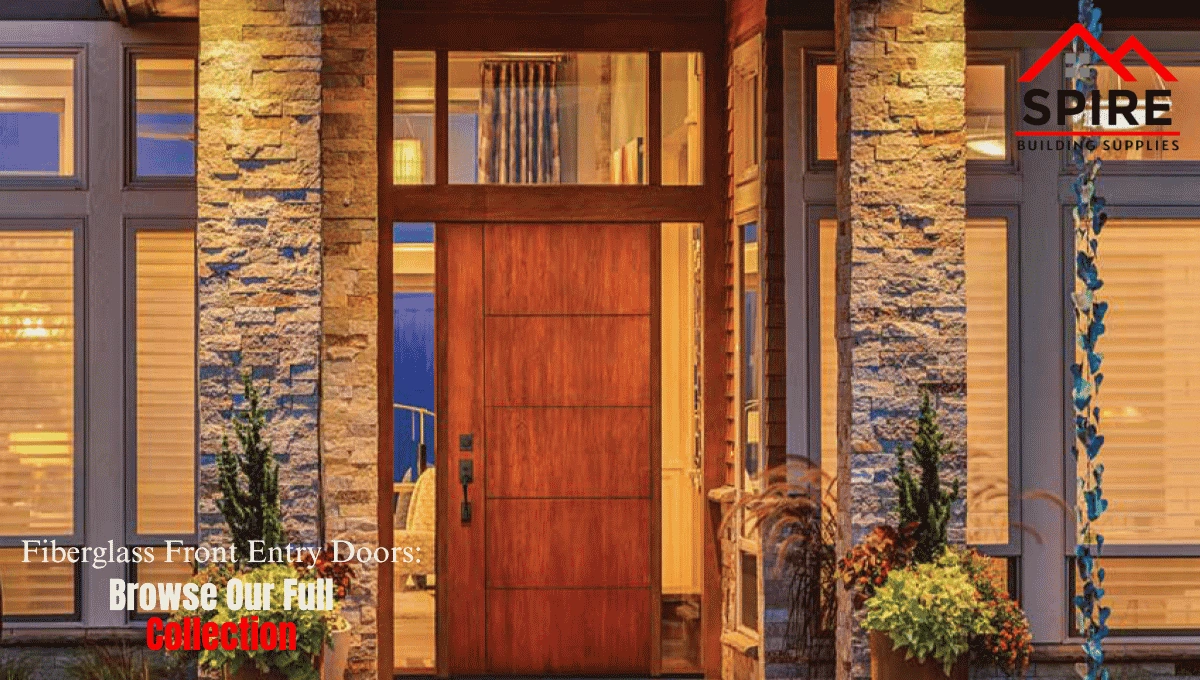
Fiber Classic (fiberglass) doors have quietly become one of the most practical investments in home building & renovation supplies. Unlike traditional wood, they don’t warp in heat, crack in cold weather, or demand constant maintenance.

Key Advantages You Actually Notice:

  • Durability in Texas weather (heat, humidity, storms)
  • Low maintenance compared to wood doors
  • Energy efficiency that helps reduce utility bills
  • Real wood-like texture without the cost
  • Long lifespan (15–25+ years with proper care)

For homeowners working within a budget, this combination is hard to beat.

What Makes a Fiber Classic Door “Budget-Friendly” (Without Being Cheap)

Not all affordable doors are equal. A low price can sometimes mean compromised quality—but not always.

Here’s how to tell the difference:

1. Material Core Quality

A good Fiber Classic door uses a high-density polyurethane foam core, which improves insulation and structural strength.

2. Fiberglass Skin Thickness

Thicker fiberglass panels resist dents and scratches better—especially important for busy households.

3. Frame Construction

Look for composite or reinforced frames instead of basic wood frames that may warp over time.

4. Finish & Texture

Premium budget doors still offer realistic wood grain textures—something you’ll notice every day.

Popular Budget-Friendly Fiber Classic Door Styles

Choosing the right style is just as important as choosing the right material. Let’s break down some of the most in-demand options.

1. 2-Square Panel Fiber Door (Simple & Modern)

A 2-square-panel Fiber door is ideal if you want a clean, minimal look without extra cost.

Best for:

  • Contemporary homes
  • Rental properties
  • Interior-to-exterior transitions

Why it works:

  • Fewer design elements = lower cost
  • Easy to paint or customize
  • Timeless appearance

2. Double Door with 6 Flush Glazed (Light + Elegance)

A double door With 6 flush-glazed panels, it brings in natural light while maintaining privacy.

Best for:

  • Main entrances
  • Larger homes in Texas suburbs
  • Homes needing brighter entryways

Benefits:

  • Enhances curb appeal
  • Makes spaces feel larger
  • Adds resale value

3. Rustic Fiberglass Door (Premium Look on a Budget)

A rustic fiberglass door gives you that high-end wooden look without the maintenance headaches.

Best for:

  • Farmhouse-style homes
  • Ranch-style properties in Texas
  • Homes with earthy or natural aesthetics

Why homeowners love it:

  • Authentic wood-grain finish
  • Weather resistance
  • No termite issues

How to Choose the Right Budget Fiber Classic Door

Choosing the right door isn’t just about price—it’s about value over time.

Step-by-Step Decision Guide:

✔ Step 1: Define Your Entry Needs

  • Main entry or secondary door?
  • High traffic or occasional use?

✔ Step 2: Consider Climate (Important for Texas)

Texas weather can be extreme. Choose doors with:

  • UV-resistant finishes
  • Insulated cores
  • Weather-sealed edges

✔ Step 3: Focus on Energy Efficiency

Look for:

  • ENERGY STAR-rated doors
  • Tight sealing systems
  • Insulated glass (if applicable)

✔ Step 4: Pick the Right Style

Match your home’s architecture:

  • Modern → 2 panel styles
  • Traditional → panel + glass
  • Rustic → wood-grain fiberglass

What Homeowners Often Get Wrong

From years of industry experience, here are common mistakes:

Choosing the cheapest option blindly
Leads to early replacement costs

Ignoring insulation quality
Results in higher energy bills

Overlooking installation
Even the best door fails if poorly installed

Not considering sunlight exposure
Can cause fading or expansion issues

Fiber Classic Doors vs Other Materials (Quick Comparison)

Feature Fiber Classic Doors Wood Doors Steel Doors
Price Affordable Expensive Moderate
Maintenance Low High Low
Durability High Medium High
Energy Efficiency Excellent Moderate Good
Weather Resistance Excellent Poor Good

For budget-conscious homeowners in Texas, fiberglass consistently offers the best balance.

Energy Efficiency: Save More Than Just Upfront Cost

One overlooked benefit of Fiber Classic Doors is long-term savings.

How They Help:

  • Reduce heat transfer in summer
  • Keep interiors warm in winter
  • Lower HVAC usage

Over time, this can offset your initial purchase cost.

Why Homeowners Trust Spire Building Supplies

When choosing doors, trust matters just as much as price.

What Sets Spire Apart:

You’re not just buying a door—you’re investing in long-term performance.

Installation Tips to Maximize Value

Even the best Fiber Classic Doors won’t perform well if installed incorrectly.

Pro Tips:

  • Always ensure proper sealing
  • Use professional installers for exterior doors
  • Check frame alignment
  • Install weather stripping properly

Maintenance Guide (Keep It Looking New)

Good news: maintenance is minimal.

Simple Routine:

  • Clean with mild soap every few months
  • Inspect seals annually
  • Repaint or refinish every few years (if needed)

Customer Testimonials

Real Feedback from Spire Building Supplies Customers

James R. (Houston, TX)
I wanted something affordable but strong for my front entry. The Fiber Classic door I got has held up perfectly through heat and storms.

Maria L. (Dallas, TX)
The double door with glass panels completely changed how my entry looks. It feels brighter and more premium.

Daniel K. (Austin, TX)
I was considering wood, but the maintenance scared me. Fiberglass gave me the same look without the stress.

People Also Ask (PAA)

Are Fiber Classic Doors better than wood doors?
Yes. Fiber Classic doors resist warping, require less maintenance, and last longer—especially in extreme climates like Texas.

How long do Fiberglass Classic Doors last?
With proper installation and care, they can last 20–25 years or more.

Are budget fiberglass doors durable?
Yes, if they use high-quality cores and fiberglass skins. Budget doesn’t mean low quality—it depends on construction.

Can Fiber Classic Doors be painted or stained?
Absolutely. Many models are designed to mimic wood and can be stained or painted easily.

Do Fiber Classic Doors increase home value?
Yes. They improve curb appeal, energy efficiency, and buyer perception.

Final Thoughts: Affordable Without Compromise

Choosing Fiber Classic Doors doesn’t mean sacrificing quality. In fact, for many homeowners in Texas, it’s the smartest way to balance cost, durability, and style.

Whether you go with a 2-square-panel Fiber door, a double door With 6 flush glazed or rustic fiberglass door, the key is focusing on construction quality and long-term value—not just the price tag.

If you make the right choice now, you won’t have to think about replacing your door for decades.

Author Bio

Written By Building Materials Expert
With hands-on experience in the USA construction market, especially Texas, the author specializes in creating practical, experience-driven content for homeowners and contractors. Their work focuses on real-world performance, material durability, and helping readers make confident buying decisions in the home building & renovation supplies industry.

What Is a Hollow Core Door

What Is a Hollow Core Door? Complete Buyer’s Guide (2026)

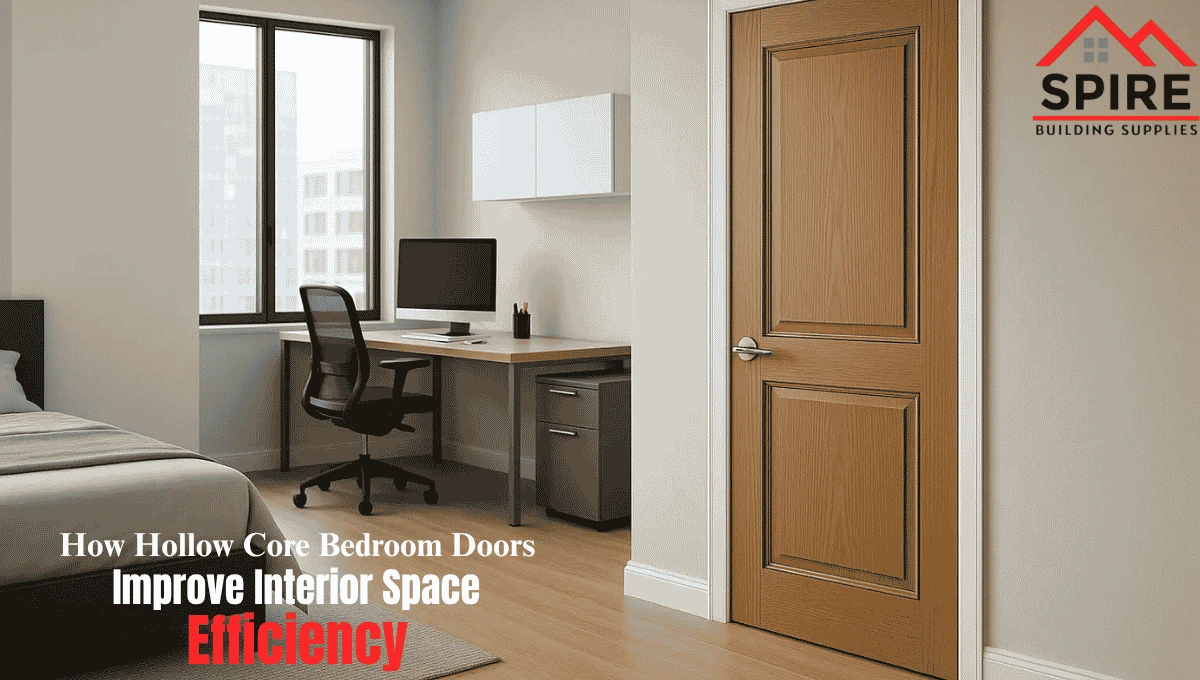
When homeowners ask what is a hollow core door, they’re usually trying to balance cost, durability, and style for interior spaces. A hollow core door is a lightweight interior door made with a thin outer shell (usually MDF or plywood) and a honeycomb or grid-like interior structure. It looks like a solid door from the outside but is engineered to be more affordable and easier to install.

At Spire Building Supplies, we’ve helped thousands of homeowners, contractors, and renovators across the USA—especially in Texas—choose the right interior doors for their projects. Based on real-world installations and customer feedback, hollow core doors remain one of the most practical solutions in modern home building & renovation supplies.

What Is a Hollow Core Door?

This door is not completely hollow core. Instead, it contains:

  • A lightweight honeycomb core (cardboard or composite)
  • A solid frame perimeter for structure
  • A smooth or molded outer surface

This design makes the door

  • Easier to carry and install
  • More budget-friendly than solid wood doors
  • Suitable for interior use (bedrooms, closets, offices)

Why Hollow Core Doors Are So Popular in 2026

Homeowners today want affordability + clean design + easy installation. Hollow core doors check all three boxes.

Key Benefits

1. Cost-Effective Solution
Compared to solid wood doors, hollow core options cost significantly less, making them ideal for large projects.

2. Lightweight & Easy Installation
Contractors in Texas often prefer them because they reduce labor time.

3. Modern Design Options
From classic panels to contemporary styles, options like:

  1. Molded Panel 1’6″ x 6’8″ 2-Panel Square
  2. Molded Panel 1’6″ x 6’8″ Riverside
  3. Molded Panel 1’6″ x 8’0″ Riverside

offer clean, versatile aesthetics for any interior.

4. Smooth Paint-Ready Surface
Perfect for homeowners who want to match interior themes.

Types of Hollow Core Doors You Should Know

Choosing the right type depends on your home style and room usage.

1. Molded Panel Doors

These are the most common and come in various designs like 2-panel, 3-panel, or 6-panel.

✔ Best for: Bedrooms, living areas
✔ Style: Traditional + modern blend

2. Flush Hollow Core Doors

Flat, smooth surfaces with a minimalist look.

✔ Best for: Modern interiors
✔ Style: Clean, simple

3. Textured or Woodgrain Finish Doors

Designed to mimic real wood without the high cost.

✔ Best for: Rustic or classic interiors

Hollow Core vs Solid Core Doors: Key Differences

Feature Hollow Core Door Solid Core Door
Weight Lightweight Heavy
Cost Budget-friendly More expensive
Sound Insulation Low Better
Durability Moderate High
Best Use Interior spaces Bedrooms, offices
  • If your priority is affordability and ease, hollow core doors are the better choice.
  • If you need soundproofing, consider solid core instead.

Are Hollow Core Doors Durable?

Yes—but with realistic expectations.

From our experience at Spire Building Supplies:

  • They handle daily use well in low-traffic areas
  • They are not ideal for heavy impact zones
  • With proper care, they can last 10–15 years or more

Pro Tip: Use them for closets, bedrooms, and pantries, not main entryways.

Where Should You Use Hollow Core Doors?

Ideal Locations

  • Bedrooms
  • Closets
  • Home offices
  • Laundry rooms

Avoid Using Them In

  • Main entrances
  • High-moisture areas (unless sealed properly)
  • High-impact zones

How to Choose the Right Hollow Core Door

Choosing the perfect door isn’t just about price—it’s about fit, function, and finish.

1. Pick the Right Size

Standard sizes include:

  • 1’6″ x 6’8″
  • 1’6″ x 8’0″

Make sure to measure your opening accurately.

2. Select the Design Style

  • Minimalist → Flush doors
  • Traditional → Panel designs
  • Modern → Riverside-style doors

3. Consider Finish Options

  • Primed (ready to paint)
  • Pre-finished
  • Woodgrain texture

4. Check Frame Compatibility

Ensure your door fits standard frames or plan adjustments.

Cost of Hollow Core Doors in Texas (2026)

Pricing varies based on size, design, and finish.

Average Price Range:

  • Basic models: $50–$100
  • Mid-range designs: $100–$200
  • Premium molded styles: $200+

Bulk purchases from Spire Building Supplies often reduce overall costs for contractors.

Installation Tips (From Real Projects)

Based on field experience:

  • Always check door alignment before fixing hinges
  • Use quality hinges to prevent sagging
  • Seal edges if installing in slightly humid areas
  • Avoid excessive trimming—it weakens structure

Common Mistakes to Avoid

  • Using hollow core doors for exterior use
  • Ignoring size measurements
  • Skipping proper hardware
  • Over-trimming the door

Do Hollow Core Doors Increase Home Value?

Indirectly, yes.

While they don’t add premium value like solid wood doors, they:

  • Improve interior aesthetics
  • Keep renovation costs low
  • Help maintain budget-friendly upgrades

For rental properties and budget remodels, they’re a smart investment.

Why Choose Spire Building Supplies?

At Spire Building Supplies, we focus on:

  • Reliable quality materials
  • Consistent sizing and finishes
  • Trusted by contractors across Texas
  • Wide range of interior door designs

Our experience in home building & renovation supplies ensures you get products that perform well in real-world conditions—not just in theory.

Real Customer Testimonials

James R. – Dallas, Texas
I used hollow core doors from Spire Building Supplies for a full home renovation. Installation was quick, and the finish looks clean and modern.

Angela M. – Houston, Texas
The Riverside design gave my interiors a fresh look without overspending. Great value for the price.

Carlos T. – Austin, Texas
As a contractor, I prefer these doors for budget projects. Lightweight, easy to handle, and consistent quality.

People Also Ask (PAA)

What is the difference between hollow-core and solid-core doors?
The main difference is that hollow core doors are lightweight and budget-friendly, while solid core doors are heavier, more durable, and provide better sound insulation.

Are hollow-core doors good for bedrooms?
Yes, they work well for bedrooms where sound insulation is not a top priority.

How long do hollow-core doors last?
Hollow core doors typically last 10–15 years with normal interior use and proper care.

Are hollow core doors cheaper than solid doors?
Yes, they are significantly more affordable, making them ideal for budget projects.

Do hollow core doors block sound?
They provide minimal sound insulation compared to solid-core doors.

Final Thoughts

So, what is a hollow-core door? It’s a smart, cost-effective interior solution that balances style, practicality, and affordability. While it may not match the strength of solid doors, it excels in everyday residential use where budget and efficiency matter most.

If you’re planning a renovation in Texas or anywhere in the USA, hollow core doors remain one of the most practical choices for modern interiors.

See our best collection of double sliding windows; visit this page. How Double Sliding Windows Improve Ventilation & Natural Light

Author Bio

Spire Building Supplies Team
The Spire Building Supplies team brings hands-on experience in construction materials, interior doors, and renovation solutions across the USA. With a strong focus on quality and customer trust, the team shares practical insights to help homeowners and contractors make informed decisions.

patio door installation

The Complete Patio Door Installation Guide: What You Need to Know

A new patio door can transform how a room feels more light, better flow, and a direct connection to your outdoor space. But patio door installation is one of those projects where the details matter more than most homeowners realize. Get the rough opening wrong, skip the flashing, or choose the wrong door type for your climate, and you’re looking at drafts, water damage, or a door that won’t seal properly for years.

This guide covers the full picture: door types, how installation actually works, what to look for before buying, the mistakes that cause the most problems, and the practical details that most guides skip over. Whether you’re doing it yourself or managing a contractor, this is what you actually need to know.

Understanding Your Patio Door Options

Before installation begins, you need to know what type of door you’re working with. The configuration affects the rough opening size, the installation process, the hardware, and ultimately how the door performs over time.

Sliding Patio Doors

The most common choice for residential use. Sliding patio doors operate on a track system one panel is fixed, the other slides. They’re space-efficient (no swing clearance needed), handle large glass panels well, and are generally easier to install than hinged alternatives. The main maintenance consideration is keeping the track clean and the rollers in good condition.

A popular option is the Full Lite Gliding Patio Door a clean, full-glass sliding design that maximizes natural light and suits both contemporary and transitional home styles. It’s a strong choice where the view and light transfer matter most.

Hinged (French) Patio Doors

French doors use one or two hinged panels that swing open. They create a wider clear opening when both panels are open, which is useful for moving furniture or for a more dramatic entry feel. They require swing clearance on one or both sides, which affects furniture placement near the door.

Vinyl vs. Wood vs. Fibreglass

The frame material affects energy performance, maintenance requirements, and cost. Here’s a practical breakdown:

  • Vinyl: Low maintenance, good thermal performance, cost-effective. The most common choice for Canadian climates. Doesn’t require painting or staining.
  • Wood: Best aesthetic warmth and natural feel. Requires periodic sealing or painting. More susceptible to moisture damage if not maintained.
  • Fibreglass: Highest performance for energy efficiency and durability. More expensive but holds up exceptionally well in extreme temperature swings.

For a well-priced vinyl option that performs reliably in most residential applications, the Inspire Series Vinyl Patio Door 6068 is worth considering. The 6068 sizing (6 feet wide, 6’8″ tall) suits standard rough openings and delivers solid thermal performance without the premium price of fibreglass.

Before Installation: What to Check First

Most installation problems start before the first screw goes in. These are the things worth getting right upfront.

Measure the Rough Opening Accurately

The rough opening is the framed hole in the wall where the door unit sits. For patio doors, rough opening width is typically the door width plus 1″ (for shimming and adjustment), and height is door height plus 0.5″ to 1″.

Check the Subfloor and Sill Condition

If you’re replacing an existing patio door, inspect the sill and surrounding subfloor before ordering your replacement. Water infiltration from a poorly sealed old door is common and often causes rot that isn’t visible until the old unit is removed. Replacing rotted framing adds time and cost — better to know before the new door arrives.

Understand Your Wall Construction

Standard 2×4 framing with exterior sheathing and interior drywall gives a wall thickness of approximately 4.5″ to 5″. Patio door frames (jamb depth) are sized accordingly. If your walls are thicker — common in older homes or in cases where extra insulation was added — you’ll need extension jambs or a custom-depth unit.

Confirm the Swing and Panel Configuration

For sliding doors: confirm which panel is the active (sliding) one, and whether it operates from the left or right. For hinged doors: determine inswing vs. outswing and left-hand vs. right-hand hinge. Getting this wrong at the order stage is one of the most common and frustrating mistakes in door replacement projects.

How Patio Door Installation Works: Step by Step

This section covers the standard process for a sliding patio door replacement in a wood-framed exterior wall. New construction or different door types will have variations, but the core sequence is the same.

  1. Remove the existing door unit. Take out the old door, frame, and any trim. Inspect the rough opening for rot, damage, or moisture intrusion before proceeding.
  2. Prepare the rough opening. Check for square, level, and plumb. Correct any issues in the framing. Install a sill pan or sloped sill to direct any water that gets past the door away from the structure.
  3. Apply flashing tape. Flash the sill first, then the sides, overlapping properly so water runs down and out, never into the wall cavity. This is the single most important waterproofing step.
  4. Set the door unit. With help, lift the door into the rough opening. Set it on the sill, check for level, and adjust with shims as needed. Do not fasten permanently until the unit is square and plumb.
  5. Fasten through the frame. Secure the unit through the pre-drilled holes in the jamb, working from the hinge side first (for hinged doors) or the fixed panel side (for sliders). Check operation after each fastener.
  6. Insulate the gaps. Fill the space between the door frame and rough opening with low-expansion foam or fibreglass batt insulation. Avoid high-expansion foam — it can bow the frame and affect operation.
  7. Flash the exterior and install trim. Apply head flashing above the door, integrate with the house wrap, and install exterior casing. Caulk all exterior joints with a quality exterior-grade sealant.
  8. Install interior trim and hardware. Set interior casing, install the lock hardware, adjust the rollers or hinges for smooth operation, and do a final check of the seal and weatherstripping.

Common Patio Door Installation Mistakes to Avoid

  • Skipping the sill pan. A flat sill with no slope or drainage is a water infiltration problem waiting to happen. Even a small amount of water sitting against the door frame will eventually cause damage.
  • Using high-expansion foam around the frame. It’s tempting to fill fast. But high-expansion foam exerts pressure that can bow the jamb inward, causing the door to stick or not seal properly. Use low-expansion or batt insulation instead.
  • Not checking for plumb and square before fastening. Once you’ve driven screws, it’s much harder to correct alignment. Check level and plumb at every stage before shimming, after shimming, and after fastening.
  • Ignoring the head flashing. Side and sill flashing get attention, but the head (top) flashing is equally critical. Water running down the wall above the door needs to be directed outward over the door frame, not behind it.
  • Ordering the wrong hand or swing configuration. This is a very common and very avoidable mistake. Confirm the operating panel location and swing direction with your supplier before ordering, not after the unit arrives on site.
  • Forgetting to account for flooring height. If new flooring hasn’t been installed yet, the finished floor height will affect the door’s bottom clearance and operation. Factor this in before setting the door.

Expert Tips for a Better Installation

Have two people on site for the lift. Patio door units — especially full-lite glass panels — are heavy and awkward. A two-person installation is not optional; it’s how you avoid dropped glass, misaligned frames, and injuries.

Test operation before trimming. Install the door, check the slide or swing, confirm the lock aligns and engages cleanly, then install the trim. It’s much easier to adjust before casing is nailed.

Tape the rough opening sill before the door goes in. Self-adhesive flashing tape on the sill is fast and creates a proper waterproof bed for the door frame to sit on. Don’t skip it.

Caulk exterior joints — but not the weep holes. Weep holes at the bottom of sliding door frames are there to let water out. Accidentally sealing them is a common mistake that traps water inside the frame.

Check the weatherstripping after installation. Compress it slightly when the door closes. If there’s a gap anywhere, adjust the rollers or striker plate before calling the job done.

Register the warranty. Most quality door manufacturers require registration within a set window after purchase. Do it the day of installation while the details are fresh.

Real-World Scenarios: Where Installation Details Make the Difference

Replacing an Old Slider in a 1980s Home

Older homes often have non-standard rough openings — slightly out of square, with different wall thicknesses than modern builds. In these cases, plan for extra shimming time and inspect the sill and surrounding framing carefully before ordering. Many replacement projects in older homes reveal minor rot or moisture damage that needs to be addressed before the new door goes in.

New Construction with a Vinyl Slider

In new construction, the rough opening is set during framing. Confirm the door dimensions and rough opening requirements with your supplier before the framers finish — it’s far easier to adjust framing at that stage than after drywall. For standard new builds, a vinyl sliding door in a 6068 or 9068 configuration handles most residential openings well.

Upgrading to a Larger Opening

If you’re expanding an existing opening to accommodate a wider door, you’re into structural work — the header above the opening needs to be engineered for the new span. This is not a DIY situation. A structural engineer or experienced contractor needs to specify the header before any framing is cut.

If you’re still deciding on door style alongside this project, the guide to shaker style interior doors covers how to match interior and exterior door choices for a consistent aesthetic throughout the home.

What Our Customers Say

We replaced a 30-year-old sliding door ourselves using this guide as a reference. The flashing steps were the most useful our old door had significant rot at the sill that we would have buried again without knowing what to look for.

— Kevin M., Homeowner, Kelowna

We’ve installed Spire’s vinyl patio doors on four townhouse projects now. Consistent quality, good weatherstripping from the factory, and the sizing works with standard rough openings without modification.

— Sandra L., Residential Builder, Surrey

The Inspire Series door was a great fit for our budget and the installation was straightforward. The instructions were clear and the rollers adjusted easily to get a tight seal.

— Tom R., Homeowner, Calgary

Frequently Asked Questions

Can I install a patio door myself?

Yes, if you have intermediate carpentry skills and the right tools. A standard sliding door replacement in an existing opening is manageable for a capable DIYer. New construction installs and projects involving structural changes to the opening are better left to professionals.

How long does patio door installation take?

A straightforward replacement of an existing sliding door typically takes 4–8 hours for an experienced installer, or a full day for a DIYer doing it carefully for the first time. Projects with framing repairs, rot remediation, or structural changes take longer.

What size rough opening do I need for a patio door?

For most sliding patio doors, the rough opening should be the door width plus 1″ and the door height plus 0.5″ to 1″. Always confirm the required rough opening with your specific door’s installation instructions, as it can vary by manufacturer and frame design.

What is the best material for a patio door in a cold climate?

Vinyl and fibreglass both perform well in cold climates. Vinyl is the more common and cost-effective choice and handles temperature swings without significant expansion or contraction. Fibreglass offers the best overall energy performance but at a higher cost. Wood requires more maintenance in cold, wet climates.

How do I know if my patio door is properly sealed?

Close the door and check the weatherstripping contact around the entire perimeter it should compress slightly and leave no gaps. On a windy day, hold a candle or lighter near the edges; flickering indicates air infiltration. Proper roller adjustment and aligned lock hardware are also key to maintaining a good seal over time.

Final Thoughts

Patio door installation done right is a project that pays off for years in comfort, energy performance, and the daily experience of your space. Done wrong, it’s a source of ongoing problems that are expensive to fix after the fact.

The fundamentals aren’t complicated: measure accurately, flash properly, don’t rush the levelling, and use the right materials at every step. Most installation failures come down to shortcuts in those basics.

Whether you’re sourcing a single replacement door or specifying for a full build, the patio doors range at Spire Building Supplies covers standard residential sizes and configurations with the product knowledge to help you get the right unit for your specific opening.

About the Spire Building Supplies Editorial Team

The Spire Building Supplies content team draws on hands-on experience with residential and commercial building products. Our guides are written by people who understand how materials perform in the field not just on paper. We focus on giving homeowners and builders the practical information they need to make good decisions, avoid costly mistakes, and get results that hold up over time. No filler, no sales pitch just useful, honest guidance from people who know the product.

buy double sliding windows in texas

How Double Sliding Windows Improve Ventilation & Natural Light

Walk into a room that feels stuffy, dim, and closed off—and you instantly notice the discomfort. Now imagine the opposite: fresh air flowing smoothly, sunlight filling every corner, and a space that feels open, breathable, and alive. That transformation often starts with one smart upgrade—choosing to buy double sliding windows.

In modern homes across Texas, ventilation and natural light are no longer luxuries—they are essentials for comfort, energy efficiency, and everyday living. Double sliding windows offer a simple yet powerful way to achieve both, making them a top choice for homeowners who want practical performance without compromising on style.

What Are Double Sliding Windows?

Double sliding windows, also known as horizontal sliding windows, feature two operable sashes that move horizontally along a track. Unlike single sliders, both sides can open, allowing for improved airflow and flexibility.

This design is particularly popular in home renovation & building supplies projects where homeowners want:

  • Wide, unobstructed views
  • Easy operation
  • Increased ventilation control

Why Ventilation Matters More Than Ever in Modern Homes

Indoor air quality has become a top priority, especially in urban areas across Texas. Poor ventilation can lead to:

  • Increased humidity
  • Mold growth
  • Indoor pollutants buildup

Double sliding windows address these issues directly.

1. Dual Opening for Maximum Airflow

Because both sashes can open, double-sliding windows create cross-ventilation. This allows fresh air to enter from one side while stale air exits from the other.

Result: A constant flow of clean, fresh air without needing mechanical ventilation.

2. Better Air Circulation in Larger Rooms

In living rooms, offices, or open-plan layouts, airflow often becomes uneven. Double sliding windows solve this by:

  • Allowing wider openings
  • Distributing air evenly
  • Reducing hot or cold spots

3. Ideal for Texas Climate

Texas experiences hot summers and mild winters. With double sliding windows:

  • You can control airflow based on weather
  • Reduce reliance on HVAC systems
  • Improve indoor comfort naturally

How Double Sliding Windows Increase Natural Light

Natural light is not just about brightness—it directly affects mood, productivity, and energy savings.

1. Larger Glass Area

Double sliding windows typically have a wider frame and larger glass panels. This means:

  • More sunlight enters your home
  • Rooms feel bigger and more open

2. Slim Frame Design

Modern vinyl window designs like:

  1. INSPIRE VINYL SVS 3030
  2. INSPIRE VINYL SVS 4030
  3. INSPIRE VINYL SVS 5030

are engineered with slimmer frames, allowing more glass surface and less obstruction.

This significantly boosts daylight penetration without increasing window size.

3. Consistent Lighting Throughout the Day

Unlike smaller or fixed windows, sliding windows provide:

  • Even light distribution
  • Reduced need for artificial lighting
  • Enhanced interior ambiance

Real Experience: Before & After Impact

From our experience at Spire Building Supplies, customers often report:

Before Installation:

  • Dark interiors
  • Limited airflow
  • High energy bills

After Installing Double Sliding Windows:

  • Brighter rooms instantly
  • Noticeable airflow improvement
  • Reduced dependence on AC during mild weather

Energy Efficiency Benefits

While ventilation and light are the primary advantages, energy efficiency is a major bonus.

Lower Energy Bills

With improved airflow and daylight:

  • Less need for air conditioning
  • Reduced use of artificial lighting

Insulated Vinyl Frames

Products like INSPIRE VINYL SVS 4030 are built with insulated frames that:

  • Maintain indoor temperature
  • Prevent heat transfer

Eco-Friendly Living

Better ventilation reduces energy consumption, making your home more sustainable.

Choosing the Right Double Sliding Window

If you’re planning to buy double sliding windows, here are key factors to consider:

1. Size & Placement

  • Large windows for living rooms
  • Medium sizes like INSPIRE VINYL SVS 3030 for bedrooms
  • Wider options like INSPIRE VINYL SVS 5030 for open spaces

2. Frame Material

Vinyl is the most popular choice because it offers:

  • Durability
  • Low maintenance
  • Energy efficiency

3. Glass Options

Consider:

  • Double-pane glass for insulation
  • Low-E coatings for heat control

Common Mistakes to Avoid

Even high-quality windows won’t perform well if chosen incorrectly.

Ignoring Ventilation Needs
Choose window sizes based on room airflow requirements.

Poor Installation
Improper fitting can cause air leaks and reduce efficiency.

Focusing Only on Price
Low-cost options often compromise durability and insulation.

Why Homeowners Trust Spire Building Supplies

Choosing the right supplier matters just as much as choosing the right window.

At Spire Building Supplies, we focus on:

  • High-quality vinyl window systems
  • Reliable product performance
  • Customer-focused service
  • Proven experience in Home Renovation & Building Supplies

Our product range, including INSPIRE VINYL SVS 3030, INSPIRE VINYL SVS 4030, and INSPIRE VINYL SVS 5030, is designed to meet modern building standards across Texas and the USA.

Customer Testimonials

James R. – Houston, Texas
I decided to buy double sliding windows from Spire Building Supplies during my home renovation. The airflow improvement was immediate, and my living room feels twice as bright.”

Melissa T. – Dallas, Texas
We installed INSPIRE VINYL SVS 5030 in our main area, and the difference is unbelievable. Less need for lights during the day and better ventilation.”

Daniel K. – Austin, Texas
Great experience with Spire Building Supplies. The team guided us through the process, and the windows perform exactly as promised.”

People Also Ask (PAA)

Do double sliding windows improve airflow?
Yes, significantly. Since both panels can open, they allow cross-ventilation, which improves indoor air circulation compared to single sliding or fixed windows.

Are double sliding windows good for natural light?
Absolutely. Their wide glass panels and slim frames maximize sunlight entry, making rooms brighter and more inviting.

Are double-sliding windows energy efficient?
Yes, especially when using insulated vinyl models like INSPIRE VINYL SVS 4030. They help regulate indoor temperature and reduce energy consumption.

Should I buy double sliding windows for my home in Texas?
Yes. They are ideal for Texas climates because they allow better airflow during hot months and help maintain comfort indoors.

Final Thoughts

If your goal is to create a healthier, brighter, and more energy-efficient home, choosing to buy double sliding windows is a smart investment.

They offer:

  • Superior ventilation
  • Increased natural light
  • Better energy efficiency
  • Modern design appeal

For homeowners in Texas, these benefits are even more valuable due to the region’s climate and lifestyle needs.

See our exclusive collection of baseboards. Visit this page: How to Choose the Perfect Baseboard Design for Your Home (2026 Guide)

Author Bio

Spire Building Supplies Team
Spire Building Supplies is a trusted name in the USA for premium window solutions and home renovation & building supplies. With years of hands-on industry experience, the team is dedicated to helping homeowners and builders choose high-performance products that deliver long-term value, comfort, and reliability.

best vinyl plank flooring

Best Vinyl Plank Flooring for Homes: Complete Buying Guide

Choosing the best vinyl plank flooring can make or break how your home looks, feels, and performs over time. For homeowners and builders, it’s one of the most practical flooring options available but only if you understand what you’re actually buying. The wrong choice can lead to premature wear, water damage issues, or floors that simply don’t hold up to daily life.

This guide breaks down everything you need to know from materials and construction to real-world performance so you can make a confident, informed decision that works for your home or project.

What Is Vinyl Plank Flooring? (And Why It’s So Popular)

Vinyl plank flooring is a synthetic flooring material designed to mimic the appearance of natural wood while offering better resistance to moisture, scratches, and wear.

Key Components

Most modern vinyl plank flooring consists of:

  • Wear layer – Protects against scratches and stains
  • Design layer – Printed pattern that mimics wood grain
  • Core layer – Provides stability (rigid core or flexible)
  • Backing layer – Adds support and sometimes sound insulation

Why Homeowners and Builders Choose It

  • Looks like real wood without the maintenance
  • Handles moisture better than traditional hardwood
  • Easier and faster to install
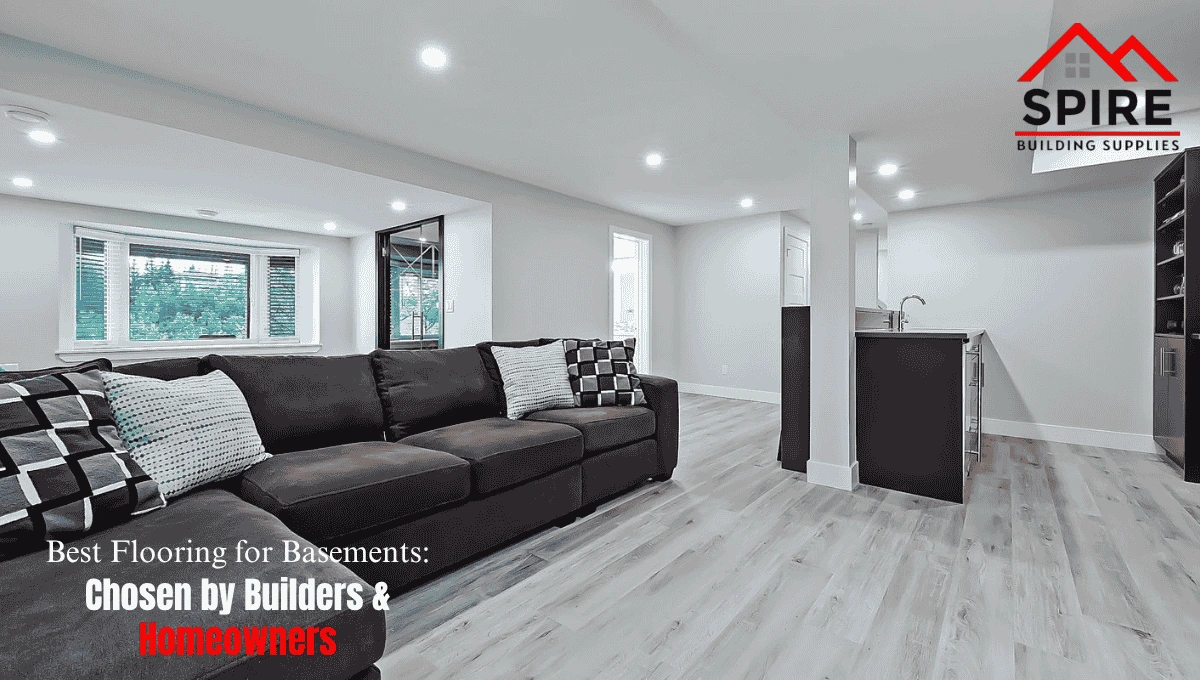
  • Suitable for most rooms, including kitchens and basements

This combination is why many consider it among the best flooring options for modern homes.

Types of Vinyl Plank Flooring You Should Know

Not all vinyl plank flooring performs the same. Understanding the differences helps you avoid costly mistakes.

1. Luxury Vinyl Plank (LVP)

Often referred to as the best luxury vinyl plank flooring, LVP offers thicker construction, better durability, and more realistic wood textures.

Best for:

  • Living rooms
  • Bedrooms
  • High-traffic areas

2. Rigid Core (SPC & WPC)

  • SPC (Stone Plastic Composite): Very durable, great for high traffic
  • WPC (Wood Plastic Composite): Softer underfoot, better for comfort

3. Glue-Down Vinyl Plank

  • Ideal for commercial or high-traffic environments
  • Requires professional installation
  • Extremely stable over time

4. Click-Lock (Floating) Vinyl Plank

  • Easy DIY installation
  • Popular for residential use
  • Works well over existing subfloors

A product like MOHAWK BRAND VINYL CLICK-DOWN FLOORING-Flooring is a good example of click-lock systems designed for ease of installation and long-term reliability.

Benefits and Limitations of Vinyl Plank Flooring

Benefits

  • Water resistance: Suitable for kitchens and the best flooring for bathroom in many cases
  • Durability: Resists scratches and dents
  • Low maintenance: Easy to clean
  • Affordability: Lower cost than hardwood
  • Design versatility: Wide range of styles and finishes

Limitations

  • Not completely waterproof in all cases (especially at seams)
  • Can feel less premium than real hardwood
  • Lower-quality options may fade or wear quickly
  • Subfloor preparation is critical

Understanding these trade-offs helps you choose the right product for your specific needs—not just what looks good in a showroom.

How to Choose the Right Vinyl Plank Flooring

This is where most buyers go wrong—they focus on appearance and overlook performance factors.

  1. Check the Wear Layer Thickness

The wear layer determines how long your flooring lasts.

  • 6–12 mil: Light residential use
  • 12–20 mil: Standard residential
  • 20+ mil: High-traffic or commercial use
  1. Evaluate Core Construction

Rigid core options are more stable and resistant to dents, especially in busy households.

  1. Consider Room Usage
  • Bathrooms: Look for water-resistant or waterproof options
  • Living areas: Focus on durability and aesthetics
  • Bedrooms: Comfort and noise reduction matter more
  1. Compare Installation Methods
  • Click-lock for DIY convenience
  • Glue-down for long-term stability
  1. Look at Realistic Design

High-quality planks have:

  • Embossed textures
  • Natural wood grain patterns
  • Variation between planks

For example, options like Poppy Reserve Luxury Vinyl Tile And Plank 6 mm-Flooring offer a balance of thickness, durability, and design realism.

Practical Buying Considerations

If you’re browsing options under Flooring, here’s what actually matters in real-life scenarios:

  1. What to Compare
  • Thickness (total and wear layer)
  • Warranty length
  • Water resistance rating
  • Installation requirements
  • Brand reliability

2. What People Often Overlook

  • Subfloor condition
  • Expansion gaps
  • Underlayment compatibility
  • Color variation under different lighting

3. What Works Best in Real Homes

  • Neutral tones for resale value
  • Medium textures to hide wear
  • Durable finishes for high-traffic areas

Common Mistakes to Avoid

These mistakes can lead to costly repairs or dissatisfaction.

  1. Choosing the Cheapest Option

Lower-cost vinyl often has thinner wear layers and shorter lifespan.

  1. Ignoring Subfloor Preparation

Uneven subfloors cause:

  • Gaps
  • Clicking noises
  • Premature wear
  1. Using the Wrong Type for Wet Areas

Not all vinyl is fully waterproof. Always check specifications.

  1. Overlooking Installation Quality

Even premium flooring performs poorly if installed incorrectly.

  1. Mismatching Flooring Across Spaces

Inconsistent flooring disrupts visual flow and reduces home value.

Expert Tips for Better Results

Choose Slightly Higher Quality Than You Think You Need

It pays off in durability and long-term satisfaction.

Test Samples at Home

Lighting can change how flooring looks throughout the day.

Plan Transitions Between Rooms

Smooth transitions improve both aesthetics and functionality.

Consider Long-Term Maintenance

Some finishes hide scratches better than others.

Think About the Entire Interior

Flooring should complement doors, walls, and finishes. For example, pairing flooring choices with entry features like wrought iron single entry doors creates a cohesive design.

Real-World Examples

Example 1: Family Home Upgrade

A homeowner replaced worn carpet with vinyl plank flooring:

  • Improved durability for kids and pets
  • Easier cleaning
  • Modernized appearance

Example 2: Rental Property Renovation

A builder installed rigid core vinyl:

  • Reduced maintenance costs
  • Increased tenant appeal
  • Faster installation turnaround

Example 3: Bathroom Remodel

Switching to water-resistant vinyl created a practical alternative to tile, making it one of the best flooring for bathroom projects with easier maintenance.

Customer Experiences

We installed vinyl plank throughout our home, and it’s held up perfectly with pets and kids.

The click-lock system made installation much easier than expected.

Upgrading to a thicker wear layer was worth it—no visible scratches after a year.

FAQ:

What is the best vinyl plank flooring for homes?

High-quality luxury vinyl plank with a thick wear layer and rigid core is typically the best choice for durability and performance.

Is vinyl plank flooring good for bathrooms?

Yes, many options are water-resistant or waterproof, making them suitable for bathroom use.

How long does vinyl plank flooring last?

With proper installation and care, it can last 10–25 years depending on quality.

Can vinyl plank flooring look like real wood?

Yes, modern designs closely mimic natural wood grain and texture.

Is vinyl plank better than hardwood?

It depends—vinyl is more water-resistant and affordable, while hardwood offers a more premium natural feel.

Final Thoughts

Vinyl plank flooring has become a go-to solution for modern homes because it balances durability, style, and cost. But not all options are equal. By focusing on wear layers, core construction, and real-world performance, you can avoid common pitfalls and choose flooring that truly lasts.

The goal isn’t just to find something that looks good today it’s to invest in flooring that continues to perform well years down the line.

About the Author

Spire Building Supplies Editorial Team
The Spire Building Supplies team works closely with homeowners, contractors, and builders to understand how materials perform in real-world conditions. Their insights are based on hands-on experience with installation, product durability, and practical use helping readers make informed decisions that hold up over time.

baseboard design ideas 2026

How to Choose the Perfect Baseboard Design for Your Home (2026 Guide)

When it comes to baseboard design ideas 2026, most homeowners underestimate their impact—until they see the difference the right trim makes. Baseboards are not just functional; they define the transition between walls and flooring, influence perceived room height, and tie your entire interior together. In modern homes, especially those built with quality home building & renovation supplies, baseboards are now a design statement—not an afterthought.

At Spire Building Supplies, years of hands-on industry experience and customer feedback have shown one thing clearly: the right baseboard choice can elevate an average space into a polished, cohesive interior.

Why Baseboards Matter More in 2026 Than Ever

Interior design trends in 2026 focus on clean lines, intentional details, and long-term durability. As a result, trim baseboards now play a bigger role in:

  • Enhancing architectural depth
  • Protecting walls from wear and tear
  • Creating visual harmony between floors and walls
  • Increasing perceived property value

Moreover, modern buyers and homeowners are more detail-orientated. Even subtle elements like trim profiles influence how “finished” a home feels.

Understanding Baseboard Basics Before You Choose

Before diving into styles, it’s essential to understand the three core components:

1. Height

  • Short (2–3 inches): Works in compact spaces or budget builds
  • Medium (4–5 inches): The most common and versatile option
  • Tall (6+ inches): Ideal for luxury interiors and high ceilings

2. Thickness

Thicker baseboards provide a more premium appearance and durability, especially in high-traffic areas.

3. Profile Style

Profiles range from flat modern boards to decorative colonial trims. Your choice should match your interior theme.

Top Baseboard Design Ideas 2026

1. Flat Minimalist Baseboards

Clean, sharp, and simple—flat baseboards are dominating modern interiors. They pair perfectly with minimalist homes and open layouts.

Best for: Contemporary, Scandinavian, and industrial interiors

2. Tall Statement Baseboards

In 2026, taller baseboards are trending in upscale homes. They create a dramatic vertical effect and make ceilings feel higher.

Pro Tip: Combine tall baseboards with neutral wall colors for a refined look.

3. Shadow Gap Baseboards

Instead of visible trim, shadow gaps create a recessed line between the wall and floor.

Why it works:

  • Ultra-modern aesthetic
  • Seamless wall appearance
  • Popular in luxury architecture

4. Decorative Traditional Profiles

Still relevant for classic homes, these include curved edges and layered detailing.

Best for:

  • Traditional homes
  • Transitional interiors

5. Flexible Baseboards for Curved Walls

For unique layouts, flexibility matters. Products like 1x6x10 straight flexible trim baseboards are ideal for curved walls or unconventional spaces.

Choosing the Right Material for Baseboards

Material selection directly affects durability, maintenance, and cost.

MDF (Medium-Density Fiberboard)

One of the most popular choices in 2026.

  • Smooth finish for painting
  • Budget-friendly
  • Ideal for indoor use

Examples include:

These primed MDF trims from Spire Building Supplies ensure consistent quality and easy installation.

Solid Wood

  • Natural grain appeal
  • Long-lasting
  • Higher cost

PVC / Flexible Trim

  • Water-resistant
  • Perfect for bathrooms and basements
  • Works well for curved designs

How to Match Baseboards with Flooring

Your flooring and baseboards must complement each other.

Hardwood Floors

  • Use contrasting or matching tones
  • White baseboards remain a timeless choice

Tile Flooring

  • Choose moisture-resistant materials
  • Keep profiles simple for a clean finish

Vinyl (LVP) Flooring

  • Stick with modern flat baseboards
  • Neutral tones work best

How to Match Baseboards with Wall Colors

This is where design decisions truly come together.

White Baseboards + Colored Walls

  • Classic and versatile
  • Makes walls stand out

Matching Baseboards & Walls

  • Creates a seamless, modern look
  • Works best in minimalist interiors

Contrasting Baseboards

  • Adds visual interest
  • Ideal for bold design statements

Room-by-Room Baseboard Selection Guide

Living Room
Go for medium to tall baseboards to create a welcoming, finished look.

Bedrooms
Soft, clean designs work best—nothing too heavy or ornate.

Kitchen
Choose durable, easy-to-clean materials like MDF or PVC.

Bathrooms
Moisture resistance is key—avoid untreated wood.

Installation Tips from Industry Experts

Based on real contractor feedback from Spire Building Supplies, here are practical insights:

  • Always measure twice before cutting
  • Use high-quality adhesive and nails
  • Fill gaps with caulk for a seamless finish
  • Paint after installation for a polished look

Common Mistakes to Avoid

Even experienced homeowners make these errors:

  • Choosing baseboards too small for the room
  • Ignoring wall and floor color coordination
  • Mixing too many styles
  • Using low-quality materials

Avoiding these ensures a long-lasting and professional result.

Do Baseboards Increase Home Value in 2026?

Yes—and more than most people expect.

Well-designed baseboards:

  • Improve overall interior appeal
  • Signal attention to detail
  • Increase perceived home quality

In competitive real estate markets, these subtle upgrades can influence buyer decisions.

Why Homeowners Trust Spire Building Supplies

Choosing the right supplier is just as important as choosing the right design.

Spire Building Supplies stands out because of:

Their trim collection ensures that every project—whether small or large—meets modern design expectations.

Real Customer Testimonials

James R. – Houston, Texas
I upgraded my home using MDF trims from Spire Building Supplies, and the difference is impressive. The finish looks clean, and installation was smooth.

Emily S. – Dallas, Texas
The flexible baseboard option worked perfectly for my curved wall. I had been searching for something like this, and the quality met my expectations.

Michael T. – Austin, Texas
Spire’s trim quality stands out. Clean edges, easy to paint, and durable—exactly what I needed for my renovation project.

People Also Ask (PAA)

What is the most popular baseboard style in 2026?
Flat and minimalist baseboards are currently the most popular due to their clean and modern appearance.

What size baseboard is best for modern homes?
Typically, 4–6 inches works best, but taller baseboards are preferred for high ceilings.

Are MDF baseboards good for long-term use?
Yes, MDF baseboards are durable, cost-effective, and provide a smooth painted finish, making them a top choice for interiors.

Should baseboards match the floor or walls?
It depends on your design goal. Matching walls creates a seamless look, while contrasting adds visual depth.

Can baseboards be used in bathrooms?
Yes, but moisture-resistant materials like PVC are recommended.

Final Thoughts

Choosing the right baseboard isn’t just about filling a gap between the wall and floor—it’s about defining your space. With evolving baseboard design ideas 2026, homeowners now have more options than ever to create interiors that feel intentional, modern, and complete.

Focus on proportion, material, and style alignment. When done right, baseboards become one of the most impactful finishing touches in your home.

See our exclusive collection of durable single-hung windows. Visit this page: Do Durable Single-Hung Windows Increase Home Value?

Author Bio

Spire Building Supplies Team
A team of building materials experts based in Texas, providing practical insights and trusted guidance in home building & renovation supplies.

durable single-hung windows

Do Durable Single-Hung Windows Increase Home Value?

When homeowners think about increasing property value, they usually focus on kitchens, flooring, or landscaping. But in real estate reality, durable single-hung windows are one of the most underrated upgrades that can significantly improve both home value and buyer perception. These windows don’t just enhance appearance — they improve energy efficiency, comfort, and long-term performance, which modern buyers actively look for.

What Are Single-Hung Windows?

Single-hung windows are vertically sliding windows where the bottom sash moves while the top sash remains fixed, designed for long-term durability, energy efficiency, and low maintenance, commonly used in US residential homes.

They are widely used in US residential construction due to their:

  • Cost efficiency
  • Structural simplicity
  • Long-term durability
  • Energy performance when properly installed

Do Durable Single-Hung Windows Increase Home Value?

Short Answer:
Yes — durable single-hung windows can increase home value when they improve energy efficiency, visual appeal, and long-term maintenance savings.

Real Market Insight:

In US housing markets like Texas, updated windows often

  • Improve listing appeal
  • Increase buyer trust
  • Reduce negotiation pressure
  • Enhance perceived property quality

Buyers don’t just evaluate windows — they evaluate comfort and future cost savings.

Durability & Performance Factors

Not all single-hung windows perform the same. Durability depends on:

1. Frame Material

  • Vinyl: Cost-effective, moisture-resistant
  • Fiberglass: High strength, long lifespan

2. Glass Quality

  • Double-pane glass improves insulation
  • Low-E coating reduces heat transfer
  • Argon gas increases efficiency

3. Structural Design

Fewer moving parts mean fewer failures over time
This is a key reason single-hung windows are considered highly durable.

Field Performance Insights from Texas Installations

In real residential retrofit projects across Texas, durable single-hung windows consistently show strong long-term air sealing performance compared to older double-hung systems. This is mainly because they have fewer mechanical components and tighter frame compression.

This becomes especially important in hot climates like Houston, Dallas, and Austin, where heat infiltration directly increases energy consumption and reduces indoor comfort.

Installation & Contractor Perspective

From a contractor standpoint, single-hung windows are often preferred in residential builds because they:

  • Reduce installation complexity
  • Lower long-term maintenance calls
  • Offer stable performance in standard openings
  • Minimize mechanical failure risks

This makes them a practical choice for mid-range housing developments across Texas suburbs.

Popular Size Options (INSPIRE VINYL Series)

INSPIRE VINYL SH 3040

Best for compact rooms, bathrooms, and small wall openings.

INSPIRE VINYL SH 3050

Balanced option for bedrooms and standard living spaces.

INSPIRE VINYL SH 3070

Ideal for larger spaces, home offices, and modern open layouts where natural light is important.

Larger sizes significantly improve perceived space and are highly effective in modern US home staging.

Single-Hung vs Double-Hung Windows

Feature Single-Hung Windows Double-Hung Windows
Cost Lower Higher
Durability Higher (fewer moving parts) Moderate
Maintenance Easier More complex
Ventilation Limited Better
ROI Strong Average

Expert Insight: Single-hung windows are often chosen for durability and long-term cost efficiency, while double-hung windows are preferred for flexibility and airflow.

Cost vs Value (ROI Analysis)

Window replacement is one of the most reliable home upgrades in the US.

Key Observations:

  • Typically delivers 60%–80% ROI at resale
  • Reduces HVAC strain in extreme climates
  • Improves buyer perception during home tours

Updated windows often make a home feel “newer” without full renovation costs.

Common Mistakes Homeowners Make

  • Choosing low-quality frames for short-term savings
  • Ignoring proper installation quality
  • Using incorrect window sizes for room scale
  • Overlooking energy-efficient glass options
  • Mixing multiple window styles without design consistency

Expert Tips (High-Value Insights)

  • Use larger windows in living areas to enhance space perception
  • Choose neutral frame colors for modern appeal
  • Prioritize installation quality over brand alone
  • Match window size with room lighting needs
  • Always consider climate-specific performance (especially in Texas heat)

Customer Testimonials

Michael R. – Dallas, TX
After replacing older windows with durable single-hung units, I noticed lower cooling costs and a quieter home. Buyers also commented on how bright and modern the space felt.

Jennifer K. – Houston, TX
The INSPIRE VINYL SH 3050 was a perfect fit. My home feels more open, and energy bills have noticeably improved.

David L. – Austin, TX
I installed SH 3070 windows in my living room, and it completely changed the feel of the space. It looks larger and more premium.

Frequently Asked Questions

1. Do durable single-hung windows increase home value?
Yes, they improve energy efficiency, appearance, and buyer appeal, which increases resale value.

2. How long do they last?
Typically 20–40 years depending on material and maintenance.

3. Are they energy efficient?
Yes, especially with double-pane or Low-E glass options.

4. Are they better than double-hung windows?
They are more durable and cost-effective but offer less ventilation.

5. Which size is best for modern homes?
3050 and 3070 are commonly used for better lighting and modern layouts.

Conclusion

Durable single-hung windows are a high-ROI, low-maintenance home upgrade that improves both performance and perceived value.

In real US housing markets, especially across Texas, they are widely preferred for their:

  • Long-term durability
  • Energy efficiency
  • Cost-effectiveness
  • Clean, modern appearance

For homeowners and builders looking for reliable solutions, Spire Building Supplies offers high-quality window systems designed for long-lasting performance and real-world value.

See our exclusive collection of office picture windows; visit this page: Stunning Office Window Pictures for Corporate Interior Design

Author Bio

Spire Building Supplies Team
The Spire Building Supplies team consists of building materials specialists with hands-on experience in window systems used across Texas residential projects. Their insights are based on real installation performance, contractor feedback, and modern construction standards, helping homeowners make informed, value-driven decisions.

Stunning Office Window Pictures

Stunning Office Window Pictures for Corporate Interior Design

If you’re searching for office window pictures and modern workspace inspiration, you’re likely trying to design an office that feels more productive, modern, and visually premium. Today’s corporate interiors are no longer just functional spaces — they are carefully designed environments that influence employee performance, brand image, and client perception.

But here’s the challenge most businesses face:
How do you design office windows that not only look stunning but also improve lighting, comfort, and overall workspace efficiency?

In modern architecture, stunning office window pictures, office window design ideas, and corporate glass window inspiration play a key role in planning high-performance workspaces that feel bright, open, and professional.

What Are Office Window Pictures?

Office window pictures are visual design references that showcase modern office window design ideas, glass layouts, and corporate interior styles. These images help architects and designers visualize how windows affect lighting, space perception, and overall office aesthetics.

Why Office Window Design Matters in Corporate Spaces

Office windows are not just architectural elements — they are strategic design features that directly impact:

  • Natural lighting and workspace brightness
  • Employee productivity and focus
  • Energy efficiency in commercial buildings
  • Corporate branding and first impressions

That’s why modern office glass windows and energy-efficient office window systems are now essential in commercial interior design.

How Office Window Pictures Help in Interior Planning

Designers and architects use office window inspiration images and gallery references to:

  • Plan natural light flow in office spaces
  • Select suitable glass types and framing styles
  • Align interiors with flooring and wall design
  • Improve overall modern office interior design execution

These visuals are especially important in modern office renovation solutions and corporate workspace planning.

What Makes a Modern Office Window Design “Stunning”?

A truly modern office window design usually includes:

  • Floor-to-ceiling glass panels
  • Minimal, slim framing systems
  • High natural light penetration
  • Energy-efficient glass technology
  • Clean, balanced modern workspace design ideas

Expert Insights (Real Industry Experience)

From real-world commercial projects, one thing is consistently clear: office environments with well-designed window systems perform significantly better in terms of productivity and employee satisfaction.

We’ve observed that upgrading to modern office glass windows and corporate workspace window styles improves:

  • Employee focus and mood
  • Visual spaciousness of interiors
  • Client impression and brand value

In premium projects, designers often combine window upgrades with flooring solutions to maintain visual harmony and interior balance, such as:

  1. INSPIRE VINYL PW 3040
  2. INSPIRE VINYL PW 3050
  3. INSPIRE VINYL PW 3060

Comparison: Traditional vs Modern Office Windows

Feature Traditional Windows Modern Office Window Systems
Lighting Limited natural light Maximum daylight flow
Design Basic & outdated Minimal & premium
Efficiency Low insulation Energy-efficient office windows
Aesthetics Simple look High-end corporate design

Clearly, modern systems outperform traditional setups in both function and aesthetics.

Practical Tips for Better Office Window Design

  • Use office window design ideas that maximize natural light
  • Prefer energy-efficient or double-glazed glass
  • Match window style with modern office interior design
  • Keep interiors minimal for better light reflection
  • Combine windows with clean flooring and neutral color tones

Expert-Level Insights

Most people focus only on window size and placement, but professionals understand that the real impact of office window design comes from how well it integrates with the overall interior environment.

For example:

  • Glass type and coating directly affect natural light quality and heat control
  • Window framing style influences the overall modern office interior design
  • Wall colors and surface finishes determine how bright and open the space feels
  • Poor coordination between windows and interior elements can reduce the visual impact of even the best office window pictures

This is why successful office design is always a combination of architecture + interior materials.

Common Mistakes in Office Window Design

  • Ignoring natural light direction
  • Using low-quality glass materials
  • Poor alignment with interior design elements
  • Overlooking maintenance and cleaning needs
  • Focusing only on aesthetics instead of function

Customer Testimonials

John Miller – Office Manager, New York
Our workspace completely transformed after upgrading to modern office glass windows. The environment feels more open and professional.

Sarah Williams – Interior Consultant
Using office window inspiration ideas helped us design a brighter and more productive workspace.

David Brown – Business Owner
The combination of better windows and interior design significantly improved employee productivity.

Frequently Asked Questions

1. What are stunning office window pictures used for?
They are used for office window inspiration and modern office interior design planning.

2. Why are office windows important in modern offices?
They improve natural lighting, productivity, and workspace aesthetics.

3. What are modern office window design ideas?
They include floor-to-ceiling glass, minimal framing, and energy-efficient office window systems.

4. Do office windows affect productivity?
Yes, natural light improves focus, mood, and employee performance.

5. Are modern office windows expensive?
They are higher in initial cost but offer long-term energy savings and value.

Conclusion

Modern corporate design is no longer just about furniture or layout — stunning office window pictures and modern office glass windows define the entire workspace experience.

If you want a premium, productive, and visually balanced office environment, investing in modern office interior design, energy-efficient office windows, and quality materials like INSPIRE VINYL PW 3040, PW 3050, and PW 3060 is essential.

At Spire Building Supplies, we provide high-quality building materials that help you create modern, durable, and visually stunning commercial spaces.

Author Bio

Written by the Spire Building Supplies Content Team — specialists in modern building materials and commercial interior design.

wrought iron single entry doors

Wrought Iron Single Entry Doors: Complete Buyer’s Guide

Choosing the right wrought iron single entry doors is one of those decisions that seems straightforward until you realize how many variables affect performance, appearance, and long-term value. From material quality to installation details, the wrong choice can lead to drafts, rust issues, or a door that simply doesn’t fit your home’s style.

This guide breaks down what actually matters. Whether you’re a homeowner upgrading your entrance or a builder specifying doors for a project, you’ll learn how to compare options, avoid common mistakes, and choose a door that performs as well as it looks.

What Are Wrought Iron Single Entry Doors?

A wrought iron single entry door is a single-panel exterior door made primarily from steel or iron, often combined with decorative glass and metalwork. Unlike double doors, it fits standard entryways while still offering a premium, architectural look.

Key Characteristics

  • Heavy-duty metal construction
  • Decorative or minimalist iron designs
  • Glass panels (clear, frosted, or insulated)
  • Weather-sealed frames for exterior use

If you’ve searched for iron entry doors near me or wrought iron entry doors near me, you’ve likely seen both ornate and modern variations. The key is understanding which features actually impact performance—not just appearance.

Why Homeowners and Builders Choose Iron Entry Doors

  1. Strong First Impression

A well-designed front entry wrought iron door adds immediate visual weight to a home. Even a single door can create a focal point when paired with the right design and finish.

  1. Security and Strength

Compared to wood or fiberglass, iron doors provide:

  • Higher resistance to forced entry
  • Reinforced frames and locking systems
  • Long-term structural stability
  1. Longevity

With proper coating and care, these doors can last decades without warping, cracking, or rotting.

  1. Design Flexibility

From simple geometric frames to intricate scrollwork, iron doors adapt to:

  • Modern homes
  • Mediterranean styles
  • Traditional architecture

Benefits vs Limitations: What to Expect

Benefits

  • Exceptional durability in harsh weather
  • Low risk of warping or pest damage
  • Customizable appearance
  • Strong resale value

Limitations

  • Higher upfront cost than standard wood doors
  • Heavy weight requires proper installation
  • Potential heat transfer if not insulated properly
  • Finish maintenance in humid or coastal climates

If budget or insulation is a concern, some homeowners compare alternatives like Fiberglass double entry doors, which offer different trade-offs in cost and durability.

Key Buying Considerations (What Actually Matters)

1. Material and Build Quality

Not all iron doors are built the same.

Look for:

  • 12–14 gauge steel thickness
  • Fully welded frames (not spot-welded)
  • Powder-coated or baked-on finishes

Lower-quality doors often cut corners here, which leads to early wear.

2. Glass Options

Glass impacts both privacy and energy efficiency.

Common choices:

  • Clear glass – maximum visibility and light
  • Frosted glass – privacy without losing brightness
  • Double-pane insulated glass – better thermal performance

A practical example is the Single Exterior Wrought Iron Door, which balances design and functionality.

3. Style and Design Fit

Your door should match your home’s architecture—not fight it.

  • Modern → clean lines, minimal ornamentation
  • Traditional → curved ironwork, decorative elements
  • Transitional → subtle patterns with neutral finishes

For a more decorative option, the Langston Wrought Iron Exterior Prehung Single Door shows how design can become a statement feature.

4. Size and Fit

Even standard doors require precise measurements.

  • Measure rough opening, not just door slab
  • Account for frame thickness
  • Check swing direction and clearance

Improper sizing is one of the most common (and expensive) mistakes.

5. Insulation and Energy Efficiency

Iron naturally conducts heat, so insulation matters.

Look for:

  • Foam-insulated cores
  • Thermal breaks
  • Quality weatherstripping

Without these, you may notice drafts or temperature fluctuations.

6. Hardware and Security Features

The door is only as strong as its hardware.

  • Multi-point locking systems
  • Heavy-duty hinges
  • Corrosion-resistant handles

Avoid pairing a premium door with low-grade hardware.

7. Installation Quality

Even the best door won’t perform well if installed poorly.

Professional installation ensures:

  • Proper sealing
  • Smooth operation
  • Structural alignment

This is especially important for heavier iron doors.

Common Mistakes to Avoid

Choosing Based Only on Appearance

A visually appealing door may lack insulation or durability.

Ignoring Climate Conditions

Coastal and humid environments require stronger finishes and rust protection.

Skipping Professional Installation

DIY installs often result in misalignment and air leaks.

Overlooking Glass Quality

Single-pane glass reduces both insulation and security.

Not Considering Long-Term Maintenance

Even durable materials need occasional upkeep.

Expert Tips from Real-World Experience

  • Inspect welds closely – clean welds indicate better craftsmanship
  • Ask about finish warranties – especially in humid climates
  • Choose timeless designs if resale value matters
  • Test door weight and swing before installation
  • Plan for proper framing support due to door weight

Many buyers searching for a front-entry wrought iron door for sale focus on price first—but long-term performance depends on build quality and installation.

Real-World Use Cases

  1. Entry Upgrade in a Suburban Home

A homeowner replaces a basic wood door with a wrought iron model. Result: improved security and a noticeable boost in curb appeal.

  1. Builder Spec for New Construction

A builder selects iron doors for a mid-range home to increase perceived value without major structural changes.

  1. Privacy-Focused Entryway

Using frosted glass allows natural light while maintaining privacy—ideal for homes near sidewalks or streets.

Comparing Wrought Iron to Other Door Materials

Feature Wrought Iron Wood Fiberglass
Durability Very High Medium High
Maintenance Low–Medium High Low
Security Excellent Moderate Good
Cost Higher Medium–High Medium
Style Options High High Moderate

For broader options, you can explore Iron Doors to see different styles and configurations.

Maintenance: What You Should Expect

Wrought iron doors are relatively low maintenance, but not maintenance-free.

Basic upkeep includes:

  • Cleaning with mild soap and water
  • Checking seals annually
  • Touching up scratches to prevent rust
  • Lubricating hinges and locks

In humid or coastal areas, you may need to inspect finishes more frequently.

FAQs:

  1. Are wrought iron single entry doors energy efficient?

Yes, if they include insulated cores and double-pane glass. Without these, they can transfer heat.

  1. How long do wrought iron doors last?

With proper care, they can last 30 years or more.

  1. Do wrought iron doors require a lot of maintenance?

Not much. Occasional cleaning and minor touch-ups are usually enough.

  1. Are iron entry doors secure?

Yes, they are among the most secure residential door options available.

  1. Can I customize a wrought iron door?

Yes. Most doors can be customized in size, design, finish, and glass type.

What Customers Are Saying

We wanted something durable but stylish—our iron door completely changed the look of our entryway.

The frosted glass option gave us privacy without sacrificing natural light.

Installation made a huge difference. Once properly fitted, the door feels solid and secure.

Final Thoughts

A wrought iron single entry door is more than a design upgrade—it’s a structural and functional investment. When chosen carefully, it offers long-term durability, strong security, and a noticeable improvement in curb appeal.

Focus on what truly matters: build quality, insulation, proper fit, and installation. Avoid shortcuts, and you’ll end up with a door that performs reliably for years—not just something that looks good on day one.

About the Author

Spire Building Supplies Editorial Team
The team at Spire Building Supplies works closely with contractors, builders, and homeowners to understand how materials perform beyond the showroom. With hands-on experience in door selection, installation challenges, and long-term durability, the team focuses on practical advice that helps customers make confident, informed decisions.

Fiberglass double entry doors

How to Choose Fiberglass Double Entry Doors Easily

Choosing the right entry door can feel overwhelming, especially when you’re balancing style, durability, and budget. Fiberglass double entry doors are a popular choice for homeowners and builders because they offer a strong mix of performance and design but picking the right one requires more than just selecting a good-looking option.

This guide walks you through exactly how to choose the right doors without second-guessing your decision. You’ll learn what actually matters, what to avoid, and how to make a choice that works long-term not just on day one.

What Are Fiberglass Double Entry Doors?

Fiberglass double entry doors are two-panel front doors made from reinforced fiberglass materials. They’re designed to create a wider, more inviting entrance while offering durability and energy efficiency.

Key Characteristics

  • Built with a composite fiberglass exterior
  • Typically include insulated cores
  • Available with glass inserts or solid panels
  • Designed to resist warping, cracking, and moisture

These doors are commonly used in both new builds and renovations where homeowners want a combination of visual impact and low maintenance.

Why Choosing the Right Door Matters

Your entry door is one of the most used and exposed parts of your home. A poor choice can lead to:

  • Air leaks and higher energy bills
  • Warping or sticking in extreme weather
  • Security concerns
  • Frequent repairs or replacements

On the other hand, the right fiberglass front entry doors can last decades with minimal upkeep while improving comfort and curb appeal.

Key Factors to Consider Before You Buy

1. Material Quality (Not All Fiberglass Is Equal)

One of the biggest misconceptions is that all fiberglass doors perform the same.

Look for:

  • Thick fiberglass skins (more durable)
  • High-density foam cores (better insulation)
  • Reinforced internal framing

Lower-quality doors often feel lightweight and may not hold up well over time.

2. Door Style and Design

Your door should match both your home’s architecture and your practical needs.

Common styles include:

  • Full glass doors – modern look, more natural light
  • Partial glass (lite) doors – balance of light and privacy
  • Solid panel doors – maximum privacy and security

For example, options like the
3lite flush glazed double door
or
4lite flush glazed double door
offer a clean, contemporary appearance while allowing controlled natural light.

3. Energy Efficiency

Energy performance matters more than most people expect.

Check for:

  • Insulated cores (polyurethane is ideal)
  • Tight weatherstripping
  • Energy ratings if available

Well-insulated double fiberglass entry doors help reduce heat loss and keep indoor temperatures stable.

4. Glass Options

If your door includes glass, pay attention to both function and performance.

Consider:

  • Tempered or laminated glass for safety
  • Low-E coatings for better insulation
  • Frosted or textured glass for privacy

Glass design isn’t just aesthetic it directly affects comfort and energy use.

5. Frame and Hardware Quality

Even the best fiberglass entry doors can fail if paired with weak frames or hardware.

Look for:

  • Strong, moisture-resistant frames
  • Multi-point locking systems
  • Heavy-duty hinges

Double doors require proper alignment and secure locking to function correctly over time.

6. Size and Fit

Fiberglass double front doors require accurate measurements.

Important considerations:

  • Rough opening dimensions
  • Door swing direction
  • Clearance space

Improper sizing leads to installation issues and poor performance.

Benefits and Limitations

Benefits

  1. Low Maintenance
    No need for frequent painting or sealing.
  2. Weather Resistance
    Performs well in humidity, heat, and cold.
  3. Long Lifespan
    Can last 20–30 years with proper installation.
  4. Design Flexibility
    Available in modern and traditional styles.

Limitations

  1. Higher Initial Cost
    More expensive than basic steel doors.
  2. Quality Differences Matter
    Cheaper options may not deliver the same durability.
  3. Installation Sensitivity
    Performance depends heavily on proper installation.

Fiberglass Front Doors Installation: What You Should Know

Installation plays a bigger role than most people realize.

What Proper Installation Involves

  • Preparing and leveling the opening
  • Installing a square, secure frame
  • Aligning both door panels evenly
  • Sealing gaps to prevent air leaks

Why It Matters

Poor installation can lead to:

  • Drafts
  • Water intrusion
  • Doors sticking or misaligning
  • Reduced lifespan

If you’re not experienced, hiring a professional is often the safer choice.

Practical Buying Tips That Actually Help

Here’s what tends to make the biggest difference in real-world decisions:

Compare More Than Just Price

A lower upfront cost can mean:

  • Thinner materials
  • Poor insulation
  • Shorter lifespan

Prioritize Long-Term Performance

Focus on:

  • Durability
  • Energy efficiency
  • Maintenance needs

Explore Reliable Options

Browsing a curated selection of
fiberglass doors
can help you understand available styles, finishes, and configurations.

You can also review this guide on
best fiberglass entry doors
for deeper insights into high-performing options.

Common Mistakes to Avoid

  1. Choosing Based on Looks Alone

A visually appealing door may lack durability or insulation.

  1. Ignoring Climate Conditions

Doors that work well in mild climates may struggle in extreme heat or humidity.

  1. Buying Low-Quality Fiberglass

Thin materials and weak cores reduce performance and lifespan.

  1. Skipping Professional Installation

Improper setup is one of the most common causes of door failure.

  1. Overlooking Security Features

Double doors need strong locking systems to stay secure.

Expert Tips from Real-World Experience

These are practical insights that consistently make a difference:

  • Choose textured finishes if you want a wood-like appearance
  • Opt for pre-finished doors to save time and ensure consistency
  • Check alignment carefully—double doors require precision
  • Invest in quality weatherstripping
  • Test door operation before finalizing installation

Real-World Examples

Example 1: Renovation Upgrade

A homeowner replaced aging wooden doors with fiberglass double front doors featuring partial glass panels.

Result:

  • Reduced maintenance
  • Improved lighting
  • Better insulation

Example 2: New Construction Project

A builder installed double fiberglass entry doors across multiple homes.

Outcome:

  • Faster installation
  • Consistent performance
  • Fewer warranty issues

Example 3: High-Exposure Entryway

In a humid environment, fiberglass doors replaced warped wood doors.

Result:

  • No swelling or sticking
  • Long-term durability

What Homeowners Are Saying

We chose fiberglass for durability, and it’s been completely maintenance-free so far.

The double doors made a huge difference in how our entryway looks and feels.

Installation was key once everything was aligned properly, the doors worked perfectly.

FAQ:

How do I choose the best fiberglass double entry doors?

Focus on material quality, insulation, design, and proper installation rather than just price or appearance.

Are fiberglass double doors better than wood?

They require less maintenance and perform better in harsh weather, though wood offers a more traditional feel.

How long do fiberglass front entry doors last?

With proper installation and care, they can last 20–30 years or longer.

Do fiberglass doors improve energy efficiency?

Yes, especially models with insulated cores and tight seals.

Can I install fiberglass double doors myself?

It’s possible, but professional installation is recommended for proper alignment and sealing.

Final Thoughts

Choosing the right fiberglass double entry doors doesn’t have to be complicated. When you focus on material quality, proper sizing, energy efficiency, and installation, the decision becomes much clearer.

The goal isn’t just to find a door that looks good; it’s to choose one that performs reliably for years, handles your climate, and fits your daily use without problems.

Taking the time to evaluate these factors now can save you from costly mistakes later.

About the Author

Spire Building Supplies Editorial Team
The Spire Building Supplies team brings hands-on experience in residential construction materials, door systems, and real-world installation challenges. Their content is built on practical knowledge, not theory, helping homeowners and builders make informed decisions with confidence and clarity.

Back to Top

Search For Products

Product has been added to your cart