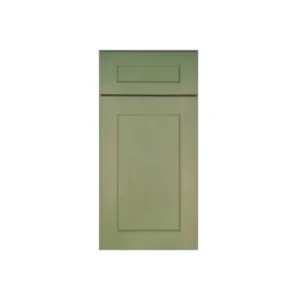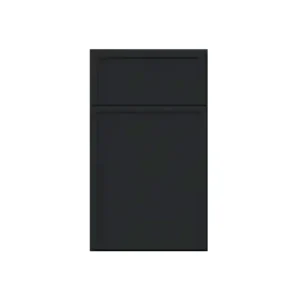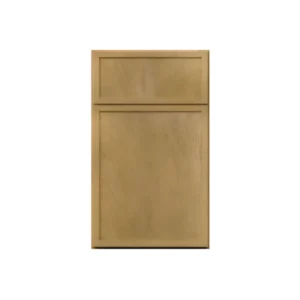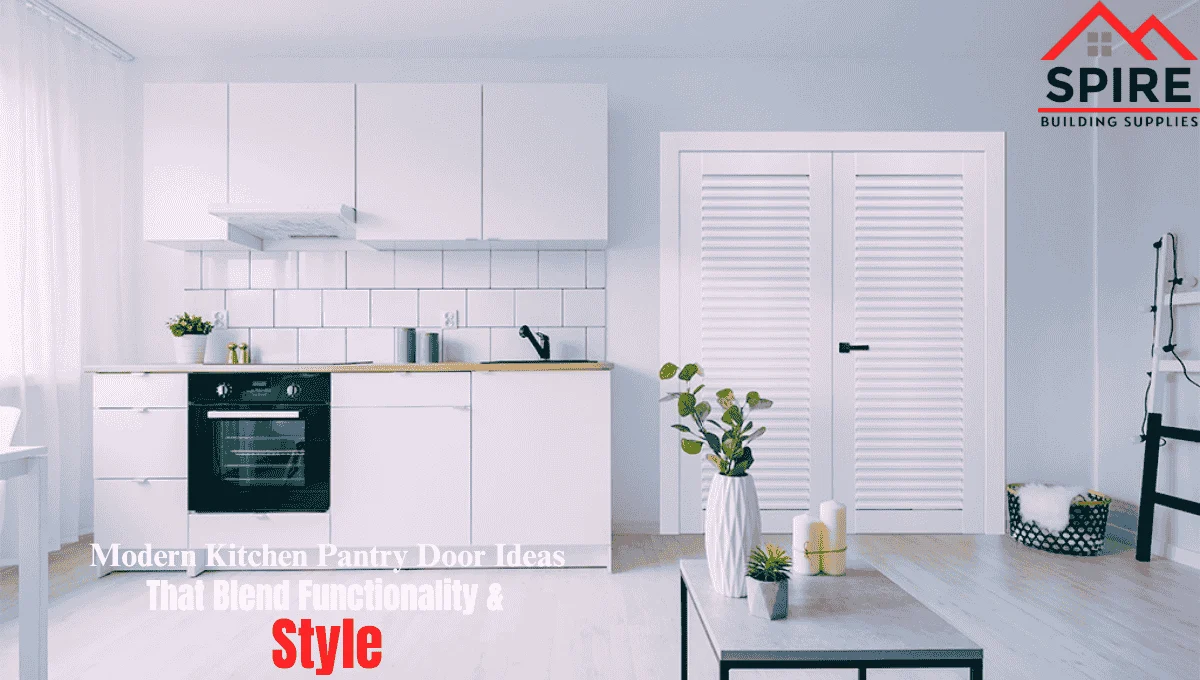
Hollow Core Bedroom Doors

How Hollow Core Bedroom Doors Improve Interior Space Efficiency

When homeowners in Texas look for smarter ways to maximize space without stretching their budget, hollow core bedroom doors often come up as a practical solution. Unlike heavy solid wood doors, these lightweight interior doors are designed to optimize functionality while maintaining a clean, modern look. At Spire Building Supplies, we’ve seen firsthand how the right door choice can transform not just a room—but the way a home feels and functions.

Whether you’re renovating a compact bedroom in Houston, building a new home in Dallas, or upgrading interiors in Austin, hollow core doors offer a balance of efficiency, affordability, and style that aligns with modern living needs.

Why Interior Space Efficiency Matters in Modern Homes

Space is no longer just about square footage—it’s about how effectively you use it. In many Texas homes, especially urban and suburban builds, optimizing every inch is key.

A bulky, heavy door can:

  • Limit furniture placement
  • Reduce usable wall space
  • Create awkward movement flow

In contrast, hollow-core interior door are designed to:

  • Open and close with minimal effort
  • Fit seamlessly into tight layouts
  • Reduce strain on hinges and frames

As a result, they support smoother movement and a more functional living environment.

What Are Hollow Core Bedroom Doors?

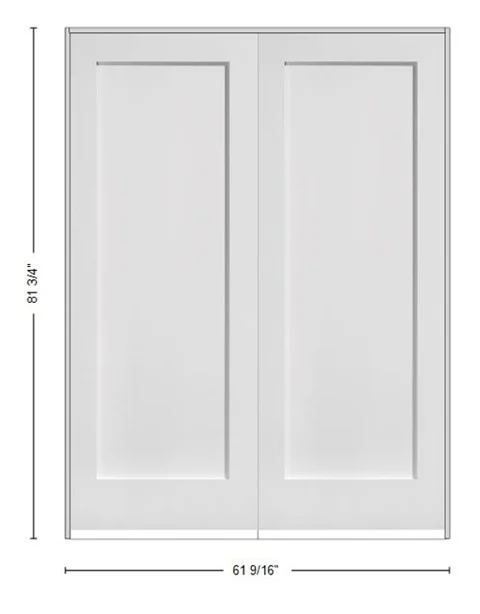
Hollow core bedroom doors feature a lightweight inner structure—typically a honeycomb cardboard core—encased in a durable outer shell like MDF or plywood. This design reduces weight without sacrificing structural integrity for everyday use.

At Spire Building Supplies, popular options include:

  • Molded panel designs for a classic aesthetic
  • Smooth-finish doors for modern interiors
  • Prehung configurations for easy installation

These doors are especially suitable for bedrooms, closets, and interior partitions where heavy-duty insulation isn’t required.

How Hollow Core Bedroom Doors Improve Space Efficiency

1. Lightweight Design Enhances Usability

Because hollow core doors are significantly lighter than solid wood alternatives, they:

  • Open and close effortlessly
  • Put less stress on door frames
  • Require less clearance space

This makes them ideal for smaller bedrooms or tighter hallways commonly found in Texas homes.

2. Better Layout Flexibility

Heavy doors often dictate furniture placement. However, hollow-core doors allow:

  • Beds, dressers, and desks to be positioned closer to doorways
  • More freedom in interior design layouts
  • Improved room flow

For example, using a Molded Panel 1’6″ x 6’8″ door can make a noticeable difference in compact bedrooms where every inch matters.

3. Space-Saving Installation Options

Many homeowners choose prehung hollow core doors because they:

  • Come ready to install
  • Reduce installation errors
  • Save time and labor costs

Models like Molded Panel 1’8″ x 6’8″ Riverside are especially popular for standard bedroom openings in Texas homes.

4. Reduced Structural Load

In multi-room homes, especially two-story builds, lighter materials reduce overall structural stress. This contributes to:

  • Longer-lasting hinges
  • Fewer maintenance issues
  • Better long-term performance

Builders often recommend options such as Molded Panel 2’0″ x 6’8″ for consistent sizing and performance across multiple rooms.

5. Ideal for Multi-Room Homes

Texas homes often feature multiple bedrooms, closets, and utility spaces. Using hollow core doors throughout helps:

  • Maintain consistency in design
  • Lower overall material costs
  • Simplify installation

This approach is especially beneficial for large-scale residential projects.

Design Versatility Without Taking Extra Space

A major advantage of hollow core bedroom doors is their ability to blend into various interior styles without overwhelming the space.

Popular Design Options

  • Traditional molded panels for classic homes
  • Flush doors for minimalist interiors
  • Textured finishes for added depth

Because they are lighter and slimmer, these doors visually open up a room rather than making it feel enclosed.

Cost Efficiency Meets Space Efficiency

Budget and space often go hand in hand. Hollow core doors are one of the most cost-effective interior door options available.

Why Texas Homeowners Prefer Them

  • Lower upfront cost
  • Reduced shipping and handling expenses
  • Faster installation

At Spire Building Supplies, customers consistently choose hollow core doors when they need to balance affordability with performance.

Why Trust Spire Building Supplies

Choosing the right supplier matters as much as choosing the right door. Spire Building Supplies stands out because of:

Proven Industry Experience
Years of supplying high-quality building materials across Texas.

Product Consistency
Each door meets strict quality standards for durability and finish.

Customer Trust
Hundreds of satisfied homeowners, builders, and contractors rely on their products.

Expert Support
From selection to installation, their team provides guidance tailored to your project.

Expert Tips for Maximizing Space Efficiency

To get the most out of hollow core bedroom doors:

  • Choose standard sizes for easier replacement
  • Use light-colored finishes to enhance openness
  • Pair with modern hardware for a sleek look
  • Consider sliding or bi-fold variations where applicable

These small decisions can significantly impact how spacious a room feels.

Common Mistakes to Avoid

Even though hollow core doors are simple, mistakes can reduce their benefits:

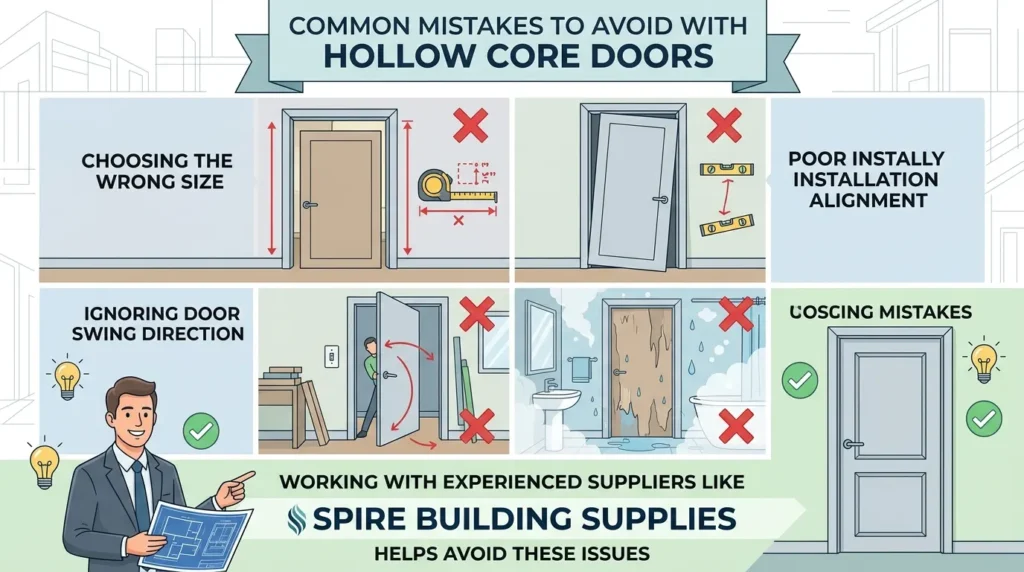
  • Choosing the wrong size
  • Poor installation alignment
  • Ignoring door swing direction
  • Using them in high-moisture areas without proper sealing

Working with experienced suppliers like Spire Building Supplies helps avoid these issues.
Common Mistakes to Avoid

Real Experience: What Homeowners and Builders Say

Testimonials

We replaced all bedroom doors in our Austin home with hollow core options from Spire Building Supplies. The rooms instantly felt more open, and installation was quick.
Mark T., Austin, TX

As a contractor in Dallas, I recommend hollow core bedroom doors for most residential projects. They’re reliable, cost-effective, and easy to work with.
James R., Home Builder

The Molded Panel doors we ordered fit perfectly and made a big difference in our smaller bedrooms.
Linda S., Houston, TX

People Also Ask (PAA)

Are hollow core bedroom doors good for small spaces?
Yes, they are ideal for small spaces because they are lightweight, require less clearance, and allow better furniture placement.

Do hollow core doors save space compared to solid doors?
While both take similar physical space, hollow core doors improve usable space by being easier to handle and less restrictive in layout planning.

Can hollow core doors be used in all bedrooms?
They work well for most bedrooms, especially where sound insulation is not a top priority.

How long do hollow core bedroom doors last?
With proper installation and care, they can last many years, making them a reliable option for interior use.

Are hollow core doors easy to install?
Yes, especially prehung versions. They are lightweight, which makes handling and alignment easier during installation.

Final Thoughts

Hollow core bedroom doors are more than just a budget-friendly option—they are a smart solution for improving how space is used inside your home. From easier movement to flexible layouts and faster installation, they deliver real value where it matters most.

For homeowners and builders across Texas, choosing the right interior door can make everyday living more comfortable and efficient. With trusted products and expert support, Spire Building Supplies continues to be a go-to source for high-quality hollow core door solutions.

See our full range of exterior window trims; visit this page: Best Exterior Window Trim Styles for Modern and Traditional Homes

Author Bio

Spire Building Supplies is a trusted provider of interior doors and construction materials across Texas, USA. Known for consistent quality and reliable service, the brand supports homeowners, contractors, and builders with practical solutions designed for modern living.
Fiberglass front entry doors

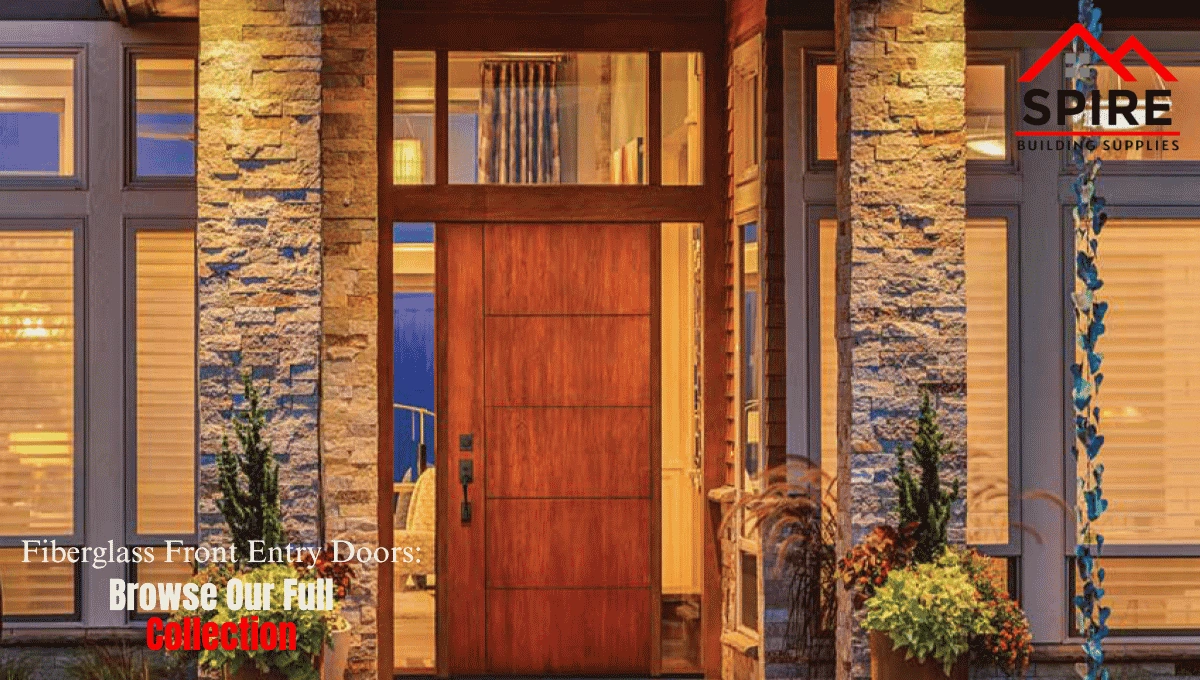
Fiberglass Front Entry Doors: Browse Our Full Collection

Choosing the right entry door is one of those decisions that seems simple until you realize how much it affects your home’s security, energy efficiency, and overall curb appeal. Fiberglass front entry doors have become a popular choice for homeowners who want durability without sacrificing style. But not all fiberglass doors are the same, and picking the wrong one can lead to long-term frustration, from poor insulation to premature wear.

This guide walks you through what actually matters when selecting a fiberglass entry door based on real-world experience, not just product specs so you can make a confident, informed decision.

What Are Fiberglass Front Entry Doors?

A fiberglass front entry door is constructed with a reinforced fiberglass skin over a solid core, often made of polyurethane foam. This combination creates a door that’s:

  • Strong and impact-resistant
  • Insulated for energy efficiency
  • Resistant to moisture, warping, and rot

Unlike wood, fiberglass won’t swell or crack in humid conditions. Compared to steel, it doesn’t dent easily or conduct heat as quickly.

If you’re browsing modern  , you’ll notice they often mimic the look of real wood grain while offering much lower maintenance.

Why Homeowners Choose Fiberglass Over Other Materials

1. Durability That Holds Up Over Time

Fiberglass doors are built to handle harsh weather heat, humidity, rain, and even coastal conditions. In regions where wooden doors struggle with expansion and contraction, fiberglass stays stable.

2. Energy Efficiency

Most exterior fiberglass door options come with insulated cores that help maintain indoor temperatures. This reduces energy loss and can lower utility bills over time.

3. Low Maintenance

You don’t need to sand, stain, or repaint frequently. Occasional cleaning and minimal upkeep keep the door looking new for years.

4. Design Flexibility

From modern minimal styles to textured woodgrain finishes like a rustic fiberglass door, there’s a wide variety of designs available.

5. Security Performance

Fiberglass doors are tough. When paired with quality hardware and proper installation, they provide solid resistance against forced entry.

Limitations You Should Know Before Buying

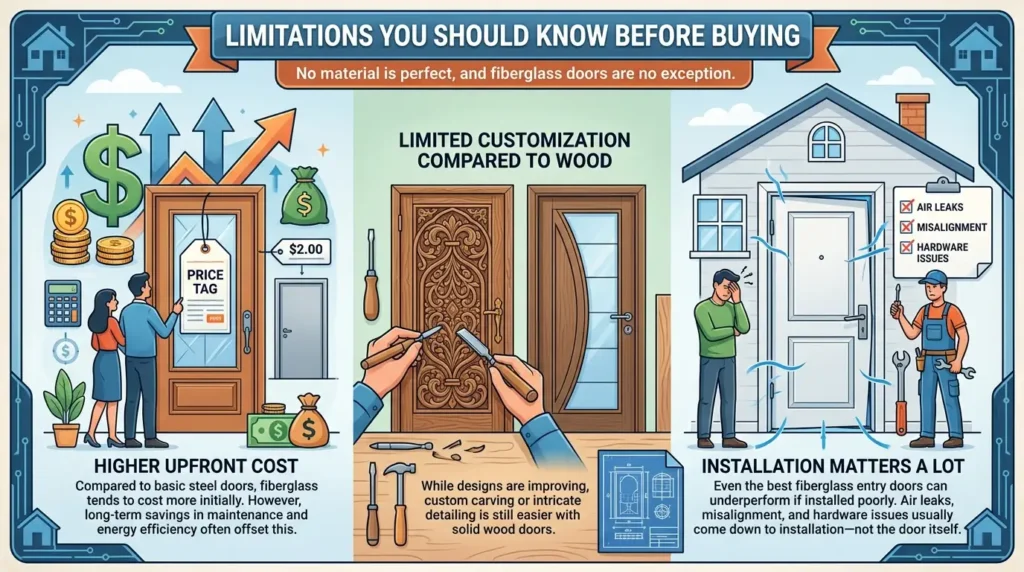
No material is perfect, and fiberglass doors are no exception.

Higher Upfront Cost
Compared to basic steel doors, fiberglass tends to cost more initially. However, the long-term savings in maintenance and energy efficiency often offset this.

Limited Customization Compared to Wood
While designs are improving, custom carving or intricate detailing is still easier with solid wood doors.

Installation Matters a Lot
Even the best fiberglass entry doors can underperform if installed poorly. Air leaks, misalignment, and hardware issues usually come down to installation—not the door itself.

Limitations You Should Know Before Buying

Key Things to Consider Before You Choose

1. Door Configuration

Think about how the door fits your entryway:

  • Single vs. double doors
  • Prehung vs. slab doors
  • Glass inserts or solid panels

For example, a Single Prehung Fiberglass Door in Black with 1 Lite can offer a clean, modern look while allowing natural light into the entry.

2. Insulation Rating

Look for doors with:

  • Polyurethane cores
  • Good energy ratings
  • Tight weatherstripping

This is especially important if your front door faces direct sun or strong winds.

3. Finish and Style

Fiberglass doors can replicate:

  • Oak, mahogany, or walnut textures
  • Smooth painted finishes
  • Rustic or contemporary designs

Choose a style that complements your home’s architecture—not just current trends.

4. Glass Options

If your door includes glass:

  • Look for double or triple-pane glass
  • Consider low-E coatings for energy efficiency
  • Evaluate privacy levels (clear vs. frosted vs. decorative)

5. Hardware Compatibility

Make sure the door supports:

  • Secure lock systems
  • Smart locks (if needed)
  • Durable hinges and handles

A strong door is only as secure as its hardware.

Common Mistakes to Avoid

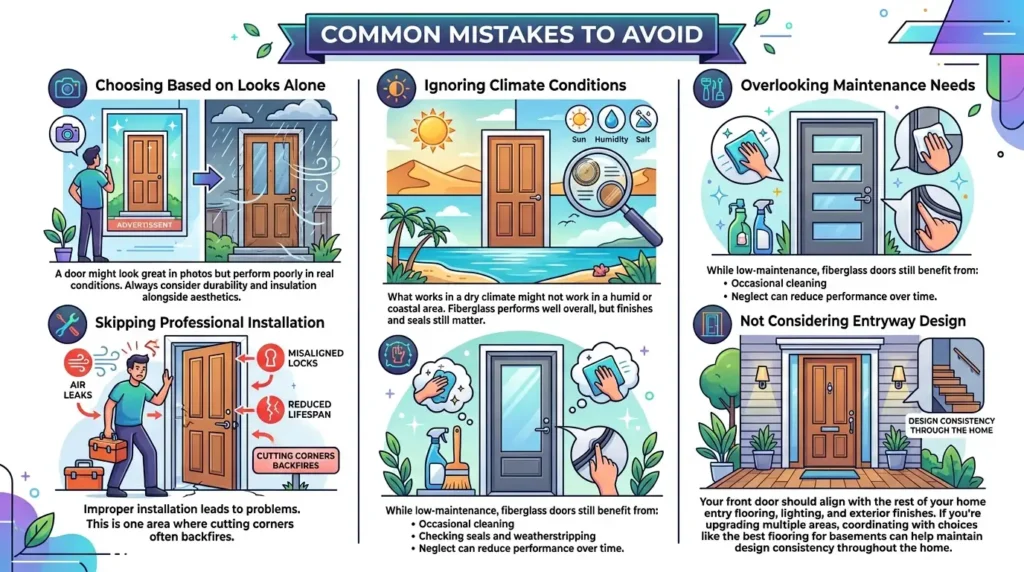
Choosing Based on Looks Alone

A door might look great in photos but perform poorly in real conditions. Always consider durability and insulation alongside aesthetics.

Ignoring Climate Conditions

What works in a dry climate might not work in a humid or coastal area. Fiberglass performs well overall, but finishes and seals still matter.

Skipping Professional Installation

Improper installation leads to:

  • Air leaks
  • Misaligned locks
  • Reduced lifespan

This is one area where cutting corners often backfires.

Overlooking Maintenance Needs

While low-maintenance, fiberglass doors still benefit from:

  • Occasional cleaning
  • Checking seals and weatherstripping

Neglect can reduce performance over time.

Not Considering Entryway Design

Your front door should align with the rest of your home entry flooring, lighting, and exterior finishes. If you’re upgrading multiple areas, coordinating with choices like the best flooring for basements can help maintain design consistency throughout the home.

Common Mistakes to Avoid

Expert Tips for Choosing the Best Fiberglass Entry Doors

Focus on Core Construction

Not all fiberglass doors are equal. Pay attention to:

  • Core density
  • Frame quality
  • Reinforcement around lock areas

These details affect both durability and security.

Test the Finish Quality

Run your hand over the surface. A good front door fiberglass finish should feel:

  • Smooth or realistically textured
  • Evenly coated
  • Free from bubbles or inconsistencies

Consider Long-Term Value

Instead of asking, “What’s the cheapest option?” ask:

  • How long will this door last?
  • What maintenance will it need?
  • Will it improve energy efficiency?

Often, spending a bit more upfront saves money later.

Don’t Ignore Weather Sealing

Look for:

  • Tight-fitting frames
  • High-quality weatherstripping
  • Threshold durability

These details make a noticeable difference in comfort.

Real-World Use Cases

  1. Busy Family Homes

Fiberglass doors handle daily wear kids, pets, constant use without dents or scratches showing easily.

  1. Coastal or Humid Areas

Unlike wood, fiberglass won’t warp or rot, making it ideal for high-moisture environments.

  1. Rental or Investment Properties

Low maintenance and durability reduce long-term repair costs, making fiberglass a practical choice.

  1. Modern Renovations

Clean-lined designs with glass inserts work well in contemporary homes, especially when paired with neutral exterior finishes.

What Homeowners Are Saying

We switched from a wooden door to fiberglass, and the difference in insulation was immediate. The house feels more comfortable year-round.

After two years, it still looks brand new. No warping, no repainting—just basic cleaning.

Installation made all the difference. Once it was properly fitted, we noticed zero drafts.

Frequently Asked Questions

Are fiberglass front entry doors better than wood?

They’re more durable and require less maintenance than wood, especially in humid or extreme weather conditions.

How long do fiberglass entry doors last?

With proper installation and minimal maintenance, they can last 20–30 years or more.

Do fiberglass doors look like real wood?

Yes. Many modern designs replicate wood grain very realistically, especially higher-end models.

Are fiberglass doors energy efficient?

Yes. Their insulated cores help reduce heat transfer and improve indoor comfort.

Can fiberglass doors crack or dent?

They’re resistant to dents and cracks, but extreme impact can still cause damage—though it’s less common than with steel or wood.

Final Thoughts

Fiberglass front entry doors strike a strong balance between durability, energy efficiency, and design flexibility. They’re not the cheapest option upfront, but in real-world use, they often prove to be one of the most practical choices for homeowners.

The key is to focus on construction quality, proper installation, and choosing a design that fits your home not just what looks good in a catalog.

If you take the time to evaluate these factors carefully, you’ll end up with a door that performs well for years without constant maintenance or costly repairs.

About the Author

Spire Building Supplies Editorial Team

The Spire Building Supplies team works closely with builders, contractors, and homeowners to understand what actually performs well in real construction environments. With hands-on experience in materials, installation challenges, and long-term durability, the team focuses on practical guidance not just product descriptions so readers can make informed, confident decisions for their homes.

Exterior Window Trim

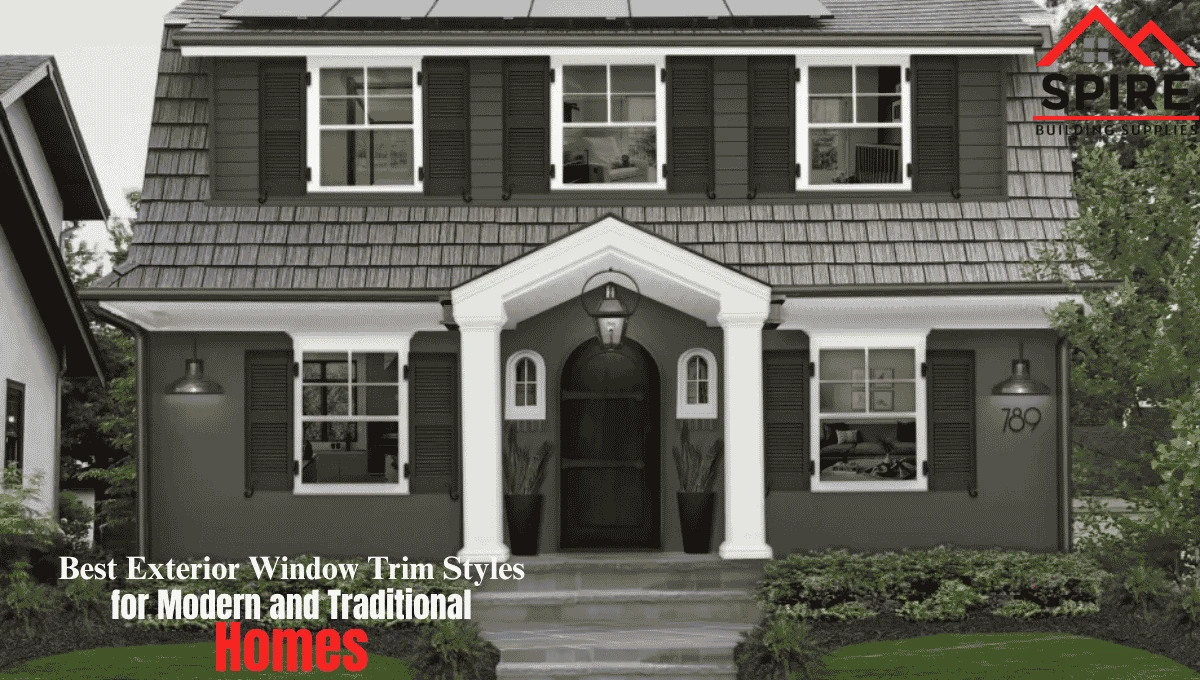
Best Exterior Window Trim Styles for Modern and Traditional Homes

When homeowners in Texas think about improving curb appeal, exterior window trim is often overlooked—but it’s one of the most impactful design elements you can add. The right trim doesn’t just frame your windows; it defines your home’s architectural style, protects against harsh weather, and adds long-term value. At Spire Building Supplies, we’ve worked closely with builders and homeowners across Texas who want trim solutions that balance durability, design, and cost efficiency.

Whether you’re renovating a classic ranch-style home in Dallas or building a sleek modern property in Austin, choosing the right exterior window trim style can completely change how your home looks and performs.

Why Exterior Window Trim Matters More Than You Think

Exterior window trim is not just decorative—it plays a structural and protective role. In regions like Texas, where heat, humidity, and sudden storms are common, trims act as a barrier against moisture and air leaks.

Here’s what high-quality exterior trim does:

  • Prevents water infiltration and reduces rot risks
  • Improves insulation and energy efficiency
  • Enhances curb appeal instantly
  • Adds a polished, finished look to windows

From our experience at Spire Building Supplies, homes with properly installed trim require fewer repairs over time and maintain higher resale value.

Modern Exterior Window Trim Styles (Clean & Minimal)

Modern homes focus on simplicity, sharp lines, and minimal detailing. If you’re aiming for a contemporary look, these styles work best:

1. Flat Trim Profiles

Flat exterior trim is one of the most popular choices for modern homes. It features:

  • Straight edges
  • Smooth surfaces
  • Minimal detailing

This style pairs well with materials like fiber cement siding or stucco, commonly seen in Texas urban homes.

2. Picture Frame Trim

Picture frame trim surrounds the window evenly on all sides, creating a bold outline. It works particularly well with:

  • Large windows
  • Black or dark-colored frames
  • Neutral exterior walls

This style adds contrast without overwhelming the design.

3. Recessed Trim

Recessed trim sits slightly inside the wall rather than protruding outward. This creates a subtle shadow effect that enhances depth—ideal for modern architecture.

Traditional Exterior Window Trim Styles (Timeless & Elegant)

Traditional homes rely on detail, symmetry, and decorative elements. If your home leans toward colonial, farmhouse, or craftsman style, consider these:

4. Colonial Trim

Colonial trim includes:

  • Decorative headers
  • Crown molding details
  • Wider side casings

It creates a formal, balanced look that’s still very popular across Texas suburbs.

5. Farmhouse Style Trim

Farmhouse trim has gained huge popularity in recent years. It features:

  • Thick, simple boards
  • Slightly rustic finishes
  • Neutral or white colors

It works perfectly with siding and brick homes.

6. Craftsman Trim

Craftsman trim focuses on:

  • Strong horizontal lines
  • Layered detailing
  • Natural materials

This style adds character without being overly ornate.

Best Materials for Exterior Window Trim in Texas

Choosing the right material is just as important as choosing the style. Texas weather demands durability.

Wood Trim

  • Classic appearance
  • Easy to customize
  • Requires regular maintenance

PVC Trim

  • Moisture-resistant
  • Low maintenance
  • Ideal for humid climates

MDF (Primed Trim Boards)

Products like:

are commonly used for consistent finishes and easy painting. These are especially popular for projects requiring uniformity and cost control.

Flexible Trim Solutions

For curved or unique window designs, flexible trim options like:

allow precise installation without compromising aesthetics.

How to Choose the Right Exterior Window Trim

Making the right choice depends on several factors:

1. Match Your Home’s Architecture

Modern homes need clean lines, while traditional homes benefit from detailed trim.

2. Consider Climate

In Texas, materials must handle:

  • High heat
  • Humidity
  • Occasional storms

PVC and primed MDF options often perform well when properly sealed.

3. Think About Maintenance

If you prefer low maintenance, avoid untreated wood and opt for engineered materials.

4. Budget Wisely

High-end trim looks great, but cost-effective options from Spire Building Supplies can deliver similar results without overspending.

Installation Tips from Industry Experts

Based on real-world projects across Texas, here are key installation insights:

  • Always seal joints to prevent water damage
  • Use weather-resistant fasteners
  • Ensure proper alignment for a clean finish
  • Prime and paint trim for longer durability

Even the best trim can fail if installed incorrectly.

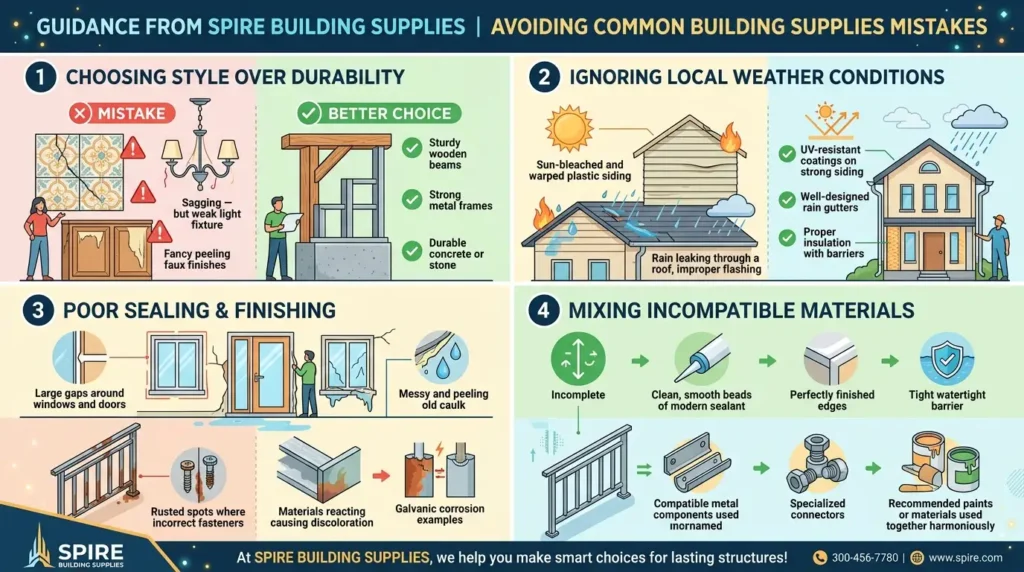
Common Mistakes to Avoid

Avoid these frequent issues:

  • Choosing style over durability
  • Ignoring local weather conditions
  • Poor sealing and finishing
  • Mixing incompatible materials

At Spire Building Supplies, we guide customers to avoid these costly mistakes.

Common Mistakes to Avoid

Why Homeowners in Texas Trust Spire Building Supplies

  • Consistent product quality
  • Wide range of trim options
  • Support from experienced professionals
  • Trusted by builders and contractors

Our experience working with Texas homes allows us to recommend trim solutions that last.

Real Customer Experiences

Here’s what customers say about working with Spire Building Supplies:

We replaced all our exterior window trim using their MDF boards, and the finish turned out perfect. It gave our home a completely new look.
– Homeowner, Houston

The team helped us choose the right trim style for our modern home. Installation was smooth, and the quality is excellent.
– Builder, Austin

Great pricing and consistent quality. We’ve used their trim products on multiple projects across Texas.
– Contractor, Dallas

People Also Ask (PAA)

What is the best material for exterior window trim?
PVC and primed MDF are widely used due to their durability and low maintenance, especially in climates like Texas.

How often should exterior window trim be replaced?
High-quality trim can last 10–20 years, depending on material and maintenance.

Can I install exterior window trim myself?
Yes, but proper tools and sealing techniques are essential for long-term performance.

Does exterior window trim improve energy efficiency?
Yes, properly installed trim helps seal gaps and reduce air leaks, improving insulation.

Final Thoughts

Choosing the right exterior window trim is more than a design decision—it’s an investment in your home’s durability and appearance. Whether you prefer modern minimalism or traditional elegance, the right trim can transform your property while protecting it from the elements.

If you’re planning your next project, working with a trusted supplier like Spire Building Supplies ensures you get materials that meet both aesthetic and functional needs.

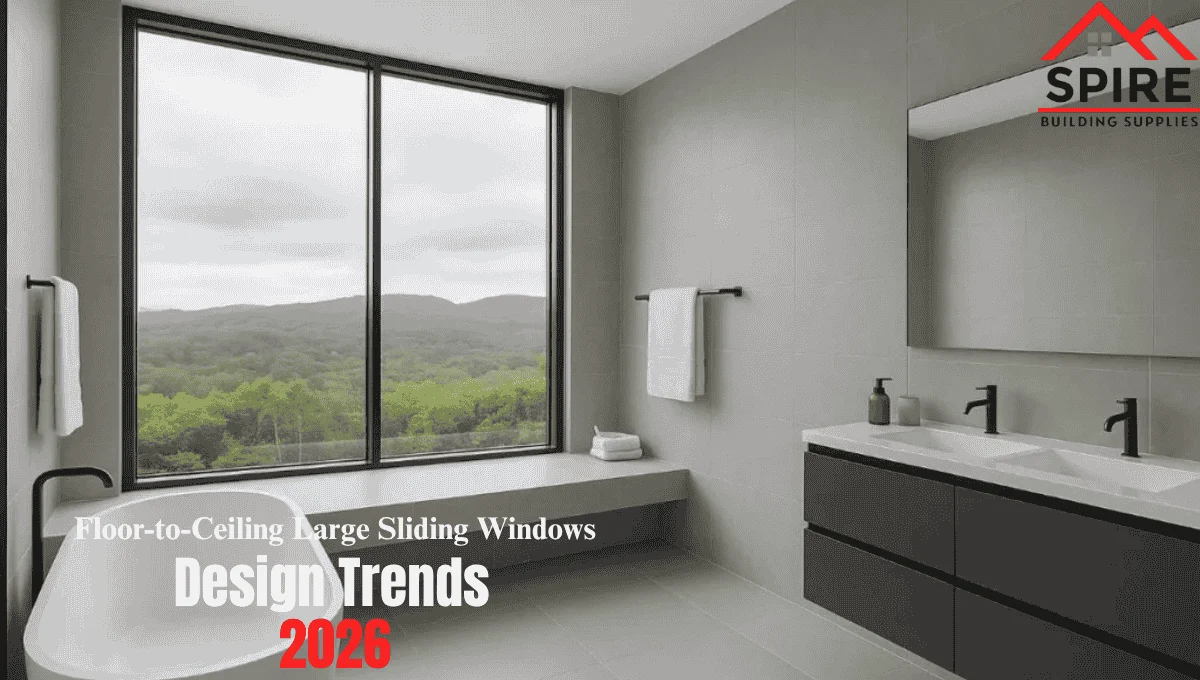
See our full range of large sliding windows; visit this page: Floor-to-Ceiling Large Sliding Windows: Design Trends 2026

Author Bio

Spire Building Supplies provides reliable building materials across Texas, offering quality exterior trim solutions trusted by homeowners and contractors alike.

best flooring for basements

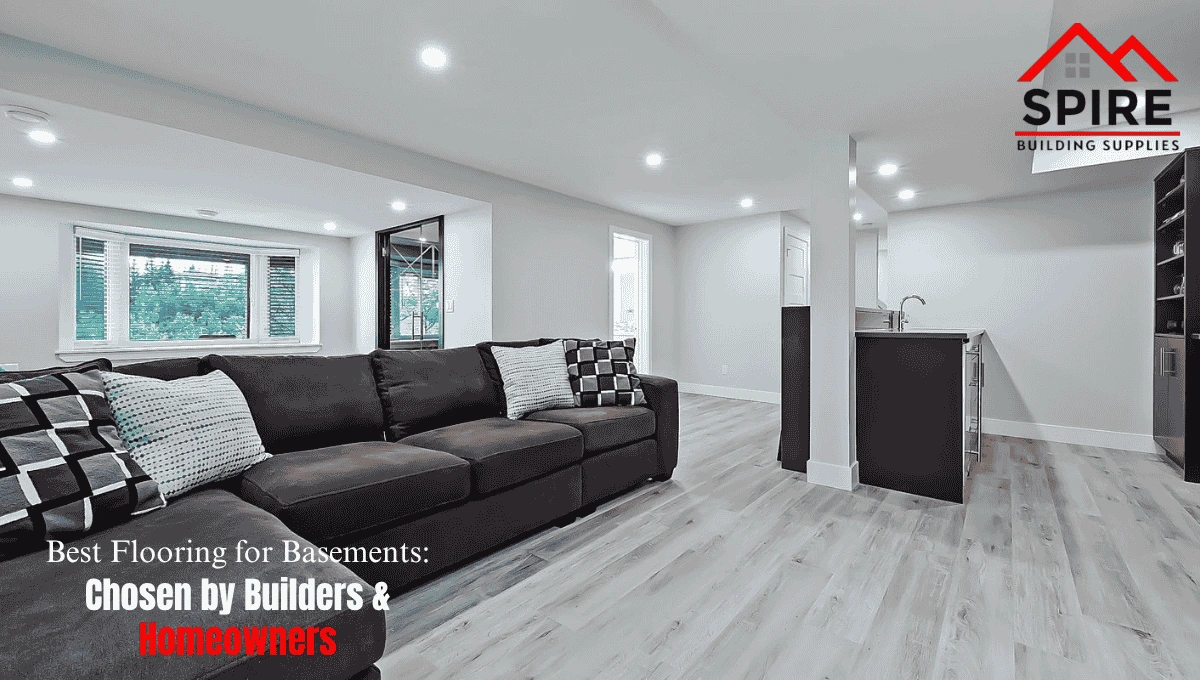
Best Flooring for Basements: Chosen by Builders & Homeowners

Basements are one of the trickiest spaces to floor. The conditions underground are nothing like the rest of your home moisture migrates up through concrete, temperatures fluctuate, and if water ever gets in, the wrong floor becomes an expensive mistake fast. Choosing the best flooring for basements isn’t just about looks. It’s about picking materials built to handle what a basement actually throws at them.

This guide breaks down the most reliable options, explains what matters most when comparing them, and helps you avoid the common errors that lead to warped floors, mold problems, and wasted money.

Why basements need different flooring rules

Most homes are built on a concrete slab or have a poured concrete basement floor. Concrete is porous. Even when it looks and feels dry, moisture vapor moves through it constantly — especially in humid climates or during rainy seasons. That moisture is the main reason hardwood and standard laminate fail in basements so often.

Beyond moisture, basements also deal with:

  • Temperature swings between seasons
  • Reduced airflow and ventilation
  • Potential for flooding or minor water intrusion
  • Heavier foot traffic if used as a rec room or home gym

Any flooring you choose should be able to handle all of the above — not just look good on install day.

The best flooring options for basements

Top Pick

Waterproof

Luxury Vinyl Plank (LVP)

Waterproof core, realistic wood look, warm underfoot, easy to install. Best overall for most basements.

Budget-Friendly

Vinyl Sheet Flooring

Seamless, fully waterproof, and the most affordable option. Great for utility or laundry areas.

Durable

Ceramic or Porcelain Tile

Completely waterproof and extremely durable. Cold underfoot — pair with radiant heat if comfort matters.

Comfort

Engineered Hardwood

More stable than solid wood in humidity. Use only above-grade or at-grade — not in wet basements.

Luxury Vinyl Plank the clear frontrunner

If there’s one flooring type that consistently performs well in basements, it’s luxury vinyl plank. The best LVP flooring features a 100% waterproof core, which means standing water and moisture vapor don’t damage the planks themselves. It installs as a floating floor — no glue, no nails — which allows it to move slightly as temperatures change without buckling or gapping.

Modern LVP also looks genuinely good. The embossed texture and realistic wood grain have improved dramatically in recent years, and options like the Amber Escape Luxury Vinyl Tile and Plank (6mm) and the Explorer’s Cove Luxury Vinyl Tile and Plank (5mm) deliver that warm, finished look without any of the moisture risk that real wood carries.

For most homeowners and builders finishing a basement to livable standard, best rated vinyl plank flooring is the practical, reliable choice and it’s what most professionals reach for first.

Pros

  • 100% waterproof core
  • Comfortable and warm
  • Easy floating install
  • Looks like real wood
  • Durable with heavy use

Cons

  • Can’t be refinished
  • May feel hollow on uneven slabs
  • Quality varies significantly by brand

Tile flooring best for wet basements

Ceramic and porcelain tile are the most waterproof options available, full stop. If your basement has a history of water intrusion or sits in a flood-prone area, tile is your safest bet. It won’t absorb moisture, it won’t harbor mold underneath, and it’s extremely hard-wearing.

The downside is comfort. Tile is hard and cold fine for a utility room or workshop, less ideal for a finished family space. If you go with tile in a living area, consider a radiant heating system underneath, which transforms the feel of the space entirely.

Engineered hardwood sometimes appropriate

Engineered hardwood has a plywood core that handles humidity better than solid wood, but it’s still not fully waterproof. Use it in basements only when moisture levels are consistently low and the space is climate-controlled year-round. Even then, a thorough moisture test before installation is non-negotiable.

What to avoid

Solid hardwood and standard laminate are both genuinely bad choices for basements. Solid wood swells, warps, and cups when exposed to even moderate humidity. Traditional laminate has a fiberboard core that swells irreversibly when wet. Neither belongs underground no matter how well the rest of the room is finished.

What actually matters when choosing basement flooring

Before picking a product, answer these questions honestly:

  • Has water ever gotten in? Even once is enough to shift you toward waterproof-only options.
  • What’s the moisture level of the slab? Do a calcium chloride test or use a moisture meter before you buy anything.
  • How will the space be used? A rec room, gym, office, and utility space each have different demands.
  • What’s your subfloor condition? LVP can handle minor imperfections; tile and engineered wood need a flatter, more level surface.
  • How much thickness can you afford? Thicker flooring raises floor height and can affect door clearance and stair transitions.

You can explore a wide range of flooring options at Spire Building Supplies to compare specs side by side once you’ve answered those questions.

Common mistakes to avoid

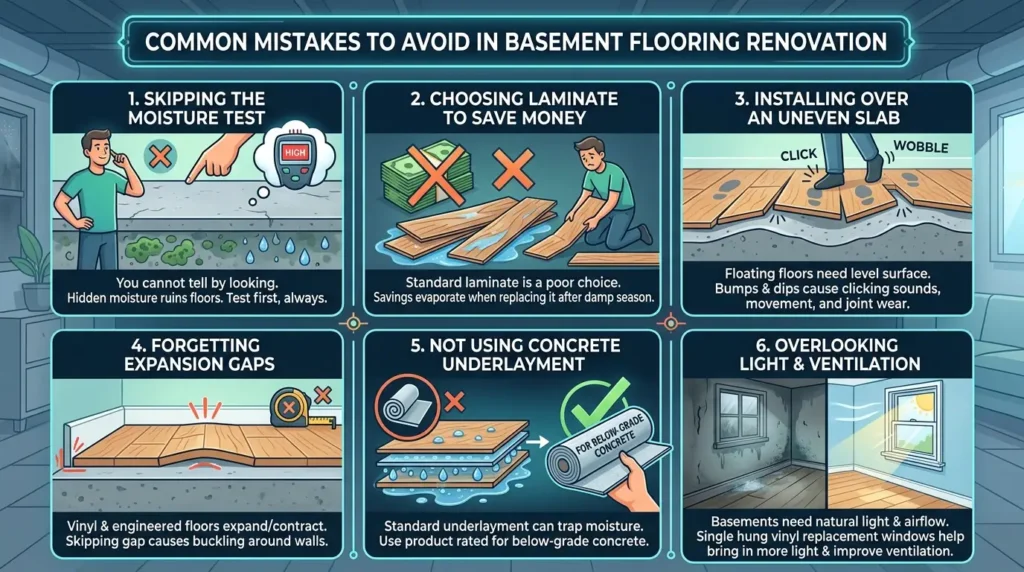
  • Skipping the moisture test. The most common and costly mistake. You cannot tell by looking whether a concrete slab has a moisture problem. Test first, always.
  • Choosing laminate to save money. Standard laminate is one of the worst choices for basements. The savings evaporate when you’re replacing it after the first damp season.
  • Installing over an uneven slab. Floating floors need a level surface within manufacturer specs. Bumps and dips cause clicking sounds, movement, and premature joint wear.
  • Forgetting expansion gaps. Vinyl and engineered floors expand and contract with temperature. Leave the gap the manufacturer specifies around every wall skipping this causes buckling.
  • Not using underlayment designed for concrete. Standard underlayment can trap moisture against your floor. Use a product specifically rated for below-grade concrete installation.
  • Overlooking light and ventilation. Basements are often low on natural light and airflow. If you’re also replacing windows in the renovation, single hung vinyl replacement windows can help bring in more light and improve ventilation alongside your new floor.

Common mistakes to avoid

Expert tips for a lasting result

Run the moisture test before anything else A calcium chloride test or relative humidity probe gives you an accurate reading. Most LVP manufacturers specify a maximum moisture emission rate if your slab exceeds it, you need to address it before laying any floor.

  • Let your flooring acclimate in the basement for 48 hours before installation temperature equalization prevents post-install gaps and buckling.
  • Opt for thicker LVP (8mm and above) if your slab has minor dips or imperfections the extra rigidity masks small irregularities better.
  • Choose a wear layer of at least 12 mil if the space sees heavy foot traffic, pets, or furniture movement.
  • Consider warm-toned planks in below-grade spaces they counteract the naturally cool, dim feel of most basements and make the room feel more inviting.
  • Don’t install in the middle of summer or winter without the HVAC running extreme temperature conditions at install can affect how the floor settles.

What homeowners and builders say

We finished our basement last spring and went with LVP throughout. It’s been through one humid summer and one cold winter not a single plank has moved or buckled. Wish we’d done it years ago.

— David K., homeowner, Ohio

As a contractor, I’ve tried just about everything in basements. LVP is what I spec now for every finished basement job. The quality product options have gotten so good — clients always love the result.

— Mike R., residential builder

We had water come in once before we sealed the foundation properly. After that, we tiled the mechanical room and used LVP for the rec area. Perfect combination for our situation.

— Sandra L., homeowner, Pennsylvania

People also ask

What is the best flooring for a basement with moisture issues?

Luxury vinyl plank or ceramic tile. Both are 100% waterproof and won’t be damaged by moisture vapor coming through concrete. LVP is the more comfortable option for living spaces; tile is the better call if you’ve had actual water intrusion.

Can you put hardwood floors in a basement?

Solid hardwood, no — it will warp. Engineered hardwood may work in a climate-controlled, dry basement if moisture levels are consistently low, but it still carries more risk than LVP. Most professionals don’t recommend it below grade.

How thick should LVP flooring be for a basement?

At minimum 5–6mm, but 8mm or thicker is better if your slab has any unevenness. Thicker planks hide minor imperfections and feel more solid underfoot. The wear layer should be at least 12 mil for high-traffic areas.

Do I need underlayment for basement flooring?

Yes, and it needs to be the right kind. Use underlayment rated for below-grade concrete installation. It acts as a moisture barrier and adds a small amount of cushion. Some LVP products come with it pre-attached check before buying.

How do I test for moisture in a basement before installing flooring?

Tape a piece of plastic sheeting to the concrete and seal the edges. Leave it for 24–48 hours. If moisture appears on the underside, you have a problem to address. For precise measurements, use a calcium chloride test kit or relative humidity probe both are inexpensive and give reliable readings.

Spire Building Supplies Editorial Team

This guide was put together by the team at Spire Building Supplies a supplier of quality building materials serving homeowners, contractors, and builders. Our content draws on real-world installation experience and hands-on product knowledge to give you advice that’s practical, accurate, and honest. We don’t write to rank we write to help you get the project right the first time.

Large Sliding Windows

Floor-to-Ceiling Large Sliding Windows: Design Trends 2026

Why Large Sliding Windows Are Redefining Modern Homes

Large sliding windows are no longer just a design feature—they’ve become a defining element of modern architecture in Texas homes. From urban properties in Dallas to spacious suburban homes in Houston, homeowners are prioritizing natural light, open views, and seamless indoor-outdoor living.

At Spire Building Supplies, we’ve seen a major shift in how homeowners and builders approach window design. Today, large sliding windows are not just about aesthetics—they’re about performance, energy efficiency, and long-term value.

If you’re planning a renovation or building a new home in Texas, understanding the latest 2026 design trends will help you make a smarter investment.

What Are Floor-to-Ceiling Large Sliding Windows?

Floor-to-ceiling sliding window are expansive glass panels that stretch from the floor up to the ceiling, often replacing traditional walls. Unlike standard windows, these designs:

  • Maximize daylight exposure
  • Create uninterrupted outdoor views
  • Improve airflow with smooth-sliding operation
  • Enhance property value instantly

They are especially popular in Texas due to the region’s wide landscapes and strong preference for open-concept living.

Why Texas Homeowners Prefer Large Sliding Windows

1. Natural Light That Reduces Energy Costs

With abundant sunlight in Texas, large glass panels reduce the need for artificial lighting during the day. This directly lowers electricity bills.

2. Indoor-Outdoor Living

Whether it’s a backyard patio or poolside area, sliding windows create a seamless transition between interior and exterior spaces.

3. Increased Property Value

Homes with floor-to-ceiling windows are often perceived as more luxurious and modern, increasing resale value.

4. Better Ventilation

Sliding panels allow controlled airflow, which is essential during warmer months in Texas.

Top Design Trends for Large Sliding Windows in 2026

1. Ultra-Slim Frames for Maximum Glass Area

Homeowners are moving away from bulky frames. In 2026, minimalist aluminum and vinyl frames dominate the market, allowing more glass and less obstruction.

This design enhances:

  • Panoramic views
  • Natural light penetration
  • Modern architectural appeal

2. Energy-Efficient Glass Technology

Energy efficiency is a major concern in Texas due to extreme heat. Modern sliding windows now feature:

  • Low-E (Low Emissivity) coatings
  • Double or triple glazing
  • UV protection

These features help maintain indoor temperatures and reduce cooling costs.

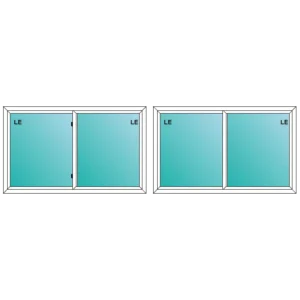
3. Multi-Panel Sliding Systems

Instead of traditional two-panel windows, homeowners are opting for:

  • Three-panel systems
  • Four-panel configurations
  • Stacking sliding doors

These systems open wider, making them ideal for large living rooms and patios.

4. Black Frame Aesthetic

Black frames continue to dominate in 2026, especially in modern and industrial-style homes.

They create contrast and make large glass panels stand out, adding a bold architectural statement.

5. Smart Sliding Windows

Technology integration is another emerging trend. Smart sliding windows now offer:

  • Remote-controlled opening
  • Automated locking systems
  • Integration with home automation systems

Best Vinyl Sliding Window Options for Large Openings

At Spire Building Supplies, we recommend high-performance vinyl options designed for durability and efficiency.

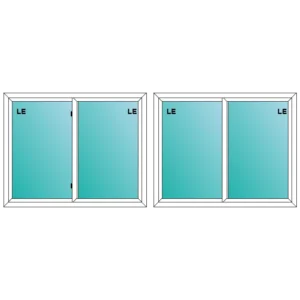
1. INSPIRE VINYL SVS 5040

  • Ideal for medium-to-large openings
  • Excellent thermal insulation
  • Smooth sliding mechanism

INSPIRE VINYL SVS 5040

2. INSPIRE VINYL SVS 6030

  • Perfect for wider spaces
  • Strong frame structure
  • Designed for long-term performance

INSPIRE VINYL SVS 6030

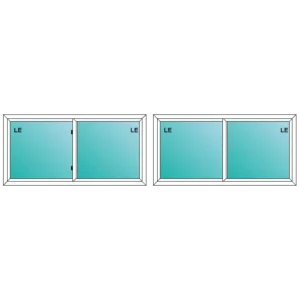
3. INSPIRE VINYL SVS 6038

  • Best for floor-to-ceiling applications
  • Enhanced durability
  • Optimized for energy efficiency

These options are specifically suited for Texas climates where heat resistance and durability matter most.

INSPIRE VINYL SVS 6038

Choosing the Right Large Sliding Windows for Your Home

Consider Your Space

Not every home requires oversized panels. Measure your wall space and determine how much glass area you want.

Focus on Energy Ratings

Look for windows with strong insulation ratings to handle Texas heat.

Material Matters

  • Vinyl: Cost-effective and energy-efficient
  • Aluminum: Sleek and modern
  • Wood: Classic but requires maintenance

Installation Quality

Even the best windows fail without proper installation. Always choose experienced professionals.

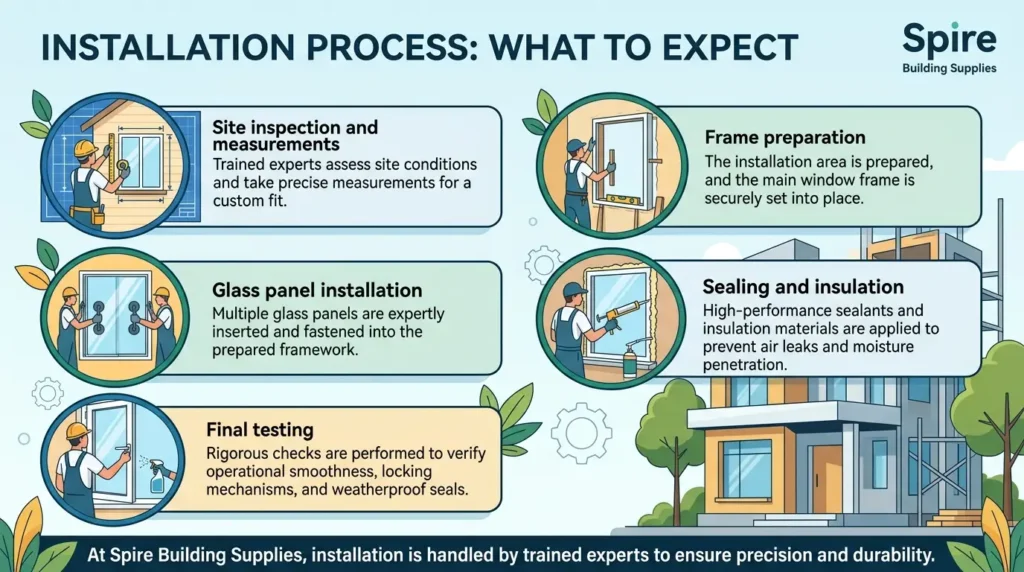
Installation Process: What to Expect

  1. Site inspection and measurements
  2. Frame preparation
  3. Glass panel installation
  4. Sealing and insulation
  5. Final testing

At Spire Building Supplies, installation is handled by trained experts to ensure precision and durability.

Installation Process

Common Mistakes to Avoid

  • Choosing style over performance
  • Ignoring energy efficiency ratings
  • Poor installation practices
  • Not considering climate conditions

Avoiding these mistakes ensures your investment lasts for years.

Maintenance Tips for Long-Term Performance

  • Clean glass regularly to maintain clarity
  • Lubricate sliding tracks for smooth operation
  • Inspect seals annually
  • Avoid harsh chemicals

Proper maintenance keeps your windows functional and visually appealing.

Why Choose Spire Building Supplies

Spire Building Supplies stands out in the Texas market because of:

  • Proven expertise in window solutions
  • High-quality vinyl window systems
  • Reliable installation services
  • Strong customer trust and satisfaction

Their focus on performance and durability ensures every project meets modern standards.

Real Customer Testimonials

We installed large sliding windows in our living room, and the transformation is incredible. The natural light alone made it worth it.
— Homeowner, Texas

Spire Building Supplies provided exactly what we needed. The installation was smooth, and the quality is excellent.
— Residential Builder

Our energy bills dropped after upgrading to energy-efficient sliding windows. Highly recommended.
— Property Owner

People Also Ask (PAA)

Are large sliding windows energy efficient?
Yes, modern large sliding windows with Low-E glass and double glazing significantly reduce heat transfer, making them suitable for Texas climates.

How much do floor-to-ceiling sliding windows cost in Texas?
Costs vary depending on size, material, and installation, but larger systems typically range from mid to high investment levels.

Are sliding windows safe for homes?
Yes, they come with advanced locking systems and tempered glass for enhanced security.

What is the best material for large sliding windows?
Vinyl is widely preferred due to its affordability, insulation, and low maintenance requirements.

Do large sliding windows increase home value?
Absolutely. They enhance aesthetics, improve energy efficiency, and attract modern buyers.
— Property Owner

Final Thoughts

Floor-to-ceiling large sliding windows are more than a design trend—they are a long-term investment in comfort, efficiency, and home value.

With evolving technologies and modern aesthetics, 2026 is the perfect time to integrate these windows into your home. By choosing high-quality options like the INSPIRE VINYL series and working with trusted providers like Spire Building Supplies, you ensure both style and performance.

See our full range of single-hung windows; visit this page. Single Hung Windows for Small Spaces: Buying Guide Online

Author Bio

Spire Building Supplies
Spire Building Supplies is a trusted provider of premium building materials across the USA, specializing in high-performance window solutions. With years of industry experience, the brand focuses on delivering durable, energy-efficient, and modern products tailored to residential and commercial needs.

buy single hung windows online

Single Hung Windows for Small Spaces: Buying Guide Online

If you’re planning a renovation or upgrading your home in Texas, one smart move is to buy single hung windows online—especially when dealing with tight or compact spaces. Whether it’s a small bedroom, bathroom, hallway, or rental unit, the right window can instantly improve ventilation, natural light, and energy efficiency without taking up extra room.

From my hands-on experience working with homeowners and contractors, single hung windows consistently stand out as a practical and cost-effective solution. They are simple, durable, and space-efficient—exactly what smaller areas need. However, choosing the right model, size, and material online can feel overwhelming if you don’t know what to look for.

This in-depth guide breaks everything down—from sizing and materials to installation and real buyer considerations—so you can make a confident, informed purchase from Spire Building Supplies, a trusted name known for quality products and customer satisfaction across Texas.

What are single-hung windows?

Single-hung windows are a classic window style where the bottom sash moves upward, while the top sash remains fixed. This design keeps things simple, reduces mechanical parts, and improves durability over time.

Why They Work Perfectly in Small Spaces

  • They don’t require outward or inward swinging space
  • Slim frame design maximizes glass area
  • Easy to operate in tight corners or narrow walls
  • Cost-effective compared to double hung windows

Because of these advantages, they are widely used in apartments, compact homes, and renovation projects where every inch matters.

Why Homeowners in Texas Prefer Buying Online

More homeowners now prefer to buy single hung windows online rather than visiting physical stores. The reason is simple—better selection, transparent pricing, and convenience.

Key Benefits

1. Wider Product Range
Online stores like Spire Building Supplies offer multiple sizes and variations, such as:

  1. INSPIRE VINYL SH 2840
  2. INSPIRE VINYL SH 2844
  3. INSPIRE VINYL SH 2850

2. Competitive Pricing
Online pricing often eliminates middlemen, helping you get better value for money.

3. Easy Comparison
You can compare materials, sizes, and energy ratings side by side without pressure.

4. Delivery Across Texas
Products are shipped directly to your doorstep, saving time and effort.

Choosing the Right Size for Small Spaces

Selecting the right size is crucial when working with limited wall space.

Popular Sizes to Consider

  • INSPIRE VINYL SH 2840 – Ideal for bathrooms and compact rooms
  • INSPIRE VINYL SH 2844 – Perfect for bedrooms or small living areas
  • INSPIRE VINYL SH 2850 – Great for slightly larger openings while maintaining a sleek look

Pro Tip from Experience

Always measure:

  • Width (left to right inside frame)
  • Height (top to bottom)

Measure twice to avoid costly mistakes. Even a small miscalculation can lead to installation issues.

Best Materials for Single Hung Windows

When buying online, material selection directly impacts durability, insulation, and maintenance.

1. Vinyl Windows (Most Recommended)

Vinyl is the most popular choice for Texas homes.

Why?

  • Energy-efficient in hot climates
  • Low maintenance
  • Resistant to moisture and warping

Products like INSPIRE VINYL SH 2840 and INSPIRE VINYL SH 2844 are excellent examples of reliable vinyl options.

2. Aluminum Frames

  • Strong and lightweight
  • Modern appearance
  • Less insulation compared to vinyl

3. Wood Frames

  • Classic aesthetic
  • Better insulation
  • Requires regular maintenance

For small spaces, vinyl remains the top recommendation due to its balance of performance and affordability.

Energy Efficiency Matters in Texas

Texas heat can significantly impact your energy bills. Choosing energy-efficient windows is not optional—it’s essential.

What to Look For

  • Double-pane glass
  • Low-E coatings
  • Tight sealing frames

Real Impact

From experience, homeowners who switch to energy-efficient single hung windows often see noticeable reductions in cooling costs.

Installation Considerations

Even the best window won’t perform well if installed incorrectly.

DIY vs Professional Installation

DIY Installation

  • Suitable for experienced homeowners
  • Saves labor costs

Professional Installation

  • Recommended for precise fitting
  • Ensures long-term performance
  • Reduces risk of air leaks

For small spaces, precision matters more because even minor gaps can affect insulation.

Common Mistakes to Avoid

When people buy single hung windows online, they often overlook key factors.

Avoid These Errors

  • Incorrect measurements
  • Ignoring energy ratings
  • Choosing the cheapest option without quality check
  • Skipping installation planning

Taking time to research saves money and prevents frustration later.

Common Mistakes to Avoid

Why Spire Building Supplies Stands Out

When buying online, trust matters. Spire Building Supplies has built a strong reputation through:

Expertise

Years of experience in supplying high-quality building materials across Texas.

Product Quality

Carefully selected window products like INSPIRE VINYL SH 2850 that meet modern performance standards.

Customer Trust

Consistent positive feedback from homeowners and contractors.

Reliable Support

Guidance before and after purchase ensures a smooth experience.

This combination of authority and reliability makes them a preferred choice for window solutions.

Smart Buying Tips for 2026

  • Always check product specifications carefully
  • Read customer reviews before purchasing
  • Choose energy-efficient models for long-term savings
  • Confirm delivery timelines
  • Work with trusted suppliers like Spire Building Supplies

Real Customer Testimonials

James R., Dallas, TX
I ordered INSPIRE VINYL SH 2844 online and was impressed with the quality. Installation was smooth, and it fits perfectly in my bedroom.

Maria L., Houston, TX
Buying online from Spire Building Supplies saved me time and money. The INSPIRE VINYL SH 2840 worked great for my bathroom remodel.

David K., Austin, TX
Great experience overall. The windows are durable, and customer support helped me choose the right size.

People Also Ask (PAA)

1. Can I install single hung windows myself?
Yes, but only if you have proper tools and experience. Otherwise, professional installation is safer and more accurate.

2. Are single hung windows energy efficient?
Yes, especially vinyl models with double-pane glass and proper sealing.

3. What is the average cost of single hung windows in Texas?
Prices vary depending on size and material, but they are generally more affordable than double-hung windows.

4. How long do single hung windows last?
With proper installation and maintenance, they can last 20–30 years.

5. Are single hung windows good for ventilation?
They provide decent airflow through the bottom sash, suitable for most small spaces.

Final Thoughts

If you’re working with limited space, choosing the right window can make a noticeable difference in comfort, energy use, and overall aesthetics. The smart approach is to buy single-hung windows online from a reliable supplier that offers quality products, expert support, and transparent pricing.

With options like INSPIRE VINYL SH 2840, INSPIRE VINYL SH 2844, and INSPIRE VINYL SH 2850, homeowners in Texas can easily find solutions that fit both their space and budget.

Take your time; measure carefully; and choose wisely—because the right window is not just a purchase, it’s a long-term investment in your home.

Author Bio

Spire Building Supplies
A trusted Texas-based supplier offering quality building materials and reliable window solutions, backed by strong product knowledge and customer-focused support.

Single hung vinyl replacement windows

Single Hung Vinyl Replacement Windows: Quality You Can Count On

If your windows are letting in drafts, fogging between panes, or just plain hard to open, you already know it’s time for a change. Single hung vinyl replacement windows are one of the most popular solutions homeowners and builders turn to and for good reason. They’re practical, affordable, low-maintenance, and built to handle the everyday demands of real homes. But choosing the right window isn’t as simple as picking a size and calling it done. This guide breaks down everything you need to know before you buy, install, or specify them for a project.

What Is a Single Hung Window?

A single hung window has two sashes — upper and lower — but only the bottom sash moves. The top sash stays fixed in place. That’s the defining feature that separates it from a double hung window, where both sashes slide up and down.

Because of their simpler mechanism, single hung windows are typically more affordable than double hung models. There are fewer moving parts, which also means fewer components that can wear out over time.

They’re a common choice for:

  • Bedrooms and living rooms where full ventilation control isn’t critical
  • Replacement projects where the opening size is already fixed
  • Budget-conscious builds that still need durable, energy-efficient windows
  • Contractor and builder projects requiring consistent, reliable performance across multiple units

Why Vinyl? Understanding the Material Advantage

Vinyl frames have become the dominant material in replacement windows — and not just because they’re cheap. When made well, vinyl performs exceptionally well across a range of conditions.

Key benefits of vinyl window frames:

  • No painting required: Vinyl doesn’t peel, chip, or rot. The color is baked in.
  • Moisture resistance: Unlike wood, vinyl won’t warp or swell from humidity or rain.
  • Thermal performance: Vinyl is a poor conductor of heat, which means less energy transfer through the frame itself.
  • Low lifetime cost: The upfront price is competitive, and maintenance costs over 10–20 years are minimal.
  • Noise dampening: A well-constructed vinyl window with quality glazing significantly reduces outside noise.

That said, not all vinyl is the same. Thickness, multi-chamber construction, and the quality of the weatherstripping all affect how well a vinyl window performs over time. Cheaper vinyl can become brittle in very cold climates. It’s worth reading specs carefully, not just checking the price tag.

Replacing Single Hung Windows: What the Process Actually Looks Like

Whether you’re a homeowner doing one window or a builder replacing 30, the replacement process follows a similar pattern — though the details vary depending on whether you’re doing a full-frame replacement or an insert replacement.

Full-Frame vs. Insert Replacement

Full-frame replacement removes everything — the sashes, the frame, the trim, and sometimes the exterior casing. This is the right call when the existing frame is damaged, rotted, or structurally compromised.

Insert replacement (also called a pocket replacement) drops a new window unit into the existing frame. It’s faster, less disruptive, and less expensive — but it only works when the existing frame is still solid and square.

For most residential replacement projects, insert windows are the practical choice. For new construction or major renovations, full-frame installation gives you a clean slate.

What to Measure Before You Order

Measuring wrong is the most expensive mistake in window replacement. Here’s what to get right:

  • Measure the rough opening width at the top, middle, and bottom — use the smallest measurement
  • Measure the height on the left, center, and right — again, use the smallest
  • Account for the frame depth if you’re doing an insert — the new window needs to fit within the existing frame
  • Double-check that the opening is square by measuring diagonally in both directions

If the diagonals don’t match, the opening isn’t square — and that will affect how well your new window seals and operates.

Spire Building Supplies carries a range of single hung windows sized to fit standard rough openings, including popular options like the INSPIRE VINYL SH 3050 and the INSPIRE VINYL SH 3060 — both of which are well-suited for standard residential replacement projects.

Energy Efficiency: What Actually Matters

Single hung vinyl windows can be highly energy-efficient — or mediocre — depending on the glazing and construction. Here’s what to look at when evaluating performance:

Glazing

  • Double-pane (insulated glass unit or IGU): The baseline standard for any quality replacement window
  • Low-E coating: A thin metallic coating that reflects infrared heat. Reduces heat gain in summer and heat loss in winter
  • Argon or krypton gas fill: Denser than air, these gases slow heat transfer between panes

Ratings to check:

  • U-factor: Measures how much heat passes through the window. Lower is better. Look for 0.30 or below for good performance
  • Solar Heat Gain Coefficient (SHGC): Measures how much solar heat enters through the glass. Lower values keep interiors cooler in warm climates
  • Air leakage rating: How much air passes through the window assembly. Lower is better

In most North American climates, a double-pane, Low-E window with argon fill is the sweet spot between cost and performance.

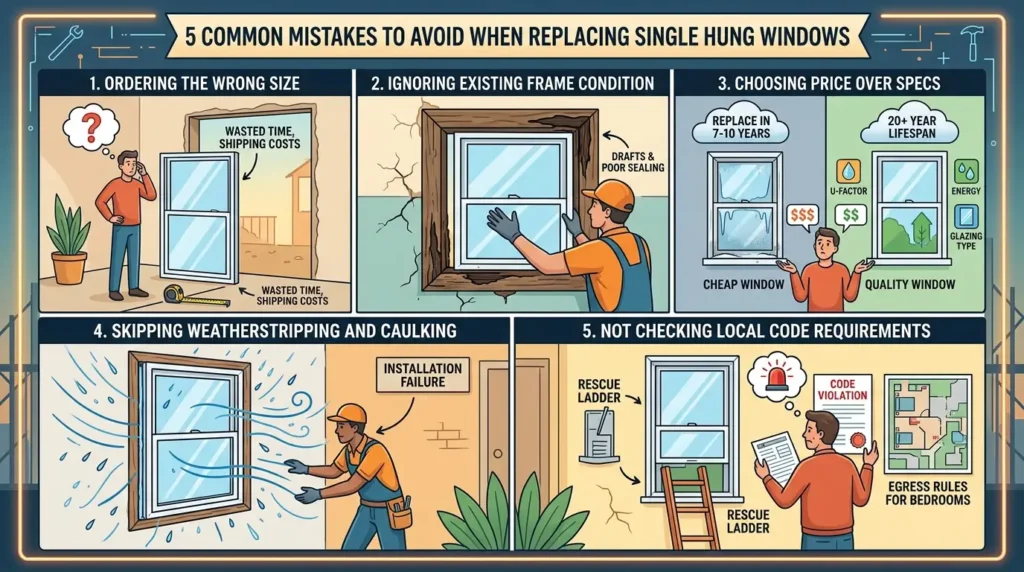
Common Mistakes to Avoid When Replacing Single Hung Windows

These are the errors that cost people time, money, or both:

1. Ordering the wrong size

Windows are manufactured to specific dimensions. If you order wrong, you’re paying for shipping both ways and waiting on a new order. Measure twice — or three times — before submitting.

2. Ignoring the existing frame condition

Dropping a new window into a rotted or out-of-square frame creates problems from day one: drafts, difficult operation, and poor sealing. Inspect the frame thoroughly before deciding on insert vs. full-frame replacement.

3. Choosing price over specs

The cheapest window isn’t always the worst, but buying solely on price without checking U-factor, glazing type, and frame construction can mean replacing the window again in 7–10 years instead of 20+.

4. Skipping proper weatherstripping and caulking

Even a quality window performs poorly if the installation isn’t sealed properly. Air and moisture infiltration at the edges defeats the purpose of upgrading.

5. Not checking local code requirements

Some municipalities have requirements around window egress dimensions, especially for bedrooms. Single hung windows have a fixed upper sash, which limits maximum opening — verify this meets code for the specific room before ordering.

Common Mistakes to Avoid When Replacing Single Hung Windows

Expert Tips for Getting the Best Results

  • Buy from a supplier who stocks the size you need — custom orders take longer and cost more
  • If replacing multiple windows, order all at once; batch orders often reduce per-unit cost
  • Consider the orientation of the window — south-facing windows benefit from lower SHGC to reduce heat gain; north-facing windows prioritize U-factor
  • For rental properties or high-traffic homes, prioritize frame durability and ease of cleaning over aesthetics
  • If you’re a builder sourcing multiple units, verify lead times before scheduling your install crew

If your project also includes larger fixed glass areas, you may want to read about picture window replacement options — they pair well with single hung windows in open living spaces.

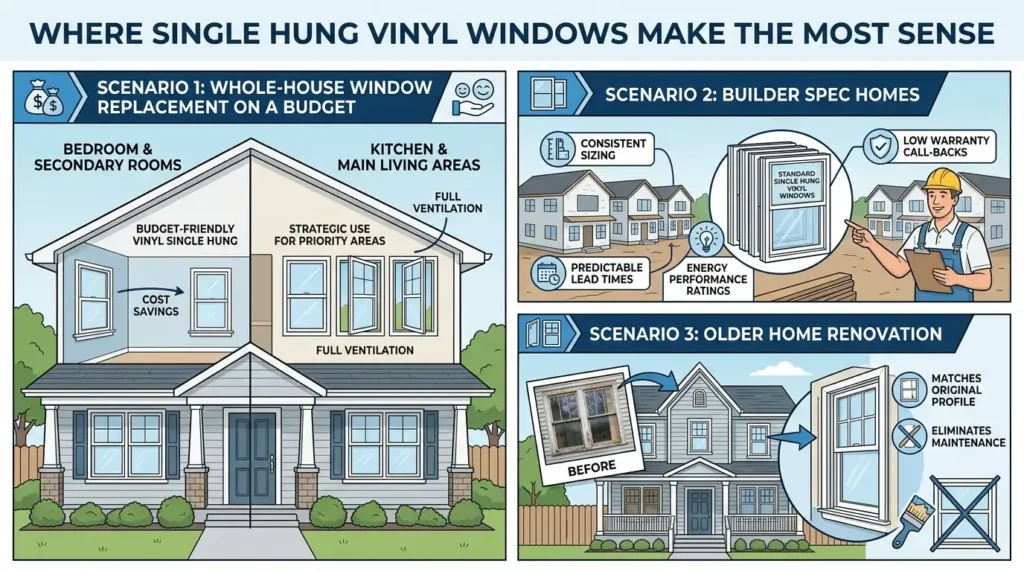
Real-World Scenarios: Where Single Hung Vinyl Windows Make the Most Sense

Scenario 1: Whole-house window replacement on a budget

A homeowner replacing 12 windows across a 1,960 sq ft home chose single hung vinyl windows for all bedroom and secondary rooms, reserving double hung units for the kitchen and main living areas where full ventilation was more important. The result was a significant cost saving without sacrificing comfort in the most-used spaces.

Scenario 2: Builder spec homes

A regional home builder standardized on a single hung vinyl window line for all spec homes below a certain price point. Consistent sizing, predictable lead times, and low warranty call-backs made the decision straightforward. Buyers appreciated the clean look and the energy performance ratings included in the listing materials.

Scenario 3: Older home renovation

An older home with original wood windows — single hung in design — required full-frame replacement due to frame rot. Vinyl single hung windows matched the original profile while eliminating the ongoing maintenance burden the homeowner had dealt with for years.

Real-World Scenarios

Frequently Asked Questions

What is the difference between a single hung and double hung window?

In a single hung window, only the bottom sash opens. In a double hung window, both the top and bottom sashes move. Double hung windows offer more ventilation options but typically cost more.

Are single hung vinyl windows energy efficient?

Yes — when they include double-pane glass, Low-E coating, and gas fill between panes. Look for a low U-factor (0.30 or below) and an appropriate SHGC for your climate.

How long do single hung vinyl replacement windows last?

Quality vinyl windows typically last 20–40 years with minimal maintenance. Frame life depends on UV resistance and wall thickness. Cheaper vinyl can degrade faster in extreme climates.

Can I replace a single hung window myself?

Insert replacements are manageable for experienced DIYers. Full-frame replacements typically require professional installation to ensure proper sealing, squareness, and waterproofing. Incorrect installation voids most warranties.

What sizes do single hung vinyl replacement windows come in?

Standard widths range from 24″ to 48″ and heights from 36″ to 72″, though this varies by manufacturer. Common nominal sizes like 3050 (30″ wide x 50″ tall) and 3060 (30″ wide x 60″ tall) fit many standard rough openings.

What Customers Are Saying

We replaced eight windows in our home and the difference in drafts and our heating bill was immediate. The vinyl frames look clean and we haven’t touched them since installation.
— David R., homeowner

As a contractor, I need windows that show up on time, fit right, and don’t come back as warranty calls. The single hung vinyl units from Spire have been consistent across three projects now.
— Marcus T., residential builder

I was nervous about getting the measurements right, but the team helped me confirm sizing before I ordered. The install went smoothly and the windows look great.
— Linda K., homeowner

Making the Right Call on Single Hung Vinyl Replacement Windows

Replacing your windows is one of those home improvements that pays you back every single day in comfort, energy savings, and peace of mind. Single hung vinyl windows hit a practical sweet spot: they’re built to last, easy to maintain, and available at price points that make sense whether you’re replacing one window or outfitting an entire build.

The key is going in informed. Know your measurements. Understand the glazing specs. Check the frame condition before you decide between insert and full-frame. And buy from a supplier who can actually answer your questions not just process your order.

If you’re ready to move forward, explore Spire Building Supplies‘ full range of single hung windows to find the right fit for your project or reach out directly if you need sizing guidance before you order.

About the Author

This article was written by the editorial team at Spire Building Supplies — a supplier with hands-on experience across residential and commercial window projects. The team draws on direct product knowledge, builder feedback, and real installation experience to provide practical, accurate guidance for homeowners and contractors making window decisions.

picture window replacement

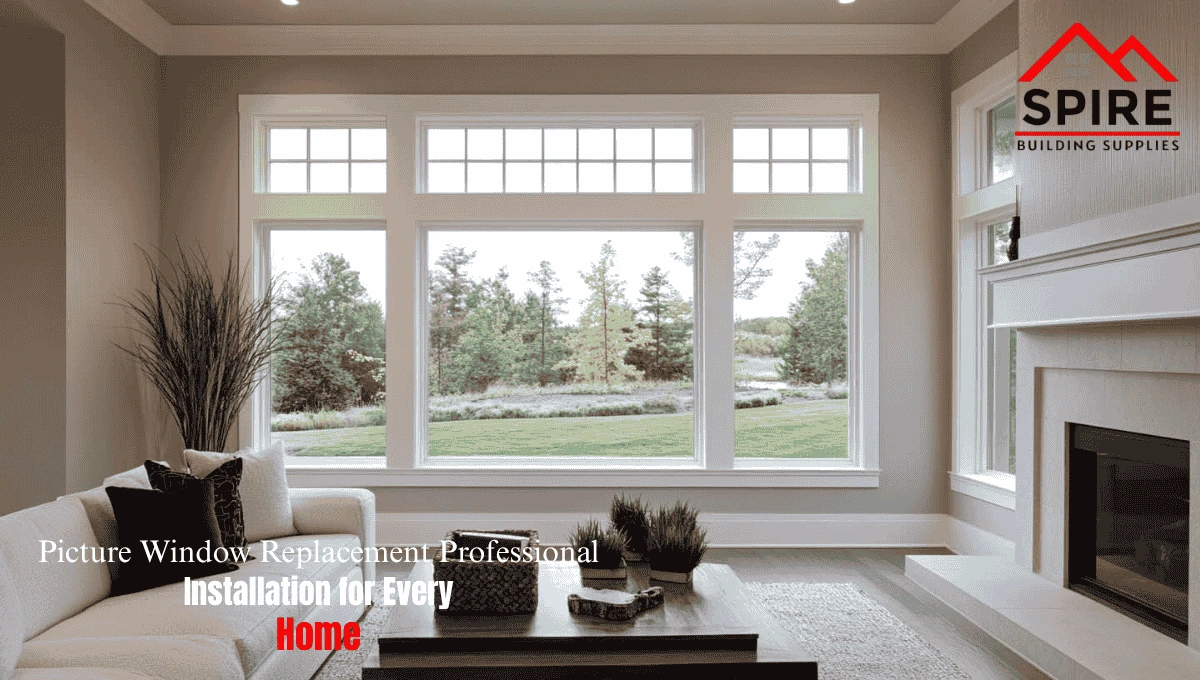
Picture Window Replacement Professional Installation for Every Home

If you’re noticing condensation between the glass, feeling cold drafts on otherwise warm days, or simply staring at a view through a scratched, faded, or yellowing frame your picture window is probably overdue for a replacement. A proper picture window replacement isn’t just a cosmetic upgrade. Done right, it can meaningfully improve your home’s energy efficiency, indoor comfort, and resale value.

This guide walks you through everything you need to know before you replace a picture window: what affects the outcome, what to watch out for, and how to make a decision you won’t regret in two years.

What Is a Picture Window, and Why Does It Matter?

A picture window is a fixed, non-operable window — it doesn’t open or close. It’s designed entirely to frame a view and let natural light into a space, which is why it’s typically large and installed in living rooms, dining areas, or anywhere a panoramic view makes sense.

Because they don’t have moving parts like casements or double-hungs, picture windows tend to have a simpler structure but that doesn’t mean they’re maintenance-free. Over time, seals fail, frames warp, and glazing technology becomes outdated. When that happens, replacing the window (rather than patching it) is almost always the right call.

Signs It’s Time to Replace Your Picture Window

You don’t always need a professional inspection to know something’s wrong. Here are the most reliable indicators:

  • Fogging or condensation between panes — This means the insulating seal has failed. The argon or krypton gas that improves thermal performance has escaped, and the unit is no longer doing its job.
  • Noticeable drafts near the frame — Even with a fixed window, a failing frame or poor installation can allow air infiltration.
  • Visible frame damage — Warping, rot (on wood frames), cracking, or discoloration that doesn’t clean off.
  • Higher energy bills without explanation — A degraded large picture window can be a significant source of heat loss in winter and heat gain in summer.
  • Difficulty maintaining comfortable indoor temperatures — If one room always feels colder or hotter than the rest of the house, the window is often the culprit.

If you’re seeing two or more of these signs, replacement is likely more cost-effective than repair.

Choosing the Right Replacement Window: What Actually Matters

This is where a lot of homeowners make costly mistakes buying on price alone, or choosing based on appearance without understanding performance specs. Here’s what to actually evaluate.

Frame Material

Vinyl is the most common choice for replacement picture windows, and for good reason. It’s durable, low-maintenance, thermally efficient, and holds up well in most climates. Quality vinyl frames won’t rot, peel, or require painting. Products like the INSPIRE VINYL PW 2850 and INSPIRE VINYL PW 2860 are purpose-built for residential replacement projects and offer a strong combination of structural performance and energy efficiency.

Wood frames offer excellent insulation and a classic look, but they require ongoing maintenance and are vulnerable to moisture damage in humid climates.

Aluminum is strong and slim-profiled, but conducts heat and cold readily — making it less energy-efficient unless thermally broken.

Fiberglass performs well in extreme climates and is dimensionally stable, but comes at a higher price point.

Glass Package

For most climates, double-pane Low-E glass with argon gas fill is the standard recommendation. It blocks UV rays, reduces heat transfer, and handles most seasonal temperature swings effectively. In colder regions or for large picture windows replacement projects, triple-pane glass may be worth the additional investment.

U-factor measures how well a window resists heat loss (lower is better). Solar Heat Gain Coefficient (SHGC) measures how much solar heat the window lets in — you want lower SHGC in hot climates and higher in colder ones.

Don’t just look at the center-of-glass rating. Ask for the whole-window U-factor, which accounts for the frame and is a more accurate real-world measure.

Size and Structural Considerations

Large picture windows require proper structural support. Before ordering a replacement, confirm that the rough opening and surrounding framing can accommodate the new unit — especially if you’re upsizing. This is a step where professional measurement matters, not just eyeballing.

The Replacement Process: What to Expect

Understanding how installation works helps you ask the right questions and catch problems early.

  1. Accurate Measurement

The replacement window must fit precisely within the existing rough opening, or adjustments to the framing are needed. A good installer measures in multiple places because older frames are rarely perfectly square.

  1. Removal of the Existing Window

The old unit is carefully removed — ideally without damaging the surrounding wall finish, trim, or interior finishes. If the existing installation used expanding foam or caulk that has hardened significantly, this step takes more care.

  1. Preparing the Opening

The installer checks the rough opening for rot, moisture damage, or structural issues. This is a critical checkpoint. Any water-damaged framing must be repaired before the new window goes in, or you’re sealing problems inside the wall.

  1. Installing the New Unit

The replacement window is set, leveled, shimmed, and secured. Proper shimming ensures the window operates correctly (even though picture windows don’t open, proper shimming prevents frame distortion that could compromise the seal).

  1. Flashing, Sealing, and Insulation

This is where many DIY installations — and some rushed professional ones — go wrong. Proper flashing around the window directs water away from the frame. The gap between the window and rough opening is filled with low-expansion foam or fiberglass insulation. Exterior caulk seals the perimeter.

  1. Interior Finishing

Trim is replaced or reinstalled, any patched drywall is finished, and the interior reveal is caulked and painted if needed.

Common Mistakes to Avoid

Measuring Wrong

Even being off by ¼ inch can cause fitment problems. Always measure the rough opening — height and width — at multiple points. Width at the top, middle, and bottom. Height on both sides. Use the smallest measurement.

Skipping the Flashing

Improper flashing is one of the leading causes of window-related water intrusion. It doesn’t show up immediately, but within a few years you’ll see rot, mold, or failed drywall. Don’t skip it, and don’t let an installer skip it either.

Choosing a Window Sized for Appearance Only

A large picture window with a poor U-factor or wrong SHGC for your climate will look great and perform poorly. Get the specs in writing before you buy.

Using High-Expansion Foam

Around windows, high-expansion spray foam can bow frames inward. Always use minimal-expanding or window and door rated foam.

Ignoring the Warranty Terms

Some window warranties are voided by improper installation. Read the terms before choosing your installer, and keep documentation of the installation.

Going the Full DIY Route on Large Windows

Replacing a small bathroom window is a manageable DIY project. Replacing a large picture window — especially on an upper floor or in a load-bearing wall area — involves real risk if you don’t know what you’re doing. Mishandled large glazing units can break, and improperly supported openings can cause structural issues.

How Long Should a Replacement Picture Window Last?

A quality vinyl picture window, professionally installed, should last 20 to 30 years — and often longer. The seal on an insulated glass unit (IGU) typically carries a warranty of 10 to 20 years depending on the manufacturer. Frame warranties vary, with many quality manufacturers offering lifetime warranties on the frame and hardware.

What shortens window lifespan most often: poor installation, water intrusion that wasn’t addressed, and glass units exposed to excessive thermal stress (like being directly shaded by an overhang on one side and fully exposed on the other).

Energy Efficiency and Cost Considerations

Replacing aging picture windows can reduce heating and cooling costs noticeably, especially if the existing windows are single-pane or have failed seals. According to the U.S. Department of Energy, heat gain and heat loss through windows accounts for 25–30% of residential heating and cooling energy use.

Factors that affect project cost:

  • Window size (larger = higher cost)
  • Frame material selected
  • Glass package (double vs. triple pane, specialty coatings)
  • Number of windows being replaced at once
  • Access difficulty (ground floor vs. upper story)
  • Whether existing framing needs repair
  • Regional labor rates

Replacing multiple windows at once often reduces the per-unit cost and minimizes the number of times installers need to mobilize.

Expert Tips From the Field

  • Order windows from a supplier who stocks or can quickly source the size you need. Custom large picture windows can have lead times of 3–6 weeks. Plan accordingly, especially before winter.
  • Photograph the rough opening before the new window goes in. If a problem emerges later, you’ll have documentation of what the framing looked like.
  • Don’t paint or caulk over weep holes. Weep holes in the frame allow any water that gets past the exterior caulk to drain out. Blocking them traps moisture.
  • Check the Low-E coating orientation. It matters which surface the coating is on. For most climates, it’s applied to the interior surface of the outer pane. A reputable supplier will confirm this.
  • Time your replacement for mild weather when possible. Open wall cavities in extreme cold or heat create discomfort and can affect the caulk and foam’s cure.

Real-World Use Cases

New Construction: A builder working on a custom home uses large picture windows in the main living area to frame a wooded backyard. Vinyl frames are chosen for their thermal performance and low long-term maintenance requirements. The window placement is coordinated with the HVAC design to account for solar gain.

Whole-Home Renovation: A homeowner replacing windows throughout an older bungalow prioritizes the large picture window in the living room first — it was original to the 1970s build and single-pane. After replacement with a double-pane Low-E unit, the room is noticeably warmer in winter and the condensation issue on the adjacent hardwood flooring (caused by the cold glass surface) disappears.

Energy Retrofit: A homeowner with rising utility bills identifies the large picture window on the south-facing wall as a major contributor to summer cooling load. A replacement window with a lower SHGC rating reduces the solar heat gain, and combined with other improvements, lowers the annual cooling bill meaningfully.

People Also Ask

How much does it cost to replace a picture window?

Costs vary considerably by size, frame material, and glass type. A standard residential picture window replacement including professional installation typically ranges from $400 to $1,200 or more for larger units. Custom sizes, premium glass packages, or difficult access can push costs higher.

Can a picture window be replaced without replacing the frame? Yes this is called an insert replacement. The new glazing unit fits inside the existing frame, which saves time and cost if the frame is still structurally sound. However, if the frame is damaged, rotted, or out of square, a full-frame replacement is the better choice.

How long does picture window replacement take?

Most single picture window replacements take 2–4 hours for a professional crew. Larger units, upper-floor installations, or situations requiring framing repair will take longer.

What is the most energy-efficient option for a large picture window?

Triple-pane glass with Low-E coating and argon or krypton gas fill, installed in a thermally broken or vinyl frame, offers the best thermal performance. For most climates, double-pane Low-E with argon is the practical standard that balances cost and performance well.

Do I need a permit to replace a picture window?

Requirements vary by municipality. Like-for-like replacements (same size, same location) often don’t require a permit in many jurisdictions. Structural changes like enlarging the opening typically do. Check with your local building department before work begins.

What Our Customers Say

We had a large picture window in the family room that had been fogging up for years. After replacing it with a vinyl unit from Spire, the difference in how warm the room feels in winter is remarkable. The installation team was thorough they repaired some minor framing rot before putting the new window in, which I really appreciated. — D. Kowalski, homeowner

As a builder, I need suppliers who can deliver quality product consistently and get me spec sheets quickly. Spire has been reliable on both fronts. The vinyl picture windows they carry perform well and our clients are happy with the long-term results. — R. Tran, residential builder

I was skeptical that swapping out one window would make a real difference. It did. The room that used to feel cold by the patio no longer has that chill near the glass. Straightforward process, no surprises. — M. Osei, homeowner

A Note on Related Home Improvement Projects

If you’re already planning a renovation that involves window replacement, it’s worth coordinating with other interior upgrades happening at the same time. Projects like luxury vinyl plank flooring installation often happen in the same renovation window and sequencing them correctly (windows before flooring, in most cases) saves time and protects your new materials from installation traffic.

About the Author

This article was developed by the editorial team at Spire Building Supplies, drawing on hands-on experience with residential window products, installation standards, and the practical questions homeowners and builders ask most often. Our goal is straightforward: give you accurate, useful information so you can make confident decisions — whether you’re replacing one window or outfitting an entire project.

For questions about specific product specifications or availability, visit spirebuildingsupplies.com or contact the Spire team directly.

readymade kitchen cabinets in Texas

Kitchen Storage Solutions with Readymade Cabinets in Texas

When it comes to optimizing kitchen space without overspending, readymade kitchen cabinets in Texas have become the go-to solution for homeowners who want efficiency, style, and reliability. Whether you’re remodeling a compact apartment kitchen in Austin or designing a spacious family kitchen in Houston, ready-to-install cabinetry offers a practical way to maximize storage while maintaining a clean, modern aesthetic.

At Spire Building Supplies, years of hands-on industry experience have shown that homeowners don’t just need cabinets—they need smart storage systems that simplify daily life. From better organization to faster installation timelines, readymade cabinets provide solutions that align with real-world needs in Texas homes.

Why Kitchen Storage Matters More Than Ever

A kitchen is no longer just a cooking space. It’s where families gather, meals are prepped, and daily routines unfold. However, poor storage design leads to clutter, inefficiency, and frustration.

That’s where well-planned cabinet systems make a measurable difference:

  • Reduce countertop clutter
  • Improve workflow between cooking zones
  • Maximize vertical and corner spaces
  • Keep essentials easily accessible

In Texas homes—where kitchens often serve as central living areas—efficient storage isn’t optional. It’s essential.

What Are Readymade Kitchen Cabinets?

Readymade kitchen cabinets, also known as stock or ready-to-install (RTI) cabinets, are pre-manufactured units available in standard sizes, finishes, and designs. Unlike custom cabinetry, they don’t require long production timelines.

Key Advantages:

  • Faster availability
  • Lower cost compared to custom cabinets
  • Consistent quality
  • Easier installation

For homeowners in Texas, where renovation timelines often need to stay tight, this is a major benefit.

Smart Storage Solutions Using Readymade Cabinets

Let’s move beyond basic storage and look at real, functional kitchen solutions that work in everyday life.

1. Vertical Storage Optimization

Most kitchens waste vertical space. Readymade cabinets allow you to extend storage upward with:

  • Tall pantry cabinets
  • Stacked wall cabinets
  • Overhead storage units

This is especially useful in urban Texas homes where square footage is limited.

2. Corner Cabinet Solutions

Corner spaces often become dead zones. However, modern cabinet designs solve this with:

  • Lazy Susan systems
  • Pull-out corner shelves
  • Diagonal cabinets

These solutions ensure no space goes unused.

3. Deep Drawer Systems

Instead of traditional shelves, deep drawers provide better accessibility.

Perfect for:

  • Pots and pans
  • Small appliances
  • Bulk groceries

Homeowners consistently report improved convenience after switching to drawer-based storage.

4. Pantry Cabinets for Bulk Storage

Texas households often buy in bulk. Pantry cabinets solve this challenge by offering:

  • Floor-to-ceiling storage
  • Adjustable shelving
  • Organized food zones

This creates a cleaner, more structured kitchen environment.

5. Integrated Organizational Features

Modern readymade cabinets come with built-in solutions such as:

  • Soft-close hinges
  • Pull-out spice racks
  • Trash and recycling compartments
  • Cutlery organizers

These features reduce daily friction and improve usability.

Popular Cabinet Styles in Texas Homes

Choosing the right style is just as important as functionality. Based on current trends and customer preferences, here are some popular options:

Jade Green Shaker – Cabinet
A bold yet elegant choice, this style works well in contemporary kitchens. It adds personality without overwhelming the space.

Jade Green Shaker - Cabinet

Milton Black Shaker – Cabinet
Ideal for modern and industrial designs, this cabinet creates a sleek, high-contrast look when paired with lighter countertops.

Milton Black Shaker - Cabinet

Milton Oak Shaker – Cabinet
A timeless option that brings warmth and natural texture. Perfect for traditional and transitional kitchen designs.

These styles are widely selected by Texas homeowners who want a balance between aesthetics and practicality.

Milton Oak Shaker - Cabinet

How to Choose the Right Readymade Cabinets in Texas

Not all cabinets are equal. To make the right decision, consider these factors:

1. Kitchen Size and Layout

Measure your space accurately. Poor measurements lead to wasted space or installation issues.

2. Storage Needs

Think about your daily habits:

  • Do you cook often?
  • Do you store bulk items?
  • Do you need more drawer space?

3. Material Quality

Look for:

  • Solid wood frames
  • Durable MDF panels
  • High-quality finishes

Texas weather can be humid in some regions, so durability matters.

4. Finish and Color

Choose finishes that:

  • Complement your flooring and walls
  • Reflect natural light
  • Match your overall home style

Cost of Readymade Kitchen Cabinets in Texas

Pricing varies based on size, material, and finish. However, here’s a general breakdown:

  • Basic cabinets: $2,500 – $5,000
  • Mid-range options: $5,000 – $10,000
  • Premium finishes: $10,000+

Compared to custom cabinets, readymade options can save up to 40–50%, making them a cost-effective solution for most homeowners.

Installation: DIY vs Professional

DIY Installation

Suitable if:

  • You have basic tools and experience
  • Your kitchen layout is simple

Professional Installation

Recommended for:

  • Complex layouts
  • Large kitchens
  • Precision alignment

At Spire Building Supplies, many customers prefer professional installation to ensure long-term durability and proper fitting.

Common Mistakes to Avoid

Even the best cabinets won’t perform well if mistakes are made during planning.

Avoid these:

  • Ignoring vertical space
  • Choosing style over functionality
  • Poor measurements
  • Overlooking storage needs

A balanced approach ensures both aesthetics and usability.

Why Homeowners Trust Spire Building Supplies

Choosing the right supplier matters just as much as choosing the cabinets.

Spire Building Supplies stands out because of:

  • Industry expertise backed by real project experience
  • Consistent product quality
  • Customer-focused solutions
  • Reliable inventory availability

Their approach isn’t just about selling cabinets—it’s about helping homeowners create kitchens that actually work.

Real Customer Testimonials

We needed a fast kitchen upgrade, and the readymade cabinets from Spire Building Supplies exceeded expectations. The storage space is amazing.
— Daniel R., Houston, TX

The Milton Oak Shaker cabinets gave our kitchen a warm, premium feel without breaking the budget.
— Sarah M., Dallas, TX

Installation was quick, and everything fit perfectly. The storage solutions made a huge difference in our daily routine.
— James T., Austin, TX

People Also Ask (PAA)

What are the benefits of readymade kitchen cabinets in Texas?
They offer affordability, faster installation, and reliable quality. They’re ideal for homeowners who want efficient solutions without long wait times.

Are readymade cabinets durable?
Yes, when made from quality materials like solid wood or high-grade MDF, they can last for many years with proper care.

How long does installation take?
Typically, 1–3 days depending on kitchen size and complexity.

Can I customize readymade cabinets?
While they come in standard sizes, you can mix and match styles, finishes, and configurations to suit your space.

Which cabinet style is best for modern kitchens in Texas?
Shaker-style cabinets, especially in black, oak, or bold colors like green, are highly popular due to their clean and versatile design.

Final Thoughts

Kitchen storage is one of the most overlooked aspects of home design, yet it has the biggest impact on daily life. With readymade kitchen cabinets in Texas, homeowners can achieve a perfect balance of affordability, efficiency, and style.

From maximizing vertical space to integrating smart storage features, the right cabinets can completely transform how your kitchen functions. And when sourced from a trusted provider like Spire Building Supplies, you’re not just improving your kitchen—you’re investing in long-term convenience and value.

See our full range of kitchen pantry doors; visit this page: Modern Kitchen Pantry Door Ideas That Blend Functionality & Style

Author Bio

Spire Building Supplies
Spire Building Supplies is a trusted name in kitchen and home improvement solutions across Texas. With hands-on industry experience and a focus on quality materials, the team helps homeowners achieve practical, long-lasting results tailored to real living spaces.

Modern Kitchen Pantry Door Ideas

Modern Kitchen Pantry Door Ideas That Blend Functionality & Style

In modern Texas homes, kitchen design is no longer just about layout—it’s about how smoothly every element works together in daily life. That is exactly where kitchen pantry door ideas become important, especially when homeowners want a balance between storage efficiency, durability, and visual appeal.

At Spire Building Supplies, we have seen a consistent demand from Texas homeowners who want pantry doors that don’t just close a space but improve how the kitchen functions. With strong expertise in interior door systems and real installation experience across residential projects, the brand has built trust by focusing on long-term usability, precise sizing, and dependable material selection.

Whether it’s a new build in Austin, a renovation in Dallas, or a compact kitchen upgrade in Houston, the right pantry door can completely change how your space feels and works.

Why Kitchen Pantry Door Design Matters in Texas Homes

Texas homes often feature open-plan kitchens, larger layouts, and strong natural lighting. However, even with more space, organization and flow still matter.

Homeowners in the USA typically look for:

  • Heat-resistant and durable materials
  • Clean, modern interior aesthetics
  • Easy access to pantry storage
  • Space-efficient door movement
  • Long-term structural stability

This is where well-planned kitchen pantry door ideas play a direct role in improving daily kitchen performance.

Expert-Recommended Kitchen Pantry Door Ideas

1. Shaker-Style Pantry Doors (Most Popular Choice)

Shaker doors are one of the most requested designs at Spire Building Supplies for Texas homes.

Their simple recessed panel structure makes them:

  • Visually clean
  • Easy to maintain
  • Compatible with modern and traditional kitchens

They work especially well in white, grey, and natural wood finishes, making them a flexible design option for homeowners who want long-term style consistency.

Shaker doors

2. Sliding Pantry Doors for Open Layout Homes

Sliding doors are highly practical in Texas homes with open kitchen layouts. Instead of swinging outward, they move along a track, saving space and improving movement flow.

This design works well in:

  • Open-concept kitchens
  • Narrow pantry corridors
  • Modern minimalist interiors

Additionally, sliding systems reduce door collision issues in high-traffic kitchens.

3. Hidden Pantry Doors for Seamless Interiors

Hidden pantry doors are becoming a strong design trend in premium Texas homes. These doors are built to blend into cabinetry or wall panels, making the pantry visually disappear.

This approach creates:

  • A cleaner kitchen appearance
  • Better visual continuity
  • A clutter-free environment

It is especially effective in luxury kitchen renovations.

Pantry doors

4. Glass Insert Pantry Doors for Light & Visibility

Glass panel pantry doors bring brightness into kitchen spaces. In Texas homes, where natural light is already strong, this design helps distribute light evenly.

Common variations include:

  • Frosted glass for privacy
  • Clear glass for display storage
  • Tinted glass for modern contrast

5. Barn-Style Pantry Doors for Character

Barn-style doors add a strong design statement while maintaining functionality. They are often used in farmhouse-inspired homes across Texas.

They offer:

  • Strong visual impact
  • Smooth sliding operation
  • Durable wood-and-metal construction

Choosing the Right Material for Texas Conditions

Material selection is critical due to temperature variations and daily usage patterns in Texas kitchens.

Common options include:

  • Moisture-resistant MDF: Budget-friendly and stable
  • Solid wood: Premium appearance with natural texture
  • Laminate finishes: Scratch-resistant and easy to clean
  • Wood + glass combinations: Modern and decorative

At Spire Building Supplies, product recommendations are based on real-world installation feedback, not just design trends.

Standard Pantry Door Sizes in United States Homes

Correct sizing ensures proper installation and long-term usability.

Most commonly used sizes include:

Choosing the right height ensures proper alignment with cabinetry and improves visual balance in the kitchen.

Functional Kitchen Pantry Door Ideas for Better Storage Access

Beyond appearance, functionality is the key factor in modern kitchen planning.

Effective design choices include:

  • Soft-close hinges for silent operation
  • Double-door pantry systems for wider access
  • Internal shelving integration behind doors
  • Magnetic closure systems for hidden designs
  • Ventilation panels for dry goods storage

These improvements directly enhance daily kitchen usability.

Kitchen Pantry Door Ideas for Small and Large Texas Kitchens

For small kitchens:

  • Sliding or pocket doors
  • Light-colored finishes
  • Minimal hardware designs

For large kitchens:

  • Double swing doors
  • Full-height pantry doors (Pantry door 8’0″ Height)
  • Glass panel feature doors

These variations ensure the design fits both space and lifestyle needs.

Style Matching Guide for Texas Interiors

Different kitchen styles require different pantry door approaches:

Modern kitchens:

  • Flat-panel or shaker doors
  • Matte finishes
  • Neutral tones

Farmhouse kitchens:

  • Barn-style doors
  • Wood grain textures
  • Warm color palettes

Luxury kitchens:

  • Full-height doors
  • Hidden pantry systems
  • Custom veneer finishes

Style Matching Guide for Texas Interiors

Expert Insight: Why Function Should Lead Design

Many homeowners initially focus only on appearance, but long-term satisfaction depends on usability. A well-planned pantry door should:

  • Support daily kitchen movement
  • Match storage behavior
  • Withstand humidity and frequent use
  • Maintain alignment with kitchen design

At Spire Building Supplies, recommendations are based on real installation experience across multiple USA residential projects, ensuring practical performance—not just visual appeal.

Customer Testimonials

David M., Houston, Texas:
Spire helped me choose a shaker pantry door for my kitchen remodel. The fit, finish, and overall quality were exactly what I expected for a modern home.

Lauren K., Dallas, Texas:
I went with a sliding pantry door based on their recommendation. It made a huge difference in my kitchen space, especially with kids around.

Robert J., Austin, Texas:
The sizing advice for Pantry door 8’0″ Height was accurate. Installation was smooth, and everything aligned perfectly with my kitchen cabinets.

People Also Ask (PAA)

What are the best kitchen pantry door ideas for modern homes?
Sliding, shaker, and hidden pantry doors are widely used because they combine space efficiency with clean design.

Which pantry door is best for Texas kitchens?
Moisture-resistant MDF and solid wood shaker doors are commonly recommended due to durability and climate conditions.

What size pantry door should I choose?
Most homes use a 6’8″ height pantry door, while larger modern homes often use an 8’0″ height pantry door for better proportion.

Are sliding pantry doors practical?
Yes, they are ideal for saving space and improving movement flow in open-plan kitchens.

Final Thoughts

Strong kitchen design starts with details that often go unnoticed—like pantry doors. The right kitchen pantry door ideas can improve space efficiency, simplify storage access, and enhance the overall kitchen experience in Texas homes.

From shaker designs to sliding systems and full-height modern layouts, every choice should balance function with long-term durability. With guidance from Spire Building Supplies, homeowners can make confident decisions that suit both style preferences and real-world kitchen needs.

To view a related range of mahogany brown doors, visit this page: Mahogany Brown Door Finishes: Matte, Glossy & Stained Options Explained

Author Bio

Published by Spire Building Supplies, a trusted name in interior doors and home improvement solutions in the USA. The brand focuses on practical design guidance, quality materials, and real-world installation experience for modern residential spaces, especially across Texas.

Back to Top

Search For Products

Product has been added to your cart