Best Building Material Supplier in Texas

How to Avoid Common Mistakes When Choosing the Best Building Material Supplier

Introduction: The Costly Mistake Most Homeowners Realize Too Late

Choosing the best building material supplier can make or break your entire project — yet most homeowners don’t realize this until problems start showing. One homeowner shared, “Everything looked perfect at first… but within months, the flooring peeled, the doors warped, and the windows started leaking.”

The issue wasn’t design or installation — it was the wrong supplier.

This is exactly why experienced builders and homeowners prefer working with trusted suppliers like Spire Building Supplies, where quality, consistency, and expert guidance come first. In this guide, you’ll learn how to avoid costly mistakes and choose materials that actually last.

What Is the Best Building Material Supplier? (Quick Definition)

A best building material supplier is a reliable provider of home building & renovation supplies that offers high-quality materials like windows, doors, floorings, trims, cabinets, and quality accessories — backed by verified specifications, warranties, and expert guidance for long-term performance.

Why Your Supplier Matters More Than the Material

Here’s a reality most people ignore:

The same flooring or door can perform completely differently depending on the supplier.

A trusted supplier ensures:

  • Accurate material thickness & composition
  • Proper storage and handling
  • Consistent quality standards
  • Reliable after-sales support

Suppliers like Spire Building Supplies focus on consistency across all categories — which is why professionals avoid switching vendors mid-project.

Common Mistakes (And How to Avoid Them)

1. Choosing Based Only on Price

Cheap materials often mean:

  • Thinner floorings
  • Weak door cores
  • Poor window insulation

✔ Expert Tip: Always compare cost vs lifespan, not just upfront price.

2. Ignoring Technical Specifications

Most buyers focus on looks — not performance.

Key specs to check:

  • Flooring wear layer (12–20 mil recommended)
  • Thickness (laminate: 8–12 mm, vinyl: 4–6 mm)
  • Door core (solid vs hollow)
  • Window glazing (double-glazed preferred)

3. Buying from Multiple Suppliers

This leads to:

  • Color mismatches
  • Size inconsistencies
  • Uneven quality

✔ Real Insight: Contractors prefer one trusted supplier for full-home consistency.

4. Ignoring Durability & Environment

Not all materials suit every condition.

Examples:

  • MDF cabinets fail in moisture-prone kitchens
  • Low-grade vinyl scratches easily
  • Cheap trims crack over time

5. Skipping Warranty & Support

If something fails, you’re stuck.

Always ask:

  • Warranty coverage
  • Replacement policy
  • Installation guidance

Supplier Comparison: Local Dealer vs Professional Supplier

Feature Local Dealer Best Building Material Supplier
Product Range Limited Complete (Windows, Doors, Floorings, etc.)
Quality Inconsistent Standardized
Warranty Rare Available
Guidance Minimal Expert-level
Long-Term Value Low High

This is why many homeowners shift to trusted providers like Spire Building Supplies after bad experiences.

Material Deep Dive (What Experts Actually Check)

Flooring

  • Thickness: 8–12mm (laminate), 4–6mm (vinyl)
  • Wear Layer: 12–20 mil
  • Lifespan: 10–20 years

✔ Higher wear layer = better scratch resistance

Doors

  • Solid core: Durable + soundproof
  • Engineered wood: Balanced cost & performance
  • Iron doors: Maximum security + premium look

Windows

  • Double-glazed: Energy efficient
  • uPVC vs Aluminum:
    • uPVC = better insulation
    • Aluminum = stronger, modern design

Cabinets

  • Plywood: Best for durability & moisture resistance
  • MDF: Budget-friendly but less durable

Trims & Quality Accessories

  • High-density trims last longer
  • Stainless steel accessories resist rust and wear

Cost vs Value: What Smart Buyers Understand

Factor Cheap Materials Quality Supplier Materials
Upfront Cost Low Moderate
Maintenance High Low
Lifespan Short Long
ROI Poor Strong

Spending 15–20% more upfront can save double the cost in repairs later.

What Sets a Trusted Supplier Apart

From real project experience:

  • The biggest failures come from inconsistent quality, not installation
  • Cheap accessories (hinges, handles) fail faster than major components
  • A reliable supplier recommends based on:
    • Climate
    • Usage
    • Budget

Suppliers like Spire Building Supplies stand out because they don’t just sell — they guide customers toward long-term solutions.

Practical Checklist Before You Buy

Before choosing a supplier, ask:

  • Do they offer full-category materials (windows, doors, floorings, etc.)?
  • Are specifications clearly defined (thickness, wear layer)?
  • Do they provide warranties?
  • Can they guide based on your project needs?
  • Do they have real customer feedback?

Customer Testimonials

Daniel Harris (Contractor)
I’ve worked with multiple suppliers, but Spire Building Supplies stands out for consistency. I know exactly what quality I’m getting every time.

Rebecca Moore (Homeowner)
Spire helped me choose the right flooring and cabinets. It saved me from making a costly mistake.

People Also Ask (PAA)

1. How do I choose the best building material supplier?
Check quality, specifications, warranty, and expert guidance.

2. Why is a good supplier important?
It ensures durability, safety, and long-term cost savings.

3. What materials should a supplier offer?
Windows, doors, floorings, trims, cabinets, and quality accessories.

4. Are premium materials worth it?
Yes, they last longer and reduce maintenance costs.

5. What should I check before buying?
Thickness, wear layer, durability, and supplier reputation.

Conclusion: Build Once, Build Right

Choosing the best building material supplier isn’t just about buying materials — it’s about making a smart, long-term investment.

The right supplier ensures:
✔ Better durability
✔ Consistent quality
✔ Lower maintenance
✔ Higher home value

For homeowners and professionals looking for reliability and expert guidance, Spire Building Supplies offers trusted home building & renovation supplies designed to deliver lasting performance.

Author Bio

Spire Building Supplies Team
With years of experience in home building & renovation supplies, Spire Building Supplies provides high-quality windows, doors, floorings, trims, cabinets, and accessories. Their focus is on helping customers make informed decisions that ensure durability, style, and long-term value.

Right Iron Door

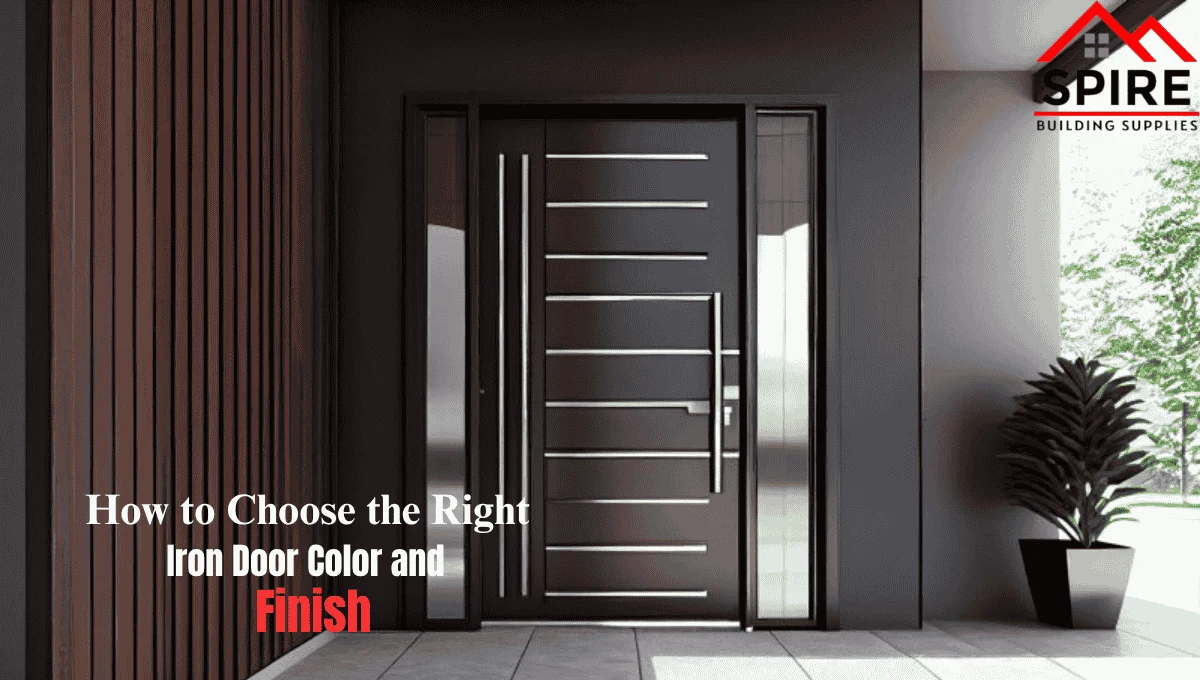
How to Choose the Right Iron Door Color and Finish

Choosing the right iron door isn’t just about looks—it’s about making a statement that lasts for decades. Many homeowners in Texas install a beautiful wrought iron door… only to regret the color or finish within a year. It fades, clashes with the exterior, or shows wear too quickly under harsh sun exposure.

Here’s the truth:
The wrong finish can ruin even the most expensive iron door.

In this guide, you’ll learn exactly how to choose a color and finish that not only looks stunning on day one but also still performs years later.

What Is the “Right Iron Door”?

The Right Iron Door is one that balances aesthetics, durability, climate suitability, and long-term maintenance—ensuring it complements your home’s architecture while resisting wear from weather, sunlight, and daily use.

Why Color & Finish Matter More Than You Think

Most homeowners focus on design, but professionals know finish is where performance lives.

A high-quality finish impacts:

  • Heat resistance (critical in Texas)
  • Rust protection
  • Maintenance frequency
  • Overall lifespan

A poorly finished door can start fading or corroding in as little as 12–24 months.

Popular Iron Door Colors (And When to Choose Them)

1. Matte Black (Timeless & Low Maintenance)

Best for: Modern, farmhouse, and traditional homes

Pros:

  • Hides dust and fingerprints
  • Matches almost any exterior palette
  • Minimal fading over time

Cons:

  • Can absorb heat in direct sunlight
  • Less “unique” if you want a standout look

2. Oil-Rubbed Bronze (Warm & Classic)

Best for: Mediterranean and Spanish-style homes

Pros:

  • Rich, luxurious appearance
  • Ages beautifully with subtle patina
  • Complements stone and stucco

Cons:

  • Slightly higher maintenance
  • May show uneven wear in extreme sun

3. Dark Brown / Espresso (Balanced & Versatile)

Best for: Suburban and contemporary homes

Pros:

  • Softer than black
  • Works well with wood accents
  • Less heat absorption than black

Cons:

  • Can look dull if finish quality is low

4. Custom Painted Finishes (Bold Statement)

Best for: Unique architectural homes

Pros:

  • Full customization
  • Strong curb appeal

Cons:

  • Higher cost
  • Requires premium coating for durability

Iron Door Finish Types: A Real Comparison

Finish Type Durability Maintenance Best Use Case
Powder Coating Excellent Low Texas heat & sun exposure
Painted Finish Moderate Medium Budget-friendly projects
Hand-Applied Patina High Medium Luxury custom homes

Powder Coating vs Painted Finish (Expert Insight)

Powder Coating

  • Baked-on finish (industrial-grade)
  • Resistant to chipping, fading, and rust
  • Ideal for Texas climate

Painted Finish

  • More affordable upfront
  • Prone to peeling over time
  • Requires repainting every few years

Verdict: Powder coating delivers the best long-term value—even if it costs more upfront.

Glass Options That Affect Appearance of your glass style:

Lite French Exterior Wrought Iron Prehung Door

  • Elegant and symmetrical
  • Works best with black or bronze finishes

Sandblast Glass Single Exterior Wrought

Your finish and color should align with the iron door.

  • Offers privacy
  • Pairs well with darker tones

Single Exterior Wrought Iron Door

  • Versatile design
  • Can handle both bold and neutral finishes

Material & Thickness: What Most Blogs Don’t Tell You

Not all iron doors are built the same.

Recommended Specs:

  • Iron Thickness: 12–14 gauge steel
  • Glass Thickness: Double-pane insulated glass
  • Frame Depth: 5–6 inches for stability

Thicker steel = better security + longer lifespan

Durability & Performance Factors

In Texas, your iron door faces:

  • Intense UV exposure
  • Humidity changes
  • Dust and debris

What to Look For:

  • UV-resistant coating
  • Anti-rust treatment
  • Thermal break technology (reduces heat transfer)

Maintenance & Lifespan

Expected Lifespan:

  • Powder-coated iron door: 15–25 years
  • Painted door: 5–10 years

Maintenance Tips:

  • Clean monthly with mild soap
  • Inspect finish annually
  • Re-seal if needed (every few years)

Cost vs Value Breakdown

Option Initial Cost Long-Term Value
Painted Door Lower Higher maintenance costs
Powder-Coated Door Higher Best ROI over time

Spending 15–20% more upfront can save thousands in refinishing.

Safety Considerations

A quality iron door should include:

  • Heavy-duty locking system
  • Reinforced frame
  • Tempered or laminated glass

Bonus Tip: Frosted or sandblast glass adds privacy without sacrificing light.

Expert Insights (From Real-World Experience)

From years of working with Texas homeowners:

  • South-facing doors fade faster—always choose UV-resistant finishes
  • Matte finishes outperform glossy in harsh climates
  • Dark colors last longer but require proper coating

One homeowner switched from painted bronze to powder-coated black—and reduced maintenance by 70%.

Common Mistakes to Avoid

  • Choosing color based only on trends
  • Ignoring sun exposure direction
  • Skipping powder coating to save money
  • Mismatching finish with home style
  • Not considering glass + finish combination

Real Customer Experiences

James R., Dallas
We chose a matte black powder-coated door, and after 3 years it still looks brand new.

Linda M., Houston
Our first painted door faded quickly. Switching to bronze powder coating made a huge difference.

Carlos T., Austin
The sandblasted glass with a dark finish gave us both privacy and style—exactly what we needed.

People Also Ask (PAA)

1. What is the best color for an iron front door?
Matte black and oil-rubbed bronze are the most durable and versatile options.

2. Does iron door color fade in the sun?
Yes, but powder-coated finishes significantly reduce fading.

3. How long do iron door finishes last?
Powder coating can last 15–25 years with minimal maintenance.

4. Are dark iron doors better than light ones?
Dark doors hide wear better but may absorb more heat.

5. What finish is best for Texas weather?
Powder coating is the most durable and weather-resistant choice.

Final Thoughts: Choosing Smart, Not Just Stylish

The Right Iron Door isn’t just about what looks good today—it’s about what still performs years from now.

If you want:

  • Long-term durability → choose powder coating
  • Low maintenance → go matte
  • Timeless style → stick with black or bronze

See our exclusive collection of double patio doors; visit this page: Top Double Patio Doors Styles That Boost Curb Appeal and Home Value

Ready to Upgrade Your Entry?

At Spire Building Supplies, we help Texas homeowners choose iron doors that combine beauty, durability, and real-world performance.

Explore premium options designed specifically for harsh climates—and make a choice you won’t regret.

Author Bio

Spire Building Supplies Team
With years of hands-on experience in exterior building materials, the Spire Building Supplies team specializes in helping homeowners across Texas choose durable, high-performance doors and finishes that stand the test of time. Their insights are based on real installations, customer feedback, and industry expertise.

single hung windows for sale

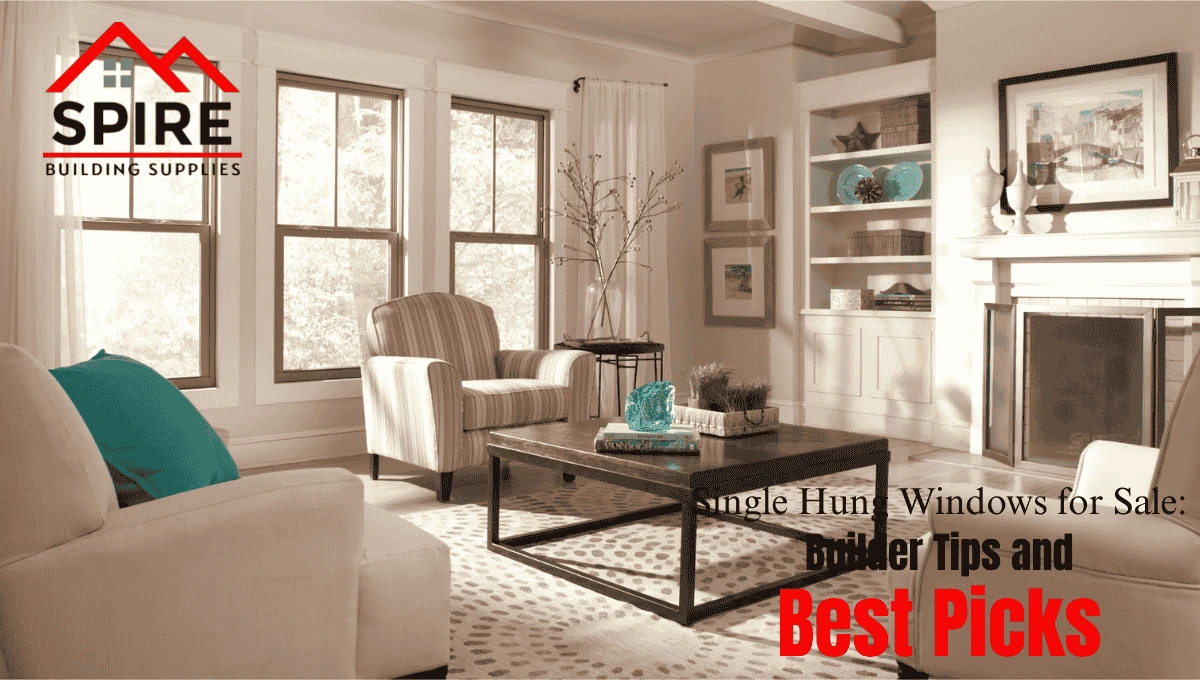
Single Hung Windows for Sale: Builder Tips and Best Picks

Sourcing the right windows for a build or renovation project sounds straightforward until you’re knee-deep in frame options, glass packages, and size charts and suddenly a simple purchase becomes an afternoon of second-guessing. If you’re searching for single hung windows for sale and want to cut through the noise, this guide is written for exactly that: contractors and homeowners who need practical answers, not a generic product overview.

You’ll find a clear breakdown of what sets good single hung windows apart, how to evaluate options before committing, where builders tend to go wrong, and which specific product configurations are worth considering for standard and taller rough openings.

Single Hung Windows: The Basics Worth Knowing

A single hung window has two sashes upper and lower but only the lower one moves. You slide it up to ventilate, pull it down to close. The upper sash is fixed. That’s the entire mechanism, and its simplicity is exactly why these windows have remained a go-to choice across residential construction for decades.

Understanding that distinction matters when you’re comparing window types. Double hung windows where both sashes operate cost more, have more parts, and require more maintenance. For most bedrooms, living rooms, and ground-floor applications, the added complexity of a double hung buys you very little practical benefit.

Single-hung windows come in a range of frame materials: aluminum, wood, fiberglass, and vinyl. Single hung vinyl windows dominate the replacement and new construction market for good reason they’re thermally efficient, virtually maintenance-free, and available in standardized sizes that make sourcing and installation predictable.

Single Hung vs Double Hung: The Short Version

  • Single hung: only the lower sash moves simpler, less expensive, fewer points of failure
  • Double hung: both sashes move better for high-moisture rooms, easier interior cleaning, higher cost
  • For bedrooms, offices, and standard living spaces: single hung is the practical choice in most cases
  • For bathrooms, kitchens, or upper-floor windows you clean from inside: double hung earns its extra cost

What Actually Matters When You’re Evaluating Single Hung Windows for Sale

Not all single hung windows perform the same way, and the price difference between a decent window and a poor one often comes down to details buyers don’t check until it’s too late. Here’s what to look at seriously before ordering:

Frame Material and Construction

Vinyl is the default choice for most projects, and for good reason. It doesn’t rot, doesn’t require painting, holds its shape in humidity, and insulates well. The key quality differentiator in vinyl frames isn’t the material itself it’s the wall thickness of the frame profiles and the quality of the corner welds. Thin-walled frames and poorly fused corners are where budget vinyl windows fail after a few years.

Fusion-welded corners (where the frame pieces are heat-bonded rather than mechanically fastened) create a stronger, more airtight joint. Look for this detail specifically on lower-cost options.

Glass Package: Where the Real Performance Lives

The frame holds the window; the glass determines how it performs. For any climate where heating or cooling costs matter, the glass package should include:

  • Double-pane insulated glass unit (IGU) as a minimum single-pane is only appropriate for unheated outbuildings
  • Argon gas fill between panes improves thermal insulation over air-filled units at minimal cost
  • Low-E coating reduces solar heat gain in warm climates, limits heat loss in cold climates
  • Triple-pane worth considering in climates with extreme winters, but adds cost and weight

ENERGY STAR certification is a reliable shortcut if you don’t want to evaluate glass specs directly. Certified products have been independently tested to performance standards appropriate for different climate zones.

Sizing and Rough Opening Accuracy

Single hung windows are highly standardized, which is part of their appeal for single hung windows replacement projects. Standard widths run from 24 to 36 inches; heights from 36 to 72 inches, with taller options available for newer construction profiles.

The critical measurement is always the rough opening the framed hole in the wall not the old window unit. These often differ, especially in older homes where frames may have settled or been shimmed. Measure width at three heights and height at three widths; use the smallest reading to determine what size window will fit without forcing.

For standard openings, the INSPIRE VINYL SH 3050 (30″ x 50″) covers a very common residential size used across bedroom and living area applications. If your opening runs taller — common in newer construction and some renovation projects the INSPIRE VINYL SH 3060 (30″ x 60″) accommodates that extra height without moving to a custom order.

Hardware Quality

The locking mechanism on a single hung window has one job: hold the lower sash firmly closed and sealed. Cam locks and tilt latches should engage cleanly with no play. If a window’s hardware feels loose or misaligned in the box, it will only get worse after installation when thermal expansion and contraction do their work over seasons.

Check that the lock engages flush with the sash rail. A gap means the sash isn’t fully compressing the weatherstripping and that gap is where conditioned air escapes.

Warranty Terms

Read the warranty, not just the headline number. A “lifetime warranty” that excludes seal failure, only covers the original purchaser, or limits coverage to parts only is substantially weaker than it sounds. Look specifically for coverage on the insulated glass unit seal (fog between panes is the most common failure mode) and the balance mechanism on the lower sash.

Honest Pros and Cons of Single Hung Windows

Where They Perform Well

  • Cost-effective consistently less expensive than double hung, with savings that compound across a full-house project
  • Low maintenance vinyl frames need nothing beyond periodic cleaning; no painting, sealing, or refinishing
  • Durable fewer moving parts means fewer things to wear out or fail over a 20–40 year lifespan
  • Energy efficient fixed upper sash reduces potential air infiltration points; quality glass packages perform very well thermally
  • Widely available standardized sizing makes sourcing fast; lead times are shorter than custom or less common window types

Where They Fall Short

  • Limited ventilation only the lower half opens; no top-and-bottom airflow like double hung allows
  • Harder to clean from inside the upper sash doesn’t tilt in, so exterior cleaning on upper floors requires outside access or a long-handled tool
  • Not ideal for high-moisture rooms bathrooms and kitchens benefit from the upper-sash ventilation option that single hung can’t provide
  • Upper sash damage typically means full replacement if the fixed pane breaks, you’re usually replacing the entire window unit

Common Mistakes Builders and Homeowners Make When Buying Single Hung Windows

Ordering to the Wrong Measurement

Ordering to the size of the existing window rather than the rough opening is the most common and most avoidable mistake. Old windows are often slightly smaller than the nominal rough opening they were installed into and replacement window inserts are sized to fit into that existing frame, not the rough opening directly. Know which scenario you’re ordering for before you place the order.

Underestimating the Glass Package

Two vinyl windows can look nearly identical on a spec sheet and perform dramatically differently in thermal efficiency. Frame quality is table stakes at any reputable supplier; glass package is where the performance gap opens up. A budget window with single-pane glass or no Low-E coating will cost more in energy bills within a few years than the premium spent on a better unit.

Skipping Air Sealing During Installation

A well-made window installed without proper air sealing performs like a poor window. The perimeter between the window frame and the rough opening needs to be sealed — typically with low-expansion foam, backer rod, and exterior caulk — to prevent air infiltration and moisture intrusion. This step is frequently skipped on DIY installs and rushed on production builds. It matters more than most people realize.

Ignoring Egress Requirements for Bedrooms

Any operable window in a sleeping room must meet minimum egress dimensions: the clear opening needs to be at least 5.7 square feet, with a minimum height of 24 inches and minimum width of 20 inches. Single hung windows can meet these requirements — but only if sized correctly for the application. Verify before ordering for any bedroom window.

Placing Single Hung Windows in the Wrong Rooms

Installing single hung in a bathroom or above a kitchen range isn’t a structural mistake, but it’s a daily functional frustration. Those spaces generate moisture and need top ventilation. It’s the kind of decision that feels fine at the time and becomes a complaint from every homeowner six months later.

Buying Without Checking Local Stock

Searching for single hung windows near me isn’t just about convenience — it’s about lead time and return logistics. A window that ships from across the country with a two-week lead time creates problems on a build schedule if sizing or damage issues arise. Local suppliers with stocked inventory give you the ability to inspect, exchange, and move faster when needed.

Builder Tips for Getting Single Hung Windows Right

  • Order 5–10% extra on large projects — damaged units, mis-measurements, and change orders happen; having a spare on-site beats a two-week wait
  • Inspect every unit before installation — check for shipping damage, glass clarity, and hardware function before the window goes in the wall
  • Prime and seal the rough opening sill before setting the window — the sill is the most vulnerable point for moisture intrusion, especially in wood-framed construction
  • Use low-expansion foam at the perimeter — high-expansion foam can bow vinyl frames during cure; low-expansion is the correct product for window rough openings
  • Level the sill plate, not just the window — a window that’s level but sitting on an unlevel sill will rack over time, causing the lower sash to bind
  • Document serial numbers and installation dates — warranty claims require purchase proof and installation timing; keep a project record from day one

Where Single Hung Windows Make the Most Sense in Real Projects

Production Residential Builds

Builders working on production residential projects tract homes, townhomes, entry-level construction use single hung windows consistently for a simple economic reason: the per-unit savings over double hung, multiplied across 20 or 30 windows per home, is a meaningful line item. Performance doesn’t suffer in the locations where these windows are used (bedrooms, living areas, garages), and the standardized sizing keeps installation moving.

Browse Spire Building Supplies’ full range of single hung windows to compare in-stock options suitable for production builds and one-off replacement projects alike.

Single Window Replacements in Existing Homes

When one window fails seal failure, broken glass, hardware that won’t latch — homeowners need a replacement unit that fits the existing opening without a full frame-out. Single hung vinyl windows in standard sizes handle this well. The insert replacement approach (dropping a new window into the existing frame) is faster and less disruptive than a full-frame replacement, and single hung units in standard sizes are almost always in stock at building supply suppliers.

Accessory Dwelling Units (ADUs) and Garage Conversions

ADU projects and garage conversions often run on tight budgets with straightforward ventilation needs. Single hung windows check both boxes they’re cost-effective and they work perfectly well in the bedroom and living applications these spaces typically include. The predictable sizing also helps when working with non-standard wall framing that’s common in garage conversion projects.

Full-House Replacement Projects

Replacing all the windows in an older home is one of the higher-impact home improvement investments for energy performance. Single-hung windows with modern glass packages — double-pane, argon-filled, Low-E coated dramatically outperform the single-pane aluminum or wood windows common in homes built before the 1990s. The payback in reduced heating and cooling costs is real, and the installation process is relatively fast with standardized sizing.

If you’re also replacing exterior doors as part of the same project, Spire’s guide on installing a pre-hung exterior door covers what to expect for that work useful context if you’re weighing DIY versus contractor installation across the full project scope.

FAQ

What sizes do single hung windows come in?

Standard single hung windows range from about 24 to 48 inches wide and 36 to 72 inches tall. Common residential sizes cluster between 24 and 36 inches wide. Some manufacturers offer taller units up to 84 inches for newer construction profiles. Always measure your rough opening before ordering not the existing window unit.

How much do single hung windows cost?

Single hung vinyl windows typically range from $80 to $300 per unit for standard residential sizes, depending on the glass package, frame quality, and supplier. Installation adds cost if you’re hiring out. Full-frame replacement (tearing out the existing frame) costs more than an insert replacement. Budget projects and production builders often see lower per-unit costs when ordering in volume.

Can I install a single hung window myself?

Yes, for experienced DIYers especially insert replacements where the existing frame stays. The process involves removing the old window, preparing the opening, setting and leveling the new unit, fastening, and air sealing. The most common DIY errors are inadequate air sealing and improper shimming. Full-frame replacements are more involved and usually warrant a professional if you haven’t done them before.

How long do single hung vinyl windows last?

Quality single hung vinyl windows typically last 20 to 40 years. The frame itself rarely fails first — the insulated glass seal (which causes fogging between panes) and the balance mechanism on the lower sash are the most common service items. Good warranties cover glass seal failure for 10 to 20 years. Annual cleaning and lubricating the sash channel extend the operating hardware’s life.

What’s the difference between single hung windows and single pane windows?

These are different things. Single hung refers to the operating style — one sash moves, one is fixed. Single pane refers to the glass construction — one layer of glass with no insulating air or gas space. Most modern single hung windows use double-pane insulated glass. Single-pane glass is only appropriate for unheated or unconditioned spaces and isn’t code-compliant for habitable rooms in most jurisdictions.

What Builders and Homeowners Say

We spec Spire’s single hung vinyl windows on all our entry-level builds. The sizing is consistent, the lead times are reliable, and we’ve had zero callbacks related to window performance across 60-plus units. That kind of track record matters when you’re running a production schedule.

— Residential Builder, Pacific Northwest

I replaced 11 windows in my 1978 ranch myself over a long weekend. The insert sizing matched perfectly on 10 of the 11 openings — the one that was slightly off I caught before ordering because I’d measured carefully. The energy difference that first winter was immediate and obvious. I wish I’d done it sooner.

— Homeowner, Colorado

I was going back and forth between single and double hung for our ADU project. The price difference per unit wasn’t huge, but across 8 windows it added up. Single hung made sense for the bedrooms and living area, and we put a double hung in the bathroom. That split decision was the right call.

— ADU Project Owner, California

Final Thoughts

Single hung windows for sale are plentiful the challenge isn’t finding them, it’s knowing what actually separates a window worth buying from one that’s going to cause problems. Frame construction, glass package, accurate sizing, and air sealing during installation determine real-world performance far more than the brand name or the price point.

Use this guide to evaluate options with clarity rather than going on marketing language or the cheapest available price. The right window for your project is the one that fits the opening correctly, performs thermally for your climate, and is backed by warranty terms you’ve actually read.

For in-stock single hung vinyl windows in the most common residential sizes and knowledgeable staff who understand production build requirements and replacement project specifics explore Spire Building Supplies’ single hung window catalog.

About the Author

This article was written by the editorial team at Spire Building Supplies a building materials supplier with hands-on experience helping contractors and homeowners source windows, doors, and exterior materials for residential construction and renovation projects. Our content is grounded in real product knowledge and the practical questions builders and homeowners ask when they’re actually planning a project not in keyword strategy or generic overviews.

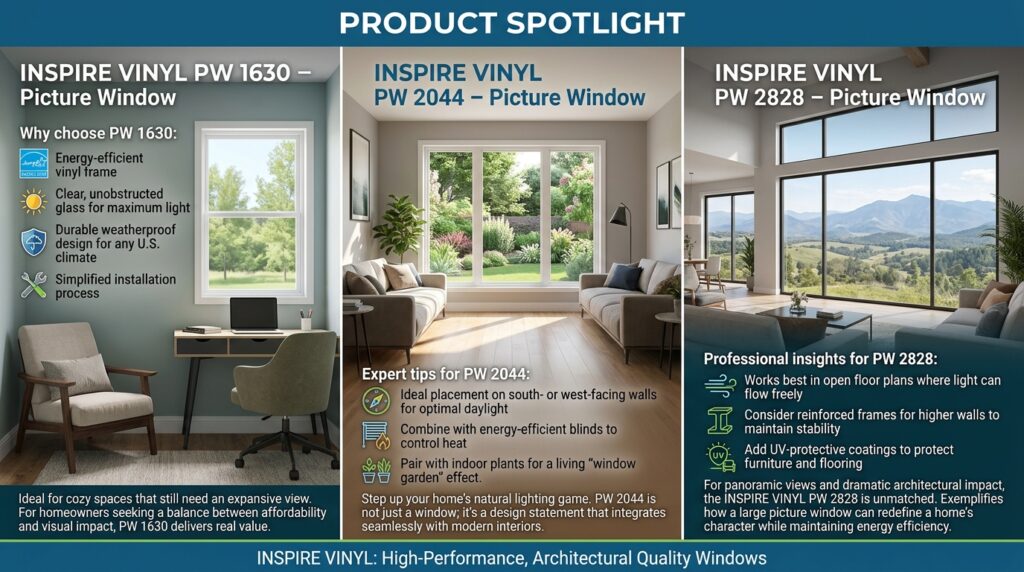
picture window ideas

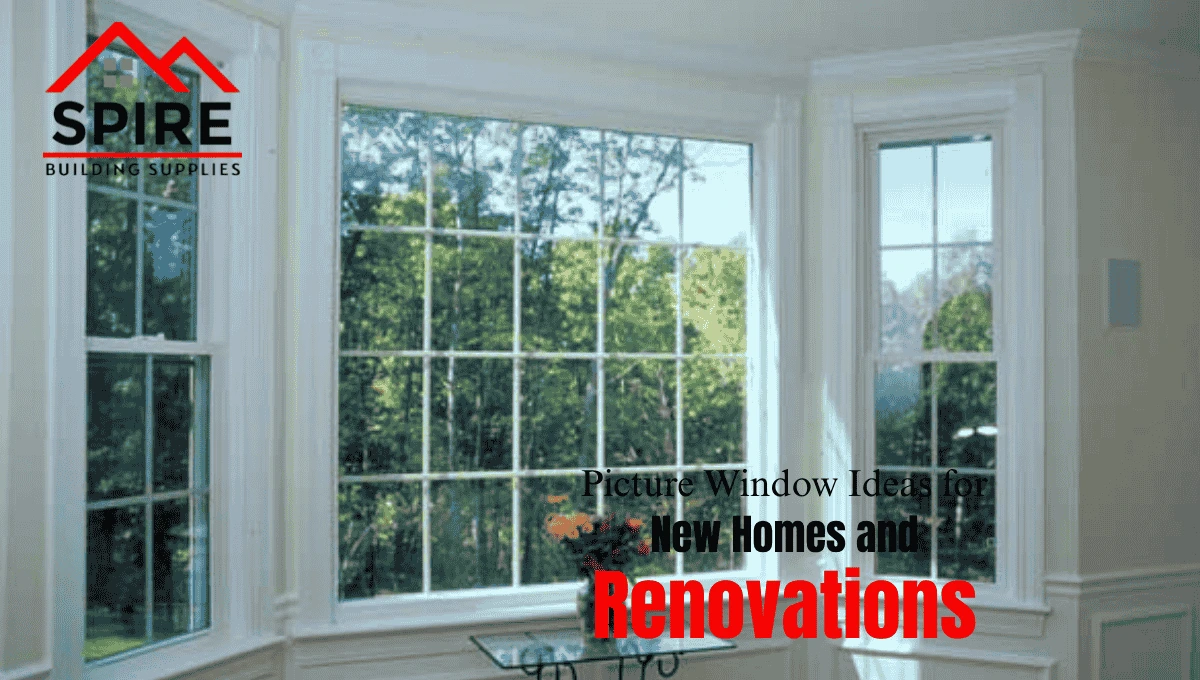
Picture Window Ideas for New Homes and Renovations

Choosing the right picture window ideas can completely change how a home looks and feels, but it is also one of those decisions that is easy to get wrong if you focus only on style. A picture window can brighten a dark room, frame a backyard view, and make a new build feel more custom. It can also create glare, privacy problems, awkward furniture layouts, or expensive framing changes if it is not planned carefully.

This guide is built for homeowners, renovators, and builders who want practical direction—not just inspiration photos. You’ll learn how picture windows work, where they make the most sense, what design choices matter most, and how to avoid common mistakes during planning, selection, and installation.

What Is a Picture Window?

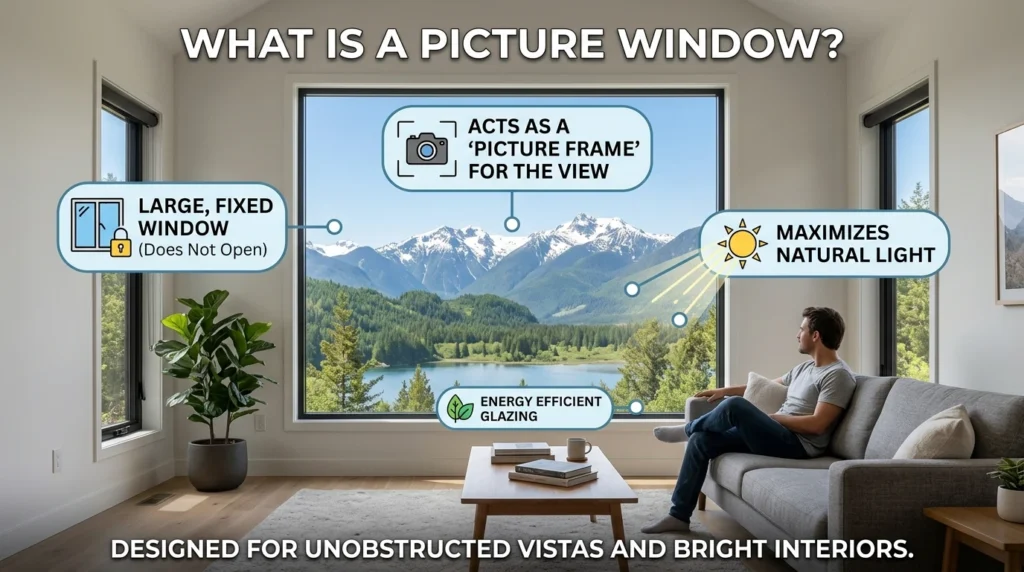
A picture window is a large fixed window designed to bring in daylight and showcase a view. Unlike operable windows, picture windows do not open. Their value comes from visibility, natural light, and clean visual impact.

In simple terms:

A picture window is meant to “frame” the outdoors the way artwork frames a scene.

That makes it a strong choice for:

  • Living rooms
  • Dining rooms
  • Front elevations
  • Great rooms
  • Stair landings
  • Home offices
  • Rear-facing gathering spaces

Because picture windows are fixed, they often offer:

  • Wider uninterrupted glass areas
  • Clean modern or traditional lines
  • Fewer moving parts
  • Strong energy performance when specified well

That said, they are not automatically the right answer for every wall or every room.
What Is a Picture Window

Why Picture Windows Matter in New Builds and Renovations

The same window can have very different results depending on whether you’re designing a new home or updating an existing one.

In new homes

You usually have more flexibility to decide:

  • Wall placement
  • Room orientation
  • Window proportions
  • Exterior symmetry
  • Interior sightlines

In renovations

You often have to work around:

  • Existing framing
  • Rooflines
  • furniture layout
  • privacy challenges
  • structural limitations

That difference matters. In new construction, you can build around the window. In remodeling, you usually need the window to work within what already exists.

Either way, a picture window influences more than just appearance. It affects:

  • Room brightness
  • Energy performance
  • Daily comfort
  • Exterior design
  • Interior layout
  • Resale appeal

That’s why the best ideas are the ones that balance beauty, comfort, and practicality.

Key Concepts: What You Need to Know Before Choosing

Before comparing styles and layouts, it helps to understand a few fundamentals.

1) Picture windows are fixed, not venting

This is the first thing people often forget.

A picture window gives you:

  • Light
  • Views
  • Design impact

But it does not give you:

  • Fresh air
  • Ventilation
  • Emergency egress

If airflow matters in that room, you may want to pair the window with side units that open.

2) The “best” window depends on the room

A front-facing picture window may need:

  • More privacy
  • Better street-facing proportions
  • Balanced curb appeal

A backyard-facing picture window may be more about:

  • View quality
  • Natural light
  • Connection to outdoor living

The right idea always depends on where the window is going and how the room is used.

3) Bigger glass is not always better

A large picture window can be beautiful, but oversizing it without thinking about sunlight, wall space, and room function often creates more problems than benefits.

The goal is not to install the biggest unit possible.

The goal is to choose a window that makes the room work better.

Best Picture Window Ideas by Room

One of the easiest ways to narrow down your options is to think by room rather than by product size first.

Living Room Picture Window Ideas

A living room is one of the best places for a picture window because it benefits from:

  • Natural light
  • Better seated views
  • Strong visual impact

What works well:

  • Wide centered windows
  • Balanced trim around the opening
  • Moderate sill heights for seated comfort
  • Rear-facing views or controlled front-facing light

Best for:

  • New family rooms
  • Front formal spaces
  • Renovated older homes needing more daylight

Dining Room Picture Window Ideas

A dining room picture window can make the space feel more open and less boxed in.

Good design choices:

  • Mid-height to large fixed windows
  • Backyard or side-yard views
  • Soft morning or north-facing light

Practical note:

This is one of the easiest rooms to improve with a picture window because you usually need less wall storage than in kitchens or media rooms.

Kitchen Picture Window Ideas

A kitchen picture window can work extremely well, especially over a sink or breakfast nook, but placement matters.

What to consider:

  • Glare during prep hours
  • Nearby cabinetry
  • Counter and backsplash layout
  • Ventilation elsewhere

Best use:

  • Over sink areas
  • Breakfast corners
  • Rear walls overlooking the yard

A moderate-size window often performs better here than an oversized one.

Stairwell and Landing Picture Window Ideas

This is one of the most underused opportunities in both new homes and renovations.

Why it works:

  • Brightens dark vertical spaces
  • Adds architectural character
  • Improves visual flow between levels

What usually works best:

  • Tall rectangular forms
  • Clean vertical placement
  • Minimal trim for a modern look

This is a particularly effective strategy in new construction where the opening can be planned early.

Home Office Picture Window Ideas

A picture window in a home office can improve focus and comfort if it is placed carefully.

Best practices:

  • Avoid direct west-facing glare
  • Keep the monitor wall in mind
  • Use the window to bring in daylight without constant distraction

A moderate-size fixed window is often more useful here than a dramatic oversized one.

How to Choose the Right Picture Window Style

Once you know where the window is going, the next step is choosing a style that fits the architecture and daily use of the room.

  1. Match the window to the home’s design language

A picture window should feel intentional—not like an afterthought.

Modern and contemporary homes often suit:
  • Slim frame profiles
  • Large clean glass spans
  • Minimal trim
  • Geometric proportions
Traditional homes often suit:
  • More balanced divided layouts nearby
  • Heavier trim details
  • More symmetrical placement
Transitional homes usually work well with:
  • Clean rectangular windows
  • Moderate trim depth
  • Flexible frame color choices

A good window idea should support the house, not compete with it.

  1. Think carefully about orientation and sunlight

This is one of the most important practical decisions.

How direction affects performance

South-facing windows

Usually bring:

  • Strong daylight
  • Winter warmth
  • Potential summer heat gain

West-facing windows

Usually bring:

  • Warm afternoon light
  • Higher glare risk
  • More overheating potential

East-facing windows

Usually bring:

  • Pleasant morning light
  • Softer heat load

North-facing windows

Usually bring:

  • Even daylight
  • Less direct solar intensity

Practical insight:

A beautiful inspiration photo does not show what a room feels like at 4:30 p.m. in July. That is why orientation matters just as much as aesthetics.

  1. Compare frame materials realistically

Frame material affects more than looks. It changes maintenance, durability, energy efficiency, and budget.

Common frame options

Vinyl

A vinyl picture window is one of the most practical choices for many homes because it tends to be:

  • Low maintenance
  • Energy efficient
  • Cost-conscious
  • Easy to integrate into many home styles

This is often a strong option for both new homes and picture window replacements.

Wood

Wood can add warmth and character, but it usually requires more upkeep.

Composite or aluminum

These may appeal to homeowners or builders pursuing slimmer, more contemporary profiles.

Real-world advice:

If you want a window that is easy to live with over time, vinyl often gives the best balance of maintenance, value, and performance.

If you’re exploring options more closely, browsing picture windows for sale can help you compare practical styles and common dimensions.

  1. Decide Between Standard and Custom Sizing

This is where budget and design goals often meet.

Standard-size windows

Usually make sense when:

  • You’re replacing an existing unit
  • You want easier product sourcing
  • You’re trying to simplify installation

Custom picture windows

Can be worthwhile when:

  • You’re framing a very specific view
  • The wall proportions are unusual
  • You want a feature window in a new build
  • You’re trying to align with custom elevations

Practical tip:

Custom picture windows are worth considering when they solve a real design challenge. But if a standard size works visually, it can often save time and cost without sacrificing appearance.

For example, products like:

…can help you visualize how standard-size fixed windows might fit common wall conditions.

Benefits of Picture Windows

When chosen thoughtfully, picture windows can improve both function and aesthetics.

Main benefits

More natural light

This is often the biggest reason people choose them. Rooms feel brighter, larger, and more open.

Better views

A picture window can turn a backyard, tree line, patio, or landscape into part of the room itself.

Cleaner visual design

Because there are no moving sashes, the glass area feels more uninterrupted and intentional.

Strong energy performance

Fixed windows often perform well because they have fewer potential air-leak points than operable units.

Better design value

A well-placed picture window can improve both curb appeal and the quality of interior spaces.

Limitations and Trade-Offs

A realistic decision means understanding where picture windows are less ideal.

Common limitations

No ventilation

This is the biggest one. If the room needs fresh air, you will need another venting strategy.

Glare and solar heat gain

This can become a real issue with west- or south-facing glass if not planned correctly.

Privacy concerns

A front-facing picture window can make a room feel exposed if sightlines are not considered.

Less usable wall space

Larger windows reduce room for:

  • Built-ins
  • Artwork
  • Cabinets
  • TVs
  • Shelving

The right answer is often not “more glass,” but the right glass in the right location.

Practical Planning and Buying Considerations

If you’re moving beyond inspiration and into decision-making, these are the details that matter most.

What to compare before choosing

1) Glass package and energy performance

Ask about:

  • Low-E coatings
  • Double or triple glazing
  • U-factor
  • Solar heat gain performance

2) Frame profile

The frame shape and thickness can make a huge visual difference, especially in modern or minimalist homes.

3) Installation complexity

A simple picture window installation can become more involved if the project requires:

  • Structural framing changes
  • Header adjustments
  • Exterior finish modifications
  • Interior drywall or trim rework

4) Interior and exterior trim

The trim surrounding the window often determines whether it looks “builder-basic” or thoughtfully finished.

If your project includes wider finish upgrades, working with the right supplier matters. This is where resources like a Building accessories supplier in Texas can support a more coordinated outcome.

5) Replacement vs. new opening

Picture window replacements are usually simpler when you’re keeping the existing rough opening.

A new opening gives you more flexibility but usually involves more planning and cost.

Common Mistakes to Avoid

This is where many homeowners and even capable builders lose time, money, or design quality.

1) Choosing only from inspiration images

Online photos are useful, but they rarely show:

  • Afternoon glare
  • Privacy issues
  • Furniture conflicts
  • exterior proportion problems

2) Oversizing the window without a plan

A bigger window is not always better if it causes:

  • Heat gain
  • Layout problems
  • Reduced wall function

3) Ignoring what the room actually needs

A family room, office, and stairwell do not need the same window strategy.

4) Forgetting ventilation

A fixed window can be perfect in the wrong place—and frustrating in the wrong room.

5) Overlooking trim and finish details

Even a quality window can feel unfinished if the casing, drywall returns, or exterior detailing are poorly handled.

6) Searching by product before defining the goal

People often start with terms like picture windows near me or compare only by dimensions. That can be useful later, but it is not the best starting point.

Start with:

  • What room is this for?
  • What do I want this window to improve?
  • What tradeoffs am I willing to accept?

That usually leads to better choices.

Expert Tips and Best Practices

These are the details that consistently lead to better outcomes in real homes.

Frame the best view, not just the biggest opening

If only one side of the yard or lot is worth looking at, design around that.

Think from both inside and outside

A good picture window should improve the room and look proportionate on the elevation.

Keep furniture in mind early

This avoids common problems like placing a beautiful window where the sofa, TV, or built-ins need to go.

Use standard sizes where practical

If a standard-size unit works visually, it often simplifies procurement and installation.

Pair fixed glass with airflow elsewhere

This is especially important in kitchens, living rooms, and bedrooms.

Prioritize glazing in sunny exposures

Good glass specifications can matter more than just increasing or reducing size.

Real-World Use Cases

Use Case 1: New build family room

Goal:

  • Create a bright rear-facing gathering space

What worked:
A centered picture window overlooking the backyard added daylight and made the room feel larger without needing oversized glass walls.

Use Case 2: Older home renovation

Goal:

  • Replace a dated front window and improve curb appeal

What worked:
A clean vinyl picture window update modernized the room while preserving wall function and improving efficiency.

Use Case 3: Stair landing in a two-story home

Goal:

  • Brighten a dark transitional zone

What worked:
A taller fixed window added natural light and visual height without compromising privacy.

Use Case 4: Home office remodel

Goal:

  • Add daylight without screen glare

What worked:
A moderate-size side-facing picture window improved comfort and brightness without overexposing the workspace.

Quick Checklist Before You Decide

Use this before finalizing your design.

Choose a picture window idea that answers these questions:

  • What is the main purpose of the window?
  • Which room is it for?
  • What direction does the wall face?
  • Do I need ventilation nearby?
  • Is standard sizing enough?
  • Will it affect furniture or cabinetry?
  • Does it look balanced from the exterior?
  • Have I considered trim and finish details?

If you can answer those clearly, you are much more likely to end up with a window you still like years from now.

Customer Testimonials

We originally planned for a much bigger window, but scaling it back actually made the room work better. We kept the light and view without losing the whole wall.
Andrea M., Homeowner

The biggest help was thinking about sun direction before choosing the wall. That saved us from a lot of afternoon glare.
Tyler G., Renovation Client

Our stair landing was always dark. Adding a fixed picture window there made the entire upper hallway feel brighter and more finished.
Luis P., Builder

FAQ:

Are picture windows a good idea for new homes?

Yes, especially when they are planned early around room layout, natural light, and exterior design.

Can picture windows open for ventilation?

No. Picture windows are fixed, so if airflow matters, you’ll want another window nearby that opens.

Are vinyl picture windows worth it?

For many homeowners, yes. They are low maintenance, practical, and often a strong value.

Should I choose custom picture windows?

Only if the wall, view, or design really calls for it. Standard sizes often work well and keep the project simpler.

Are picture window replacements difficult?

Not always. Replacements are often more straightforward if you are keeping the same opening size and shape.

Final Thoughts

The best picture window ideas are not always the most dramatic ones. They are the ideas that improve the room in a meaningful, lasting way—bringing in light, framing a useful view, and fitting naturally with how the home is actually lived in.

Whether you’re planning a new home or updating an older one, the smartest window decisions usually come from balancing design with comfort, proportion, and practical everyday use.

If you get those pieces right, a picture window can become one of the most valuable and visually rewarding upgrades in the entire home.

Author / Editorial Team Bio

Spire Building Supplies Editorial Team creates practical, experience-informed content for homeowners, remodelers, and builders looking to make better material and design decisions. The team focuses on useful product knowledge, realistic project planning, and straightforward guidance that helps readers choose with more clarity and confidence.

Pre-Hung Exterior Door

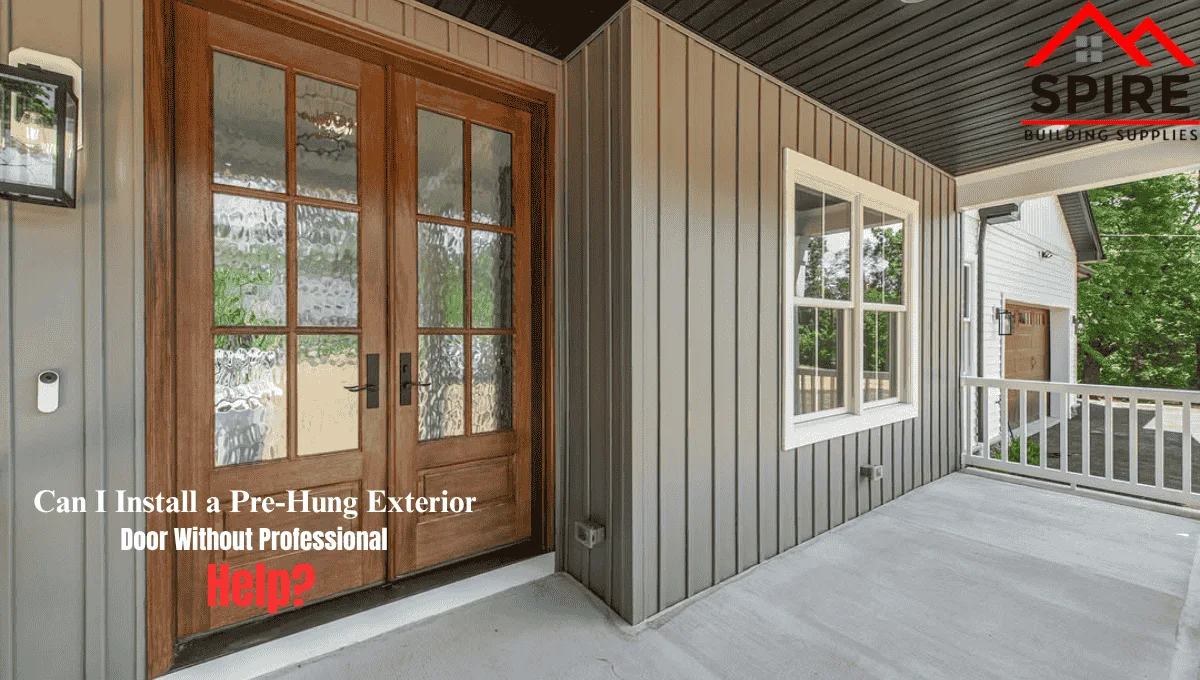
Can I Install a Pre-Hung Exterior Door Without Professional Help?

If you’ve ever stood in front of your home, staring at an old, drafty, or outdated entryway, you’ve probably wondered: Can I install a pre-hung exterior door myself—or is this a job for a pro?

Here’s the honest answer: yes, you can do it yourself—but only if you understand what you’re getting into.

A poorly installed exterior door can lead to air leaks, water damage, and security issues. But a properly installed one? It can completely transform your home’s curb appeal, insulation, and resale value.

In this guide, I’ll walk you through real-world insights, practical steps, and expert-level tips so you can decide whether this is a smart DIY move—or one you should outsource.

What Is a Pre-Hung Exterior Door (And Why It Matters)?

A pre-hung exterior door comes already mounted within its frame, including hinges and often pre-cut holes for hardware.

That means:

  • No need to align hinges manually
  • No complex framing from scratch
  • Faster installation compared to slab doors

For homeowners in Texas—where weather swings from heat to storms—this type of door is especially popular because it ensures better sealing and durability.

Can You Really Install It Yourself?

Short Answer: Yes—but it depends on 3 things

You can install a pre-hung door yourself if:

  • You have basic carpentry skills
  • Your existing door opening is square and damage-free
  • You’re comfortable using tools like levels, drills, and shims

When DIY Makes Sense

  • Replacing a door with the same size
  • No structural damage to the frame
  • You have a helper (doors are heavy!)

When You Should Think Twice

  • Rotting wood or damaged framing
  • Uneven or out-of-square openings
  • First-time DIY with zero tool experience

Real insight: Most DIY failures happen not during installation but during alignment. Even a slight tilt can cause the door to stick or not seal properly.

Tools & Materials You’ll Actually Need

Before you start, gather:

  • Level (preferably 4-foot)
  • Drill & screws
  • Shims (essential!)
  • Hammer
  • Caulk & insulation foam
  • Measuring tape
  • Pry bar

Pro Tip: Don’t skip high-quality shims—they are the key to a perfectly aligned door.

Step-by-Step: Installing a Pre-Hung Exterior Door

1. Remove the Old Door

  • Take off trim carefully
  • Unscrew hinges and frame
  • Clean the opening completely

2. Check the Rough Opening

  • Ensure it’s level, square, and dry
  • Fix any rot or damage before proceeding

3. Dry-fit the New Door

Place the door in the opening without fastening:

  • Check spacing
  • Ensure it sits flush

4. Shim and Level

This is the most critical step:

  • Add shims behind hinges
  • Check vertical alignment (plumb)
  • Adjust until perfectly level

5. Secure the Frame

  • Drill screws through the frame into studs
  • Start with hinge side first

6. Insulate and Seal

  • Use foam insulation in gaps
  • Apply exterior-grade caulk

7. Reinstall Trim

Finish the look by attaching interior and exterior trim.

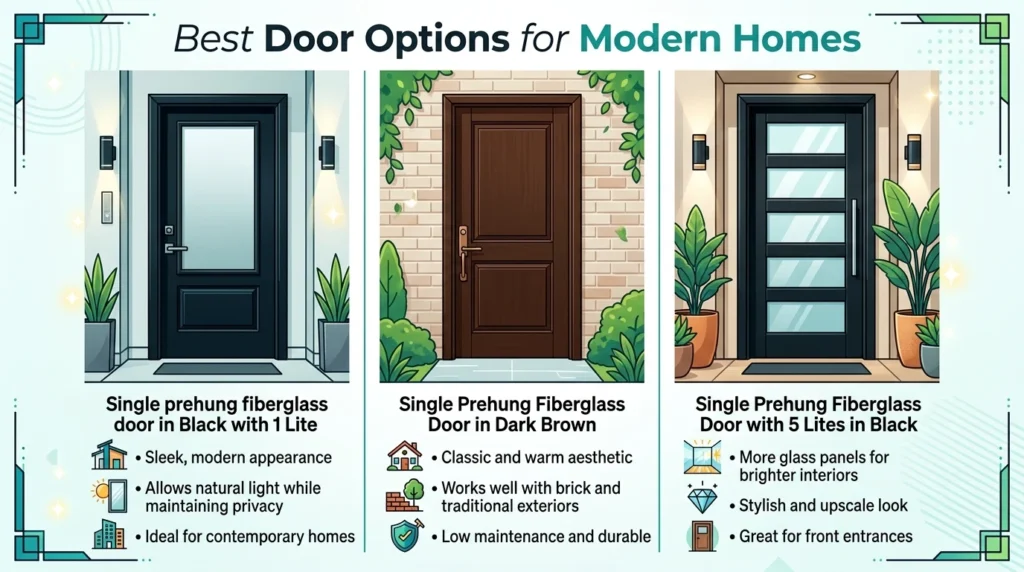
Best Door Options for Modern Homes

If you’re upgrading, consider these popular choices:

1. Single prehung fiberglass door in Black with 1 Lite

  • Sleek, modern appearance
  • Allows natural light while maintaining privacy
  • Ideal for contemporary homes

2. Single Prehung Fiberglass Door in Dark Brown

  • Classic and warm aesthetic
  • Works well with brick and traditional exteriors
  • Low maintenance and durable

3. Single Prehung Fiberglass Door with 5 Lites in Black

  • More glass panels for brighter interiors
  • Stylish and upscale look
  • Great for front entrances

Expert Insight: Fiberglass doors outperform wood in Texas climates—they resist warping, humidity, and extreme heat.

Best Door Options for Modern Homes

Expert Tips Most DIY Guides Don’t Tell You

1. Always Start with the Hinge Side

If the hinge side isn’t perfectly aligned, the rest will never be right.

2. Don’t Over-Foam

Too much expanding foam can warp the frame.

3. Check Door Swing Early

Make sure the door opens in the correct direction before securing it.

4. Weatherproof Like a Pro

Use flashing tape under the threshold—this prevents water intrusion long-term.

Common Mistakes to Avoid

  • Skipping level checks at every step
  • Using low-quality screws
  • Ignoring small gaps (they become big problems later)
  • Rushing the shimming process
  • Not sealing properly against weather

Reality check: Even a 10-minute shortcut can cost you years of issues.

Real Customer Experiences

James R., Texas
I thought it would take a day—it took a weekend. But following proper steps made all the difference. No drafts, perfect fit.

Linda M., Houston
I tried DIY first but called a pro halfway. The alignment was trickier than expected—but worth learning.

Carlos D., Dallas
Used a fiberglass pre-hung door and installed it myself. Best upgrade I’ve made to my home’s exterior.

People Also Ask (PAA)

1. How long does it take to install a pre-hung exterior door?
Typically 4–8 hours for DIY, depending on experience and conditions.

2. Do I need two people to install a pre-hung door?
Yes, it’s highly recommended due to the weight and alignment precision required.

3. Can I install a pre-hung door in an old frame?
No, pre-hung doors come with their own frame—you’ll need to remove the old one.

4. How much can I save by installing it myself?
You can save $300–$800 in labor costs.

5. What is the best material for exterior doors in Texas?
Fiberglass is the best choice due to heat resistance, durability, and low maintenance.

Final Verdict: Should You DIY or Not?

Installing a pre-hung exterior door yourself is absolutely doable—but it’s not a beginner-level DIY project. If you’re patient, detail-orientated, and have the right tools, you can achieve professional-level results.

But if you want guaranteed precision and peace of mind, going with experts—or at least consulting one—is a smart move.

Upgrade Your Entryway with Confidence

At Spire Building Supplies, you’ll find high-quality exterior door options built for durability, performance, and style. Whether you’re considering a single prehung fibreglass door in black with 1 lite or a more decorative 5-lite design, choosing the right product is just as important as the installation.

Explore premium door solutions and make your home’s first impression count.

Author Bio

Spire Building Supplies Team
The Spire Building Supplies team brings hands-on experience in construction materials, home improvement, and exterior solutions across Texas. With a focus on quality, durability, and modern design, they help homeowners and contractors make smarter building decisions.

Glass pantry door

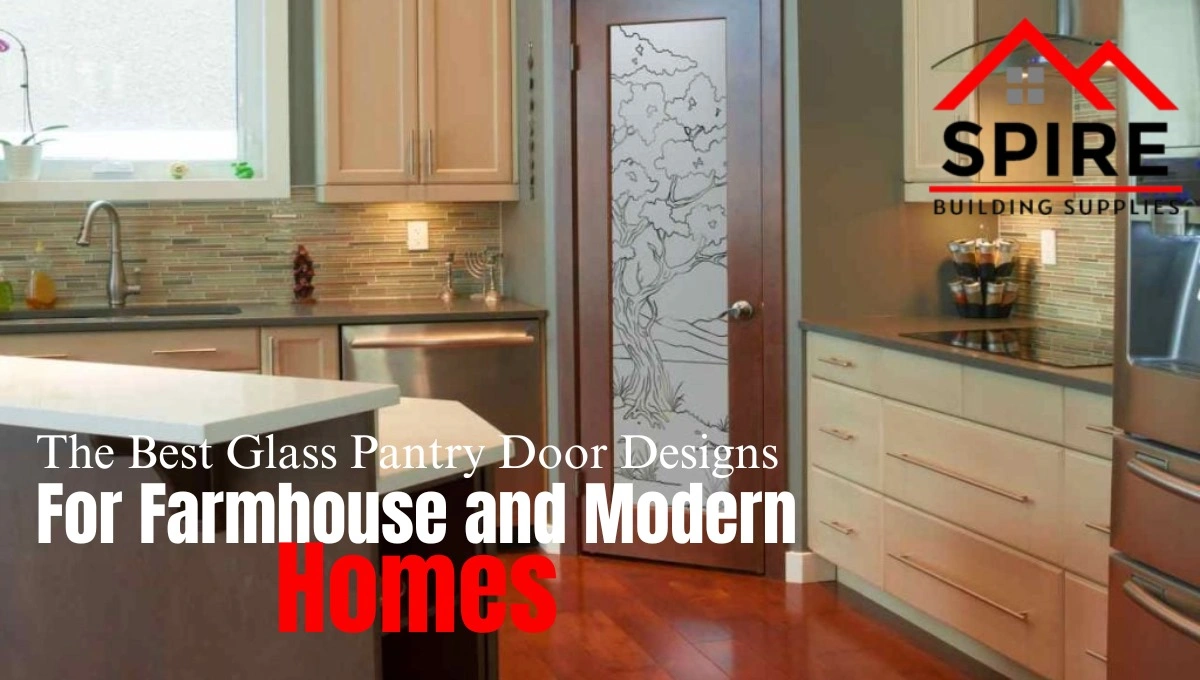
The Best Glass Pantry Door Designs for Farmhouse and Modern Homes

The heart of every home lies in the kitchen—and what better way to elevate your kitchen’s look and functionality than with a glass pantry door that seamlessly blends aesthetics with everyday utility? Whether you’re building new, renovating, or just upgrading your interiors, the right pantry door can be a game-changer in your home’s design.

At Spire Building Supplies, we take pride in offering expertly crafted glass pantry doors tailored to meet the unique needs of both farmhouse and modern home designs. With a range of styles, materials, and sizes—including the popular Pantry door 6’8″ Height and Pantry door 8’0″ Height—our collection ensures every homeowner finds the perfect fit.

Why a Glass Pantry Door Is More Than Just a Door

Choosing a pantry door isn’t only about accessing your storage. It’s about enhancing light flow, making small spaces feel larger, and bringing a sophisticated, clean finish to your kitchen. Glass doors act as a visual break between enclosed and open spaces, giving your kitchen a more curated, designer look.

Key Advantages:

  • Natural Light: Glass allows light to pass through, brightening up dark corners and small kitchens.
  • Aesthetic Versatility: Matches a wide range of interior styles, from rustic wood to sleek metal frames.
  • Custom Design Options: Choose between clear, frosted, etched, or decorative glass.
  • Functional Beauty: Provides visibility when you want it and privacy when you don’t—especially with frosted or tinted glass.

Spire Building Supplies: Built on Expertise & Trust

At Spire Building Supplies, we’re not just another supplier. We are trusted advisors in home improvement, with years of hands-on experience in design, construction, and materials sourcing. We work closely with designers, builders, and homeowners to deliver interior doors that offer beauty, durability, and performance.

What Makes Us Different?

  • Expertise: Each glass pantry door is precision-made using durable, long-lasting materials.
  • High Customer Satisfaction: With thousands of 5-star reviews and repeat clients, we are known for service and reliability.
  • Design Expertise: Our team stays ahead of design trends and helps homeowners choose doors that not only fit but also transform their spaces.
  • Tailored Sizes: We offer the industry’s most sought-after dimensions, including Pantry door 6’8″ Height and Pantry door 8’0″ Height, with customization available on request.

Top Glass Pantry Door Styles for Every Home Type

Let’s take a deeper look at styles that are making waves in both farmhouse and modern kitchens in 2025.

 1. Frosted Glass Pantry Door

  • Best For: Privacy + light flow
  • Farmhouse Feel: Works well with shaker cabinets and neutral color palettes
  • Modern Use: Pairs beautifully with black matte frames and minimalist design

 2. Clear Glass Pantry Door

  • Best For: Showcasing organized shelves or open-style pantry designs
  • Farmhouse Feel: Ideal for rustic wood frames or barn-door sliders
  • Modern Use: Frameless or metal-framed doors with clean lines

3. Etched Glass Pantry Door

  • Best For: Decorative elements (e.g., engraved “Pantry” text or custom motifs)
  • Farmhouse Feel: Complements vintage and cottage-style kitchens
  • Modern Use: Subtle, artistic etching adds a personal touch without overpowering

 4. Sliding Barn-Style Glass Doors

  • Best For: Saving space and adding charm
  • Farmhouse Feel: Classic rustic wood frame with black metal hardware
  • Modern Use: Sleek track systems and frameless design

 5. Frameless Glass Pantry Doors

  • Best For: Ultra-modern interiors
  • Farmhouse Feel: Not typically used, but possible in eclectic designs
  • Modern Use: Minimalist, invisible hardware, clean aesthetics

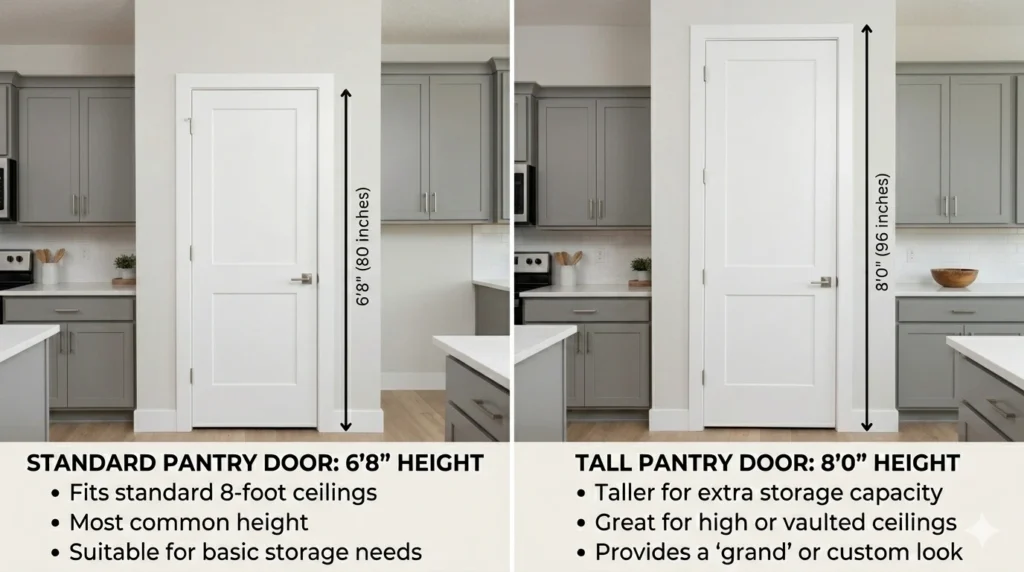
Understanding Pantry Door Sizes: 6’8″ vs 8’0″ Heights

Choosing the right size pantry door is just as important as picking the style. Here’s a guide to help you decide between our two most popular heights.

Pantry Door 6’8″ Height

  • Standard height for most homes
  • Ideal for older constructions or lower ceiling heights
  • Pairs well with traditional farmhouse kitchens and compact layouts

Pantry Door 8’0″ Height

  • Perfect for modern homes with tall ceilings
  • Adds a dramatic vertical element
  • Great for open-concept kitchens and luxurious design schemes

Understanding Pantry Door Sizes 6'8 vs 8'0 Heights

Both sizes are available in all glass styles and can be customized in terms of frame color, glass type, and hardware.

Why Homeowners Love Our Doors: Real Testimonials

“I didn’t expect a door to make such a difference, but it did! Spire’s team was so helpful in choosing the perfect size and style for our space.”

“The glass pantry door completely changed our kitchen. It feels brighter and more open, even without any renovations. The 8’0″ height gave it a luxury feel!”

“We chose Spire after weeks of searching. The door quality, hardware, and finish are just outstanding. Our frosted door is not only functional—it’s gorgeous.”

FAQs About Glass Pantry Doors

Q1: Will a glass pantry door fit in my existing frame?

Yes! Our doors are available in standard sizes like 6’8″ and 8’0″. We also provide custom sizing for unique kitchen layouts.

Q2: What type of glass is used in pantry doors?

We use tempered safety glass for all our pantry doors, ensuring strength, shatter resistance, and long-term durability.

Q3: Can I install the pantry door myself?

If you have experience with home installations, DIY is possible. However, we always recommend professional installation for best alignment and performance.

Q4: What finishes and frame styles are available?

From natural wood to matte black metal frames, we offer various finishes to match your decor. Frameless options are also available for modern homes.

Q5: Are glass pantry doors safe in homes with kids?

Absolutely. Our tempered glass is highly durable and designed for safe everyday use—even in busy family kitchens.

Conclusion: A Simple Upgrade with Lasting Impact

A well-designed glass pantry door is one of the most effortless yet impactful upgrades you can make in your kitchen. It creates the illusion of space, reflects natural light, and adds a layer of sophistication that never goes out of style.

Whether you lean toward the rustic warmth of a farmhouse kitchen or the clean minimalism of a modern home, Spire Building Supplies has the right door for you. With industry-trusted materials, professional support, and customer-first service, you’ll feel confident knowing your home is in good hands.

So if you’re ready to elevate your space, start with a detail that brings beauty and function together—a glass pantry door built to last.

For an exclusive collection of interior doors, visit this page: How to Choose the Right Interior Doors for Every Room in Your Home

building accessories supplier in Texas

Trusted Building Accessories Supplier in Texas for Modern Construction

Introduction: Why the Right Supplier Changes Everything

Choosing the right building accessories supplier in texas can make or break your construction project. In today’s fast-paced building environment, contractors and homeowners alike struggle with inconsistent materials, delayed shipments, and products that fail to meet modern quality standards.

These challenges don’t just slow projects down — they increase costs, create rework, and impact long-term durability. That’s why working with a trusted supplier is no longer optional; it’s essential.

In this guide, you’ll learn how the right supplier can transform your workflow, improve construction quality, and help you stay competitive in Texas’s evolving building industry.

What Makes a Building Accessories Supplier “Trusted”?

Not all accessories suppliers are created equal. A reliable partner goes far beyond just selling materials.

Key Qualities to Look For:

  • Consistent product quality
  • Wide inventory availability
  • Fast and reliable delivery across Texas
  • Knowledgeable support team
  • Transparent pricing (no hidden costs)

A trusted supplier acts like an extension of your team — helping you avoid costly mistakes before they happen.

Why Modern Construction Demands Better Building Accessories

Today’s construction standards in Texas are evolving rapidly. Builders are expected to deliver:

  • Energy-efficient structures
  • Long-lasting materials
  • Clean, modern interior finishes
  • Faster project turnaround

Low-quality accessories can compromise all of the above.

Real Example:

Using substandard shelving boards can lead to:

  • Warping in humid conditions
  • Reduced load capacity
  • Frequent replacements

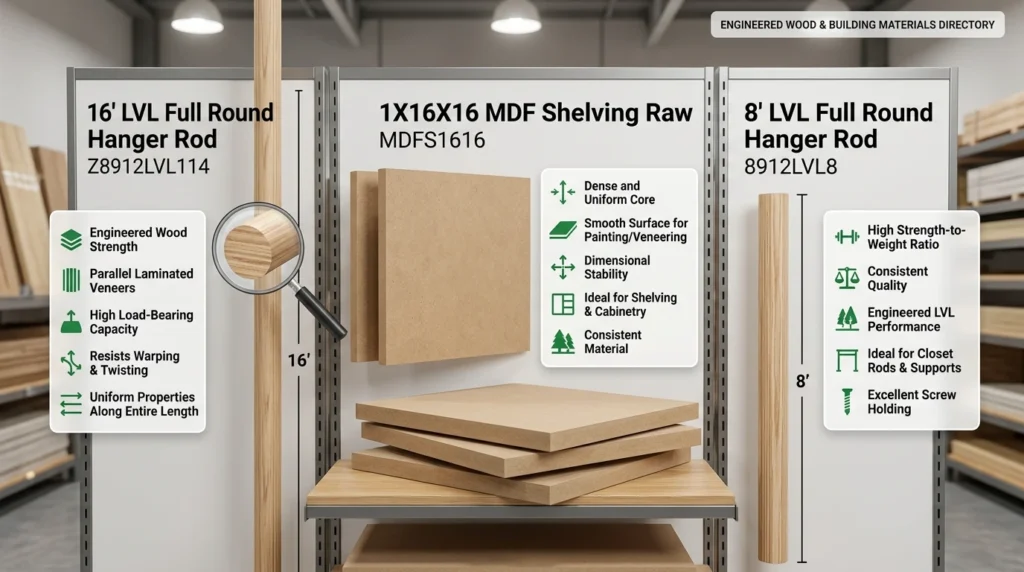
This is why professionals rely on premium products like:

These materials are engineered for durability, consistency, and performance — especially important in Texas climates.

Why Modern Construction Demands Better Building Accessories

Key Products Every Contractor Should Source from a Reliable Supplier

1. Structural Support Components

Engineered materials like LVL rods provide:

  • Higher strength than traditional wood
  • Better load distribution
  • Resistance to warping

2. Interior Storage & Shelving Solutions

MDF shelving options such as 1X16X16 MDF Shelving Raw MDFS1616 offer:

  • Smooth finish for modern interiors
  • Cost-effective customization
  • Reliable stability for storage systems

3. Finishing Accessories

Small details matter:

  • Trim components
  • Mounting hardware
  • Closet rods and supports

These finishing elements define the final look and usability of a space.

How the Right Supplier Improves Project Efficiency

Working with a professional building accessories supplier in Texas can dramatically improve workflow.

Here’s how:

  • Reduced delays → Materials arrive on time
  • Fewer defects → Consistent quality reduces rework
  • Better planning → Reliable stock availability
  • Bulk savings → Lower cost per unit

Pro Tip:

Contractors who build long-term relationships with suppliers often get priority service and better pricing — something rarely discussed but highly valuable in large projects.

What Professionals in Texas Recommend

From years of industry observation, here’s what experienced builders prioritize:

Standardization Over Experimentation

Using the same trusted materials across projects improves:

  • Installation speed
  • Worker familiarity
  • Quality consistency

Climate-Appropriate Materials

Texas weather varies — heat, humidity, and storms can impact materials.

Engineered products like LVL rods outperform traditional wood in:

  • Moisture resistance
  • Structural stability

Supplier Reliability Over Cheap Pricing

The cheapest option often leads to:

  • Project delays
  • Replacement costs
  • Client dissatisfaction

Smart builders invest in reliability, not just low prices.

Common Mistakes to Avoid When Choosing a Supplier

Choosing Based Only on Price
Low-cost materials often mean lower durability.

Ignoring Product Specifications
Not all rods, boards, or accessories are built for the same load or usage.

Lack of Inventory Checks
Running out of materials mid-project can halt everything.

Not Verifying Supplier Reputation

Always check:

  • Reviews
  • Industry experience
  • Product consistency

Practical Tips for Choosing the Best Supplier

  • Ask for product samples before bulk orders
  • Check if they offer bulk pricing discounts
  • Ensure statewide delivery coverage in Texas
  • Look for suppliers with specialized construction knowledge
  • Choose those who stock engineered products (like LVL)

Customer Testimonials

Reliable and consistent quality
We’ve been sourcing LVL rods and MDF shelving for multiple projects, and the consistency is unmatched. It saves us time and rework.
— Contractor, Dallas TX

Huge improvement in project efficiency
Switching to a trusted supplier helped us reduce delays significantly. Deliveries are always on time.
— Builder, Houston TX

Perfect for modern interiors
The MDF shelving quality is excellent — smooth, durable, and easy to install.”
— Interior Designer, Austin TX

People Also Ask (PAA)

1. What does a building accessories supplier in Texas provide?
They supply essential construction components like shelving, rods, trim, and structural accessories for residential and commercial projects.

2. Why is choosing the right supplier important?
A reliable supplier ensures quality materials, timely delivery, and fewer project delays.

3. Are LVL hanger rods better than traditional wood?
Yes, LVL rods offer better strength, durability, and resistance to warping.

4. What is MDF shelving used for?
MDF shelving is commonly used for closets, storage units, and interior spaces due to its smooth finish and affordability.

5. How can I find a trusted supplier in Texas?
Look for suppliers with proven experience, consistent inventory, and positive contractor feedback.

Conclusion: Build Smarter with the Right Partner

Choosing the right building accessories supplier in Texas isn’t just a purchasing decision — it’s a strategic move that impacts your entire project.

From structural strength to interior finishes, every component matters. High-quality materials lead to:

  • Stronger builds
  • Faster completion times
  • Better client satisfaction

If you’re looking for reliability, consistency, and premium-grade materials, Spire Building Supplies stands out as a trusted partner for modern construction needs across Texas.

Upgrade your next project with materials you can trust — because quality construction starts with the right supplier.

See our exclusive collection of best vinyl sliding doors, visit this page: Where to Buy the Best Vinyl Sliding Glass Doors in 2026 at Low Prices

Author Bio

Spire Building Supplies team shares expert insights on quality building materials, helping Texas contractors and homeowners build smarter with reliable solutions.

Buy Interior Trim Online

Buy Interior Trim Online to Elevate Your Home’s Interior Style

Introduction: The Small Detail That Changes Everything

Most homeowners focus on big upgrades—floors, cabinets, doors—but overlook one of the most powerful design elements: interior trim. If you’re planning to buy interior trim online, you’re already one step ahead in transforming your space efficiently. The truth is, even the most expensive interiors can feel incomplete without the right trim.

Why Interior Trim Matters More Than You Think

Interior trim isn’t just decorative—it defines transitions, frames your space, and adds architectural depth.

What trim actually does:

  • Frames doors, windows, and walls
  • Adds contrast and visual structure
  • Covers gaps and imperfections
  • Enhances resale value

Expert Insight: In modern home design, trim is often the difference between a “basic” home and a “custom-built” look.

Why More Homeowners Prefer to Buy Interior Trim Online

Buying trim online used to feel risky. Today, it’s the smarter option—especially if you care about quality and design flexibility.

Key advantages:

  • Wider selection: Access profiles and sizes not available locally
  • Better pricing: Direct-from-supplier savings
  • Convenience: Compare products without driving store to store
  • Availability: Consistent stock for large projects

Real-world perspective (Texas homes):

In Texas, where home styles range from modern farmhouse to contemporary builds, online stores offer trim options that match these evolving aesthetics—something local inventory often struggles with.

Choosing the Right Interior Trim for Your Home

Not all trim is created equal. The wrong choice can make your space feel outdated or mismatched.

1. Match Your Home’s Style

  • Modern homes: Clean, flat profiles
  • Traditional homes: Detailed, decorative trims
  • Farmhouse style: Wider, simple boards

2. Choose the Right Size

  • Taller ceilings → wider trim
  • Smaller rooms → slimmer trim

Pro Tip: Oversized trim in Texas homes with high ceilings creates a luxury feel without major renovations.

Best Materials to Consider When You Buy Interior Trim Online

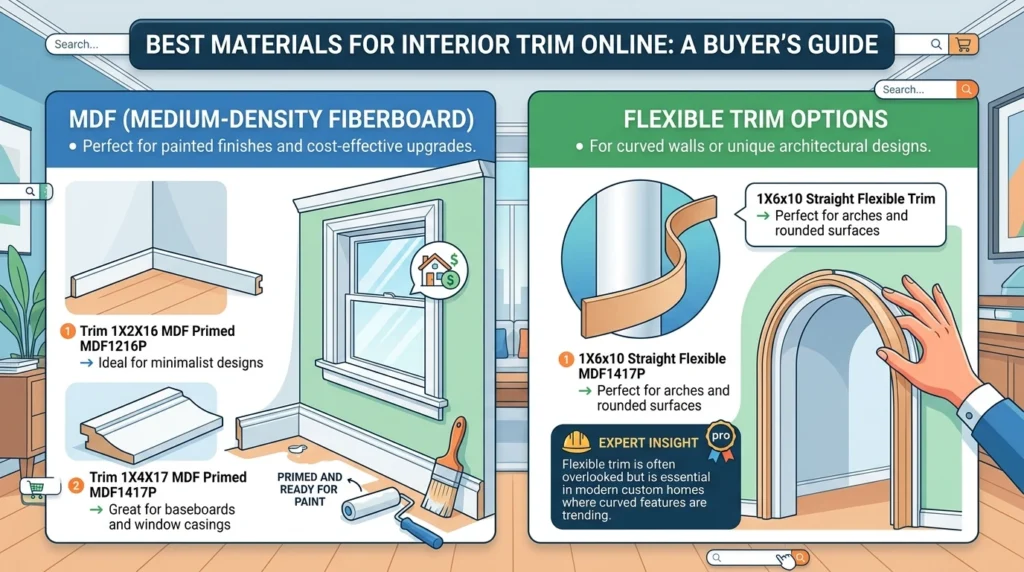
MDF (Medium-Density Fiberboard)

Perfect for painted finishes and cost-effective upgrades.

Example:

Flexible Trim Options

For curved walls or unique architectural designs:

Expert Insight: Flexible trim is often overlooked but is essential in modern custom homes where curved features are trending.

Best Materials to Consider When You Buy Interior Trim Online

How Interior Trim Instantly Elevates Your Space

When used correctly, trim can completely change how a room feels.

Transformations you’ll notice:

  • Plain walls → structured and elegant
  • Standard windows → framed focal points
  • Basic rooms → custom-designed interiors

Practical example:

Adding wider baseboards and window casings in a living room can create a high-end look for a fraction of renovation costs.

Step-by-Step: Buying Interior Trim Online the Smart Way

Measure Accurately

Always measure twice—include extra for cuts and mistakes.

Choose Consistent Styles

Stick to one trim style throughout your home for a cohesive look.

Check Material Specs

Look for:

  • Primed surfaces
  • Moisture resistance
  • Durability

Order Samples (If Available)

This avoids mismatched finishes.

Plan Installation

Decide:

  • DIY vs professional
  • Tools required
  • Timeline

Expert Insights: What Most Homeowners Get Wrong

After working with countless home improvement projects, one pattern is clear—people underestimate trim.

Here’s what experts recommend:

  • Invest in slightly wider trim than you think you need
  • Always match trim with door and window styles
  • Use consistent color (white or neutral tones work best)
  • Don’t mix too many trim profiles

Professional Tip: In Texas homes, white primed MDF trim is the most versatile and resale-friendly option.

Common Mistakes to Avoid When Buying Interior Trim Online

Choosing based on price alone
Cheap trim often chips, warps, or looks unfinished.

Ignoring proportions
Thin trim in large rooms looks out of place.

Mixing styles
Modern and traditional trim together can clash badly.

Not ordering enough material
Always add 10–15% extra for waste.

Customer Testimonials

James R., Dallas, TX
I decided to buy interior trim online and was surprised by the quality. It completely upgraded my home’s look without a full renovation.

Maria L., Houston, TX
The MDF trim I ordered was perfectly primed and easy to install. My living room now feels custom-built.

David K., Austin, TX
I used flexible trim for an arched doorway—it turned out amazing. Couldn’t find that locally anywhere.

People Also Ask (PAA)

1. Is it safe to buy interior trim online?
Yes, as long as you choose a trusted supplier with quality materials and clear specifications.

2. What is the best material for interior trim?
MDF is best for painted finishes, while solid wood is ideal for natural looks.

3. How much does interior trim cost online?
Costs vary based on material and size, but online options are often more affordable than retail stores.

4. Can I install interior trim myself?
Yes, with basic tools and measurements, most homeowners can handle DIY installation.

5. How do I choose the right trim size?
Match trim size to ceiling height and room scale for balanced proportions.

Final Thoughts: Upgrade Smart, Not Expensive

Interior trim is one of the most underrated upgrades—but also one of the most impactful. When you buy interior trim online, you unlock better designs, better pricing, and more control over your home’s final look.

If you want your home to feel complete, polished, and high-end without overspending, trim is the smartest place to start.

Ready to Transform Your Home?

At Spire Building Supplies, we offer premium-quality interior trim options designed for durability, style, and easy installation. Whether you’re upgrading a single room or an entire home, you’ll find the perfect trim solutions to match your vision.

Start your upgrade today—buy interior trim online with confidence and elevate your home instantly.

Author Bio

Spire Building Supplies is a trusted name in high-quality building materials across the USA, specializing in interior trim, doors, and home improvement solutions designed for durability and style.

White Picture Window

Why a Large Picture Window Is the Smartest Home Upgrade

Imagine stepping into your living room and being greeted by unobstructed sunlight and sweeping outdoor views. Too often, homes feel dark, closed-off, or disconnected from nature. The solution? A large picture window. Not only does it brighten your home, but it also improves energy efficiency, elevates curb appeal, and creates a lasting impression for years to come.

In this post, we’ll share expert insights, practical tips, and real-life examples to help you understand why a large picture window is the smartest home upgrade you can make today.

Understanding the Value of a Large Picture Window

A large picture window is more than just glass; it’s a strategic home improvement. Unlike standard windows, it provides:

  • Maximum natural light – Reduces the need for artificial lighting and improves mood.
  • Panoramic views – Connects your indoor space with the outdoors seamlessly.
  • Energy efficiency – Modern insulated frames reduce heating and cooling costs.
  • Enhanced home value – Adds instant appeal to potential buyers.

When you combine these benefits with professional installation, the result is a home that feels larger, lighter, and more inviting.

Picture Window

At Spire Building Supplies, our picture window selection is designed to meet every homeowner’s needs. From modern minimal frames to classic designs, we offer high-quality options that stand the test of time.

Key benefits of our Picture Window range:

  • Durable vinyl frames that resist warping
  • Low-maintenance materials
  • High-performance glass for UV protection
  • Easy integration into existing home layouts

Our focus is not just on aesthetics; it’s on practical performance and long-term satisfaction.

Product Spotlight

INSPIRE VINYL PW 1630 – Picture Window

The INSPIRE VINYL PW 1630 is ideal for cozy spaces that still need an expansive view. Its compact yet impactful design makes it a top choice for living rooms, bedrooms, and offices.

Why choose PW 1630:

  • Energy-efficient vinyl frame
  • Clear, unobstructed glass for maximum light
  • Durable weatherproof design for any U.S. climate
  • Simplified installation process

For homeowners seeking a balance between affordability and visual impact, PW 1630 delivers real value.

INSPIRE VINYL PW 2044 – Picture Window

Step up your home’s natural lighting game with the INSPIRE VINYL PW 2044. Perfect for larger walls, this model emphasizes bold design without compromising efficiency.

Expert tips for PW 2044:

  • Ideal placement on south- or west-facing walls for optimal daylight
  • Combine with energy-efficient blinds to control heat
  • Pair with indoor plants for a living “window garden” effect

PW 2044 is not just a window; it’s a design statement that integrates seamlessly with modern interiors.

INSPIRE VINYL PW 2828 – Picture Window

For panoramic views and dramatic architectural impact, the INSPIRE VINYL PW 2828 is unmatched. Its large-scale design turns any wall into a feature centerpiece.

Professional insights for PW 2828:

  • Works best in open floor plans where light can flow freely
  • Consider reinforced frames for higher walls to maintain stability
  • Add UV-protective coatings to protect furniture and flooring

PW 2828 exemplifies how a large picture window can redefine a home’s character while maintaining energy efficiency.

Product Spotlight

Picture Window Installation: Tips from Experts

Proper picture window installation is crucial. Even the highest-quality window can underperform if installed incorrectly. Here’s our expert guidance:

  1. Choose professional installers – Ensure airtight seals and proper leveling.
  2. Check wall support – Large windows require reinforced framing.
  3. Use energy-efficient materials – Vinyl frames and double-glazed glass optimize insulation.
  4. Consider seasonal sun exposure – Placement affects heating, cooling, and furniture fading.

Our team at Spire Building Supplies ensures every installation follows best practices, saving homeowners headaches and future costs.

Common Mistakes to Avoid

Many homeowners make errors that reduce a large picture window’s impact:

  • Selecting the wrong size for the space
  • Ignoring energy efficiency ratings
  • Skipping professional installation
  • Overlooking UV protection for interiors
  • Placing the window where privacy is compromised

Avoiding these mistakes ensures you maximize both aesthetic and functional benefits.

Expert Insights

From our experience supplying hundreds of homes across the U.S.:

  • A large picture window can increase property value by up to 5% when combined with modern interiors.
  • Vinyl frames outperform aluminum in extreme climates due to durability and insulation.
  • Light placement and window size dramatically influence home energy bills.

Our advice: Think strategically, plan the layout, and select a window that balances size, style, and efficiency.

Testimonials

John M., Florida:
The PW 2044 transformed our living room. Sunlight floods every corner, and it looks amazing from outside!

Emily R., Texas:
Spire’s installation team made everything seamless. Our PW 1630 fits perfectly, and the energy savings are real.

David L., California:
PW 2828 was a game-changer. We feel more connected to our backyard than ever before.

People Also Asked

What is the best size for a large picture window?

The right size depends on wall space, room function, and light goals; professionals can provide precise recommendations.

Are vinyl picture windows energy efficient?

Yes, modern vinyl frames combined with double-glass insulation reduce heat transfer and utility costs.

Can I install a large picture window myself?

DIY is possible but risky. Professional installation ensures proper sealing, stability, and compliance with building codes.

How much does a large picture window cost?

Costs vary by model, size, and installation. Typical ranges in the U.S. are $800–$3,500.

Do large picture windows increase home value?

Absolutely. They enhance curb appeal, natural lighting, and energy efficiency, making homes more attractive to buyers.

Conclusion: Brighten Your Home with Spire

A large picture window isn’t just a cosmetic upgrade—it’s a strategic, long-term investment in your home’s comfort, style, and value. From practical energy benefits to stunning views, choosing the right model and installation ensures lasting satisfaction.

Spire Building Supplies is your trusted partner for high-quality windows, expert guidance, and seamless installation. Transform your home today with a large picture window that truly makes a difference.

Visit Spire Building Supplies to learn more and schedule a consultation.

Author Bio

Team Spire – Window & Home Improvement Experts
At Spire Building Supplies, our team combines decades of experience in home renovation, energy-efficient windows, and design-focused installations. We share practical advice, product expertise, and real-world insights to help homeowners across the U.S. make informed choices.

Shop Kitchen Cabinets

Shop Kitchen Cabinets With Premium Finishes at Affordable Prices

Upgrading your kitchen sounds exciting—until you start pricing cabinets. Suddenly, “dream kitchen” turns into budget stress. Many homeowners in Texas face the same challenge: how do you shop kitchen cabinets that look premium without overspending?

Here’s the truth from years of industry experience: you don’t need a luxury budget to get high-end results. You just need to know where to look, what to prioritize, and what to avoid.

In this guide, we’ll break down exactly how to shop kitchen cabinets with premium finishes at affordable prices—without compromising durability, style, or long-term value.

Why Kitchen Cabinets Matter More Than You Think

Cabinets aren’t just storage—they define your kitchen’s entire personality.

From my experience working with homeowners, cabinets typically:

  • Take up 40–50% of your kitchen’s visual space
  • Influence resale value significantly
  • Affect daily usability more than any appliance

That’s why choosing the right cabinets is not just about looks—it’s about function, longevity, and smart investment.

What Defines “Premium Finish” in Kitchen Cabinets?

Before you shop kitchen cabinets, you need to understand what “premium” actually means. It’s not just about price—it’s about craftsmanship and materials.

Key Features of Premium Cabinets

  • Smooth, multi-layer paint or stain finish
  • Solid wood or high-quality MDF construction
  • Soft-close hinges and drawer slides
  • Consistent color and grain patterns
  • Moisture and heat resistance (critical for Texas homes)

Expert Tip: Many affordable cabinets use the same materials as luxury brands but skip excessive branding costs.

How to Shop Kitchen Cabinets Without Overspending

Let’s get practical. Here’s how professionals approach cabinet buying.

1. Choose the Right Cabinet Type

Not all cabinets are priced equally.

  • Stock Cabinets → Budget-friendly, quick delivery
  • Semi-Custom Cabinets → Best balance of price + flexibility
  • Custom Cabinets → Expensive, only worth it for unique layouts

In most Texas homes, semi-custom cabinets deliver the best value.

2. Focus on Finish Over Brand

One mistake I see often: people overpay for brand names.

Instead, prioritize:

  • Finish quality
  • Hardware durability
  • Construction strength

You can get a premium look without paying luxury markups.

3. Select Timeless, High-Impact Styles

If you’re investing in cabinets, choose styles that won’t go out of trend.

Popular Options Right Now

Pro Insight: Shaker-style cabinets continue to dominate because they balance simplicity and sophistication.

Popular Options Right Now

Smart Ways to Save Money Without Sacrificing Quality

Here’s where experience really matters.

Mix High and Low Elements
Use premium cabinets for visible areas and budget options for less noticeable spaces.

Buy Ready-to-Assemble (RTA)
RTA cabinets can reduce costs by 20–30% without affecting quality.

Avoid Over-Customization
Custom features increase cost fast. Stick to essentials.

Shop From Specialized Suppliers
Companies like Spire Building Supplies offer better pricing because they focus on materials—not showroom overhead.

What Most Homeowners Get Wrong

After working with hundreds of kitchen upgrades, here’s what stands out:

People often choose cabinets based on appearance alone and ignore functionality. The result? Beautiful kitchens that are frustrating to use daily.

What Experts Recommend:

  • Test drawer strength and glide
  • Check hinge quality
  • Look at finish consistency under lighting
  • Ask about moisture resistance

Especially in Texas, heat and humidity can damage low-quality cabinets quickly.

Common Mistakes to Avoid When You Shop Kitchen Cabinets

Avoid these costly errors:

Ignoring Measurements
Always measure your space accurately before ordering.

Choosing Trend Over Function
Trendy colors fade—functionality stays.

Skipping Soft-Close Features
It may seem minor, but it makes a huge difference in daily use.

Not Considering Lighting
Cabinet color looks different under natural vs artificial light.

Buying the Cheapest Option
Low-cost cabinets often lead to higher replacement costs later.

Common Mistakes to Avoid When You Shop Kitchen Cabinets

How to Choose the Right Cabinets for Texas Homes

Texas kitchens face unique challenges:

  • Heat fluctuations
  • High humidity
  • Heavy daily use

Best Choices:

  • Moisture-resistant finishes
  • Durable wood or MDF
  • Neutral or earthy tones (handle sunlight better)

Oak and shaker styles perform exceptionally well in Texas conditions.

Real Customer Experiences

Here’s what homeowners are saying after upgrading their cabinets:

James R., Dallas, TX
Went with Milton Black Shaker cabinets—looks like a luxury kitchen now without the crazy price.

Maria L., Houston, TX
The jade green shaker cabinets completely transformed my space. Everyone compliments them!

David K., Austin, TX
I was surprised how durable the Milton Oak Shaker cabinets are. Perfect for a busy family kitchen.

People Also Ask (PAA)

1. What is the best way to shop kitchen cabinets on a budget?
Focus on semi-custom or RTA cabinets, compare suppliers, and prioritize quality over branding.

2. Are shaker cabinets still in style in 2026?
Yes, shaker cabinets remain one of the most popular and timeless choices for modern kitchens.

3. What cabinet finish is most durable?
Multi-layer painted or stained finishes with protective coatings offer the best durability.

4. How much should I budget for kitchen cabinets in Texas?
Most homeowners spend between $4,000 and $15,000 depending on size and customization.

5. Which cabinet color adds the most value?
Neutral tones like oak, white, and black tend to have the best resale value.

Final Thoughts: Invest Smart, Not Expensive

When you shop kitchen cabinets, remember—price doesn’t always equal quality.

With the right strategy, you can:

  • Get premium finishes
  • Stay within budget
  • Increase your home’s value

At Spire Building Supplies, we help homeowners across Texas find cabinets that balance style, durability, and affordability—without the guesswork.

Ready to upgrade your kitchen? Explore high-quality cabinet options and bring your vision to life today.

See our exclusive collection of mahogany exterior and front doors; visit this page: Why Homeowners Prefer Mahogany Exterior and Front Doors for Lasting Durability

Author Bio

Spire Building Supplies:
Spire Building Supplies is a trusted U.S. supplier of high-quality kitchen cabinets and home improvement materials, known for durable products and value-driven solutions.

Back to Top

Search For Products

Product has been added to your cart